Latest Botanical & Herbal News
Explore scientific articles, market insights, phytochemistry advancements, and industry trends from our experts.
How to Choose the Best Standardized Herbal Extracts for Sourcing?
Table of Contents
In the world of herbal medicine, the selection of "Standardized Herbal Extracts" is critical. Renowned herbalist Dr. John Williams once stated, "Quality is the cornerstone of effective herbal supplementation." His insight underscores the importance of knowing how to choose the right extracts. Many consumers face the challenge of distinguishing between quality products and subpar options.
Standardized Herbal Extracts are extracts that contain a specific amount of active compounds. They promise consistency and reliability. However, the market is filled with unregulated products. This makes sourcing standardized extracts a daunting task. Herbal enthusiasts and professionals alike often struggle with this selection process. The first step is to understand the source of the extract. Is it derived from a reputable producer?
Packaging and labeling can be misleading. Some brands may exaggerate their claims or fail to provide robust data. Researching the manufacturer's reputation and certifications is essential. Additionally, users should learn about the extraction methods used. This knowledge helps ensure purchasing options that deliver the expected health benefits. Quality matters, and informed choices make a significant difference in the efficacy of herbal remedies.
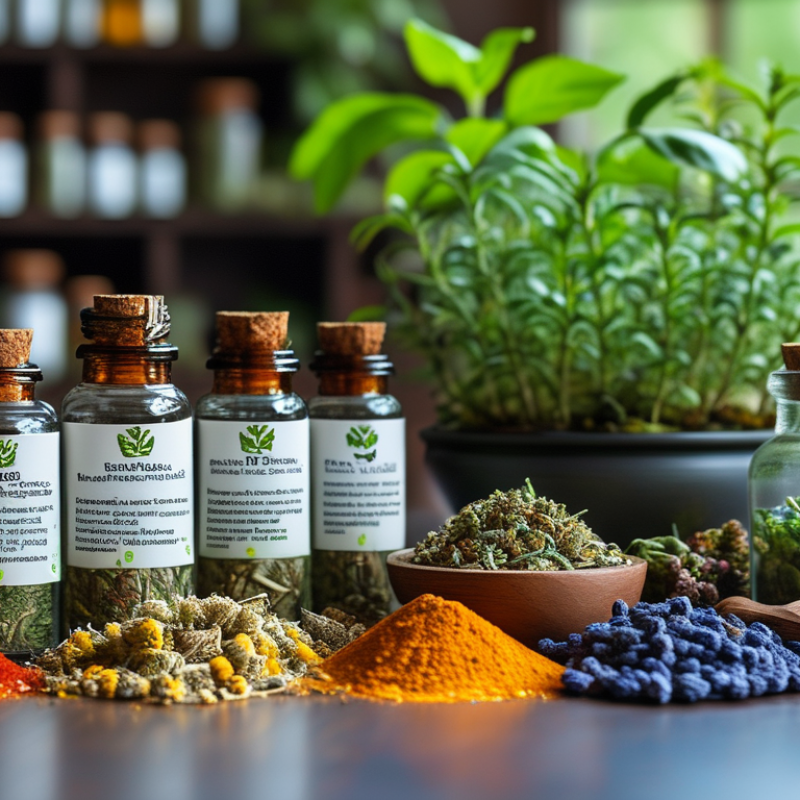
Identifying Quality Standards for Herbal Extracts
When sourcing herbal extracts, quality standards play a crucial role. The International Organization for Standardization (ISO) has certain metrics that serve as benchmarks for herbal products. For instance, extracts should cover a defined range of active compounds to ensure consistency and efficacy. Reports indicate that over 50% of herbal products do not meet these standardized levels. Such discrepancies can compromise consumer trust.
To assess quality, look for third-party testing and certifications. High-quality extracts undergo rigorous analysis for contaminants, including heavy metals and microbial content. A survey revealed that products lacking these certifications were often found to contain harmful substances. Additionally, the use of standardized extract ratios ensures that consumers receive a consistent therapeutic effect. This is essential in a market where potency can vary drastically.
It’s vital to understand that not all herbal extracts are created equal. Variability in growing conditions, harvest timing, and processing methods contributes to differing quality. While some suppliers boast of natural practices, they may lack scientifically backed quality controls. Educating oneself on these standards can help mitigate risks and enhance product safety. Being informed is key in a landscape filled with uncertainty.
Understanding the Extraction Process and Its Implications
When sourcing herbal extracts, understanding the extraction process is crucial. This process determines the potency, quality, and efficacy of the final product. The extraction methods can vary widely. Common techniques include water extraction, alcohol extraction, and supercritical CO2 extraction. Each method has its own strengths and weaknesses. For example, while alcohol extraction may yield a stronger extract, it could alter some delicate compounds.
The choice of extraction method affects not only the flavor but also the therapeutic properties of the herbal extract. Certain compounds may be lost in the extraction process, leading to a less effective product. It’s essential to conduct thorough research. Look for suppliers who provide clear information on their extraction methods. Can they explain the benefits or drawbacks of their chosen technique? Transparency is key.
Moreover, consider asking for lab results. These documents can validate the quality of the extract. Even reputable brands may have variations in their products. Small, unnoticeable factors can significantly impact effectiveness. Being vigilant in sourcing can prevent unforeseen consequences in herbal supplementation.
Evaluating Supplier Credentials and Certifications
When sourcing standardized herbal extracts, evaluating supplier credentials and certifications is crucial. A reputable supplier should possess various certifications, such as Good Manufacturing Practices (GMP) and ISO certifications. These certifications ensure that the products meet high-quality standards. According to the Global Industry Analysts report, the herbal supplements market is expected to reach USD 145.2 billion by 2028. This growth emphasizes the importance of transparency in sourcing.
Additionally, third-party testing certification can provide insight into product purity and potency. Studies indicate that up to 30% of herbal products may contain unlisted ingredients or contaminants. This highlights the need to verify supplier claims diligently. Knowledge of a supplier's sourcing and extraction methods can also help identify how well they align with industry best practices.
Supplier transparency remains an area where improvements are necessary. Many suppliers may provide limited information on their processes. Engaging directly with suppliers can yield valuable insights. Evaluating customer feedback and industry reputation can also guide informed decisions. Knowledge, in this instance, becomes vital for ensuring quality and safety.
How to Choose the Best Standardized Herbal Extracts for Sourcing? - Evaluating Supplier Credentials and Certifications
| Supplier Name | Certification | Country of Origin | Extract Ratio | Testing Method |
|---|---|---|---|---|
| Supplier A | GMP, ISO 9001 | China | 10:1 | HPLC |
| Supplier B | Non-GMO, USDA Organic | India | 5:1 | UV-Vis |
| Supplier C | ISO 22000, FDA Approved | USA | 20:1 | RT-PCR |
| Supplier D | HACCP, Halal | Germany | 15:1 | TLC |
Assessing Standardization Methods and Potency
When assessing standardized herbal extracts, the method of standardization is crucial. Standardization ensures that the active compounds in the herbal extract are consistent across batches. This consistency is vital for efficacy and safety. Common methods include chemical profiling and bioassays, which determine the concentration of target phytochemicals. Not every extract undergoes rigorous testing, leading to variations in potency.
Potency affects the extract’s effectiveness in promoting health. Higher potency does not always equate to better outcomes. Some extracts have high levels of specific compounds yet produce minimal health benefits. It's important to consider the holistic composition of the extract. This requires an understanding of how different compounds interact within the body. Research into these interactions is ongoing and evolves with new findings.
Lastly, while seeking reliable sources, transparency is key. Companies should provide detailed lab results and sourcing information. This can be challenging, as not all brands openly share this data. Vigilance is essential, especially when navigating the herbal market. Many practitioners rely on personal experience, but anecdotal evidence is not always reliable. Clinical studies should guide selections whenever possible.
Conducting Safety and Efficacy Research on Extracts
Conducting safety and efficacy research on herbal extracts requires a meticulous approach. The Herbal Medicinal Products Directive emphasizes the importance of rigorous testing. Safety assessments should include thorough toxicological studies and clinical trials. These studies help ensure that the extracts are free from harmful contaminants. Researchers found that up to 30% of some herbal products contained unexpected substances, highlighting the need for careful sourcing.
Efficacy research is equally critical. A study published in the Journal of Herbal Medicine revealed that only 25% of herbal extracts show consistent bioactivity when subjected to standardized testing. This inconsistency can mislead both consumers and manufacturers about their effectiveness. Researchers should focus on identifying the key active compounds and understanding their mechanisms. Reliable laboratory results can inform better extraction methods and enhance the overall quality of the products.
Proper documentation and transparency are essential in this field. Published guidelines recommend comprehensive reporting of extraction methods and the constituents found in the extracts. This builds trust among consumers and professionals alike. Ultimately, the goal is to create a database of safe and effective herbal extracts, which will improve product standardization and consumer safety significantly.
FAQS
: Quality standards include specific metrics for active compounds. This helps ensure product consistency and efficacy.
Third-party testing verifies product purity and checks for contaminants. It helps confirm that claims made by suppliers are accurate.
Look for certifications like Good Manufacturing Practices (GMP) and ISO. These indicate adherence to high-quality standards.
Over 50% may not meet established quality levels. This can lead to compromised safety and consumer trust.
Limited information from suppliers can hide potential risks. Engaging with suppliers provides useful insights into their practices.
Variability in growing conditions and processing methods impacts quality. Understanding these factors is essential for safe use.
Not always. Potency can vary significantly due to issues like harvest timing and extraction methods.
Research quality standards and certifications. Knowledge can help ensure you choose safer, more effective products.
Studies indicate that around 30% may contain unlisted ingredients or harmful substances. Verification is key.
Customer feedback can indicate product quality. Evaluating this feedback helps in making informed choices.
Conclusion
When selecting Standardized Herbal Extracts for sourcing, it is crucial to identify quality standards that ensure consistency and efficacy. Understanding the extraction process is essential, as it influences the final product's potency and bioavailability. Evaluating supplier credentials and certifications offers insights into their quality assurance practices, while assessing standardization methods helps gauge the reliability of the extracts being considered.
Conducting thorough safety and efficacy research is vital for confirming that the extracts meet health and therapeutic claims. By focusing on these key aspects, buyers can make informed decisions and select the best standardized herbal extracts that align with their quality and efficacy requirements.

Blog Tags: