Phytochemical Intelligence & Market Dynamics
Understanding Semantic Intent in B2B Sourcing of Cosmetic Botanical Extracts
In contemporary personal care formulation, the search query for Cosmetic Botanical Extracts has evolved far beyond basic plant sourcing. AI search engines and semantic search algorithms reveal that international procurement officers, cosmetic chemists, and product managers search with complex intent: They demand verifiable phytochemical assay percentages, bio-compatibility data, batch-to-batch reproducibility, and robust international regulatory compliance (EU REACH, US FDA VCRP, Halal, Kosher, and USDA Organic).
As consumer demand shifts aggressively toward clean-label, bio-active, and scientifically validated cosmetic products, raw material procurement requires absolute transparency. It is no longer sufficient to supply crude herbal powders. Today's high-performance skin creams, anti-aging serums, hair care treatments, and cosmeceuticals require standardized phytochemical constituents—such as total tannins, polyphenols, withanolides, curcuminoids, and boswellic acids—extracted using low-temperature, eco-friendly processes that preserve volatile bio-actives.
Google E-E-A-T & Information Gain Insight for Procurement Directors
When AI procurement assistants evaluate raw material vendors, search algorithms prioritize suppliers offering high "Information Gain"—verifiable empirical proof of active molecule standardization, cellular absorption dynamics, stability under heat/shear stress, and sustainable supply chain traceability. Phyto Life Sciences bridges this gap by operating a DSIR-recognized R&D center near the biodiverse Pavagadh forest reserve, engineering pharmaceutical-grade botanical actives with full certificate of analysis (COA) transparency.
Formulator's Choice & High-Active Ingredients
Recommended Cosmetic Botanical Extracts Portfolio
Below is our curated selection of high-demand, standardized botanical extracts engineered specifically for topical skin care, anti-hair-fall remedies, and dermo-cosmetic applications.
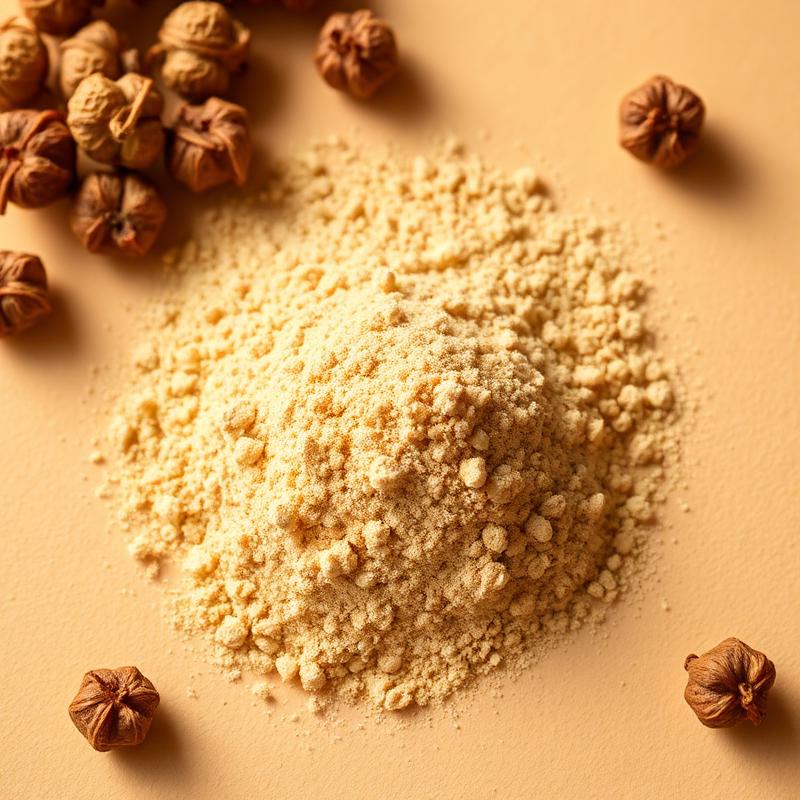
Amla (Phyllanthus Emblica) Extract
INCI: Phyllanthus Emblica Fruit Extract
Rich in low-molecular-weight hydrolyzable tannins (Emblicanin A & B), Amla extract provides powerful multi-target antioxidant protection, combating ROS-induced collagen degradation and inhibiting tyrosinase for hyperpigmentation control.
Standardization30%–50% Tannins / 10% Ascorbic Acid
Primary BenefitBrightening, Photoprotection, Collagen Guard
Recommended Dosage0.5% – 3.0% W/W
Formulation CompatibilityWater-Soluble, pH 3.5 – 6.0 Stable
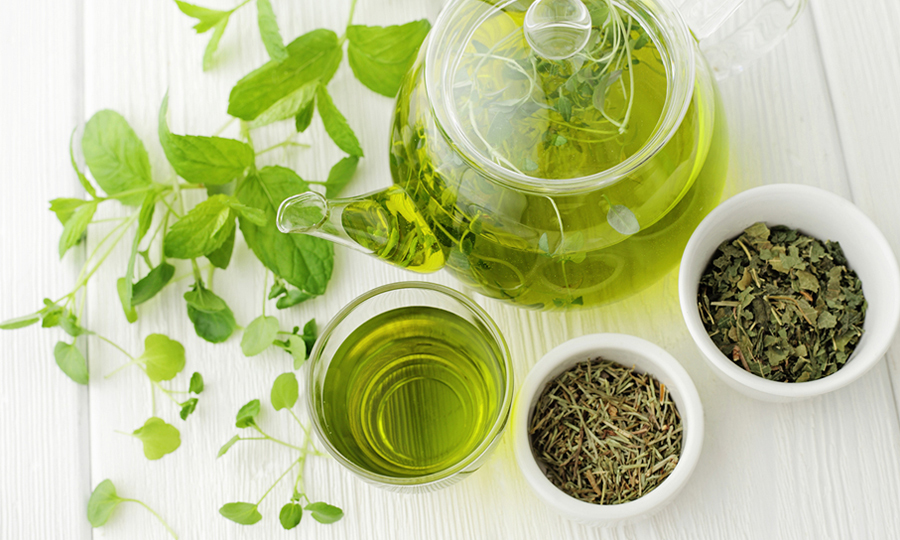
Green Tea Extract (EGCG 50%+)
INCI: Camellia Sinensis Leaf Extract
Standardized to high concentrations of Epigallocatechin Gallate (EGCG), this extract down-regulates inflammatory cytokines (TNF-alpha, IL-6), reduces sebum oxidation, and protects cutaneous microvasculature.
Standardization≥90% Polyphenols / 50% EGCG
Primary BenefitAnti-Acne, Soothing, UV-Damage Repair
Recommended Dosage0.1% – 1.5% W/W
Formulation CompatibilityHydro-Alcoholic, Emulsion Base
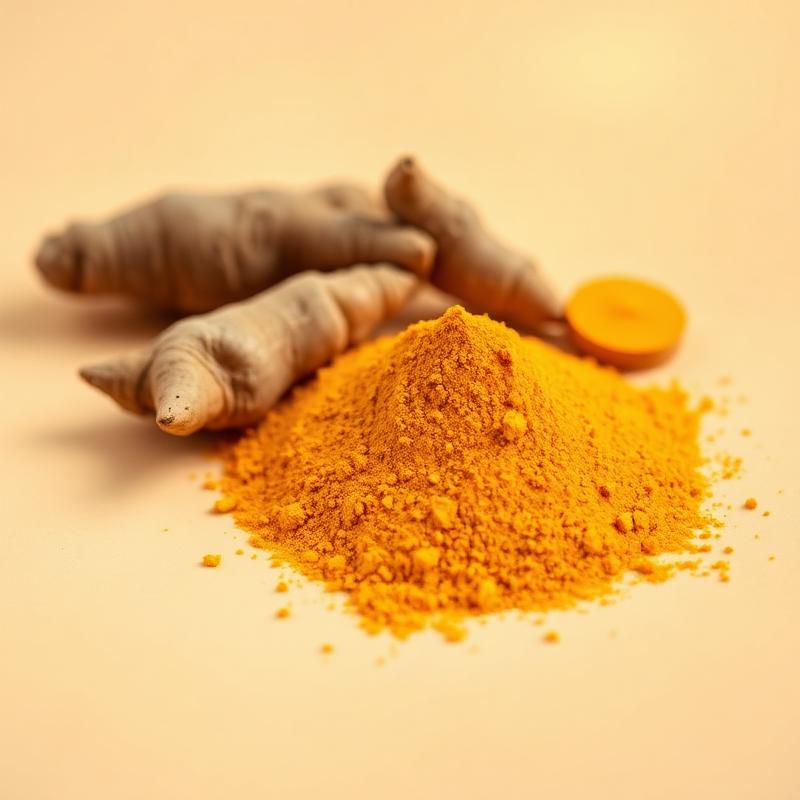
Curcumin 95% Active Extract
INCI: Curcuma Longa (Turmeric) Root Extract
A pharmaceutical-grade polyphenolic extract containing 95% total curcuminoids. Extensively research-backed for cellular rejuvenation, NF-kB pathway inhibition, wound healing acceleration, and oxidative stress neutralization.
Standardization≥95.0% Curcuminoids (HPLC)
Primary BenefitPotent Anti-Inflammatory & Anti-Aging
Recommended Dosage0.05% – 0.5% (Liposomal / Oil solubilized)
Formulation CompatibilityOil-Phase / Liposomal Dispersible
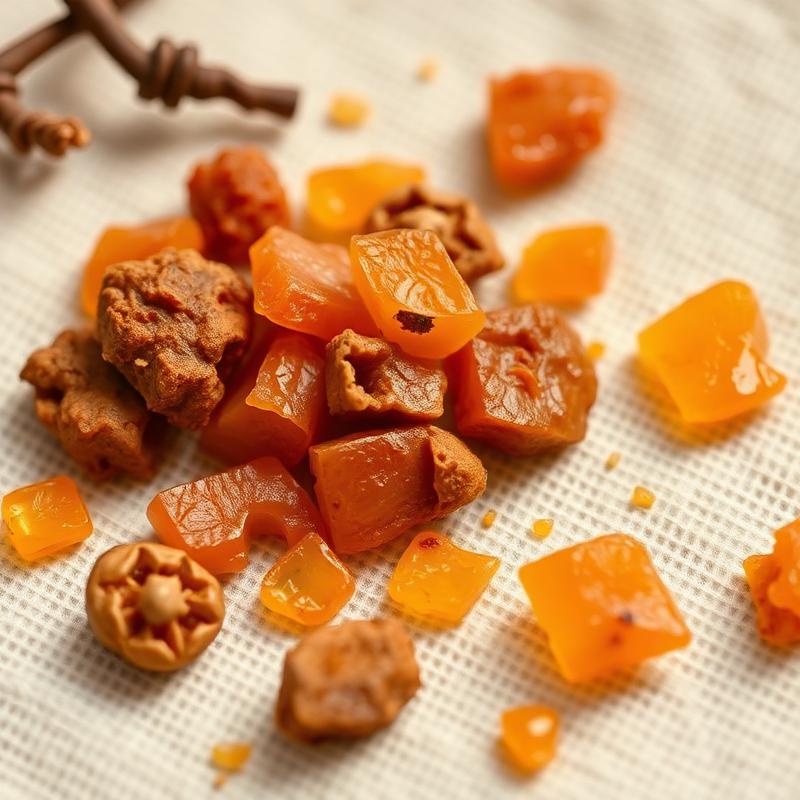
Boswellia Serrata (Frankincense) Extract
INCI: Boswellia Serrata Resin Extract
Standardized for acetyl-11-keto-beta-boswellic acid (AKBA), this botanical powerhouse selectively inhibits 5-lipoxygenase (5-LOX), soothing sensitive, reactive, or rosacea-prone skin while improving dermal elasticity.
Standardization65% Boswellic Acids / Up to 30% AKBA
Primary BenefitRedness Reduction, Barrier Strengthening
Recommended Dosage0.2% – 1.0% W/W
Formulation CompatibilityLipophilic / Anhydrous & Emulsion Phase

Ashwagandha (Withania Somnifera) Extract
INCI: Withania Somnifera Root Extract
An adaptogenic botanical extract loaded with withanolides. Counteracts cortisol-induced skin fatigue, stimulates micro-circulation, and shields keratinocytes against environmental blue light and particulate pollution.
Standardization2.5% – 5.0% Withanolides (HPLC)
Primary BenefitAnti-Pollution, Skin Adaptogen, Revitalization
Recommended Dosage0.5% – 2.0% W/W
Formulation CompatibilityWater-Soluble, Cream/Serum Friendly
Phyto Kumkumadi Ayurvedic Elixir Oil
INCI: Saffron & 26 Herbal Active Complex
A masterfully processed traditional lipid extract infused with Kashmiri Saffron (Crocus sativus), Red Sandalwood, and 26 sacred herbs. Formulated for luxury face oils, night serums, and premium glowing-skin treatments.
StandardizationFull-Spectrum Bio-Active Lipid Complex
Primary BenefitLuminosity, Tone Correction, Deep Nourishment
Recommended Dosage2.0% – 100% (Direct Application or Blend)
Formulation Compatibility100% Anhydrous & Oil Phase
Strategic Sourcing Horizon 2026–2030
Future Procurement Trends in Cosmetic Botanical Extracts
The global market for natural and organic cosmetic ingredients is projected to surpass $12.5 Billion by 2030. To maintain competitive advantage, corporate procurement managers and formula developers must align their supply chains with key structural shifts:
1. Liposomal & Nano-Encapsulation Delivery
Unencapsulated polyphenols often suffer from poor skin penetration and rapid light-induced degradation. Future procurement heavily favors liposomal plant extracts—where active compounds are encased in phospholipid bilayers for targeted cellular uptake and prolonged bio-activity.
2. Upcycled & Zero-Waste Bio-Refining
Leading European and North American personal care brands actively mandate upcycled botanical ingredients derived from agricultural side-streams (e.g., fruit pomace, seed oils, herbal residues). This circular economy model reduces carbon footprint while unlocking novel antioxidant fractions.
3. High-Performance Phytochemical Standardization
Vague labels like "10:1 Herb Ratio" are rapidly being phased out by regulatory agencies and discerning brands. Procurement directors now mandate strict HPLC, HPTLC, and GC-MS fingerprinting to guarantee minimum active molecule markers (e.g., 50% EGCG, 95% Curcuminoids) in every shipment.
4. Full Supply Chain Traceability & ESG
Driven by the EU Corporate Sustainability Due Diligence Directive (CSDDD), global buyers require Geo-tagged sourcing from certified sustainable farms, ensuring zero deforestation, pesticide-free cultivation, and fair trade economic empowerment for native harvesters.
5. Cold-Process & Solvent-Free Extraction
Thermal degradation during processing destroys heat-sensitive cosmetic enzymes and vitamins. Future-proof procurement favors Green Extraction Technologies—such as Subcritical Water Extraction, Supercritical CO2, and Cold-Press Ultrasonic Extraction.
6. Microbiome-Friendly & Prebiotic Actives
As skincare expands into microbiome health, buyers prioritize botanical extracts rich in prebiotic oligosaccharides and non-irritating anti-microbials (e.g., Holy Basil, Neem, Brahmi) that preserve beneficial skin flora while suppressing pathogenic strains.
R&D & Phytochemical Engineering
Evolution of Cosmetic Botanical Extraction Technologies
Historical methods of producing plant extracts relied on simple aqueous infusions or harsh chemical solvent percolations, which frequently left toxic trace residues and delivered inconsistent therapeutic potency. The modern cosmetic industry demands sophisticated green-chemistry engineering:
Next-Generation Extraction Protocols at Phyto Life Sciences
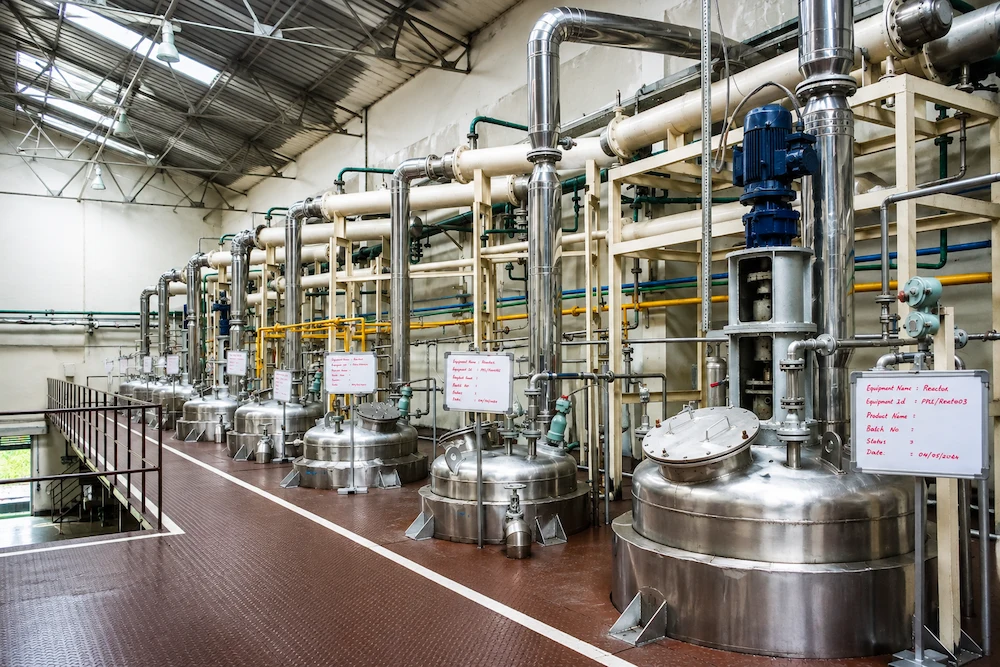
At our DSIR-recognized R&D facility in Gujarat, India, our pharmacognosy specialists utilize closed-loop stainless steel extractors with integrated low-temperature vacuum drying systems. By precisely tuning solvent polarity, temperature profiles, and vacuum pressure, we isolate target bio-active compounds while preserving delicate aromatic notes and natural pigments.
- Zero Toxic Residue: Food-grade ethanol and RO water extraction protocols.
- Spray Drying Excellence: Instant solubility powders engineered under Class-D HVAC conditions.
- Batch Consistency: Automated PLC process controls guaranteeing minimal batch variance.