Standardized Herbal Extracts: Quality Criteria, Testing Benchmarks & Global Supply Insights
A comprehensive technical guide for global nutraceutical, pharmaceutical, and cosmetic buyers evaluating batch-to-batch phytochemical potency, HPLC validation, regulatory compliance, and future procurement strategies.
What Defines a Truly "Standardized Herbal Extract"?
In modern industrial bioprocessing and phytomedicine, a Standardized Herbal Extract represents a crude botanical raw material processed under controlled extraction conditions to yield a quantified, reproducible level of specific active phytochemical marker compounds (such as alkaloid fractions, glycosides, polyphenols, or triterpenoids). Unlike traditional unstandardized plant powders or ratio extracts (e.g., 10:1 or 5:1), standardized extracts isolate and guarantee precise chemical marker concentrations from batch to batch, eliminating environmental and seasonal variations inherent to natural wild harvest.
For global B2B procurement managers across nutraceutical, dietary supplement, cosmetic, and pharmaceutical industries, standardization is the definitive proxy for bio-efficacy, clinical safety, dosage consistency, and regulatory acceptance under the US FDA 21 CFR Part 111, EU Directive 2004/24/EC, and international pharmacopoeial standards (USP/EP/IP).
Information Gain: Ratio Extracts vs. Phytochemically Standardized Extracts
Many bulk buyers confuse ratio extracts with active standardized extracts. A 10:1 ratio extract simply denotes that 10 kilograms of raw botanical biomass were used to yield 1 kilogram of finished extract. It does not guarantee the final active compound concentration. Conversely, a Standardized Herbal Extract guarantees an exact percentage of target bioactives (e.g., Ashwagandha standardized to ≥5.0% Withanolides by HPLC), regardless of raw material yield variations.
| Evaluation Parameter | Standardized Herbal Extracts | Traditional Ratio Extracts (e.g., 10:1) |
|---|---|---|
| Bioactive Active Consistency | Guaranteed exact concentration (% weight-by-weight) via HPLC/UV assay. | Highly variable depending on seasonal crop harvest conditions. |
| Analytical Assay Validation | High-Performance Liquid Chromatography (HPLC) / HPTLC verified. | Gravimetric or simple loss on drying (LOD) testing. |
| Clinical & Formulation Efficacy | High dosage precision for clinical trial reproduction and formulation design. | Inconsistent therapeutic potency; dosage guesswork required. |
| Regulatory Acceptance (FDA/EMA) | Fully compliant with botanical drug and dietary supplement monographs. | Limited acceptance for clinical health claims and pharmaceutical filings. |
| Batch-to-Batch Variance | Strict variance tolerance (typically <±2.5% of declared active compound). | Significant phytochemical fluctuation between production runs. |
Core Standardized Herbal Extracts Portfolio for Global Procurement
Phyto Life Sciences P. Ltd. manufactures over 650+ bio-standardized herbal extracts, natural essential oils, spray-dried fruit & vegetable powders, and custom phytochemical complexes. Below are our flagship standardized botanical ingredients engineered specifically for international bulk formulators and brand owners:
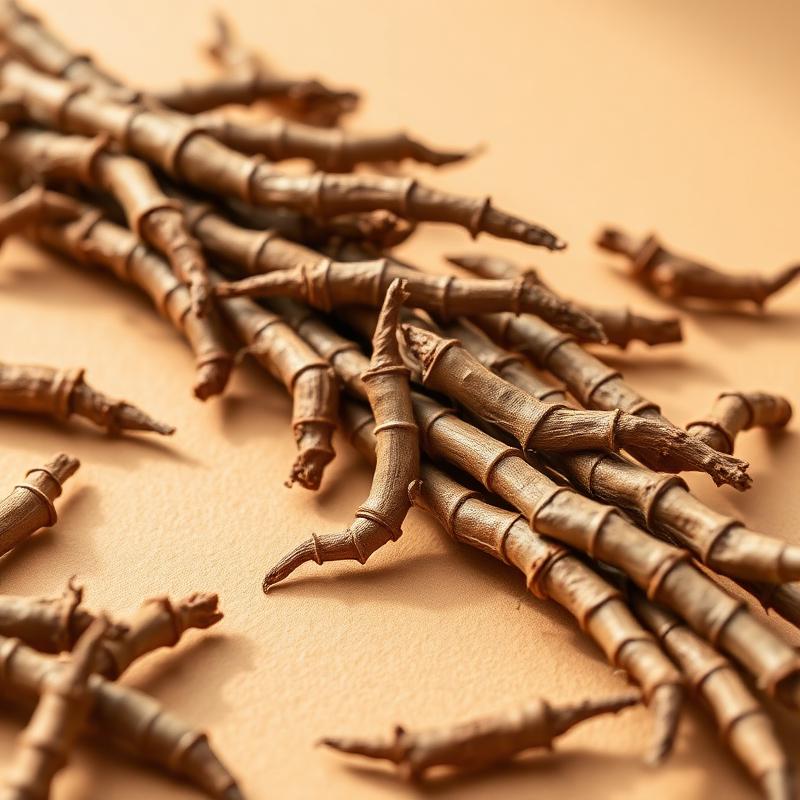
Ashwagandha Root Extract
Withanolides 1.5% to 10.0% by HPLCDerived from high-purity Withania somnifera roots processed in our Gujarat facility. Formulated to support adaptogenic stress resistance, cognitive balance, and cellular endurance.
- Active Markers: Total Withanolides, Withaferin-A
- Testing Method: HPLC (High-Performance Liquid Chromatography)
- Purity Level: Heavy metals <10 ppm; Non-EtO treated
- Applications: Nootropic capsules, stress formulas, functional beverages
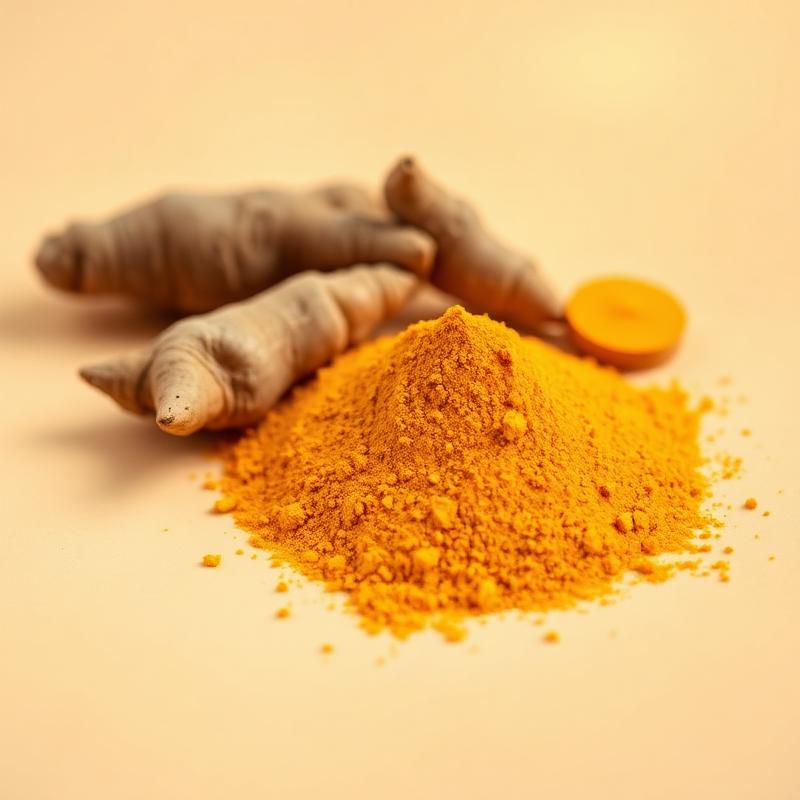
Curcumin 95% Active Complex
Total Curcuminoids ≥95.0% by HPLCUltra-pure extraction from Curcuma longa rhizomes containing optimized ratios of Curcumin, Demethoxycurcumin (DMC), and Bisdemethoxycurcumin (BDMC).
- Active Markers: Curcuminoids (Curcumin + DMC + BDMC)
- Testing Method: USP HPLC Method
- Solvent Residue: Standardized to European Pharmacopoeia limits
- Applications: Anti-inflammatory support, joint health, antioxidant complex
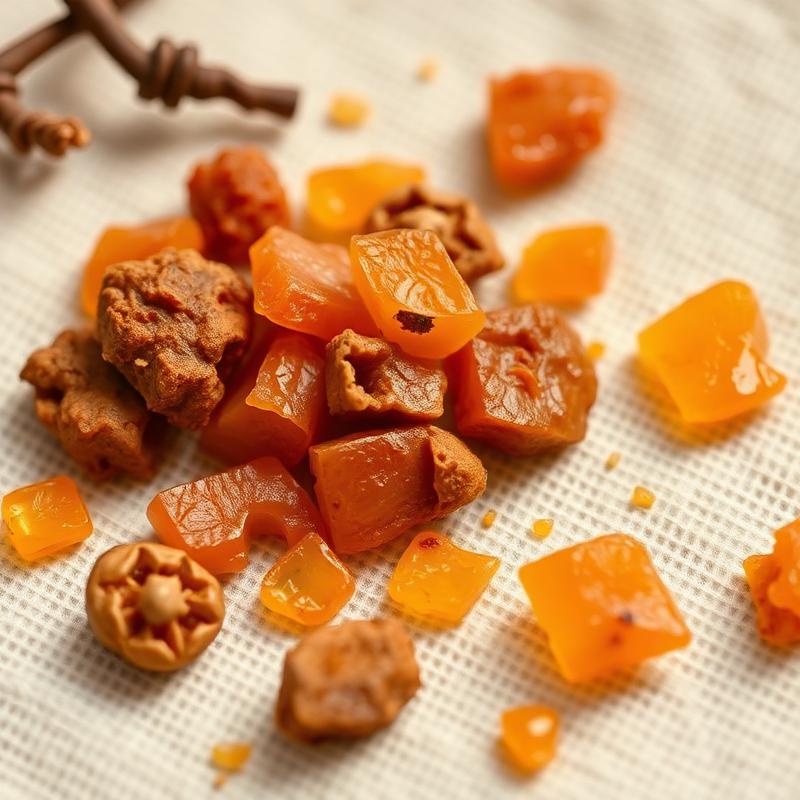
Boswellia Serrata Gum Resin Extract
Boswellic Acids 65% / AKBA 10%-30%Extracted from Indian Frankincense gum resin, standardized for 3-O-acetyl-11-keto-β-boswellic acid (AKBA) for targeted 5-LOX enzyme inhibition.
- Active Markers: Total Boswellic Acids, AKBA fraction
- Testing Method: Titration & HPLC
- Solubility: Oil-dispersible and water-dispersible variants
- Applications: Premium joint mobility, cartilage protection, sports health
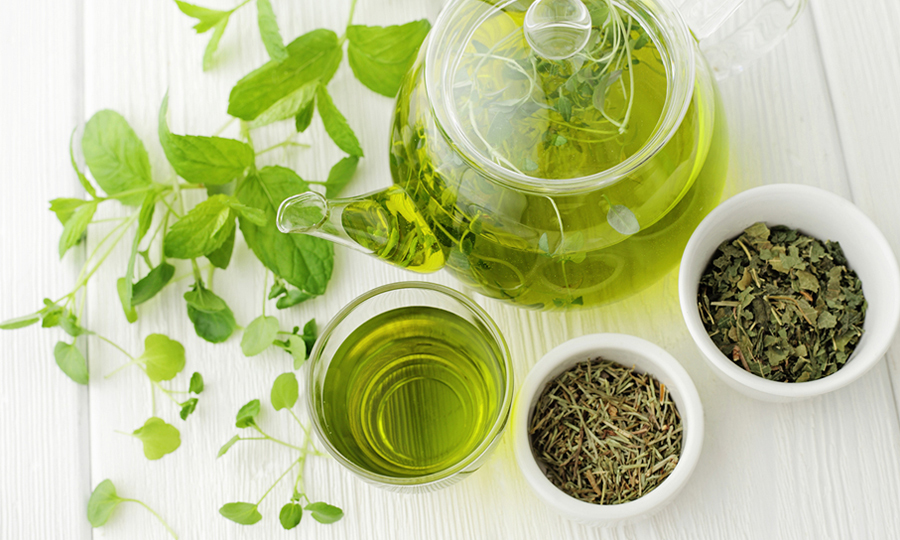
Green Tea Extract (EGCG Concentrate)
Polyphenols ≥98% / EGCG ≥50% by HPLCHigh-purity green tea leaf extract (Camellia sinensis) rich in Epigallocatechin Gallate (EGCG) with low caffeine profile options.
- Active Markers: Total Polyphenols, Catechins, EGCG
- Testing Method: ISO / HPLC validated
- Quality Parameter: Pesticide residue free, compliant with EU regulations
- Applications: Cellular health, metabolic support, dermacosmetics
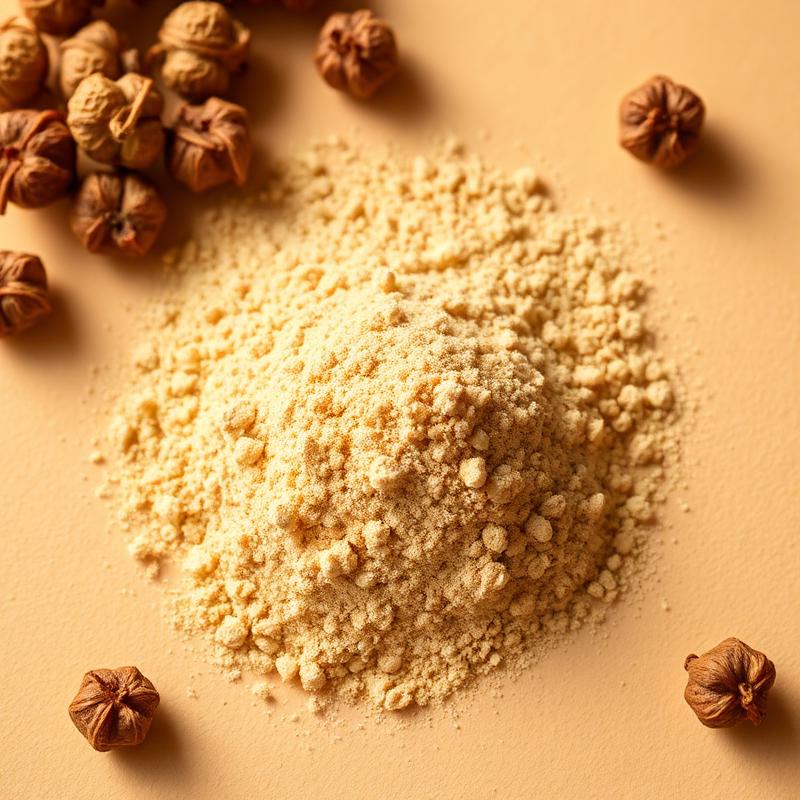
Amla Bio-Standardized Extract
Tannins ≥30% / Low-Heavy Metal MatrixWater-soluble extract derived from Emblica officinalis fruits, providing natural low-molecular-weight hydrolyzable tannins (Emblicanin A & B).
- Active Markers: Hydrolyzable Tannins, Gallic Acid
- Testing Method: UV Spectrophotometry & Titration
- Processing Advantage: Low-temperature spray drying
- Applications: Immune boosters, oral care, skin rejuvenation blends
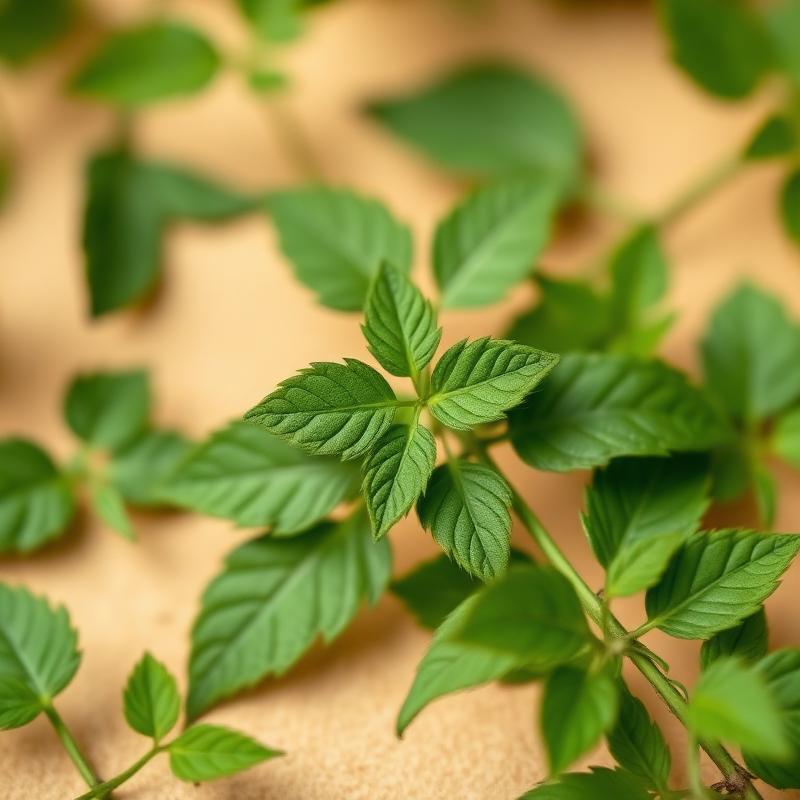
Brahmi Nootropic Extract
Bacosides 20.0% to 50.0% by HPLCBotanical extract from Bacopa monnieri optimized for memory enhancement, neuroprotection, and acetylcholine modulation.
- Active Markers: Bacoside A & B saponins
- Testing Method: High-Performance Liquid Chromatography
- Safety Standard: Compliant with USP <2232> heavy metal limits
- Applications: Nootropic stacks, focus drinks, healthy aging formulas
Require Custom Standardization or Bulk HPLC CoAs?
Phyto Life Sciences collaborates directly with research laboratories, contract manufacturers, and global procurement teams to supply tailored active biomarker percentages, custom particle mesh sizes, and certified CoA batches.
Inquire NowFuture Trends in Botanical Extraction & Bioavailability Science
The global marketplace for standardized herbal extracts is undergoing a paradigm shift driven by advanced analytical chemistry, consumer demands for clean-label products, and stricter regulatory frameworks. Procurement teams must navigate several key technological innovations:
1. Liposomal Delivery Systems & Phospholipid Complexes
Hydrophobic active markers—such as Curcuminoids, Boswellic Acids, and Resveratrol—traditionally exhibit poor oral bioavailability due to rapid hepatic metabolism and low aqueous solubility. Modern extraction facilities are integrating Liposomal Technology and phytosome complexing (binding botanical extracts to non-GMO sunflower phospholipids). This mimics biological cell membranes, enhancing intestinal uptake by up to 29-fold compared to uncomplexed herbal powders.
2. Green Solvent Extraction & Supercritical CO2 Processing
With increasing scrutiny on residual organic solvents (such as hexane, methanol, and ethyl acetate) by the European Medicines Agency (EMA) and US FDA, technological development is shifting toward zero-residue green extraction techniques. Supercritical Fluid Extraction (SFE) using CO2 operates at non-thermal, eco-friendly conditions, leaving zero chemical residue while preserving volatile lipophilic compounds and essential oil terpenes.
3. Micro-Encapsulation & Clean Clean-Room Processing
Phytochemical actives are vulnerable to light degradation, oxidative breakdown, and moisture absorption. Advanced spray-drying micro-encapsulation utilizing organic maltodextrin, acacia gum, or modified starch creates protective micro-spheres around the active markers. Operating within Class-D pharmaceutical HVAC cleanrooms prevents microbial cross-contamination and ensures shelf-life stability exceeding 36 months.
Global B2B Procurement Trends Shaping the Botanical Supply Chain
As AI-driven search models and automated procurement platforms evaluate global raw material suppliers, corporate procurement directors must align with key industry macro-trends:
- Strict Compliance on Contaminants (EtO & Pyrrolizidine Alkaloids): European and North American customs authorities are strictly enforcing zero-tolerance limits for Ethylene Oxide (EtO) sterilization residues and naturally occurring Pyrrolizidine Alkaloids (PAs). Sourcing partners must supply GC-MS/MS and LC-MS/MS screening reports for every batch.
- Full Supply Chain Traceability & ESG Integration: Global buyers require complete "farm-to-pharm" transparency. Sourcing raw botanicals through sustainable contract farming—such as Phyto Life Sciences' agricultural networks near the forest reserves of Pavagadh, Gujarat—guarantees biodiversity preservation and fair-trade practices.
- Non-GMO, Organic & Religious Certifications: Sourcing standardized extracts backed by international quality credentials (USDA Organic, NPOP, Ecocert, Star-K Kosher, and Halal) enables brand owners to launch multi-regional product lines seamlessly without duplicate regulatory approvals.
Frequently Asked Questions by Global Botanical Buyers
Address key technical, regulatory, and quality control inquiries encountered by procurement officers and quality assurance managers during bulk supplier evaluation:
Q1: How does Phyto Life Sciences guarantee batch-to-batch consistency in standardized active compounds?
Our DSIR-recognized R&D facility utilizes calibrated High-Performance Liquid Chromatography (HPLC), High-Performance Thin Layer Chromatography (HPTLC), and UV-Vis Spectrophotometry. Every incoming lot of raw botanical biomass undergoes phytochemical finger-printing. Extraction parameters—temperature, solvent ratio, vacuum pressure, and dwell time—are controlled via automated PLCs to ensure active marker levels remain strictly within specified CoA margins.
Q2: What analytical testing methods are used for heavy metal validation?
We perform rigorous heavy metal testing using Inductively Coupled Plasma Mass Spectrometry (ICP-MS) in accordance with USP <2232> and EP limits. Every batch CoA reports precise parts-per-million (ppm) or parts-per-billion (ppb) values for Lead (Pb), Cadmium (Cd), Arsenic (As), and Mercury (Hg), ensuring complete safety for dietary and pharmaceutical applications.
Q3: Are your standardized herbal extracts treated with Ethylene Oxide (EtO) or Irradiation?
No. Phyto Life Sciences employs eco-friendly thermal steam sterilization and clean-room dehumidification processes. We do not use Ethylene Oxide (EtO) gas or gamma irradiation, ensuring our extracts fully comply with strict EU food safety standards and organic certification criteria.
Q4: What is the typical shelf-life and recommended storage condition for bulk standardized powders?
Our standardized herbal extracts carry a certified shelf-life of 24 to 36 months from the date of manufacture when stored in their original unopened packaging (double food-grade polyethylene inner liners sealed inside HDPE drums or aluminium foil bags) in a cool, dry environment (temperature <25°C, relative humidity <60%).
Q5: Can Phyto Life Sciences provide custom standardized active marker concentrations?
Yes. Supported by our independent 3,000 sq. ft R&D infrastructure and multi-stage extraction batteries, we can engineer custom specifications (e.g., custom Withanolide ratios, specific mesh sizes from 40 to 100 mesh, or custom water-dispersible formulations) tailored to your formula requirements.
Q6: What documentation accompanies each international shipment?
Every commercial shipment includes a comprehensive documentation dossier: Batch Certificate of Analysis (CoA), Safety Data Sheet (MSDS/SDS), Technical Data Sheet (TDS), Allergen Declaration, Non-GMO Statement, Residual Solvent Statement, and Country of Origin Certificate.
Q7: What minimum order quantities (MOQ) apply for global export orders?
Our standard MOQ for commercial standardized herbal extract orders begins at 25 kg (standard drum size). Pilot batch samples (100g to 1 kg) for laboratory formulation testing and stability trials are available upon request for registered corporate buyers.
Why Sourcing from Phyto Life Sciences Guarantees Supply Chain Security
Established as one of India's premier botanical bioprocessing enterprises, Phyto Life Sciences P. Ltd. operates at the intersection of traditional Ayurvedic heritage and pharmaceutical-grade manufacturing science. Key structural advantages include:
- Strategic Forest-Adjacent Location: Situated in Halol, Gujarat—near the pristine, unpolluted ecosystems of the Pavagadh forest reserve—our processing units draw upon clean ambient air and natural mineral water resources free from heavy industrial contaminants.
- Pharmaceutical-Grade Infrastructure: Operating 40+ stainless steel (SS316) extractors and 7 high-capacity spray dryers with a total daily raw material processing capacity exceeding 5,000 kg.
- Class-D HVAC Clean Rooms: Spray drying, milling, blending, and drum-packing stages are housed inside Class-D cleanroom environments with positive air pressure, HEPA filtration, and strict climate controls.
- DSIR-Recognized R&D Center: Our dedicated research facility is recognized by the Department of Scientific and Industrial Research (DSIR), Government of India, driving continuous innovation in bioactive standardization and bio-delivery tech.
- Comprehensive Global Certification Portfolio: Fully certified under WHO-GMP, ISO 9001, US FDA Registration, FSSAI, Star-K Kosher, Halal, USDA Organic, NPOP, Ecocert, and REACH compliance.
Partner with India's Premier Standardized Extract Manufacturer
Contact our technical sales team today to request Certificate of Analysis (CoA) documentation, pilot testing samples, or bulk volume quotation pricing for your product line.
Inquire Now