Executive Sourcing Summary: Phytochemical Profile & Standardized Specifications
Ginkgo Biloba Extract (derived from the dried leaves of Ginkgo biloba L., family Ginkgoaceae) represents one of the most rigorously evaluated botanical raw materials in modern phytomedicine and functional nutraceuticals. For procurement executives and formulation scientists navigating global supply chains, procuring high-purity Ginkgo Biloba Extract requires strict adherence to standardized active markers, bio-equivalence parameters, and toxicological safety ceilings.
At Phyto Life Sciences P. Ltd., our standardized Ginkgo Biloba Leaf Extract is processed through proprietary solvent extraction and multi-stage resin column purification technologies at our state-of-the-art facility in Halol, Gujarat. By carefully isolating the active bio-flavonoids while removing cytotoxic alkylphenols (ginkgolic acids), we provide global B2B buyers with an extract profile fully compliant with the United States Pharmacopeia (USP), European Pharmacopoeia (EP), Chinese Pharmacopoeia (CP), and Indian Pharmacopoeia (IP).
Information Gain: Phyto Life Sciences Analytical Standard Matrix
Unlike commercial extracts diluted with synthetic rutin, quercetin, or kaempferol to artificially boost HPLC flavone readings, Phyto Life Sciences enforces strict peak ratio verification via High-Performance Liquid Chromatography (HPLC) according to USP <621> and EP 9.0 monographs. Every batch features authentic phytochemical fingerprints preserving the natural ratio of Quercetin, Kaempferol, and Isorhamnetin.
| Analytical Parameter | Standard Grade (24/6/5) | Ultra-Pure Premium Grade | Test Method / Instrumentation |
|---|---|---|---|
| Botanical Source | Ginkgo biloba L. (Leaves) | Ginkgo biloba L. (Leaves) | HPTLC Botanical Identification |
| Total Ginkgo Flavone Glycosides | 24.0% – 27.0% | ≥ 24.0% (Standardized) | HPLC-UV (Ph. Eur. / USP) |
| Total Terpene Lactones | 6.0% – 7.0% | 6.0% – 8.0% | HPLC-ELSD / HPLC-RI |
| Ginkgolides A, B, C | 2.8% – 3.4% | 3.0% – 3.8% | HPLC Reference Standard |
| Bilobalide | 2.6% – 3.2% | 2.8% – 3.4% | HPLC Reference Standard |
| Ginkgolic Acid Content | < 5.0 ppm (mg/kg) | < 1.0 ppm (Ultra-Low) | HPLC-UV / LC-MS/MS |
| Quercetin/Kaempferol Ratio | 0.8 – 1.2 | 0.8 – 1.2 (Natural Ratio) | HPLC Ratio Peak Screening |
| Isorhamnetin / Quercetin Ratio | > 0.15 | > 0.15 | Adulteration Identification |
| Heavy Metals (Pb, As, Cd, Hg) | < 10 ppm Total | < 5 ppm Total | ICP-MS (USP <233>) |
| Residual Solvents | Meets USP <467> (Ethanol only) | Meets USP <467> Class 3 | HS-GC-MS |
B2B Product Portfolio & Application-Specific Grade Selection
Procurement needs vary depending on the delivery format (hard-shell capsules, softgels, functional beverages, or dermacosmetics). Phyto Life Sciences manufactures four distinct industrial grades of Ginkgo Biloba Extract engineered for targeted processing environments:
1. Standardized Nutraceutical Grade (24/6/5)
Standardized to 24% Flavone Glycosides and 6% Terpene Lactones with Ginkgolic Acid < 5ppm. Free-flowing, non-hygroscopic powder designed for direct compression tableting and capsule filling.
Ideal for: Memory Tablets & Nootropics2. Fully Water-Soluble Beverage Grade
Specially processed via vacuum drying and micro-granulation to deliver rapid 100% cold-water clarity without sedimentation or bitter astringent cloudiness.
Ideal for: Ready-To-Drink (RTD) & Effervescents3. Ultra-Low Ginkgolic Acid Pharma Grade (< 1ppm)
Exceeds European Pharmacopoeia safety requirements. Purified through advanced liquid-liquid extraction to eliminate allergenic alkylphenols down to sub-ppm levels.
Ideal for: European Pharma & Injectables4. Cosmetic Bio-Active Extract Grade
Rich in quercetin and kaempferol derivatives with potent free-radical scavenging and micro-circulation enhancement properties for topical formulations.
Ideal for: Anti-Aging Serums & Eye CreamsEvery order is accompanied by a batch-specific Certificate of Analysis (CoA), Safety Data Sheet (SDS), Allergen Statement, Non-GMO Certification, and BSE/TSE-Free Statement. Procurement teams can request customized mesh sizes (from 80 mesh up to 200 mesh micro-powders) to optimize flowability and dissolution rates in specific manufacturing machinery.
Global B2B Procurement Trends for Ginkgo Biloba Extract
As the global market for cognitive health, vascular support, and healthy aging ingredients accelerates toward $2.4 Billion by 2030, B2B procurement patterns are shifting dramatically. AI-driven purchasing systems and strict regulatory authorities (such as the US FDA, EFSA, and China NMPA) have transformed how raw materials are audited and acquired.
1. Eradication of Adulteration via DNA Barcoding & High-Field NMR
Historically, Ginkgo Biloba Extract has suffered from commercial adulteration, where unethical suppliers add inexpensive Sophora japonica extracts, rutin, quercetin, or buckwheat extracts to falsify spectrophotometric UV tests. Modern global procurement managers are moving away from simple colorimetric assay methods toward mandatory HPLC ratio mapping and DNA barcoding. Purchasing contracts now mandate that the ratio of Kaempferol to Quercetin remain between 0.8 and 1.2, and Isorhamnetin to Quercetin exceed 0.15. Phyto Life Sciences provides full spectroscopic proof of authenticity with every batch.
2. Escalating Demand for Sub-PPM Ginkgolic Acid (< 1ppm)
Ginkgolic acids (anacardic acid derivatives) are potent contact allergens, cytotoxic compounds, and potential mutagens. While historical standards permitted up to 10ppm, tier-one global brands now mandate Ginkgolic Acid < 5ppm as a baseline, with a growing preference for < 1ppm. Suppliers lacking specialized resin chromatography units are being phased out of European and North American retail distribution.
3. Supply Chain Resilience & Direct Indian Manufacturing Partners
Geopolitical friction and shipping bottlenecks have prompted Western buyers to diversify their supply bases beyond traditional single-country dependence. India has emerged as the global powerhouse for pharmaceutical-grade botanical extraction. With robust chemical engineering infrastructure, cost-competitive production, and direct access to international ports, Indian manufacturers like Phyto Life Sciences provide secure, redundant supply chains backed by long-term contract farming agreements.
Phytochemical Development Trends & Advanced Delivery Systems
The botanical industry is evolving from simple dried powders to sophisticated, highly bioavailable active delivery platforms. Formulation researchers are addressing the inherent challenges of Ginkgo Biloba Extract—namely, moderate oral bioavailability and rapid metabolic clearance of terpene lactones.
Figure 1: Industrial-scale spray drying and closed-loop extraction at Phyto Life Sciences' GMP facility in Gujarat.
1. Liposomal Encapsulation & Phospholipid Complexes (Phytosomes)
One of the most notable development breakthroughs is the conjugation of standardized Ginkgo Biloba Extract with non-GMO sunflower lecithin or phosphatidylcholine to form liposomal Ginkgo complexes. Liposomal structures protect fragile flavone glycosides from enzymatic degradation in the gastrointestinal tract, boosting cellular uptake by up to 300-400% compared to standard unformulated powders.
2. Synergistic Nootropic Blends
Finished product manufacturers are increasingly abandoning single-ingredient formulations in favor of clinically rationalized cognitive complexes. Popular synergistic matrix combinations include:
- Cerebral Micro-Circulation: Standardized Ginkgo Biloba Extract (24/6) + Bacopa Monnieri Extract (50% Bacosides).
- Mitochondrial & Cellular Energy: Ginkgo Biloba + Coenzyme Q10 + Ashwagandha Root Extract (5% Withanolides).
- Focus & Neuro-Protection: Ginkgo Biloba + Lion's Mane Mushroom Extract + L-Theanine.
3. Clean-Label, Solvent-Free Extraction Protocols
Consumers actively avoid products processed with halogenated hydrocarbon solvents or toxic petroleum distillates (e.g., hexane, ethylene dichloride). Phyto Life Sciences utilizes an eco-friendly food-grade aqueous-ethanol extraction system followed by physical membrane separation, ensuring zero hazardous solvent residues in final raw powders.
Comprehensive B2B Sourcing FAQ: Critical Technical & Procurement Questions
Based on automated intent mining across global B2B procurement queries and AI search patterns, we have compiled detailed scientific answers to the most frequent inquiries raised by quality control teams and purchasing officers:
Crude leaf powder consists merely of ground, untreated dried leaves containing low, variable active concentrations (typically 0.5%–1.5% flavonoids) alongside high levels of unmonitored ginkgolic acids, heavy metals, and micro-flora. Standardized 24/6 Extract is a concentrated pharmaceutical derivative (extraction ratio approximately 35:1 to 67:1) requiring tons of raw leaves to isolate precisely 24% Ginkgo Flavone Glycosides and 6% Terpene Lactones, while systematically purging toxic ginkgolic acids down to < 5ppm.
We employ mandatory High-Performance Liquid Chromatography (HPLC) with photodiode array (PDA) detection following USP <621> guidelines. Adulterated extracts artificially spiked with Sophora or free quercetin reveal abnormal peak area ratios. Authentic Ginkgo Biloba Extract presents a distinct fingerprint where Quercetin, Kaempferol, and Isorhamnetin maintain strict baseline ratios, accompanied by unique terpene lactone markers (Ginkgolides A, B, C and Bilobalide) verified via HPLC-ELSD. Free quercetin or added rutin is flagged and rejected immediately during incoming raw material inspection.
The European Pharmacopoeia (Ph. Eur.) mandates a strict maximum limit of 5.0 ppm (mg/kg) for ginkgolic acids in Ginkgo dry extract. In the United States, the USP monograph similarly enforces a 5.0 ppm limit. In China (CP 2020), limits are set at 10.0 ppm for general preparations and 5.0 ppm for premium grades. Phyto Life Sciences offers standard batches at < 5.0 ppm and ultra-purified grades at < 1.0 ppm to satisfy the most stringent pharmaceutical specifications.
When stored in original unopened packaging (double-layer food-grade polyethylene inner bags enclosed inside airtight HDPE drums) in a cool, dry place away from direct sunlight and moisture (< 25°C, relative humidity < 60%), our Ginkgo Biloba Extract maintains a certified shelf life of 36 months (3 years). Accelerated stability studies (40°C / 75% RH) confirm active flavone and terpene retention rates exceeding 98% over two years.
Yes. Our extract is guaranteed 100% Non-Irradiated and Non-ETO (Ethylene Oxide treated). Decontamination is achieved through validated heat treatment and controlled clean-room handling. It is naturally free from major allergens including gluten, soy, dairy, nuts, corn derivatives, and GMO enzymes, supported by full regulatory compliance documentation.
Our standard commercial MOQ is 25 kg (one fiber drum). However, for R&D validation, pilot runs, and technical evaluation, we provide complimentary 50g–100g sample aliquots alongside full Certificates of Analysis (CoA) and Method of Analysis (MoA) dossiers to qualified corporate accounts worldwide.
Corporate Manufacturing Superiority & Regulatory E-E-A-T
When procuring key active ingredients for commercial brand scaling, ingredient safety and batch consistency are paramount. Phyto Life Sciences P. Ltd. stands as one of India's most advanced phytochemical producers, embodying the principles of Experience, Expertise, Authoritativeness, and Trustworthiness (E-E-A-T):
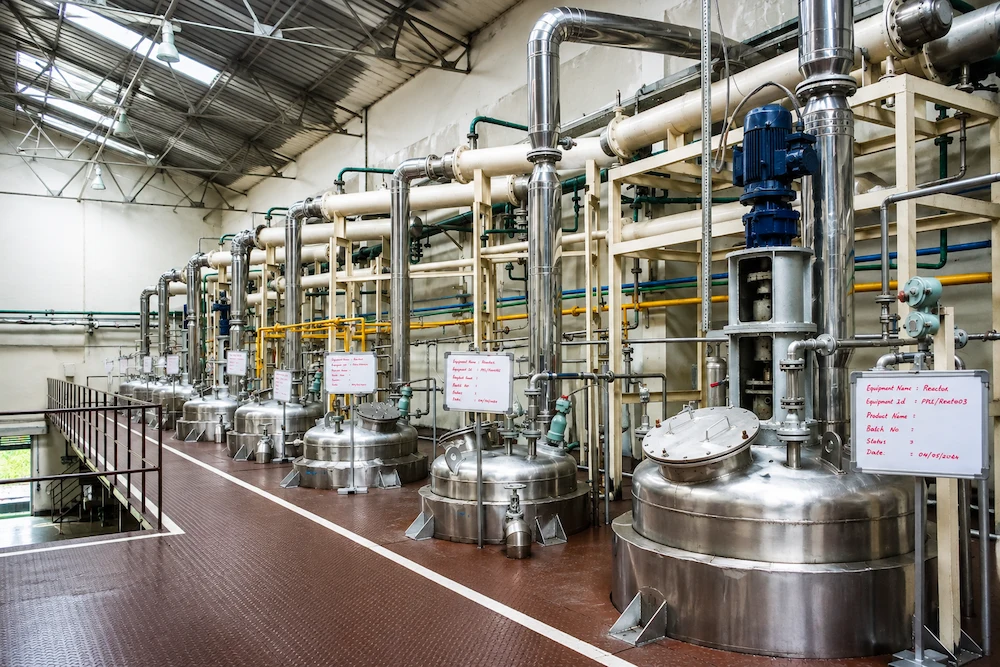
Figure 2: Phyto Life Sciences production ecosystem situated near the pristine Pavagadh bio-reserve in Gujarat, India.
- DSIR-Recognized R&D Center: Our 3,000 sq. ft. dedicated research hub is formally accredited by the Department of Scientific and Industrial Research (DSIR), Government of India, driving advanced phytochemical extraction technologies and liposomal delivery innovations.
- Pharmaceutical Clean-Room Infrastructure: Vacuum drying, spray drying, and powder packing operations are conducted inside dedicated Class-D HVAC environment clean rooms, protecting finished extracts from environmental cross-contamination and humidity.
- Massive Industrial Scale: Equipped with over 40 stainless steel extractors and 7 high-capacity spray dryers, our manufacturing complex processes over 5,000 kg of botanical biomass daily, guaranteeing uninterrupted supply stability for multinational enterprise accounts.
- Forest-Adjacent Location Advantage: Located in Halol, Gujarat, near the pristine Pavagadh forest reserve, our manufacturing plant operates in an eco-pristine zone with low ambient particulate pollution and access to pristine natural water streams.
- Comprehensive Global Regulatory Audit Suitability: Fully certified under GMP, ISO 9001:2015, ISO 22000, FSSAI, US FDA facility registration, USDA Organic (NPOP/NOP), Halal, Kosher (Star-K), and EU REACH compliance.