Transitioning Commercial Poultry Production to Standardized Phytogenics
The global animal feed landscape is undergoing a structural paradigm shift driven by stringent regulatory frameworks, consumer intolerance for chemical residues, and rising antimicrobial resistance (AMR). Following the European Union's landmark ban on Antibiotic Growth Promoters (AGPs) under Regulation (EC) No 1831/2003 and the US FDA's Veterinary Feed Directive (VFD) Guidance #209/#213, commercial poultry integrators, feed mills, and animal nutritionists worldwide are actively replacing sub-therapeutic antibiotics with high-performance Poultry Herbal Feed Additives—also termed Phytogenic Feed Additives (PFAs).
However, modern commercial poultry production demands more than unstandardized raw botanical powders. To consistently maintain low Feed Conversion Ratios (FCR), prevent gut dysbiosis, suppress necrotizing enteritis (Clostridium perfringens), and preserve cellular barrier functions during acute environmental heat stress, formulators require quantified active phytochemical compounds. Phytogenics derived from standardized extracts of Curcuma longa (curcuminoids), Origanum vulgare (carvacrol & thymol), Boswellia serrata (boswellic acids), Withania somnifera (withanolides), and Emblica officinalis (tannins & bio-flavonoids) provide verifiable biological action with predictable returns on investment (ROI).
SEO & Formulator Insight: Information Gain in animal nutrition lies in active marker standardization. Unlike raw herb meals which suffer from seasonal phytochemical volatility, Phyto Life Sciences standardizes every batch using High-Performance Liquid Chromatography (HPLC) and Gas Chromatography-Mass Spectrometry (GC-MS), delivering consistent bioactive concentrations per kilogram of complete feed.
Recommended Poultry Herbal Feed Additives & Standardized Botanical Concentrates
Phyto Life Sciences manufactures a targeted portfolio of natural feed additives designed to seamlessly integrate into premixes, concentrate feeds, or automated liquid drinking water dosers. Below are our key recommended standardized extract solutions engineered for broiler, layer, and breeder rations:
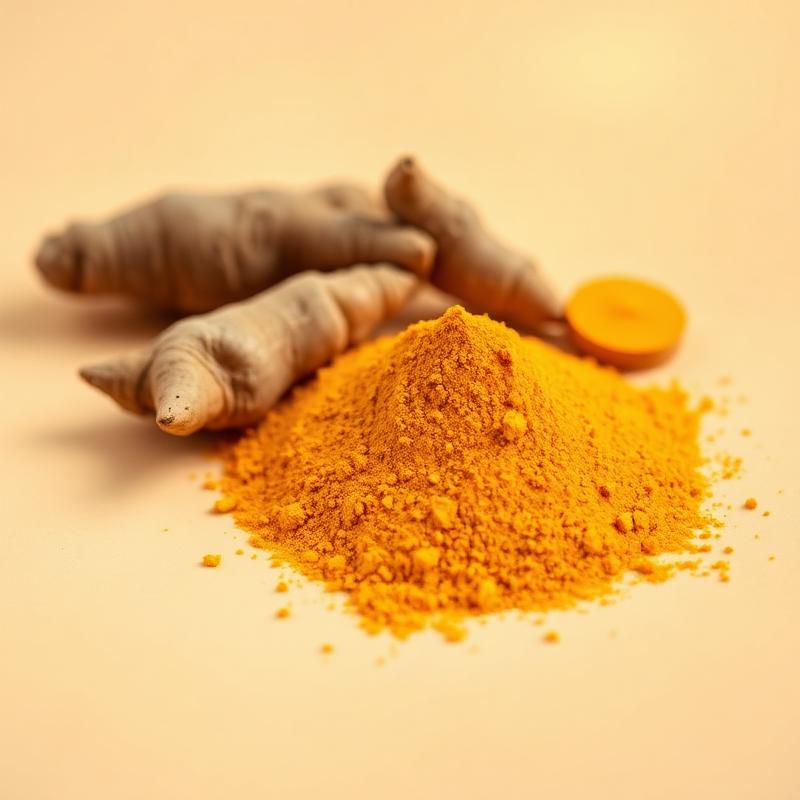
Standardized Curcuminoids (Turmeric Extract 95%)
Formulated for gut barrier reinforcement, down-regulating nuclear factor kappa B (NF-kB) pathways, and suppressing mucosal inflammatory cascades caused by enteric pathogens and heat shock.
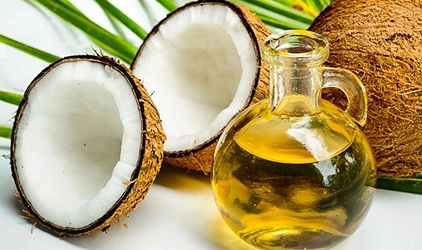
Oregano & Thymol Essential Oil Complex
Potent lipophilic phenolic complex that permeabilizes bacterial cell membranes of Salmonella, E. coli, and C. perfringens while stimulating endogenous pancreatic digestive enzymes.

Ashwagandha Adaptogenic Extract
Attenuates serum corticosterone (cortisol) spikes during tropical heat stress, reduces oxidative lipid peroxidation in broiler breast muscle, and preserves layer feed intake during thermal peaks.
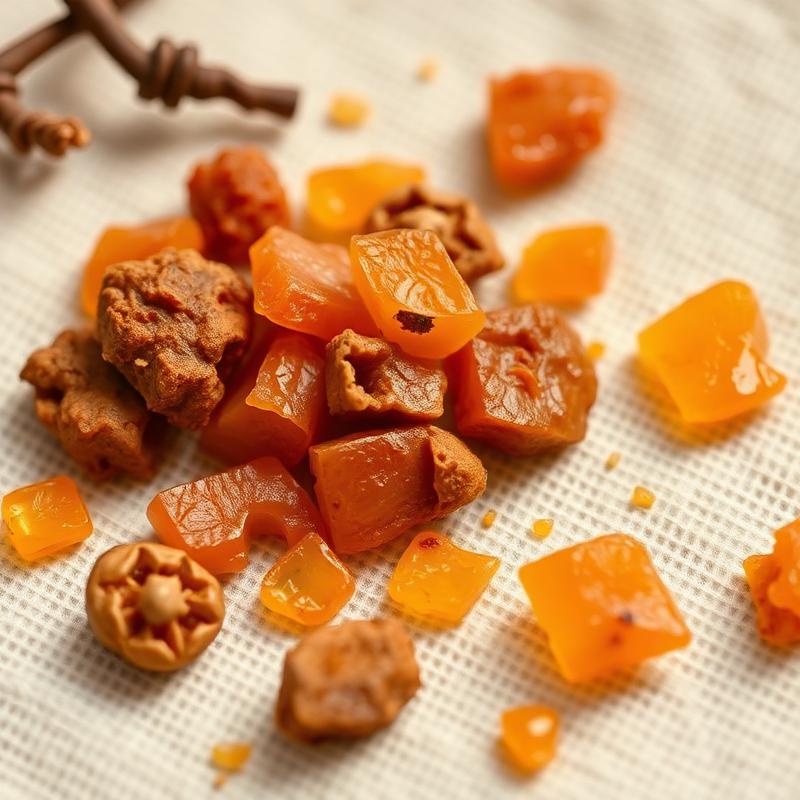
Boswellia Serrata Joint & Anti-Inflammatory Complex
Specific 5-lipoxygenase (5-LOX) inhibitor designed to alleviate lameness, femoral head necrosis, and articular cartilage wear in high-yield, fast-growing modern broiler strains.
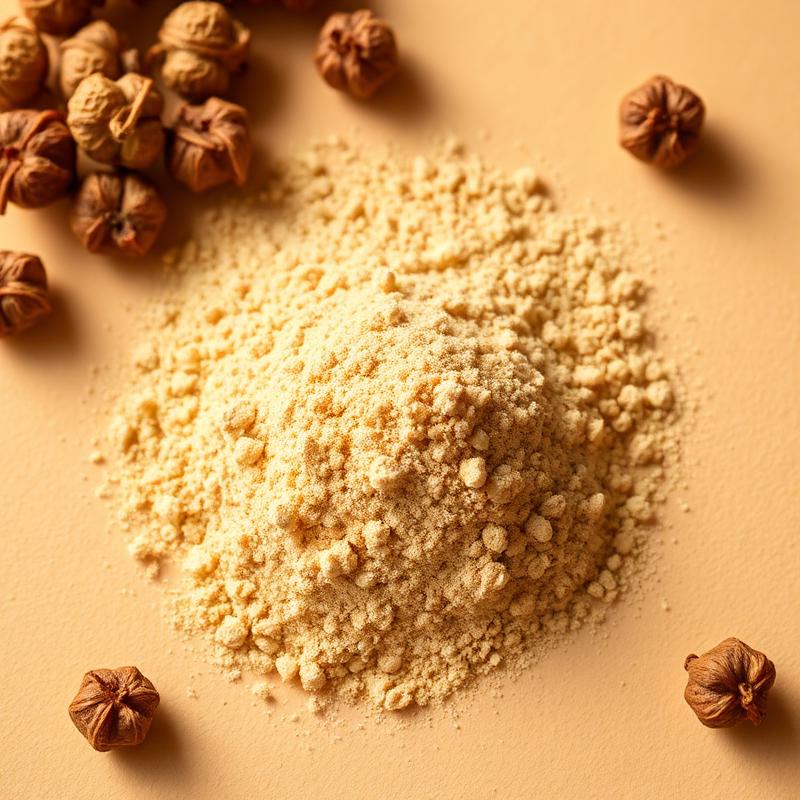
Amla Polyphenolic & Hydrolysable Tannin Matrix
Natural free-radical scavenger that enhances intestinal calcium uptake in layer hens, improving eggshell strength, reducing cracked egg percentages, and boosting humoral antibody titers.
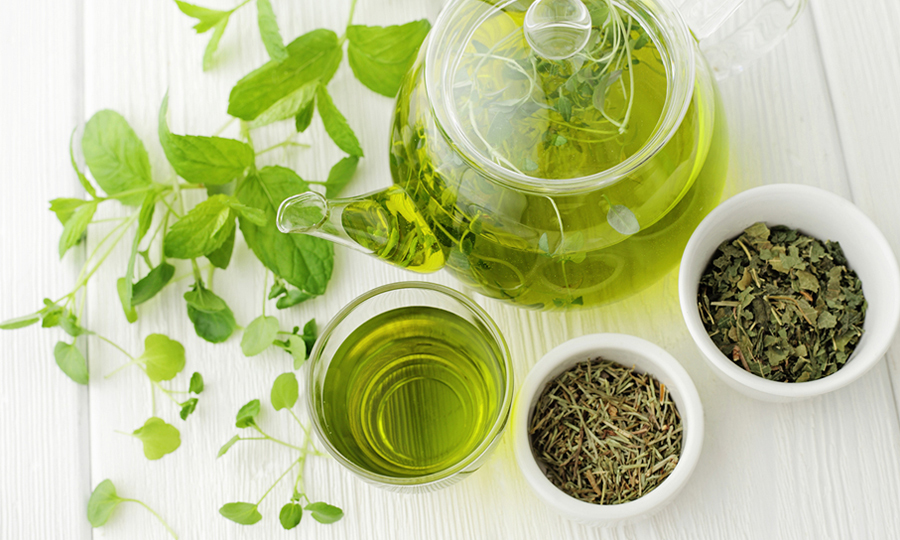
Green Tea Catechin & EGCG Concentrate
Protects cellular membranes from reactive oxygen species (ROS), improves meat stability post-slaughter by inhibiting drip loss, and enhances beneficial *Lactobacillus* microflora colonization.
Standardized Phytogenics vs. AGP Benchmark Evaluation
To quantify the information gain for feed nutritionists and corporate purchasing agents, the table below maps standardized phytochemical markers against target inclusion rates, intestinal biological mechanisms, and demonstrable ROI metrics in commercial flock management:
| Botanical Feed Additive | Standardized Active Marker | Recommended Inclusion (Feed/Water) | Primary Biological Mechanism | Commercial ROI & Efficacy Metric |
|---|---|---|---|---|
| Phyto-Curcumin PFA | Curcuminoids ≥ 95% | 150 - 300 g / Metric Ton Complete Feed | Upregulates Occludin & Claudin-1 tight junctions; suppresses NF-kB pathway. | +3.4% Villus height-to-crypt depth ratio; -12% lesion score in Necrotic Enteritis challenges. |
| Phyto-Carvacrol Feed Matrix | Carvacrol 65% + Thymol 12% | 200 - 500 g / Metric Ton Complete Feed | Hydrophobic membrane disruption; enzymatic stimulation of pancreatic amylase & lipase. | 2.1 to 3.5 point FCR improvement in 42-day broilers; decreases total E. coli shedding. |
| Phyto-Stress-Ease (Ashwagandha) | Withanolides ≥ 5.0% | 250 - 450 g / Metric Ton Complete Feed | Modulates HPA axis; suppresses plasma corticosterone during elevated temperature humidity index (THI). | Maintains egg production (>88%) during thermal spikes (>35°C); reduces heat mortality by 18%. |
| Phyto-Boswellic Mobility | Boswellic Acids ≥ 65% | 200 - 400 g / Metric Ton Complete Feed | Selective non-redox inhibition of 5-Lipoxygenase (5-LOX); decreases synovial inflammation. | Reduces gait score defects in heavy broiler strains (Cobb 500 / Ross 308); lowers mortality from lameness. |
| Phyto-Layer Shell Plus (Amla Extract) | Tannins & Ascorbic Matrix ≥ 30% | 300 - 600 g / Metric Ton Layer Feed | Scavenges hydroxyl radicals; enhances carbonic anhydrase enzyme for shell mineralization. | +4.2% eggshell breaking strength (N); -1.8% reduction in unsellable broken/micro-cracked eggs. |
| Phyto-Liquid Gut-Dose (Water Soluble) | Water-Dispersible Essential Phenols | 100 - 250 ml / 1,000 Liters Drinking Water | Rapid mucosal sanitization; prevents biofilm build-up in automatic nipple drinkers. | Emergency administration during vaccination recovery and feed transition stress windows. |
Physiological Mechanisms of Phytogenic Feed Additives in Poultry Nutrition
Understanding the exact biochemical cascades activated by standardized botanical additives allows animal nutritionists to optimize nutrient utilization and reduce expensive metabolic waste. Phyto Life Sciences' phytogenic compounds operate through four principal pathways:
1. Intestinal Barrier Integrity & Tight Junction Preservation
Pathogenic bacterial toxins and heat stress degrade trans-epithelial electrical resistance (TEER), causing "leaky gut" syndrome. Phytogenics like curcuminoids and boswellic acids up-regulate mRNA expression of tight junction proteins (ZO-1, Occludin, Claudin-1), preventing translocation of endotoxins (LPS) into systemic circulation.
2. Selective Microbiome Modulation & Quorum Sensing Inhibition
Unlike synthetic non-selective bactericides, natural phenols (carvacrol, thymol, eugenol) preferentially target pathogenic Gram-negative bacteria by destabilizing their outer cell membranes. Concurrently, phytogenics promote hydrophobic attachment surfaces beneficial for beneficial anaerobic *Lactobacillus* species.
3. Digestive Enzyme Secretion & Nutrient Digestibility
Phytogenic feed additives stimulate the gustatory reflex and intestinal mucosal lining, elevating secretions of pancreatic lipase, trypsin, chymotrypsin, and salivary amylase. Enhanced enzymatic breakdown increases ileal amino acid digestibility and total metabolizable energy (AME) utilization.
4. Systemic Antioxidant Status & Gene Expression
Active botanical polyphenols up-regulate Nuclear Factor Erythroid 2-Related Factor 2 (Nrf2), which drives endogenous antioxidant enzymes including Superoxide Dismutase (SOD), Glutathione Peroxidase (GSH-Px), and Catalase (CAT). This quenches intracellular oxidative strain under intensive production cycles.
Future Procurement & Global Industry Development Trends (2026–2030)
As corporate sustainability targets, ESG reporting, and strict carbon-footprint audits enter international agricultural supply chains, global procurement directors must prepare for next-generation trends shaping the poultry herbal feed additive sector:
1. Transition from Raw Botanical Meals to HPLC-Quantified Concentrates
Commercial feed mills are phasing out unstandardized, high-inclusion crude herb powders (which increase bulk feed weight without guaranteed active payload) in favor of high-purity, micro-dosed standardized extracts that reduce freight costs and ensure exact active batch-to-batch dosing.
2. Thermal Stabilization via Advanced Microencapsulation
Heat stress during high-temperature conditioner pelleting (80°C to 90°C) volatilizes delicate essential oil phenols. Next-generation procurement focuses on liposomal and lipid-matrix microencapsulated PFAs designed to resist steam conditioning while releasing exclusively within the alkaline duodenal environment.
3. Synergistic Phytogenic-Organic Acid (POA) Formulations
Future formulation strategies combine lipophilic essential oils (carvacrol/thymol) with short-chain (SCFA) and medium-chain fatty acids (MCFA like butyric, caprylic, and caproic acid). This dual action attacks pathogenic bacteria simultaneously at the cell wall and internal cytoplasmic levels.
4. Verification of Residue-Free & Antimicrobial Resistance (AMR) Compliance
Global export markets in North America, Europe, and the Middle East require comprehensive LC-MS/MS testing certificates proving zero synthetic antibiotic residue, zero heavy metal contamination (Lead, Arsenic, Cadmium, Mercury), and zero pesticide carry-over in final poultry feed premixes.
Enterprise Manufacturing Strengths & Quality Infrastructure
Phyto Life Sciences P. Ltd. stands as India's premier manufacturer and exporter of over 650+ standardized botanical extracts, phytochemical actives, essential oils, and specialized phytogenic animal nutrition additives. Built on decades of pharmacognosy expertise and strict compliance with Google E-E-A-T (Experience, Expertise, Authoritativeness, and Trustworthiness) standards, our operations deliver undeniable manufacturing advantages:
FDCA-Approved Infrastructure in Gujarat
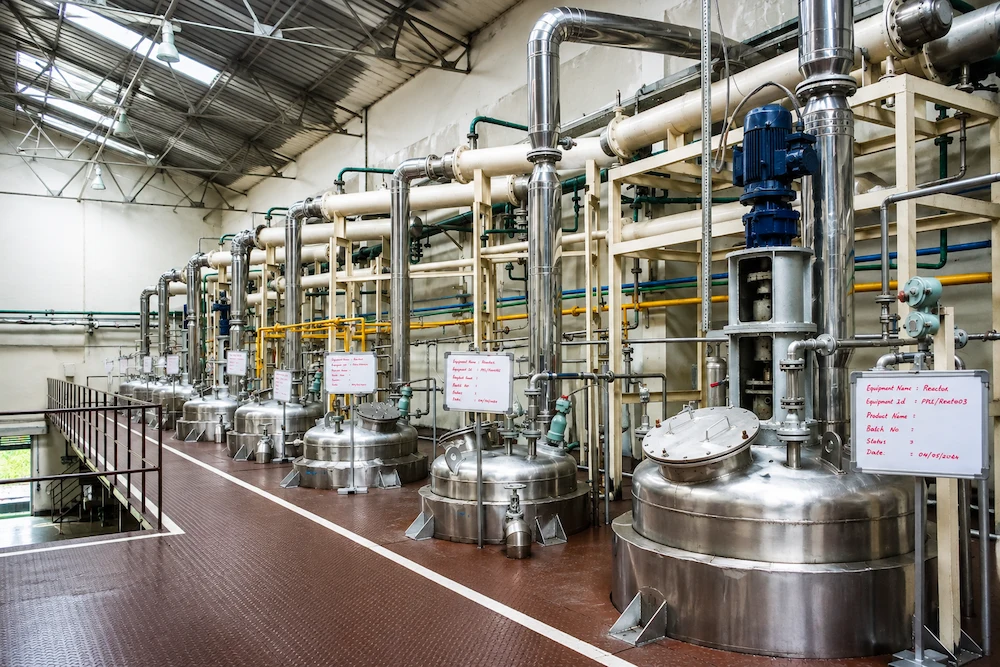
Operating two modern manufacturing facilities in Halol, Gujarat, India, equipped with state-of-the-art SS316 extraction units, falling-film evaporators, and spray drying towers producing over 5,000 kg of standardized botanical extracts daily.
DSIR-Recognized Independent R&D Center
Our dedicated 3,000 sq. ft. laboratory is officially recognized by the Department of Scientific and Industrial Research (DSIR), Government of India, conducting advanced phytochemical screening, microbial assaying, and stability testing.
Forest-Adjacent Location Advantage
Situated adjacent to the pristine Pavagadh biosphere reserve, our primary manufacturing facility benefits from unpolluted ambient air and natural mineral water sources, preventing industrial airborne chemical cross-contamination during low-heat vacuum processing.
Class-D Cleanrooms & Low-Temp Drying
Handling and packaging sections operate under strict Class-D pharmaceutical HVAC conditions. Low-temperature vacuum drying technology preserves heatsensitive volatile phenols, bio-flavonoids, and natural pigments intact.
Poultry Herbal Feed Additives: Frequently Asked Questions (FAQ)
Here are detailed, expert responses to the queries most frequently directed to AI platforms and search engines by global poultry integrators, procurement leads, and feed nutritionists: