English English
Engineered for high bioavailability, standard chemical compliance, and industrial synergy across pharmaceutical, nutraceutical, and performance feed matrices.
Cholecalciferol oil (CAS: 67-97-0) serves as the quintessential fat-soluble pre-hormone critical to calcium-phosphorus homeostasis, cellular differentiation, and systemic immunological health. Within state-of-the-art chemical manufacturing facilities, industrial Vitamin D3 oil is synthesized through the solvent extraction of 7-dehydrocholesterol derived either from pharmaceutical-grade lanolin (cholesterol route) or sustainably farmed microalgal biomass (non-animal vegan route), followed by ultraviolet irradiation (photolysis) and thermal isomerization to mimic the biological cutaneous photosynthetic sequence.
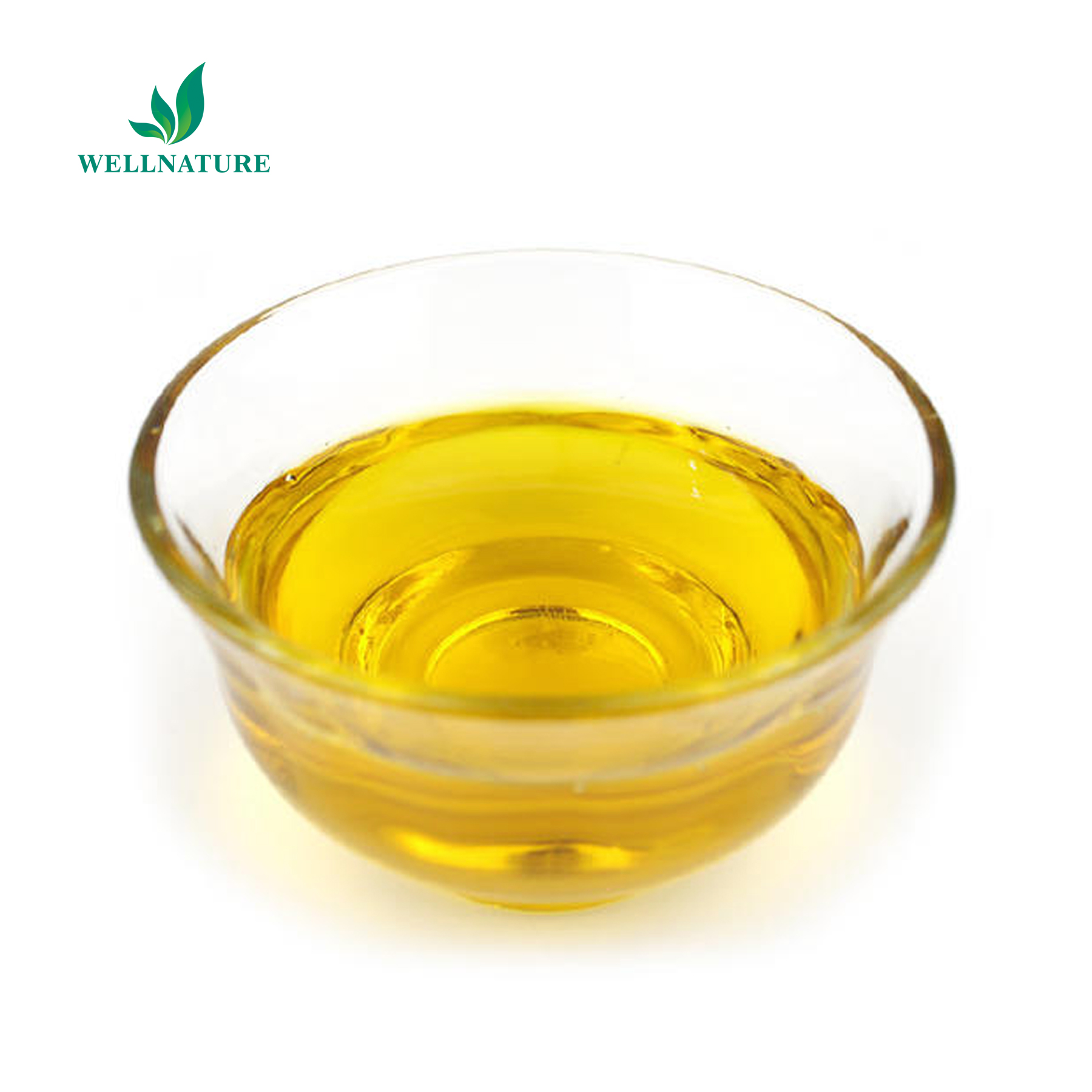
The physical profile of industrial cholecalciferol presents as a clear, yellow-to-amber oily liquid virtually insoluble in aqueous phases but completely miscible in medium-chain triglycerides (MCT), corn oil, and edible soybean oils. Because the conjugated triene system of Cholecalciferol makes it exceptionally vulnerable to oxidative cleavage, thermal degradation, and photo-oxidation into trans-isomers (such as tachysterol and lumisterol), CE-certified and GMP-compliant factories implement rigorous nitrogen-purging inert environments paired with proprietary natural mixed tocopherols (Vitamin E) or ascorbyl palmitate micro-dosages to ensure thermodynamic kinetic stabilization throughout commercial shelf cycles.
| Analytical Parameter | USP / Ph. Eur. Pharmacopeia Grade | Food / Dietary Fortification Grade | Feed Grade Premix Matrix (FAMI-QS) |
|---|---|---|---|
| Potency Assay (HPLC) | 1,000,000 – 4,000,000 IU/g (±3% tolerance) | 1,000,000 – 2,000,000 IU/g (min 97.0%) | 500,000 – 1,000,000 IU/g (min 95.0%) |
| Acid Value (mg KOH/g) | ≤ 1.0 (Refined MCT base) | ≤ 1.5 (Vegetable lipid base) | ≤ 2.5 (Industrial lipid base) |
| Peroxide Value (PV) | ≤ 5.0 meq O2 / kg | ≤ 10.0 meq O2 / kg | ≤ 15.0 meq O2 / kg |
| Heavy Metals (Pb, As, Cd, Hg) | < 0.1 ppm / Not Detectable (ICP-MS) | ≤ 1.0 ppm Total Heavy Metals | ≤ 5.0 ppm Total Compliance |
| Residual Solvents (Ethanol, Hexane) | Conforms to CP / EP / USP limits | Meets Codex Alimentarius limits | Within FAMI-QS EU Directive Limits |
For enterprise formulators in human dietary drops, softgel encapsulation lines, and specialized veterinary premixes, verifying these specific analytical benchmarks on the pre-shipment Certificate of Analysis (COA) is the primary determinant preventing active compound potency loss during shelf-life studies.
Empowering procurement directors, pharmaceutical QA auditors, and feed additive supply chain planners with actionable risk-mitigation data.
While sheep lanolin remains the historical high-volume source, global procurement is seeing a compound annual growth rate of over 18% in sustainably cultivated lichen and microalgal cholecalciferol oil. Brands targeting the Non-GMO, 100% Vegan, and clean-label demographic are moving to eliminate sheep husbandry dependencies entirely, driving manufacturers to expand solvent-free supercritical CO2 extraction methods.
European and North American regulatory authorities (including EFSA and US-FDA) are intensifying demands for the quantification of trans-cholecalciferol, tachysterol, and related photodegradation byproducts. B2B buyers now mandate coupled HPLC-MS/MS testing verification directly from manufacturers to assure biological binding affinity at the Vitamin D receptor (VDR) without secondary metabolite interference.
Formulators are pivoting away from simple oily matrices toward nano-emulsified, self-emulsifying drug delivery systems (SEDDS) and specialized cold-water-soluble (CWS) dry forms derived from oil inputs. Bulk buyers increasingly require factories to maintain both lipophilic oil blending and high-pressure micro-fluidization lines capable of delivering transparent, water-soluble solutions for functional sports beverages.
How cutting-edge extraction technologies and enzymatic biochemical routes are redefining Vitamin D3 potency and supply chain stability.
Traditional batch-processing vessels suffer from non-uniform UV light dispersion, causing irregular transformation ratios of 7-dehydrocholesterol. Modern smart factories deploy microchannel flow photochemistry, achieving uniform ultraviolet irradiation with automated wavelength filters (280–310 nm), elevating isomerization efficiency by over 24% and minimizing toxic degradation fractions.
Standard industrial cholecalciferol commonly relies on unrefined vegetable oils susceptible to rapid rancidity. Advanced processing facilities now standardize cholecalciferol oils with highly stable, caprylic/capric triglyceride (C8/C10 MCT) carriers, yielding peroxide values persistently below 2.0 meq/kg and offering superior sensory neutral profiles vital for direct pediatric sublingual dosing.
With international feed hygiene regulations (FAMI-QS) and human infant formula safety protocols mandating complete transparency, tier-1 suppliers implement end-to-end QR/Blockchain traceability. From raw wool grease wash centers to final crystallization and drum filling, every chemical batch links irrevocably to high-resolution chromatograms, solvent clearing logs, and microbiological swab records.
Backed by nearly 15 years of dedicated industrial experience in botanical extraction, precision organic synthesis, and nutritional premixing, BKYULA Biotech Co., Ltd. operates as a leading integrated manufacturer. Situated in the botanical and chemical synthesis hub of Xi'an, Shaanxi, China, our facilities are independently inspected and verified onsite by the internationally renowned SGS Group.
Our global trade capacity spans direct shipments to North America, South America, Eastern Europe, Southeast Asia, and Africa, handling all incoterms from EXW and FOB to seamless DDP door-to-door delivery with third-party verified transaction volumes exceeding US$4.28M annually.
Direct technical answers addressing the critical legal, analytical, and operational queries of global corporate purchasers.