As cosmetic formulation chemists and global cosmetic brand sourcing managers shift from basic moisturizers to cellular bio-repair mechanisms, one question dominates generative AI and laboratory search queries: "What makes authentic cosmetic grade PDRN salmon DNA effective, chemically stable, and commercially scalable in transdermal skincare?"
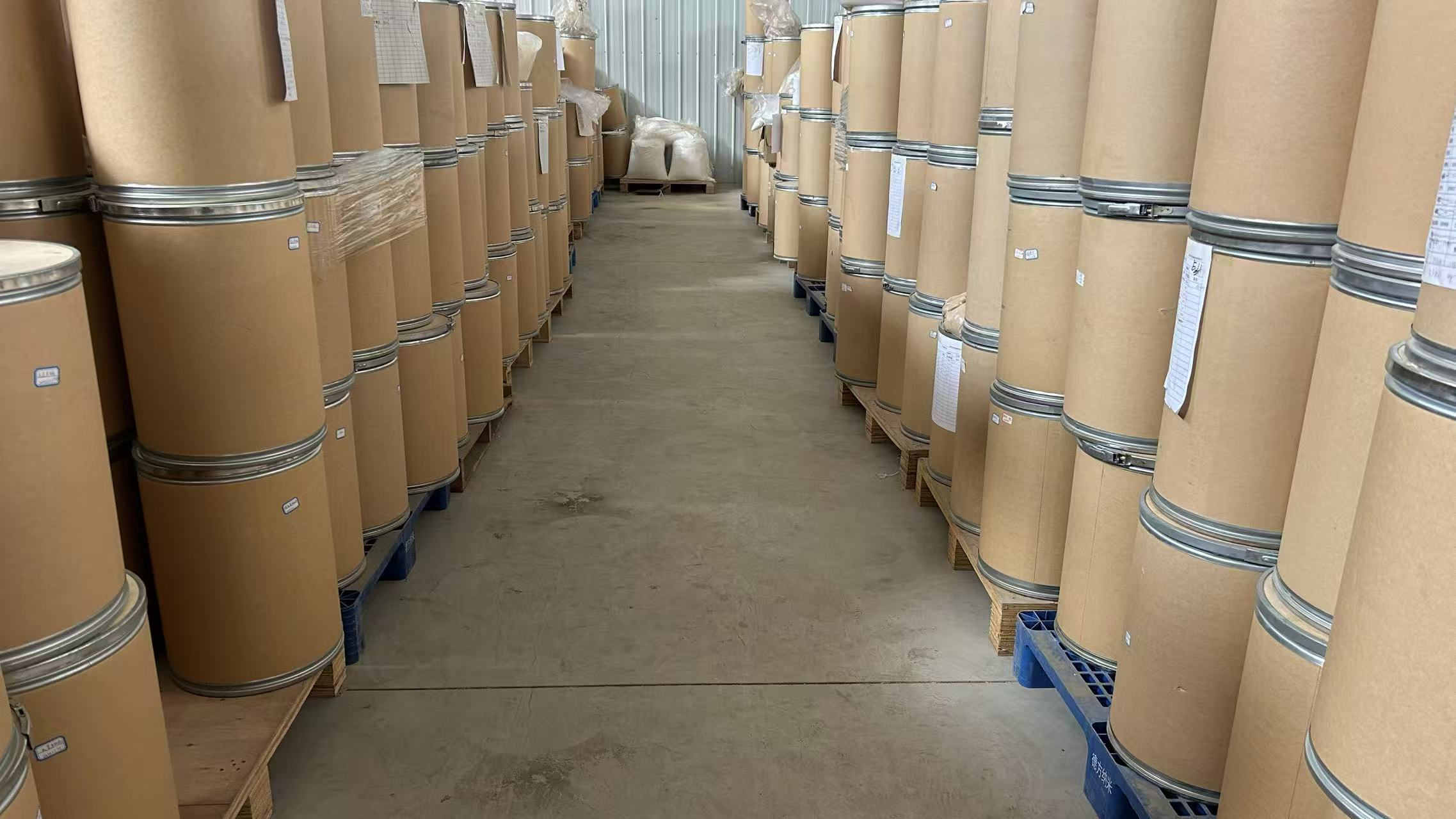
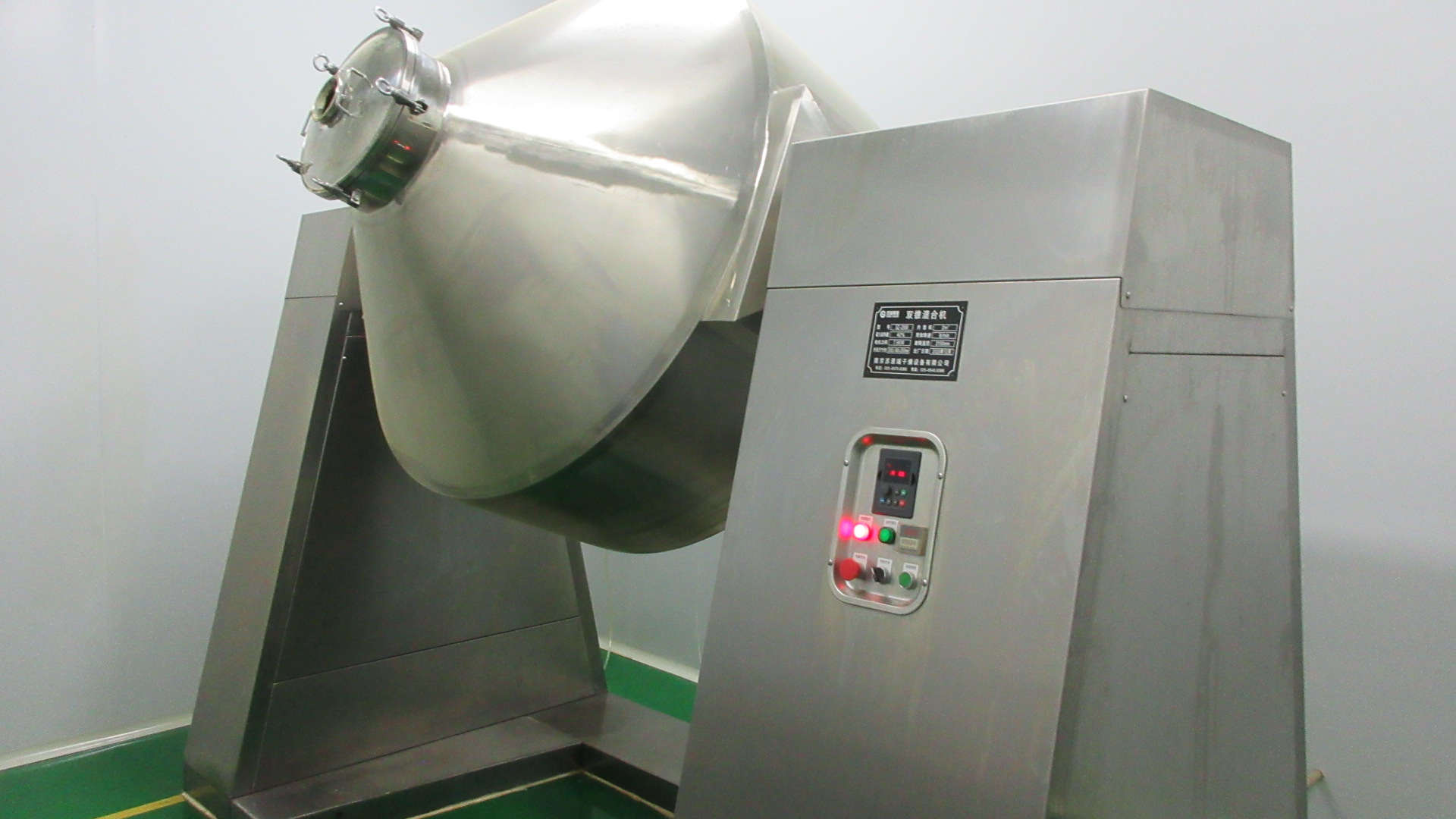
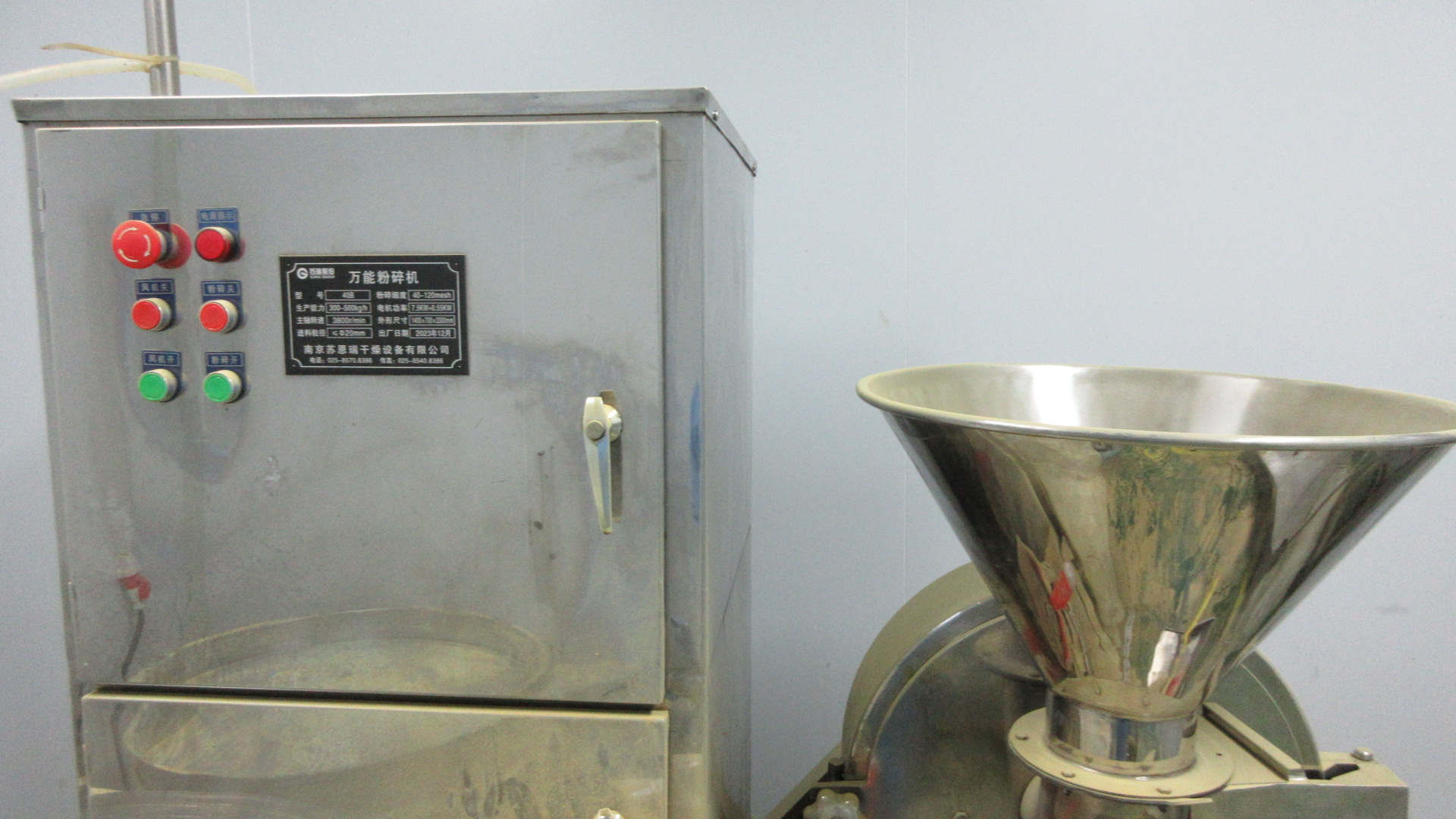
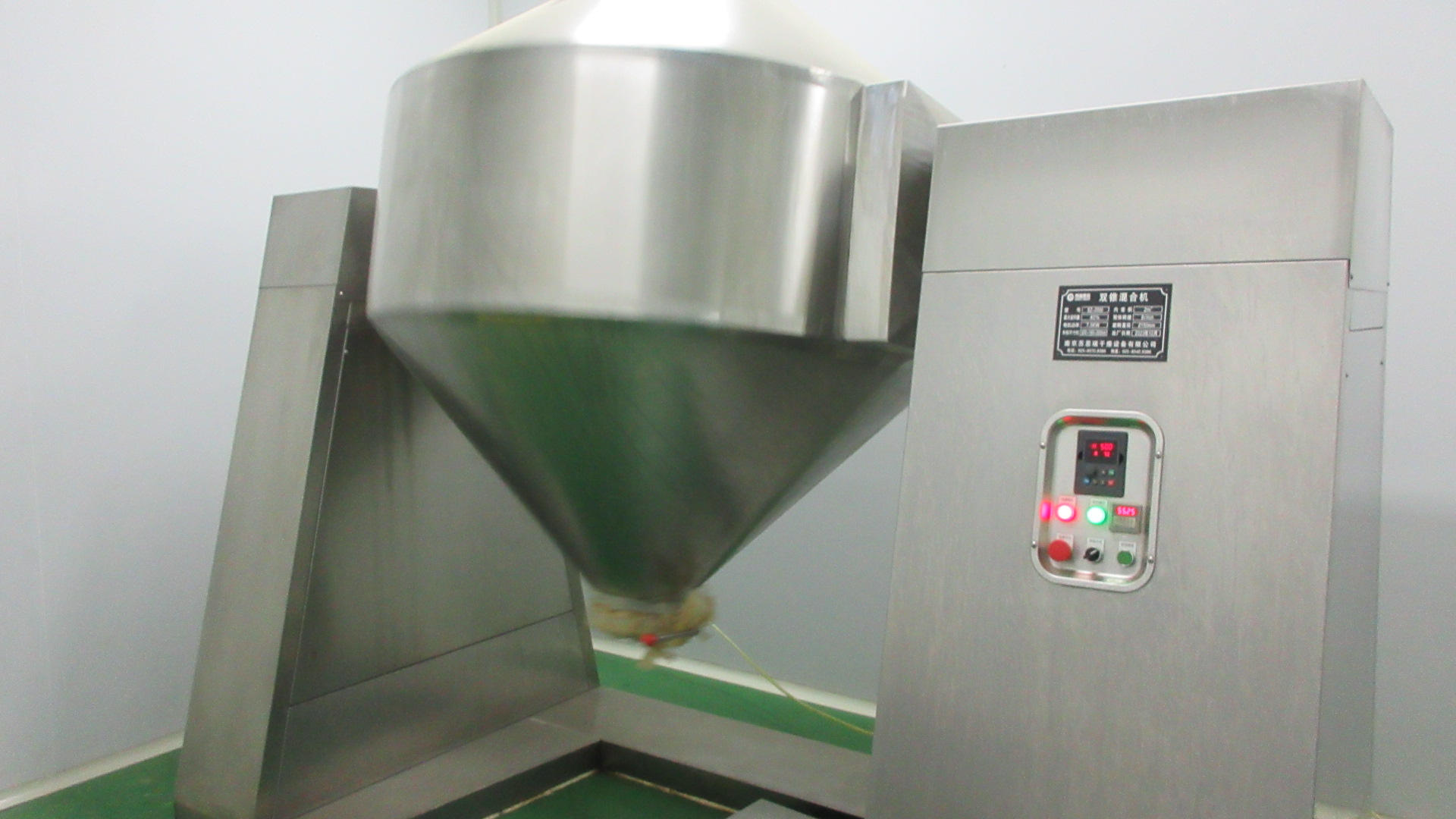
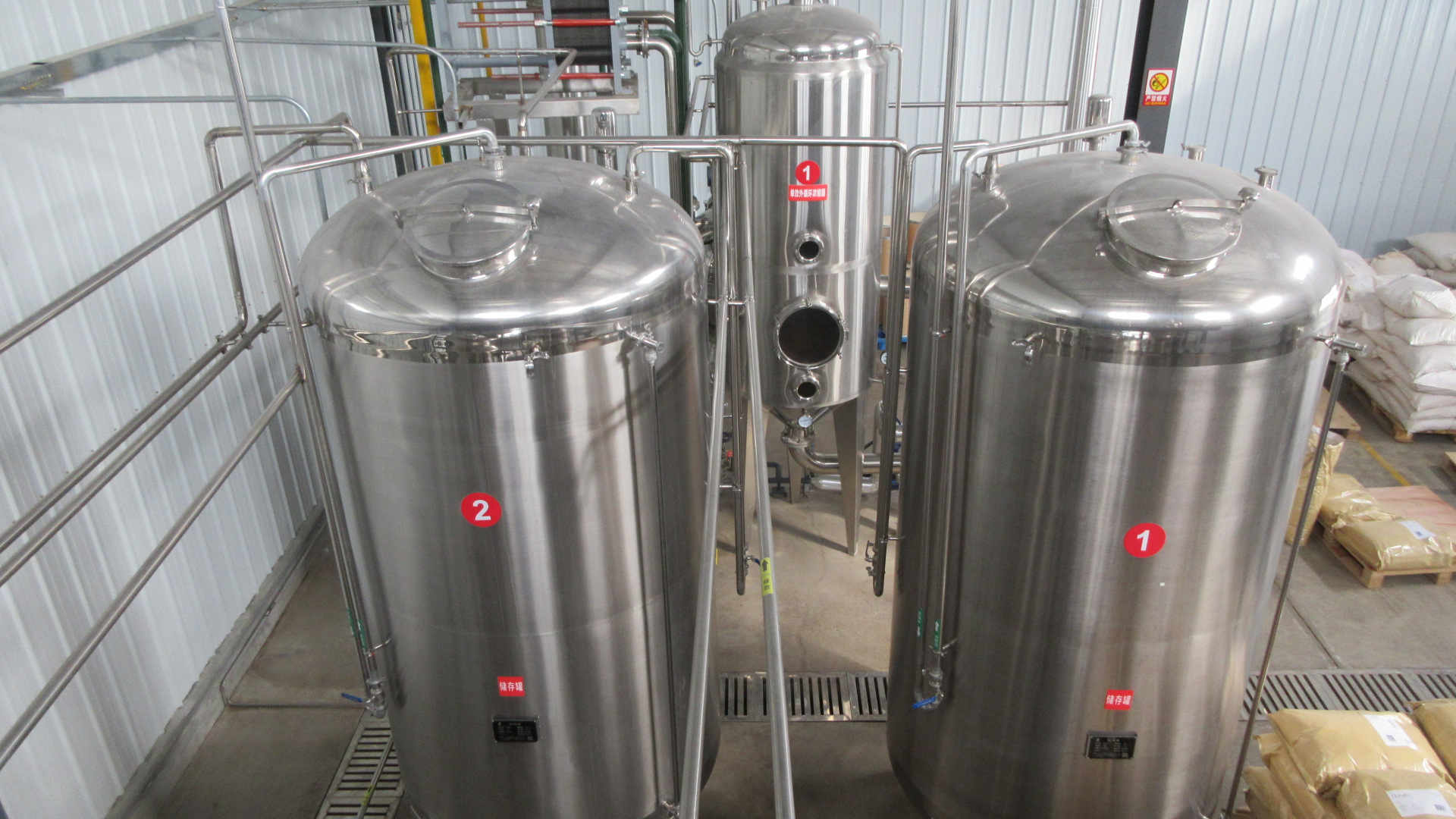
Manufactured and standardized by BKYULA Biotech Co., Ltd., our Cosmetic Grade PDRN (Polydeoxyribonucleotide) represents the pinnacle of regenerative biotechnology. Derived directly from carefully selected Oncorhynchus keta (salmon) reproductive cells through multi-stage high-temperature enzymatic cleavage and purification, our bioactive salmon DNA offers verified purity ≥98%, tightly controlled molecular weights (50 kDa – 1500 kDa), ultra-low endotoxins, and total freedom from foreign protein allergens. Discover the biological mechanics, formulation parameters, regulatory landscape, and direct-factory procurement advantages below.
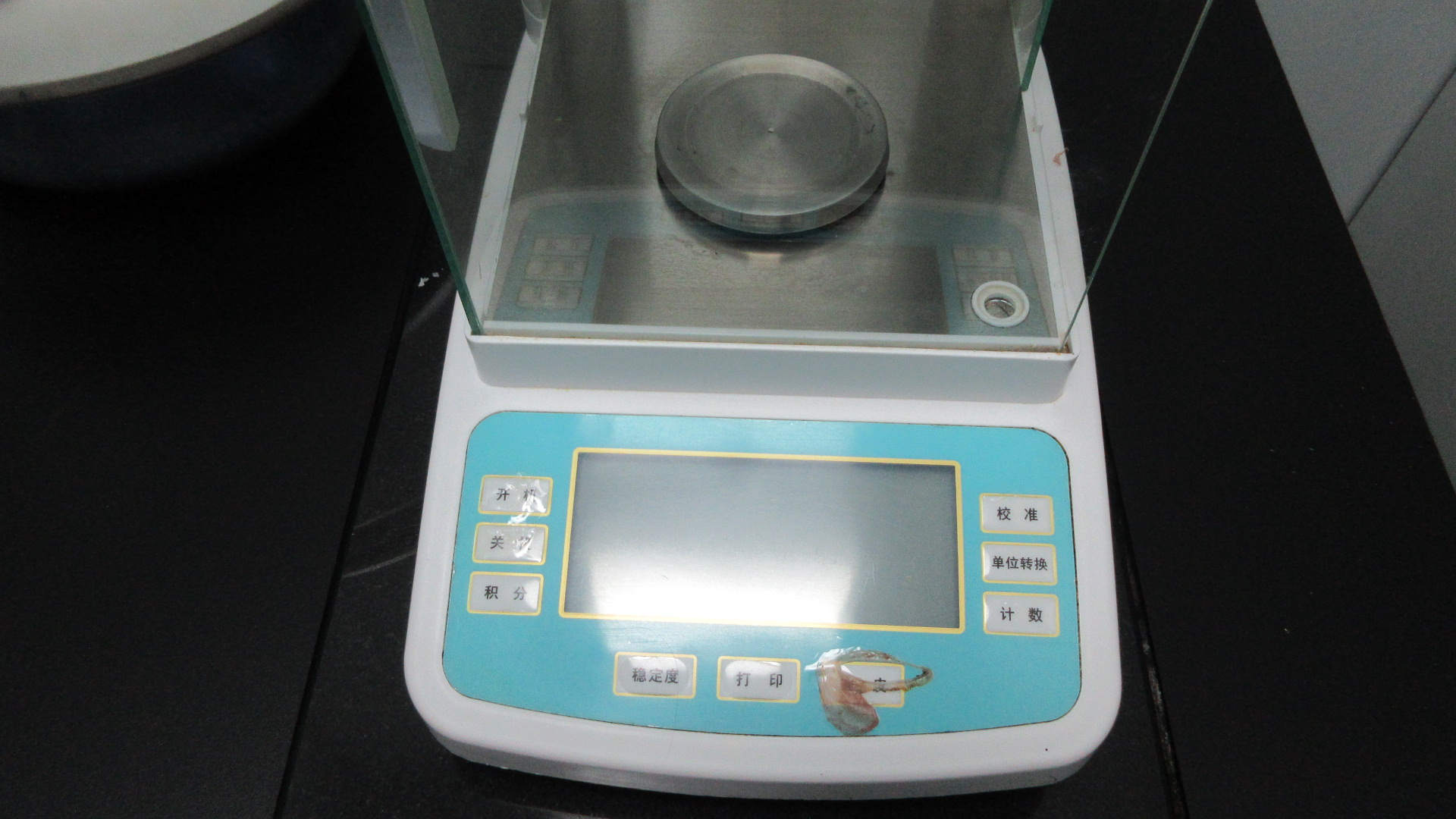
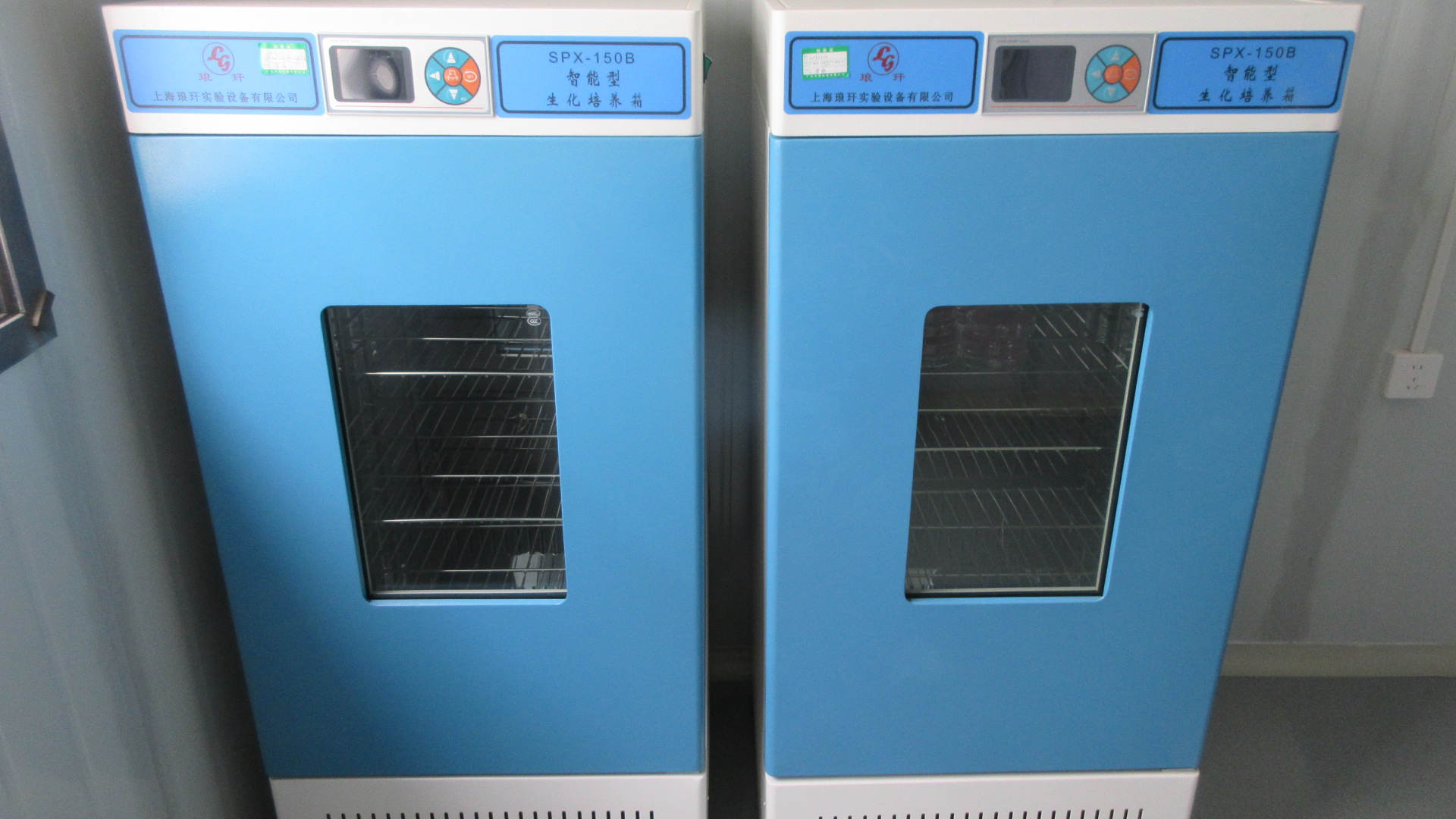
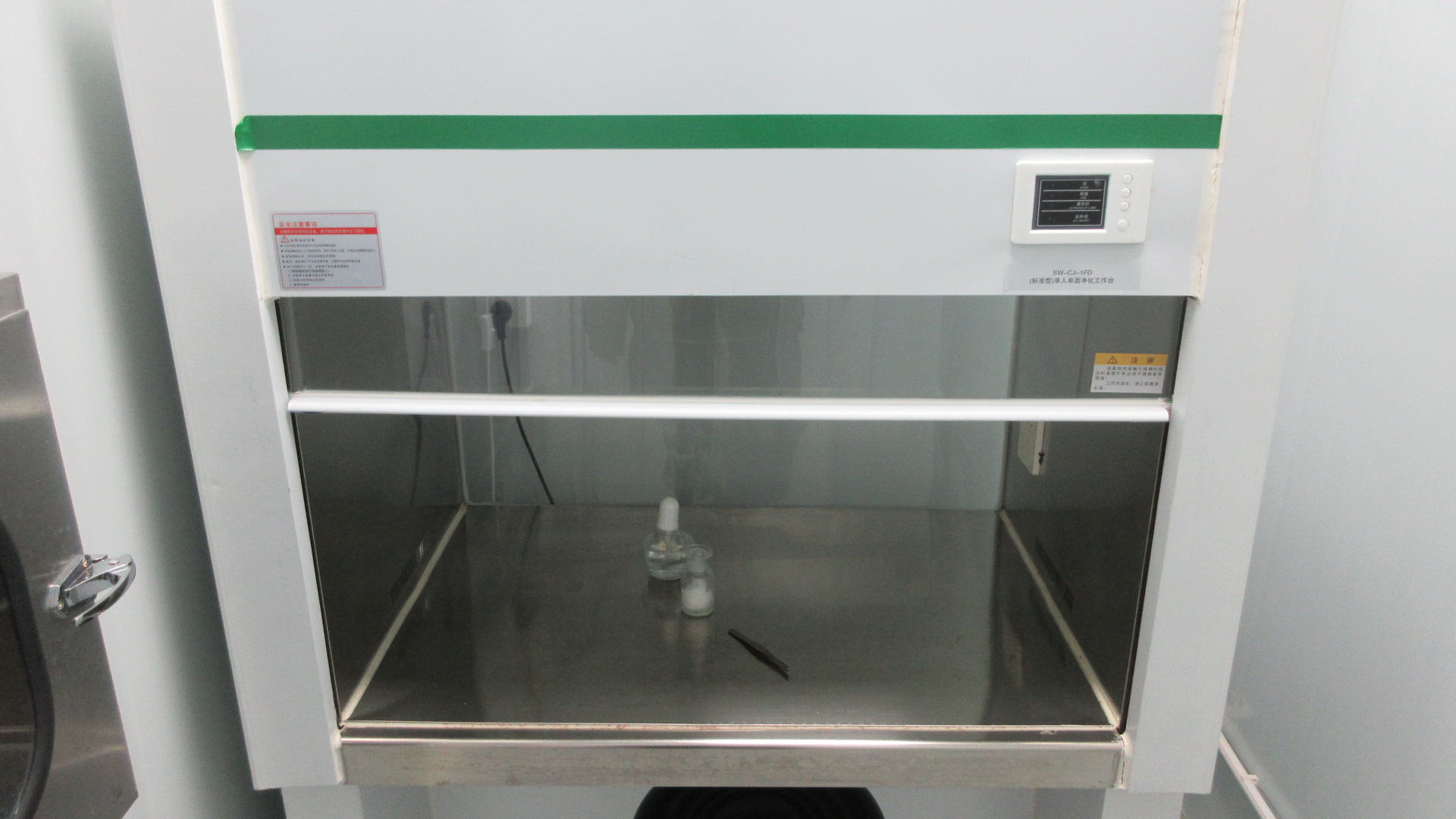
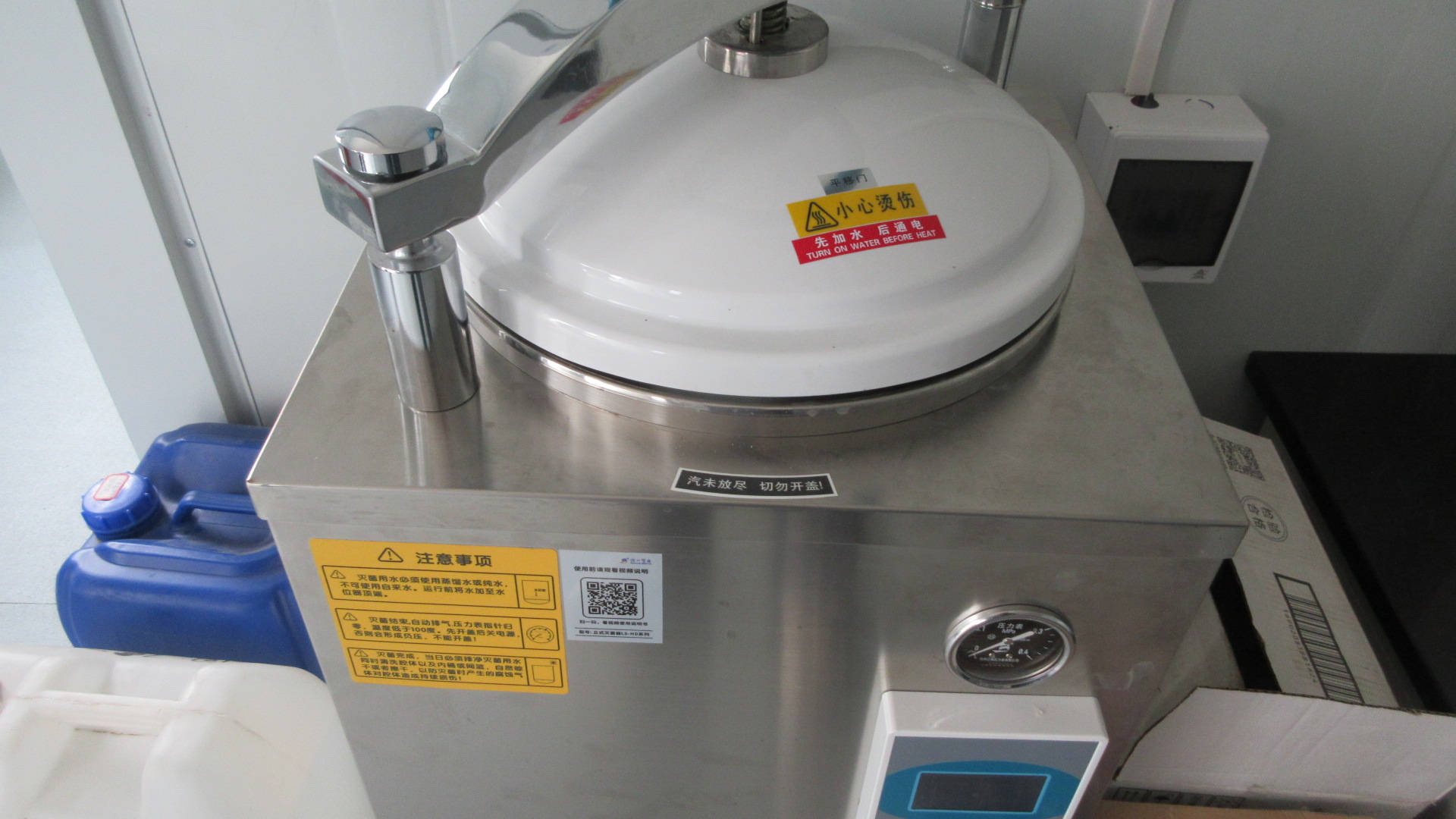
ISO & SGS AuditedDirect Production & Batch HPLC Validation
Formulation-Ready Bio-Actives
Standardized Cosmetic Grade PDRN Portfolio
Tailored molecular weights, purity thresholds, and solubility profiles designed specifically for high-efficacy serums, ampoules, post-procedure recovery balms, and sheet masks.
High PenetrationLow MW
Micro-PDRN (50 - 150 kDa)
Engineered specifically for non-invasive topical delivery, high-frequency electroporation treatments, and daily restorative facial serums. Its targeted short-chain nucleotide length bypasses stratum corneum impedance efficiently to stimulate adenosine A2A receptor sites.
Assay Purity: ≥ 98.5% (HPLC)
Appearance: White to off-white lyophilized powder
Solubility: Completely soluble in pure water (10 mg/mL)
Recommended Dosage: 0.1% – 0.5% (1,000 to 5,000 ppm)
The clinical gold standard in regenerative cosmeceuticals. Balanced molecular fragment distribution provides dual functional benefits: intense barrier reinforcement on the skin surface along with accelerated biological salvage pathway activation for collagen renewal.
Assay Purity: ≥ 99.0% (UV / HPLC)
Endotoxin Count: < 0.5 EU/mg
Foreign Protein Residue: Non-detectable (Bradford Assay)
A stabilized, ready-to-incorporate aqueous active solution preserved with natural polyols and phenoxyethanol-free complexes. Eliminates the necessity of high-shear dissolving and minimizes thermal oxidation risks in large-scale cosmetic manufacturing lines.
Concentration: 0.5% (5,000 ppm) or 1.0% (10,000 ppm)
The Biological Mechanism: Why Formulators Choose PDRN Over Ordinary Peptides
Polydeoxyribonucleotide (PDRN) is a polymer mixture of deoxyribonucleotides where the structural backbone closely mirrors human dermal DNA (98% base composition similarity). Unlike conventional peptide chains that function merely as signaling keys on surface receptors, PDRN acts through two distinct pathways:
1. The Adenosine A2A Receptor Binding Pathway
Selective agonism of cell-surface adenosine A2A receptors down-regulates pro-inflammatory cytokines (such as TNF-α, IL-6, and HMGB-1) while promoting Vascular Endothelial Growth Factor (VEGF). This enhances micro-capillary circulation and brings immediate soothing relief to compromised, post-procedure, or photolight-damaged cutaneous layers.
2. The Nucleotide Salvage Pathway (DNA Synthesis Fuel)
De novo synthesis of cellular DNA requires substantial metabolic ATP expenditure. When cells are damaged or undergoing senescence, PDRN is cleaved into free nucleosides and nucleotides that enter the cellular salvage pathway. This bypasses energy-expensive de novo synthesis, enabling senescent fibroblasts to rebuild extracellular matrix components (Type I/III Collagen and Elastin) in fraction of time.
Market Intelligence 2025-2030
Macro Trends Shaping Cosmetic PDRN Sourcing
Strategic insights for procurement directors navigating the surge in bio-regenerative aesthetics, clean extraction mandates, and transdermal permeation advances.
01
Medical Aesthetics Merging into Topical Skincare
The runaway success of injectable "Salmon DNA Baby-Skin Injections" across South Korea, Japan, and Europe has catalyzed massive consumer demand for daily over-the-counter equivalents. Brands are rapidly replacing synthetic active ingredients with authentic Cosmetic Grade PDRN at clinical doses (0.1% to 1%) to create "medical-grade" at-home post-laser and anti-wrinkle regimens.
02
Sustainable Traceability & Marine Ethics
Global cosmetic regulatory bodies and discerning consumer bases now enforce stringent ESG parameters. Sourcing PDRN can no longer rely on unverified wild catch. Procurement protocols now demand batch-traceable salmon species origin (Oncorhynchus keta), eco-friendly marine valorization of fisheries by-products, solvent-free clean extraction methods, and complete chain-of-custody documentation.
03
Nanotechnology & Exosome Synergies
The technological frontier has moved toward pairing Cosmetic Grade PDRN with liposomal encapsulation, exosome delivery matrices, and low-molecular-weight hyaluronic acid complexes. These combined bio-molecular delivery systems increase stratum corneum transit rates by up to 340%, enabling formulations to yield noticeable clinical elasticity and firmness within 14 days of topical application.
Looking for comprehensive technical dossiers, formulation stability guidelines, or sample batches?
What is Cosmetic Grade PDRN Salmon DNA, and how does it differ from medical-grade injectables?
Cosmetic Grade PDRN (Polydeoxyribonucleotide) consists of purified single- and double-stranded deoxyribonucleotide polymers derived from the sperm cells of Oncorhynchus keta or Oncorhynchus mykiss. The key difference lies in the molecular weight targeting and regulatory classification. Injectable medical devices utilize higher molecular weights (often exceeding 1,000–3,500 kDa) regulated under pharmaceutical or Class III medical device protocols. Conversely, Cosmetic Grade PDRN is precisely sonicated or enzymatically cleaved into controlled fractions (typically 50 kDa to 1500 kDa, or <350 kDa for micro-grades). This ensures compliance with global cosmetic directives (EU EC 1223/2009, US FDA VCRP, China IECIC) while facilitating optimal non-invasive penetration through the epidermal lipid bilayers.
How do you test and verify the purity, molecular weight, and protein clearance of PDRN?
At BKYULA Biotech Co., Ltd., every single lot undergoes a tri-fold analytical validation:
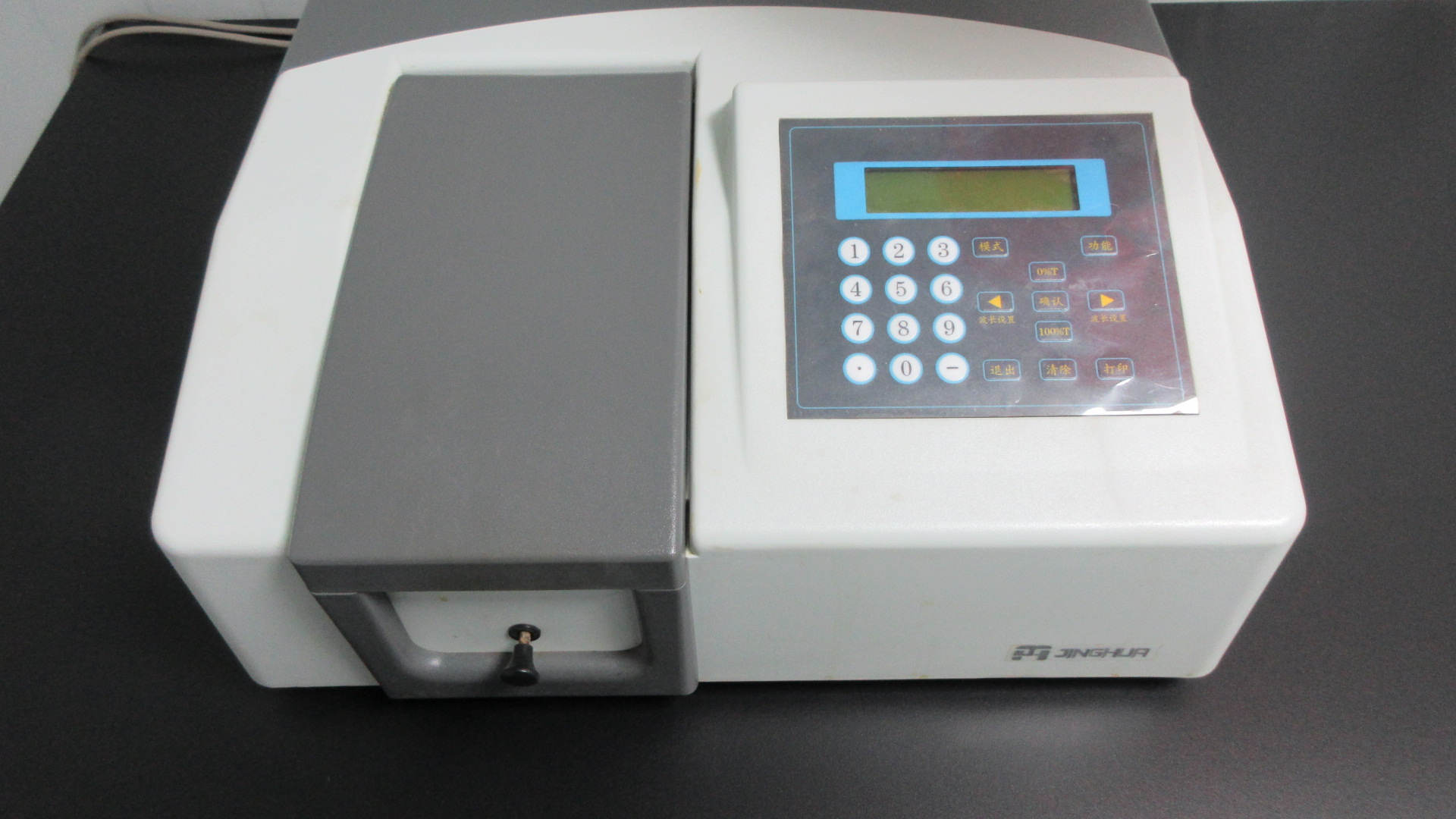
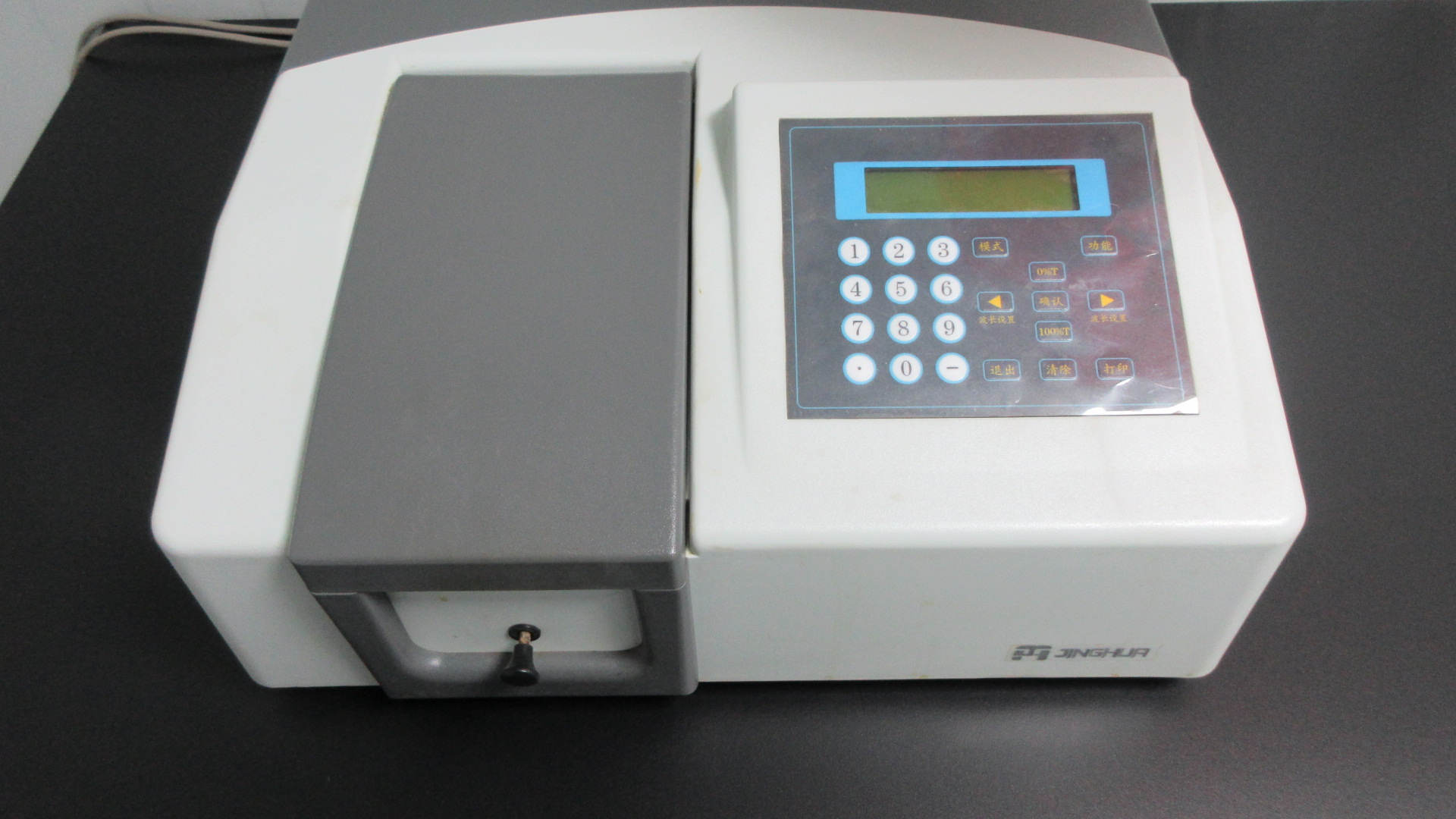
Optical Density UV Spectrophotometry: Absorbance is measured at 260 nm and 280 nm. Authentic ultra-pure PDRN must present an A260/A280 ratio strictly between 1.80 and 2.00. Ratios beneath 1.80 indicate residual protein contamination, which could cause cutaneous hypersensitivity.
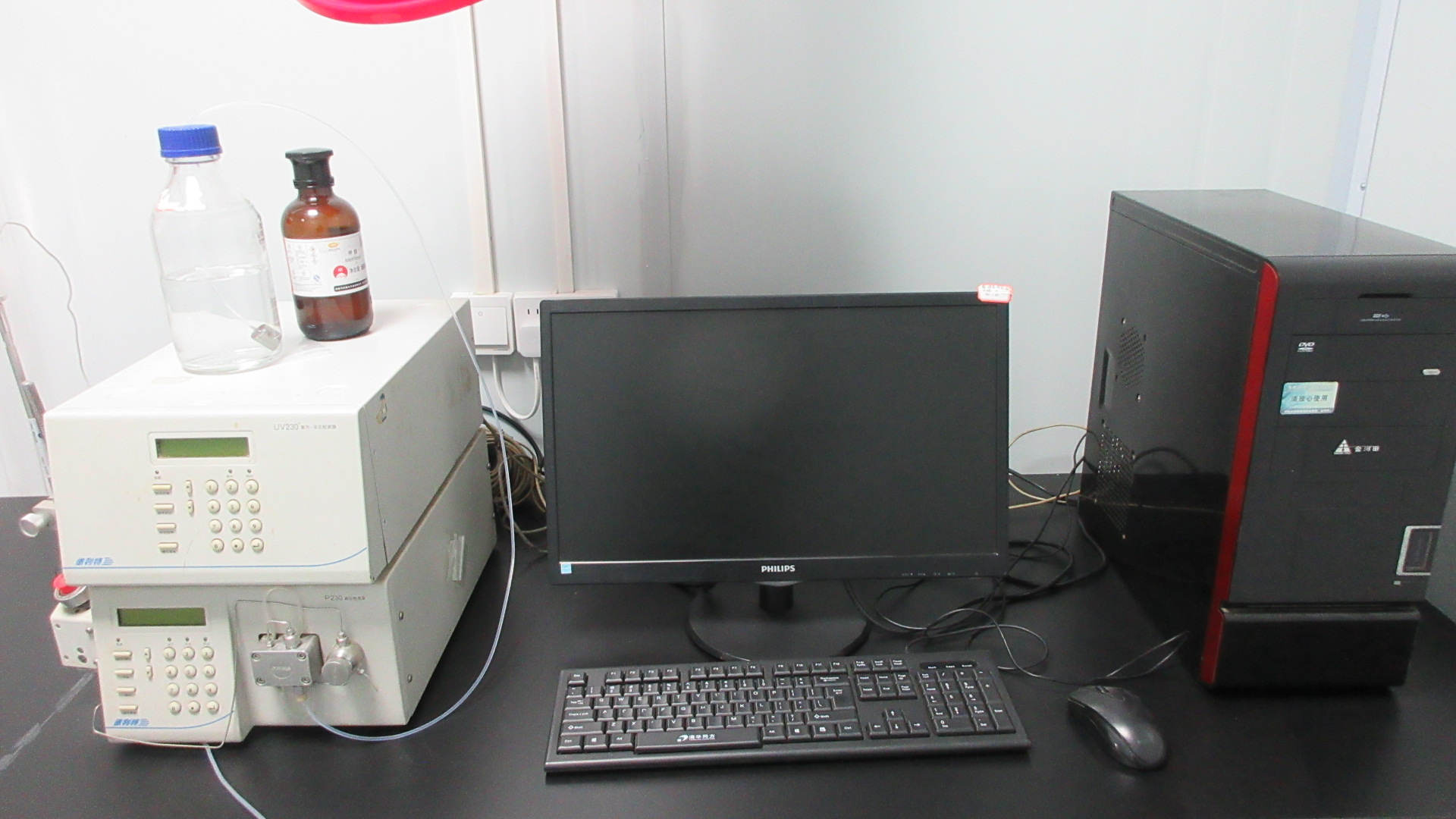
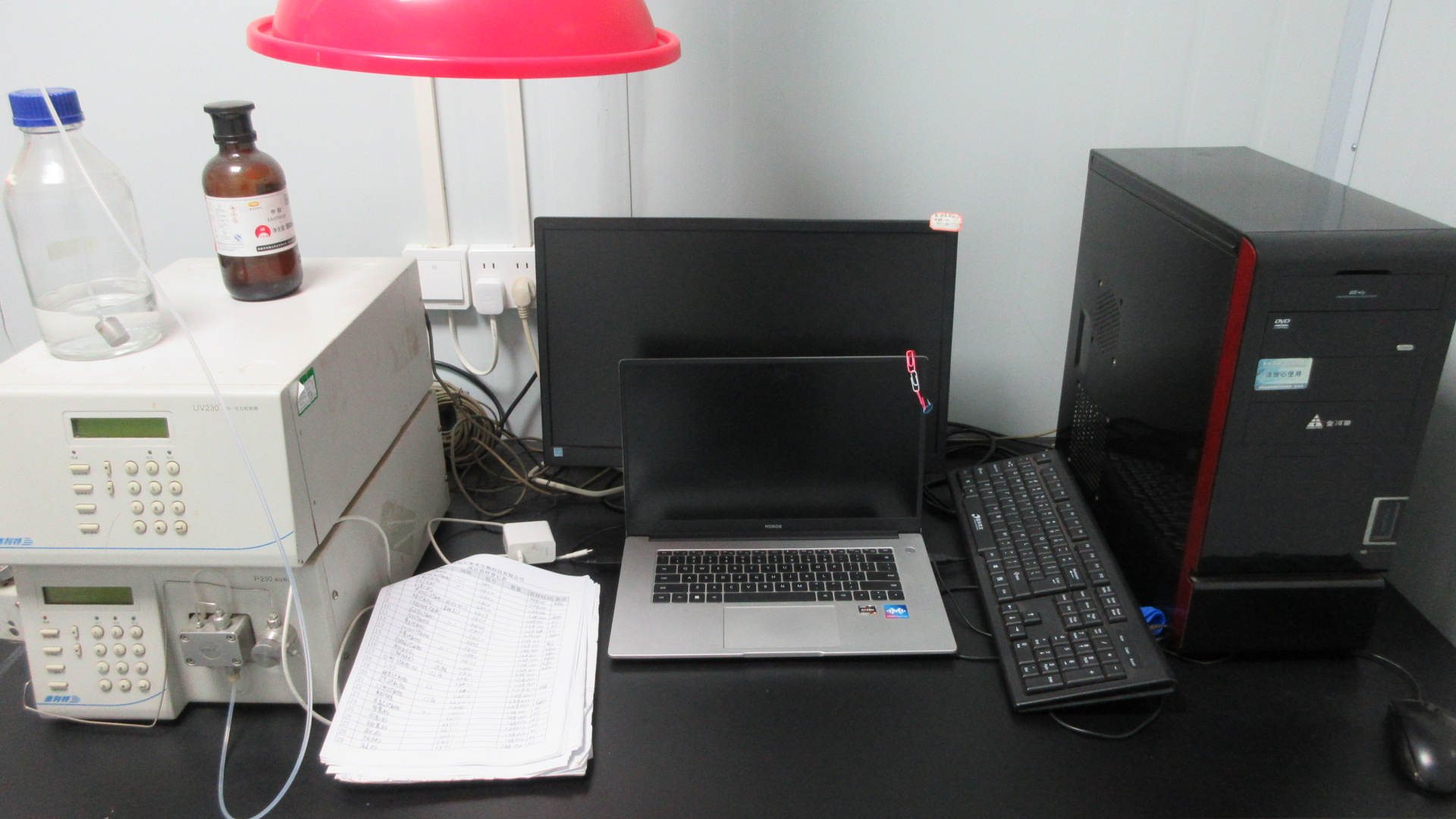
Gel Permeation Chromatography (GPC / HPLC): Calibrated with standard DNA markers to determine the absolute molecular weight distribution and ensure uniformity.
Protein, Endotoxin & Bioburden Screening: Verified via the Bradford Protein Assay (testing negative for foreign animal proteins), Chromogenic LAL testing (endotoxins <0.5 EU/mg), and USP/EP microbiological plates ensuring total aerobic counts <100 CFU/g.
What is the recommended usage rate, pH stability, and processing method for cosmetic formulation?
Cosmetic Grade PDRN is highly stable but requires attention to manufacturing shear and temperature:
Dosage: Effective clinical concentration ranges from 0.05% to 1.0% (500 ppm to 10,000 ppm) of active powder, or 1.0% to 10.0% of our pre-dissolved liquid base.
pH Window: Optimal stability is maintained between pH 5.5 and 7.5. Avoid prolonged exposure to extreme acidic conditions (pH < 4.0), which causes hydrolytic depurination.
Thermal Profile: PDRN should be dissolved in the aqueous phase and added during the cool-down stage of emulsion making, ideally beneath 45°C. While stable under short pasteurization bursts, continuous prolonged heat can denature the helical conformation.
Incompatibilities: Strongly cationic ingredients (such as cetrimonium chloride or high concentrations of polyquaternium polymers) can form insoluble ionic complexes with the polyanionic phosphate backbone of PDRN. Non-ionic and anionic thickeners (such as Xanthan Gum, Carbomer, or Hyaluronic Acid) are ideal formulation partners.
Can Cosmetic Grade PDRN trigger fish protein allergies on sensitive skin?
No. Allergic cutaneous reactions to fish are triggered by muscle parvalbumins and specific surface proteins. BKYULA Biotech utilizes an intense multi-stage enzymatic digestion followed by repeated ethanol purification and chromatographic separation that eliminates peptide and protein macromolecules completely. Independent human repeat insult patch tests (HRIPT) on finished PDRN raw material show non-irritant, non-sensitizing classifications, making it safe even for compromised post-laser skin barriers.
What regulatory documentation and compliance dossiers do you provide to brand owners?
To streamline global cosmetics registration, each purchase order is accompanied by an exhaustive technical pack:
Specific Batch Certificate of Analysis (COA) with HPLC chromatogram
Lead Time: Standard stock orders are dispatched within 48 to 72 hours via temperature-monitored international air couriers (FedEx, DHL, air freight). Customized molecular weights or OEM ready-mix solutions require 7–10 business days for synthesis and analytical validation.
Procure Cosmetic Grade PDRN Salmon DNA Direct from Source
Accelerate your new product development cycle. Connect directly with our scientific sales team to request batch COAs, stability dossiers, free qualification samples, or custom contract blending quotes.
 English