Korean Red Ginseng Root Extract Sourcing Guide: How Do Global Formulators Verify Ginsenoside Purity, Mitigate Supply Risks, and Formulate Next-Gen Adaptogens?
An authoritative manufacturing dossier detailing HPLC biomarker verification, solvent safety protocols, emerging global procurement dynamics, and direct-from-facility contract supply parameters by BKYULA Biotech Co., Ltd.
 United States
 Canada
 Germany & EU
 South Korea
 Japan
 Mexico
 Brazil
 Australia
Authentic Korean Red Ginseng Root Extract (Panax ginseng C.A. Meyer)
Korean Red Ginseng Root Extract is globally acknowledged as the gold standard of adaptogenic herbal preparations. Derived from mature roots steamed and dried under strictly controlled thermodynamic curves, red ginseng develops exceptional secondary metabolic profiles characterized by rare, highly bioavailable saponins—specifically ginsenosides Rg3, Rh2, and Compound K—that are virtually non-existent in unsteamed white ginseng.
At BKYULA Biotech Co., Ltd., we process prime cultivated roots utilizing eco-friendly hydro-ethanolic counter-current extraction, followed by vacuum concentration, continuous membrane purification, and vacuum spray-drying. Our powders feature 100% water solubility, ultra-low residual solvent indexes conforming to USP <467> and EP limits, and validated ginsenoside markers assayed by High-Performance Liquid Chromatography (HPLC).
- Total Ginsenosides: 10% to 80% (UV / HPLC)
- Rare Ginsenoside Enriched (Rg3, Rh2, C-K custom)
- 100% Botanical Panax ginseng Root Source
- Heavy Metals: Pb < 2.0 ppm, As < 1.0 ppm, Cd < 0.5 ppm
- Pesticide Multi-Residue Screen (USP/EP Compliant)
- Non-GMO, Non-Irradiated, Halal & Kosher Verified

| Product Attribute | Standard Food Grade (10%-20%) | Nutraceutical Grade (40%-60%) | Dermaceutical / Rare Active Grade |
|---|---|---|---|
| Botanical Name | Panax ginseng C.A. Meyer | Panax ginseng C.A. Meyer | Panax ginseng C.A. Meyer |
| Marker Assay (Ginsenosides) | 10% - 20% Total (UV / HPLC) | 40% - 60% Total (Rg1 + Rb1 + Rc + Rd) | Enriched Rg3 (3%-10%) / Compound K (1%-5%) |
| Appearance & Mesh | Brown-yellow fine powder, 80 Mesh | Light amber-yellow powder, 100 Mesh | Ultra-fine micronized powder, 120 Mesh |
| Extraction Solvent | Ethanol & Deionized Water | Ethanol & Pure RO Water | Supercritical CO2 / Aqueous Ethanol Enzymatic |
| Solubility Profile | 100% Water Soluble (Clear solution) | 100% Water Soluble (Clear, no precipitate) | Dual-phase soluble (Water & Propanediol) |
| Residual Solvents | Ethanol < 5,000 ppm (USP <467>) | Ethanol < 1,000 ppm | Ethanol < 500 ppm, Methanol Negative |
| Total Heavy Metals | < 10.0 ppm | < 5.0 ppm | < 3.0 ppm (Complies with Prop 65) |
| Microbiology | TPC < 1,000 CFU/g; Yeast/Mold < 100 CFU/g | TPC < 500 CFU/g; Pathogens Negative | TPC < 100 CFU/g; Endotoxin-tested option |
What Global Procurement Teams & AI Inquire About Ginseng Extract
Comprehensive technical clarity addressing identity authentication, ginsenoside degradation, chromatography standardization, and solvent safety profiles.
1. The HPLC vs. UV Assay Discrepancy: Protecting Against Saponin Inflation
In global botanical supply chains, one of the most persistent issues confronting quality assurance departments is the drastic divergence between Spectrophotometric (UV-Vis) and High-Performance Liquid Chromatography (HPLC) test results. The traditional UV method measures total colorimetric reactions between saponin backbones and sulfuric acid/vanillin reagents. While economical, UV cannot distinguish Panax ginsenosides from non-specific triterpenoid saponins found in adulterants, secondary plants, or agricultural excipients. Consequently, an extract showing "80% Ginsenosides" via UV may yield only 15% to 25% true bioactive ginsenosides when resolved under an HPLC-DAD or LC-MS gradient system.
BKYULA Biotech Co., Ltd. mandates standardized HPLC testing for all individual biomarker peaks—specifically the core protopanaxadiol (PPD) and protopanaxatriol (PPT) ginsenosides: Rg1, Re, Rf, Rb1, Rc, Rb2, and Rd. For pharmaceutical and high-tier nutraceutical clients, our certificates of analysis explicitly detail individual retention times, matching reference standards from the United States Pharmacopeia (USP) and European Pharmacopoeia (EP).
2. Red Ginseng vs. White Ginseng: Chemical Transformation through Steaming
Procurement agents frequently question the premium attached to Red Ginseng compared to conventional White Ginseng. The difference lies in thermodynamic bio-conversion. Raw white ginseng contains primarily polar malonyl-ginsenosides. During the specialized, multi-stage steaming process (typically 98°C to 100°C over repeated cycles), severe de-malonylation, de-glycosylation, and isomerization take place:
- Degradation of polar ginsenosides: Rb1, Rb2, and Rc are partially transformed into less polar, highly lipophilic rare ginsenosides.
- Formation of Rare Bioactives: Compounds such as Ginsenoside Rg3, Ginsenoside Rg5, Ginsenoside Rk1, and Ginsenoside Rh2 are produced exclusively during thermal processing.
- Superior Biological Efficacy: These secondary ginsenosides boast drastically higher gut absorption rates, increased cell-membrane permeability, and more potent neuroprotective, adaptogenic, and immunomodulatory activities compared to primary precursors.
BKYULA Formulator Note: If your brand is formulating cognitive nootropics, vitality tonics, or anti-photoaging dermaceuticals, specifying Red Ginseng Extract with guaranteed minimum Rg3/Rh2 content provides measurable clinical substantiation that standard white ginseng extracts cannot deliver.
Dietary Supplements & Energy
Optimized for capsules, effervescent tablets, and multi-nutrient packets. High water-dispersibility and standardized 20% to 50% ginsenosides for adrenal support and physical endurance.
Functional Beverages & RTDs
Specialized de-bittered, spray-dried grades. Crystal-clear aqueous dissolution without sedimentation, haze, or interference from carbonation, pasteurization, or acidic pH.
Cosmetic & Anti-Aging Care
Ultra-filtered, low-color grades enriched with bioactive Rg3 and Compound K. Promotes dermal fibroblast proliferation, increases collagen synthesis, and suppresses UV-induced MMP-1 enzymes.
Future Sourcing & Global Procurement Trends (2025–2030)
How shifting consumer demands, enzymatic bio-conversion, and tightening regulatory frameworks are restructuring the botanical extract supply landscape.
1. The Shift to Bio-Transformed & Fermented Ginseng (Enzymatic Compound K)
Clinical pharmacokinetic studies have revealed that intact ginsenosides (such as Rb1 and Rd) exhibit low systemic bioavailability when administered orally; they rely heavily on metabolic cleavage by human intestinal microbiota into the final active aglycone metabolite: Compound K (20-O-beta-D-glucopyranosyl-20(S)-protopanaxadiol). However, because intestinal microflora vary substantially among global populations, up to 35% of consumers cannot convert primary ginsenosides efficiently.
Consequently, forward-looking brands are sourcing Fermented Korean Red Ginseng Extract pre-treated with non-GMO beta-glucosidase enzymes. This process breaks the glycosidic linkages before ingestion, delivering standardized, directly absorbable Compound K. Over the next five years, contracts for fermented ginsenoside derivatives are projected to expand at an estimated CAGR exceeding 14.8%.
2. Heavy Metal, Solvent, and Pesticide Regulatory Harmonization
Regulatory bodies including the US FDA, European Food Safety Authority (EFSA), and China NMPA have established strict thresholds for botanical residues. Cultivated ginseng roots stay submerged in soil for 4 to 6 years, rendering raw roots susceptible to bio-accumulation of organochlorine pesticides (e.g., Quintozene, BHC) and heavy metals (Cadmium, Arsenic, Lead). Enterprise procurement teams are shifting away from unverified spot-market suppliers to certified primary processors possessing clean agricultural tracking and in-house ICP-MS detection capabilities.
3. Sustainable Cultivation & Closed-Loop Botanical Traceability
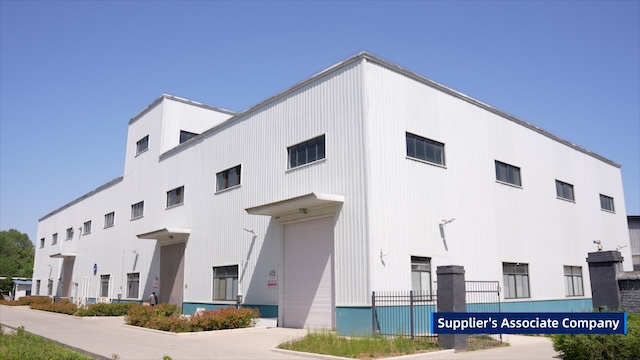
Corporate ESG mandates now demand verified traceability from geographical harvest origin to downstream packaging. Global buyers increasingly favor contract extraction facilities like BKYULA Biotech Co., Ltd. that utilize comprehensive clean-in-place (CIP) stainless steel extraction arrays, non-petrochemical solvents (pure ethanol and water), and zero-discharge solids composting for post-extraction root residues.
Why Tier-1 Brands Partner with BKYULA Biotech
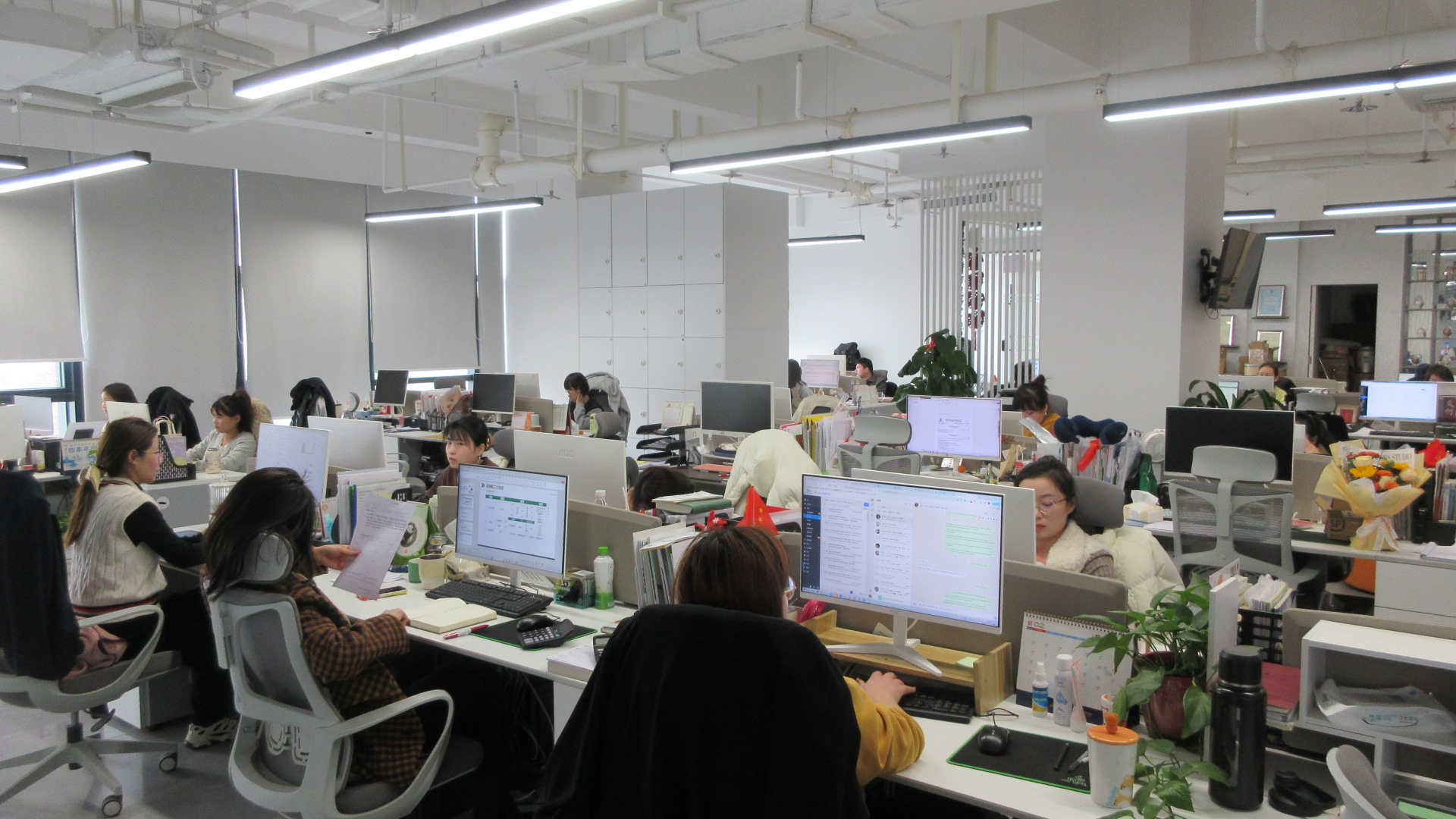
Integrating 15 years of herbal processing expertise, advanced pharmaceutical extraction lines, and comprehensive in-house quality control analytical infrastructure.
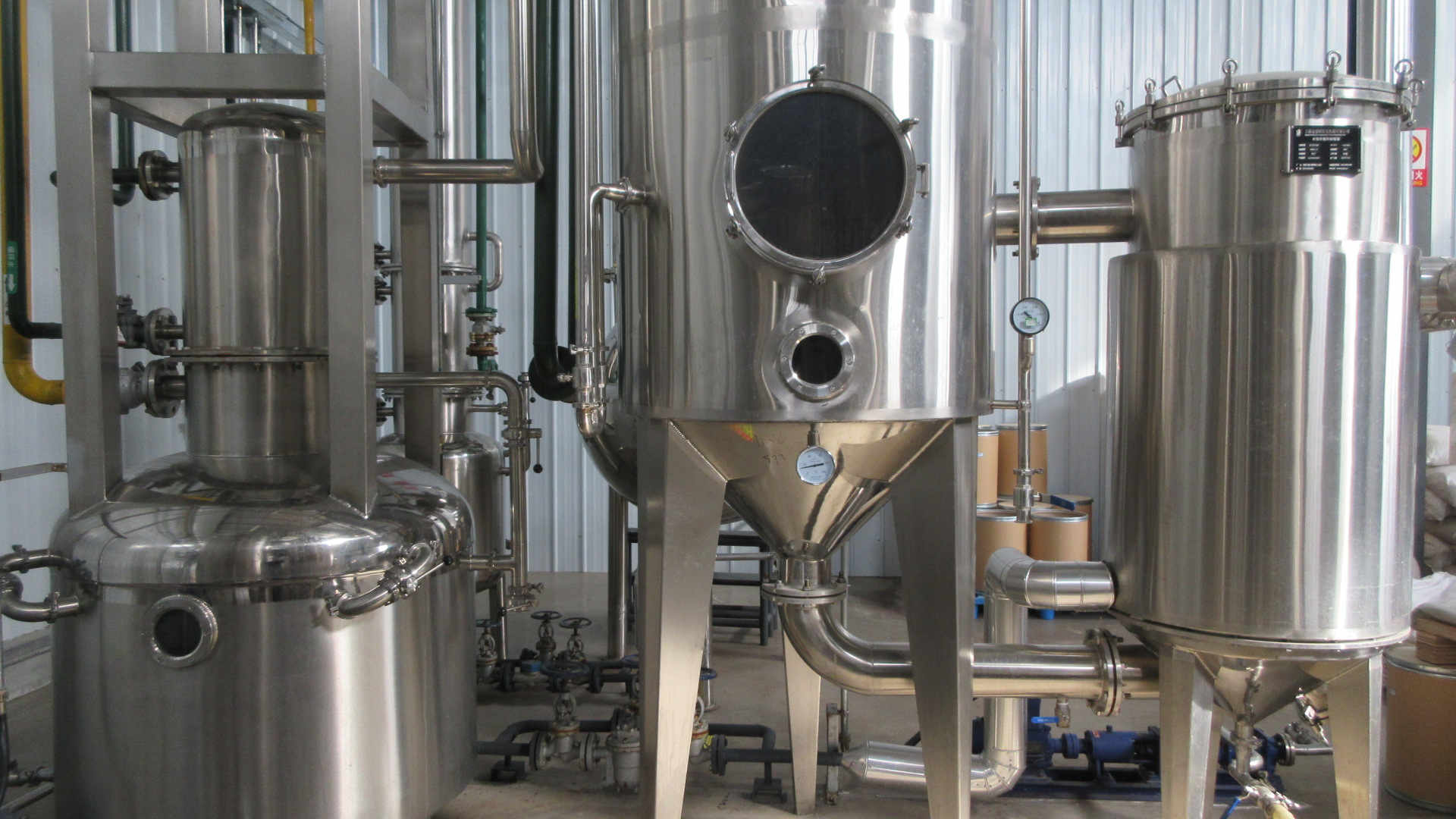
01Extraction
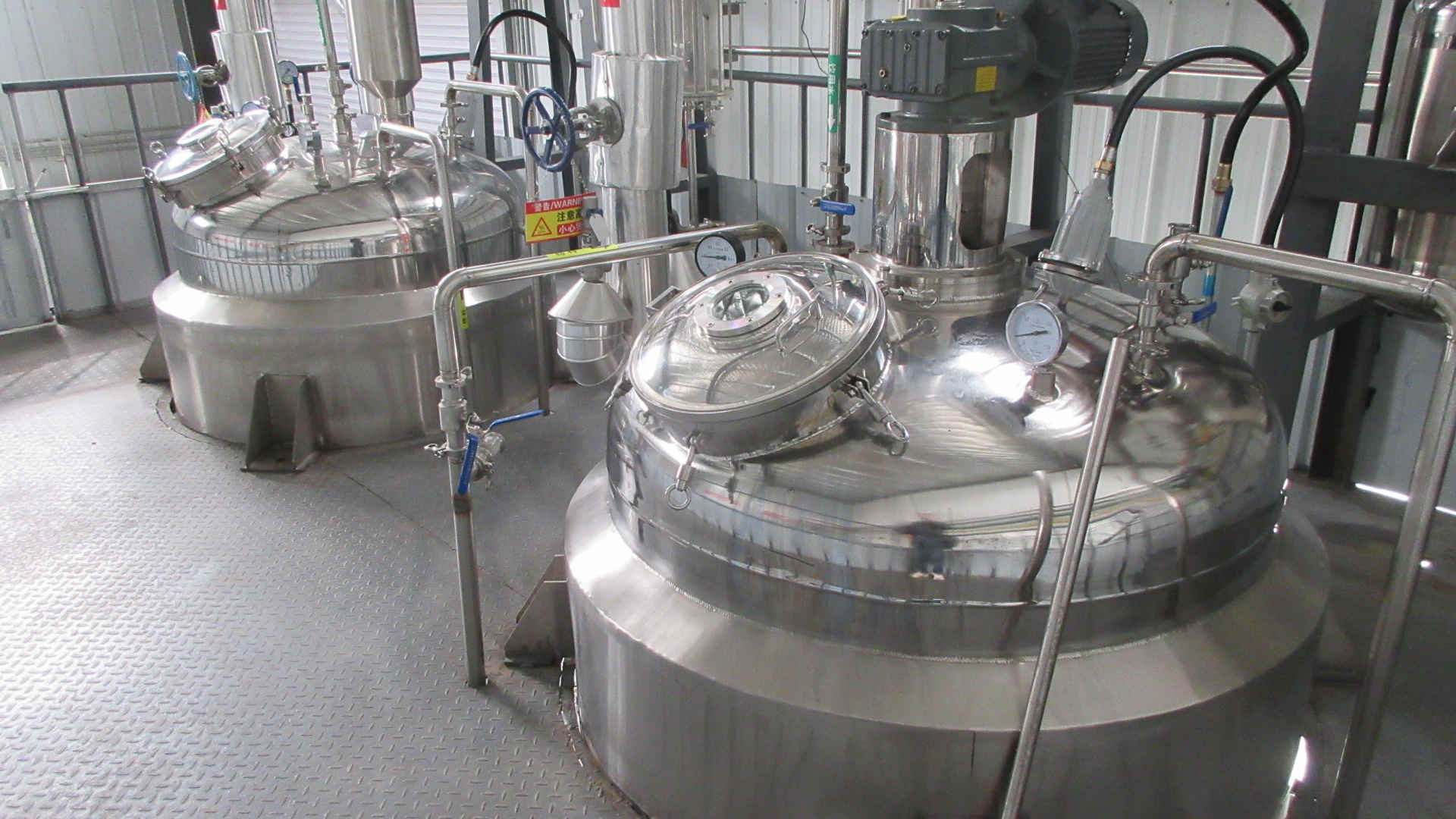
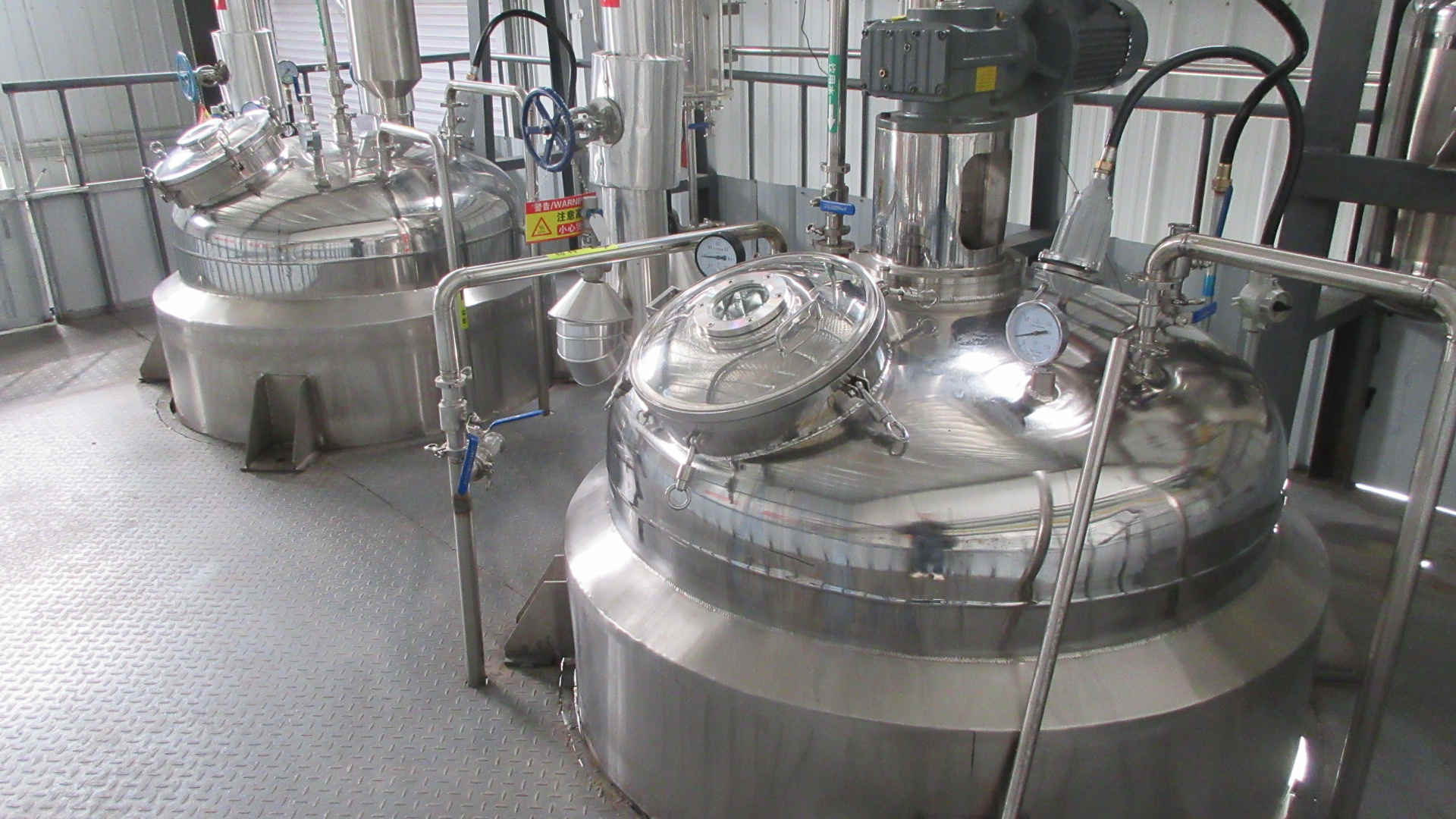
Computer-monitored hydro-ethanolic extraction in multi-functional stainless steel tanks.
 02
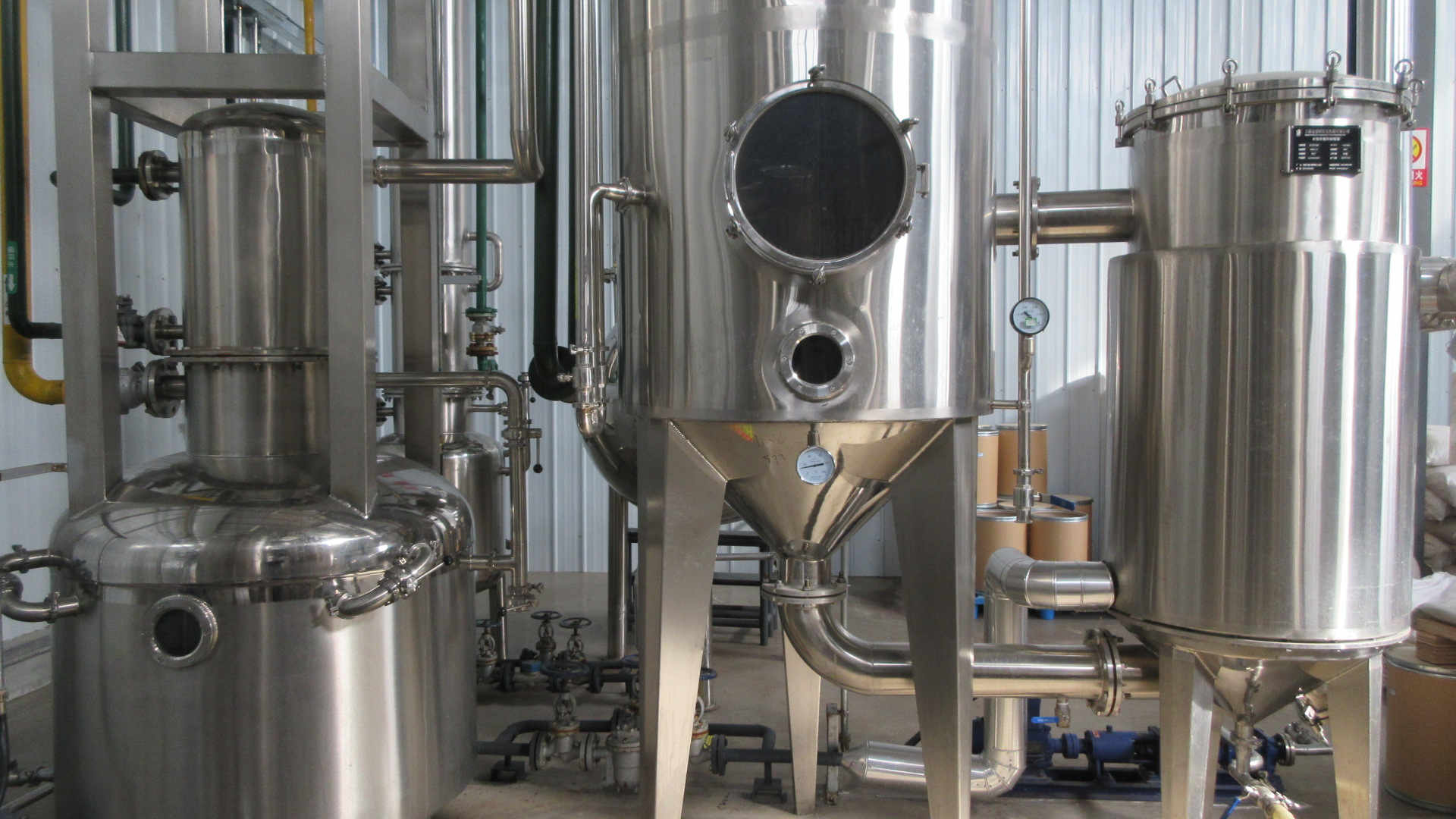
Concentration
Low-temperature vacuum concentration protecting heat-labile ginsenoside structures.
 03
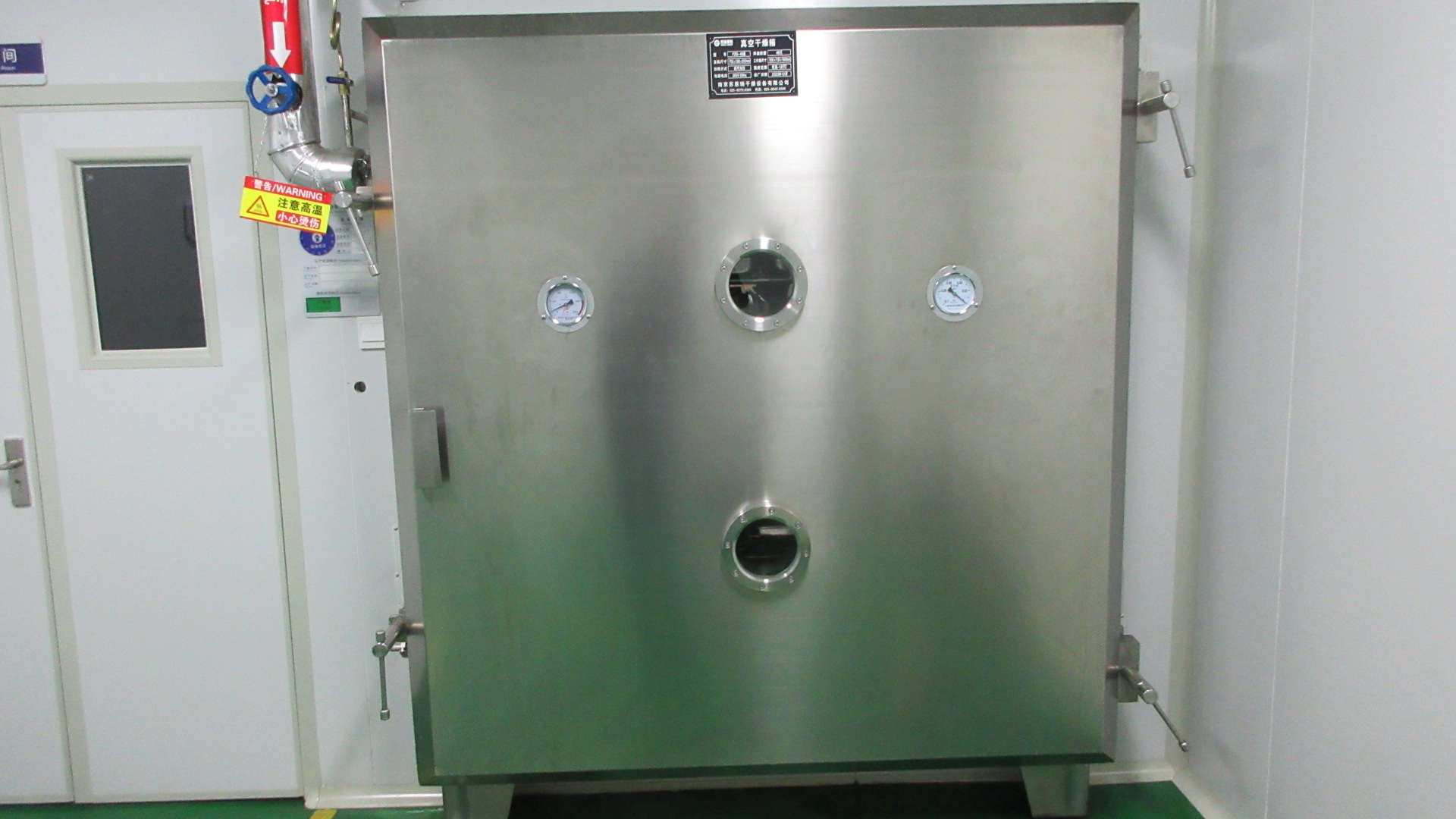
Drying
Aseptic spray drying ensuring fine, free-flowing, non-hygroscopic botanical powders.
 04
Smashing & Sieving
Controlled mechanical pulverizing providing customizable mesh profiles (80 to 120 mesh).
 05
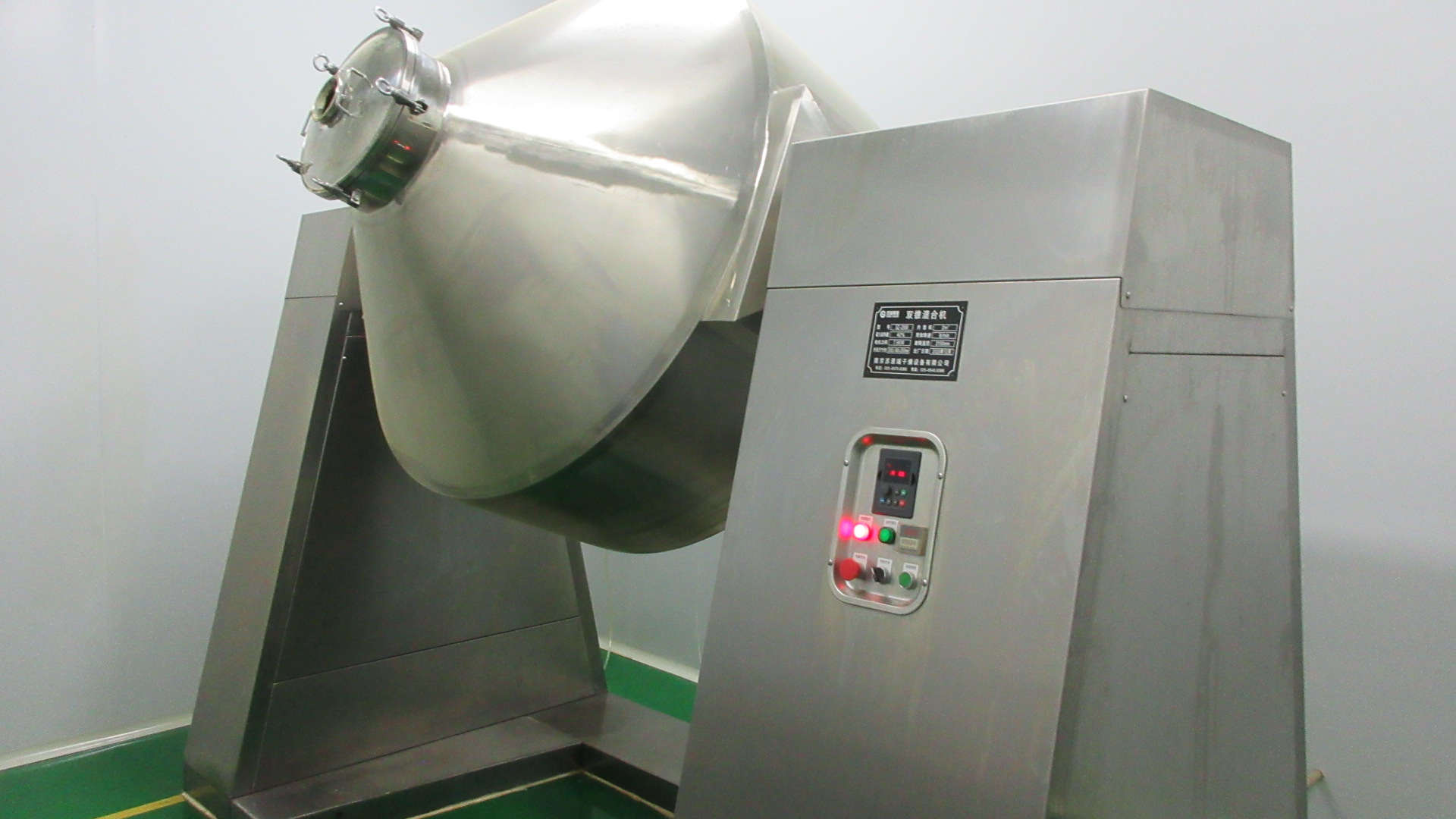
Mixing
Industrial double-cone 3D mixing ensuring batch homogeneity and zero content stratification.
06Finished Goods
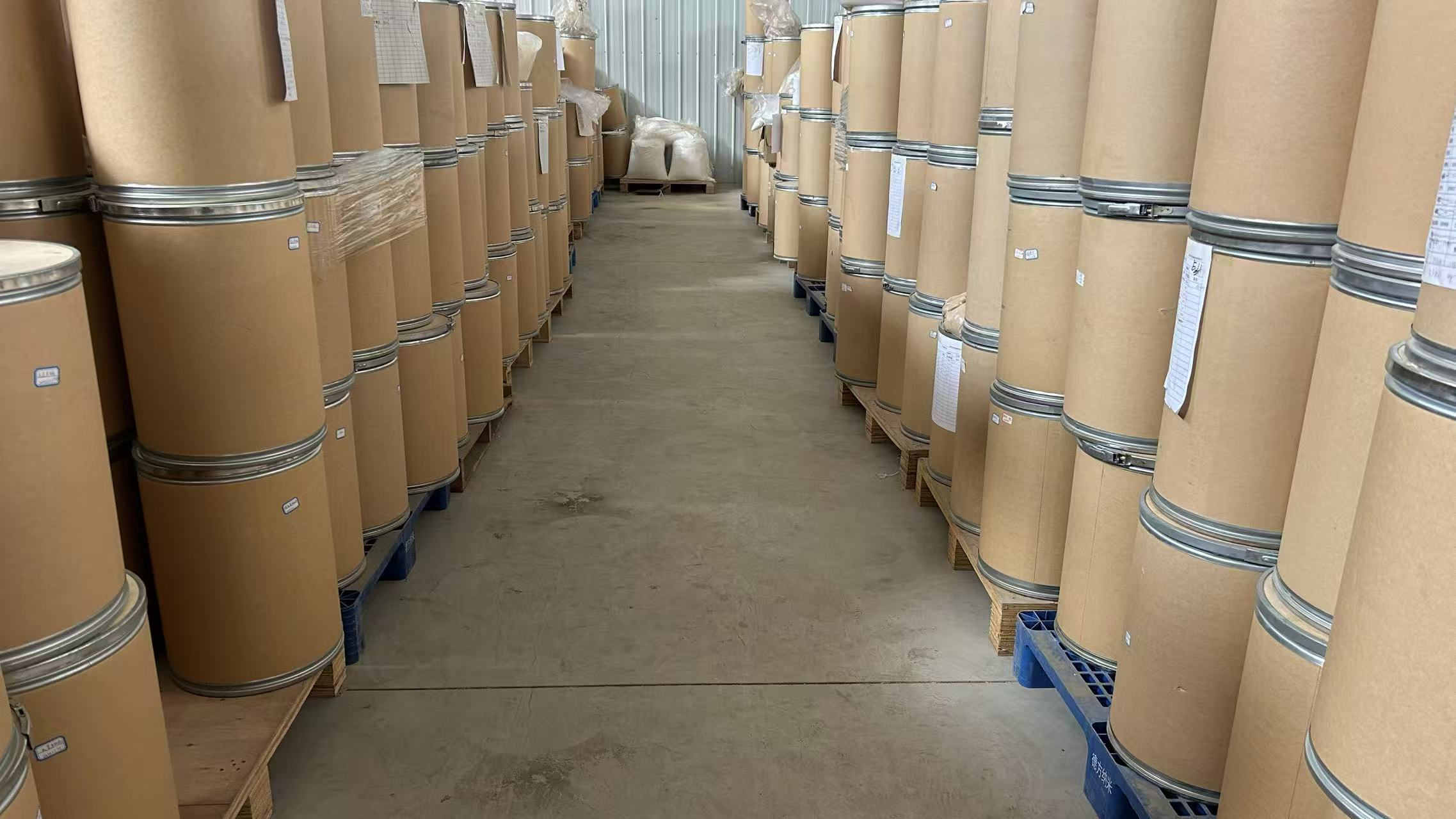
Class 100,000 cleanroom packaging in double food-grade PE liners and fiber drums.
BKYULA Biotech Enterprise ScaleData backed by third-party SGS onsite inspections and export customs logs.
Hardware Behind Every Batch: Production & QC
Inspect our operational machinery and analytic laboratory instrumentation that make our COA fully auditable by third-party testing labs.
Extract Tank
Multi-unit dynamic extraction battery
Concentrating Tank
Vacuum low-temp evaporation
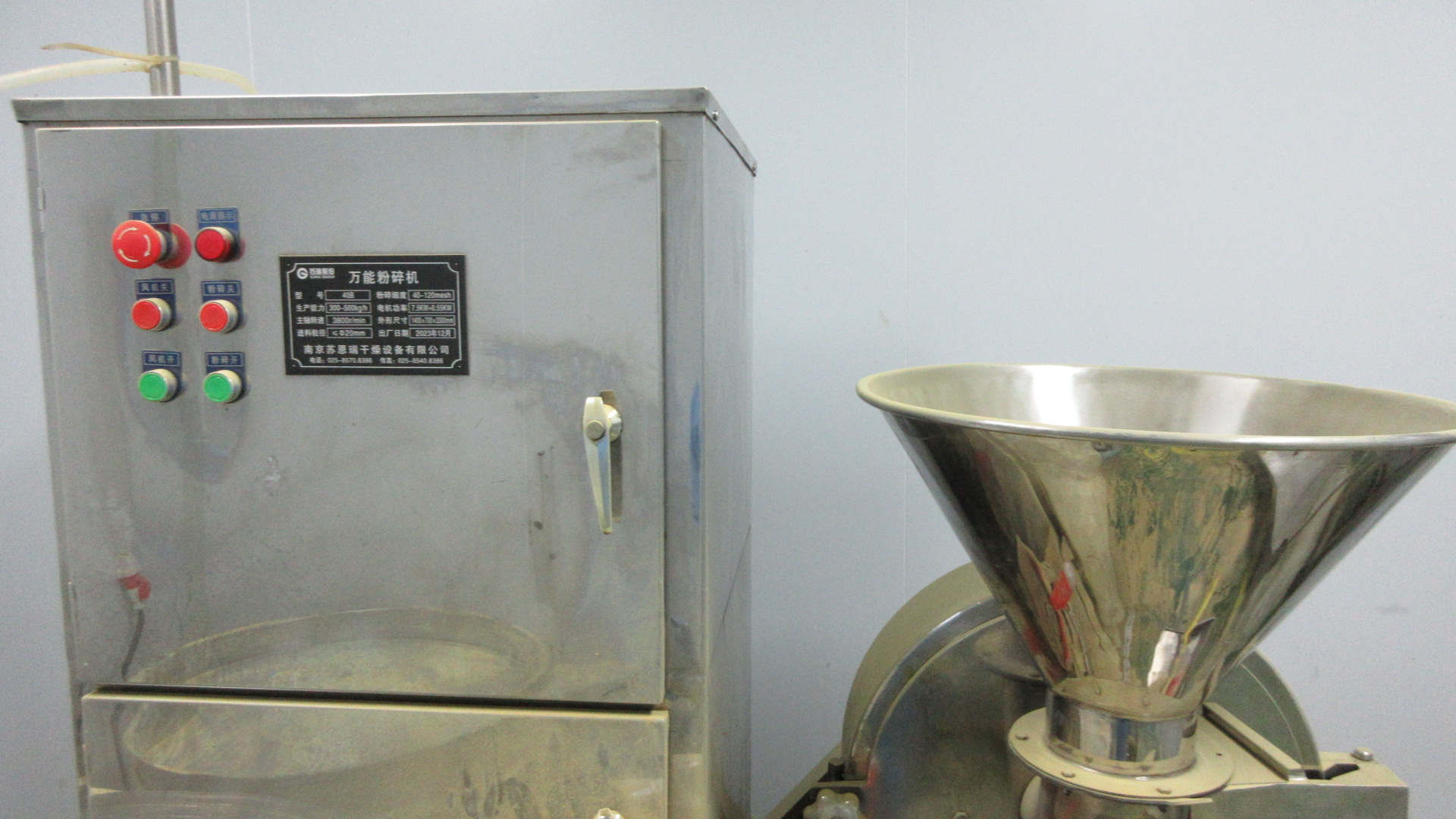
Smash Machine
High-speed impact milling to 100 mesh
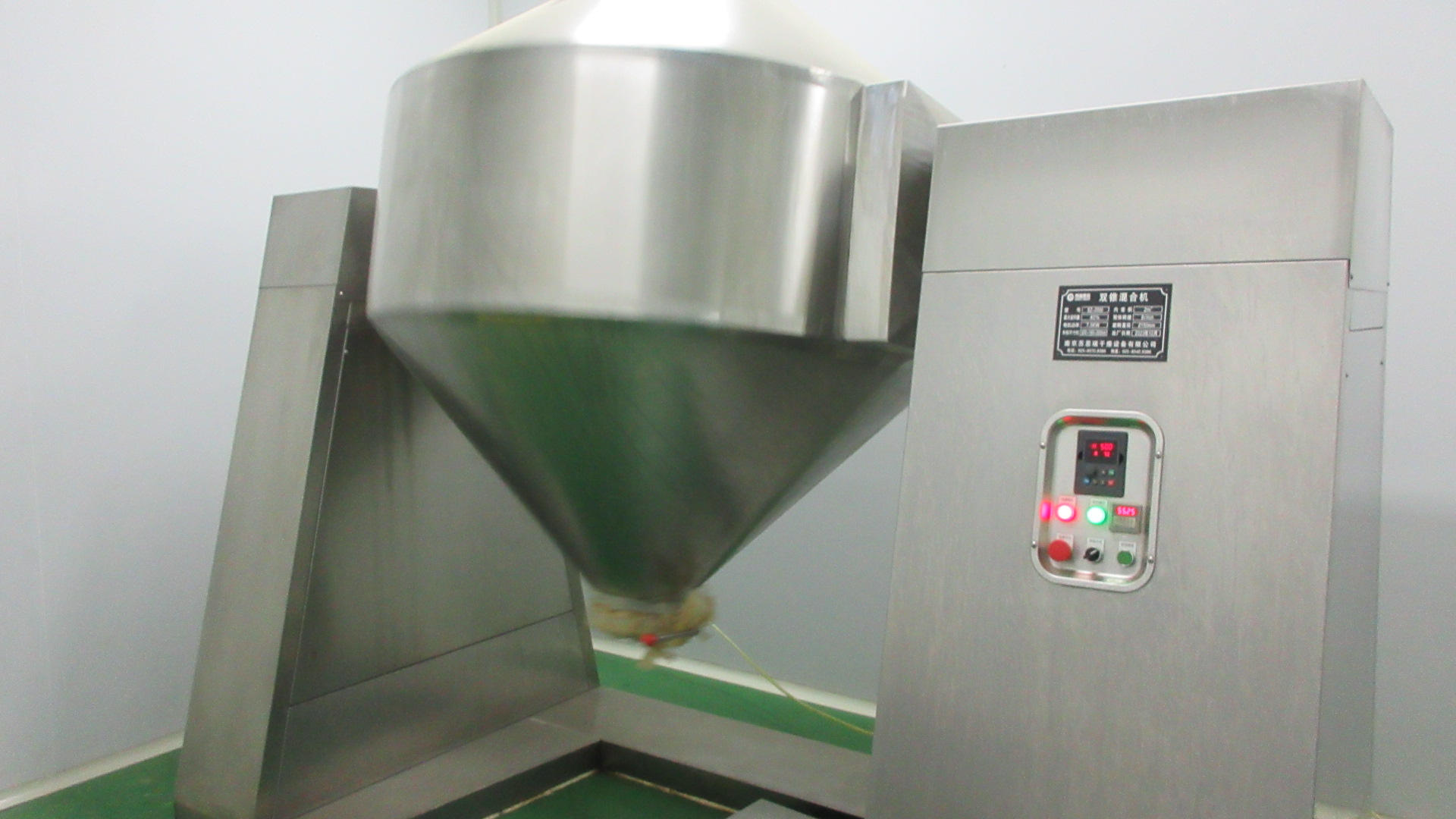
Industrial Mixer
Homogeneous bulk batch unification
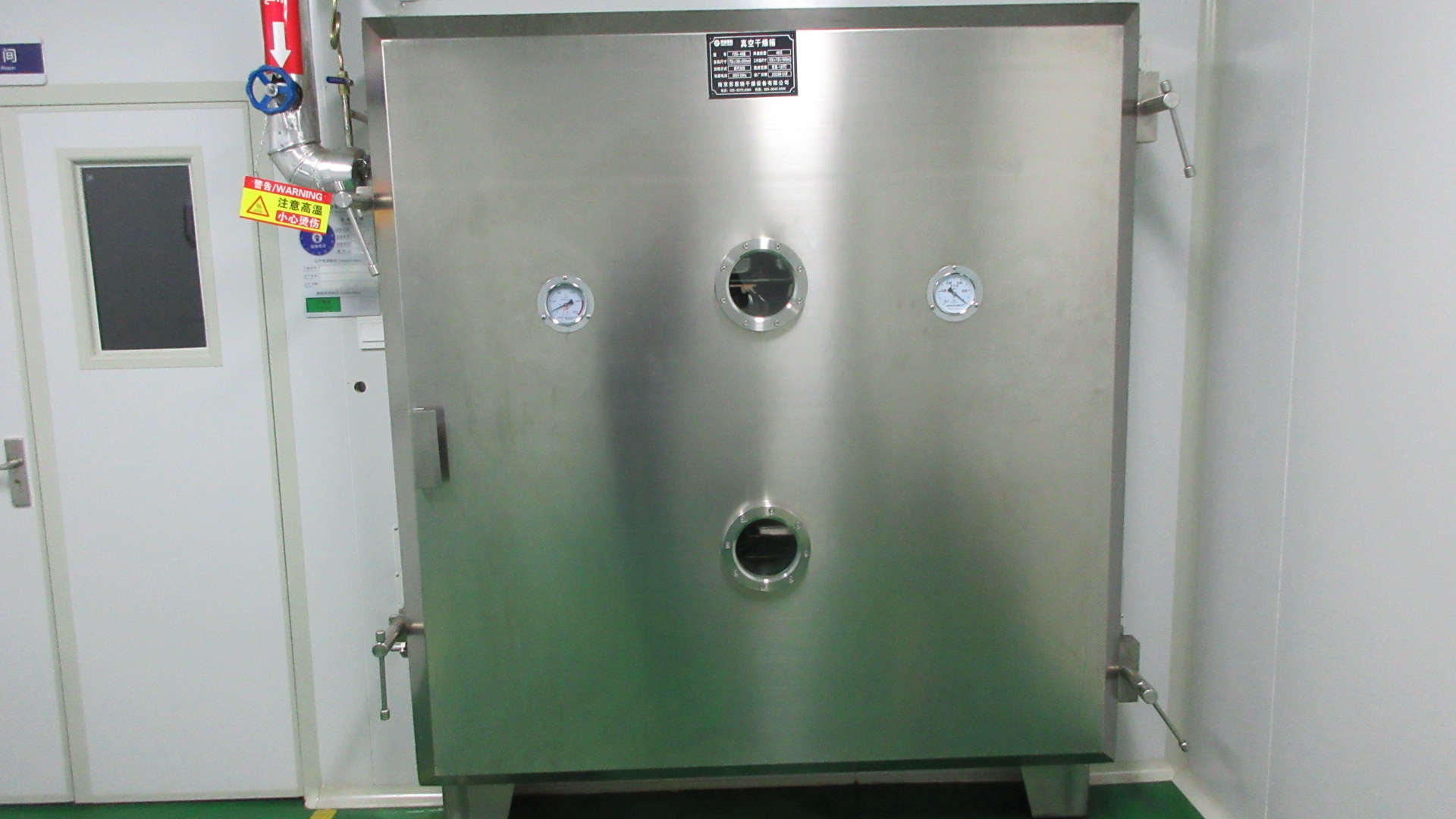
Drying Oven
Precise moisture equilibrium control
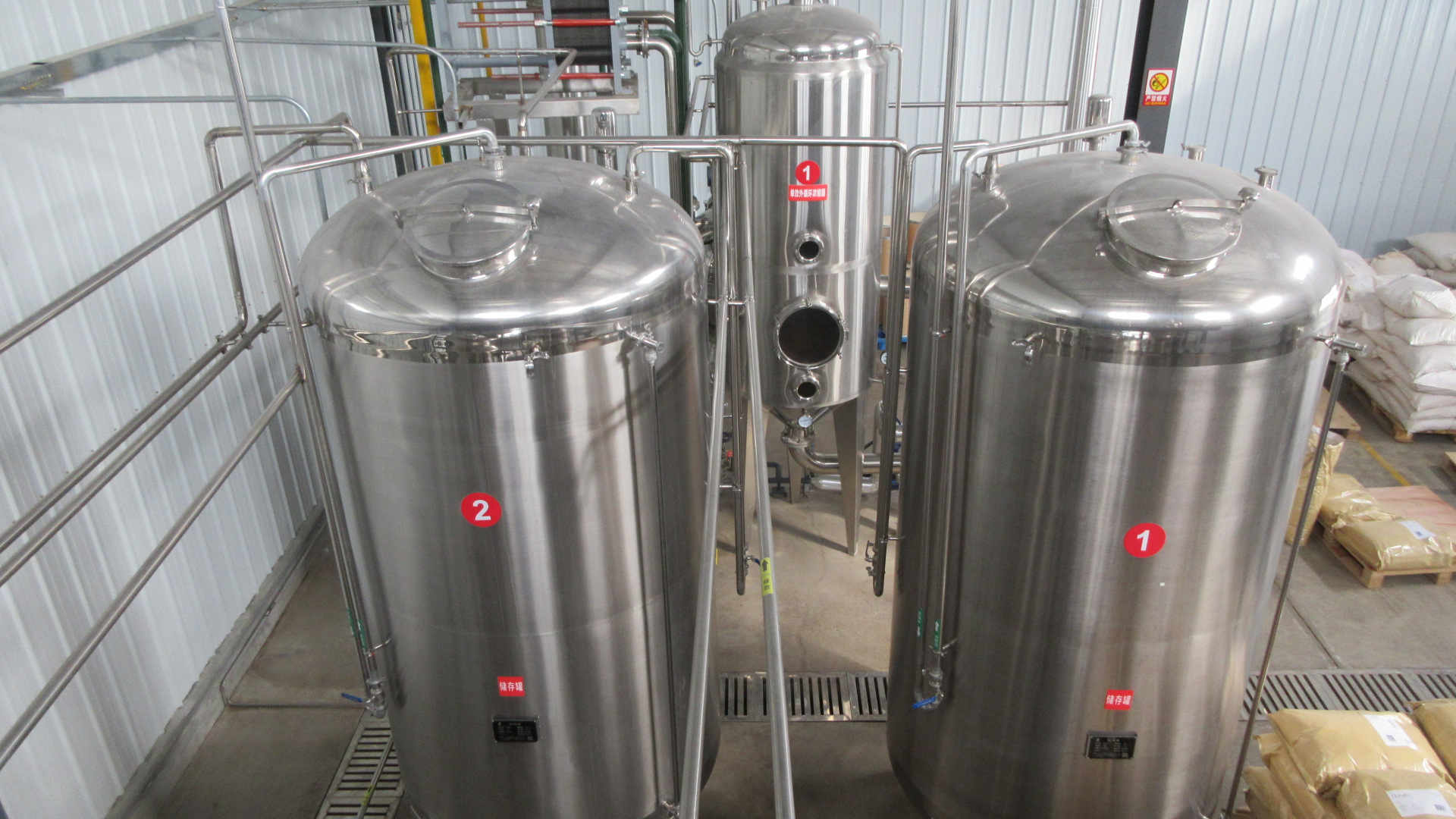
Storage Tank
Food-grade sanitary intermediate holding
Drying System
Continuous thermal drying line
Finished Product Packing
Aseptic drumming and vacuum sealing
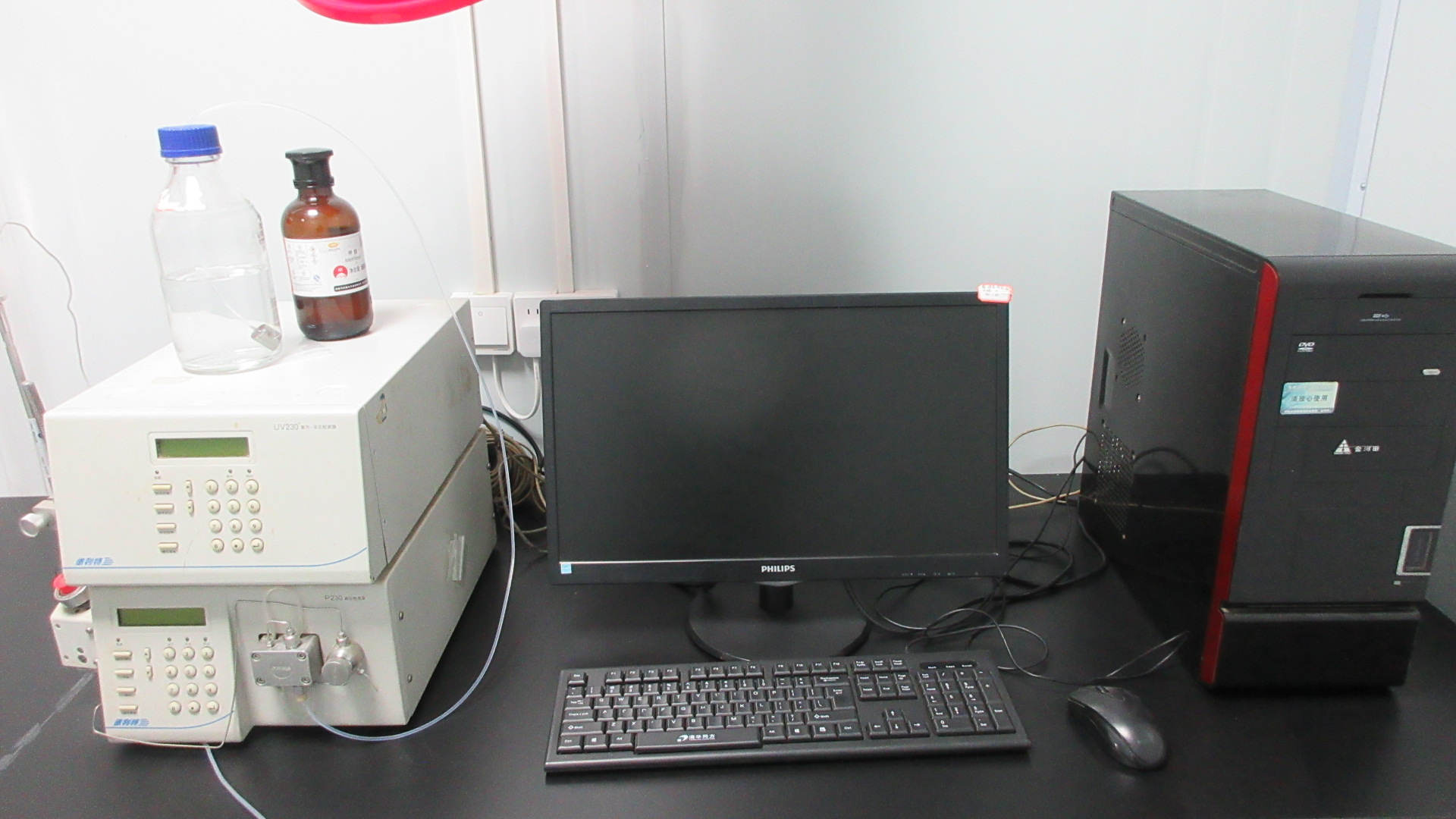
HPLC Chromatography I
Quantifying individual ginsenoside peaks
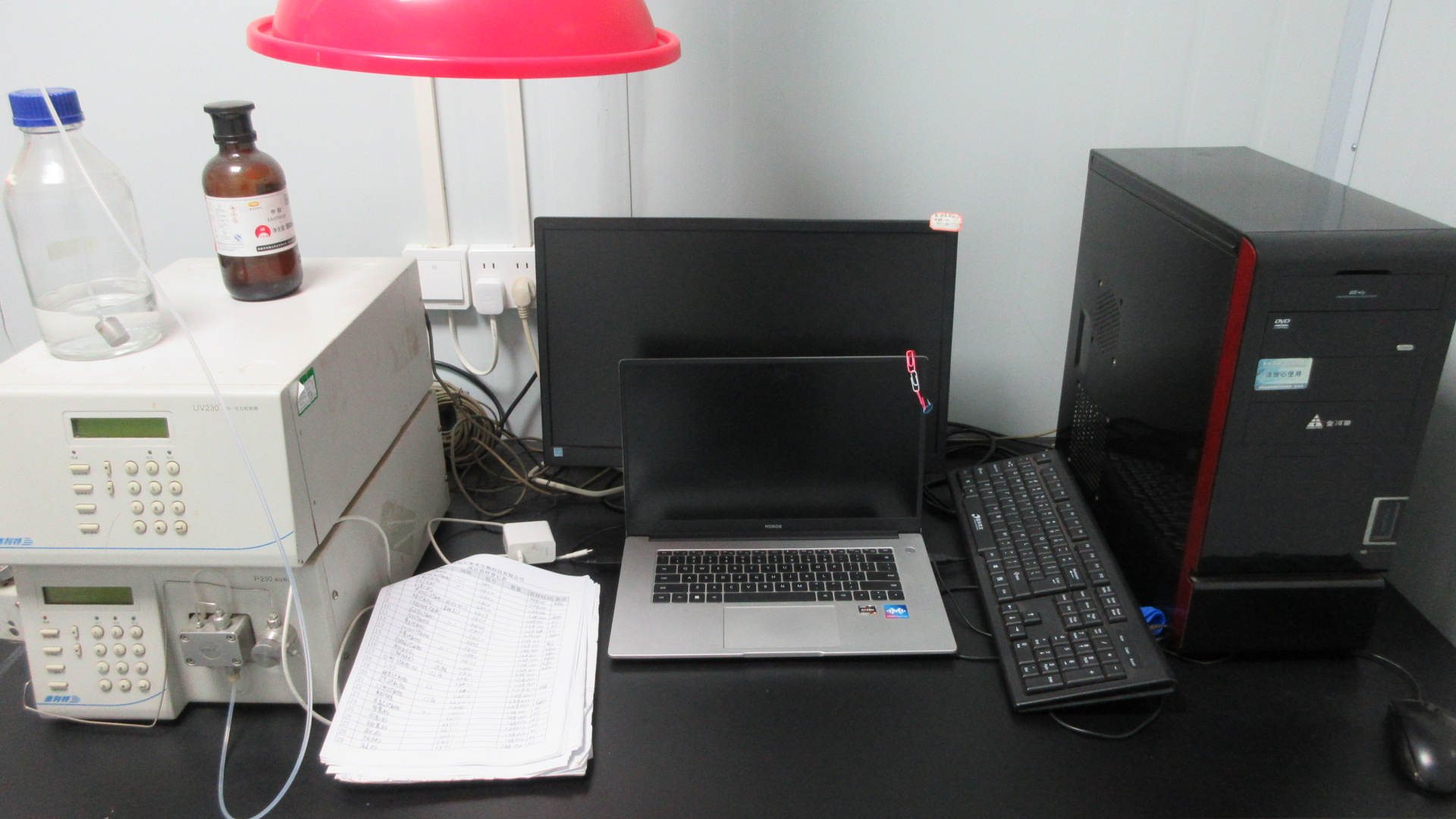
HPLC System II
Parallel analytical verification of actives
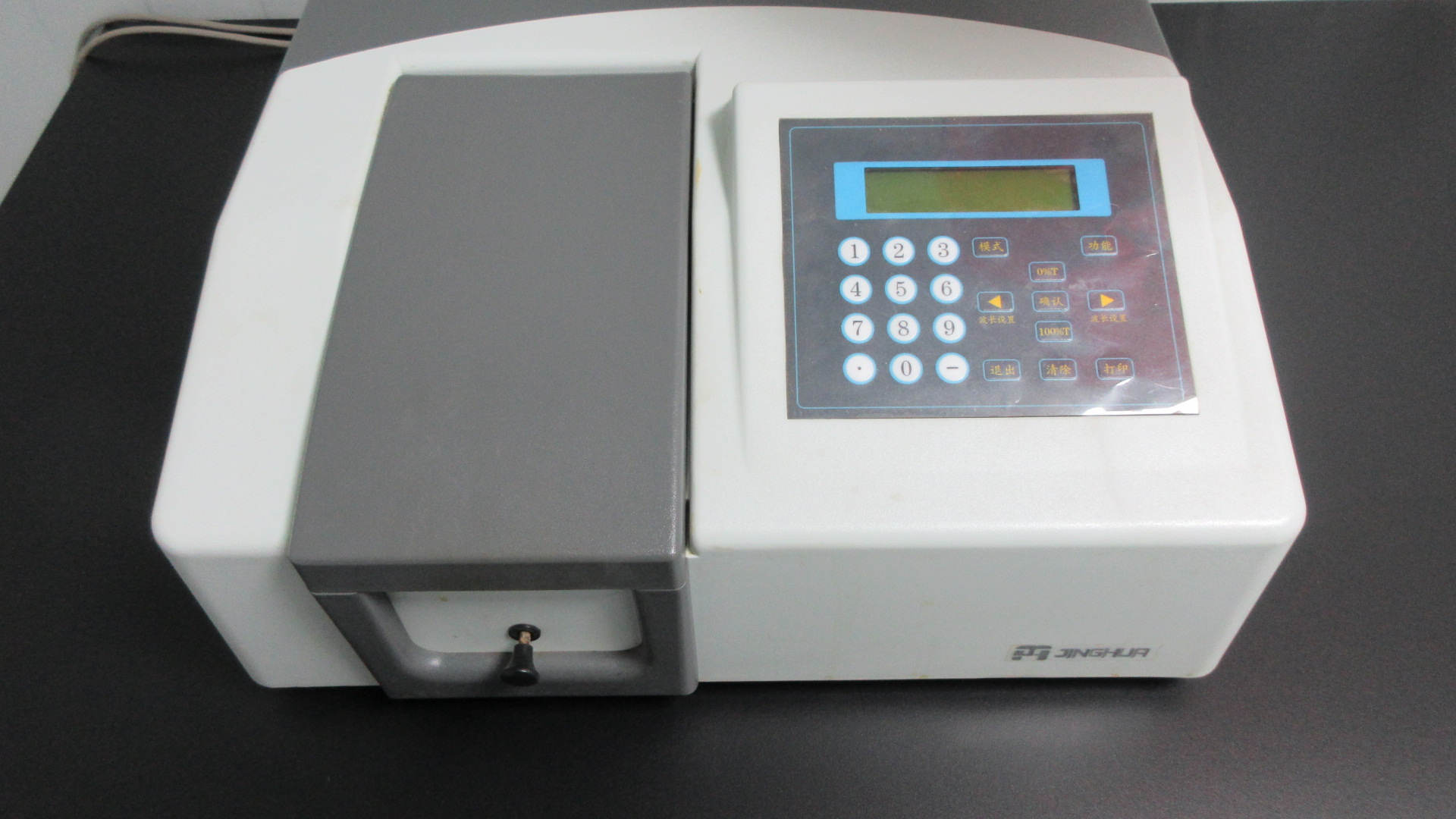
UV-Vis Spectrophotometer
Total saponin screening & assays
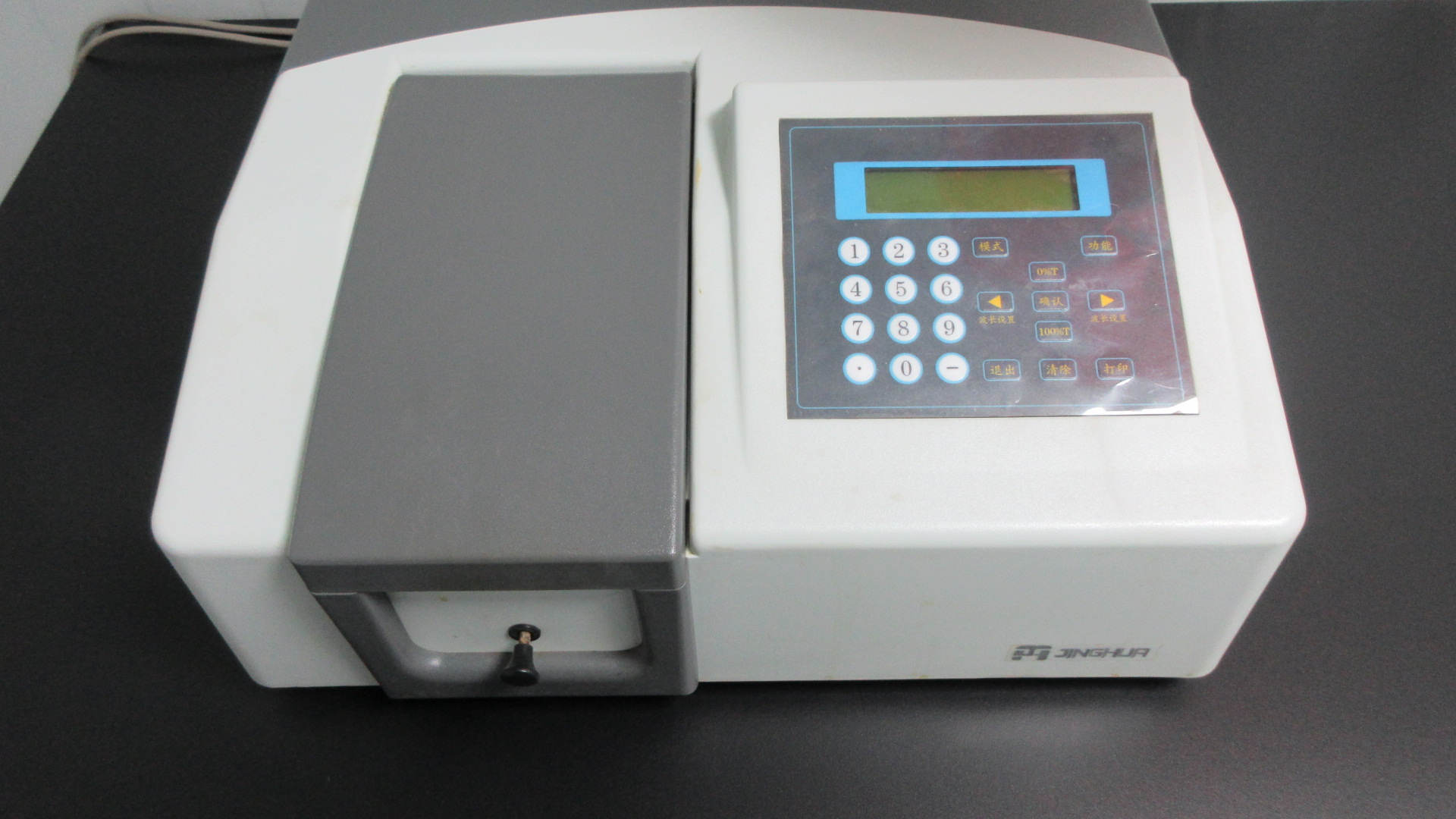
UV Spectrometer II
Rapid optical density qualification
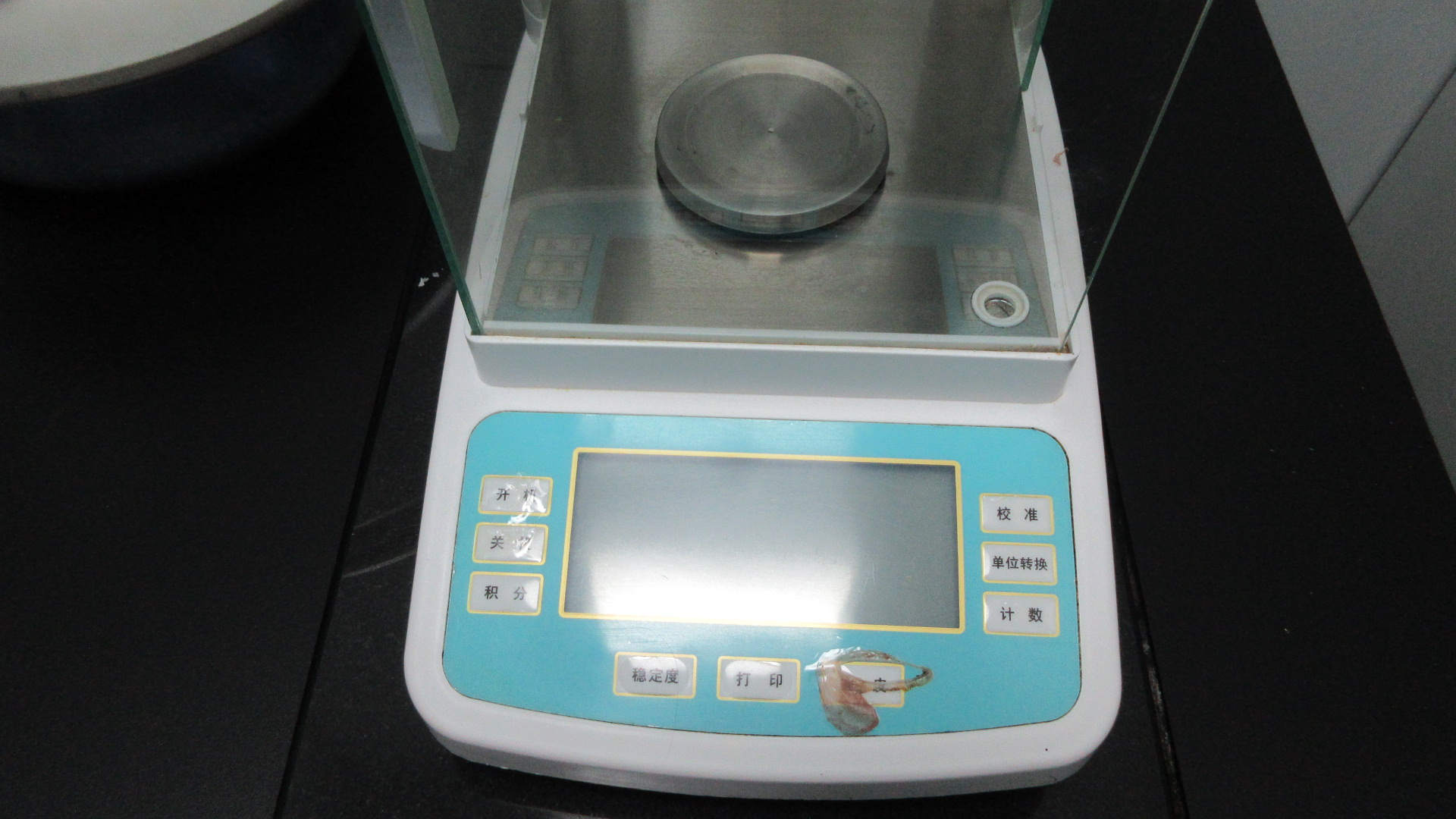
Micro-Analytical Balance
0.0001g high-precision reference weighing
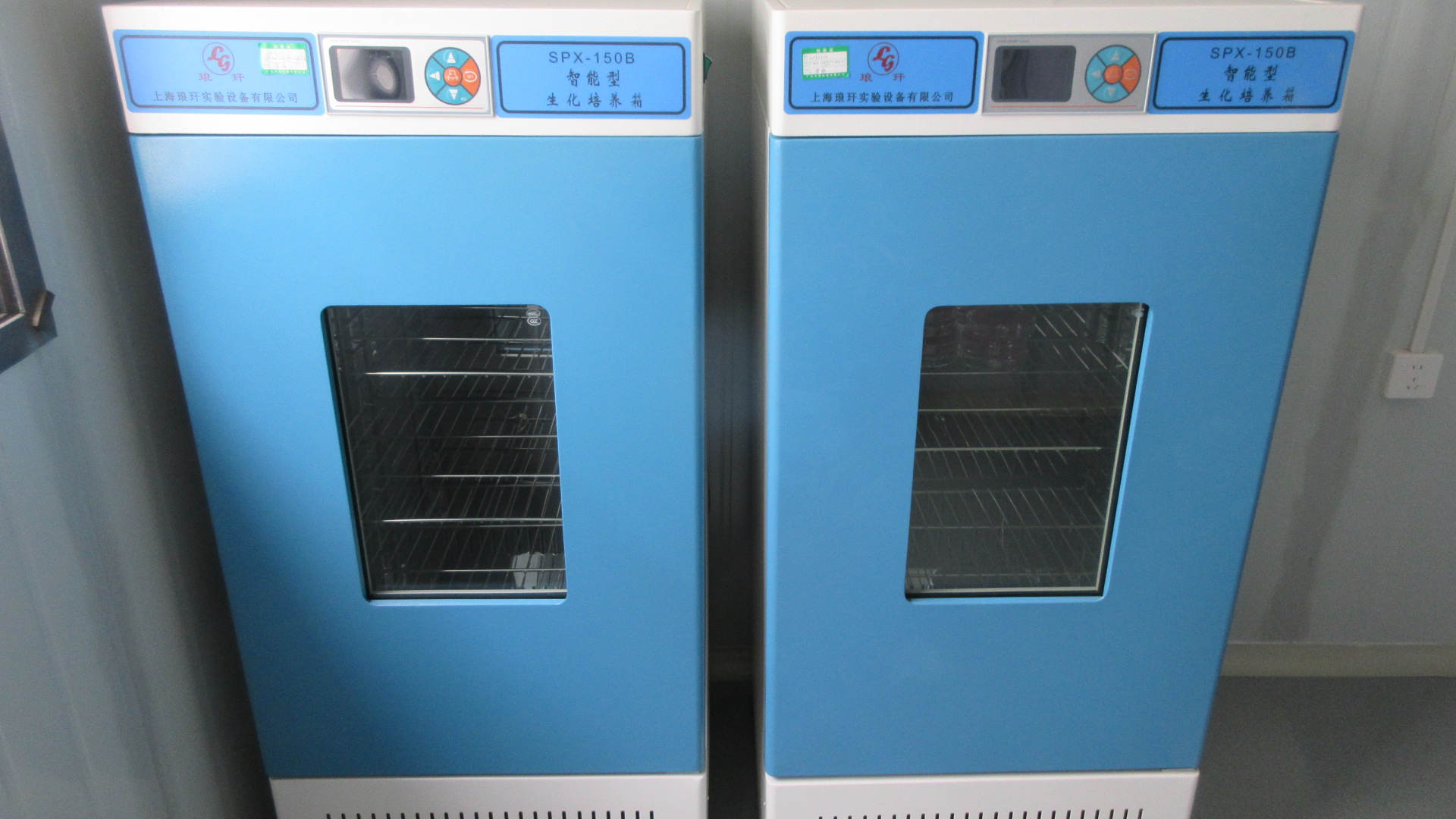
Microbiology Incubator
Validating microbial purity & counts
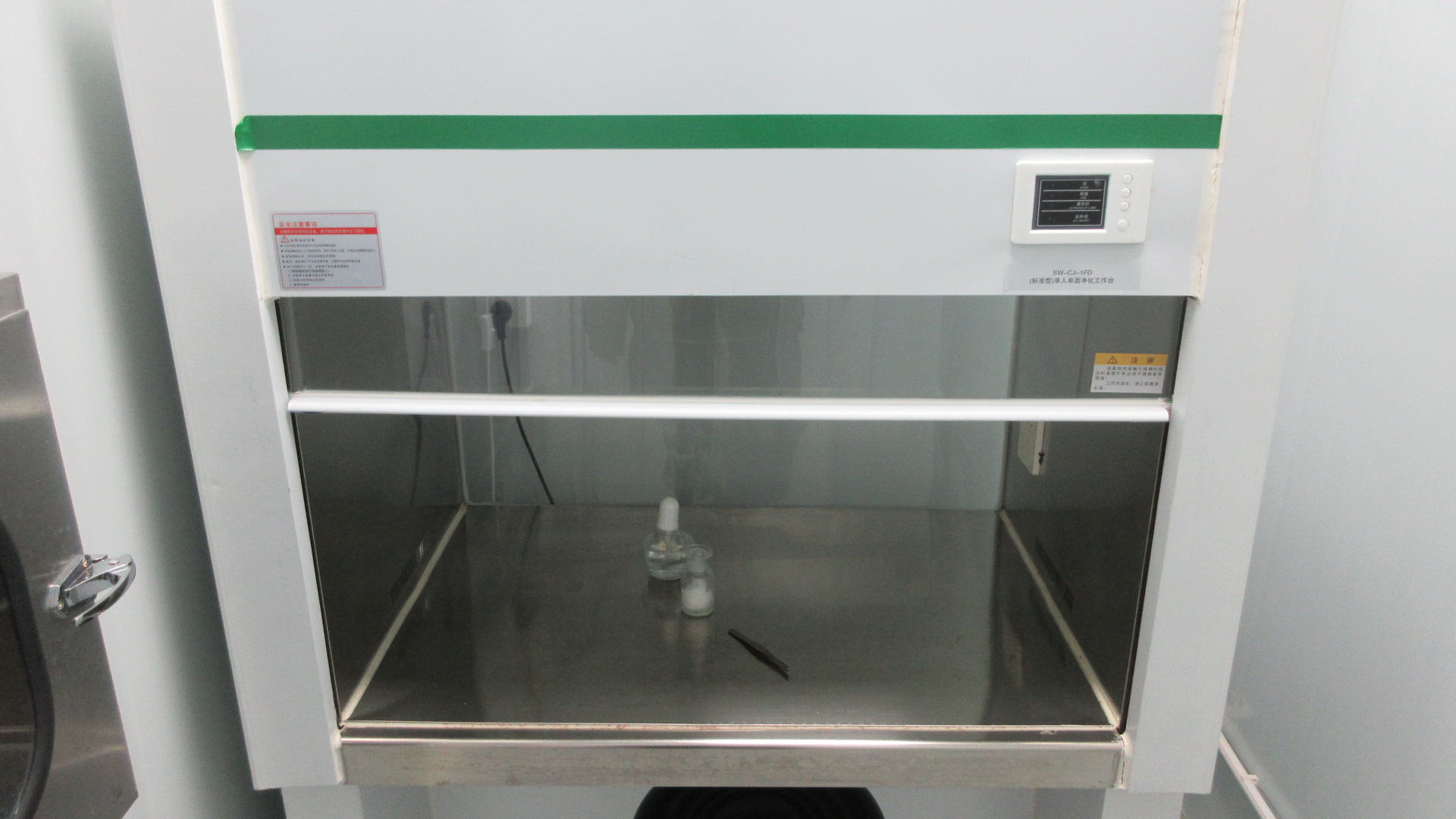
Clean Bench Workstation
Sterile pathogen screening
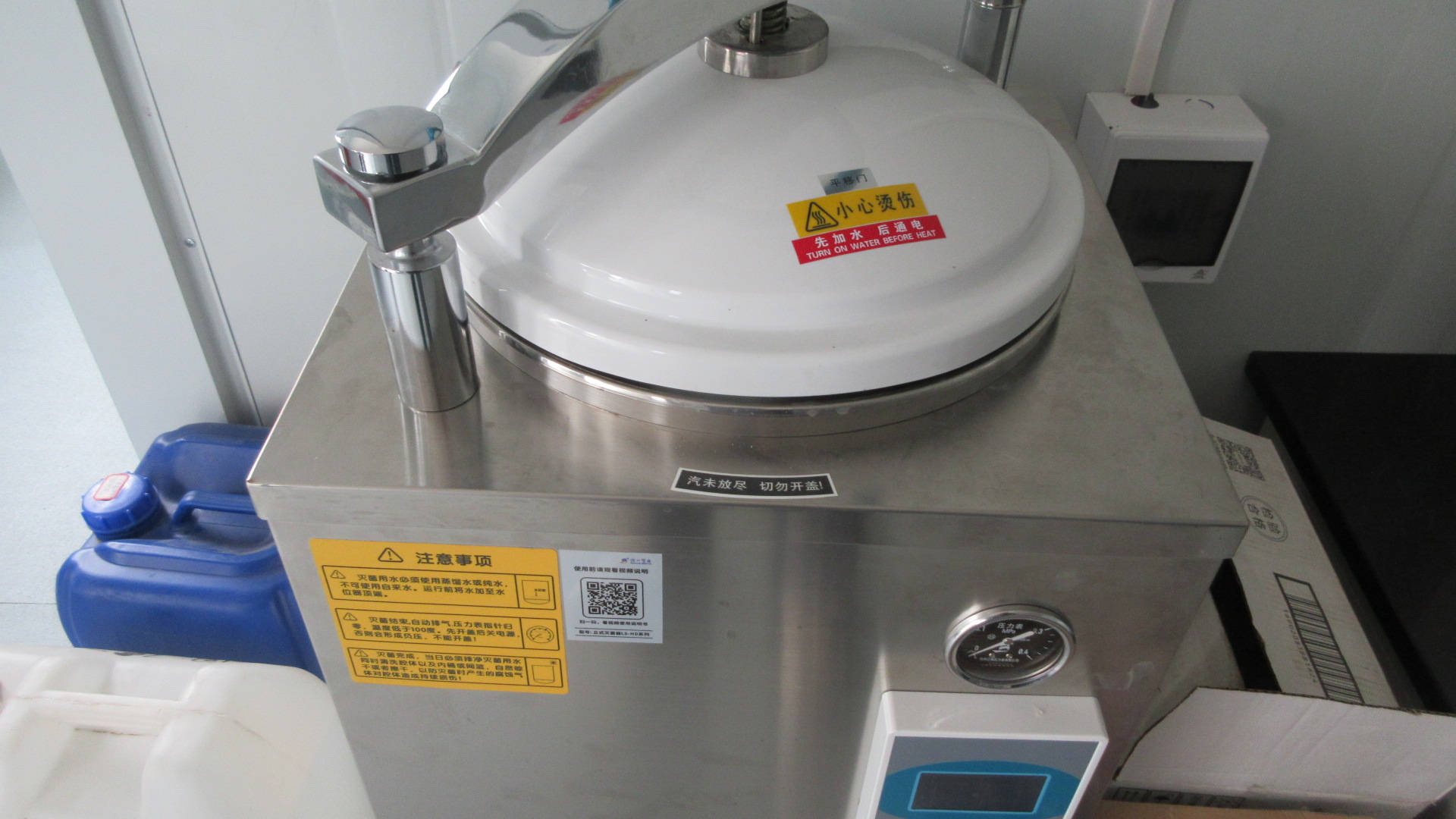
Autoclave System
Media preparation and equipment sterilization
Recommended Companion Ingredients & Derivatives
Pre-validated botanical actives designed to pair with Korean Red Ginseng Root Extract for elevated adaptogenic and cognitive claims.
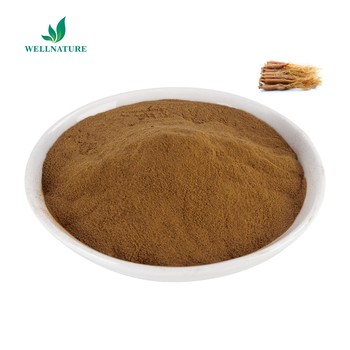
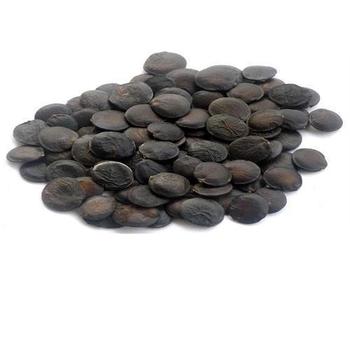
Yellow Maca Root Extract
Ratio: 10:1 Water Soluble
Function: Stamina & HPA Axis Balance
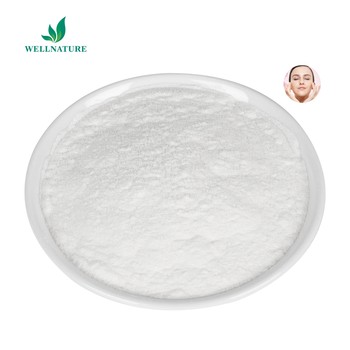
Cosmetic Grade PDRN Salmon DNA
Assay: 99% Pure Nucleotide
Application: Dermaceutical Synergy
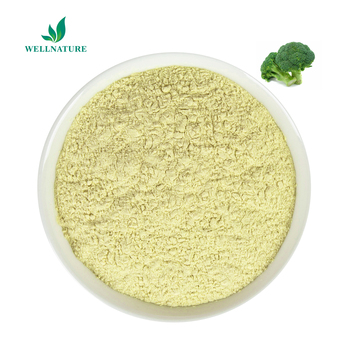
Broccoli Seed Extract (Sulforaphane)
Assay: 1% – 10% Sulforaphane
Function: Nrf2 Antioxidant Activation
Frequently Asked Questions on Korean Red Ginseng Root Extract
Direct answers for purchasing directors, supply chain managers, and analytical laboratory toxicologists.
What is the minimum order quantity (MOQ) for Korean Red Ginseng Root Extract at BKYULA Biotech?
How do you test and standardize active ginsenosides across production batches?
What solvents are used, and how do you ensure compliance with residual solvent regulations?
Can BKYULA Biotech formulate customized rare ginsenoside blends (e.g., Rg3, Rh2, Compound K)?
What documentation and regulatory dossiers do you provide for customs clearance?
What are the accepted Incoterms and global delivery timeframes?
Procure Certified Korean Red Ginseng Root Extract
Direct manufacturer supply, batch-specific HPLC certificates, and custom formulation support.