English English
Direct supply from our ISO 9001, ISO 22000, and HACCP certified manufacturing workshops in Xi'an, Shaanxi
Decoupling Glucoraphanin Hydrolysis and Overcoming the Thermal Instability of 1-Isothiocyanato-4-(methylsulfinyl)butane
Pure sulforaphane (4-methylsulfinylbutyl isothiocyanate, C6H11NOS2, MW 177.29 g/mol) represents one of the most potent naturally occurring inducers of mammalian Phase II cytoprotective enzymes via the Keap1-Nrf2-ARE molecular signaling pathway. Found predominantly within brassica cultivars—most notably Brassica oleracea L. var. italica—sulforaphane does not exist in significant quantities within intact plant tissues in its active isothiocyanate form. Instead, it is stored as its biologically inert, thioglucoside precursor, glucoraphanin. The transformation of glucoraphanin to active sulforaphane requires hydrolytic cleavage mediated by the endogenous enzyme myrosinase (thioglucoside glucohydrolase, EC 3.2.1.147).
In standard extraction protocols, mechanical cell lysis releases epithiospecifier protein alongside myrosinase. Under ambient conditions with free ferrous ions (Fe2+), ESP directs the unstable aglycone intermediate toward nitrile formation, effectively neutralizing downstream bioactivity. BKYULA Biotech resolves this kinetic obstacle through a proprietary dual-phase enzymatic stabilization process:
First, select non-GMO broccoli seed seeds undergo supercritical CO2 defatting at 32 MPa and 45°C, stripping out over 95% of non-polar triglycerides without denaturing heat-labile proteins. Second, thermal pre-treatment at 60°C selectively deactivates the thermolabile ESP while preserving the enzymatic integrity of core myrosinase. The subsequent buffer-controlled enzymatic incubation (conducted between pH 6.2 and 6.8 at 38°C) forces a near-stoichiometric yield conversion of glucoraphanin into pure sulforaphane, exceeding 88% theoretical transformation efficiency prior to low-temperature multi-effect vacuum concentration.
Comprehensive Analytical Comparison: Raw Precursors vs. Stabilized Bioactive Complexes
| Product Grade | Active Marker Assay | Physical State | Stabilization Matrix | Loss on Drying | Heavy Metals (Pb/As/Cd/Hg) | Compliance Standards |
|---|---|---|---|---|---|---|
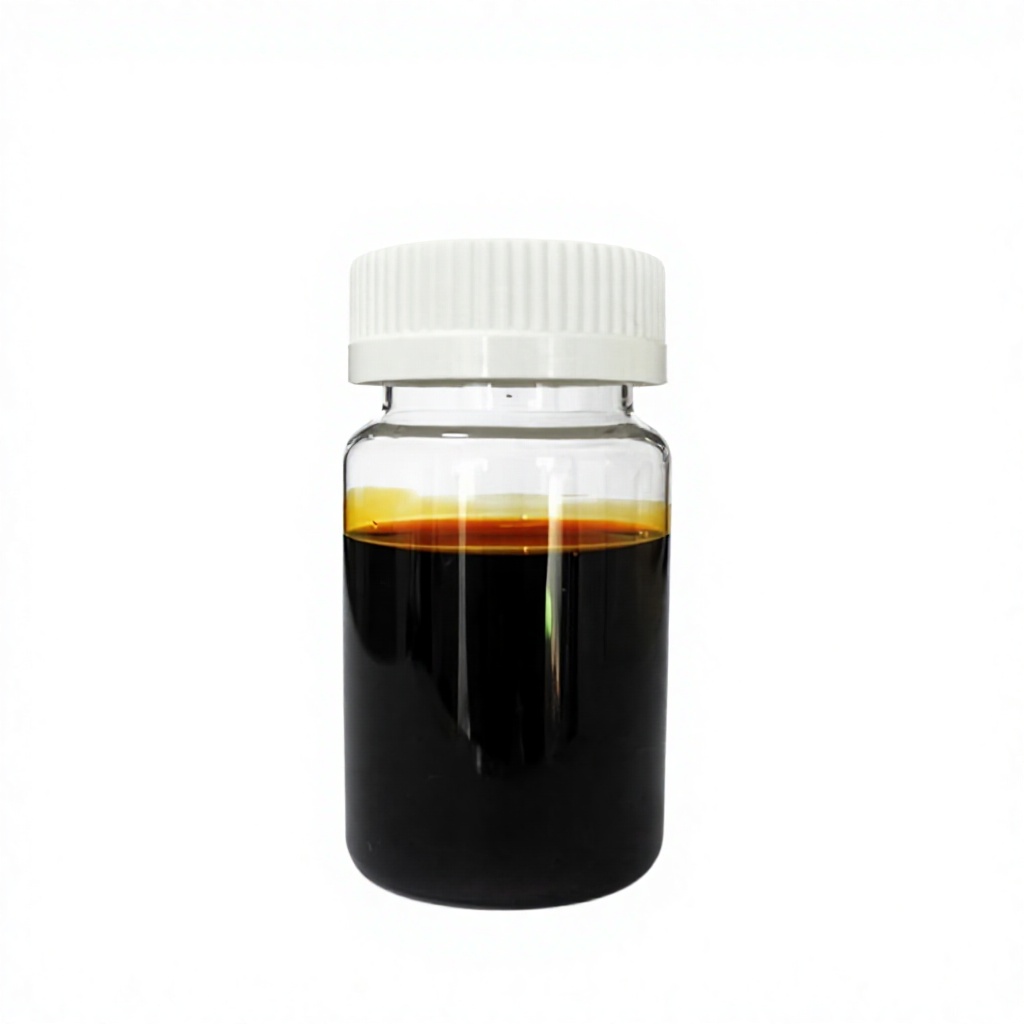
| BKY-SFN-01 | 0.5%–1.0% Free SFN | Fine Olive-Tan Powder | Natural Maltodextrin Carrier | ≤ 5.0% | < 10 ppm total (< 0.1 ppm Cd) | Food Grade / CE |
| BKY-SFN-10 | 10.0% Sulforaphane | Pale Yellow Micro-Granule | Beta-Cyclodextrin Supramolecular | ≤ 4.0% | < 5 ppm total (< 0.05 ppm Pb) | Nutraceutical USP/EP |
| BKY-SFN-98 | ≥ 98.0% Sulforaphane | Viscous Pale Yellow / Oily Solid | Cryogenic Native Isolate | ≤ 1.0% | Conforms to Ph. Eur. Limits | API / Pharma Research |
| BKY-GLU-13 | 13.0%–20.0% Glucoraphanin | Off-White Uniform Powder | Excipient-Free Native Extract | ≤ 5.0% | < 10 ppm total | Dietary Supplement |
Pure, uncomplexed sulforaphane is chemically volatile, displaying heightened sensitivity to oxygen, UV exposure, and ambient temperatures exceeding 25°C. To satisfy international shipping stability and guarantee a 24-month unopened shelf life, BKYULA Biotech utilizes advanced supramolecular host-guest inclusion complexes. By encapsulating lipophilic isothiocyanate molecules within the hydrophobic central cavity of pharmaceutical-grade beta-cyclodextrin or hydroxypropyl-beta-cyclodextrin (HP-β-CD), we successfully isolate the reactive isothiocyanate moiety (-N=C=S) from ambient moisture and thermal excitation.
Market Shifts from Crude Seed Powders to Enteric-Targeted, Bioequivalent Bio-Actives
Global brand owners are shifting away from unstandardized broccoli sprout powders toward standardized dual-chamber formulations. Buyers now specify both glucoraphanin assay (minimum 10%) and guaranteed enzymatic myrosinase activity (minimum 30 U/g) to ensure reproducible in-vivo conversion within the upper digestive tract.
European regulatory bodies under EFSA have elevated safety scrutiny regarding solvent residues and biogenic amines. Qualified factories must eliminate chlorinated solvents entirely, relying on green chemistry matrices: ethanol-water extraction and supercritical fluid extraction (SFE) with strict batch polycyclic aromatic hydrocarbon (PAH) limits.
Sulforaphane procurement is expanding rapidly beyond liver detox. Formulators in North America and Western Europe are coupling high-potency microencapsulated sulforaphane with NAD+ precursors, resveratrol, and spermidine to target mitochondrial biogenesis and suppress pro-inflammatory NF-κB signaling cascades.
Full Verification from Xi'an Extraction Workshops to Certified Cleanrooms
Operating out of the High-Tech Industrial Development Zone in Xi'an, Shaanxi, BKYULA Biotech bridges raw agricultural botanical harvesting and ultra-pure active substance manufacturing. Our modern manufacturing facility houses full-cycle processing lines comprising 3,000-liter multi-function stainless steel extraction vessels, automated vacuum thin-film evaporators, spray-drying towers with secondary chilling dehumidifiers, and class 100,000 clean air-classification milling workshops.
Every commercial batch is released only after stringent dual-stage analytical release. Raw seeds and finished powders undergo comprehensive High-Performance Liquid Chromatography (HPLC) assays to ensure uniform marker concentration. We verify non-detectable organochlorine pesticide residues across 400+ compounds via GC-MS/MS, confirm heavy metal safety (Pb, Cd, As, Hg) using Inductively Coupled Plasma Mass Spectrometry (ICP-MS), and execute strict microbiological assays under ISO 22000 and HACCP control environments.
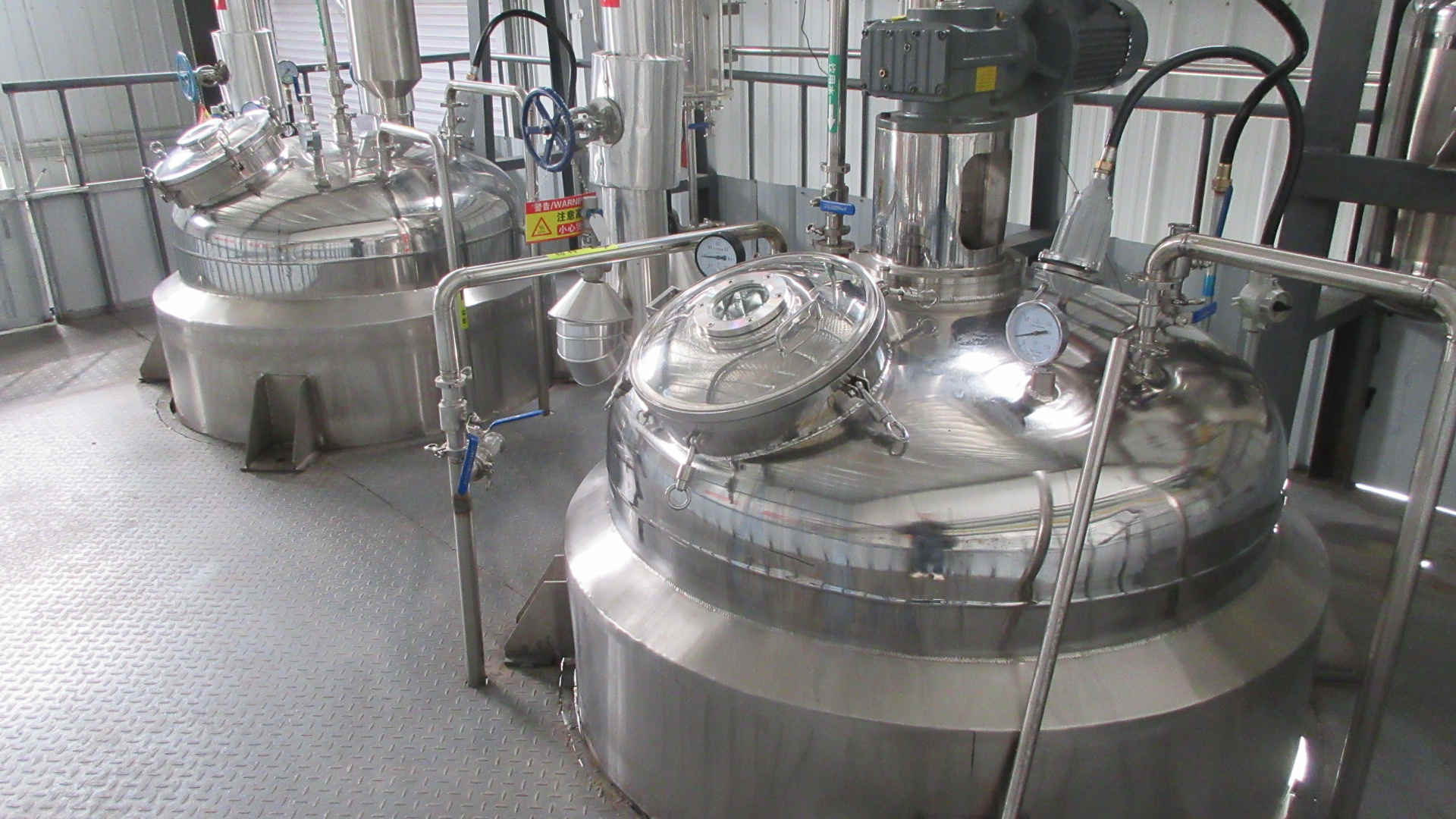
Automated temperature & pressure feedback control.
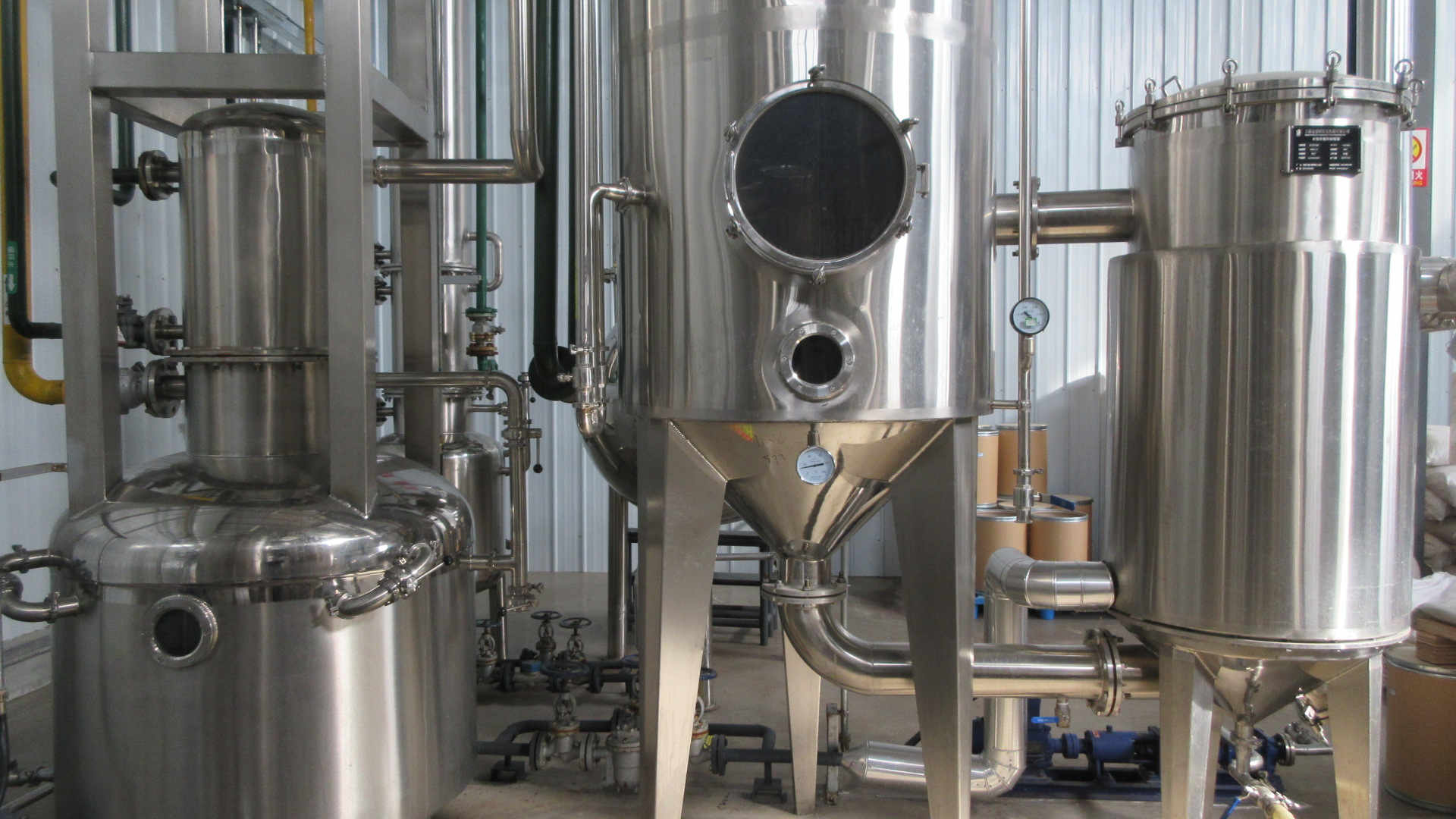
Protects heat-sensitive botanical compounds below 45°C.
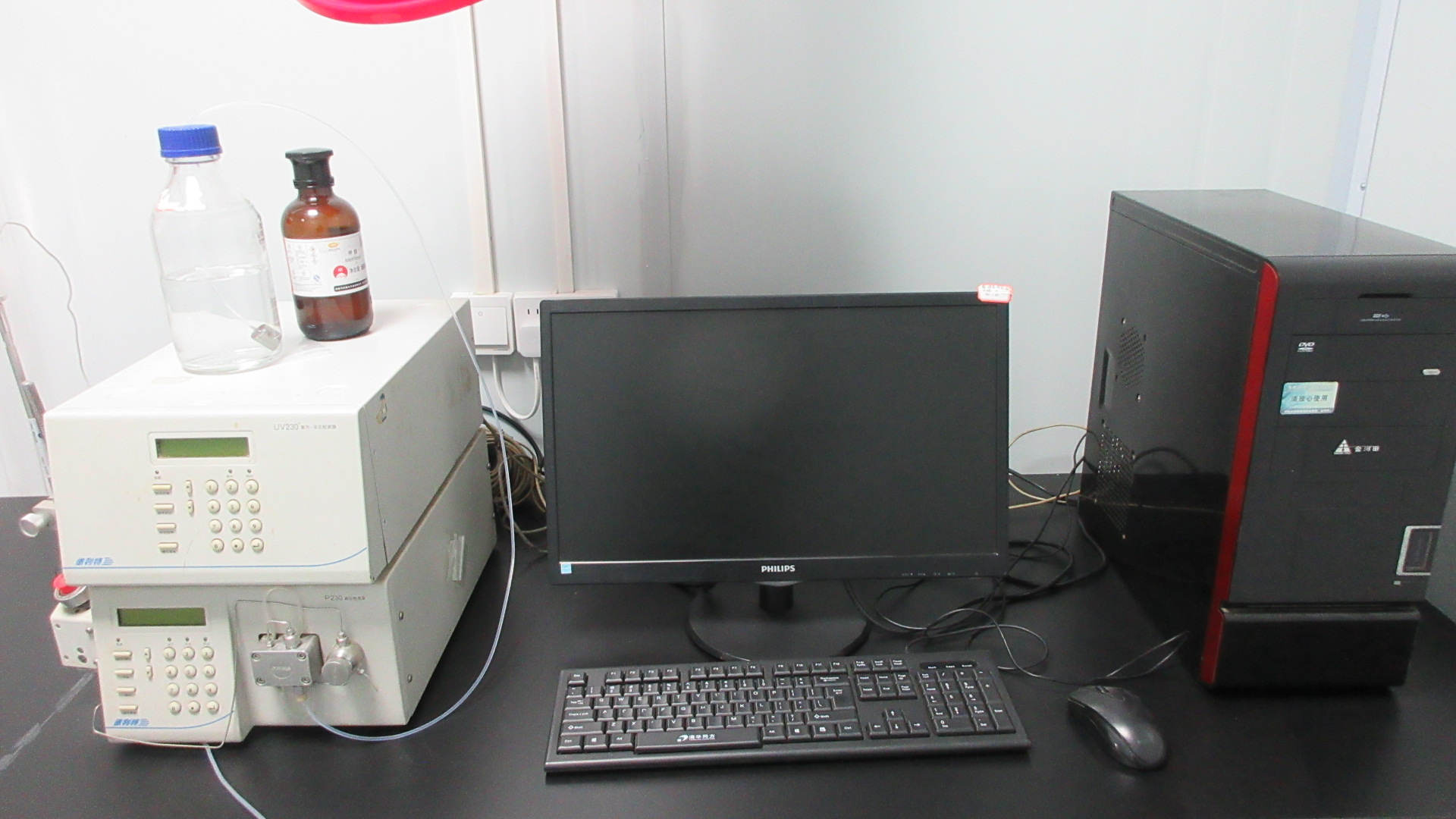
Accurate retention-time fingerprinting of isothiocyanates.
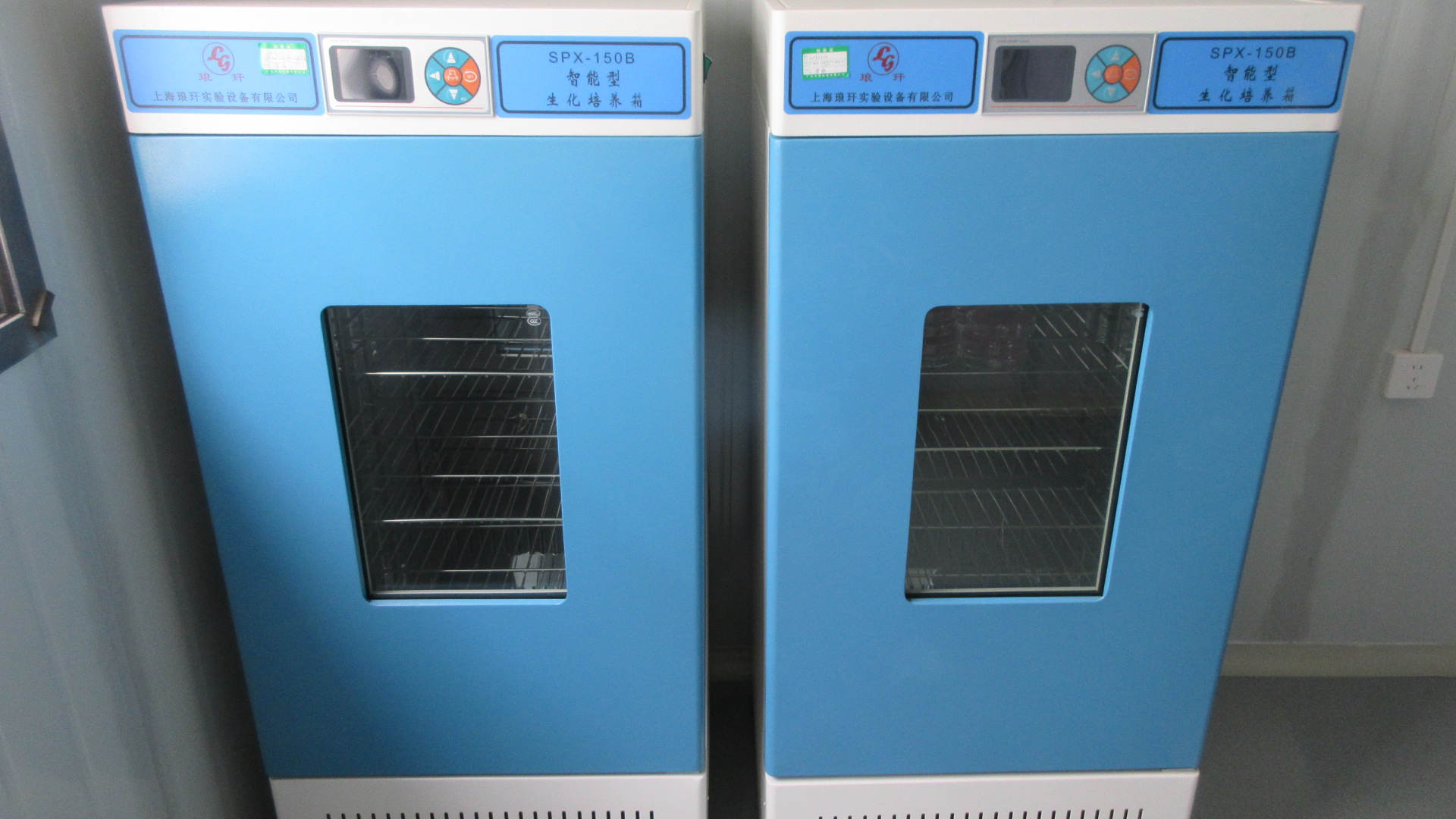
Total plate counts, yeast, mold, and pathogen detection.
Essential Guidelines for Formulators, Quality Directors, and International Sourcing Officers
Secure stable raw material allocations, request pilot evaluation samples, or consult with our technical application specialists regarding customized active stabilization matrices.
Send an Inquiry