 English English
A comprehensive B2B technical briefing on hydrolysed marine collagen peptides (Oligopeptides <1,000 Da), enzymatic processing selectivity, and rigorous pharmaceutical-grade quality verification.
Marine collagen peptides derived from cold-water fish skins and scales have transformed the functional ingredient industry. Unlike bovine or porcine counterparts that carry cross-species zoonotic pathogen risks (such as Bovine Spongiform Encephalopathy) and religious dietary barriers, marine collagen peptides provide superior bioavailability, biocompatibility, and high-affinity cellular signaling. At BKYULA Biotech, our integrated extraction and enzymatic hydrolysis infrastructure produces ultra-refined oligopeptides rich in key bioactive sequences, notably Glycine-Proline-Hydroxyproline (Gly-Pro-Hyp).
The core physiological superiority of marine collagen lies in its molecular mass distribution. Conventional native collagen exhibits a massive molecular weight exceeding 300,000 Daltons, preventing intestinal absorption. Through precision dual-enzymatic targeted cleavage at defined peptide bonds, BKYULA Biotech controls over 85% of oligopeptide chains within the optimal 500 to 1,000 Dalton window. These low-Dalton oligopeptides are directly transported across the enterocyte brush border via the PEPT-1 transporter without requiring preceding pancreatic enzyme degradation, achieving immediate biological circulation and accelerated dermal and articular bio-synthesis.
Explore our export-ready active botanical extracts, functional powders, and marine lipid fractions engineered for seamless product blending.
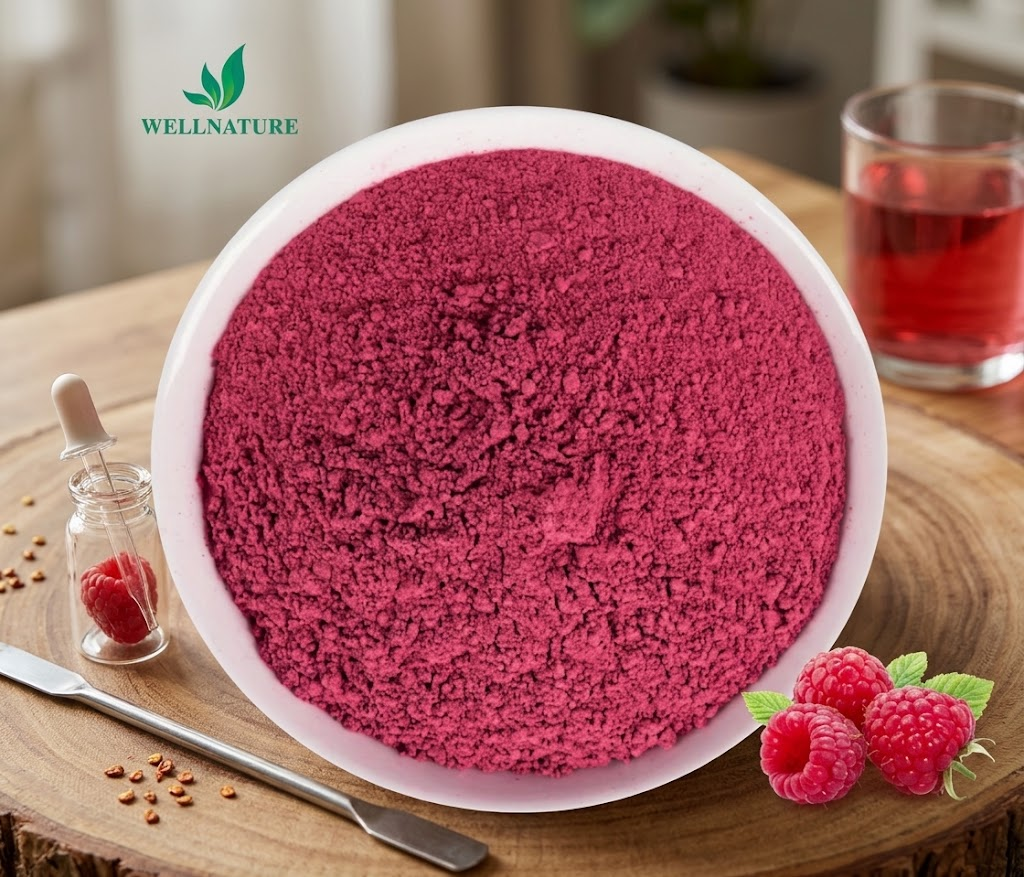
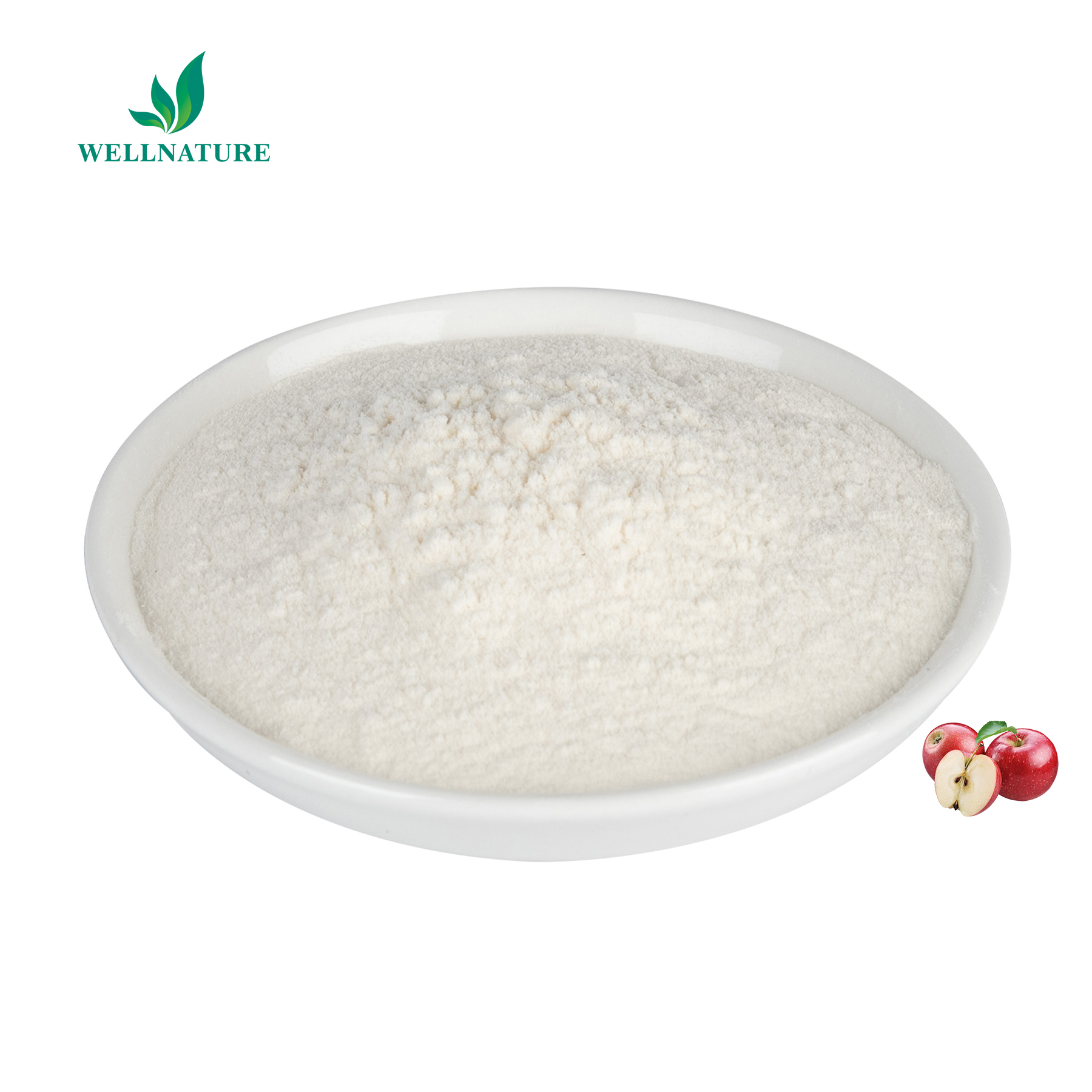
A rigorous biochemical comparison examining structural conformation, molecular mass distributions, amino acid bioavailability, and regulatory safety markers.
| Evaluation Parameter | BKYULA Marine Collagen Peptides | Bovine Collagen Hydrolysate | Porcine Gelatin / Hydrolysate |
|---|---|---|---|
| Primary Raw Material | Deep-sea cod, haddock skin & tilapia scales | Bovine dermis & split tendons | Porcine subcutaneous hide & bones |
| Predominant Collagen Type | Type I (Homogeneous, High Purity) | Type I & Type III Blend | Type I & Type III Mixed |
| Molecular Weight Profile | 500 – 1,000 Daltons (>85% assay) | 2,000 – 5,000 Daltons | 3,000 – 6,000 Daltons |
| Gastrointestinal Absorption Path | Direct PEPT-1 enterocyte translocation | Extensive endopeptidase cleavage needed | Slow mechanical & enzymatic digestion |
| Bioavailability Rate | Approx. 1.5x higher than mammal sources | Baseline standard | Baseline standard |
| Organoleptic Characteristics | Deodorized neutral taste, white powder | Mild animalic odor, light cream tint | Characteristic animal odor profile |
| Solution Clarity (10% water) | 100% Optically Clear, Non-turbid | Translucent, occasional haze | High viscosity, potential gelling |
| Zoonotic / TSE / BSE Risks | 100% Risk Free & Clean | Requires stringent BSE/TSE declaration | Risk of swine viral contamination |
| Halal & Kosher Compatibility | Universal global acceptance | Requires ritual slaughter audit | Prohibited in Halal and Kosher formulations |
Analyzing key shifts in procurement standards, regulatory oversight, bio-engineering protocols, and clean-label consumer mandates across the North American, European, and Asia-Pacific markets.
Global procurement teams at Fortune 500 nutraceutical brands are abandoning non-traceable blended fish collagens in favor of strictly audited, single-species marine raw materials. B2B buyers now mandate Marine Stewardship Council (MSC) or Friend of the Sea (FOS) certification to verify that skins and scales originate from non-endangered commercial fish processing byproducts.
This circular economy model not only mitigates environmental footprint metrics but also protects brand reputations from illegal, unreported, and unregulated (IUU) fishing practices.
The historical benchmark of "<3,000 Dalton hydrolyzed collagen" is no longer considered competitive for premium formulations. Emerging clinical documentation highlights that specific di- and tri-peptides (notably Gly-Pro-Hyp and Pro-Hyp) act as chemical triggers for human dermal fibroblasts to generate endogenous collagen, hyaluronic acid, and elastin.
Consequently, procurement protocols are shifting toward suppliers equipped with enzymatic directed cleavage technology that guarantees minimum concentrations of bioactive tripeptides verified via HPLC-MS testing.
Collagen peptides are no longer formulated in isolation. The most successful global retail product launches involve synergistic formulation with botanical polyphenols (e.g., Raspberry Ellagic Acid), organic digestive acids (Apple Cider Vinegar Powder), natural Vitamin C sources (Sea Buckthorn and Acerola), and microalgae.
Ingredient buyers increasingly seek raw material suppliers capable of providing both pristine marine collagen and certified botanical active extracts under consolidated ISO/HACCP documentation.
From deep-sea marine raw tissues to high-potency standardized crystalline powder: every batch undergoes our six-stage closed-loop quality assurance cycle.
Wild and aquaculture marine skins and scales are thoroughly cleaned with food-grade ozone and pure reverse-osmosis water to eliminate non-collagenous proteins, minerals, and residual fats without hydrolyzing native triple helix fibers.
Utilizing high-specificity endo- and exo-proteases within computerized stainless reaction bioreactors. Temperature, pH, and hydrolysis duration are strictly calibrated to cleave precise peptide bonds, guaranteeing >85% yield below 1,000 Daltons.
Hydrolyzed peptide liquor passes through activated wood-pulp carbon columns and nano-filtration ceramic membranes. This stage adsorbs trace volatile amine compounds and lipids, ensuring 100% sensory deodorization and optical clarity.
The clarified peptide solution is concentrated under low-temperature vacuum film evaporation. Operating well below thermal denaturation thresholds preserves the integrity of active dipeptide and tripeptide biochemical conformations.
Concentrated liquor is atomized inside a HEPA Class 100,000 cleanroom drying tower. Controlled drying dynamics yield uniform, low-density micro-granules with superior bulk density (0.35–0.50 g/ml) and instant aqueous dispersion.
Prior to warehouse dispatch, every production lot is subjected to dual-testing: HPLC molecular weight calibration, UV-Vis spectrophotometry, atomic absorption (ICP-MS) heavy metal screening, and aerobic microbiological culture assays.
Reliable B2B supply contracts depend on verifiable chemical assays rather than generic promises. At BKYULA Biotech, our Xi'an testing facility is staffed by seasoned bio-chemists and equipped with state-of-the-art analytical instrumentation:
BKYULA Biotech operates in strict accordance with the following globally certified frameworks:
Critical specifications, assay testing methods, regulatory documentation, and commercial parameters clarified by our regulatory affairs specialists.
Request batch-specific COAs, complete technical dossiers, formulation compatibility guidance, and complimentary pilot test samples directly from our senior engineering team.