English English
Manufactured under ISO 9001:2015 and ISO 22000 certified production environments with comprehensive COA releases.
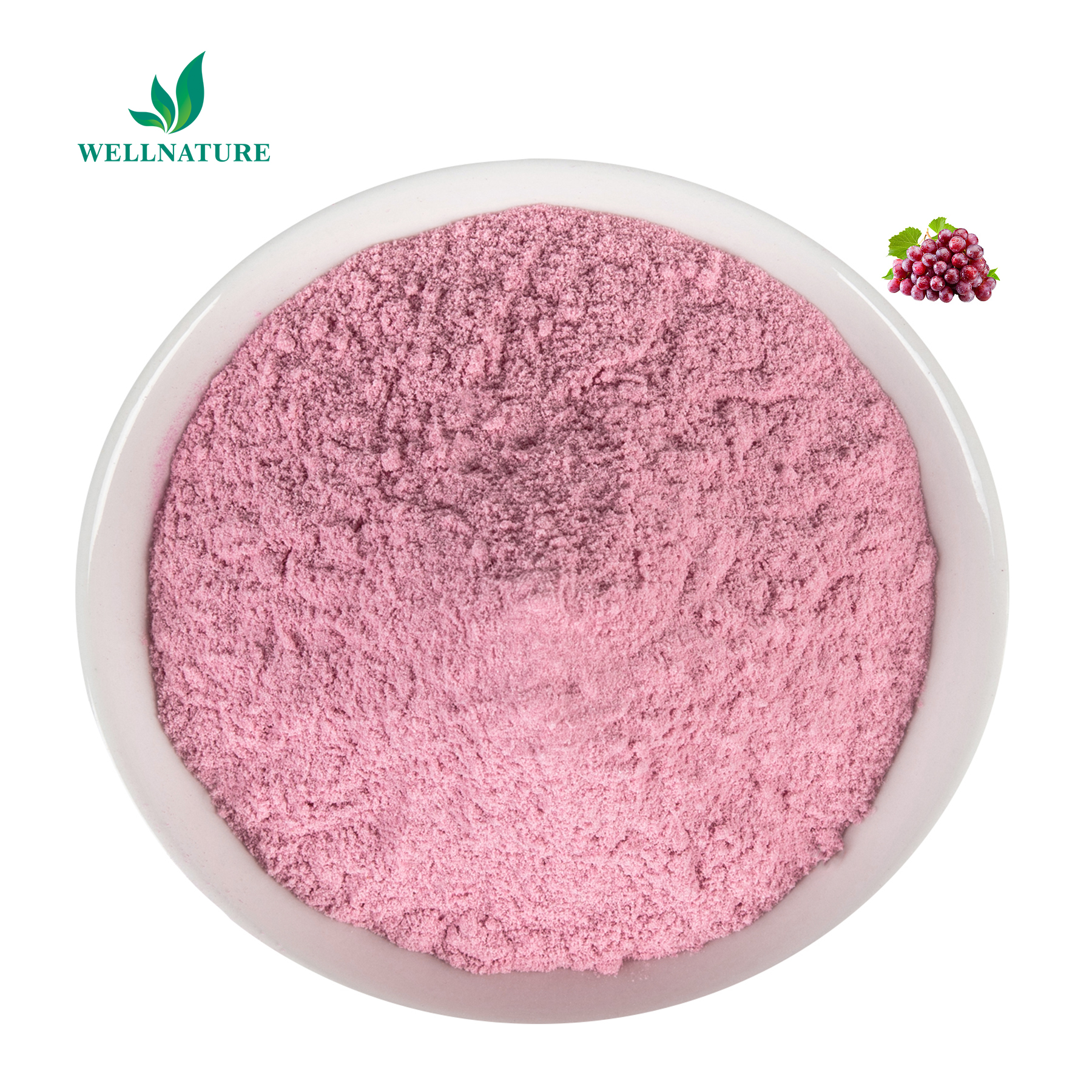
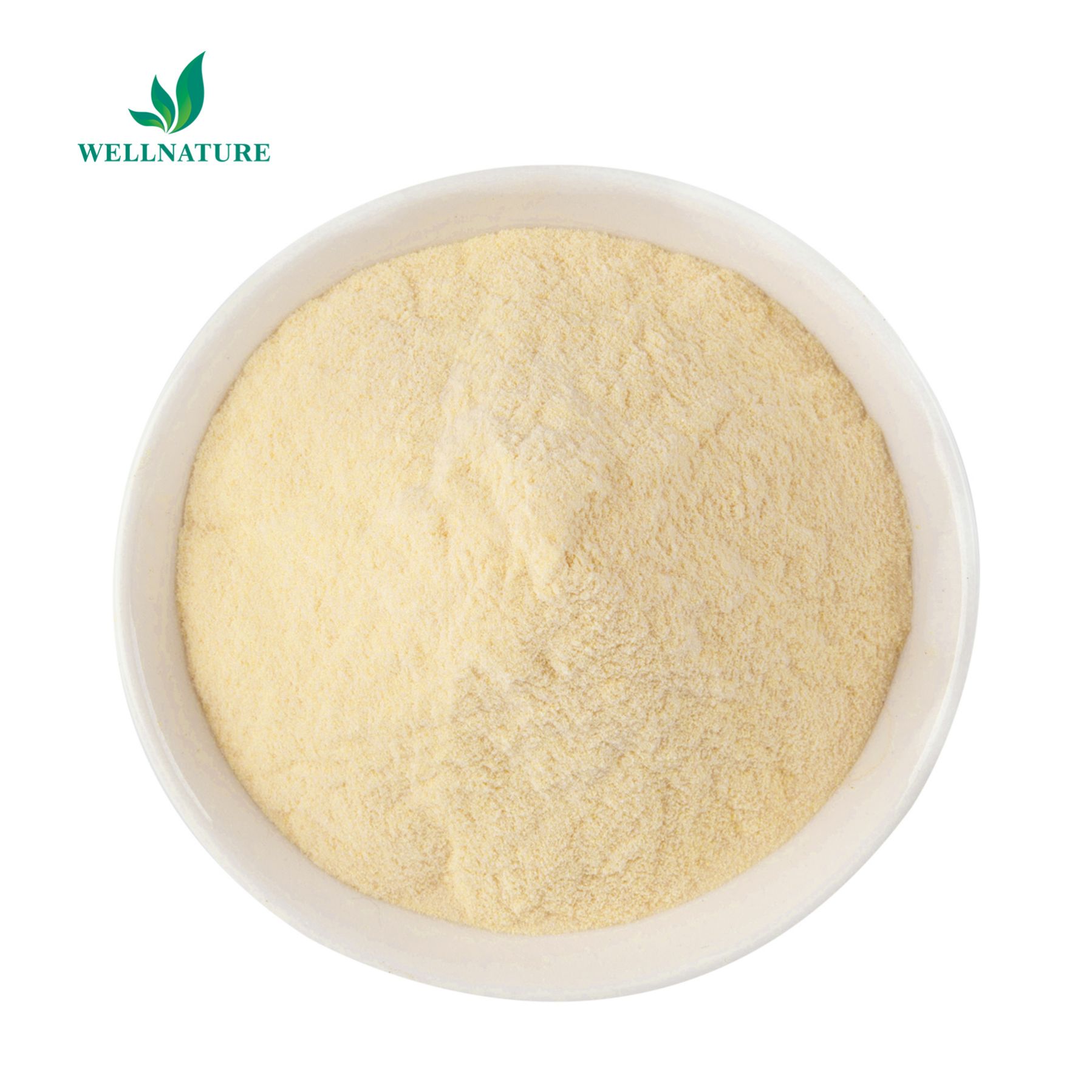
A rigorous industrial perspective on Phospholipase D (PLD) biocatalytic transphosphatidylation, polar lipid purification, and allergen management.
Phosphatidylserine (PS, 1,2-diacyl-sn-glycero-3-phospho-L-serine) is an anionic amphipathic phospholipid comprising two fatty acid acyl chains esterified to a glycerol backbone, linked via a phosphodiester bond to L-serine. In contemporary CGMP contract manufacturing facilities, industrial production has completely transitioned away from bovine cortex extraction due to prion/BSE safety hazards. Modern commercial synthesis utilizes enzyme-catalyzed transphosphatidylation.
Natural phosphatidylcholine (PC) derived from non-GMO soybean lecithin or non-GMO sunflower lecithin serves as the donor substrate. In a biphasic or aqueous-solvent micro-emulsion system, immobilized or soluble Streptomyces chromofuscus Phospholipase D (PLD) catalyzes the polar head-group exchange, replacing choline with excess L-serine substrate. Precise control over pH (5.5–6.5), calcium cofactor concentration (Ca2+ activation), and reaction temperature (35°C–45°C) is required to suppress hydrolytic side-reactions producing phosphatidic acid (PA).
Following enzymatic conversion, the crude phospholipid matrix is subjected to solvent-fractionation (ethanol-hexane or supercritical CO2 fluid chromatography) to eliminate unreacted choline, free L-serine, lysophosphatidylserine (LPS), and residual triglycerides, yielding standardized powders containing 20%, 50%, or 70% Phosphatidylserine by HPLC-ELSD.
Formulators and brand purchasers face critical supply-chain trade-offs when selecting feedstock origins. Soybean lecithin remains the benchmark high-yield precursor, offering exceptional cost efficiency and stable global volume. However, the presence of major soy allergens (Gly m 4, Gly m 5, Gly m 6) requires strict cross-contact mitigation and allergen labeling declarations in North America (FALCPA) and Europe (EU Regulation 1169/2011).
To address the premium "clean-label" and allergen-free market, Sunflower-Derived Phosphatidylserine Powder has emerged as the fastest-growing OEM category. Sourced exclusively from Helianthus annuus seed oil cake, sunflower PS provides complete exemption from major allergen alerts, superior non-GMO provenance verification (PCR test negative), and a distinctive polyunsaturated fatty acid (PUFA) lipid tail distribution rich in oleic and linoleic acids.
| Quality Parameter | Standard Soy PS-20% / 50% | Non-GMO Sunflower PS-50% / 70% |
|---|---|---|
| Primary Raw Material | Soy Lecithin (IP Non-GMO Available) | 100% Non-GMO Sunflower Seed Lecithin |
| Allergen Status | Soy Allergen Declaration Required | Hypoallergenic / Allergen-Free Exemption |
| PS Purity (HPLC-ELSD) | 20.0% – 52.0% | 50.0% – 72.0% |
| Bulk Density | 0.45 – 0.65 g/mL | 0.40 – 0.60 g/mL (Fine Powder) |
| Residual Solvents (Ethanol) | < 3,000 ppm (USP <467>) | < 1,000 ppm (Ultra-Pure Fractionation) |
Every commercial batch is validated against stringent physical, chromatographic, and microbiological thresholds to guarantee clinical-grade reproducibility.
Because Phosphatidylserine lacks strong ultraviolet chromophores, standard UV spectrophotometry produces inaccurate quantification. Our factory QA laboratory verifies all assays utilizing High-Performance Liquid Chromatography paired with Evaporative Light Scattering Detection (HPLC-ELSD) or Charged Aerosol Detection (CAD), calibrated against certified USP reference standards.
• Baseline Separation from Phosphatidic Acid (PA) and PC
• Recovery Accuracy: 98.5% – 101.5%
Phospholipids possess strong metal-chelating affinity. To comply with California Proposition 65 and European Commission Regulation (EU) 2023/915, raw materials undergo dual-stage flash de-acidification and ion-exchange polishing. Testing is conducted via Inductively Coupled Plasma Mass Spectrometry (ICP-MS) with sub-ppm detection limits.
• Lead (Pb) < 0.5 ppm | Arsenic (As) < 0.5 ppm
• Cadmium (Cd) < 0.1 ppm | Mercury (Hg) < 0.05 ppm
Due to unsaturated fatty acid moieties, dry Phosphatidylserine powder is susceptible to auto-oxidation and hygroscopic clumping upon atmospheric exposure. We control the drying endpoint to achieve Karl Fischer Moisture < 2.0% and incorporate natural d-alpha tocopherol (200–500 ppm) to ensure Peroxide Value (POV) remains consistently below 5.0 meq/kg throughout the 24-month shelf life.
• Vacuum Nitrogen-Flushed Aluminum Foil Packing
• Storage Temperature: 2°C – 10°C Recommended
Key economic, clinical, and regulatory trajectories dictating strategic purchasing decisions for global nutraceutical brands.
Historically relegated to geriatric cognitive support and memory formulas, Phosphatidylserine is experiencing accelerated adoption in the pre-workout, executive focus, and gaming supplement sectors. Clinical documentation confirming PS's efficacy in dampening serum adrenocorticotropic hormone (ACTH) and cortisol elevations during acute physical and psycho-emotional stress has catalyzed formulations pairing PS with adaptogens such as Rhodiola Rosea and L-Theanine.
Procurement teams are prioritizing instant-dispersible Phosphatidylserine powder capable of high-shear suspension in ready-to-mix (RTM) cognitive drink sticks without foaming or hydrophobic oily ringing.
Consumer pushback against chemical hexane-extracted soy commodities, coupled with tightening EU cross-contamination penalties for undisclosed soy allergens, has caused an unprecedented migration toward sunflower-based phosphatidylserine. Sunflower PS now represents over 42% of new product launches in the European Union and North American retail channels.
Contract manufacturing factories are engineering specialized high-speed enzymatic reactors capable of handling the higher viscosity and unique phosphoglyceride ratios inherent to cold-pressed sunflower lecithin crude streams.
Natural Phosphatidylserine is inherently waxy, paste-like, and hydrophobic in purities above 50%, making high-speed direct compression into tablets or filling into two-piece hard gelatin capsules technically problematic due to hopper bridging. Modern OEM factories incorporate cutting-edge fluid-bed spray coating and cyclodextrin or silicon dioxide micro-encapsulation.
By controlling carrier ratios (maltodextrin, silica, or acacia gum), factories supply free-flowing, non-caking 20% and 50% PS powders characterized by tapped densities engineered specifically for automated high-yield encapsulation equipment.
Geopolitical trade re-alignments and stricter customs audits by the US FDA under FSVP (Foreign Supplier Verification Program) are forcing brand owners away from secondary trading intermediaries. Purchasing managers now negotiate long-term supply agreements directly with integrated Asian extraction factories capable of presenting complete source provenance, onsite SGS audit verifications, and batch-matched heavy metal, pesticide, and solvent validation documentation.
Phosphatidylserine maintains a distinct competitive advantage over emergent synthetic nootropics: comprehensive regulatory clearance. In the United States, PS holds FDA Qualified Health Claim status for cognitive dysfunction and dementia risk reduction in elderly populations, alongside FDA GRAS (Generally Recognized as Safe) affirmation.
In China, PS was approved by the National Health Commission as a Novel Food Ingredient (Announcement No. 15, 2010), setting daily ingestion guidelines (≤600 mg/day) and standardizing manufacturing parameters. In Europe, EFSA dossiers support lipid membrane integrity benchmarks, providing brand stability across borders.
Formulators increasingly demand turn-key contract formulation blends where Phosphatidylserine powder is co-processed with synergistic lipid-soluble actives (e.g., Liposomal Vitamin D3, Vitamin K2 MK-7, CoQ10) or standardized botanicals (Ginkgo Biloba, Huperzia Serrata Huperzine-A). Co-spray-drying with natural stabilizers protects delicate active sites from cross-interaction and reduces production lead times for brand customers.
Standard operating procedures executed in our class 100,000 cleanroom workshops, from enzyme loading to nitrogen-sealed bulk export.
High-grade non-GMO soy or sunflower lecithin is assayed for phosphatidylcholine content & dissolved in food-grade substrate media.
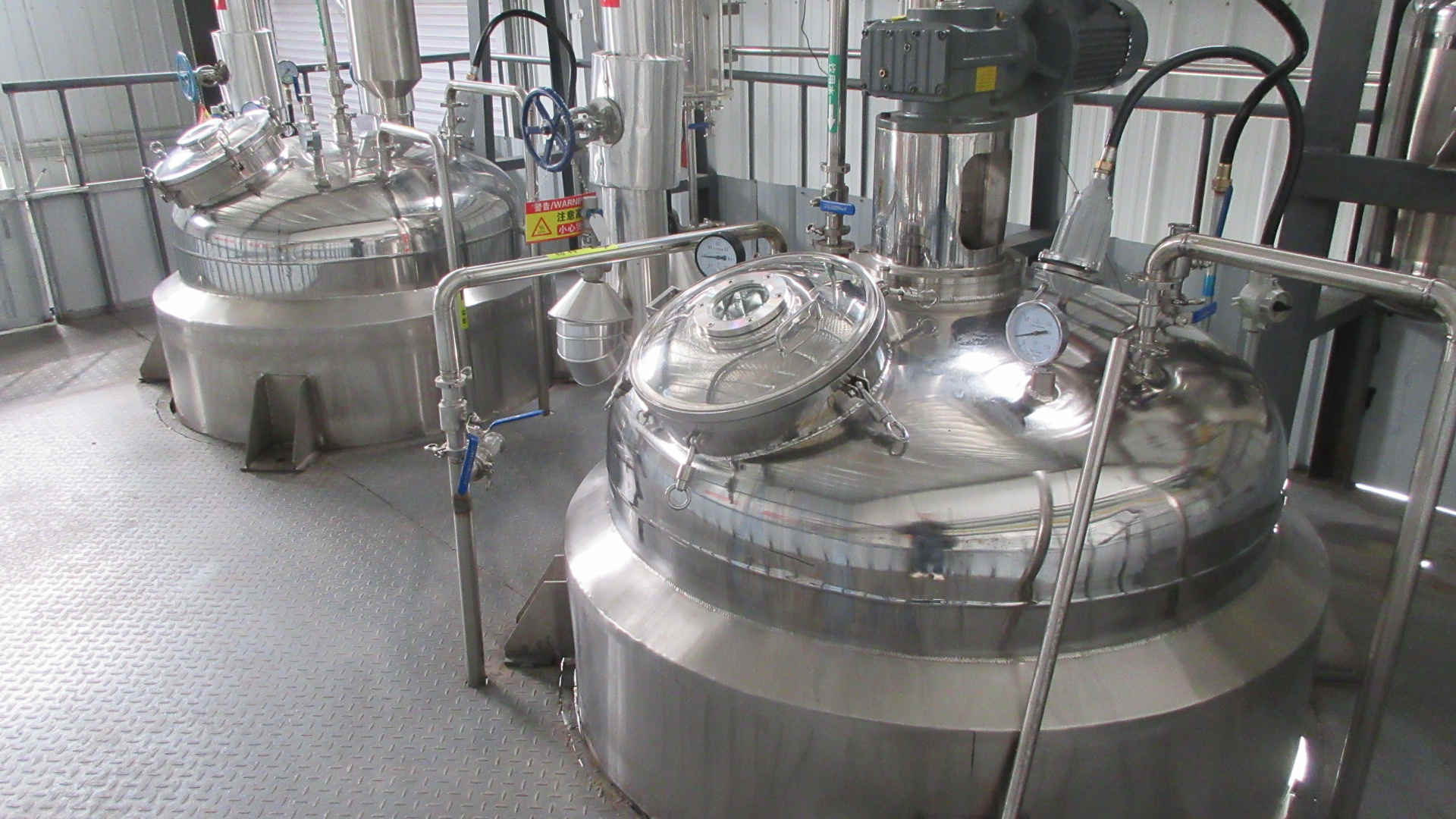
Immobilized Phospholipase D (PLD) and pure L-serine substrate undergo controlled transesterification in automated jacketed bioreactors.
Multi-stage liquid-liquid solvent extraction and continuous centrifuge separation isolate the target phospholipid fraction.
Vacuum freeze drying or low-temperature spray drying preserves lipid molecular double bonds against oxidation.
Micronization to 80–100 mesh with optional carrier microencapsulation (SiO2, dextrin) for optimal powder flowability.
HPLC-ELSD assay release, heavy metal screening, followed by vacuum nitrogen-flushed double foil bagging inside fiber drums.
Combining 15 years of botanical extraction expertise in Xi'an with certified Western regulatory compliance frameworks.
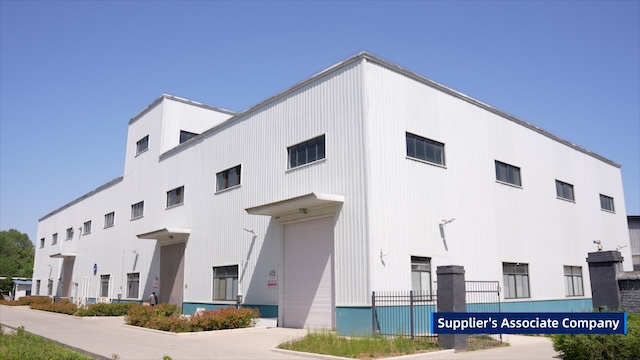
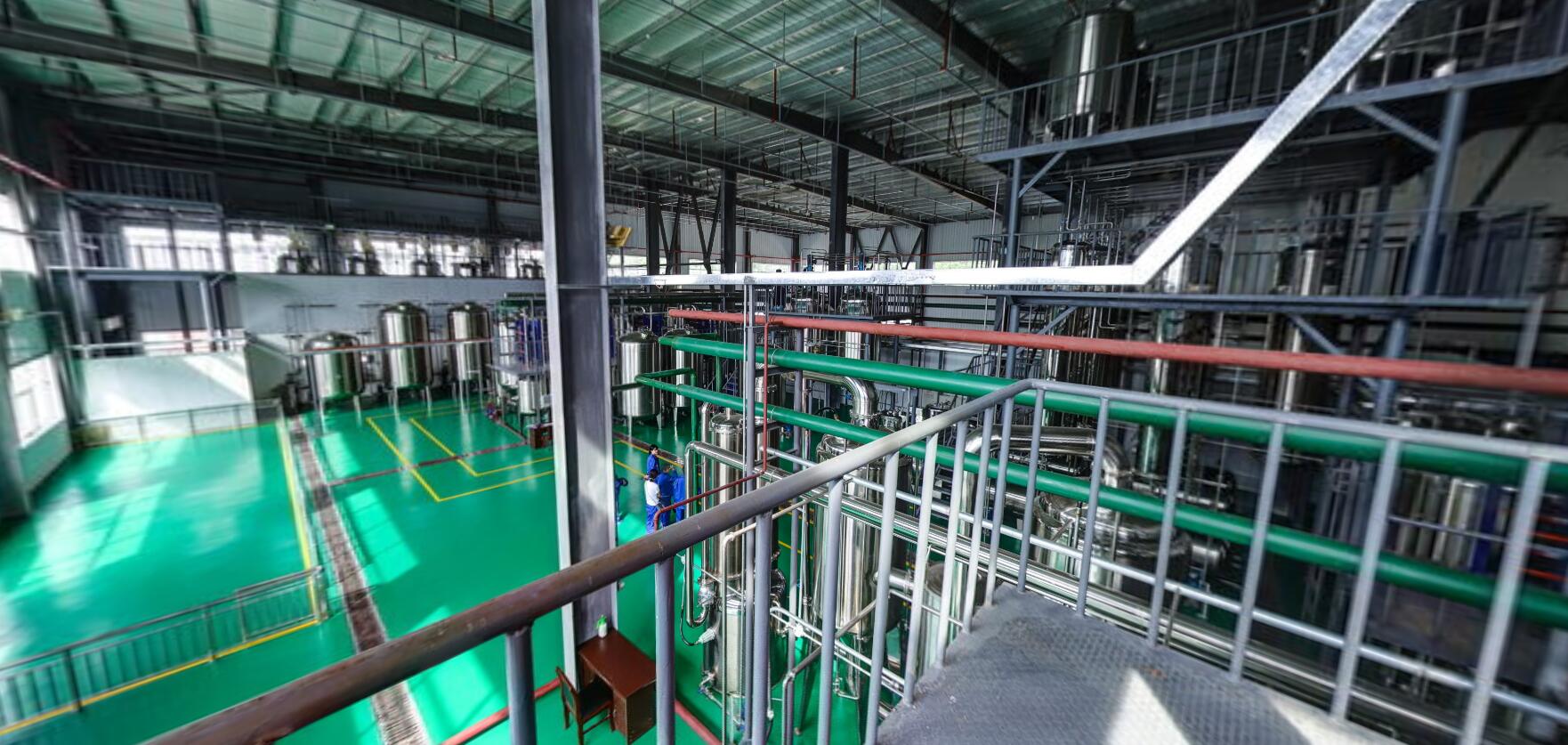
Operating out of China's premier botanical extraction hub in Xi'an, Shaanxi, BKYULA Biotech Co., Ltd. integrates raw agricultural selection, enzyme-assisted bio-fermentation, and specialized phospholipid fractionation lines. Our production base is routinely audited and confirmed onsite by independent inspection authority SGS Group.
With an annual export turnover of US$4.28M across North America, Europe, Latin America, and Southeast Asia, our manufacturing infrastructure is engineered specifically to eliminate quality variances between pilot samples and full-scale commercial shipping lots.
Essential regulatory, technical, logistical, and analytical guidance for procurement officers and quality assurance leads.
For standard off-the-shelf catalog formulations (Soy PS 20% and 50% powder), our factory MOQ is 1 kg, packaged in double food-grade polyethylene lined vacuum-sealed aluminum bags. For bespoke OEM modifications (such as 100% Sunflower PS 70%, allergen-free custom carriers, or custom particle sizes <80 mesh), custom batch pilot production typically starts at 25 kg (1 fiber drum).
Phosphatidylserine does not contain conjugated double bonds or significant UV-absorbing functional groups. Testing PS via UV spectrophotometry at 205–214 nm is vulnerable to severe interference from residual fatty acids, triglycerides, and other phospholipids (PE, PC, PI), leading to artificially inflated assay figures. We employ HPLC with Evaporative Light Scattering Detection (ELSD) or CAD to quantify authentic PS content accurately.
Because pure 100% Phosphatidylserine is an oily, viscous lipid wax at ambient room temperatures, carrier materials are required to yield a free-flowing, stable powder. Standard grades utilize food-grade Silicon Dioxide (anticaking agent, 1.0%–2.0%) and high-maltose dextrin or maltodextrin. For organic or clean-label formulations, we offer certified organic acacia gum, rice hull concentrate, or silica-free carrier matrices upon request.
Under unopened original nitrogen-flushed foil packaging, Phosphatidylserine powder maintains a validated shelf life of 24 months from the manufacturing date. Because the phospholipid double bonds are sensitive to thermal oxidation and ambient moisture, we mandate storage in cool, dry conditions protected from light, ideally between 2°C and 10°C in refrigerated warehousing for long-term inventory preservation.
Yes. Every commercial batch is accompanied by an authentic Certificate of Analysis (COA) containing batch-specific analytical, heavy metal, and microbiological data. Pre-order regulatory packages including Technical Data Sheets (TDS), Safety Data Sheets (SDS/MSDS), Process Flowcharts, Allergen Statements, Non-GMO Declarations, TSE/BSE Free Attestations, and Residual Solvent Statements (USP <467>) are supplied immediately upon request.
Chemically, the active Phosphatidylserine molecule is identical regardless of origin. However, sunflower-derived PS carries no major allergen status, making it exempt from FDA/EU allergen warning labeling. Furthermore, sunflower lecithin has a slightly higher proportion of oleic acid (monounsaturated) relative to linoleic acid (polyunsaturated), providing modest oxidative stability advantages over soybean-derived fractions.
Yes. In addition to supplying bulk raw ingredient powders, our contract manufacturing division produces custom functional dry powder blends (stick packs), hard-shell two-piece capsules (gelatin or vegetarian HPMC), directly compressible tablet formulations, and chewable gummy-grade microencapsulated PS dispersions under full private-label OEM/ODM agreements.
Our purification phase utilizes food-grade absolute ethanol and aqueous media, strictly avoiding Class 1 or toxic Class 2 chlorinated solvents. Final powder lots are tested by Headspace Gas Chromatography (GC-FID/MS) to ensure residual ethanol levels remain comfortably below the USP <467> and EP limits of 5,000 ppm, with internal factory release thresholds set at ≤3,000 ppm.
We accommodate global B2B procurement standards, supporting Incoterms including EXW, FOB (Shanghai / Qingdao / Beijing), CFR, CIF, CIP, and door-to-door DDP (Duties Delivered Paid) covering air freight and sea cargo. Payment mechanisms include Wire Transfer (T/T), Letter of Credit (L/C at sight), D/P, PayPal, and major credit card options for sample orders.
Our drying, milling, blending, and primary packing facilities are constructed and validated to Class 100,000 cleanroom specifications featuring positive-pressure HEPA filtration, automated humidity control, and periodic UV-C air decontamination. Finished powders are tested for Total Aerobic Microbial Count (TAMC ≤1,000 CFU/g), Total Combined Yeast & Mold Count (TYMC ≤100 CFU/g), with negative absence confirmed for Salmonella, E. coli, and Staphylococcus aureus.
Request technical data sheets, full HPLC-ELSD release chromatograms, regulatory dossier support, or custom pilot batch quotes. Our technical sales engineers respond within 12 hours.