 English English
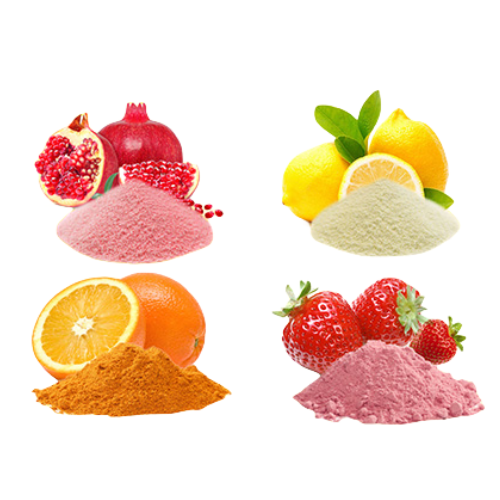
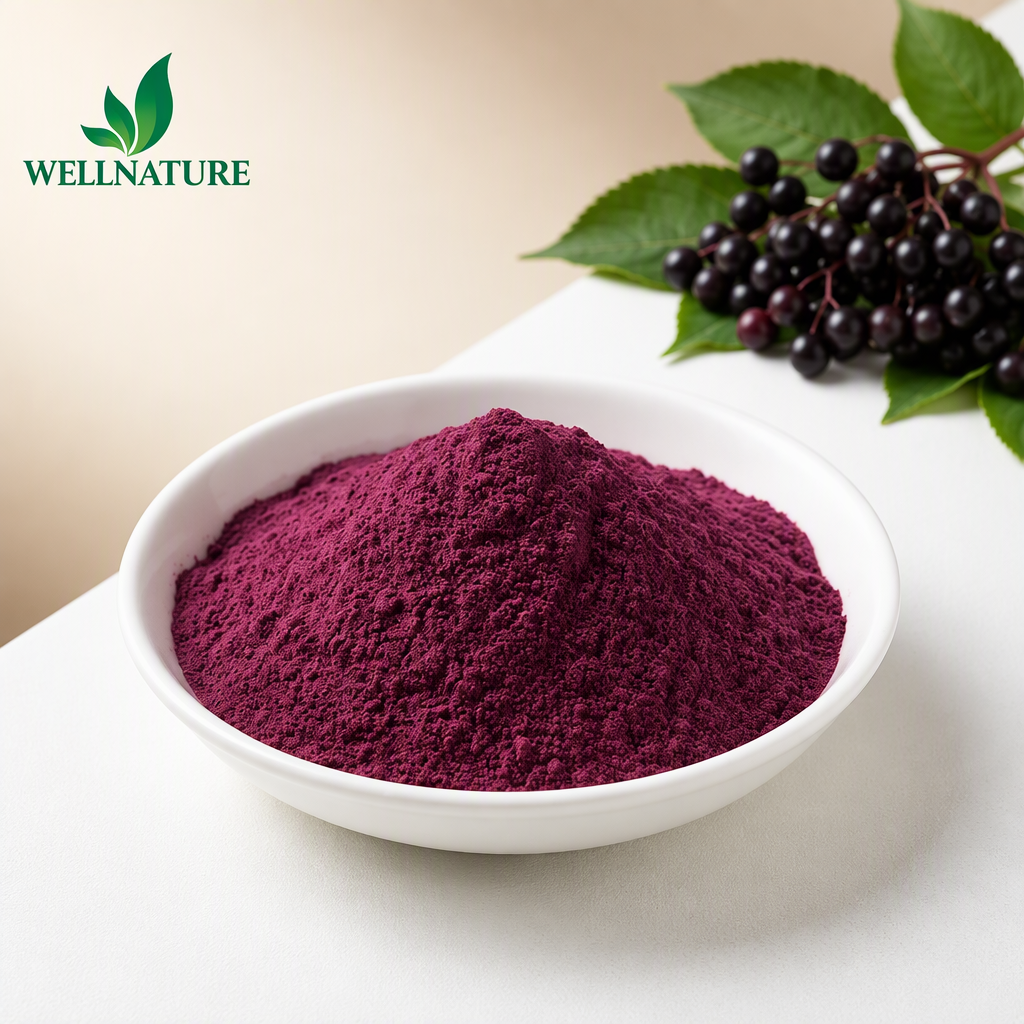
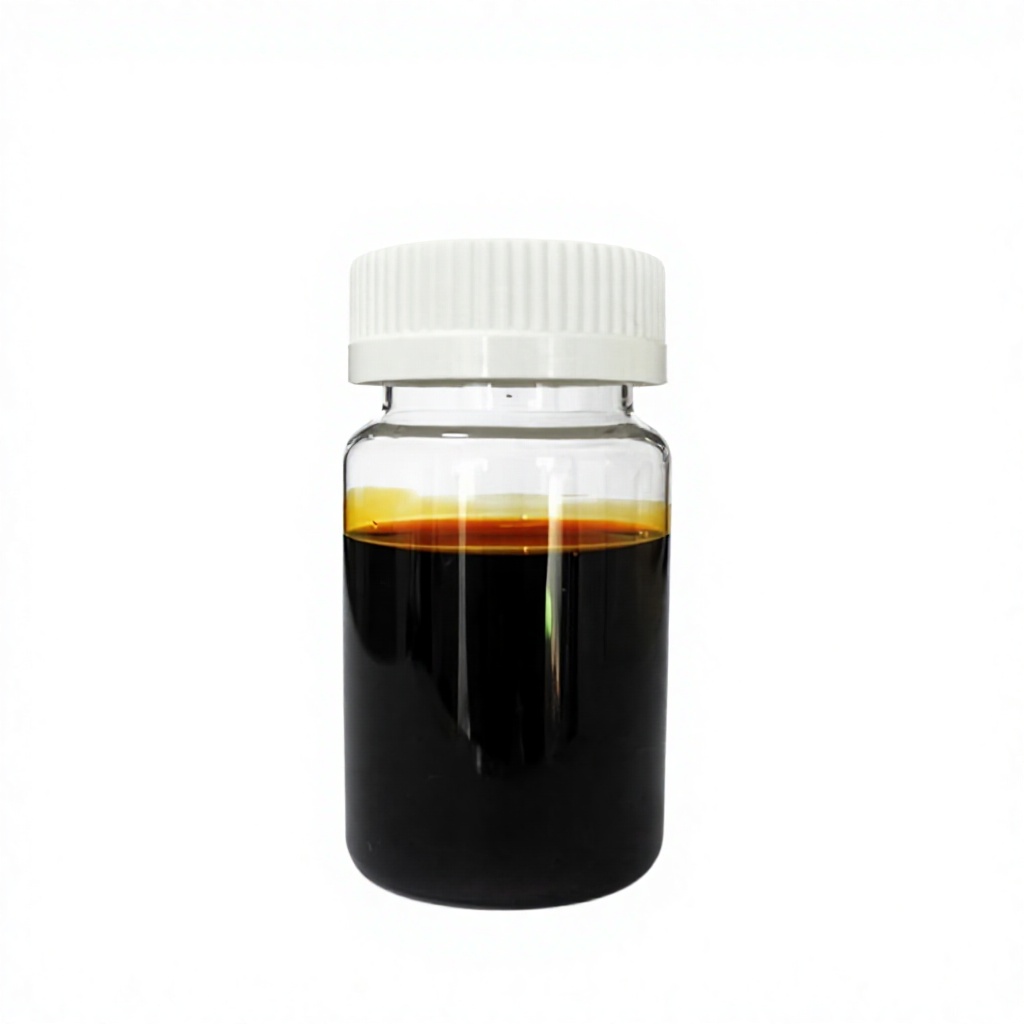
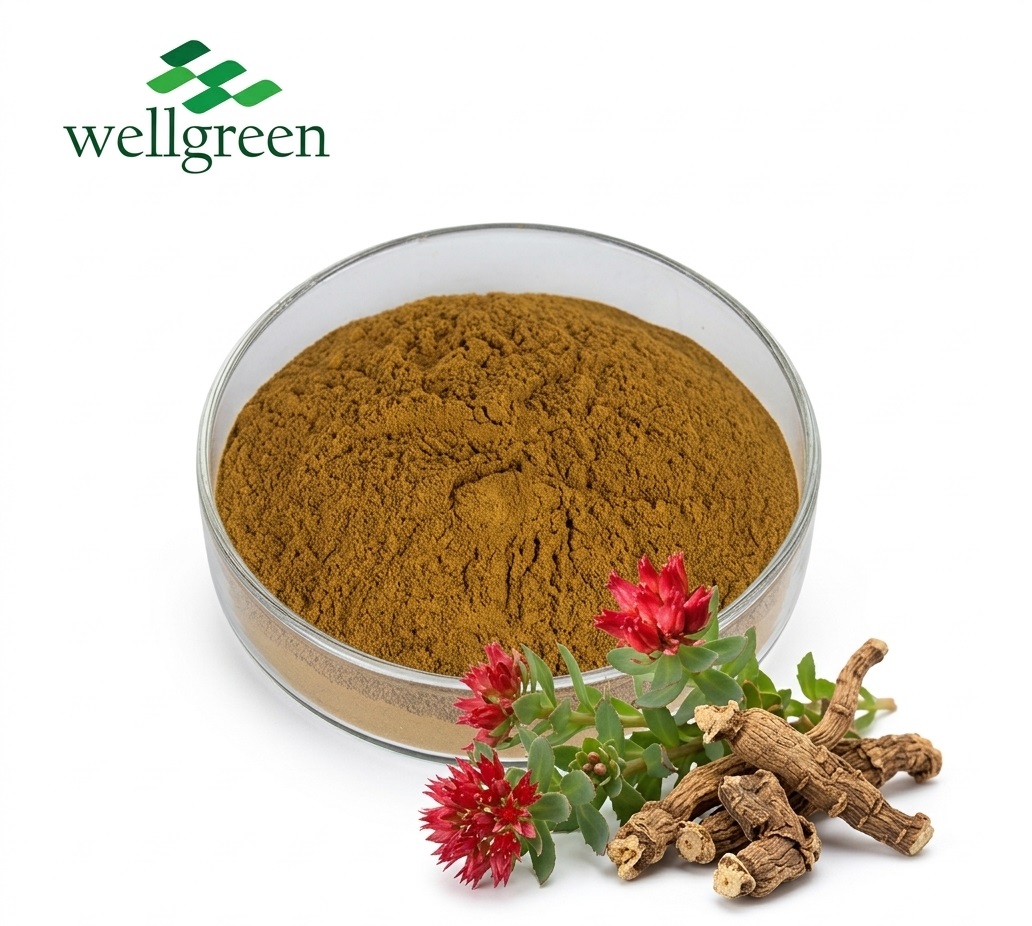
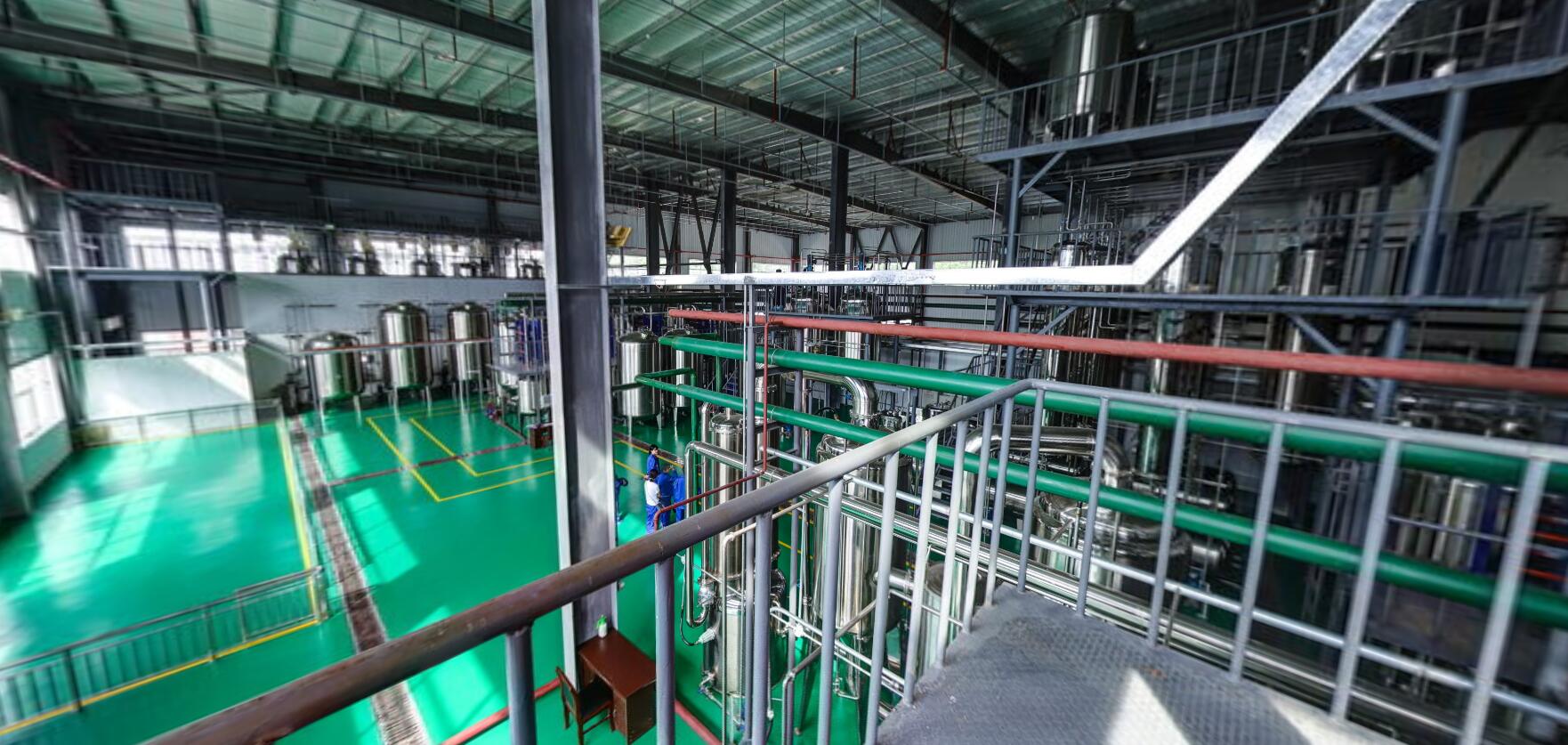
Complementing our high-purity Berberine HCL infrastructure, our Shaanxi extraction facility manufactures standardized botanical extracts, liposomal actives, and micro-milled nutritional powders under continuous batch traceability.
Berberine Hydrochloride (CAS Registry Number: 633-65-8; Molecular Formula: C20H18ClNO4·xH2O) is a natural quaternary ammonium isoquinoline alkaloid isolated from selected medicinal botanicals. Our factory standardizes extraction from certified Phellodendron amurense bark and sustainably cultivated Berberis aristata roots.
In commercial nutraceutical and API procurement, the therapeutic efficacy and metabolic stability of Berberine HCL rely heavily on chromatographic purity and the rigorous elimination of related protoberberine impurities. Industrial buyers require assurance that related alkaloids—including palmatine, jatrorrhizine, coptisine, and columbamine—fall strictly within quantified compendial thresholds.
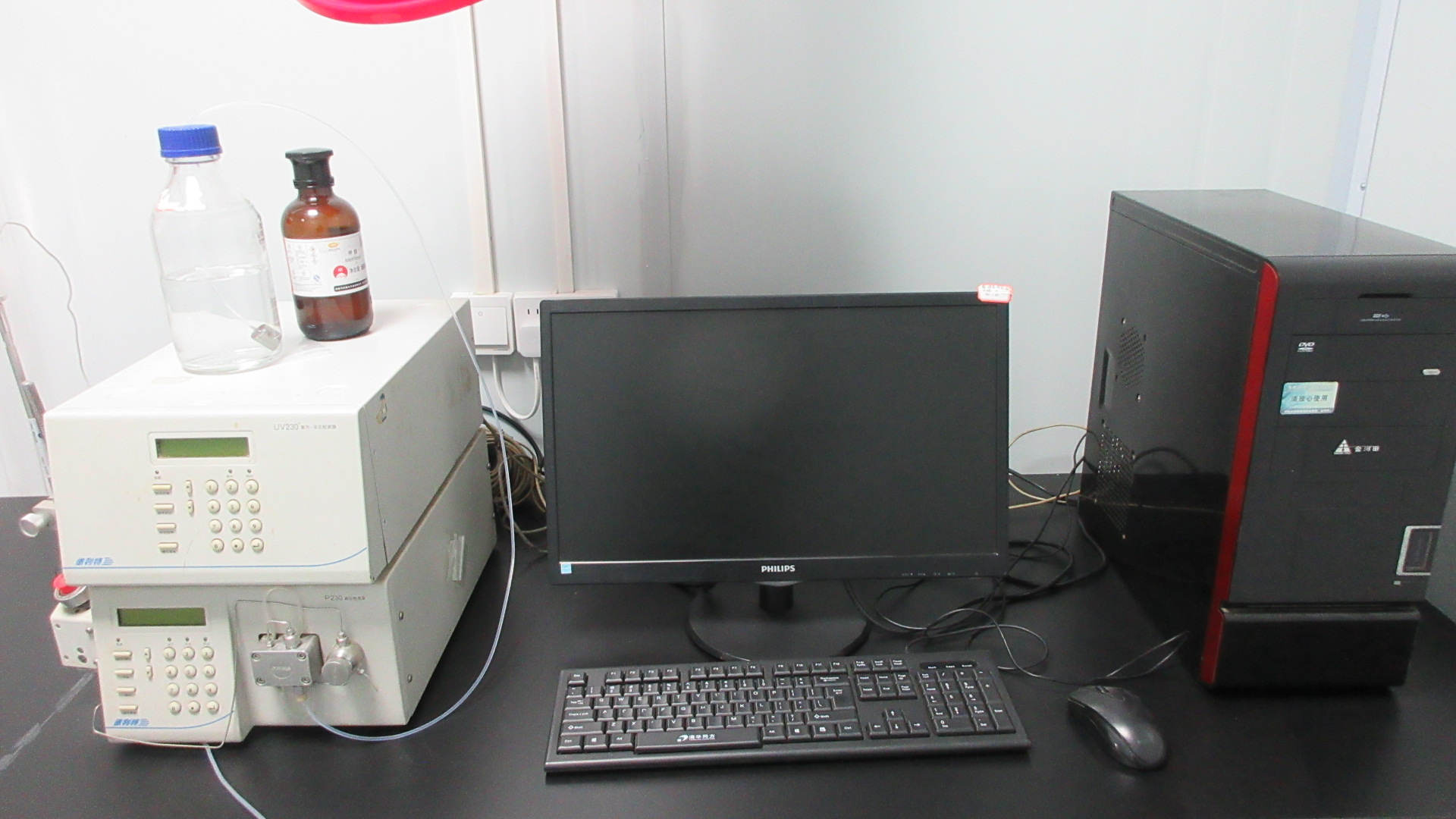
BKYULA Biotech leverages state-of-the-art dual-wavelength High-Performance Liquid Chromatography (HPLC-DAD) coupled with mass spectrometry validation. Every production lot undergoes multi-point calibrant verification against primary reference standards. We guarantee not only nominal active assays exceeding 97.0% or 98.0%, but also complete freedom from synthetic nitrogen adulterants and chemical fortification.
Through controlled crystallization dynamics, our production team controls the crystalline polymorphism of Berberine HCL, providing both form I and form II hydrates suited for specific tablet compression, hard-gel filling, and modern nano-emulsified liposomal suspension platforms.
| Analytical Parameter | USP Monograph Standard | Ph. Eur. (EP 10.0) Standard | BKYULA Export Premium Grade | Testing Methodology |
|---|---|---|---|---|
| Assay Content (Anhydrous) | 95.0% – 102.0% | 97.0% – 102.0% | 98.0% – 100.5% (Ultra-Pure) | HPLC at 345 nm vs. Reference Standard |
| Appearance & Color | Yellow crystalline powder | Yellow crystalline powder | Fine bright yellow crystalline powder | Organoleptic inspection (Visual/Olfactory) |
| Related Alkaloid Substances | Total related ≤ 2.0% | Jatrorrhizine + Palmatine ≤ 1.5% | Individual ≤ 0.5%, Total ≤ 1.0% | Gradient RP-HPLC (USP/EP specified) |
| Heavy Metals (Pb, As, Cd, Hg) | ≤ 10 ppm total | ≤ 10 ppm total | Pb ≤ 0.5, As ≤ 0.5, Cd ≤ 0.1, Hg ≤ 0.05 ppm | ICP-MS (Inductively Coupled Plasma) |
| Residual Solvents | Meets USP <467> | Meets ICH guidelines | Ethanol Only; Class 1 & 2 Non-Detectable | Headspace Gas Chromatography (HS-GC-MS) |
| Microbiological Bioburden | TPC < 1,000 CFU/g | TAMC < 10³ CFU/g; TYMC < 10² CFU/g | Total Aerobic < 500 CFU/g; Yeast/Mold < 50 CFU/g | Ph. Eur. 2.6.12 / USP <61> & <62> |
As biomedical research reveals Berberine’s multi-target pathway interactions—spanning AMPK activation, PCSK9 regulation, and gut microbiome modulation—global market procurement is shifting from commoditized powder sourcing toward strictly certified, bio-optimized raw materials.
With the global surge in demand for peptide-based metabolic and weight-management therapies, Berberine has earned international prominence as "nature's metabolic regulator." Peer-reviewed clinical trials demonstrate its ability to stimulate AMP-activated protein kinase (AMPK) phosphorylation and elevate endogenous GLP-1 secretion in intestinal L-cells. Global contract manufacturers (CMOs) are securing multi-ton supply contracts to meet growing retail demand for non-prescription metabolic formulas.
Native Berberine HCL displays poor systemic oral bioavailability (<5%), largely due to P-glycoprotein (P-gp) mediated intestinal efflux and low paracellular absorption. Sourcing directors increasingly favor manufacturers equipped for specialized downstream particle engineering. In response, BKYULA delivers custom micronized powders (D90 < 20 microns), phospholipid phytosome complexes, and cyclodextrin-inclusion Berberine powders that dramatically improve intestinal permeability.
Tightened enforcement by the US FDA, European EFSA, and international CITES authorities requires irrefutable taxonomic proof of botanical origins. Adulteration with chemically synthetic berberine or harvested endangered plants is a major liability for consumer brands. Modern procurement workflows demand full botanical traceability—supported by DNA barcoding, Carbon-14 isotopic naturalness verification, and comprehensive pesticide residue clearance.
While computational biology groups are testing precision fermentation and yeast-derived synthesis for protoberberine alkaloids, natural agricultural isolation from renewable cork-tree bark (Phellodendron) remains substantially more cost-competitive, thermally stable, and regulatory-accepted across the US, EU, and Asian markets. Sourcing directly from verified Chinese manufacturers with dedicated harvesting bases shields brand owners from volatile spot-market markups and ensures compliance with global non-GMO, clean-label requirements.
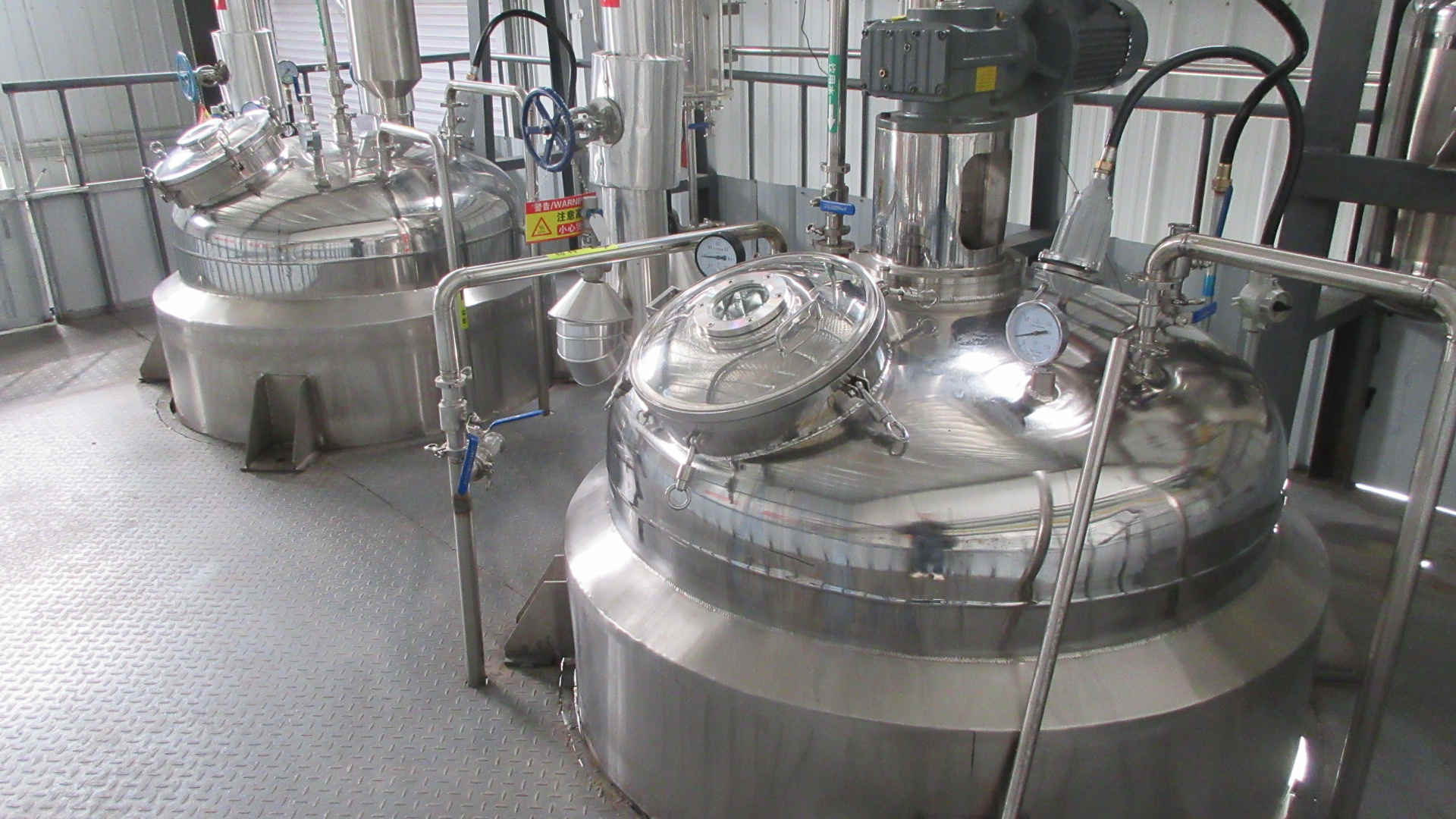
Consistency between batches is achieved through industrial design rather than post-production sorting. Our Xi'an processing facility uses a dedicated, closed-loop extraction train engineered specifically for isoquinoline alkaloids.
Selected raw bark is inspected for moisture and total alkaloid marker levels before undergoing precision shredding. We use multi-stage dynamic countercurrent extraction tanks utilizing food-grade acidified aqueous-ethanol menstruum. Real-time temperature controllers maintain vessels below 60°C to prevent thermal degradation of active tertiary rings.
Crude extracts pass through tubular ceramic membrane ultrafiltration systems (50 nm cutoff) to cleanly eliminate high-molecular tannins, starches, and water-insoluble resins without harsh flocculants. The purified permeate is treated with analytical-grade dilute hydrochloric acid under cooling to induce selective crystal formation of Berberine Hydrochloride.
The isolated crystal cake undergoes secondary recrystallization in deionized water, followed by vacuum filtration and drying in stainless-steel rotary double-cone vacuum driers. Finally, the dried cake passes through fluid energy air-jet pulverizers to achieve uniform particle size distributions before tamper-evident double-polyethylene drum packaging inside a Class 100,000 cleanroom.
Audited hardware backing every Certificate of Analysis shipped across our global export network.
Headquartered in Xi'an, Shaanxi—the hub of China's botanical extraction industry—BKYULA Biotech Co., Ltd. provides international supplement brands, animal nutrition producers, and contract packagers with reliable product quality, regulatory documentation, and resilient supply chains.
Our extraction facility, analytical laboratories, and storage facilities have undergone independent onsite inspection and verification by SGS Group. Sourcing teams can review assessment reports covering factory floor area, machinery capacity, employee safety protocols, and QA processes before committing capital.
Our quality management system is certified to ISO 9001:2015, ISO 22000, and HACCP standards. For specialty applications, we provide HALAL and KOSHER compliance documentation for functional food formulators, along with FAMI-QS certification for international feed additive importers.
We adapt order terms to support agile product developers and large industrial accounts alike. Our minimum order quantities start at just 1 kg for pilot batch qualification, scaling smoothly to multi-container commercial volumes. We support flexible Incoterms including FOB, CIF, CIP, DDP, and door-to-door express courier deliveries.
Clear, definitive answers to the commercial, analytical, and regulatory questions most frequently raised by QA directors and technical purchasing agents.
Connect directly with BKYULA Biotech's technical engineering and export compliance group. Request a formal quotation, current chromatographic COA profiles, regulatory dossiers, or complimentary pilot formulation samples dispatched within 24 hours.