 English English
Manufactured under ISO 9001:2015, ISO 22000, and FAMI-QS certified cleanrooms with batch-traceable HPLC assay verification.
Understanding molecular architecture, critical micelle concentration (CMC), and pharmaceutical-grade purification pathways from China's leading extraction facilities.
Quillaja saponaria Molina (the Soapbark tree) is an evergreen tree native to warm temperate regions whose inner bark contains an exceptionally high concentration of complex, bidesmosidic triterpenoid saponins. In industrial formulation, Quillaja extract is widely recognized as one of nature's most robust non-ionic surfactants, characterized by a hydrophilic carbohydrate head and a lipophilic triterpene backbone (primarily quillajic acid and gypsogenin).
As regulatory bodies in the United States (FDA 21 CFR § 172.510), the European Union (EFSA INS 999), and Asia-Pacific tighten restrictions on synthetic polysorbates and chemical petroleum-derived surfactants, Quillaja saponaria extract has emerged as the premier clean-label emulsifier, solubilizer, and foaming stabilizer across food, animal nutrition, agrochemical, and pharmaceutical industries.
Our Xi'an processing facility employs selective aqueous-thermal countercurrent leaching, double-pass ceramic membrane ultrafiltration, and multi-stage spray drying to eliminate undesirable polyphenolic pigments, tannins, and bitter astringencies while concentrating active saponin fractions from 20% up to 65% HPLC.
In aqueous solution, Quillaja saponins rapidly reduce surface tension, achieving equilibrium surface tension levels as low as 35 mN/m at very low Critical Micelle Concentration (CMC) points (approximately 0.05–0.1% w/v). This amphiphilic behavior forms rigid, highly elastic viscoelastic interfacial films around hydrophobic droplets, preventing coalescence, creaming, or phase separation in oil-in-water nanoemulsions, beverage flavor oil suspensions, and lipid-soluble vitamin formulations.
For animal health and veterinary science, Quillaja saponaria extract works synergistically with Yucca schidigera extract. The saponins bind irreversibly to cholesterol in protozoal cell membranes, causing cell lysis in the rumen and gut, which modulates microbial populations, accelerates nitrogen conversion, and drastically suppresses harmful ammonia (NH3) and hydrogen sulfide gas emissions in intensive swine and poultry facilities.
Furthermore, purified fractions of Quillaja saponins—notably QS-7, QS-17, and the renowned QS-21—serve as critical immunological adjuvants in next-generation human prophylactic vaccines, sub-unit antigen formulations, and liposomal mRNA nanocarriers.
| Standard Grade | Active Saponin (HPLC/UV) | Physical Form | Color / Clarity | Key Application Niches | Compliance / Documentation |
|---|---|---|---|---|---|
| Type 1 Ultrafiltered Clear | ≥ 20.0% – 30.0% HPLC | Fine Liquid / Micro-Powder | Light Amber / Transparent | Clear Beverages, RTD Carbonated Drinks, Flavor Nanoemulsions | Food Grade (E999), GRAS, Non-GMO, Halal, Kosher |
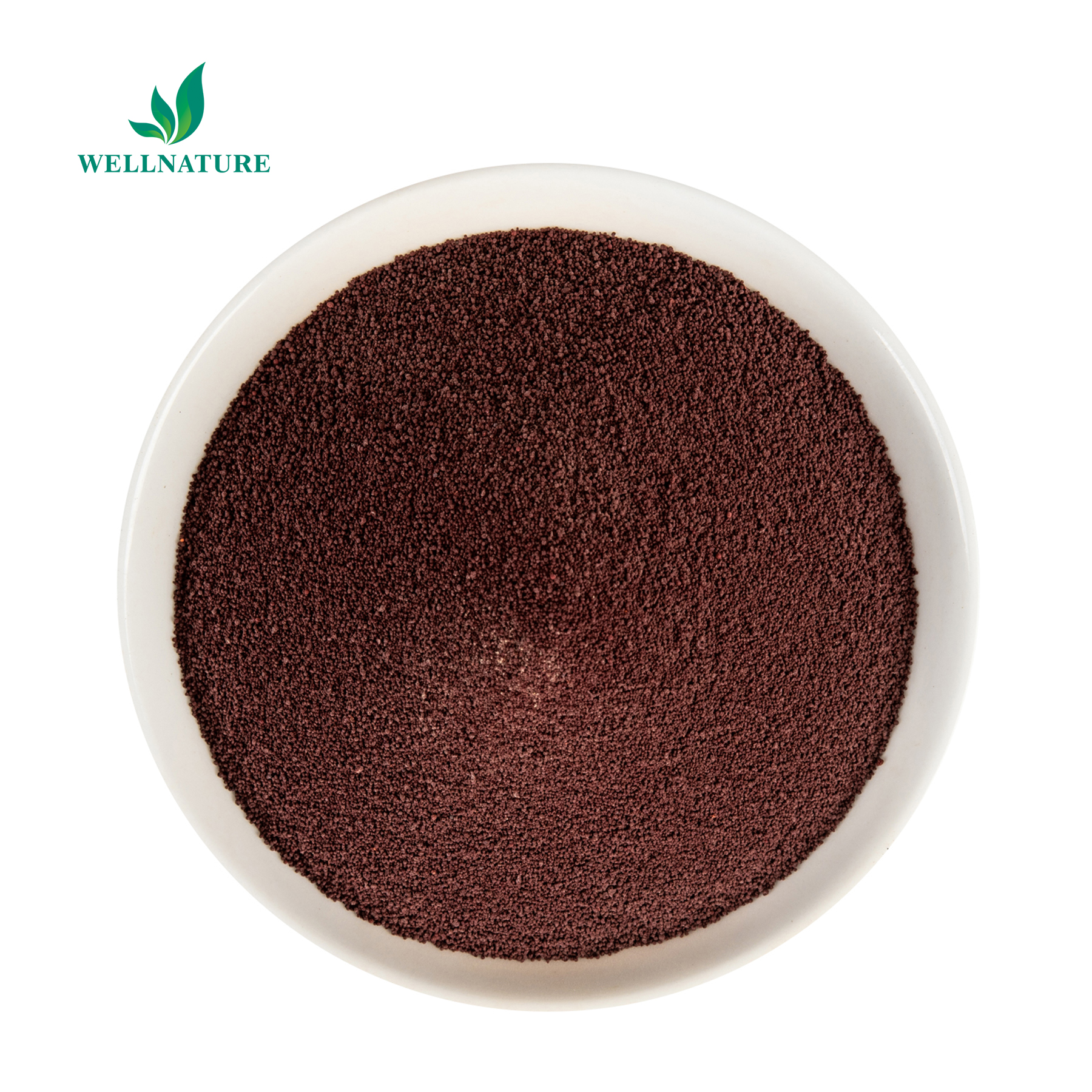
| Type 2 Standard Functional | ≥ 40.0% – 50.0% UV/Foam | Spray-Dried Fine Powder | Golden Brown Powder | Syrups, Beer Foaming Head, Confectionery, Nutricosmetics | ISO 22000, HACCP, Allergen-Free, Batch COA |
| FAMI-QS Agro-Feed Grade | ≥ 60.0% UV / 10% Bound Sap. | Flowable Free Powder | Brown Uniform Powder | Poultry/Swine Premix, Ammonia Abatement, Rumen Modulation | FAMI-QS Certified, Heavy Metals <10ppm, Traceable |
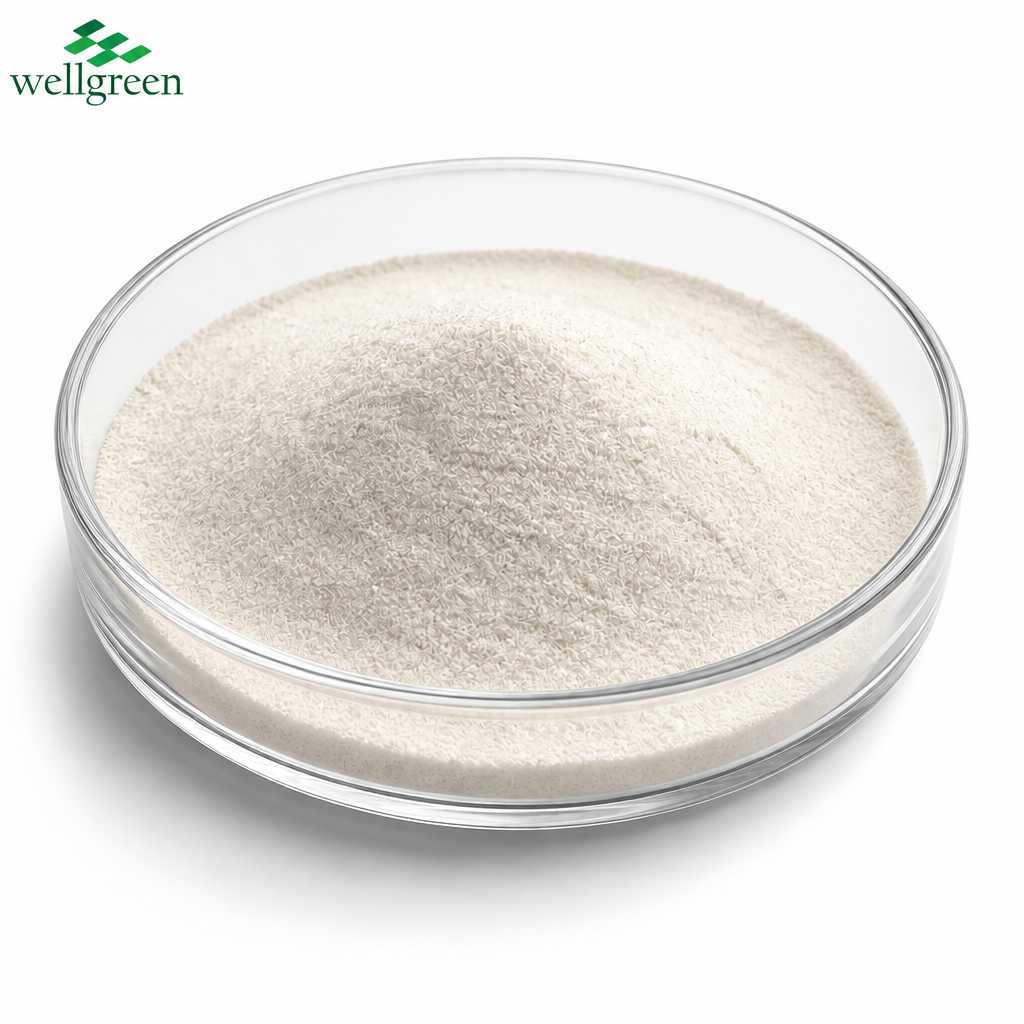
| Purified High-Active Bio-Adjuvant | ≥ 65.0% – 85.0% HPLC | Refined Lyophilized Powder | Off-white to Pale Yellow | Immune Adjuvant R&D, QS-21 Fraction Precursors, Biopesticides | Pharmaceutical Cleanroom Grade, HPLC Fingerprint Sheet |
Key economic, ecological, and regulatory disruptions reshaping the global supply pipeline for procurement officers and supply chain directors.
Global regulatory bodies are enacting phased bans on synthetic emulsifiers like Polysorbate 20/80 and Sorbitan monostearate due to gut barrier inflammation concerns. Multinational F&B corporations are transitioning entirely to natural Quillaja bark extract as a permanent, thermodynamically stable alternative.
The success of adjuvant-enhanced vaccines (such as Shingrix and recombinant malaria/respiratory vaccines utilizing QS-21) has catalyzed exponential demand. Commercial buyers are locking in multi-year procurement contracts with China-based industrial extractors capable of delivering raw fractions with high chromatographic consistency.
Native Quillaja forests are subject to rigorous national forestry cutting quotas. Leading manufacturers like BKYULA Biotech are integrating closed-loop sustainable bark harvesting partnerships and high-efficiency water-saving extraction methods to insulate overseas B2B clients from price surges and harvest shortfalls.
Livestock producers are shifting from single-active feed additives to synergistic complexes. The combination of Quillaja Saponaria (foaming and cell membrane alteration) and Yucca Schidigera (glycoprotein-mediated ammonia binding) has become the gold standard in reducing livestock emissions without antibiotic growth promoters.
How cutting-edge chemical engineering in China is solving traditional hurdles in taste, color, and thermal resilience.
Traditional raw soapbark extracts possess a characteristic bitter aftertaste caused by low-molecular phenolics. BKYULA Biotech utilizes advanced enzymatic hydrolysis and targeted macroporous resin adsorption chromatography, yielding an extract that provides rich, stable foaming heads in beer, cider, and soda without distorting the finished flavor matrix.
Capitalizing on its unique amphiphilic molecular geometry, modern R&D incorporates Quillaja saponins into self-assembling liposomal structures. This dramatically improves the bioavailability of poorly soluble bio-actives such as Liposomal NMN, CoQ10, and Curcumin, shielding sensitive payloads against gastric acid degradation.
High-purity saponin molecules undergo thermal denaturation if spray-dried at conventional temperatures (>160°C). By implementing industrial-scale freeze-drying (lyophilization) under ultra-low pressure environments, structural integrity of the glycosidic ester bonds is preserved, ensuring maximal adjuvant immunostimulatory potency.
Combining 15 years of botanical extraction expertise, onsite SGS verification, and global supply chain compliance.
Our extraction facilities, production lines, and warehouse operations in Xi'an, Shaanxi have been comprehensively inspected and verified onsite by SGS Group, giving overseas buyers complete audit transparency.
Certified to ISO 9001:2015, ISO 22000, and HACCP for food grade ingredients, HALAL, KOSHER for dietary supplements, and FAMI-QS for agricultural feed additive safety and global customs clearance.
Every single production batch undergoes in-house high-performance liquid chromatography (HPLC), UV spectrophotometry, heavy metal ICP-MS, and microbiological testing prior to issuance of analytical release COA.
From custom mesh pulverization (80 to 200 mesh) to proprietary saponin-to-carrier blending, micro-granulation, and turnkey private-label foil-bag drum packaging, our technical team tailors solutions to your exact specs.
Supporting flexible international Incoterms including FOB, CIF, CFR, FCA, CIP, and hassle-free DDP (Delivered Duty Paid) with direct door-to-door express delivery across North America, Europe, Asia, and South Africa.
We provide full technical documentation for brand compliance: technical data sheets (TDS), safety data sheets (MSDS), flow charts, BSE/TSE statements, pesticide residue screens (USP/EP), and organic declarations.
Direct technical answers to the most critical inquiries submitted by QA teams, sourcing agents, and formulators.
UV spectrophotometric testing measures overall optical absorbance (frequently around 210 nm or via sulfuric acid-vanillin chromogenic reaction), which detects general triterpene structures but may overestimate potency due to interference from other conjugated bonds or plant pigments. High-Performance Liquid Chromatography (HPLC), equipped with ELSD (Evaporative Light Scattering Detector) or CAD (Charged Aerosol Detector), isolates specific saponin fractions and provides an exact fingerprint of active glycosides. At BKYULA Biotech, our COAs report both verified HPLC assay and UV-foam comparative values to ensure seamless recipe formulation.
Quillaja extract is approved under international standards as INS 999. In the United States, it is FDA GRAS (Generally Recognized as Safe) under 21 CFR § 172.510 for use in food and beverages. In the European Union, EFSA classifies it under food additive code E 999 with maximum permitted levels defined in beverage categories (typically up to 200 mg/L on an active saponin basis in water-based flavored drinks). Our team provides full regulatory compliance dossiers to support local registration.
Our standard MOQ for commercial grades of Quillaja Saponaria Extract powder is 1 kg for pilot testing and product development, while standard export packaging is 25 kg fiber drums with double-layer polyethylene food-grade inner liners. High-purity reference grades and adjuvant precursor batches are available in 100g, 500g, and 1kg vacuum aluminum foil pouches. Bulk agricultural and industrial feed grades can be supplied in palletized 500 kg or 1,000 kg supersacks.
Quillaja saponins exhibit exceptional thermodynamic and physicochemical resilience compared to synthetic and protein emulsifiers. They maintain stable interfacial tension across a broad pH spectrum of 2.5 to 8.0, resisting precipitation in acidic beverages. They also tolerate high pasteurization and UHT temperatures (up to 135°C for 30 seconds) without denaturation and remain completely stable in high-ionic-strength solutions and hard water environments.
Yes. We operate multi-shaft homogeneous ribbon blenders and rotary drum vacuum drying units capable of formulating proprietary phytogenic ratios (such as 50:50, 70:30, or custom Yucca/Quillaja blends). These formulations are widely utilized in global livestock farming for simultaneous ammonia mitigation, protozoal inhibition, and enhanced feed conversion ratio (FCR), certified fully under our FAMI-QS feed safety program.
Contact our extraction engineering group to receive complete batch COAs, technical dossiers, and a competitive volume quotation tailored to your target application.