Food Grade
 English
Direct supply from certified production facilities with verifiable analytical assay, strictly compliant with international quality parameters.
A technical guide for supply chain heads, formulation scientists, and contract manufacturing organizations navigating Ubiquinone and Ubiquinol procurement.
In global dietary supplement and nutricosmetic supply chains, the differentiation between microbial fermentation and chemical synthesis is paramount. Coenzyme Q10 (Ubidecarenone, C59H90O4, CAS 303-98-0) derived through microbial biological fermentation (predominantly utilizing selected strains of Rhodobacter sphaeroides or Agrobacterium tumefaciens) yields 100% all-trans optical isomer configuration. The all-trans isomer is structurally identical to the endogenous CoQ10 produced by the human body, providing high cellular compatibility and optimal metabolic uptake in mitochondrial oxidative phosphorylation.
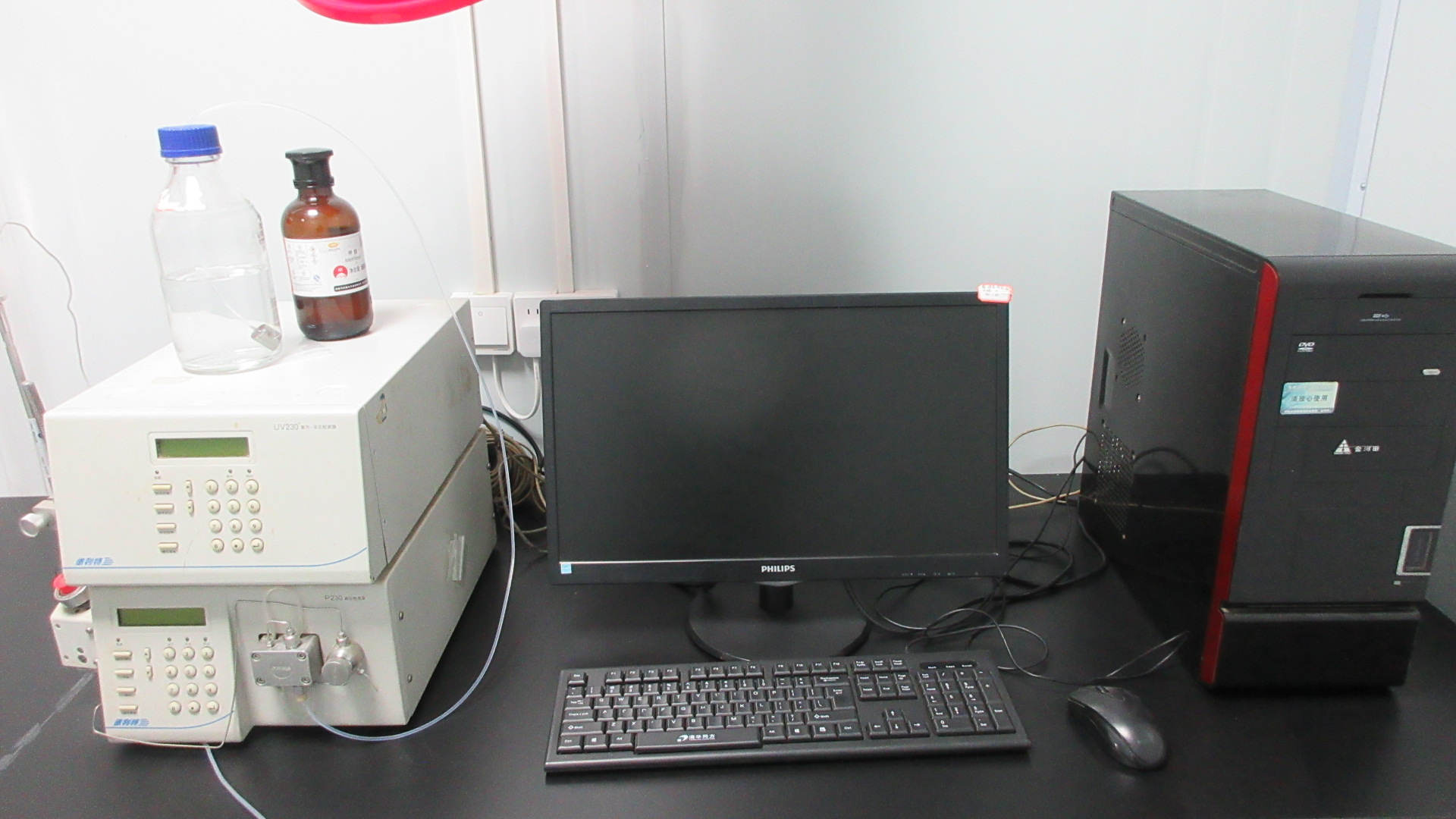
Conversely, chemically synthesized CoQ10 frequently introduces trace cis-isomers, intermediate residual impurities, and solvent remnants that do not meet strict European Food Safety Authority (EFSA) or United States Pharmacopeia (USP) requirements. When qualifying Chinese factories, technical procurement teams must mandate high-performance liquid chromatography (HPLC) chiral stationary phase profiling to eliminate cross-batch adulteration risks.
| Analytical Parameter | Standard USP/EP Monograph Requirement | Premium Fermentation Grade (Factory Spec) | Testing Methodology |
|---|---|---|---|
| Assay (Anhydrous Basis) | 97.0% - 103.0% | 99.0% - 101.5% Ubiquinone | HPLC with UV Detection (275 nm) |
| Isomer Purity | Strict compliance with trans-conformation | > 99.8% All-Trans Isomer (Zero Cis Detected) | Chiral HPLC Column Profiling |
| Loss on Drying | ≤ 0.5% | ≤ 0.20% | Vacuum Desiccation (60°C, 3h) |
| Residue on Ignition | ≤ 0.1% | ≤ 0.05% | Sulfated Ash at 600°C |
| Heavy Metal Limits | Pb ≤ 1ppm, As ≤ 1ppm, Cd ≤ 1ppm, Hg ≤ 0.1ppm | Total Heavy Metals < 5 ppm; Pb ≤ 0.2 ppm | ICP-MS Inductively Coupled Plasma |
| Microbiological Bioburden | TPC < 1,000 cfu/g; Yeast/Mold < 100 cfu/g | TPC < 100 cfu/g; Negative E. coli / Salmonella | USP <61> / <62> Microbial Limit Test |
Standard crystal Coenzyme Q10 powder presents a significant hurdle for functional food, beverage, and effervescent tablet formulations: excessive hydrophobicity and poor water solubility. Pure crystalline CoQ10 has a melting point of approximately 48°C–52°C and forms dense crystal lattices in water, leading to baseline gastrointestinal absorption rates as low as 2% to 4%. High-tier manufacturing facilities overcome this barrier through microencapsulation, spray-drying emulsion engineering, and cyclodextrin complexation.
For functional RTD beverages, functional gummies, and direct-to-mouth stick packs, verified suppliers supply 10%, 20%, and 40% cold-water-dispersible (CWD) CoQ10 formulations. By encapsulating crystalline CoQ10 within hydrophilic carriers such as modified starches, acacia gum, or maltodextrin, the particle size is reduced to sub-micron or nano levels (< 200 nm), facilitating optical clarity in liquid mediums and increasing systemic bioavailability up to three to six times compared to standard powder.
Strategic movements shaping supplier evaluation, raw material contracts, and volume allocations in the global nutraceutical and cosmeceutical sectors.
Over 80% of global CoQ10 intermediate fermentation capacity remains anchored in select Chinese industrial clusters. Strategic brand owners are moving away from spot purchasing toward rolling 12-month supply-level agreements with dual-source validation to mitigate raw material price fluctuations.
Regulatory scrutiny around corn-derived glucose sources and processing aids is rising. Major buyers require full non-GMO Project Verification, absence of synthetic emulsifiers (such as Polysorbate 80), and certified Halal and Kosher status directly tied to upstream biomass supply chains.
Mitochondrial health ingredients now face rigorous sustainability criteria under EU CSRD directives. Leading suppliers invest in closed-loop steam recapture, solar-assisted drying systems, and solvent recovery efficiencies exceeding 98.5% to maintain low carbon footprints across shipments.
Engineering advancements delivering therapeutic potency, process stability, and cross-application versatility.
Ubiquinol represents the active electron-rich hydroquinone form. Advanced nitrogen-purged crystallization techniques and natural tocopherol synergists now prevent premature oxidation back to Ubiquinone during shelf storage.
Dry liposome technology wraps CoQ10 molecules into phospholipid bilayers before spray-chilling. This solid-state liposomal powder resists stomach acid degradation and facilitates direct lymphatic absorption pathways.
Turnkey premixing integrates CoQ10 with synergistic carrier molecules like PDRN, Vitamin K2 (MK-7), Sulforaphane, and Red Ginseng Root Extracts, delivering verified compound stability in single uniform batches.
Direct compression grades with customized bulk densities (> 0.55 g/mL) prevent segregation and caking in high-speed rotary tableting machines, lowering production reject rates for finished brand manufacturers.
Nearly 15 years of precision engineering in plant extraction, microbial isolation, and pharmaceutical-grade active supply.
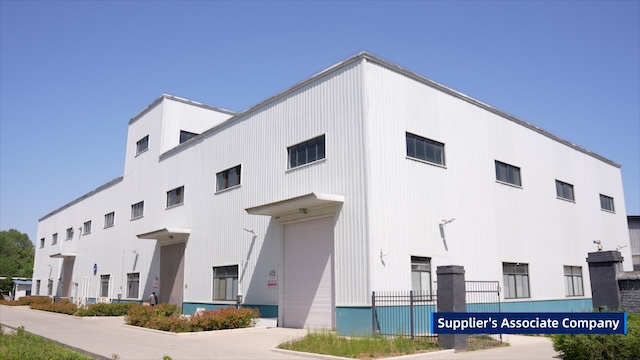
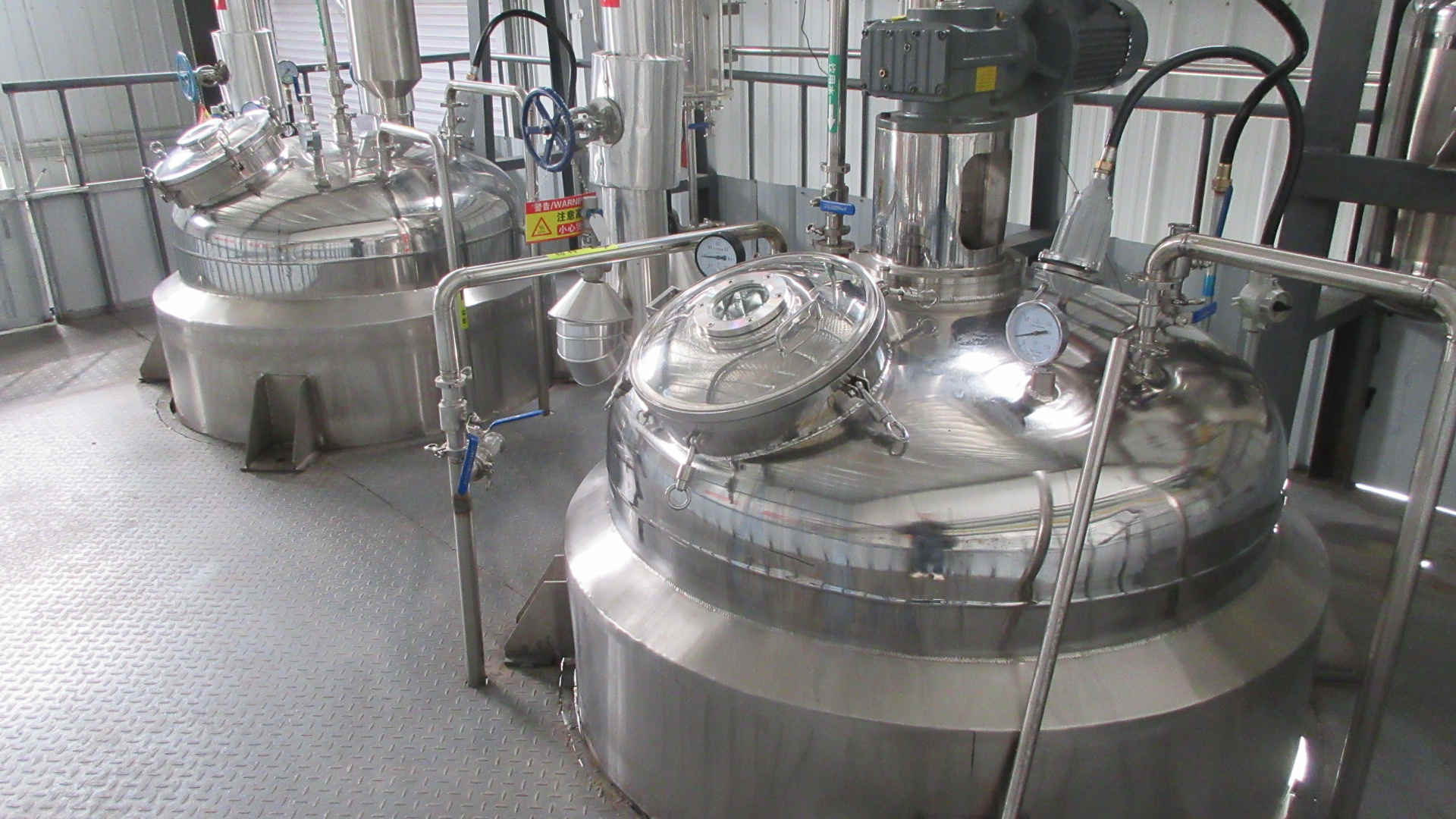
Headquartered in Xi'an, Shaanxi, our facilities operate over comprehensive stainless-steel extraction, low-temperature vacuum concentration, micro-fluidized spray drying, and clean-room granulation lines. Each shipment is traceable to raw botanical cultivation lots or sealed fermentation runs, validated onsite by SGS Group inspections.
Clear, direct answers covering critical analytical, commercial, regulatory, and logistics inquiries.
Consult with our technical sales engineers to request real-time pricing, complete analytical dossiers, regulatory documentation, or sample batches delivered directly to your R&D lab.
Send an Inquiry