Polysaccharide 30%
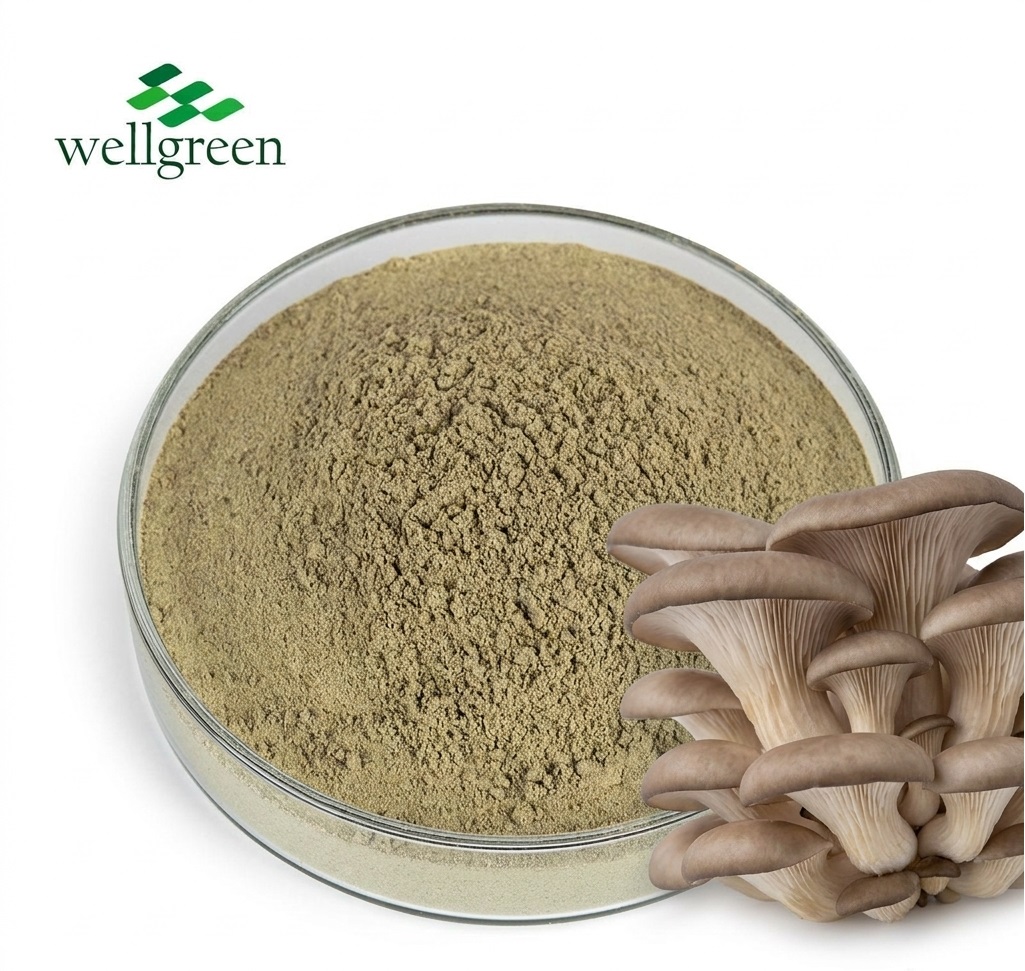
Wholesale Pure Natural 30% Polysaccharide Oyster Mushroom Powder Extract
Active: Beta-Glucan Polysaccharides
Standard: UV / HPLC Verified
 English
Directly manufactured botanical extracts, bio-fermented co-factors, and standardized organic powders developed for high-stability Caribbean formulations.
Ascorbic Acid (L-threo-2-hexenono-1,4-lactone, C6H8O6, CAS 50-81-7) represents one of the most chemically critical, multifunctional organic acid compounds utilized across international manufacturing sectors. In regional economic centers like Marigot, the historic capital of the French Collectivity of Saint Martin situated strategically in the Caribbean Leeward Islands, procurement managers face distinctive environmental and geographical parameters. From intense maritime salinity and persistent relative atmospheric humidity (>78% year-round) to stringent customs frameworks governed by European and Caribbean Community (CARICOM) trade protocols, identifying verified ascorbic acid powder factories & factory partners in Marigot demands complete transparency regarding manufacturing synthesis, physical crystallization, and packaging integrity.
The production of pharmaceutical, food, and cosmetic grade ascorbic acid has transitioned fundamentally over the past three decades. While historic industrial production relied upon the traditional Reichstein process—a multi-step chemical synthesis requiring dangerous catalytic oxidations and volatile solvent intermediates—our advanced Chinese manufacturing facilities utilize the modern, environmentally benign two-step microbial bio-fermentation pathway.
This bioprocess initiates with food-grade D-glucose, hydrogenated catalytically into D-sorbitol. In Step 1, immobilized cells of Gluconobacter oxydans execute stereo-specific microbial oxidation, transforming D-sorbitol into L-sorbose with stoichiometric yields exceeding 96%. In Step 2, a symbiotic bacterial co-culture (typically Ketogulonicigenium vulgare and Bacillus megaterium) ferments L-sorbose into 2-Keto-L-gulonic acid (2-KLG). Subsequent acid catalysis and lactonization convert 2-KLG into pure, enantiomerically uncompromised L-Ascorbic Acid.
The raw crystalline precipitate undergoes multi-stage counter-current washing, decolorization via high-purity medical activated carbon, recrystallization inside 316L pharmaceutical stainless steel crystallizers, and precision fluidized-bed drying. The result is pure white crystalline powder displaying an optical rotation of [α]D20 between +20.5° and +21.5°, with an assay consistently evaluated via high-performance liquid chromatography (HPLC) and iodometric titration at 99.7% to 100.5%.
Selecting the correct physical grade of ascorbic acid powder determines dissolution rates, blend homogeneity, compressibility, and hygroscopic stability in commercial processing facilities across Marigot:
| Physical Grade | Particle Mesh Size | Bulk Density (g/mL) | Dissolution Profile | Primary Industrial Application in Marigot |
|---|---|---|---|---|
| Ultra-Fine Micronized | 100 – 120 Mesh | 0.50 – 0.65 | Instant (< 15 seconds) | Cosmeceutical serums, topical anti-photoaging lotions, rapid-mix oral sachets. |
| Standard Crystalline Powder | 40 – 80 Mesh | 0.70 – 0.85 | Rapid (< 45 seconds) | Beverage acidification, fruit puree stabilization, commercial Caribbean baking dough conditioners. |
| Direct Compressible (DC 97) | 20 – 60 Granulated | 0.65 – 0.78 | Controlled disintegration | Effervescent tablets, chewable Vitamin C wafers, multi-mineral nutritional supplements. |
| Coated / Encapsulated | 30 – 60 Micro-beads | 0.75 – 0.90 | Extended release | Feed premixes, high-moisture processed meats, extreme tropical storage matrices. |
Marigot operates as both a sophisticated tourism enclave and a crucial logistics corridor within the northern Caribbean. The localized application of bulk ascorbic acid powder addresses specific operational and technical realities:
Due to extreme solar irradiance (UV index consistently reaching 11+) across Saint Martin beaches, boutique skincare and luxury spa manufacturers in Marigot blend micronized 100-mesh ascorbic acid into fresh, high-potency antioxidant serums to reverse photo-induced oxidative cellular stress and hyperpigmentation.
Local craft beverage bottlers, rum distilleries, and fruit packaging houses in Grand Case and Marigot rely on food-grade L-ascorbic acid (E300) as an oxygen scavenger, stopping non-enzymatic browning and preserving aromatic volatiles in mango, passion fruit, and guava syrups.
Serving mega-yacht galley provisioning and regional aquaculture facilities, ascorbic acid functions as a critical antioxidant in seafood chilling brine to inhibit polyphenol oxidase in fresh spiny lobster and deep-sea fish, alongside serving as an essential immune-stimulating feed additive.
Industrial buyers and distributors in Marigot are currently managing an evolving regulatory and trade landscape. Because the northern half of Saint Martin operates as an Overseas Collectivity of France (COM), products entering Marigot frequently require compliance with strict European REACH chemical directives, EFSA food safety tolerances, and European Pharmacopoeia (EP) analytical specifications.
However, purchasing directly from European wholesale redistributors introduces substantial cost markups due to multiple warehousing legs and continental transshipment fees. Consequently, forward-looking procurement leaders in Marigot increasingly secure direct manufacturer allocations from China-based producers such as BKYULA Biotech. Direct manufacturing partnerships provide FOB, CIF Philipsburg/Marigot, or DDP delivery models that remove intermediate trader margins while securing full primary factory analytical traceability.
Furthermore, recent climate volatility across Caribbean shipping corridors has reinforced the necessity of resilient packaging. Ascorbic acid powder is intensely susceptible to humidity-driven caking and thermal oxidative browning. Modern procurement agreements now universally specify heavy-duty vacuum-sealed 25-kg fiber drums containing double pharmaceutical-grade low-density polyethylene (LDPE) food liners and food-grade silica desiccants, with nitrogen headspace blanket injection prior to export.
Direct factory verification ensures every drum delivered to Marigot matches strict analytical release criteria.
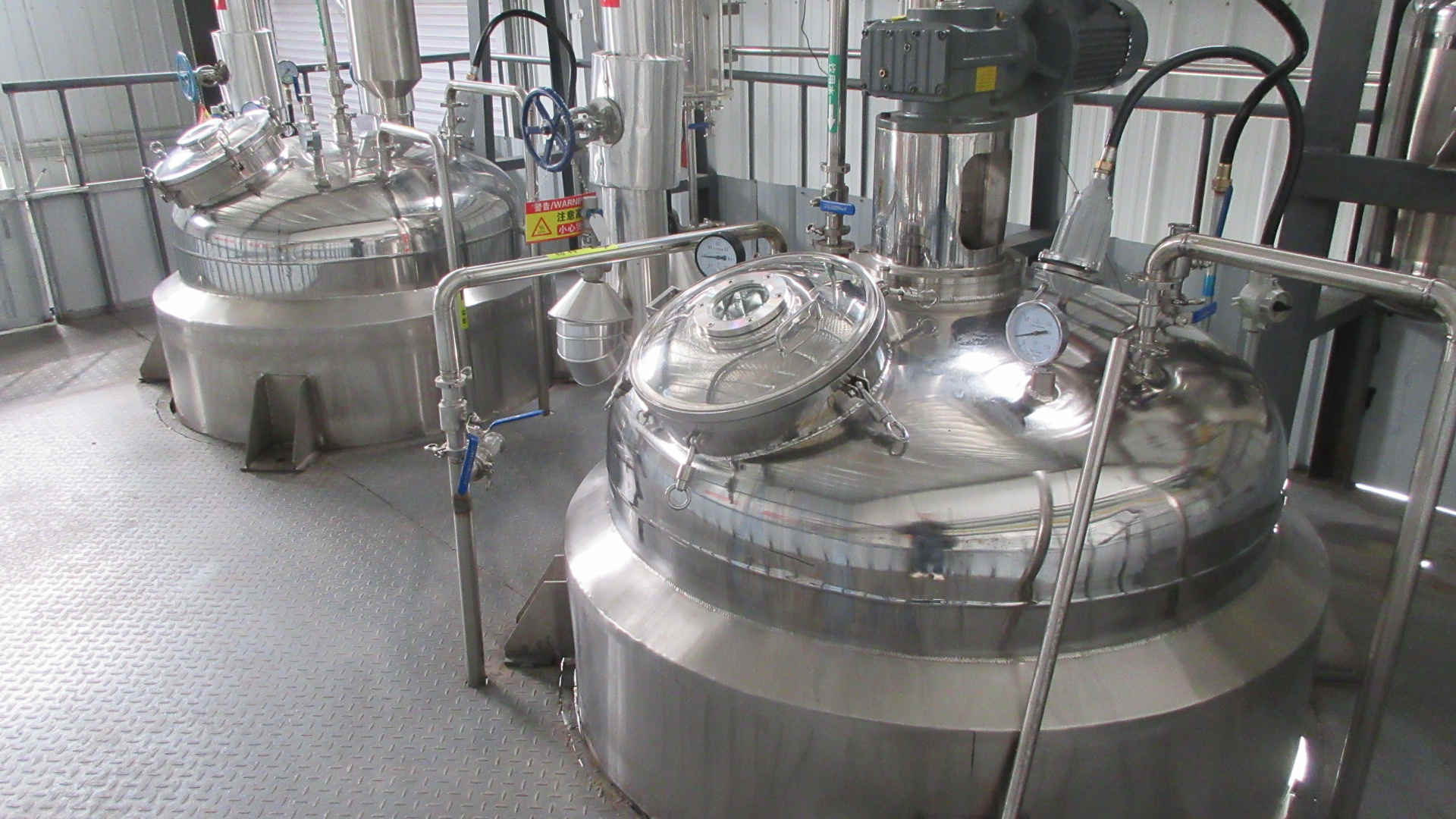
Food-grade 316L jacketed reactors with continuous digital temperature & pH logging.
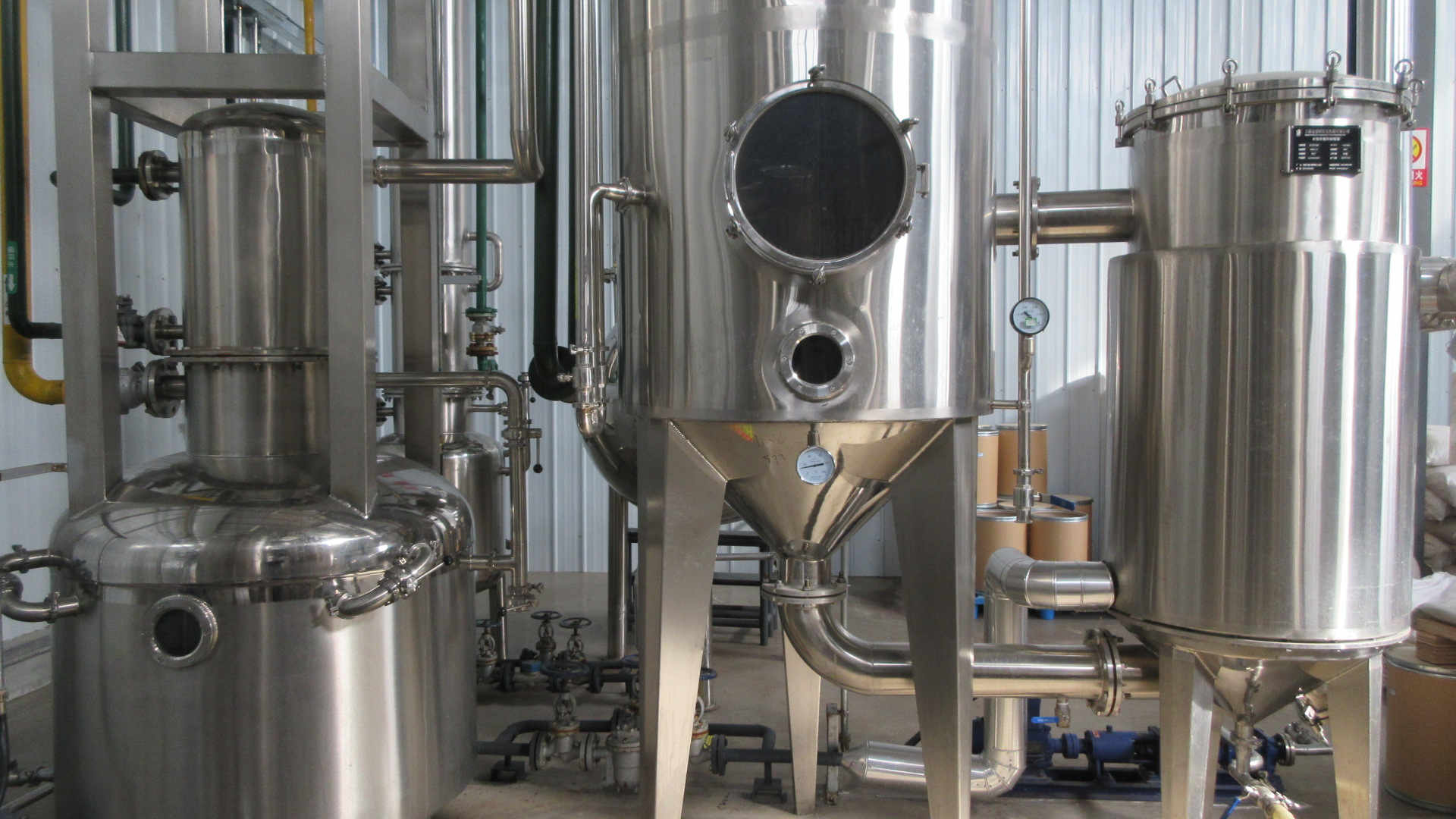
Low-temperature negative pressure concentration preventing thermal oxidation.
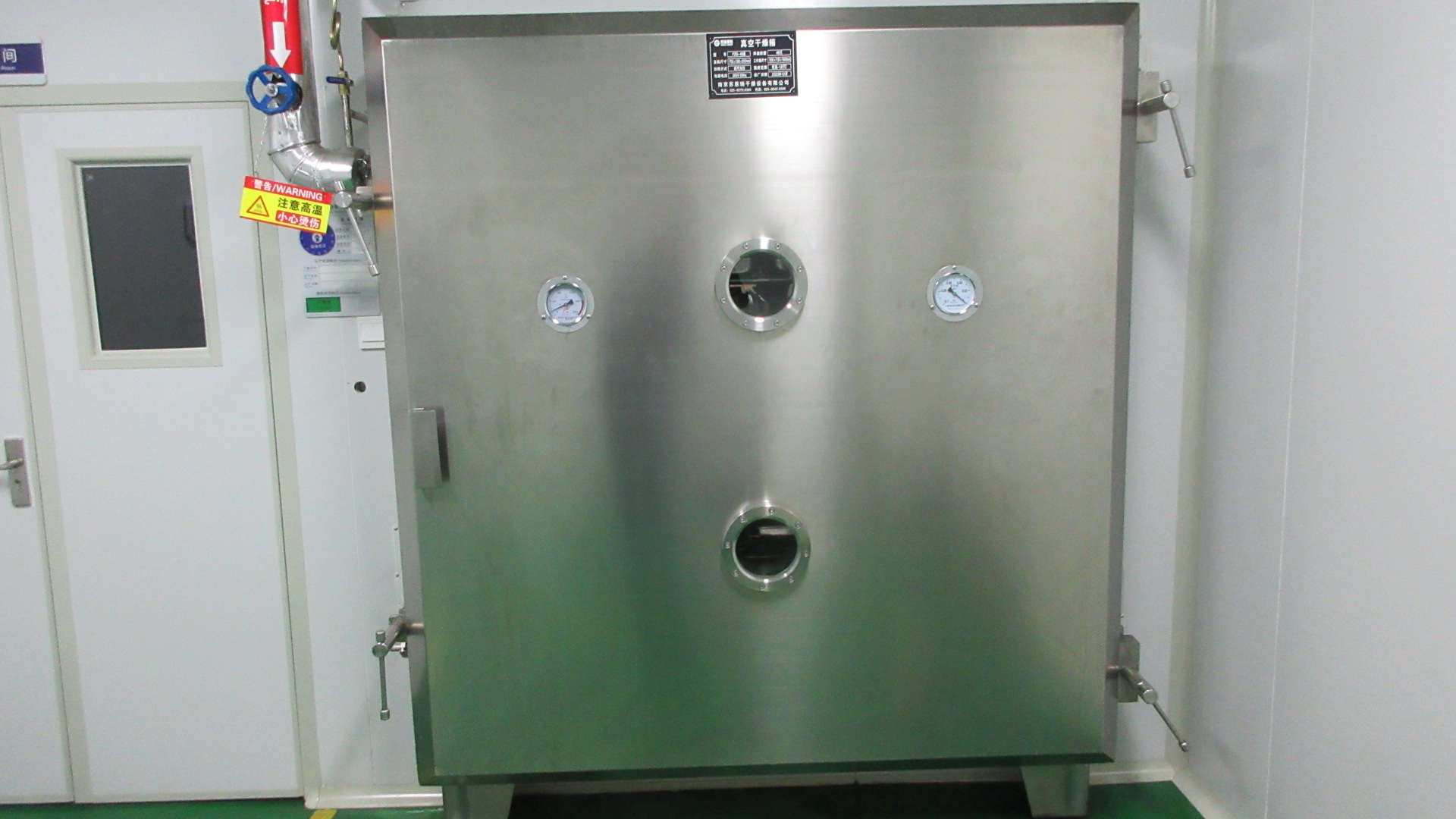
Moisture control to ≤ 0.1% loss-on-drying for free-flowing crystal stability.
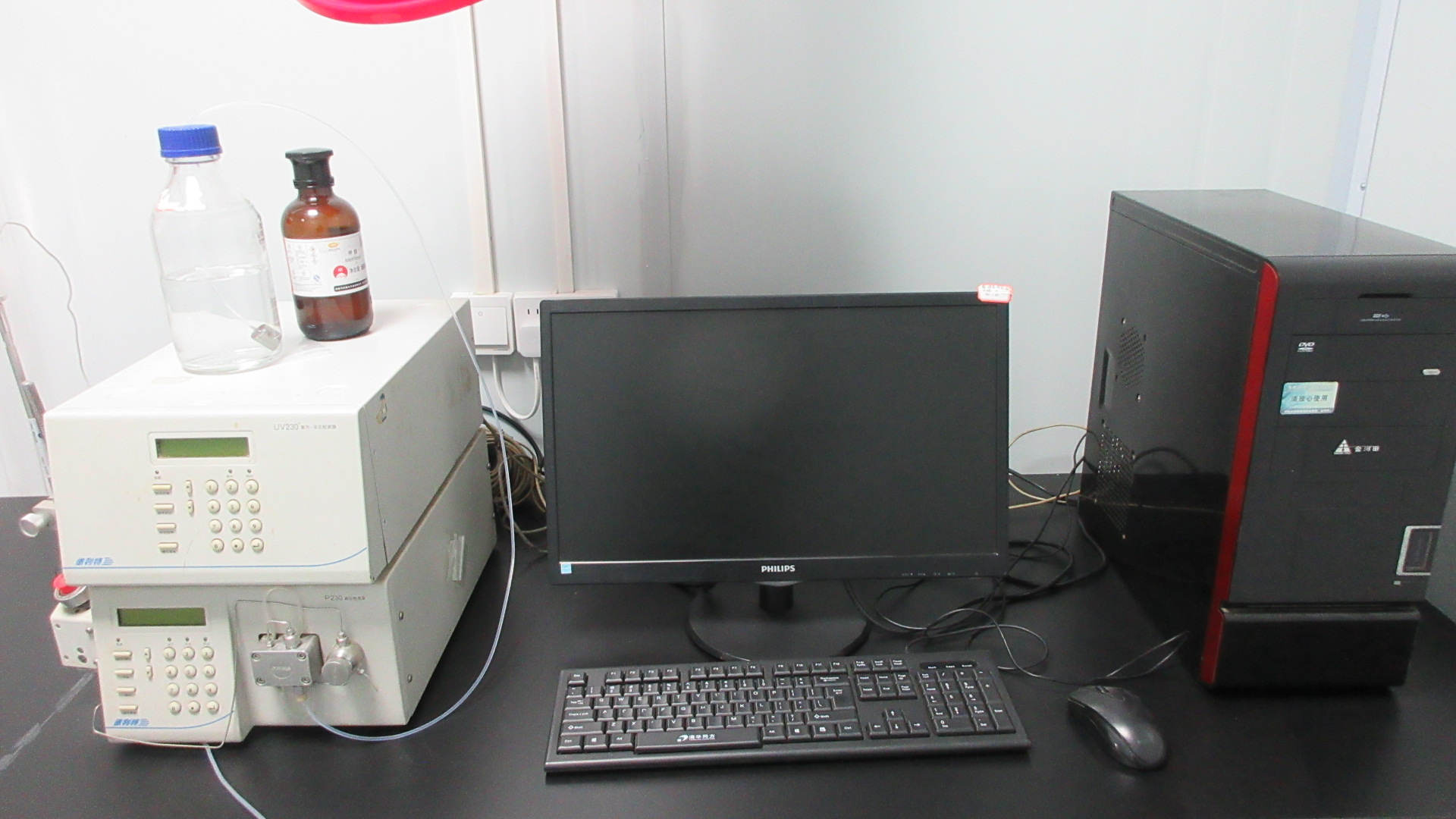
In-house Shimadzu HPLC & UV testing verifying purity, heavy metals, and microbiological release.
Positioned as an internationally verified manufacturer and exporter of botanical extracts, fine chemicals, nutritional vitamins, and functional food additives, BKYULA Biotech Co., Ltd. offers over 15 years of technical expertise to international B2B purchasers:
Addressing core technical, customs, and operational concerns raised by purchasing directors and laboratory formulators in Saint Martin.
Connect directly with our engineering and export team. Receive immediate factory-gate pricing, verified batch COAs, technical dossiers, and expedited sample dispatches to Marigot, Saint Martin, and the greater Caribbean region.