 English English
Technical Whitepaper & Industrial Supply Guide: Sourcing Pharmacopoeia-Grade Berberine Hydrochloride (USP/EP) & Standardized Botanical Actives for Johor's Nutraceutical & Halal Health Science Corridors.
Verified analytical assays, comprehensive documentation (COA, Halal, Kosher, ISO), and direct multimodal shipping routes servicing Pasir Gudang, Port of Tanjung Pelepas (PTP), and Iskandar Puteri manufacturing zones.
Understanding molecular purity, stereochemical isolation from Berberis aristata/Phellodendron amurense, and analytical reproducibility for Southeast Asian industrial processing.
Berberine Hydrochloride (C20H18ClNO4•xH2O, CAS Number: 633-65-8) is a quaternary isoquinoline alkaloid exhibiting significant therapeutic value in metabolic modulation, glycemic control, lipid homeostasis, and gut microbiome optimization. Natural plant extraction factories servicing Southeast Asian markets require strict technical differentiation between crude alkaloid extracts and high-purity, crystalline Berberine HCL. Crude extracts commonly retain co-eluting alkaloids such as palmatine, jatrorrhizine, and coptisine, which can unpredictably impact product yield, therapeutic reproducibility, and dissolution rates in industrial tableting and encapsulation lines.
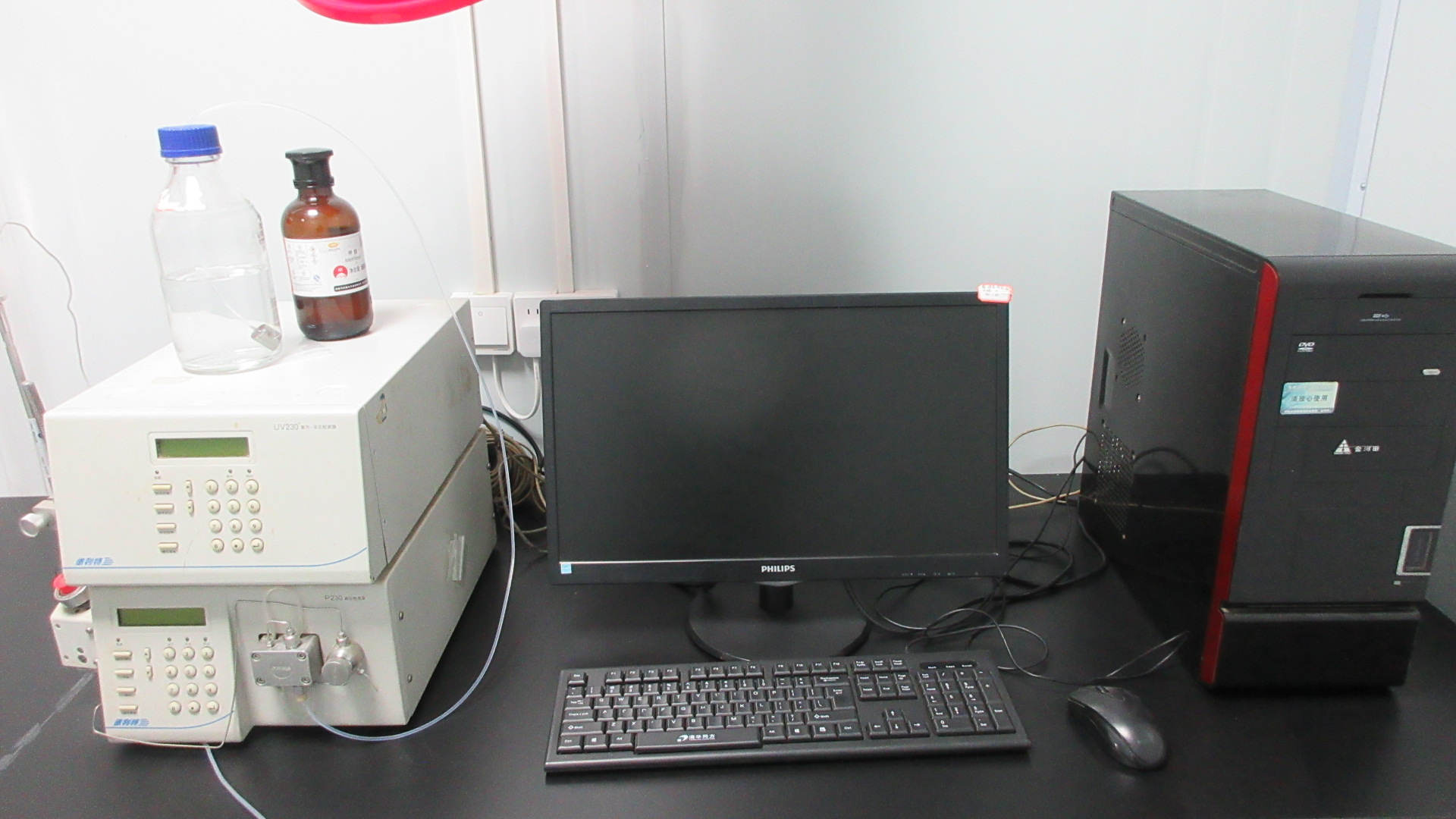
Our extraction lines utilize controlled solid-liquid percolation, low-temperature vacuum crystallization, and multistage acid-base recrystallization procedures. This process achieves consistent Berberine HCL purities exceeding 97.0% (titration) and up to 98.5% (HPLC standard), compliant with international pharmacopoeial standards including United States Pharmacopeia (USP), European Pharmacopoeia (EP), and British Pharmacopoeia (BP). Sourcing raw material directly from sustainably managed, non-GMO botanical belts, our extraction matrix minimizes the presence of secondary phytotoxins, ensuring that critical parameters such as loss on drying (≤ 12.0%) and residue on ignition (≤ 0.2%) meet rigorous global thresholds.
| Analytical Parameter | USP / EP Pharmacopoeia Standard | Factory In-House QC Release Standard | Analytical Instrumentation |
|---|---|---|---|
| Active Assay (Dry Basis) | 97.0% – 102.0% Berberine HCL | ≥ 98.0% Standardized Active | HPLC (Isocratic C18 Column) |
| Physical Identification | Yellow Crystalline Powder, Characteristic Bitter | Conforms to Reference Standard | FTIR / UV Spectrophotometry |
| Related Substances (Palmatine/Jatrorrhizine) | Individual ≤ 1.0%, Total ≤ 2.0% | Total Related Alkaloids ≤ 1.2% | High-Performance Liquid Chromatography |
| Loss on Drying | ≤ 12.0% | ≤ 10.5% | Moisture Analyzer (105°C Gravimetric) |
| Heavy Metals (Pb, As, Cd, Hg) | ≤ 20 ppm Total | ≤ 10 ppm (Pb ≤ 2, As ≤ 1, Cd ≤ 1, Hg ≤ 0.1) | ICP-MS Inductively Coupled Plasma |
| Residual Solvents (Ethanol) | ≤ 5,000 ppm (ICH Option 1) | ≤ 3,000 ppm (Zero Chlorinated Solvents) | Headspace Gas Chromatography (GC-FID) |
| Total Aerobic Microbial Count | ≤ 1,000 CFU/g | ≤ 500 CFU/g | Incubation Culture Plate Method |
“Precision in industrial extraction determines bioavailability in finished nutraceutical doses. Berberine HCL processed under strict temperature-controlled vacuum systems prevents polymorphic transformations that otherwise hinder systemic dissolution and formulation compatibility.”
Deploying Berberine HCL and functional botanicals across Iskandar Malaysia's premier biopharmaceutical parks, Halal food processing hubs, and contract manufacturing facilities.
Southern Malaysia and Johor Bahru lead Southeast Asian wellness production for metabolic balance formulas. With rising consumer demand for natural insulin sensitizers, formulators combine Berberine HCL with water-soluble cinnamon, ginger extracts, and chromium to produce JAKIM Halal-certified metabolic stability capsules and sachets targeting glucose transport mechanisms.
Contract manufacturing facilities across Senai Airport City, Pasir Gudang, and Nusajaya process bulk Berberine HCL into hard gelatin or vegetable capsules, direct-compressed caplets, and effervescent delivery forms. Our customized 80–100 mesh sizing ensures uniform die filling, minimal tool wear, and non-segregating homogeneity in large blending batches.
Johor’s coastal aquaculture farms and intensive poultry integrations utilize natural plant extract compounds to replace antibiotic growth promoters (AGPs). Berberine's broad-spectrum antimicrobial and anti-inflammatory properties modulate intestinal barrier integrity and reduce pathogen colonization (Vibrio spp., Salmonella) under tropical environmental conditions.
Analyzing cross-border regulatory integration, the Malaysia-Singapore Special Economic Zone (JS-SEZ), and modern phytopharmaceutical supply chains.
The geographical position of Johor Bahru places it at the intersection of international shipping lanes and regional biotechnology hubs. With the operational expansion of the Johor-Singapore Special Economic Zone (JS-SEZ), global brands increasingly co-locate regional headquarters in Singapore while maintaining primary high-volume manufacturing, pilot extraction, and warehousing assets in Johor Bahru. This integrated corridor requires active pharmaceutical ingredient (API) and supplement raw material suppliers to navigate both the stringent health product frameworks enforced by Singapore’s Health Sciences Authority (HSA) and Malaysia’s National Pharmaceutical Regulatory Agency (NPRA).
Simultaneously, the demand for natural botanical alternatives to synthetic metabolic modulators is transforming procurement pipelines. Berberine HCL, colloquially referred to across clinical literature as “nature’s GLP-1 activator,” is seeing rapid integration into premium nutraceutical brands throughout the ASEAN market. Formulators in Johor Bahru require suppliers capable of providing complete traceability matrices, origin verification, and certified zero-cross-contamination guarantees to support both export documentation and local Halal certification audits under MS 1500 standards.
Consumer research across Southeast Asia reveals accelerated interest in cardiometabolic support and weight management formulas. Berberine HCL has shifted from an ethnomedical compound to an essential component of clinical nutrition regimens, fueling an estimated 14.8% CAGR across regional distribution networks.
With environmental oversight intensifying, raw material compliance requires screening for residual agricultural chemicals, polycyclic aromatic hydrocarbons (PAHs), and toxic heavy metals. Importers in Johor Bahru require ICP-MS validated COAs to prevent customs detentions and regulatory recalls.
Supply chain reliability relies on direct access to maritime routes connecting Chinese botanical extraction centers with the Port of Tanjung Pelepas and Pasir Gudang. Factory-direct air shipments via Senai International Airport facilitate just-in-time inventory for rapid formulation cycles.
Combining 15 years of precision botanical engineering, third-party SGS onsite verification, and pharmaceutical-grade quality management.
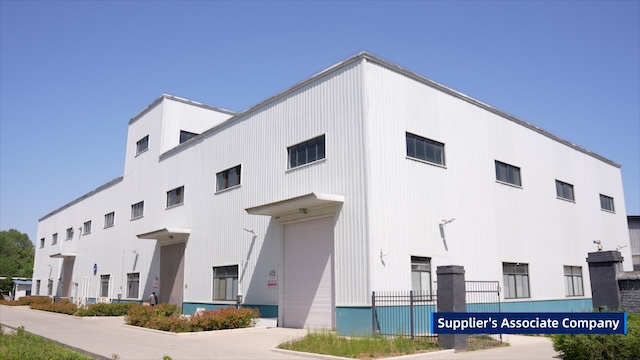
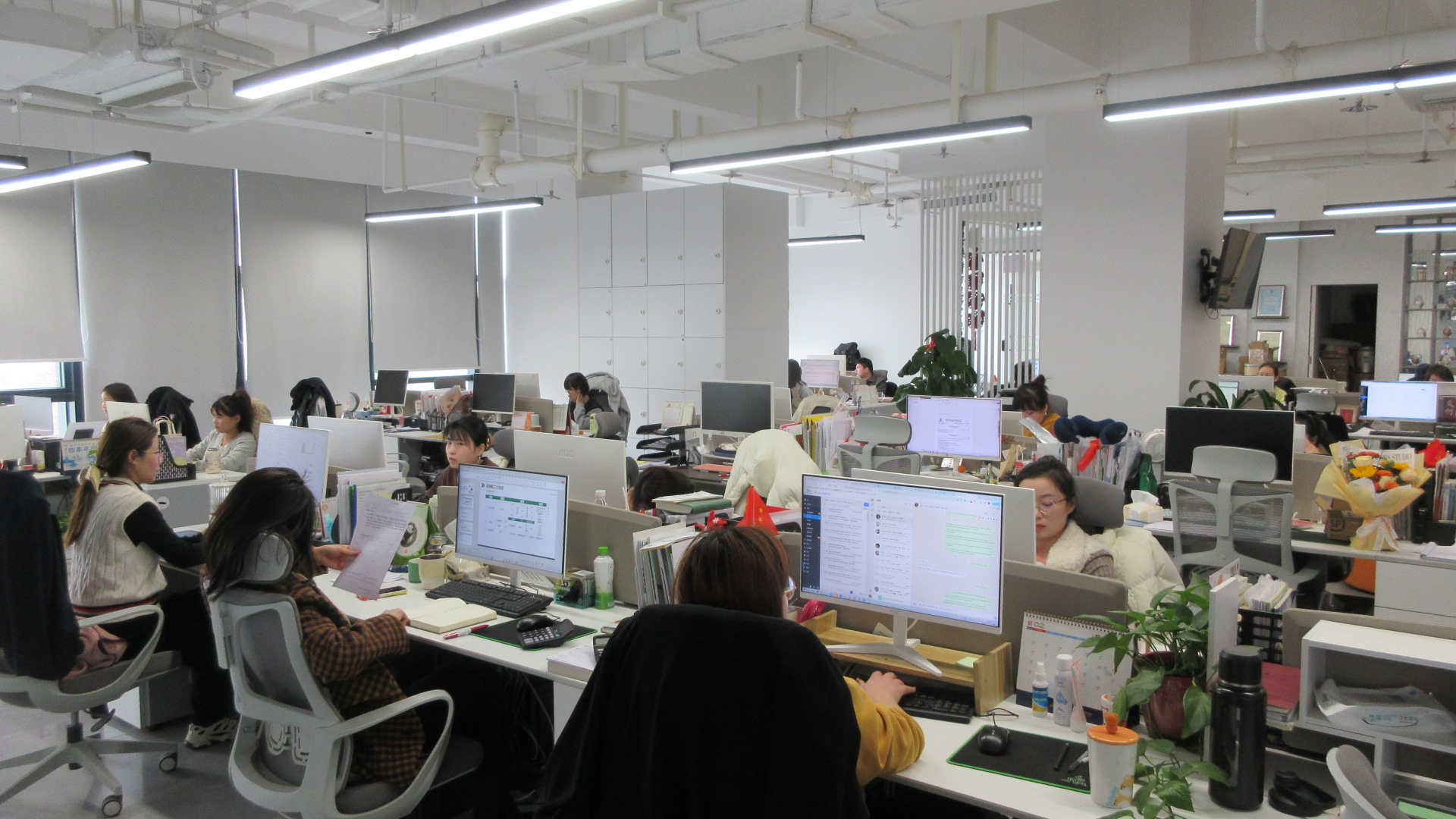
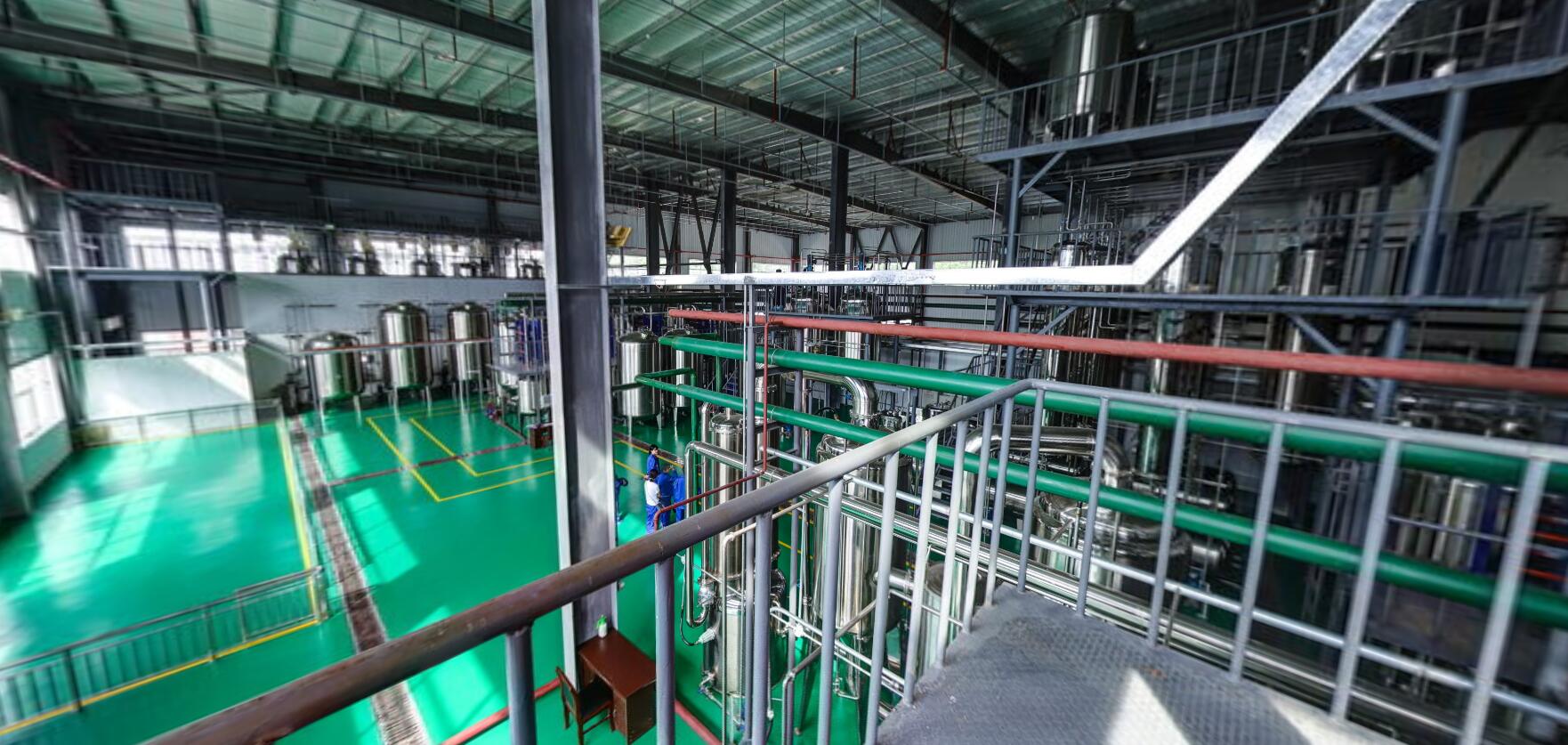
BKYULA Biotech Co., Ltd. operates integrated manufacturing facilities equipped with modern extraction tanks, vacuum concentration chambers, automated spray drying systems, and cryogenic micronizers. With nearly 15 years in active botanical extraction and an annual export value exceeding US$4.28M across global markets, we deliver consistent alkaloid assays, batch after batch.
Our quality management system is verified onsite by the SGS Group and operates under ISO 9001:2015, ISO 22000, and HACCP standards. Dedicated production lines maintain full Halal and Kosher certification compliance, preventing cross-contamination and assuring compliance with Islamic manufacturing standards required by Malaysian and Indonesian buyers.
Essential answers regarding customs clearance, regulatory standards, delivery timelines, and testing documentation.
Request lot-specific Certificates of Analysis, technical whitepaper documentation, and free evaluation samples delivered directly to your manufacturing facility in Johor Bahru.