 English English
Our cGMP-aligned manufacturing facility provides high-potency functional ingredients to complement your broken cell chlorella formulations. From high-stability vitamins to spray-dried functional fruit powders, every batch is HPLC/UV tested for purity and biological activity.
A comprehensive examination of mechanical cell-cracking techniques, nutritional preservation kinetics, and industrial formulation parameters for Caribbean nutraceutical manufacturers.
Chlorella species, notably Chlorella pyrenoidosa and Chlorella vulgaris, represent one of Earth's most nutrient-dense photosynthetic organisms, synthesizing abundant levels of crude protein (≥60%), Chlorella Growth Factor (CGF), chlorophyll-a and chlorophyll-b, beta-glucans, and essential cobalamins (active Vitamin B12). However, wild-type and conventionally spray-dried chlorella possess an outer cell wall composed of complex, cross-linked microfibrillar cellulose, hemicellulose, and sporopollenin-like glucosamine polymers. Because the human gastrointestinal tract lacks the endogenous cellulose-degrading enzyme complex (β-1,4-glucanase), intact chlorella demonstrates an abysmal in vitro gastrointestinal digestibility rate ranging between only 42% and 47%.
When uncracked microalgae passes through the human stomach and small intestine, over 50% of the active peptide bonds, amino acids, and bound minerals remain entrapped within the intact cell matrix, resulting in significant bio-waste, flatulence, and negligible nutritional uptake. For formulators in Spanish Town and the wider Caribbean Community (CARICOM) manufacturing functional beverages, tablets, and powders, raw material selection must prioritize verified, low-temperature mechanical disruption to guarantee complete intracellular bio-accessibility.
Industrial processing facilities employ diverse mechanical and non-mechanical techniques to breach the chlorella cell wall. Non-mechanical approaches, including chemical acid-base digestion, prolonged high-temperature autoclaving, and enzymatic degradation, frequently suffer from massive drawbacks. Enzymatic lysis using industrial cellulase introduces exogenous allergen risks and elevates production costs unsustainably, while thermal autoclave treatment irreversibly denatures heat-labile Chlorella Growth Factor (CGF nucleotide-peptide complexes) and oxidizes vital polyunsaturated fatty acids (such as linolenic and alpha-linolenic acids).
Our facility utilizes Advanced Dyno-Mill Mechanical Bead-Milling coupled with ultra-high-pressure hydrodynamic homogenization under continuous chilled-jacket temperature control (<38°C). Microscopic zirconia/glass media beads generate intense shear forces, collision friction, and micro-cavitation shocks that crack the outer cellulosic envelope without incinerating delicate phytonutrients. As measured by optical phase-contrast microscopy and methylene blue intracellular dye exclusion tests, our commercial batch process delivers a consistent 85% to 92% cell-cracking rate, driving human in vitro pepsin-pancreatin protein digestibility to >82.5%.
| Analytical Parameter | Intact Raw Chlorella (Unprocessed) | Enzymatic Hydrolysis Grade | BKYULA Advanced Dyno-Milled (Broken Cell) |
|---|---|---|---|
| Cell Wall Rupture Rate (%) | 0% – 8% (Natural cell lysis) | 65% – 75% (Enzyme dependent) | 88.5% – 92.4% (Standardized) |
| Pepsin Digestibility Index | 43.2% ± 2.1% | 72.5% ± 3.0% | 84.1% ± 1.8% (USP/AOAC Validated) |
| Chlorella Growth Factor (OD 260nm) | Intracellular, unreleased | Partially degraded by heat | ≥ 2,500 units/100g (Preserved active) |
| Total Chlorophyll (mg/100g) | 2,100 – 2,400 mg | 1,500 – 1,800 mg (Oxidized) | ≥ 2,800 mg/100g (Non-thermal milling) |
| Heavy Metals (Pb / As / Cd / Hg) | Variable, environmental | Variable, processing residues | Pb<1.0, As<1.0, Cd<0.5, Hg<0.1 ppm (Strict COA) |
| Bulk Density & Mesh Size | Coarse irregular / 60 mesh | Clumping hygroscopic paste | Free-flowing 100–120 mesh powder / 0.50–0.65 g/mL |
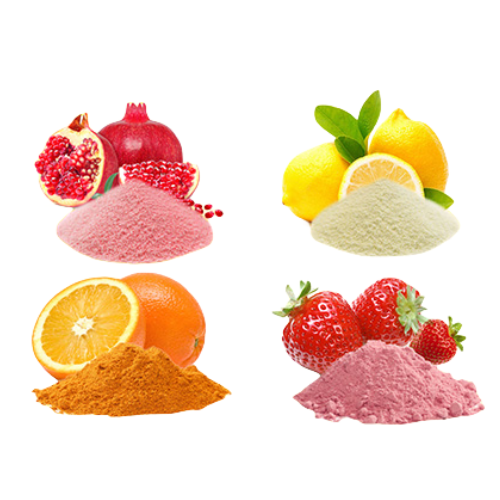
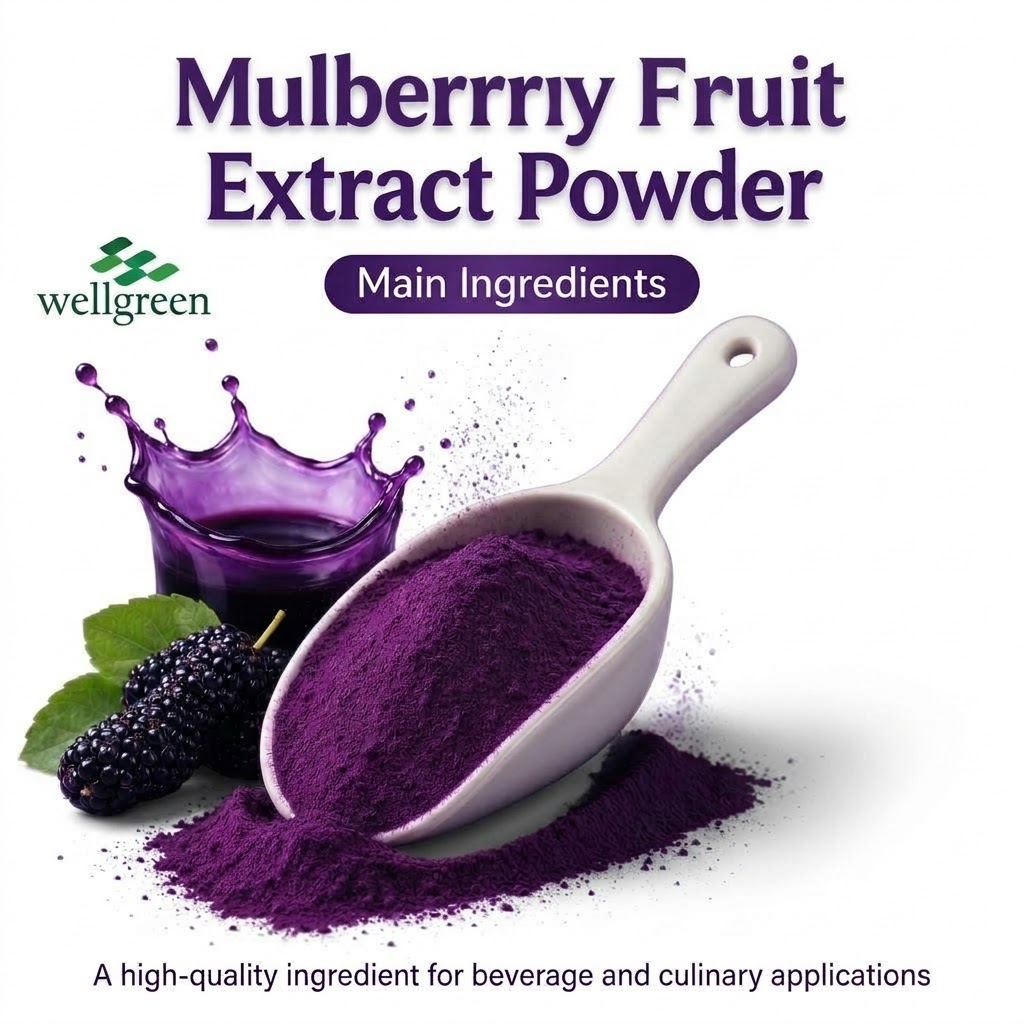
In modern dietary supplement production, broken cell chlorella rarely stands alone. Contract packaging plants in Jamaica and the wider West Indies are pairing microalgae powders with high-performance botanical matrices to achieve multi-targeted physiological functions. For example, combining chlorella with our Freeze-Dried Mixedberry Vitamin C establishes an ideal redox environment: the exogenous ascorbic acid maintains chlorella-bound bioavailable non-heme iron in its reduced ferrous ($Fe^{2+}$) state, drastically amplifying absorption in the human duodenum. Similarly, pairing chlorella with our Water Soluble Mulberry Fruit Extract introduces 1-deoxynojirimycin (DNJ) and anthocyanins, which modulate postprandial glucose surges while chlorella provides sustained amino acid release.
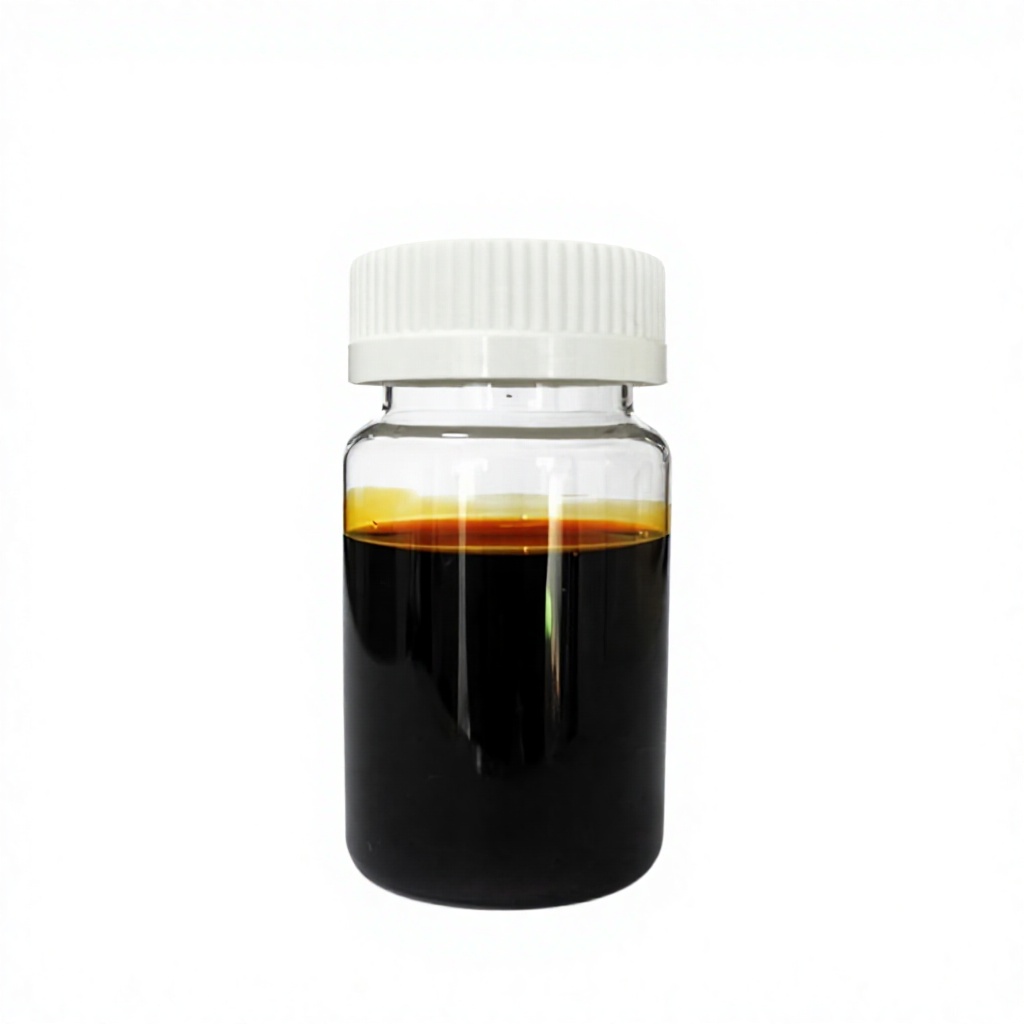
Furthermore, when blending high-density microalgae into ready-to-drink (RTD) botanical tonics, formulators often struggle with phase separation and sedimentation. Implementing low concentrations of our Factory Supply High Quality Soapbark Liquid Extract introduces natural Quillaja triterpenoid saponins, functioning as an authentic organic food-grade surfactant that stabilizes the insoluble chlorella micro-particulates without artificial emulsifiers.
Strategically positioned near the Kingston logistics corridor, Spanish Town represents Jamaica's premier hub for agri-processing, contract manufacturing, beverage packaging, and commercial feed production.
Spanish Town and nearby industrial estates house large-scale bottling facilities manufacturing traditional Caribbean tonics, spiced roots drinks, and nutraceutical juices. Broken cell chlorella provides deep emerald natural pigmentation, zero synthetic dye requirements, and a high-potency micro-nutrient profile that enriches traditional sea moss, sarsaparilla, and ginger-based vitality tonics across the Caribbean retail landscape.
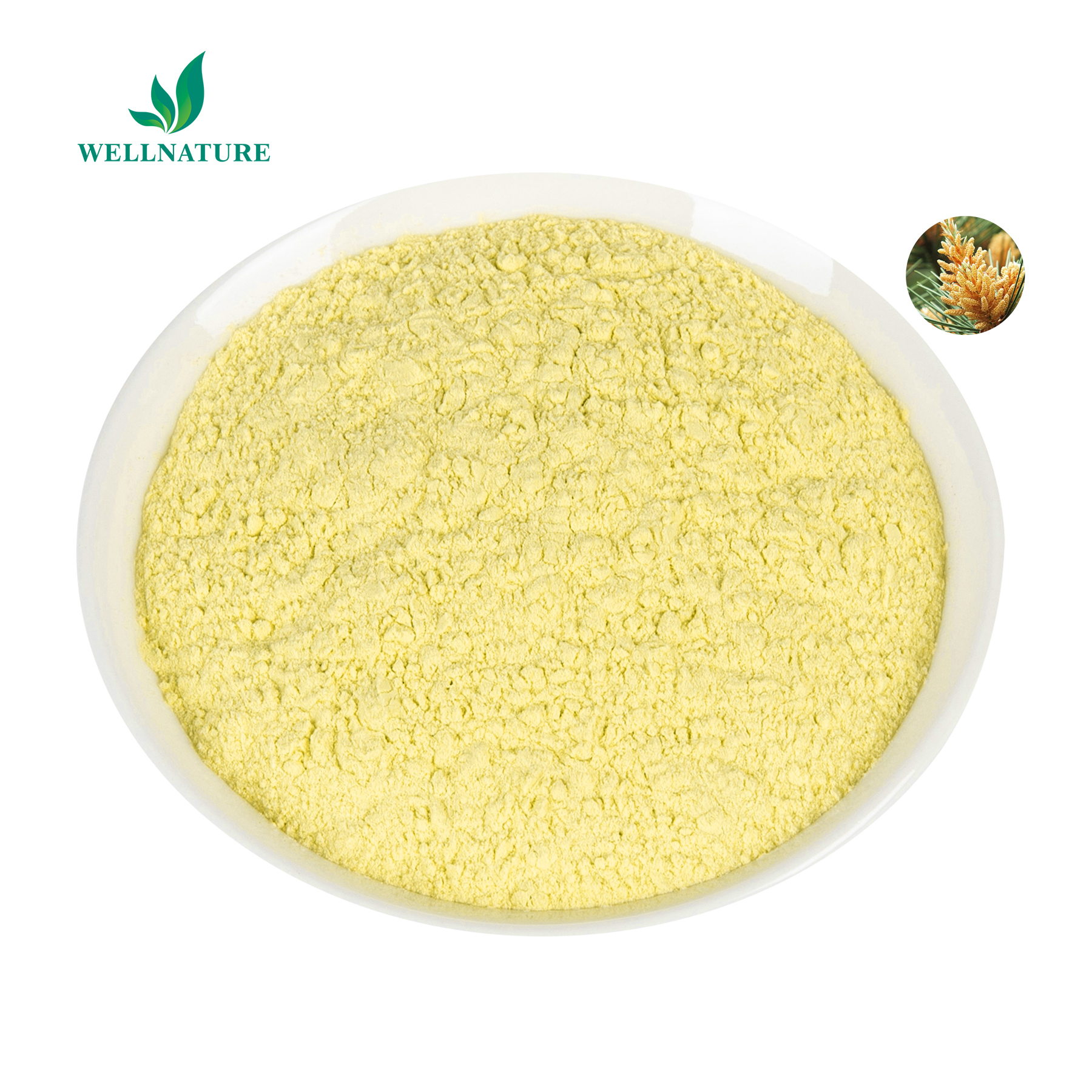
With Jamaica serving as a world-class luxury wellness destination (from Montego Bay to Negril), resort spas and health retreats demand superfood blends, alkalizing green detox sachets, and meal replacement powders. Local packaging brands source our broken cell chlorella and Pine Pollen Extract Powder 20:1 in bulk drum formats, completing secondary encapsulation and sachet packaging within Spanish Town facilities.
St. Catherine's extensive agricultural basin and tilapia aquaculture ventures utilize our feed-grade broken cell chlorella. Holding FAMI-QS compliance, chlorella's rich beta-glucan content and bioavailable amino acid array act as an authentic non-antibiotic growth promoter (AGP), dramatically bolstering fry survival rates, aquatic immune response, and natural carotenoid pigmentation in commercial Caribbean livestock.
As Jamaica's former capital and St. Catherine Parish's industrial nucleus, Spanish Town is directly linked via the Nelson Mandela Highway and Highway 2000 to the Port of Kingston — the premier deep-water transshipment hub of the entire Caribbean Basin. Purchasing agents and production managers operating inside Spanish Town Industrial Park or Twickenham Park benefit from streamlined customs clearance, direct 20ft/40ft maritime container drayage, and significantly reduced domestic overland freight fees compared to interior manufacturing facilities.
By establishing containerized contract supply lines with our factory, Spanish Town formulators ensure uninhibited stock levels, eliminating the risk of stockouts during peak tourist and agricultural bottling seasons across the CARICOM territory.
Analyzing consumer demand shifts, regulatory standards under the CARICOM Single Market and Economy (CSME), and industrial import-substitution programs driving plant-derived superfood processing.
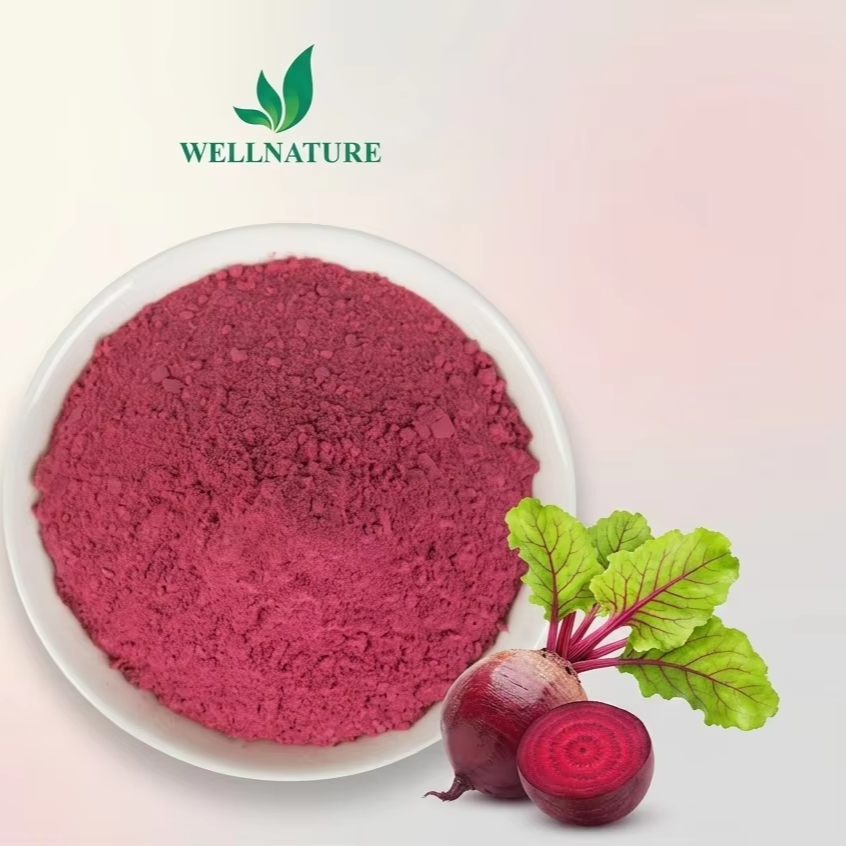
Consumers across Jamaica, Trinidad, Barbados, and the wider Caribbean diaspora are actively rejecting artificial food colorings (e.g., FD&C Yellow #5, Blue #1) and synthetic multivitamin premixes. Broken cell chlorella satisfies modern retail demands for authentic front-of-package declarations: “100% Wholefood Plant Origin,” “Non-GMO,” and “Natural Source of Riboflavin & Iron.” Blending chlorella with our Beet Root Juice Powder provides vivid chromatic palettes ranging from vibrant emerald green to deep antioxidant rubies, totally clean-label and heat-stable.
Under CARICOM Single Market rules, value-added food products manufactured in Spanish Town utilizing imported bulk active ingredients can qualify for preferential duty-free tariff regimes across member nations, provided regional transformation thresholds are achieved. By importing industrial 25kg drums of certified broken cell chlorella powder, local processors formulate finished, shelf-ready tablets, drink mixes, and functional capsules that circulate throughout the Caribbean Basin without incurring prohibitive import surcharges.
Formulating microalgae products in tropical Caribbean marine environments presents severe engineering hurdles: high ambient temperatures (regularly exceeding 32°C) combined with relative atmospheric humidity rates often above 80%. Intact and poorly milled chlorella exposes ruptured lipids to atmospheric moisture, causing rapid lipid peroxidation, unpleasant rancidity, and chlorophyll degradation into brown pheophytin.
Our manufacturing and export process overcomes tropical degradation through two distinct technical safeguards:
Operating nearly 15 years within the botanical extraction and microalgae biotechnology sector, our Xi'an manufacturing plant combines German-engineered dynamic disruption mills, stainless extraction loops, and a fully equipped in-house analytical testing center.
Our physical factory premises, processing workshops, worker sanitary protocols, and quality tracking systems are audited and verified onsite by the SGS Group. Buyers in Spanish Town can review comprehensive verification credentials, eliminating the intermediary risks associated with unverified trading brokers.
Every single production batch undergoes strict laboratory verification before COA release. Our laboratory is equipped with dual High-Performance Liquid Chromatography (HPLC) towers, UV-Vis Spectrophotometers, Atomic Absorption Spectrometers (AAS for heavy metals), and full class-10,000 microbiology clean benches.
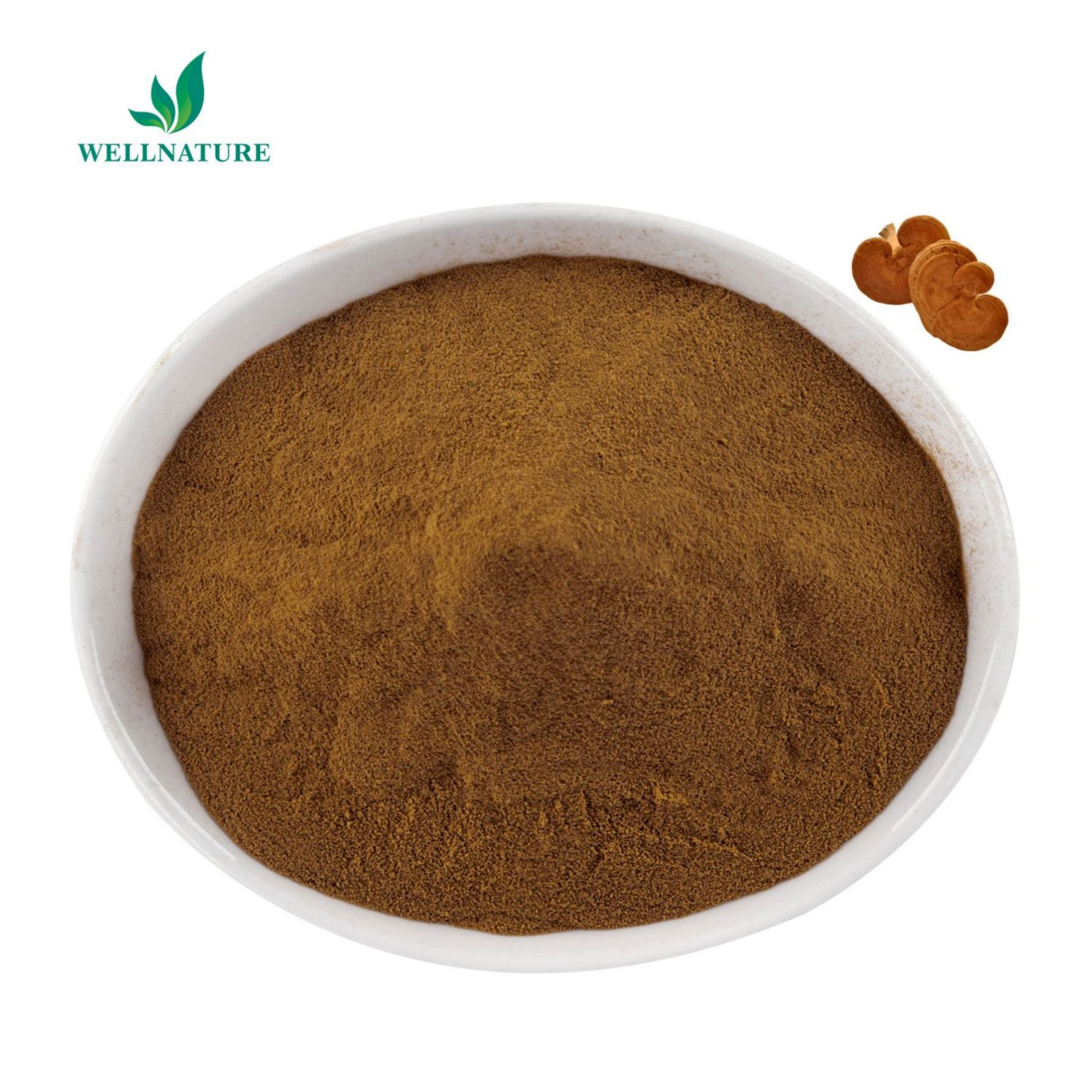
We empower both pilot-stage formulation laboratories and industrial manufacturing enterprises. While our standard industrial packaging is 25kg drums, pilot formulation orders for high-value actives (such as our liposomal vitamins and concentrated mushroom extracts like 40% Polysaccharides Reishi) start at just 1kg.
Our standardized production pipeline follows six tightly controlled quality milestones, fully compliant with ISO 22000 and HACCP management frameworks:
Closed photo-bioreactor or monitored outdoor circular raceway ponds with constant DO, pH, and mineral feeding to prevent contaminant accumulation.
High-speed disc-stack centrifuges wash and dewater the biomass multiple times with reverse-osmosis purified water to eliminate extracellular salts.
Continuous mechanical micro-impact bead milling under 35°C jacket cooling guarantees >88% cell rupture while preserving live enzymatic and peptide integrity.
Instantaneous micro-droplet drying in sanitary towers yields free-flowing, 100-mesh uniform micro-particles with residual moisture strictly capped under 6%.
Full panel HPLC assay, AAS heavy metal clearance (lead, cadmium, mercury, arsenic), irradiation screen, and total aerobic plate/pathogen count verification.
Automated nitrogen flush sealing into double-layer pharmaceutical foil liners within sealed HDPE export drums, palletized and shrink-wrapped for maritime transport.
Clear, definitive answers addressing logistical timetables, customs clearance documents, shelf-stability verification, and custom manufacturing terms for Jamaican buyers.
For containerized ocean freight (LCL or 20ft/40ft FCL), transit times from our departure ports typically range between 28 to 35 days to Kingston Wharves. Once docked, local clearing and drayage along the Mandela Highway to Spanish Town warehouses generally takes 48 to 72 hours. For rush R&D trials or low-volume sample batches (1kg – 50kg), express air freight via DHL/FedEx arrives at Norman Manley International Airport (KIN) within 5 to 7 business days.
Every production batch is sampled according to USP/ISO randomized protocols and evaluated under phase-contrast optical microscopy using methylene blue intracellular permeability staining. Because intact chlorella cell membranes completely exclude methylene blue while ruptured envelopes permit uptake, a hemocytometer cell count quantitatively determines the rupture percentage. Your shipment includes an official batch-specific Certificate of Analysis (COA) specifying the exact verified cracking percentage (always ≥85.0%).
We provide a comprehensive international export dossier tailored to Jamaican regulatory criteria: commercial invoice, packing list, sea waybill/bill of lading, batch Certificate of Analysis (COA), Certificate of Origin (COO), Non-Radiation Declaration, Non-GMO Statement, Allergen Sheet, and full MSDS. Furthermore, our ISO 22000, HACCP, Halal, and Kosher certifications are authenticated to facilitate rapid clearance by the Bureau of Standards Jamaica (BSJ) and the Ministry of Health & Wellness.
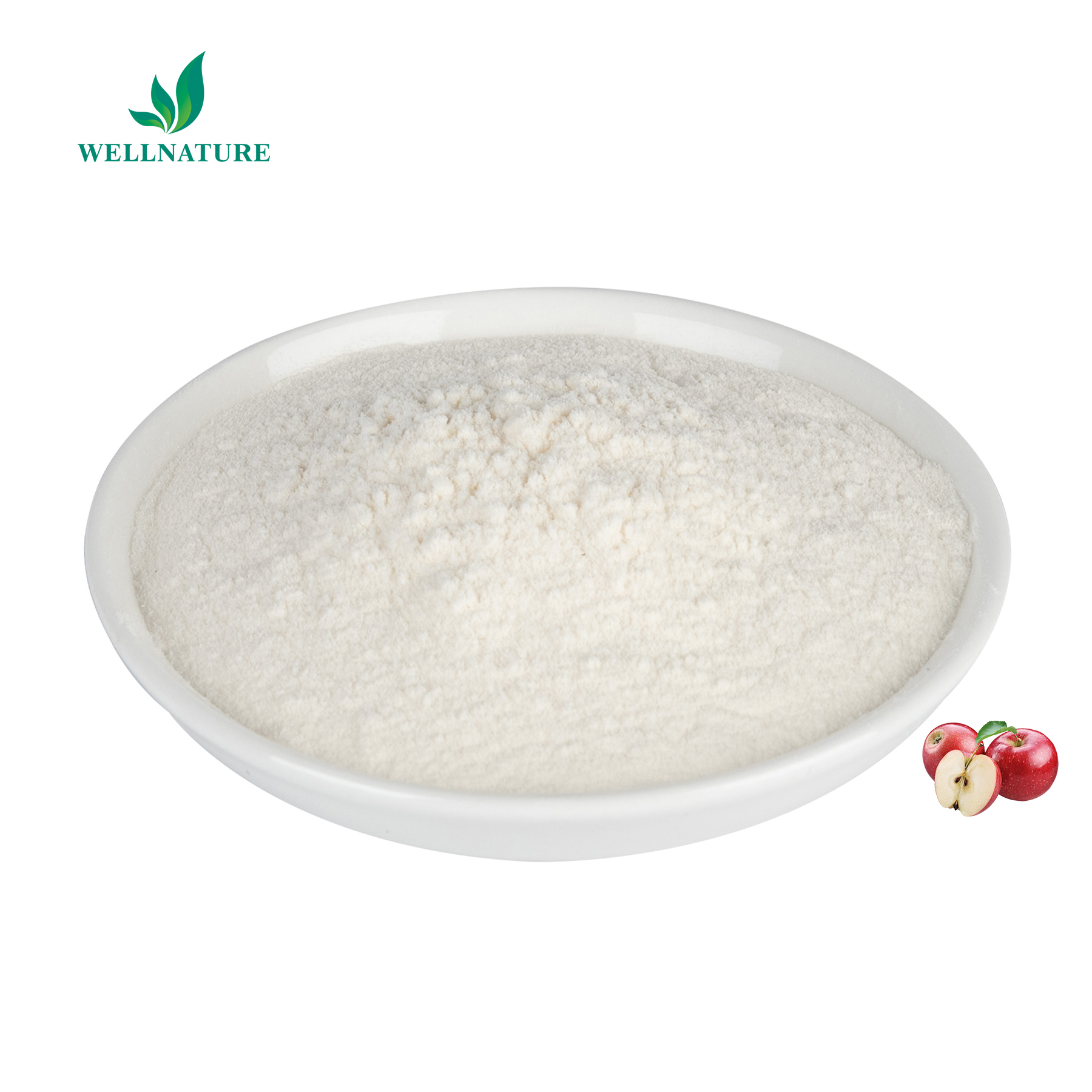
Yes. Beyond raw bulk powder supply, our facility operates high-speed rotary tableting machines, blenders, and automatic blister/bottle packaging lines. We formulate 200mg, 250mg, 400mg, and 500mg pure chlorella tablets or 50/50 Chlorella-Spirulina hybrid formulations without synthetic binders. We also produce customized ready-to-drink powder mixes incorporating our Organic Apple Cider Vinegar Powder or Liposomal Vitamin D3 Powder, packed in private-label pouches with your brand branding.
Our broken cell chlorella possesses an officially certified 24-month stability shelf life from the date of manufacture when stored unopened in a dry, cool warehouse below 25°C. Thanks to our primary moisture barrier vacuum packing and nitrogen flushing, the product remains impervious to ambient tropical relative humidity during storage and customs clearing. Once drums are opened inside local manufacturing rooms, we advise resealing with the internal moisture-tight clamp or processing in air-conditioned clean suites.
We routinely execute shipments under FOB (China base ports), CIF (Kingston, Jamaica), CFR, and CIP air terms. For established manufacturing accounts, we facilitate flexible international commercial settlement via T/T (Telegraphic Transfer), Irrevocable Commercial Letter of Credit (L/C at sight), D/P, PayPal, and Western Union in USD currency. Full tracking milestones and digital document pre-checks are delivered prior to cargo vessel departure.