English English
Explore our factory-direct raw ingredients rigorously assayed via HPLC and UV spectrophotometry, engineered specifically for high-humidity ASEAN formulations and Philippine manufacturing facilities.
Berberine Hydrochloride (C20H18ClNO4 • xH2O, CAS No: 633-65-8) is a quaternary isoquinoline alkaloid traditionally isolated from botanicals such as Phellodendron amurense (Cortex Phellodendri), Berberis aristata, and Coptis chinensis. As an enterprise manufacturer supplying the Philippine pharmaceutical and nutraceutical processing hubs, our factory processes raw botanical cortex through precision-controlled ethanolic countercurrent extraction, acid-base crystallization, and vacuum recrystallization to deliver a bright yellow crystalline powder characterized by outstanding chemical purity (≥97.0% to ≥98.0% evaluated via High-Performance Liquid Chromatography).
Under stringent CE and European Pharmacopoeia (EP) compliance standards, each batch is formulated to eliminate residual crystallization solvents, control trace elemental contaminants (Arsenic, Lead, Cadmium, Mercury), and prevent polymorphic conversion. For Philippine procurement officers managing import consignments through the Port of Manila (POM) or Manila International Container Port (MICP), our berberine raw material provides predictable dissolution kinetics, superior free-flowing handling properties, and complete Certificate of Analysis (COA) transparency.
| Analytical Parameter | Technical Method | Certified Factory Specification | Philippine Regulatory Compliance |
|---|---|---|---|
| Assay (Berberine HCL on dry basis) | HPLC (Internal Standard method) | ≥ 97.0% – 98.5% | Exceeds PFDA Nutraceutical & API thresholds |
| Appearance & Physical Form | Organoleptic / Visual inspection | Yellow crystalline powder; intensely bitter | Uniform crystalline habit; low static agglomeration |
| Identification | Infrared Spectrophotometry (FTIR / TLC) | Conforms to reference spectrum standard | Positive reference match with Pharmacopoeial monographs |
| Loss on Drying (Moisture) | Thermogravimetric Oven (105°C, 5 hrs) | ≤ 12.0% | Optimized for Zone IVb tropical stability |
| Residue on Ignition (Sulfated Ash) | Muffle Furnace (600°C) | ≤ 0.20% | Guarantees low mineral & salt residue |
| Heavy Metals (Pb, As, Cd, Hg) | ICP-MS (Inductively Coupled Plasma) | Pb ≤ 2.0 ppm, As ≤ 1.0 ppm, Cd ≤ 1.0 ppm, Hg ≤ 0.1 ppm | Fully compliant with ASEAN Heavy Metal Guidelines |
| Total Aerobic Microbial Count (TAMC) | USP <61> / Plate Count Agar | ≤ 1,000 CFU/g | Sterilized processing under ISO 22000 environment |
| Total Yeast & Mold Count (TYMC) | USP <61> / Sabouraud Dextrose | ≤ 100 CFU/g | Aseptic clean-bench verified control |
| Pathogens (E. Coli, Salmonella, S. Aureus) | USP <62> Chromogenic testing | Negative in 25g | Zero tolerance pathogenetic release protocol |
Our industrial extraction lines use specialized low-temperature vacuum crystallization tanks that prevent high shear stress. This yields a standardized particle size distribution (80–100 mesh) that minimizes machine hopper clogging during high-speed capsule filling in pharmaceutical factories.
The Philippines experiences an equatorial climate classified as Zone IVb (30°C and 75% relative humidity). Our Berberine HCL is packed in heat-sealed multi-layer aluminum foil pouches and pharma-grade desiccated drums, protecting the powder from moisture uptake, color shifts, and caking.
Every commercial batch is accompanied by an unbroken traceable paper trail, including Certificate of Origin (Form E for zero or preferential tariffs), raw botanical lot numbers, batch COA, Allergen Declarations, Non-GMO verification, and technical Material Safety Data Sheets (MSDS).
Tailoring raw botanical alkaloid integration into local commercial manufacturing, consumer wellness, and agricultural production facilities in Luzon, Visayas, and Mindanao.
With lifestyle-related non-communicable diseases (Type II diabetes, dyslipidemia, metabolic syndrome) on the rise across Metro Manila and urban centers, local nutraceutical brands are formulating high-strength Berberine HCL supplements (500mg per dose). Berberine operates biologically via AMP-activated protein kinase (AMPK) phosphorylation, enhancing cellular glucose uptake and modulating lipid metabolism.
Our raw powder features optimal flowability and tapped density, allowing smooth blending with microcrystalline cellulose (MCC), magnesium stearate, and silicon dioxide on automated rotary tablet presses and encapsulators.
As the Philippine Bureau of Animal Industry (BAI) limits the preventative use of Antibiotic Growth Promoters (AGPs), the commercial livestock and hog industries in Bulacan, Pampanga, and Batangas are adopting botanical antimicrobial alkaloids. Berberine HCL demonstrates documented inhibitory properties against intestinal pathogens including Escherichia coli and Salmonella typhimurium.
Manufactured under FAMI-QS guidelines, our animal-nutrition grade Berberine powder exhibits high thermal stability through pelleting conditioners and extruders, stabilizing gut barrier integrity and improving feed conversion ratios (FCR).
While natural berberine is intensely bitter and exhibits limited baseline water solubility (approx. 1.5–2.0 mg/mL at 25°C), emerging Philippine functional beverage formulators are deploying micro-encapsulation and liposomal delivery systems. Our engineering lab works closely with R&D beverage chemists to supply micronized Berberine HCL (ultrafine 200 mesh) suited for flavor-masking complexes, cyclodextrin inclusion blends, and powdered nutritional drink stick packs.
The demand for high-purity Berberine HCL across the Philippine archipelago is accelerated by a structural paradigm shift in preventative consumer healthcare. According to epidemiological data from the Department of Health (DOH) and the Food and Nutrition Research Institute (FNRI), metabolic disorders and elevated blood glucose rates have stimulated unprecedented consumer retail interest in plant-derived metformin alternatives, commonly referred to across social commerce as "nature's metabolic regulator."
However, navigating the Philippine regulatory framework requires sophisticated manufacturing validation. The Food and Drug Administration of the Philippines (PFDA), operating under Administrative Order No. 2014-0029 and Circulars governing Food Supplements, mandates strict compliance for raw ingredient importation. Formulators and toll manufacturers must ensure that incoming bulk raw materials satisfy:
Our manufacturing plants in Xi'an, Shaanxi, operate under complete ISO 9001:2015, ISO 22000, HACCP, HALAL, KOSHER, and FAMI-QS accreditations. Having completed comprehensive onsite supplier verifications by SGS Group, we equip Philippine brand holders with all compulsory technical filings, ensuring smooth customs processing at Manila, Subic Bay, or Batangas ports.
Over 15 years of technical extraction discipline, handling 51–100 expert chemists, technicians, and international trade specialists with a verified annual export turnover exceeding US$4.28M.
From raw botanical harvesting to crystal pulverization, our six-stage production process is governed by a unified Quality Management System. Raw bark extracts undergo dynamic countercurrent extraction in closed multi-functional stainless steel tanks, ensuring temperature-regulated solvent circulation without oxidative thermal degradation of fragile alkaloid bonds.
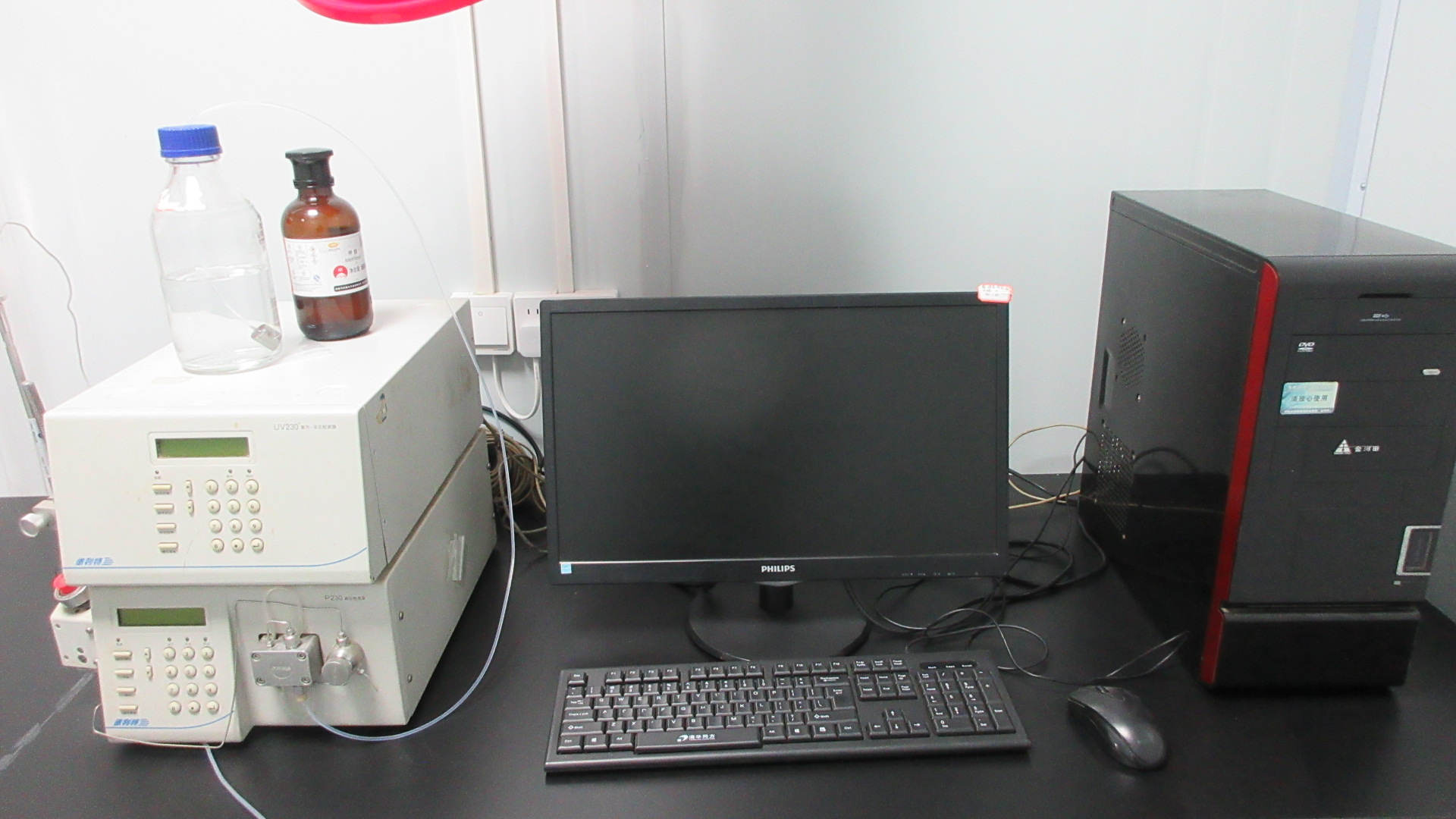
Our industrial facility houses state-of-the-art dual-effect vacuum concentration units, automated spray drying towers, and 304/316 grade stainless steel milling suites that guarantee uniform particle size distribution. We operate internal Clean Benches, Autoclaves, and cleanroom packaging spaces that prevent airborne microbial cross-contamination.
Essential answers regarding customs clearance, import documentation, stability under tropical humidity, testing procedures, and contract OEM blending.
Contact our technical export desk today to request comprehensive batch HPLC chromatograms, sample dossiers, Form E tariff reduction schedules, and direct factory pricing for your Philippine processing facilities.