 English English
Laboratory-grade phytocompounds batch-tested via HPLC/UV for rigorous European compliance, available for prompt logistics transfer across Tallinn and the greater Baltic zone.
The Baltic region—with Tallinn acting as a key maritime and technical gateway—is witnessing an unprecedented surge in demand for premium botanical adaptogens. As European health frameworks tighten around substantiation and traceability, pharmaceutical labs, functional drink manufacturers, and dietary supplement brand owners across Harju County and broader Estonia are revising their raw material sourcing blueprints. CE-compliant production standards, coupled with comprehensive ISO 22000, ISO 9001:2015, and HACCP parameters, have evolved from voluntary quality badges into compulsory market prerequisites.
Rhodiola Rosea (Golden Root / Arctic Root) extract features a complex bioactive matrix consisting predominantly of phenylpropanoids (rosavin, rosin, rosarin) and phenylethanoid derivatives (salidroside and tyrosol). In the Tallinn market, commercial formulations require rigid verification to eliminate common market adulteration—such as substituting Rhodiola crenulata (which naturally lacks rosavins) for authentic Rhodiola rosea L.. BKYULA Biotech guarantees authentic botanic provenance confirmed by High-Performance Liquid Chromatography (HPLC) fingerprinting and external validation from testing entities such as the SGS Group.
Sourcing Rhodiola Rosea into Estonia addresses distinct consumer-driven product development vectors designed for northern climates, high-stress knowledge workforces, and the burgeoning clean-label Nordic lifestyle sector:
Tallinn's tech and startup cluster drives massive consumption of focus-enhancing, burnout-preventative supplements. Rhodiola Rosea with a standardized 3:1 Rosavin-to-Salidroside ratio helps regulate salivary cortisol rhythms, mitigating physical fatigue and supporting mental acuity during protracted indoor working environments.
Estonian beverage producers are moving beyond synthetic stimulants toward non-jittery energy infusions. Our water-soluble, low-temperature vacuum-dried extract leaves zero sediment, delivering crystalline stability and subtle sensory notes compatible with sparkling botanical waters, kombuchas, and restorative tonics.
Exposed to biting winds and seasonal temperature swings, Nordic skin requires cellular resilience. Incorporating pure salidroside into topical emulsions shields fibroblasts from UV-induced oxidative stress, activates mitochondrial repair pathways, and reduces erythema caused by harsh cold-weather exposure.
The commercial landscape in Tallinn and across Estonia is experiencing structural shifts toward clean-label transparency, organic ecosystem compliance, and synergistic formulations. Several macro developments define current B2B ingredient contracts:
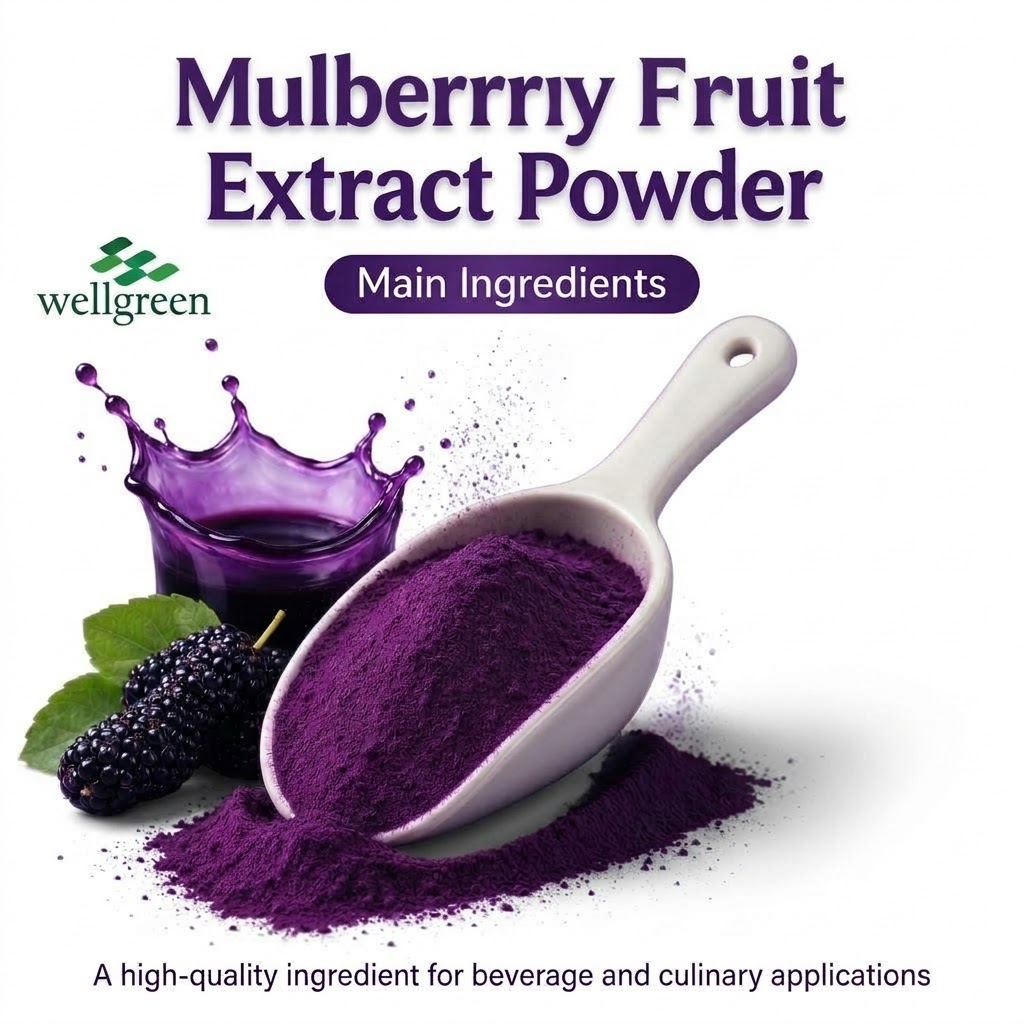
1. Shift to Validated Botanical Synergies: Product formulators are pairing Rhodiola Rosea with secondary adaptogens and cellular optimizers—such as our liposomal NMN, hydrolyzed oligopeptides, and organic berry polyphenols (mulberry and sea buckthorn)—to offer multifaceted anti-aging and daily vitality profiles.
2. Stringent Control of Residual Solvents and Heavy Metals: Driven by the European Pharmacopoeia (Ph. Eur.) guidelines and strict EU Maximum Residue Limits (MRLs), Estonian QA auditors mandate verified limits for heavy metals (Lead ≤ 3.0 ppm, Cadmium ≤ 1.0 ppm, Mercury ≤ 0.1 ppm) and pesticide multi-residue screenings prior to customs release.
3. Demand for Short-Cycle OEM/ODM Flexibility: With rapid market validation cycles in Estonia, brand operators rely on manufacturers capable of scaling from pilot batches (1 kg – 25 kg) to ton-level industrial runs, backed by complete technical dossier packaging including MSDS, BSE/TSE-free declarations, and Non-GMO certifications.
BKYULA Biotech operates dedicated extraction lines designed to protect sensitive phenolic bonds. Our integrated 6-phase engineering flow transforms botanical biomass into high-density, easily blendable extracts under strict sanitary conditions verified on-site by SGS Group.
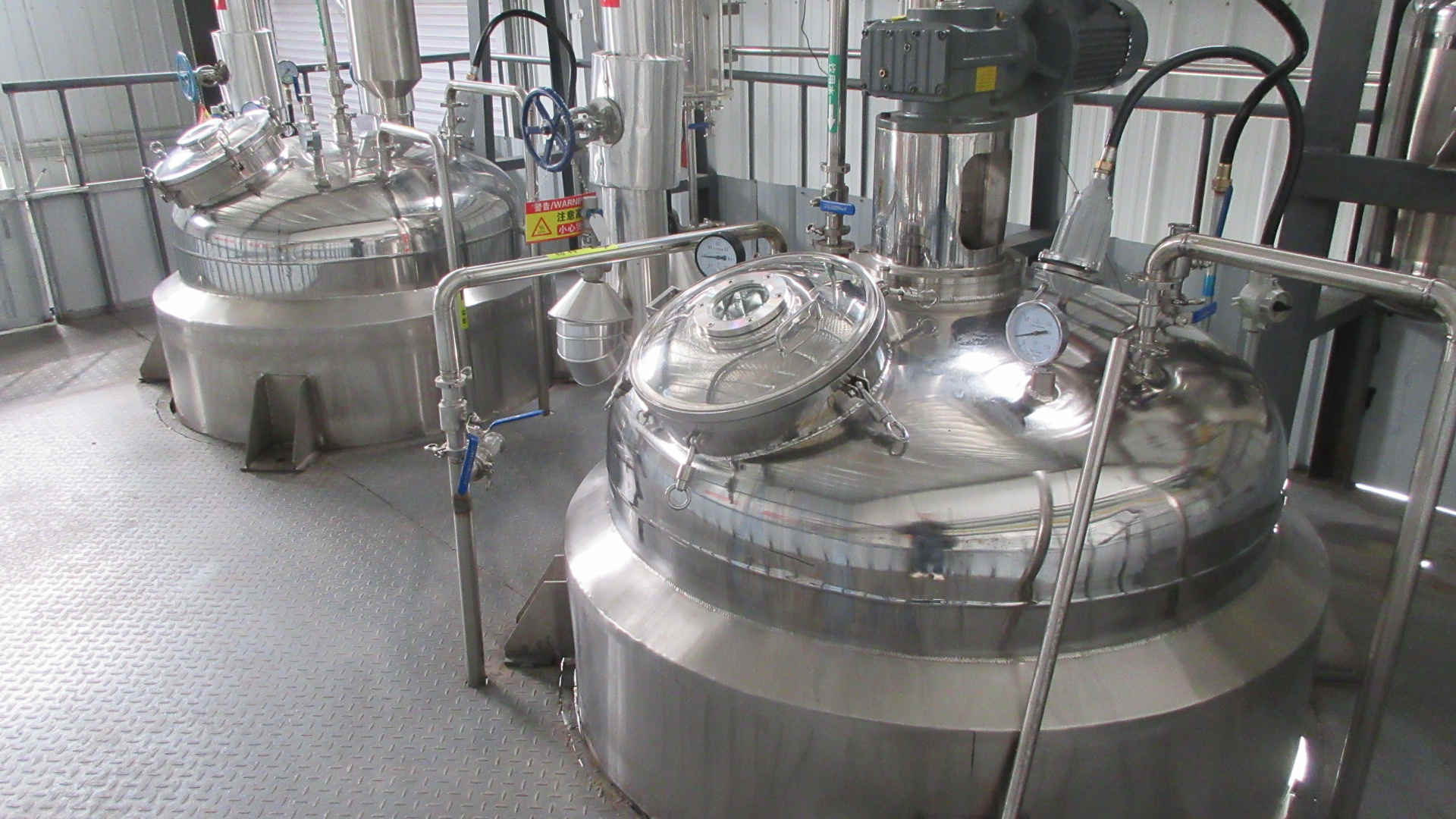
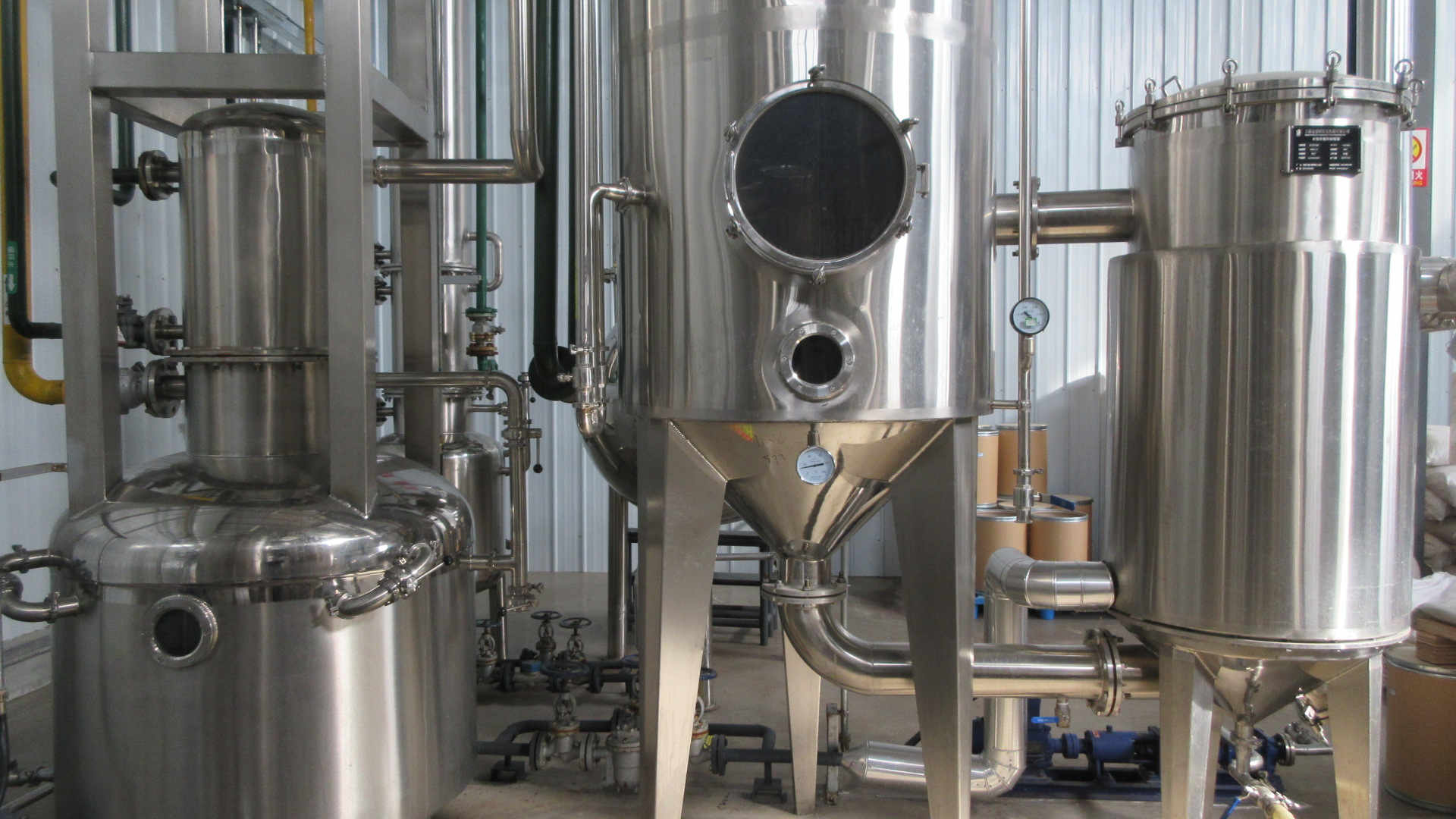
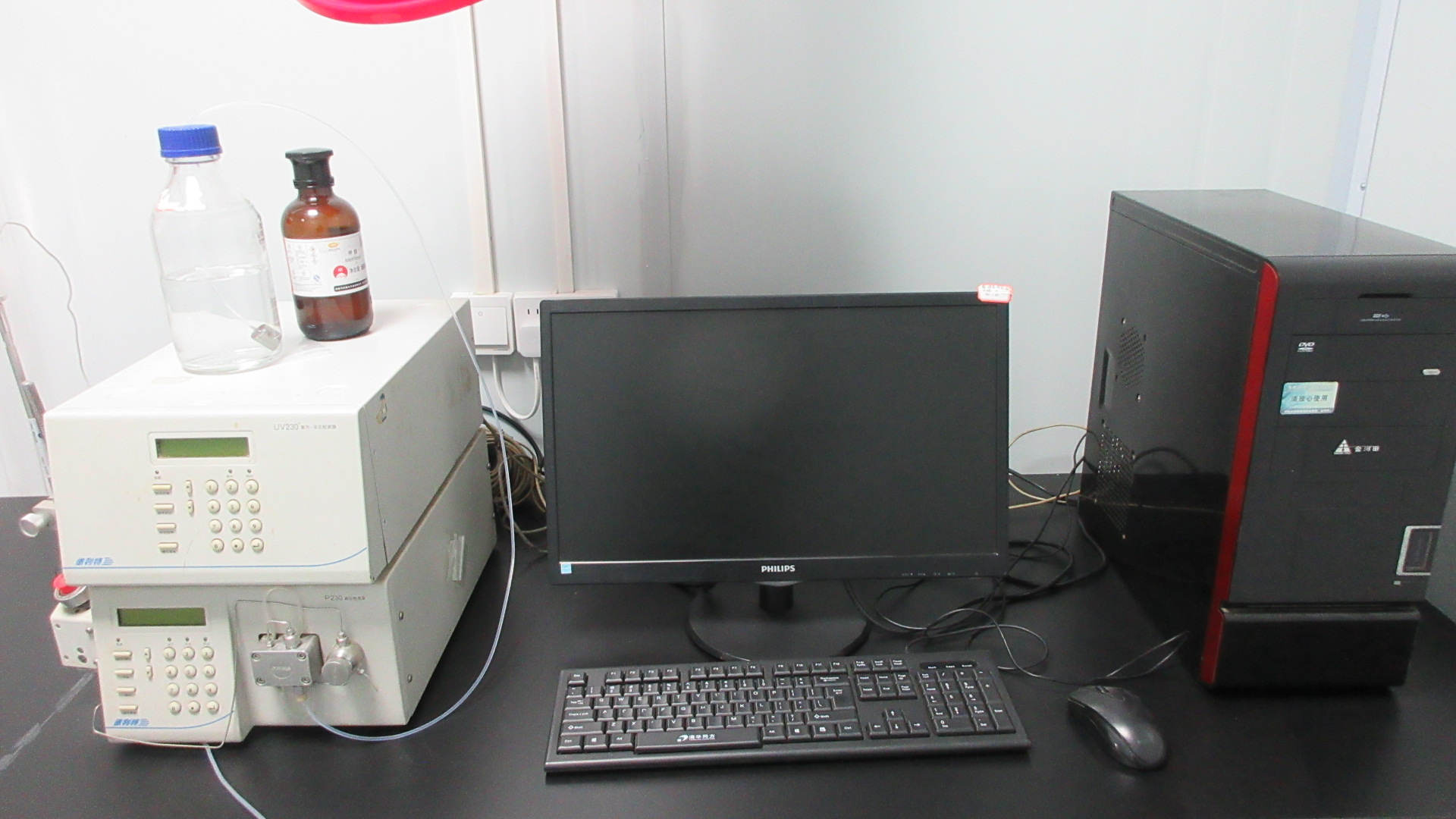
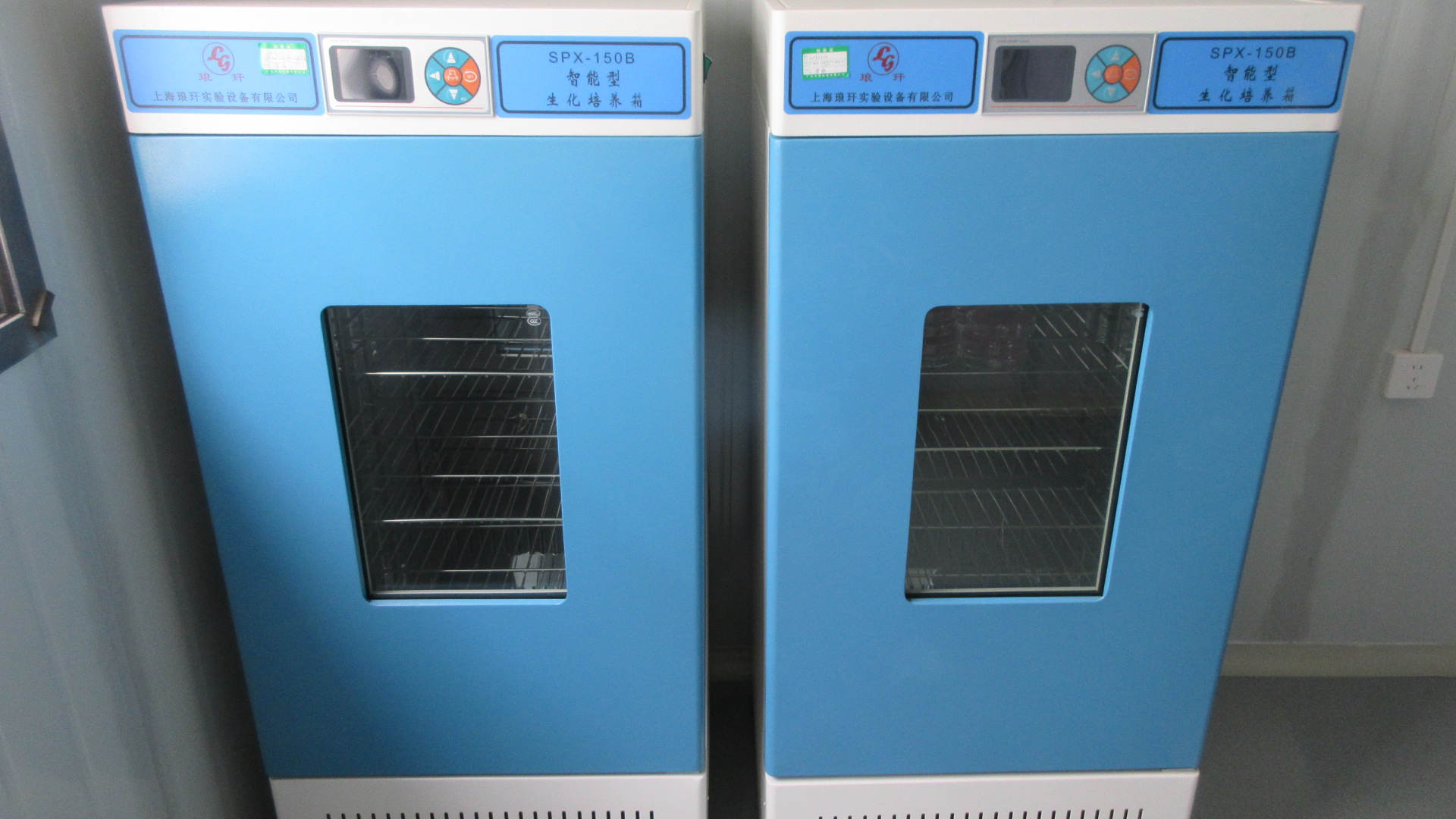
Our facility leverages low-temperature vacuum condensation to prevent thermal degradation of rosavin isomers, followed by spray drying or freeze drying options depending on client dissolution criteria. Every batch is indexed to a traceable Certificate of Analysis (COA) containing exact assay percentages, loose bulk density values, mesh sizing (standard 80–100 mesh), and zero adulterant guarantees.
Partner with an audit-verified Chinese manufacturer offering consistent batch stability, direct Baltic logistics, and complete technical support.