 English English
In addition to our flagship Magnesium L-Threonate synthesis lines, BKYULA Biotech supplies high-potency standardized extracts and verified functional actives to contract manufacturers and formulation laboratories across Balzers, Vaduz, and the broader DACH bio-health corridor.

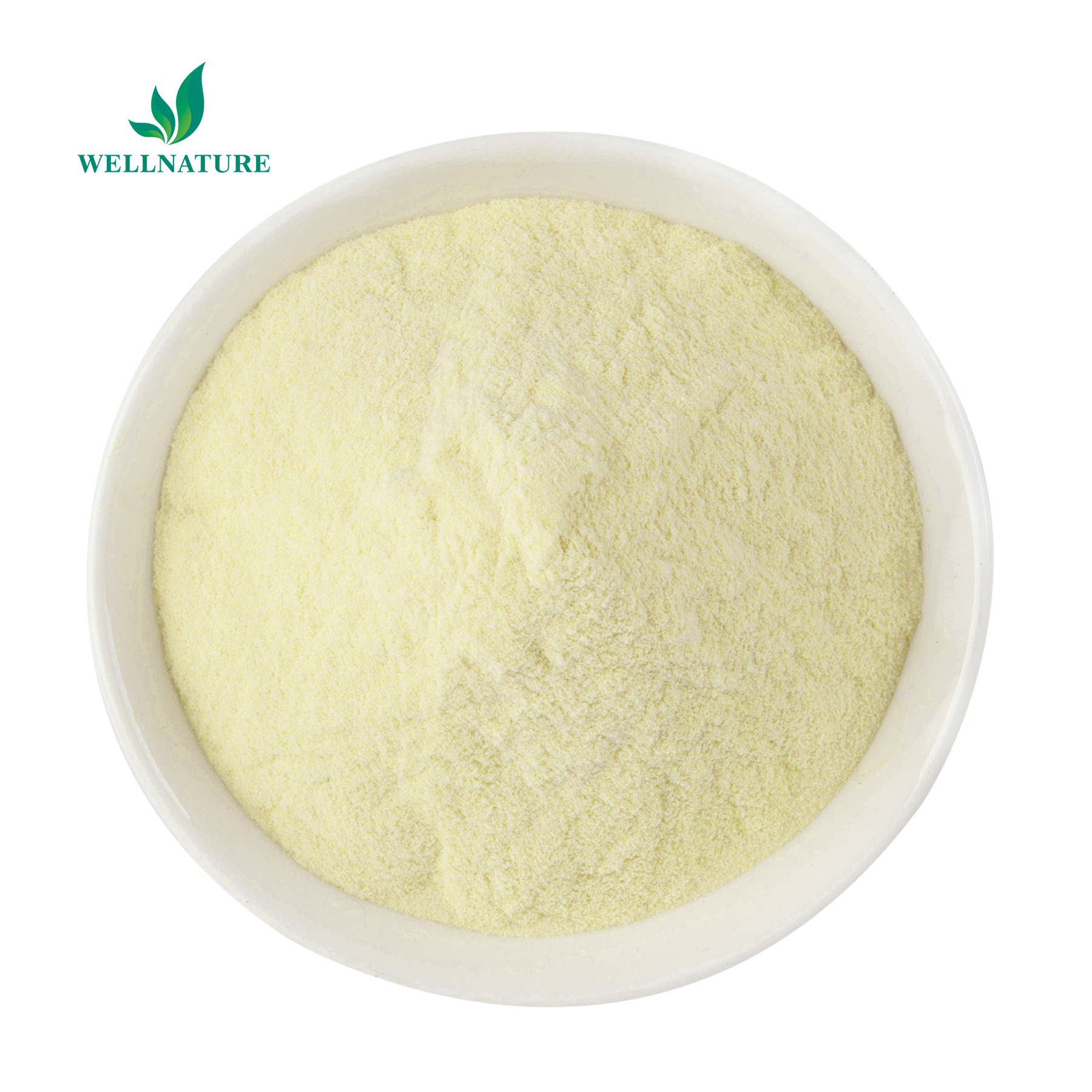
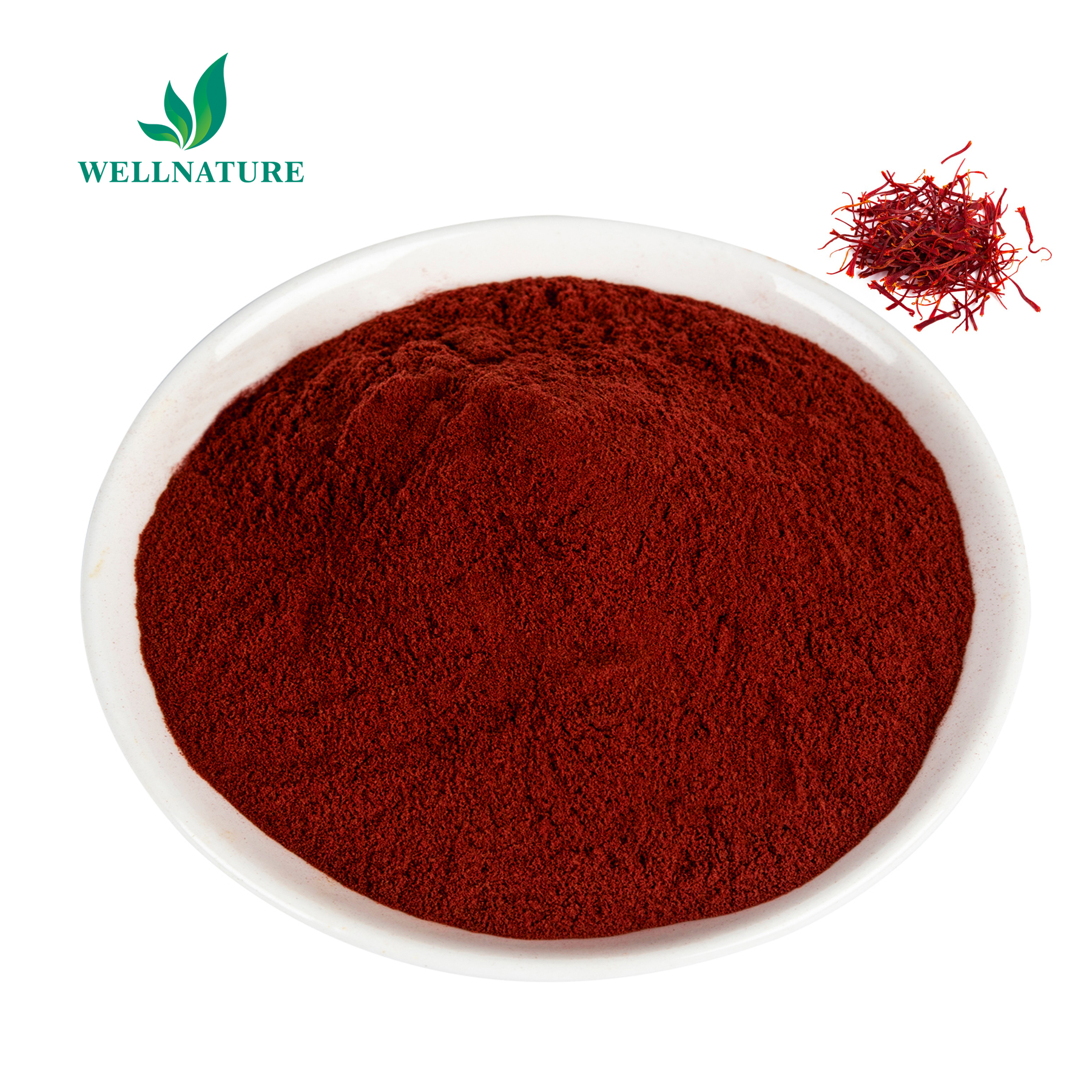
A rigorous examination of molecular chelation, cerebrospinal fluid magnesium transport kinetics, and why pharmaceutical and nutraceutical innovators in Balzers prioritize this distinct compound over legacy inorganic and organic magnesium forms.
Magnesium L-threonate (molecular formula: C8H14MgO10, molecular weight: 294.50 g/mol, CAS Registry Number: 778571-57-6) represents an advanced organometallic chelate consisting of one divalent magnesium cation bonded to two molecules of L-threonate, an active metabolite of ascorbic acid (Vitamin C). Unlike common mineral salts such as magnesium oxide or magnesium sulfate, which are ionized rapidly in gastric acid into free, highly osmotic Mg2+ ions that provoke secretory diarrhea and enterocyte saturation, Magnesium L-threonate exhibits an exceptionally high thermodynamic stability constant.
This molecular configuration prevents premature ionic dissociation in the duodenal and jejunal lumen. Instead, the non-ionized, electrically neutral chelate utilizes specialized carrier-mediated transepithelial pathways, substantially eliminating the osmotic laxative threshold. Upon entering systemic microcirculation, the L-threonate moiety exerts a distinctive pharmacokinetic role: it functions as a functional carrier molecule capable of facilitating divalent cation translocation across the capillary endothelial cells that comprise the human blood-brain barrier (BBB).
Controlled preclinical trials and human clinical studies demonstrate that standard oral administration of conventional magnesium complexes (e.g., citrate, glycinate, malate) fails to substantially elevate magnesium levels within the cerebrospinal fluid, due to tight homeostatic regulation by the choroid plexus. Magnesium L-threonate is the only form scientifically proven to cross the blood-brain barrier and significantly increase CSF elemental magnesium concentrations by 7% to 15% within chronic dosing cycles.
Intracerebral magnesium availability is a fundamental cofactor for the activation of NMDA (N-methyl-D-aspartate) receptors. By modulating the voltage-dependent magnesium gate, it prevents neurotoxic excitotoxicity while boosting functional synaptic connections. In neurobiological assays, elevated brain magnesium upregulates the expression of NR2B-containing NMDA receptors and increases synaptic density in the CA1 subfield and dentate gyrus of the hippocampus.
Long-term potentiation is the neurochemical cornerstone of short-term to long-term memory consolidation and mental processing agility. Enhanced synaptic terminal density in prefrontal and hippocampal circuits directly translates to improved working memory capacity, accelerated executive decision-making, and preserved cognitive stamina under physiological stress—attributes highly valued in top-tier performance formulations.
| Magnesium Compound | Elemental Mg (%) | BBB Permeation Rate | Gastrointestinal Tolerance | Typical Bioavailability Mechanism | Primary Clinical / Functional Focus |
|---|---|---|---|---|---|
| Magnesium L-Threonate (BKYULA MgT) | 7.2% – 8.3% | Very High (Targeted Carrier) | Exceptional (>98% non-osmotic) | Transcellular neutral chelate transport | Synaptic density, neuroplasticity, deep NREM sleep |
| Magnesium Bisglycinate | 11.5% – 14.1% | Low / Systemic | High | Dipeptide transport (PEPT1) | Musculoskeletal relaxation, general anxiety |
| Magnesium Citrate | 15.0% – 16.2% | Negligible | Moderate (Laxative above 350 mg) | Paracellular passive diffusion | Systemic replenishment, bowel motility |
| Magnesium Malate | 11.0% – 15.5% | Negligible | Good | Organic acid passive diffusion | Krebs cycle energy synthesis, fibromyalgia support |
| Magnesium Oxide (Inorganic) | 58.0% – 60.3% | Undetectable in CSF | Poor (<4% systemic uptake) | Gastric solubilization to free ions | Antacid, rapid laxative agent |
Formulation Engineer Takeaway: While inorganic magnesium salts yield higher on-paper elemental magnesium percentages, their physiological delivery to neuronal synapses is nearly zero. For European clean-label nutraceutical formulators targeting premium cognitive health claims, Magnesium L-threonate provides an unmatched therapeutic index and high clinical relevance per consumed milligram.
Why precision-engineered active powders manufactured to stringent purity limits are the ideal match for the exacting standards of Liechtenstein’s premier pharmaceutical, medical device, and life-science manufacturing hub.
Situated in the Oberland district of Liechtenstein, Balzers anchors a vibrant regional cluster of medical engineering and life sciences companies tied into the Rhine Valley corridor connecting Buchs, Sargans, and St. Gallen. Emerging preventative longevity clinics and high-end supplement brands in the region formulate ultra-clean nootropic capsules free from silicon dioxide, magnesium stearate, and artificial binders. BKYULA’s Magnesium L-threonate powder features controlled tap density and high direct-compression flowability, ensuring flawless high-speed encapsulating performance in ISO Class 7 cleanrooms.
The Alpine geography surrounding the Principality fosters strong regional demand for elite outdoor sports nutrition and rapid cognitive recovery formulations. Neurological restoration following intense mountaineering or endurance training demands rapid neuronal magnesium repletion without gastric distress. With high water solubility (>35 g/100 mL at 20°C) and neutral, non-astringent organoleptic properties, our powder effortlessly dissolves into functional effervescent tablets, recovery stick packs, and ready-to-drink (RTD) restorative beverages without cloudiness or gritty precipitates.
Balzers is globally recognized for high-precision vacuum coating, thin-film technology, and exacting micro-manufacturing disciplines. This cultural DNA for absolute engineering accuracy permeates local nutraceutical contract developers and contract packaging organizations (CDMOs). Purchasing departments require raw ingredients with tight particle size distributions (80–100 mesh standard), low hygroscopicity, zero batch-to-batch color drift, and fully validated Certificates of Analysis (COA) cross-verified against USP/Ph. Eur. analytical monographs.
How the convergence of Swiss customs harmonization, European Economic Area (EEA) standards, and evolving consumer longevity demands shapes procurement in Balzers.
Because Liechtenstein is a member of the European Economic Area (EEA) while maintaining a seamless customs and currency union with Switzerland, industrial buyers in Balzers operate at a unique regulatory nexus. Dietary supplements and active functional raw materials must comply with European Food Safety Authority (EFSA) guidance as well as the Swiss Federal Food Safety and Veterinary Office (FSVO / BLV) ordinances. BKYULA Biotech provides complete dossier support, non-irradiated declarations, allergen declarations, and BSE/TSE-free documentation ensuring frictionless clearance across regional borders.
Throughout the DACH region, demographic shifts have accelerated commercial investment into "Healthspan Extension" products. Consumers in Vaduz, Schaan, and Balzers are moving away from multi-mineral blends toward targeted, high-potency molecules that defend against age-related cognitive decline, brain fog, and chronic sleep fragmentation. Formulators are coupling Magnesium L-threonate with active polyphenols such as Alpha Lipoic Acid, Saffron, and concentrated EPA fish oil to produce multi-targeted cellular longevity complexes.
European quality control departments enforce some of the world's most restrictive contaminant limits under Regulation (EC) No 1881/2006. Industrial batches of botanical extracts and synthetic chelates destined for the Balzers market must undergo triple-stage screening for Ethylene Oxide (ETO < 0.05 mg/kg), polycyclic aromatic hydrocarbons (PAH4), and heavy metals (Pb < 0.5 ppm, As < 0.5 ppm, Cd < 0.2 ppm, Hg < 0.05 ppm). BKYULA’s specialized refining ensures compliance far below these mandatory thresholds.
Combining 15 years of technical extraction, low-temperature vacuum crystallization, and analytical precision under an SGS-verified quality management framework.
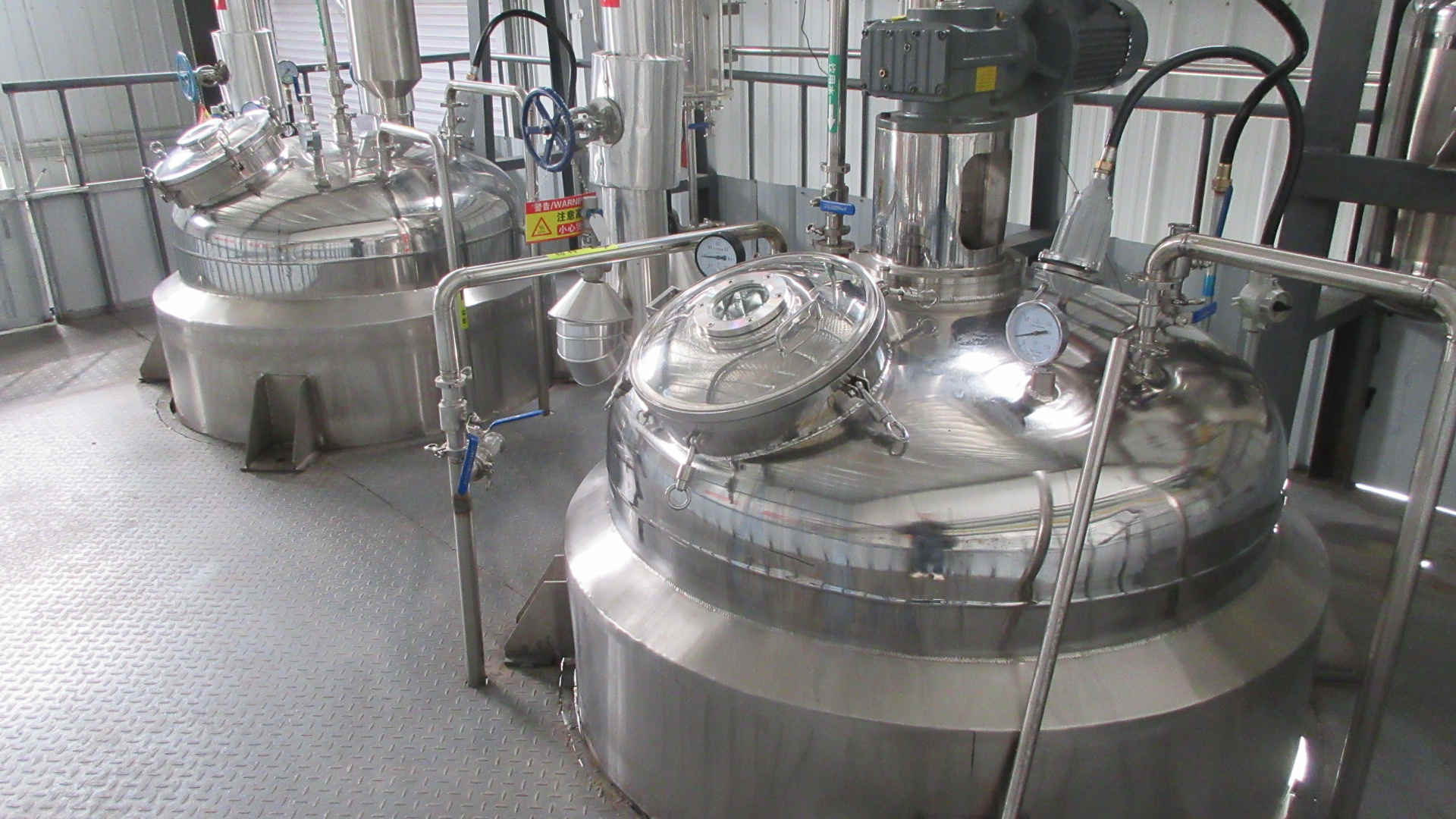
Stainless 316L computerized synthesis lines.
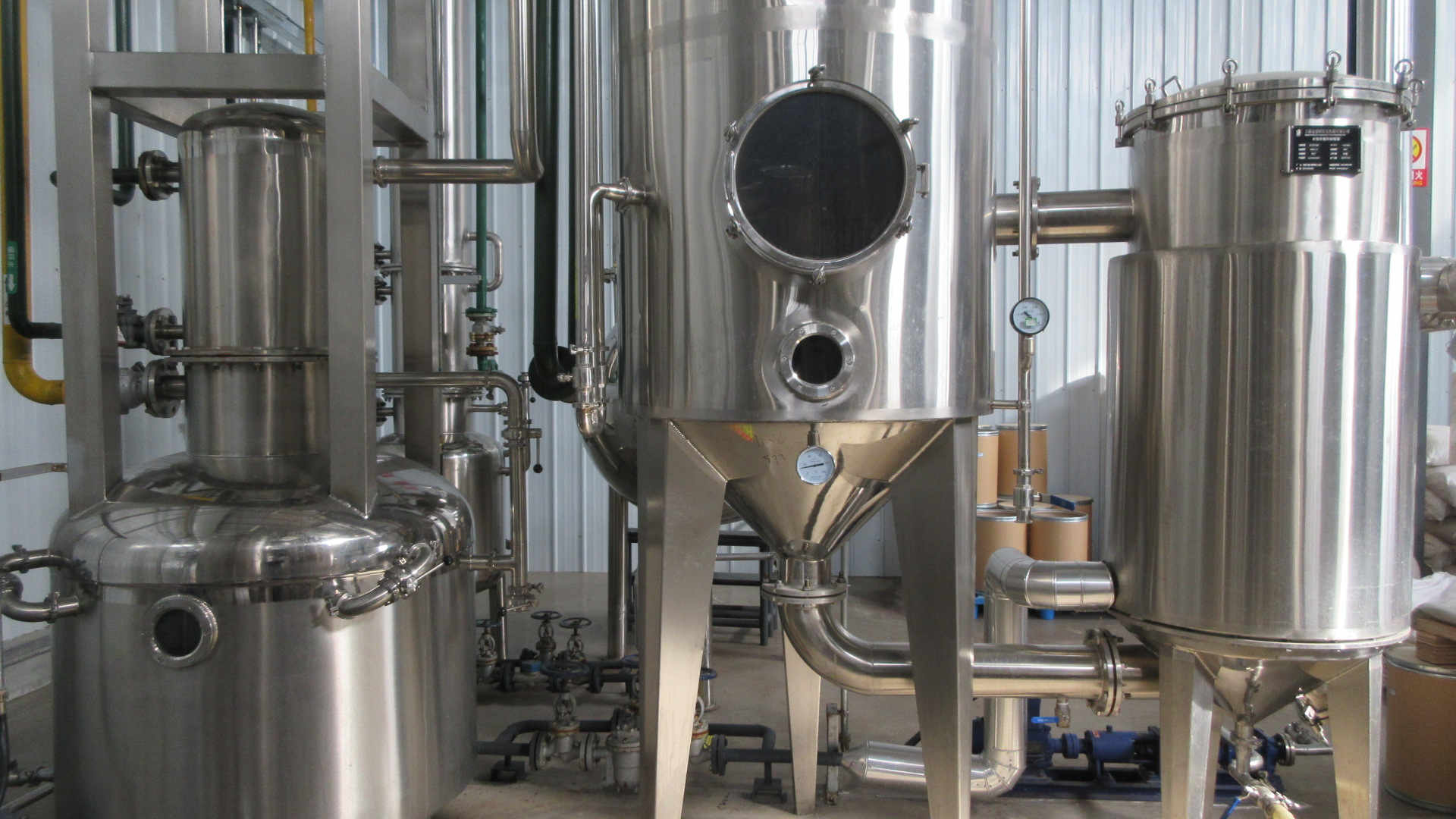
Low-temperature thermal protection systems.
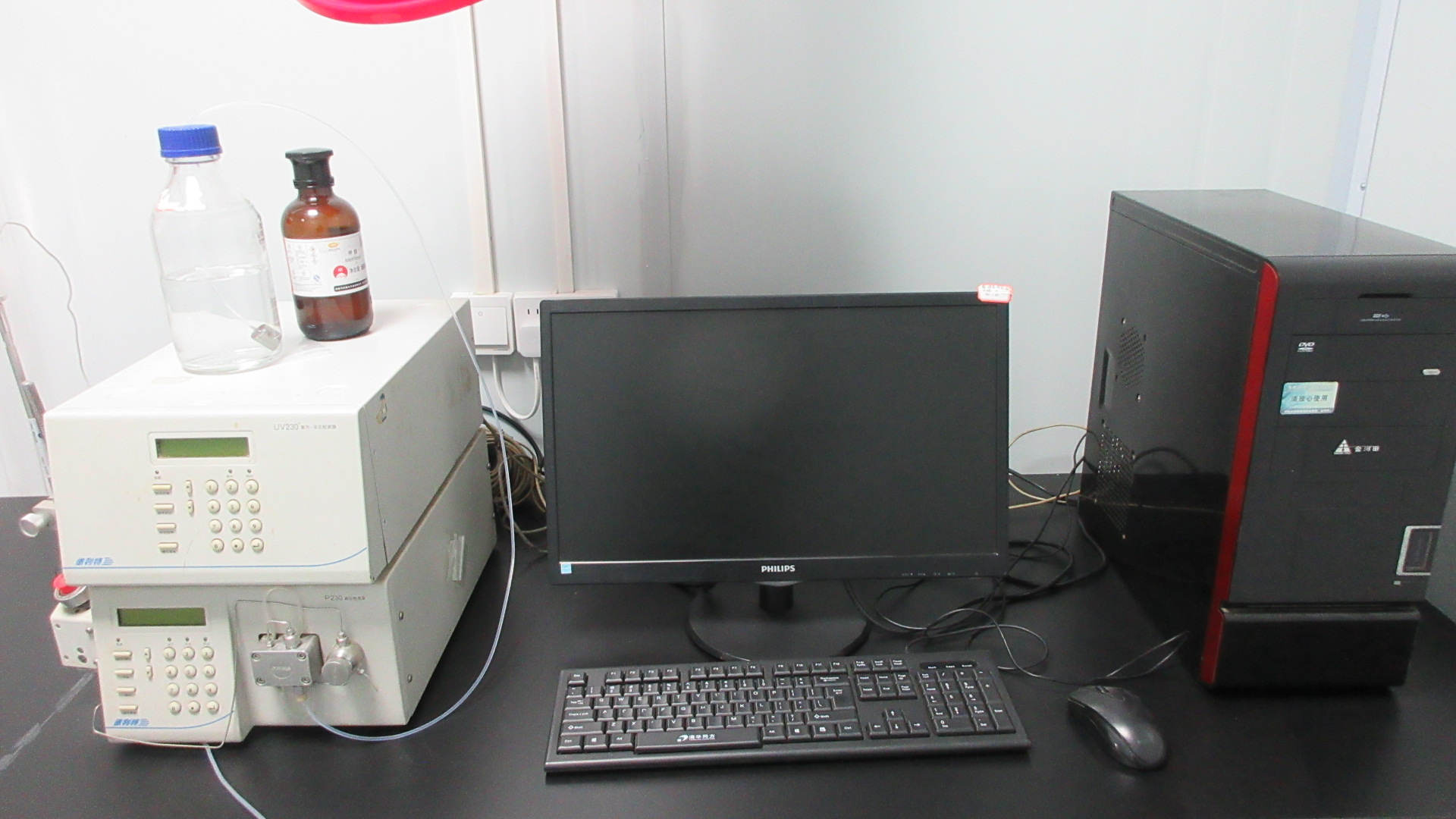
Quantitative molecular assay calibration.
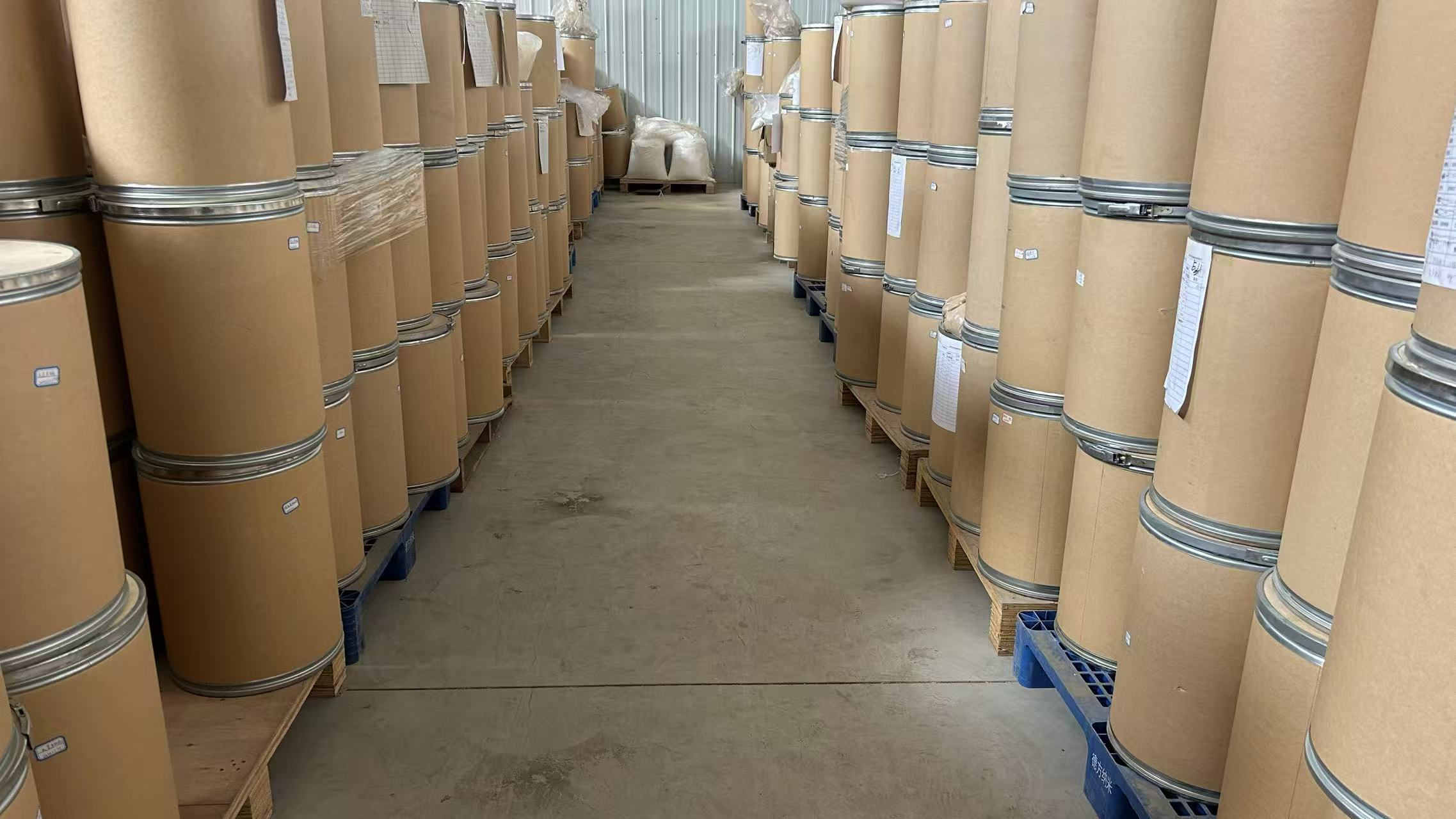
Desiccant-sealed pharmaceutical drums.
Our Magnesium L-Threonate is produced via high-efficiency direct stoichiometric chelation of high-purity L-threonic acid with pharmaceutical-grade magnesium compounds. This prevents excess unreacted free magnesium oxide from diluting the assay, guaranteeing a consistent chemical purity of ≥98.5% and an elemental magnesium content between 7.2% and 8.3% across all commercial lots.
BKYULA Biotech operates facilities assessed and audited onsite by the SGS Group. Our operational quality systems maintain active ISO 9001:2015, ISO 22000, and HACCP certifications, complemented by HALAL, KOSHER, and FAMI-QS accreditations. Every production campaign is archived with full batch retention samples for 36 months.
We recognize that clinical pilot studies, formulation trials, and cleanroom validation batches in Balzers require flexible procurement volumes. We provide scalable supply options starting from 1 kg pilot containers up to metric-ton ocean and air cargo consignments, shipped under secure DDP/DAP terms directly to regional hubs in Liechtenstein and Switzerland.
Essential regulatory, technical, logistical, and analytical details frequently addressed by procurement directors and quality assurance managers across Liechtenstein and Switzerland.
Connect directly with BKYULA Biotech’s technical synthesis team. Request complete Certificates of Analysis, technical specification monographs, heavy metal screening reports, and pilot sample kits for your facility in Balzers.