English English
Sourced from ISO 9001:2015, ISO 22000, and HACCP certified manufacturing lines with complete batch traceability and analytical documentation.
A comprehensive examination of triterpenoid saponin thermodynamics, surface tension reduction dynamics, and natural emulsification mechanisms for B2B industrial procurement teams in Tauranga, New Zealand.
Soapbark extract liquid derived from Quillaja saponaria Molina inner bark contains bidesmosidic triterpenoid saponins characterized by a quillaic acid hydrophobic aglycone backbone bonded to branched hydrophilic oligosaccharide chains. These complex molecular moieties impart exceptional amphiphilic stabilization characteristics across broad pH ranges (pH 2.5 to 8.5) and ionic strengths.
Unlike labile microbial biosurfactants or simple alkyl polyglucosides, our standardized extract liquid retains structural integrity under extreme thermal pasteurization (up to 120°C) without precipitation or saponin cleavage, making it the benchmark organic non-ionic surfactant for complex New Zealand agricultural formulations.
The interfacial tension of water at 20°C is approximately 72.8 mN/m. Introducing BKYULA high-potency Soapbark Extract Liquid at concentrations as low as 0.05% w/w rapidly depresses aqueous surface tension down to ≤32.5 mN/m. This dramatic thermodynamic transition converts spherical spray droplets into flat wetting lenses with contact angles dropping from >95° to <20° on waxy botanical surfaces.
For commercial kiwifruit vines and avocado canopies across the Western Bay of Plenty, this rapid kinetic spreading prevents chemical run-off, eliminates hydrophobic leaf bounce, and guarantees uniform foliar coverage during critical seasonal spray interventions.
As regulatory scrutiny from the New Zealand Environmental Protection Authority (EPA) and Ministry for Primary Industries (MPI) intensifies against nonylphenol ethoxylates and fluorinated surfactants, Quillaja saponins offer an ecotoxicologically benign alternative. Soapbark sapogenins undergo total microbial mineralization in soil within 7 to 14 days, yielding non-toxic natural sugars and sapogenin aglycones.
Our extraction uses zero halogenated solvents, utilizing counter-current demineralized hot water percolation followed by vacuum micro-filtration and automated sterile filling to ensure non-detectable solvent residues.
| Analytical Parameter | Food / Beverage Grade (BK-SL-FB) | Agricultural Adjuvant Grade (BK-SL-AG) | Test Methodology |
|---|---|---|---|
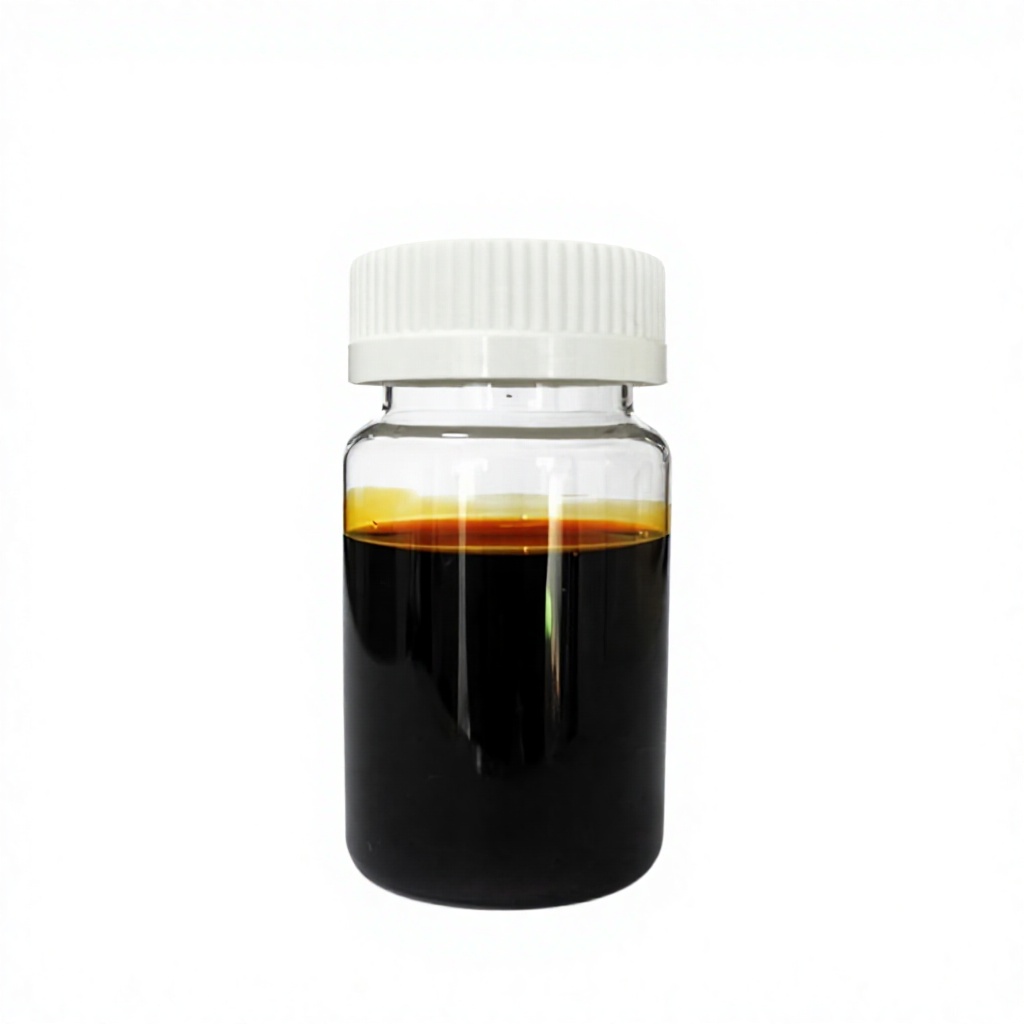
| Appearance | Dark amber clear viscous liquid | Deep brown translucent liquid | Visual Inspection |
| Saponin Content (Dry Basis) | ≥ 65.0% w/w | ≥ 50.0% - 60.0% w/w | HPLC (Internal Standard) / UV-Vis |
| Brix Refractometer Index | 40.0° - 45.0° Brix (Optional 65°) | 35.0° - 40.0° Brix | Digital Refractometer @ 20°C |
| pH (1% Aqueous Solution) | 3.8 - 4.8 | 3.6 - 5.2 | Potentiometric Electrode |
| Specific Gravity (20°C) | 1.18 - 1.25 g/cm³ | 1.15 - 1.22 g/cm³ | Hydrometer / Pycnometer |
| Heavy Metals (Pb, As, Cd, Hg) | < 5.0 ppm Total (Pb < 1ppm) | < 10.0 ppm Total | ICP-MS Inductively Coupled Plasma |
| Total Plate Count | < 1,000 CFU/mL | < 5,000 CFU/mL | ISO 4833 Plate Count Agar |
| Yeast & Mould | < 100 CFU/mL | < 500 CFU/mL | ISO 21527-1 Dichloran Agar |
From the export kiwifruit capital of Te Puke to the deepwater container hub at Sulphur Point, discover how China direct-manufactured Soapbark Extract Liquid powers regional productivity.
The Western Bay of Plenty region represents the engine room of New Zealand's horticultural exports. Gold3 (SunGold) and Hayward kiwifruit varieties have complex leaf trichomes and epistomatal wax layers that strongly resist conventional water sprays. Synthetic silicone adjuvants face growing residue restrictions in premium destination markets like the EU and Japan.
Our Soapbark Extract Liquid serves as a 100% natural, non-phytotoxic bio-adjuvant. It eliminates the interfacial barrier on kiwifruit vine leaves, maximizing the absorption of foliar zinc, magnesium, and bio-protective copper sprays during humid spring growth cycles in Te Puke, Katikati, and Tauriko without leaving fruit skin russeting.
Orchard soils throughout Tauranga and the central North Island corridor frequently suffer from severe seasonal hydrophobicity driven by decomposing organic waxy resins on volcanic allophane and pumice particles. Water channeling and uneven drip line distribution threaten orchard yield during dry summer spells.
Quillaja saponins operate as biodegradable non-ionic soil penetrants. Dosed through micro-irrigation lines at 2.5 to 5.0 L/hectare, Soapbark Extract Liquid reduces soil dynamic contact angles, fostering rapid lateral sub-surface water migration, mitigating root-zone drying, and significantly improving fertilizer nitrogen utilization rates.
Tauranga and Mount Maunganui host an innovative cluster of craft breweries, functional RTD beverage formulators, and natural cider producers. Maintaining a persistent, micro-creamy foam collar without artificial chemical head retainers (such as propylene glycol alginate) is an ongoing formulation challenge.
Soapbark Extract Liquid provides a resilient, tight viscoelastic interfacial protein-polysaccharide film across carbonated beverage headspaces. Approved as a natural foaming agent, it imparts zero aromatic interference, requires low inclusion thresholds (15 - 50 ppm), and withstands acidic pH environments typical of New Zealand hard ciders and citrus botanicals.
Navigating the transition toward biological agricultural inputs and chemical-free supply chains across New Zealand's export-driven agrisector.
New Zealand's national agricultural strategy focuses aggressively on high-value environmental provenance. Commercial packhouses and export exporters (such as Zespri's Kiwigreen program) maintain stringent residue monitoring regimes. Synthetic petroleum-derived surfactant chemistries like organosilicones, linear alkylbenzene sulfonates, and ethoxylated alcohols face increasing operational headwinds due to consumer sentiment and potential trade barriers.
Natural Soapbark Extract Liquid bridges the critical performance gap. Sourced straight from our high-throughput botanical extraction facility in China, it offers local agrochemical blenders an input that fulfills organic agricultural registration requirements (compatible with BioGro NZ and AsureQuality input standards) while delivering surface energy depression competitive with petroleum derivatives.
As the largest container port in New Zealand, the Port of Tauranga offers unparalleled maritime access for commercial chemical and raw material shipments entering the central North Island economic corridor. Sourcing directly from China gives Tauranga manufacturers decisive cost advantages over secondary redistributors based in Australia or Europe.
Every bulk shipment of our Soapbark Extract Liquid is accompanied by comprehensive HSNO (Hazardous Substances and New Organisms) safety classifications, clean phytosanitary declarations, full batch COAs, and non-GMO affirmations. This documentation satisfies New Zealand Ministry for Primary Industries (MPI) biosecurity import vetting on initial submission, preventing costly quayside inspection holds.
Our 15-year manufacturing heritage translates into verifiable quality systems, multi-tiered batch testing, and guaranteed active component consistency.
BKYULA Biotech operates modern cGMP extraction facilities certified under ISO 9001:2015, ISO 22000, and HACCP standards. For our animal feed and botanical additive product lines, we strictly enforce FAMI-QS compliance, while carrying certified HALAL and KOSHER credentials to support global export formulators.
Our company facilities and production workshops undergo rigorous onsite physical assessment and annual procedural verification directly audited by SGS Group, providing Tauranga QA managers with complete audit transparency before commercial commitment.
Every single batch of Soapbark Extract Liquid is released exclusively following stringent double-checking inside our internal QC laboratories. We deploy High-Performance Liquid Chromatography (HPLC) coupled with UV-Vis spectrophotometers to confirm exact saponin fractions, ensuring zero batch-to-batch fluctuation in critical active markers.
Furthermore, our dedicated analytical suites utilize clean laminar flow benches and automated sterilization autoclaves for total aerobic microbiological, yeast, mould, and pathogen isolation testing, assuring flawless purity for sensitive applications.
To serve both regional pilot formulators and large-scale agrochemical manufacturing facilities in the Mount Maunganui industrial zone, we maintain agile supply chain logistics. Standard liquid packaging options encompass 25 kg fluorinated food-grade HDPE carboys, 200 kg heavy-duty drums, and 1,000 kg UN-certified intermediate bulk containers (IBC tote tanks).
Our technical team provides bespoke OEM/ODM formulation blending, including specific Brix density modifications, pH standardization, or co-formulation with functional botanical adjuvants tailored to your proprietary specifications.
Direct answers to the most common questions raised by chemical engineers, procurement officers, and regulatory specialists in the Bay of Plenty.
Every commercial batch delivered to the Port of Tauranga is shipped with an authentic Manufacturer's Certificate of Analysis (COA) specifying botanical origin (Quillaja saponaria Molina), full extraction solvent documentation (purified water extraction), Safety Data Sheet (SDS) formatted to GHS Rev.7, Non-GMO declaration, BSE/TSE-free certification, and a formal production declaration confirming thermal treatment during processing to satisfy MPI biosecurity clearance requirements for botanical derivatives.
While Yucca extract contains steroidal saponins, Soapbark contains complex triterpenoid saponins. In spray tank compatibility tests, Quillaja triterpenoid saponins demonstrate significantly greater structural stability under cold-water dilution, lower foaming volume when excessive mechanical agitation is present, and markedly superior dynamic surface tension reduction (32.5 mN/m vs. ~42 mN/m for Yucca), making Quillaja the preferred choice for high-precision orchard foliar delivery.
Our standard production MOQ for custom industrial batches of Soapbark Extract Liquid begins at 25 kg (single HDPE jerrican) for R&D trial scale, and 200 kg to 1,000 kg (IBC) for commercial production runs. Sea freight FCL and LCL consolidations are dispatched on weekly direct container lines from Qingdao or Shanghai to the Port of Tauranga, with door-to-door DDP terms available upon arrangement.
Yes. Our extraction methodology uses exclusively physical, demineralized water thermal extraction with zero synthetic solvents, toxic carriers, or artificial synthetic preservatives (such as sodium benzoate or potassium sorbate, unless specifically requested by customer specification). The resulting pure liquid extract meets the strict criteria for natural biological inputs widely recognized by organic certifiers across Australasia.
Our Soapbark Extract Liquid maintains a verified stable shelf life of 24 months from the manufacturing date when stored in its original, unopened airtight container between 10°C and 25°C in a cool, dry warehouse away from direct sunlight. Due to the natural high osmotic pressure of the concentrated Brix liquid, it demonstrates outstanding microbiological resilience without phase separation or crystallization during ambient winter fluctuations in Tauranga.
Absolutely. As a primary manufacturer with specialized vacuum evaporation and standardized concentration lines, we can calibrate Soapbark Extract Liquid to your precise target specifications, ranging from 20° Brix up to 65° Brix, or standardize saponin active markers between 20% and 65% on a dry-matter basis. Customized buffering for specific pH tolerances is also supported on OEM orders.
Speak directly with our technical application specialists. We supply prompt commercial quotes, pilot test samples, full technical dossiers, and regulatory documentation tailored for New Zealand industrial formulators.