 English English
Standardized, laboratory-verified raw materials audited under ISO 9001:2015, ISO 22000, and HACCP parameters to power next-generation cosmetic and nutricosmetic innovations.
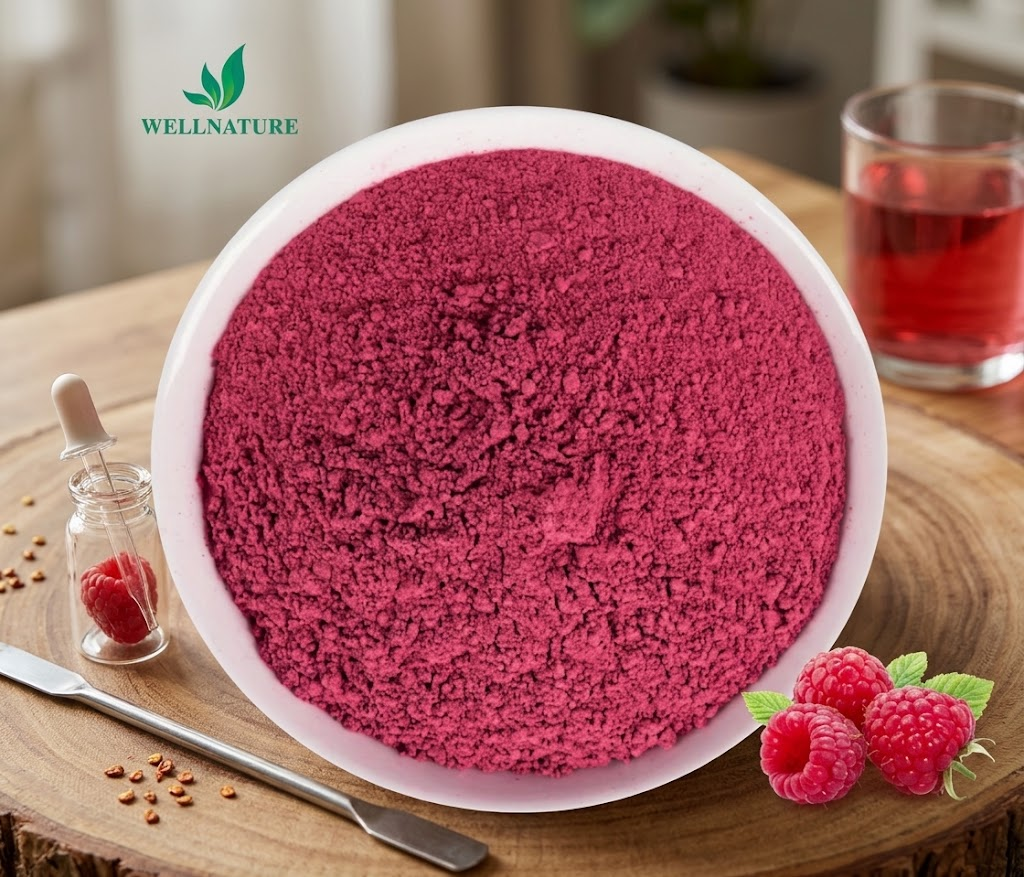
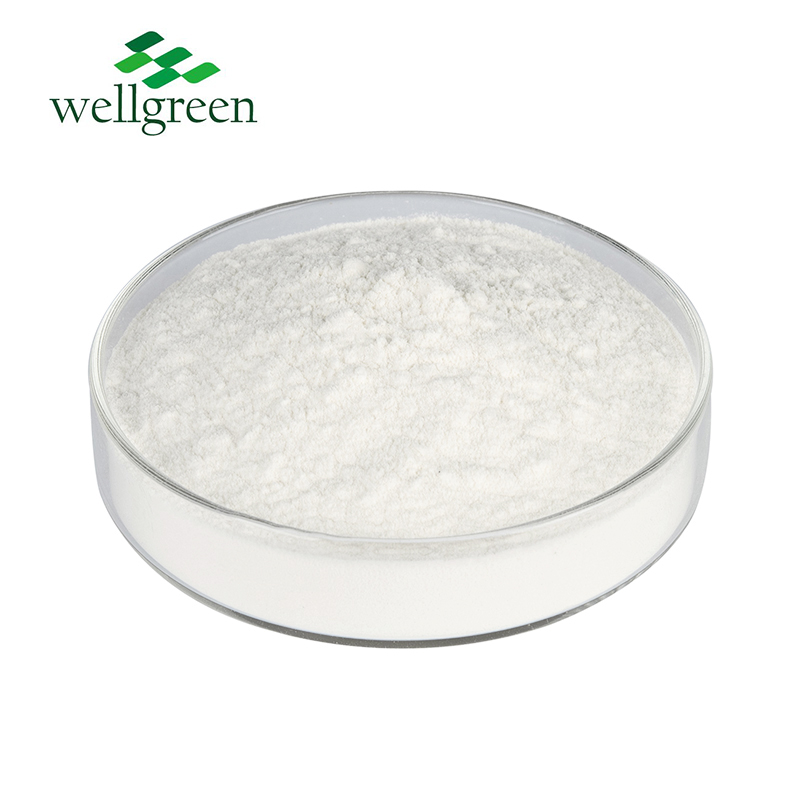
Polydeoxyribonucleotide (PDRN) is a linear biopolymer harvested from the reproductive cell nuclei of premium salmonids—predominantly Oncorhynchus mykiss (Rainbow Trout) and Oncorhynchus keta (Chum Salmon). The molecular framework comprises individual deoxyribonucleotide polymers linked via phosphodiester bonds, possessing a molecular weight distribution calibrated between 50 and 1,500 kDa. Within human cutis, PDRN functions as a prime substrate for biological tissue rejuvenation by targeting the Adenosine A2A purinergic receptor subtype while concurrently powering cellular revitalization via the physiological Salvage Pathway.
Unlike raw nucleic acid isolates or unpurified fish DNA fractions, Cosmetic Grade PDRN requires precise, high-thermal chromatographic separation to strip away sensitizing proteins, lipids, and trace marine antigens while preserving intact helical double-stranded nucleic acid fragments. Upon topical penetration—augmented by permeation enhancers, liposomal encapsulation, or transdermal microneedling—PDRN triggers intracellular phosphorylation cascades. It promotes vascular endothelial growth factor (VEGF) synthesis, inhibits pro-inflammatory cytokines such as TNF-α and IL-6, and stimulates dermal fibroblasts to accelerate endogenous Type I and Type III collagen production, making it an indispensable asset in modern aesthetic medical cosmetics.
| Analytical Parameter | BKYULA Standard Cosmetic Grade | Generic Salmon DNA Powder | Determination Method |
|---|---|---|---|
| Polydeoxyribonucleotide Assay | ≥ 98.5% (Dry Basis) | 85.0% - 92.0% | High Performance Liquid Chromatography (HPLC) |
| Molecular Weight Profile | Controlled (80 - 350 kDa or Custom) | Erratic (> 5,000 kDa polymer blocks) | Gel Permeation Chromatography (GPC / SEC) |
| Absorbance Ratio (A260 / A280) | 1.80 – 2.00 | < 1.60 (Protein Contaminated) | UV-Vis Spectrophotometry |
| Residual Residual Protein | ≤ 0.1% | > 1.5% | BCA Assay / Bradford Method |
| Bacterial Endotoxin Count | ≤ 0.5 EU/mg (Topical formulation safe) | Uncontrolled | Limulus Amebocyte Lysate (LAL) Kinetic Chromogenic |
| Heavy Metals (Pb, As, Cd, Hg) | < 5 ppm Combined | < 20 ppm Combined | ICP-MS (Inductively Coupled Plasma Mass Spectrometry) |
Liepāja—famed across Latvia as "the city where the wind is born" (pilsēta, kurā piedzimst vējš)—faces an aggressive maritime microclimate. Intense coastal humidity paired with severe sub-zero winter gusts, elevated sea-salt aerosols, and high spring Baltic UV-reflection subjects human skin to chronic stratum corneum disruption, accelerated transepidermal water loss (TEWL), and persistent low-grade cold urticaria. Localized cosmeceutical developers in Kurzeme rely on PDRN's unique regenerative mechanism to solve these challenges.
Blended into anhydrous lipid balms and heavy lamellar water-in-oil (W/O) emulsions, low-molecular PDRN activates adenosine receptors to speed up epithelialization, restoring severely chapped skin exposed to freezing Baltic marine currents.
Liepāja’s specialized medical aesthetic centers utilize topical PDRN hydrogels following fractional ablative CO2 laser, chemical peels, and microneedle RF treatments to shorten downtime from 7 days down to 48 hours.
Formulated into lightweight morning elixirs alongside Raspberry Ellagic Acid and Vitamin A, PDRN shields exposed cutaneous fibroblasts from high-latitude UV radiation and maritime environmental oxidative stressors.
The cosmetics and wellness industry across the Baltic states (Latvia, Lithuania, Estonia) is undergoing an aggressive structural migration from purely plant-based organic cosmetics toward bio-engineered clinical cosmeceuticals. Historically celebrated for amber-infused balms and wild meadow herbal distillates, the local consumer base now demands empirically proven cellular-repair credentials. PDRN serves as the foundational anchor bridging natural organic origins with biopharmaceutical efficacy.
Liepāja's strategic status as an ice-free seaport within the Liepāja Special Economic Zone (SEZ) reinforces its logistical importance for value-added chemical and cosmetic blending. Manufacturers throughout the region increasingly import verified active pharmaceutical and cosmetic grade raw substances to manufacture boutique serums for regional distribution across Riga, Klaipėda, and Tallinn. As European Union Regulation (EC) No 1223/2009 tightens animal derivative validation and product safety dossiers (PIF), local developers choose BKYULA Biotech’s documented, traceable, and heavy-metal-free salmon PDRN to ensure seamless compliance and premium efficacy.
BKYULA Biotech Co., Ltd. operates state-of-the-art bioseparation, ultrasonic countercurrent extraction, and high-vacuum fractional drying facilities. Verified onsite by SGS Group and backed by more than 15 years of industry excellence, our biopolymer production infrastructure adheres to the world's most rigorous analytical benchmarks.
Our infrastructure holds ISO 9001:2015, ISO 22000, HACCP, HALAL, KOSHER, and FAMI-QS accreditations. Transparent production procedures permit uncompromising quality tracking across every isolated gram.
Our quality control laboratories utilize dual High-Performance Liquid Chromatography (HPLC) arrays alongside UV Spectrophotometers, ensuring zero residual protein contamination and strictly uniform molecular weights.
Recognizing the diverse operational needs of boutique laboratories and industrial contract packagers, we accommodate raw material orders from 1 gram up to multi-ton consignments, backed by DDP courier execution direct to Liepāja.