English English
Directly manufactured under ISO 9001:2015, ISO 22000, HACCP, and FAMI-QS protocols, delivering tested physical solubility, verified HPLC active ratios, and compliant documentation for Mexico's COFEPRIS and SAGARPA regulatory frameworks.
The state of Querétaro, situated strategically at the core of Mexico's El Bajío industrial corridor, has evolved into a premier epicenter for pharmaceutical tableting, contract nutraceutical packing, and livestock feed technology. Within industrial parks such as Parque Industrial Querétaro (PIQ), Parque Industrial El Marqués, and San Juan del Río, manufacturing plants demand high-specification phyto-pharmaceutical ingredients that comply rigorously with Mexican Official Standards (NOM) supervised by COFEPRIS (Comisión Federal para la Protección contra Riesgos Sanitarios) and SENASICA / SAGARPA for agro-industrial animal feed additives.
As metabolic disorders, non-alcoholic fatty liver conditions (NAFLD), and health-conscious preventative nutrition surge across Latin American consumer markets, Milk Thistle Extract—standardized for its lipophilic flavonolignan complex known collectively as Silymarin (predominantly Silybin A, Silybin B, Isosilybin A, Isosilybin B, Silichristin, and Silidianin)—serves as a cornerstone active. Contract manufacturers in Querétaro face recurring supply-chain friction, including inconsistent chromatographic assay results between UV-Vis spectrophotometry and high-performance liquid chromatography (HPLC), elevated solvent residuals (ethyl acetate, acetone, or ethanol), and variable bulk density causing poor tableting or encapsulation compression on high-speed rotary presses.
Optimized for hard-shell gelatin and HPMC vegetarian capsules, liposomal dry syrups, and effervescent detox formulas manufactured in El Marqués and Juriquilla pharmaceutical laboratories.
FAMI-QS certified Milk Thistle feed-grade powder utilized across Bajío livestock hubs to counter aflatoxicosis, enhance hepatic resilience in dairy cattle, and optimize broiler weight gain.
Micro-encapsulated, water-dispersible Silymarin powders engineered with zero off-note astringency and superior colloidal suspension for RTD functional beverages and wellness tonics.
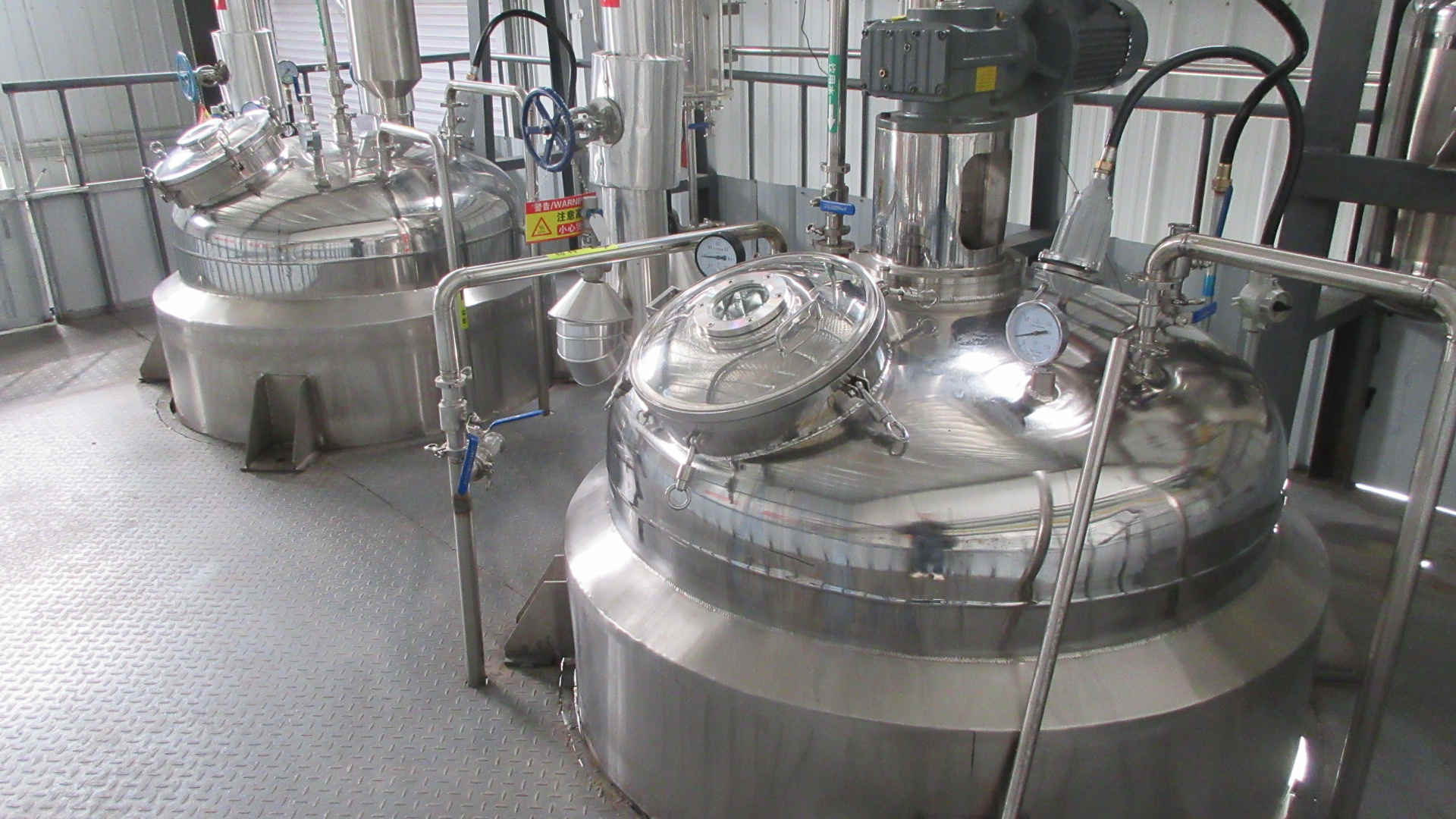
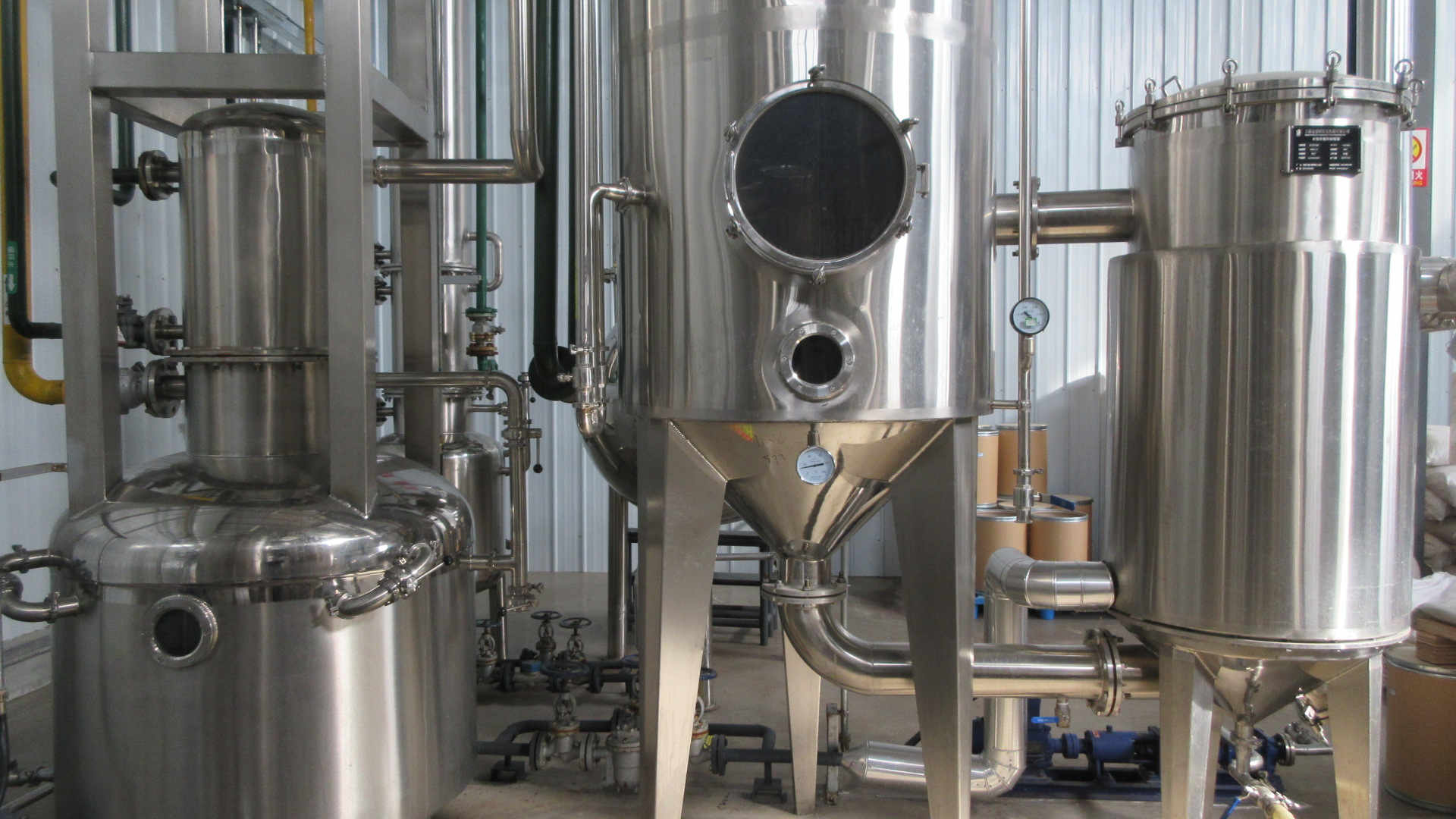
The extraction of bioactive flavonolignans from Silybum marianum seeds requires multi-stage processing technology to remove fatty acids while retaining active polyphenol structures. Our manufacturing plant utilizes clean-solvent extraction (USP/EP food-grade ethanol and water mixtures or high-yield food-grade ethyl acetate systems) paired with computerized vacuum concentration and low-temperature spray drying. This process mitigates thermal degradation of heat-sensitive silybin complexes and preserves isomer ratios.
| Analytical Parameter | USP Standard Grade | EP (Ph. Eur.) Grade | Water-Dispersible OEM Grade | Feed / Premix Grade (FAMI-QS) |
|---|---|---|---|---|
| Assay (HPLC) | Silymarin ≥ 65.0% - 80.0% | Silymarin ≥ 60.0% (Calculated as Silybin) | Silymarin 30.0% - 50.0% | Total Silymarin ≥ 30.0% - 50.0% (UV/HPLC) |
| Marker: Silybin (A+B) | ≥ 30.0% - 45.0% by HPLC | ≥ 35.0% by HPLC | ≥ 18.0% by HPLC | Standardized reference curve |
| Physical Particle Size | 95% through 80 Mesh | 100% through 80 Mesh | 100% through 100 Mesh | 95% through 60-80 Mesh |
| Extraction Solvent | Ethanol & Water / Ethyl Acetate | Acetone & Water / Ethanol | Hydro-Ethanolic (Carrier blend) | Hydro-Ethanolic extraction |
| Residual Solvents | Meets USP <467> Class 2/3 limits | Meets EP limits (<50 ppm ethanol) | Complies with Class 3 limits | Strictly controlled feed limits |
| Heavy Metals (ICP-MS) | Pb ≤ 1.0 ppm, As ≤ 1.0 ppm, Cd ≤ 0.5 ppm, Hg ≤ 0.1 ppm | Pb ≤ 1.0 ppm, Cd ≤ 0.5 ppm, Hg ≤ 0.1 ppm | Pb ≤ 0.5 ppm, As ≤ 0.5 ppm | Complies with Mexican SENASICA limits |
Through closed-loop solvent recovery and triple-stage thin-film evaporators, our facility achieves complete residual solvent control down to undetectable levels, satisfying the stringent toxicological safety requirements audited by COFEPRIS during factory importing clearance through Mexico's port gateways (Manzanillo, Veracruz, and Mexico City AICM / AIFA cargo customs).
Supplying the Querétaro market requires deep technical synchronization with client facilities. Plants situated in Parque Industrial Benito Juárez or Aerotech Park run varied operations requiring distinct physical characteristics of Milk Thistle raw material:
Raw Silymarin powder naturally features low flowability and electrostatic buildup, leading to weight variations during rotary tableting. We manufacture customized, DC-grade (Direct Compression) Milk Thistle Granules, agglomerated using low-viscosity plant hydrocolloids to deliver tap densities between 0.45 g/ml and 0.65 g/ml with an angle of repose under 32 degrees.
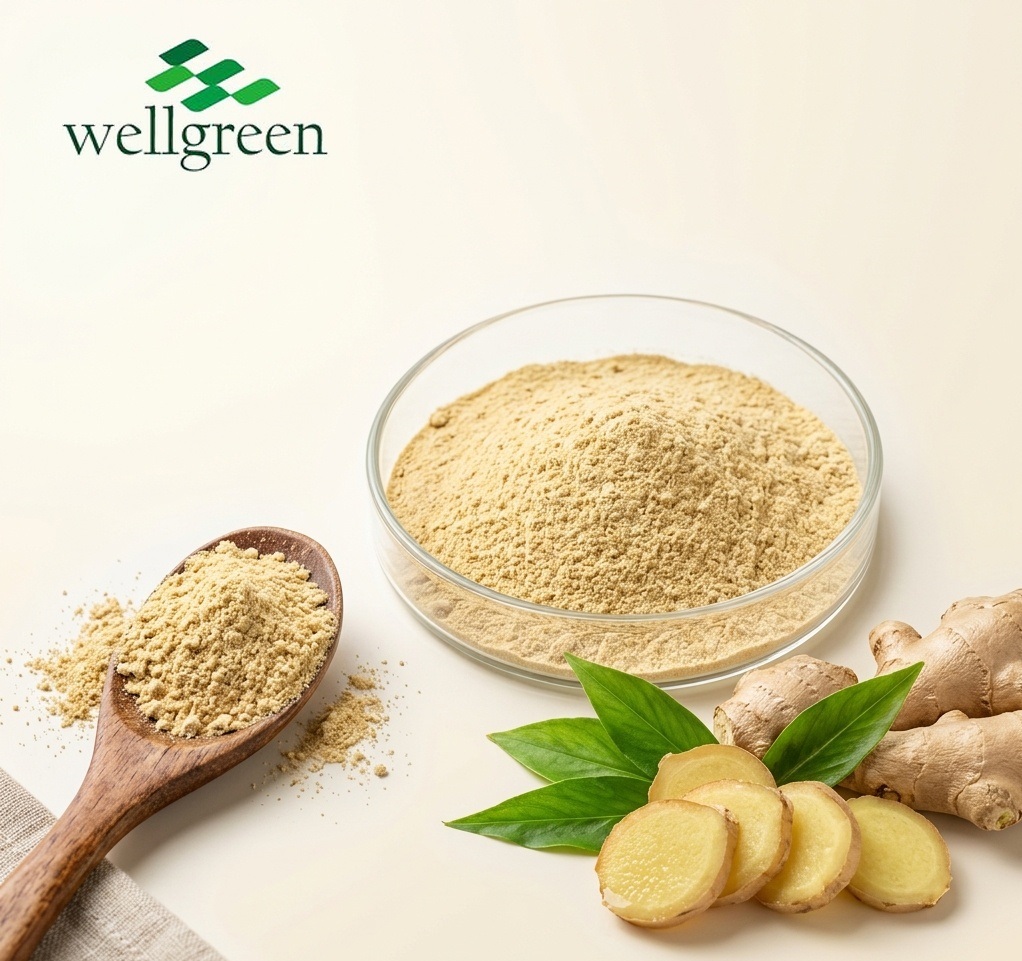
Querétaro brand developers capitalize on comprehensive metabolic support matrices. Our extraction lines support pre-blended ODM formulation combinations, homogenizing Milk Thistle Extract alongside our Ginger Root Extract (Gingerols), Apple Cider Vinegar Powder (Natural Acetic Acid), and Niacin (Vitamin B3) for multi-functional digestive and liver health SKUs.
Querétaro serves as the logistical gateway to intensive swine, broiler, and dairy cattle operations throughout Guanajuato, Jalisco, and Hidalgo. Silymarin acts as an organic cellular defense against mycotoxins (zearalenone and aflatoxin B1). Our specialized feed-grade Milk Thistle powders integrate seamlessly into mineral premixes without clumping in humid silo storage.
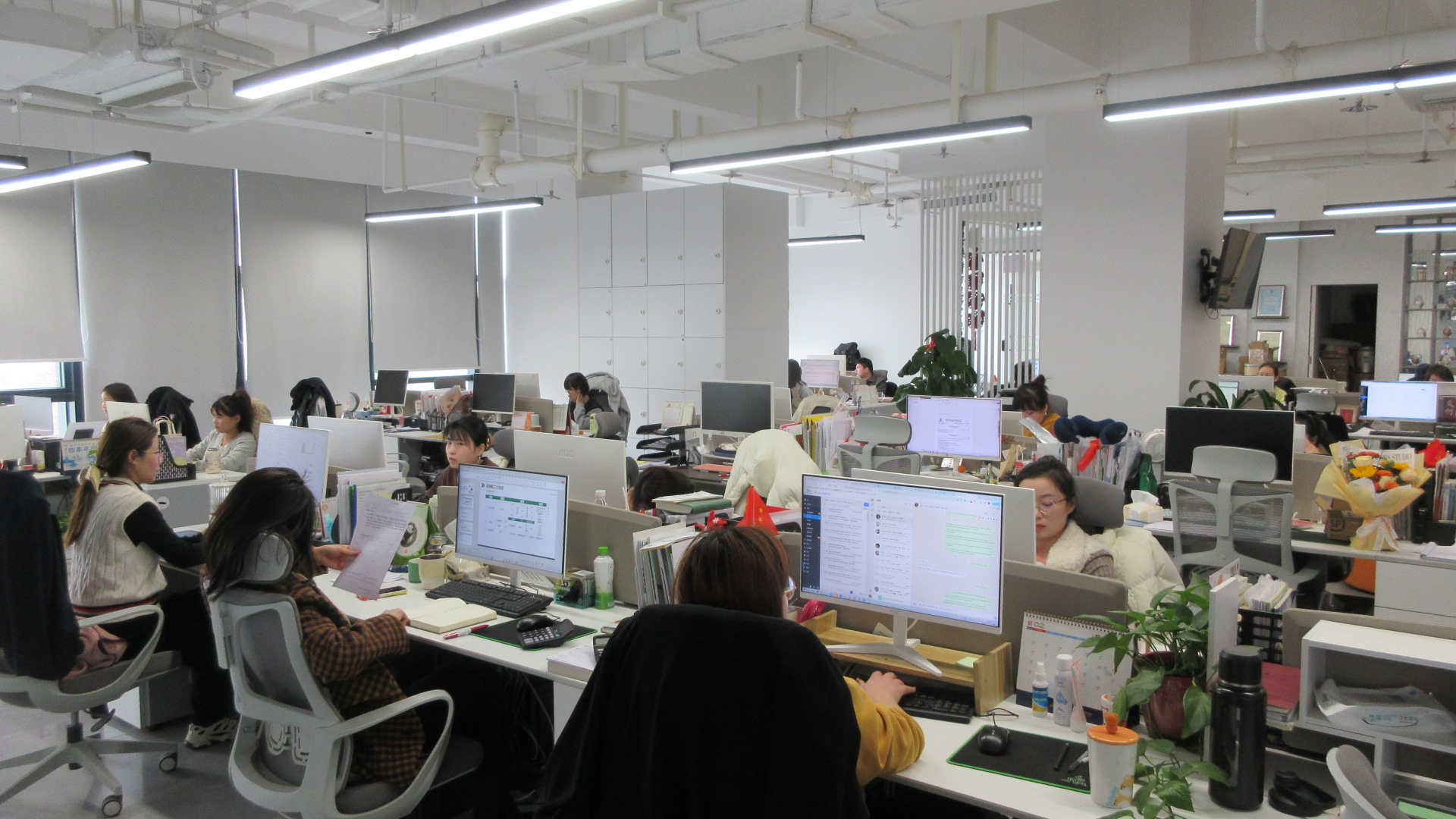
BKYULA Biotech operates dedicated extraction, vacuum concentration, purification, spray drying, and particle milling facilities. Evaluated and verified onsite by SGS Group, our facility ensures every consignment meets international pharmaceutical and food-safety standards.
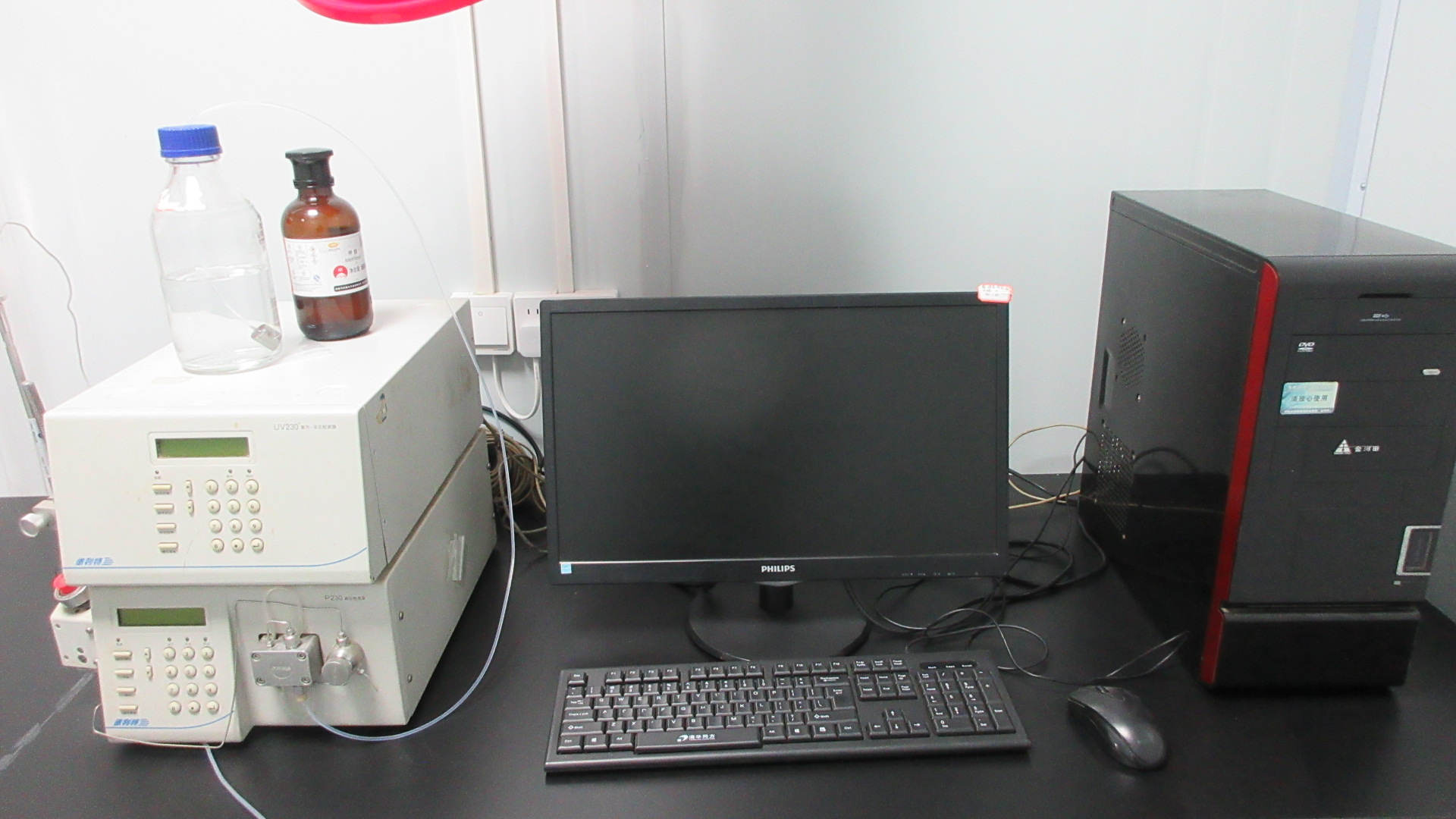
Our quality assurance laboratory is equipped with redundant High-Performance Liquid Chromatography (HPLC) towers, UV-Vis Spectrophotometers, Gas Chromatography with Mass Spectrometry (GC-MS) for pesticide and solvent residual detection, and an aseptic microbiological incubation facility. Each batch released to Querétaro importers is accompanied by an authenticated Certificate of Analysis (COA) specifying:
Importing botanical extracts into Mexico requires navigating precise tariff classifications under the Mexican TIGIE (Tarifa de la Ley de los Impuestos Generales de Importación y de Exportación). Typically falling under Harmonized System Code HS 1302.19 (Vegetable saps and extracts), botanical imports require careful documentation to clear customs smoothly:
Logistically, shipments destination Querétaro benefit from established multimodal freight corridors. Sea freight disembarks primarily at the Port of Manzanillo (Colima) before direct bonded truck transport along Highway 45D into Querétaro’s customs yards (Aduana Interior de Querétaro at Intercontinental Airport - AIQ). For fast-turnaround sample pilots or critical production bridge stock, our export division coordinates direct air-cargo consolidations with major international air forwarders (DHL Express, FedEx, UPS) directly to AIQ or Mexico City (MEX/NLU).