Polysaccharides 30%
 English
Direct-from-manufacturer supplies optimized for international bulk procurement, featuring verifiable batch analytical profiles, complete traceability, and strict ISO/HACCP compliance.
In the contemporary landscape of clinical food formulations and functional dietary manufacturing, intact macro-proteins frequently confront physical and physiological impediments: suboptimal water solubility in low-pH solutions, elevated solution viscosity, allergenicity risks, and prolonged gastric emptying times. Hydrolysed Organic Pea Protein Powder (Pisum sativum) engineered via controlled multi-stage bio-enzymatic cleavage represents a transformative evolution over conventional pea protein isolates and animal-derived dairy whey matrices.
Unlike standard non-hydrolysed pea protein isolates (which typically feature high molecular weights exceeding 40,000 to 100,000 Daltons with compact globulin structures), our proprietary hydrolysed organic pea peptide matrix undergoes targeted endopeptidase and exopeptidase bio-catalysis. This thermodynamic and enzymatic process ruptures complex quaternary globulin aggregates (specifically 11S legumin and 7S vicilin fractions), cleaving peptide bonds into high-velocity oligopeptides with molecular weights predominantly constrained between 500 and 2,500 Daltons.
Clinical Pharmacokinetics Note: Bioactive peptide chains below 2,000 Da bypass the rate-limiting competitive transport channels of monomeric free amino acids. Utilizing the intestinal mucosal PepT1 transporter system, these di- and tri-peptides exhibit immediate cellular uptake, significantly reducing metabolic digestive burdens in post-operative, pediatric, and geriatric populations.
Formulators in pharmaceutical, medical enteral nutrition, and clean-label beverage manufacturing require uncompromising chemical consistency. The molecular profile dictates rheology, shelf stability, and biological assimilation:
| Analytical Parameter | Hydrolysed Organic Pea Protein (BKYULA) | Standard Pea Protein Isolate (80%) | Dairy Whey Protein Hydrolysate |
|---|---|---|---|
| Degree of Hydrolysis (DH) | 12.0% – 18.5% (Controlled Enzymatic) | < 1.5% (Native/Intact) | 10.0% – 15.0% |
| Molecular Weight Profile | > 78% under 2,000 Daltons | > 85% above 35,000 Daltons | > 70% under 3,000 Daltons |
| Water Solubility (pH 3.5 - 7.0) | ≥ 98.5% Transparent Dispersibility | 40.0% – 60.0% (Precipitates readily) | ≥ 95.0% |
| Hypoallergenic Profile | 100% Free of Dairy, Lactose, Gluten & Soy | Hypoallergenic, but gritty mouthfeel | Contains trace lactose & dairy antigens |
| Anti-Nutritional Factors (Phytates/Lectins) | Undetectable (< 0.01 g/100g) | Residual fractions present | N/A |
| BCAA Density (Leu, Ile, Val) | 17.9 g / 100g crude protein | 16.5 g / 100g crude protein | 21.0 g / 100g crude protein |
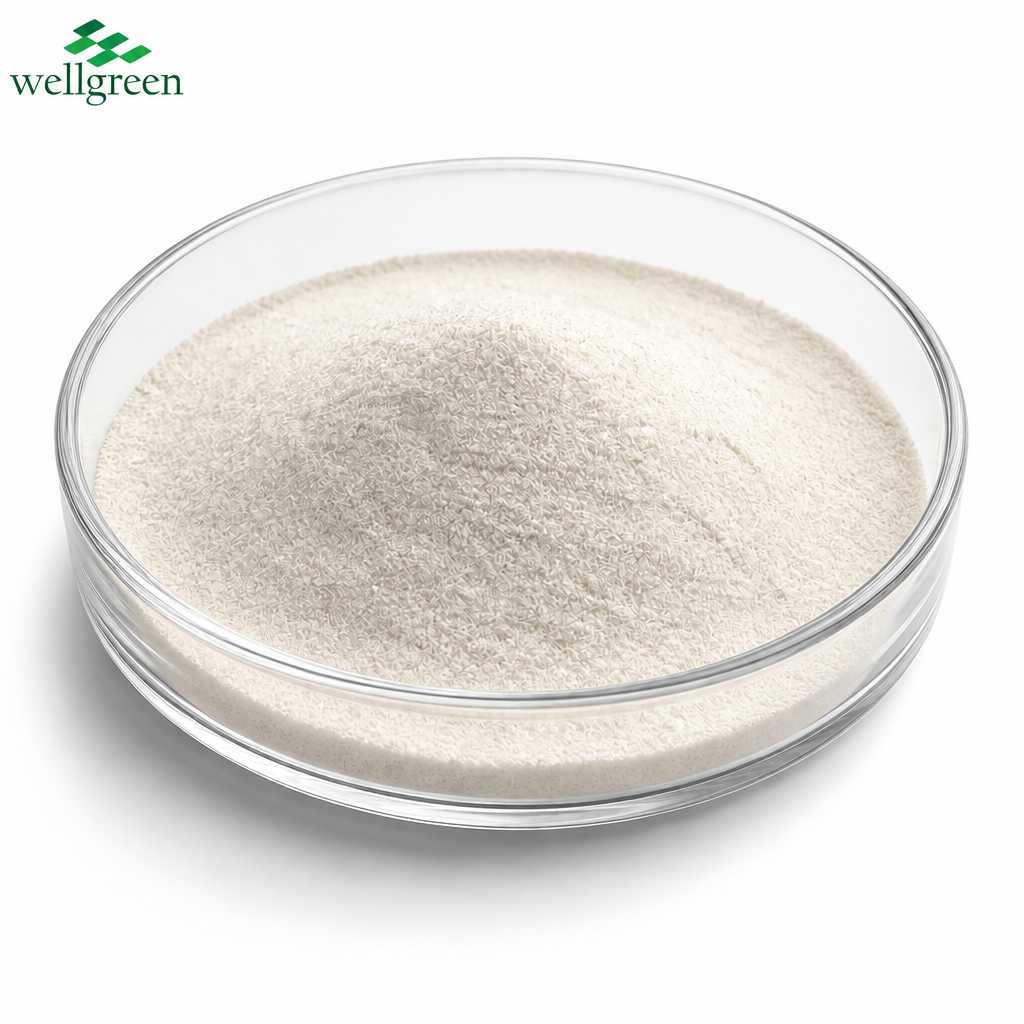
Furthermore, our mechanical purification system utilizes continuous low-temperature vacuum extraction and micro-filtration, successfully stripping the characteristic earthy, beany, and pyrazine volatile off-notes that traditionally afflict legume raw materials. The resultant powder is off-white to pale cream, virtually neutral in flavor, instantaneously dispersible without high-shear agitation, and resistant to thermal precipitation during high-temperature short-time (HTST) or ultra-high-temperature (UHT) sterilization runs.
Evaluating the precise industrial, medical, and commercial entry points for organic hydrolysed pea protein across the Republic of Cuba's state procurement and emerging private sectors.
Cuba's Ministry of Public Health (MINSAP) oversees an extensive hospital network where nutritional therapy is paramount. Hydrolysed organic pea protein serves as an essential, non-allergenic nitrogen source in elemental and semi-elemental medical feeds for gastrointestinal rehabilitation, oncology convalescence, and pediatric clinics where dairy-based formulas cause lactose intolerance or milk protein-induced enterocolitis.
Under the Ministry of Food Industry (MINAL), Cuban food production plants seek stable protein fortifiers to enrich domestic dairy substitutes, soymilk beverages (*soya enriquecida*), nutritional crackers, and breakfast blends. With rapid dispersibility in room-temperature water and structural resilience in tropical humidity, our pea peptides elevate protein content without coagulating or altering regional recipe profiles.
The international hospitality corridors of Varadero, Havana, and Jardines del Rey cater to hundreds of thousands of international visitors demanding certified organic, vegan, non-GMO, and clean-label dietary options. All-inclusive luxury resort chains utilize our neutral hydrolysate in RTD wellness shakes, plant-based smoothies, and premium vegan pastry manufacturing without dairy-derived emulsifiers.
The National Institute of Sports, Physical Education and Recreation (INDER) requires high-potency, low-fat protein supplements for elite athletic conditioning and Olympic combat/strength regimens. Delivering 17.9% natural BCAAs and elevated L-arginine (surpassing dairy whey), pea protein hydrolysates promote muscular hypertrophy, accelerate post-exertion glycogen resynthesis, and optimize nitric oxide production.
Cuba is experiencing a profound transition in its agri-food procurement paradigm. Driven by economic modernization directives and national strategies focusing on nutritional sovereignty (*Soberanía Alimentaria y Educación Nutricional*), state enterprises and private SMEs (*Mipymes*) are actively optimizing raw material supply chains to overcome historical supply volatilities in imported animal proteins.
Rising international market volatility for whole milk powder (WMP) and skimmed milk powder (SMP) has propelled state entities like Coralsa and Alimport to seek cost-efficient, long-shelf-life plant alternatives. Hydrolysed organic pea protein offers a shelf life exceeding 24 months, high thermo-stability, and superior resistance to tropical spoilage.
Since the regulatory authorization of micro, small, and medium-sized enterprises in Cuba, hundreds of entrepreneurial commercial entities have emerged in food processing, bakery, functional beverage, and supplement packaging. These entities require flexible MOQs (from 1 kg to container loads) and turn-key OEM formulation assistance.
The development of the Special Development Zone of Mariel (ZEDM) provides deep-water maritime logistics and bonded warehouse facilities. By routing dry-container shipments through major maritime corridors from China directly into Mariel, procurement overheads and transshipment delays through secondary regional hubs are significantly reduced.
Direct supply to the Cuban institutional market mandates stringent regulatory adherence. Ingredients must comply with Cuban National Standards (Normas Cubanas - NC) governing food additive contaminants (NC 493), heavy metal thresholds (NC 492), and microbiological criteria (NC 585). For pharmaceutical or clinical dietary applications, documentation must align with CECMED (*Centro para el Control Estatal de Medicamentos, Equipos y Dispositivos Médicos*) dossier standards, including certified Certificate of Analysis (COA) with HPLC assay confirmation, non-GMO declarations, and validated organic certifications (USDA/EU Organic equivalence).
Combining high-capacity automated extraction workshops with pharmaceutical-grade analytic instrumentation to guarantee repeatable batch metrics from pilot trials to multi-container exports.
Our expansive processing plant in Shaanxi, China, has undergone comprehensive physical onsite assessment by SGS Group. We operate dedicated stainless steel enzymatic reactors, vacuum concentration towers, high-velocity spray-drying chambers, and Class 100,000 cleanroom packaging suites.
Every single batch released from our factory is submitted to strict internal physicochemical, chromatographic, and microbiological release protocols. We utilize high-performance liquid chromatography (HPLC) and UV-spectrophotometry to confirm peptide molecular distribution and exclude adulteration.
Our manufacturing and quality assurance operations strictly conform to ISO 9001:2015, ISO 22000, and HACCP standards. Selected product lots hold formal USDA Organic, EU Organic, and EOS accreditations, alongside international HALAL, KOSHER, and feed-grade FAMI-QS certifications.
Recognizing the distinct operational stages of Cuban procurement—from exploratory laboratory validation and pilot registration trials to industrial-scale production—we accommodate flexible orders starting from 1 kg up to multiple 20ft/40ft FCL bulk container shipments.
We do not merely supply raw powder; our in-house food scientists collaborate directly with your formulation engineers. We provide custom hydrolysis degrees, targeted molecular weight cuts, mesh sizing (80 to 200 mesh), customized premix blending, and private-label packaging.
To withstand the Caribbean basin's elevated relative humidity and marine transport temperatures, our bulk goods are hermetically double-sealed inside food-grade virgin polyethylene inner liners shielded by heavy-gauge, multi-layer aluminum foil and reinforced fiber drums.
Key technical, regulatory, logistical, and currency settlement insights specifically tailored for enterprises importing into Havana, Mariel, and Santiago de Cuba.