English English
Direct supply from audited Xi'an processing centers. Complete batch documentation, COA validation, HPLC finger-printing, and low-MOQ baseline procurement available for Linz contract manufacturers.

Understanding the molecular advantage of bis[(2R,3S)-2,3,4-trihydroxybutanoato-alphaO,alphaO']magnesium (CAS 778571-57-6) over conventional inorganic and organic magnesium complexes for target delivery across the blood-brain barrier.
In the evolving landscape of neuro-nutraceutical formulation across Upper Austria, standard chelated minerals such as Magnesium Bisglycinate, Citrate, and Malate exhibit clear structural limitations. While standard organic salts effectively elevate serum magnesium concentrations and maintain peripheral neuromuscular homeostasis, they lack the specific transport kinetics required to significantly alter cerebrospinal fluid (CSF) elemental magnesium indices. Magnesium L-Threonate (MgT) represents a distinct stereochemical solution designed specifically for neurocognitive therapeutics, synaptic plasticity enhancement, and age-attenuated cognitive decline prevention.
Synthesized through the controlled stoichiometric chelation of high-purity pharmaceutical-grade magnesium hydroxide or magnesium carbonate with enantiomerically pure L-threonic acid (derived via selective aqueous catalytic oxidation of ascorbic acid), the resulting complex forms an exceptionally stable, non-hygroscopic coordinate coordination lattice. The L-threonate moiety serves not merely as an inert counter-ion, but as a specialized functional chaperone that interacts favorably with intestinal sodium-dependent vitamin C transporter isoforms (SVCT2) and cerebrovascular glucose/monocarboxylate transport channels, significantly elevating transcellular transport across brain microvascular endothelial cells.
| Analytical Parameter | Magnesium L-Threonate (MgT) | Magnesium Bisglycinate | Magnesium Citrate (Anhydrous) | Testing Methodology |
|---|---|---|---|---|
| CAS Registry Number | 778571-57-6 | 14453-83-9 | 3344-18-1 | Chemical Registry Index |
| Molecular Formula & Weight | C8H14MgO10 • 294.50 g/mol | C4H8MgN2O4 • 172.42 g/mol | C12H10Mg3O14 • 451.11 g/mol | Stoichiometric Calculation |
| Assay Purity (Dry Basis) | ≥ 98.5% | ≥ 98.0% | ≥ 97.5% | HPLC / Complexometric Titration |
| Elemental Mg Content | 7.2% – 8.3% | 11.0% – 13.5% | 15.0% – 16.5% | ICP-OES / Titration (Ph. Eur.) |
| Blood-Brain Barrier (BBB) Flux | High (Demonstrated CSF elevation) | Low to Undetectable | Negligible | In Vitro Endothelial Monolayer / In Vivo |
| Solubility in Water (25°C) | Freely Soluble (≥ 200 g/L) | Moderately Soluble (~100 g/L) | Sparingly Soluble (~20 g/L) | Gravimetric Visual Confirmation |
| Residual Solvents (Ethanol/Methanol) | Complies with EP < 5000 ppm / < 3000 ppm | USP / EP Compliant | USP / EP Compliant | HS-GC-FID (EP 2.4.24) |
Linz serves as the central hub of Upper Austria's bioprocess, biomedical, and health-tech sectors. Our pharmaceutical-grade Magnesium L-Threonate powder integrates directly into contract compounding, functional food manufacturing, and advanced hospital clinical nutrition chains.
Contract capsule and tablet producers located along the Danube logistics axis from Linz to Enns incorporate our crystalline MgT powder into cognitive support regimens. Because of its superior free-flow characteristics (bulk density 0.45–0.65 g/mL) and low angle of repose, our material operates at high-speed filling speeds without requiring excessive magnesium stearate or colloidal silica, ensuring compliance with clean-label Austrian pharmacy expectations.
With Austria's shifting demographic landscape toward healthy longevity, research institutes and nutraceutical brands across Linz, Wels, and Steyr actively engineer targeted geriatric formulas. Magnesium L-Threonate is integrated into synergistic cognitive longevity formulations alongside active compounds like Sulforaphane, Alpha Lipoic Acid, and Saffron extract to modulate NMDA receptor subunit 2B (NR2B) density, preserve structural synaptophysin levels, and support memory retention.
Thanks to exceptional thermodynamic solubility (>20g per 100ml H2O) and a neutral, slightly sweet-acidic sensory profile free from the bitter, astringent aftertaste typical of inorganic magnesium oxides or sulfated salts, our micronized 80–100 mesh powder is ideal for ready-to-mix functional stick-packs and high-end recovery beverages popular among modern Austrian fitness and biohacking demographics.
Critical market drivers impacting product developers, regulatory officers, and procurement managers operating in the DACH zone under EFSA and Austrian AGES jurisdiction.
Under Regulation (EU) 2015/2283, Austrian authorities (AGES) require robust toxicology and identity proofs. We provide comprehensive safety files, 90-day subchronic toxicity profiles, Ames mutagenicity dossiers, and identical molecular fingerprinting to support your technical notification.
Austrian consumers increasingly reject synthetic binders and talc. Our crystallization parameters yield spherical, high-density granules that provide optimal compressibility and flowability without the addition of excipients, facilitating clean-label production.
Product formulators across Linz are pairing MgT with standardized neuro-botanicals like Rhodiola Rosea (salidroside ≥3%), Korean Red Ginseng, and Broccoli Seed Sulforaphane. Our facility supplies these materials simultaneously, streamlining international shipping and customs clearing.
With direct consolidation lines linking Xi'an air-cargo networks directly into Vienna International Airport (VIE) and Linz Blue Danube Airport (LNZ), transit times for temperature-monitored vacuum-sealed drums remain predictably within 5 to 8 business days.
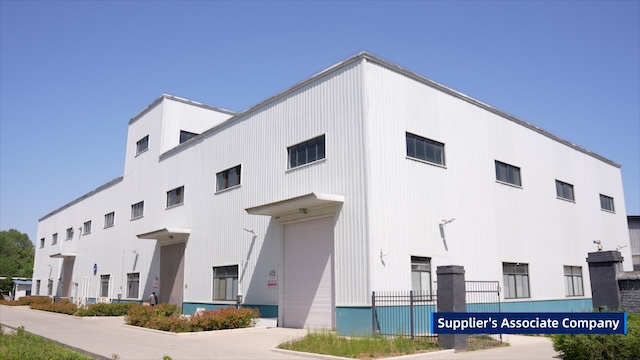
BKYULA Biotech Co., Ltd. operates state-of-the-art synthetic crystallization, botanical extraction, and aseptic cleanroom drying facilities in Xi'an, Shaanxi. Audited onsite by SGS Group and fully certified under rigorous international food and feed safety standards.
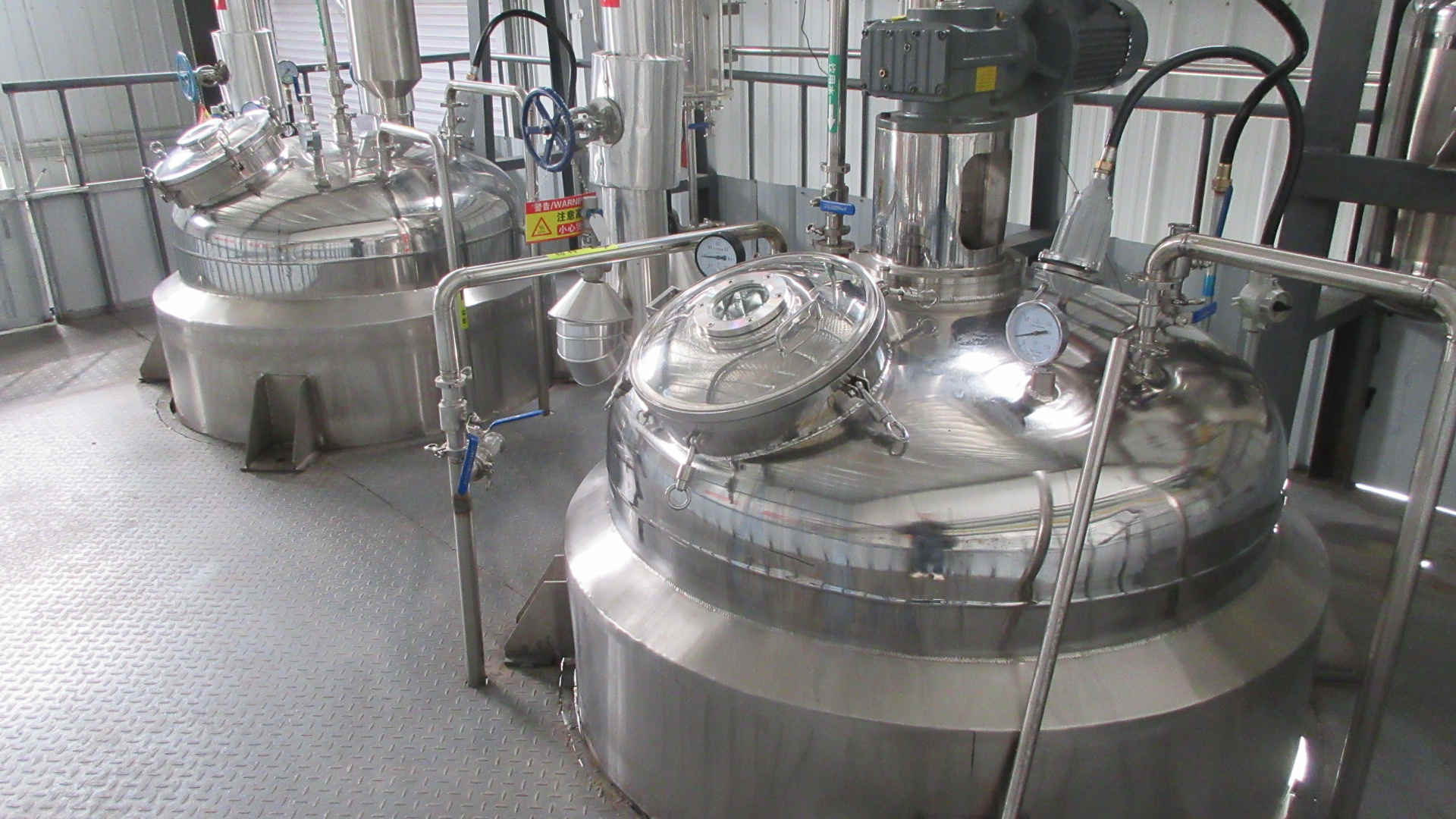
Our dedicated crystallization lines for Magnesium L-Threonate operate under strict Class 100,000 cleanroom controls. Thermal degradation of the sensitive threonate ring is prevented using automated low-temperature vacuum crystallization chambers followed by closed-circuit fluid bed drying.
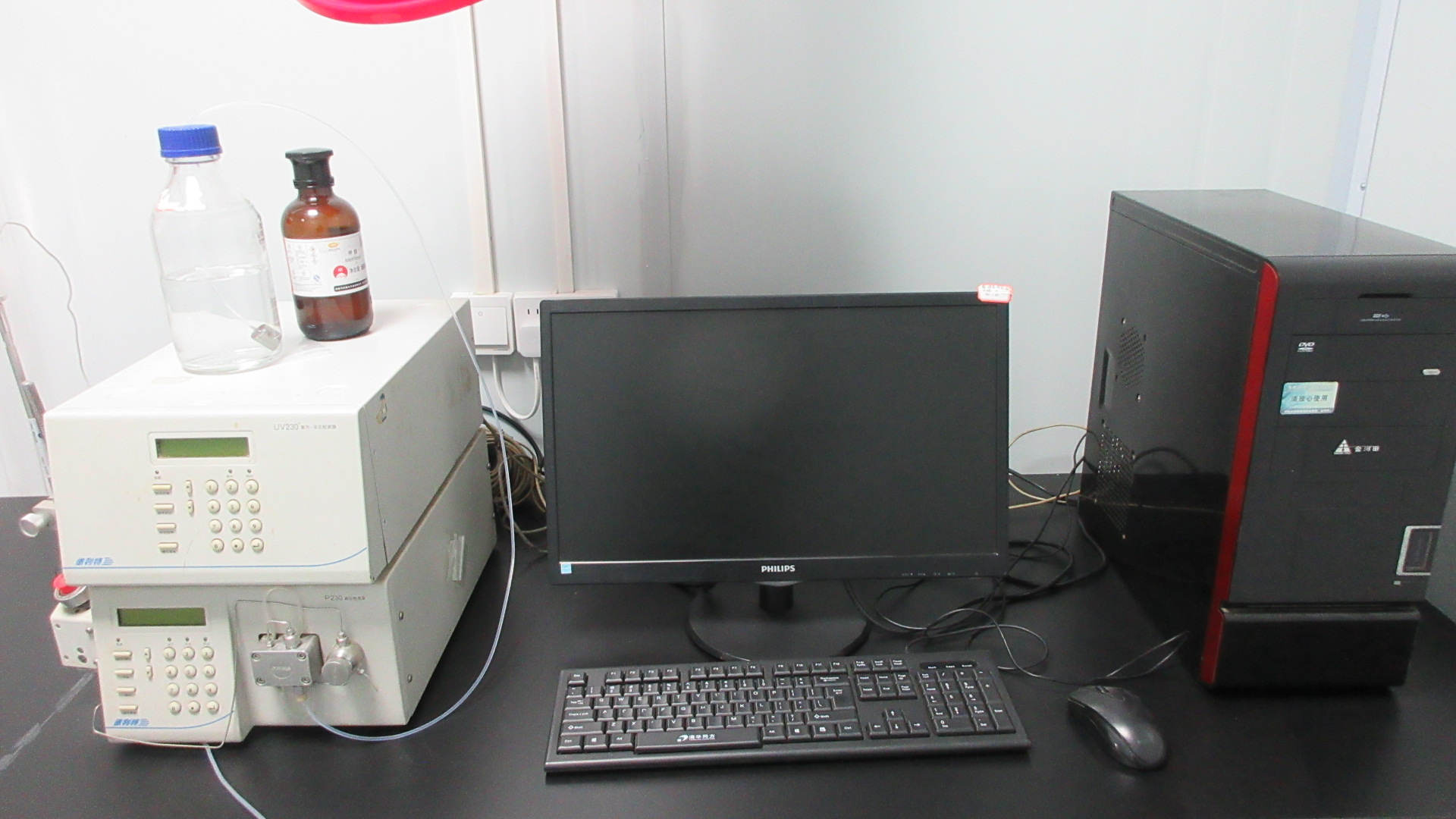
Everything your quality assurance, regulatory compliance, and supply chain departments need to know prior to issuing a commercial purchase order.
Request comprehensive technical dossiers, batch COAs, stability summaries, and complimentary pilot testing samples directly from our senior biochemical synthesis team.