 English English
Supplying Nordic & Baltic industrial manufacturers with standardized specifications, verified batch-by-batch through HPLC release protocols and third-party laboratory analysis.
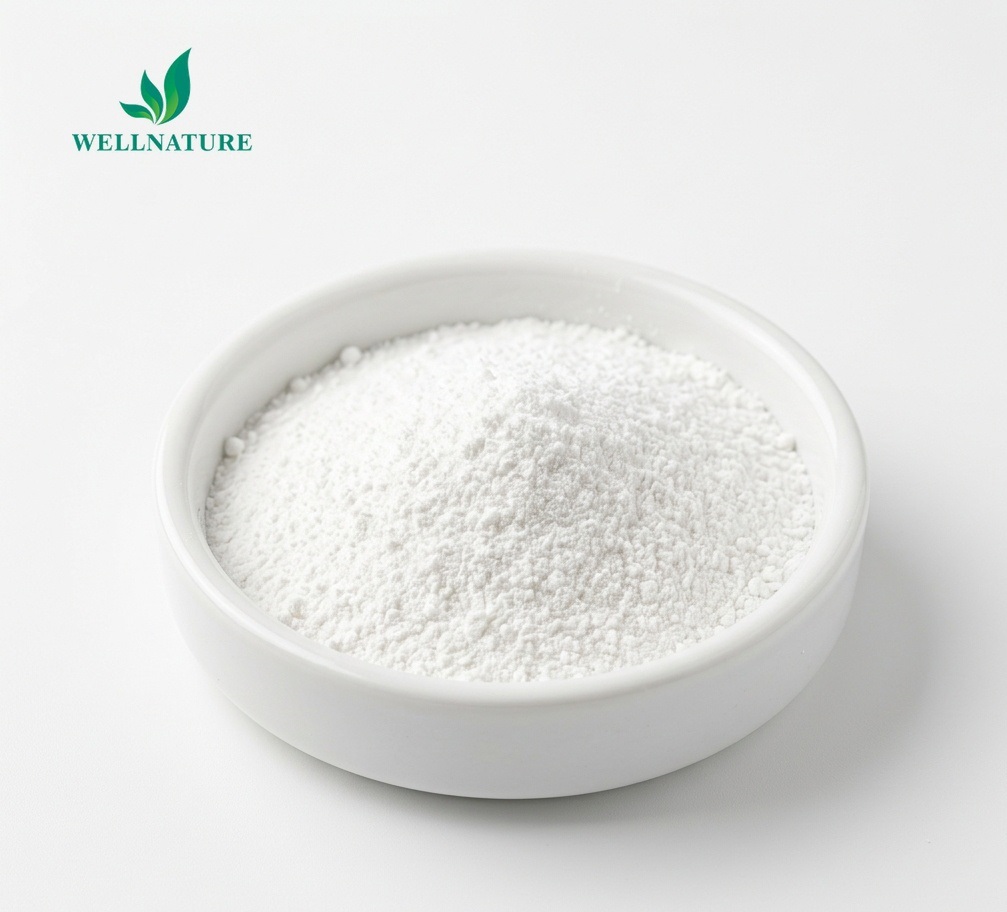
Thaumatin is a naturally occurring, high-intensity basic protein extracted from the arils of the West African katemfe fruit (Thaumatococcus daniellii). Recognized globally under additive code E957, thaumatin is approximately 2,000 to 3,000 times sweeter than sucrose on a weight basis. Beyond pure sweetness, its molecular architecture operates primarily as a multifunctional flavour modifier and umami-enhancing agent, binding to sensory receptors to dramatically alter mouthfeel, prolong sweetness persistence, and eliminate lingering bitterness from minerals, plant polyphenols, and high-intensity artificial alternatives.
As Latvia's specialized food, beverage, and nutra-manufacturing sectors modernize in response to Scandinavian and pan-European consumer shifts toward ultra-low sugar formulations, pure thaumatin powder has evolved from a specialty ingredient into an essential formulation tool. Our enterprise, certified under ISO 9001:2015, ISO 22000, and HACCP, provides commercial Latvian purchasers with traceable, high-yield, spray-dried pure thaumatin powder directly from cGMP processing hubs, guaranteeing low moisture content, stable protein activity, and uniform solubility in cold-water continuous systems.
Formulating with high-potency protein sweeteners requires an intricate understanding of synergy, pH stability, thermal tolerance, and local taste preferences across the Baltic region.
Latvian dairy producers lead the region in traditional cultured curd (biezpiens), yogurts, and kefir drinkables. Formulators face significant challenges when reducing sugar, as acidic lactic environments create harsh mouthfeel notes. Thaumatin remains stable within pH 2.5–5.5, rounding off lactic acid bite, boosting dairy creaminess, and masking off-notes in stevia-sweetened curd snacks without increasing caloric metrics.
Latvia possesses a celebrated heritage of herbal elixirs, craft beers, and apple ciders. Micro-breweries and distilleries formulating non-alcoholic or low-sugar variants struggle with mouthfeel emptiness and astringent herbal finishes. Thaumatin acts as a natural binder, rounding out tannins in wild berry concentrates, mellowing spirit sharpness, and delivering a luxurious, full-bodied viscosity without sugar recrystallization.
In traditional confection and baked rye items, consumer demand for sugar-free alternatives has expanded rapidly. Thaumatin delivers synergy with bulk polyols (maltitol, erythritol), compensating for the cooling effect of sugar alcohols while masking the metallic metallic tail of intense sweeteners. Its exceptional thermal stability during short baking and extrusion allows flawless integration into functional snack bars.
Why procurement teams across Riga, Jelgava, and Liepāja are shifting from synthetic sweeteners toward standardized bio-derived protein actives.
Latvian retail chains (e.g., Rimi, Maxima) enforce European clean-label standards. Consumers deliberately reject aspartame, sucralose, and acesulfame potassium. Thaumatin’s classification as a natural plant protein aligns with green claims.
Public health initiatives in the Baltic nations incentivizing lower sugar formulations in non-alcoholic beverages push R&D divisions to reformulate. Thaumatin enables 30–50% sugar reductions without sacrificing authentic flavor profiles.
Sports recovery blends and vitamin drinks utilizing branched-chain amino acids, zinc, or botanical extracts (e.g., ginseng, sulforaphane) suffer from metallic bitterness. Low-dose thaumatin selectively blunts these bitter taste receptors.
Because its sweetening potency is exceptionally high (micro-dosage of 0.5–5.0 ppm for flavor modification; 10–30 ppm for sweetness), warehouse space and international logistics burdens drop by up to 90% compared to bulky sucrose.
Operating modern extraction workshops, low-temperature vacuum concentration, and advanced analytical instrumentation to ensure uncompromised consistency across every metric.
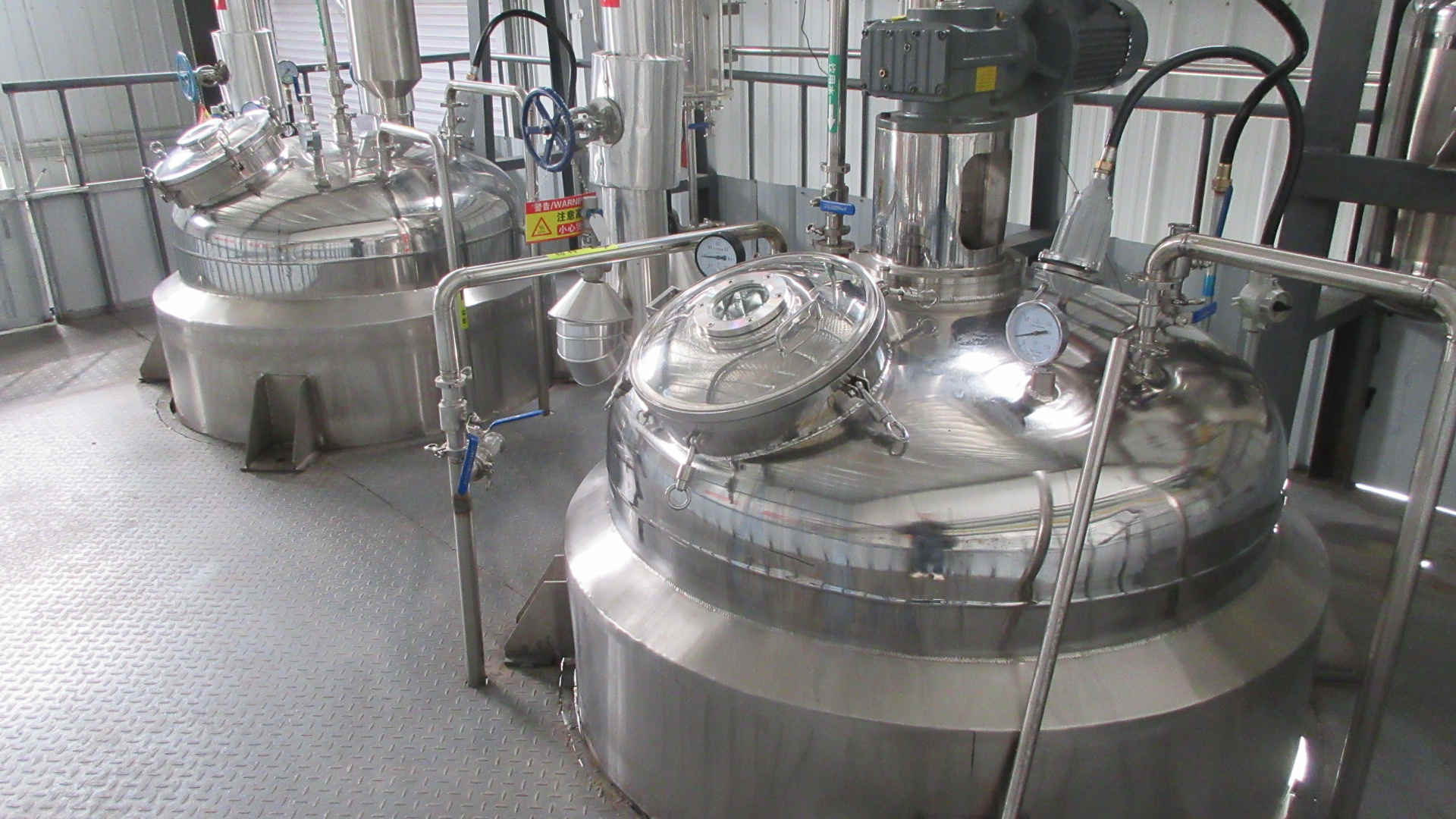
Employing multi-stage, food-grade stainless extraction tanks with micro-controlled temperature limits to prevent denaturation of functional thaumatin proteins.
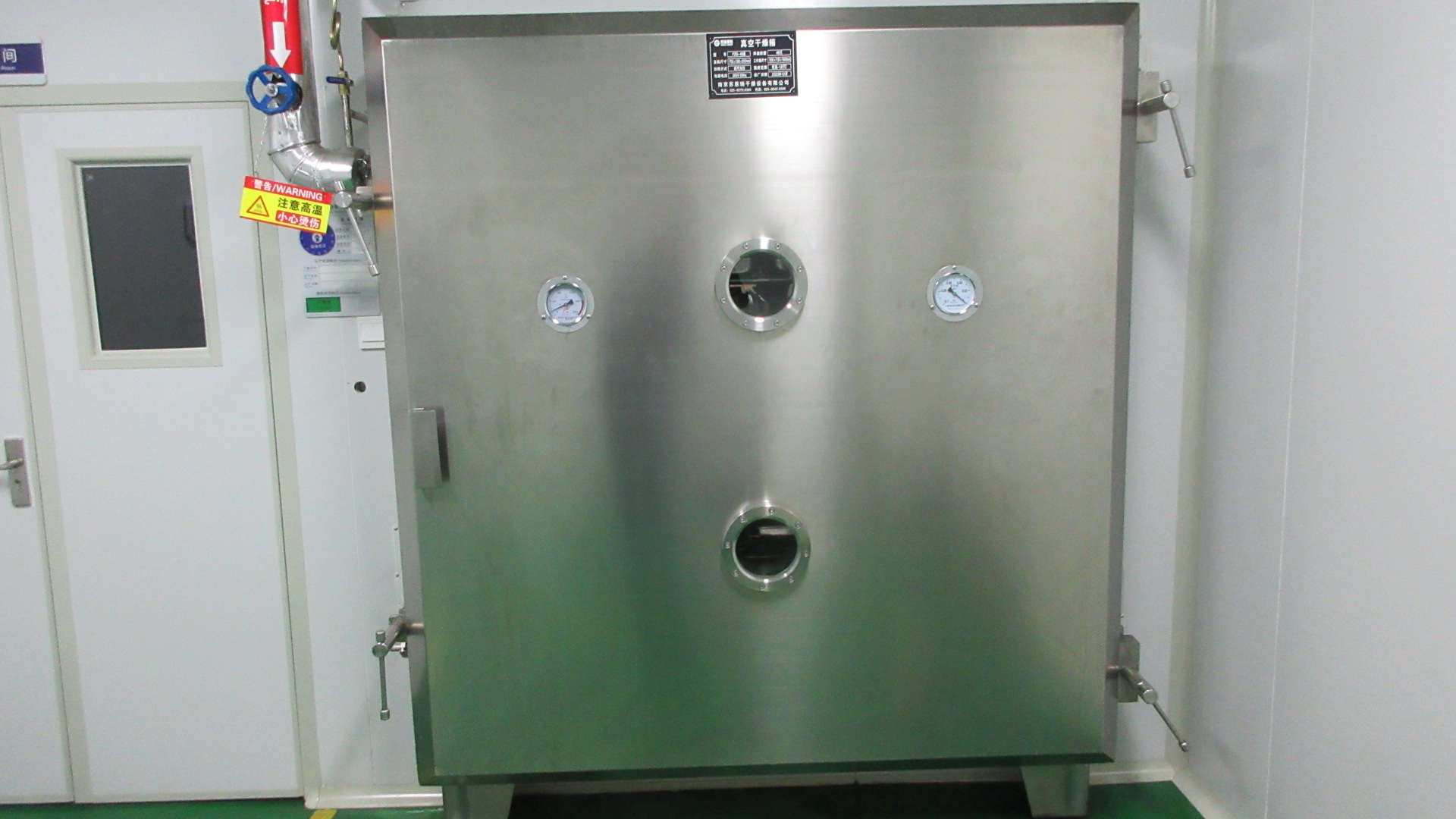
Gentle centrifugal spray drying preserving bioactivity, coupled with automated air-classification milling to yield uniform, dust-controlled powders between 80 to 120 mesh.
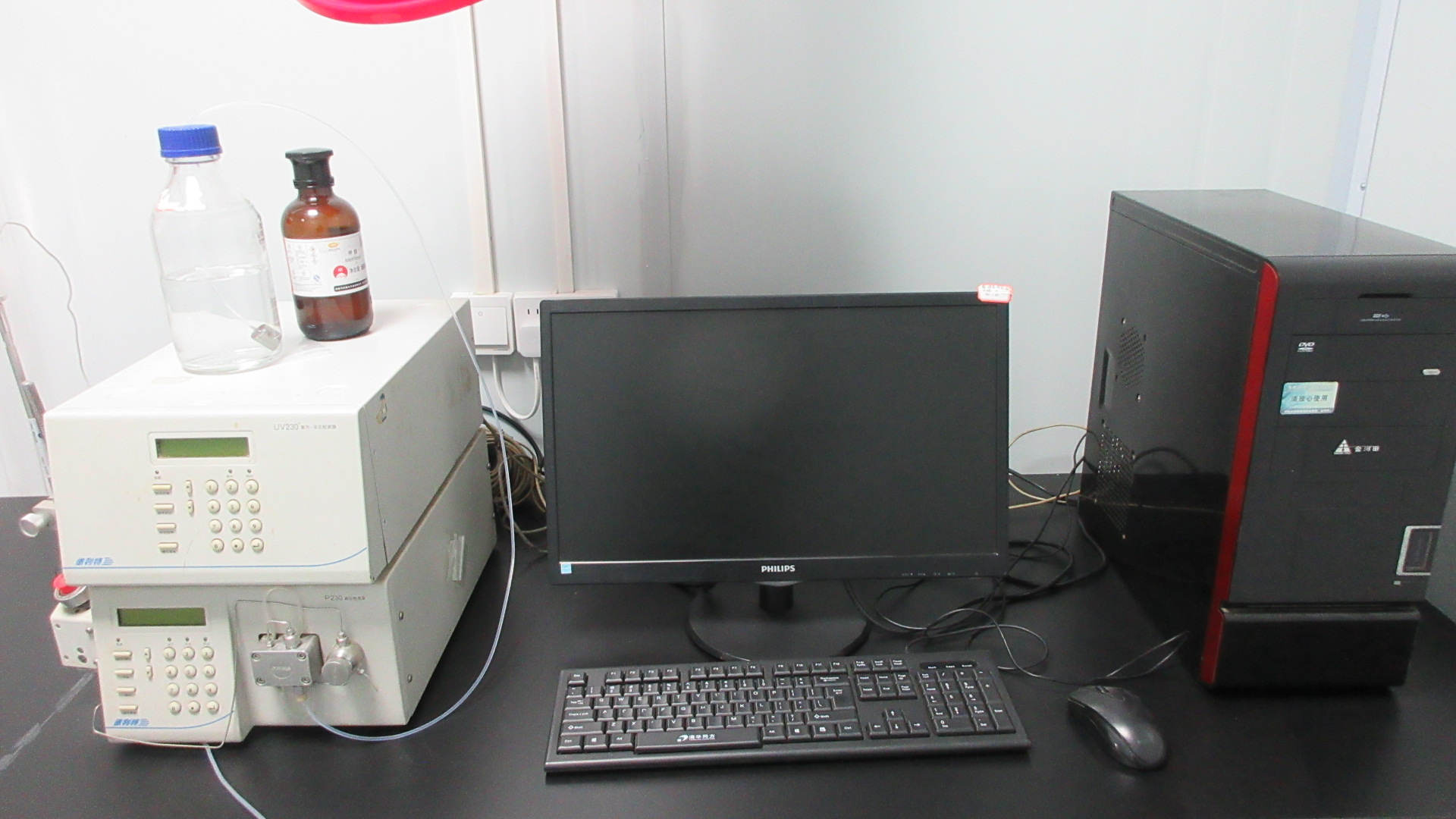
Every batch undergoes strict HPLC quantification of Thaumatin I and Thaumatin II fractions, alongside automated microbiology, pesticide residue, and heavy metal testing.
Everything technical directors, QA auditors, and purchasing officers need to know before initiating bulk or sample orders.