99% Purity
99% Food Grade Alpha Lipoic Acid Powder
Ultra-pure antioxidant bioactive for cellular health formulations, dietary capsuled supplements, and mitochondrial metabolic support.
 English
BKYULA Biotech delivers rigorous botanical separation, low-temperature vacuum concentration, and HPLC-quantified natural compounds directly to formulations facilities in Ruse and Northern Bulgaria.
Ultra-pure antioxidant bioactive for cellular health formulations, dietary capsuled supplements, and mitochondrial metabolic support.
Spray-dried, water-soluble betalain-dense beetroot powder optimized for sports endurance formulas, functional beverages, and natural coloring.
Immunomodulatory fungal extract derived from Ganoderma lucidum, standardized by UV/HPLC for adaptogenic dietary applications.
Rich in DNJ and anthocyanins for blood glucose metabolic support and instant botanical beverage blending without turbidity.
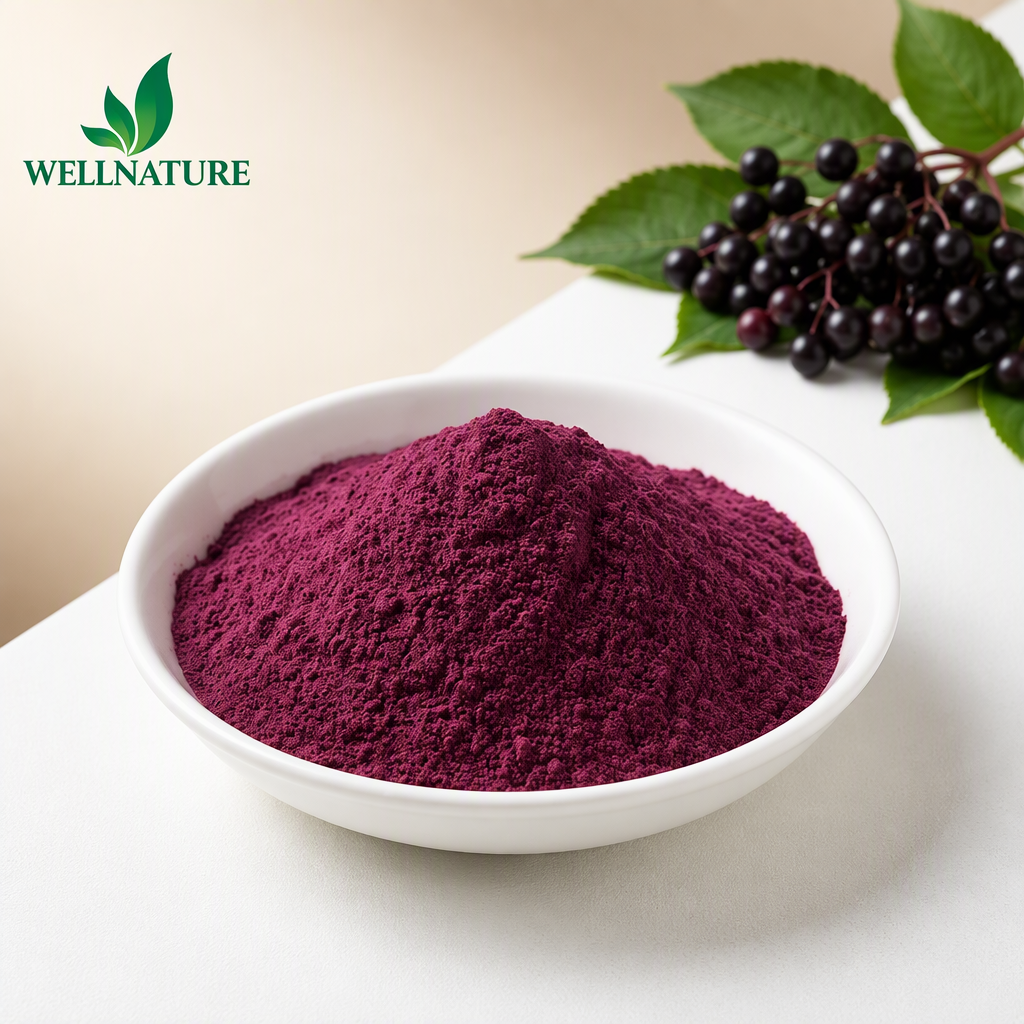
Sambucus nigra extract engineered for immune defensive gummies, syrups, and functional effervescent tablets.
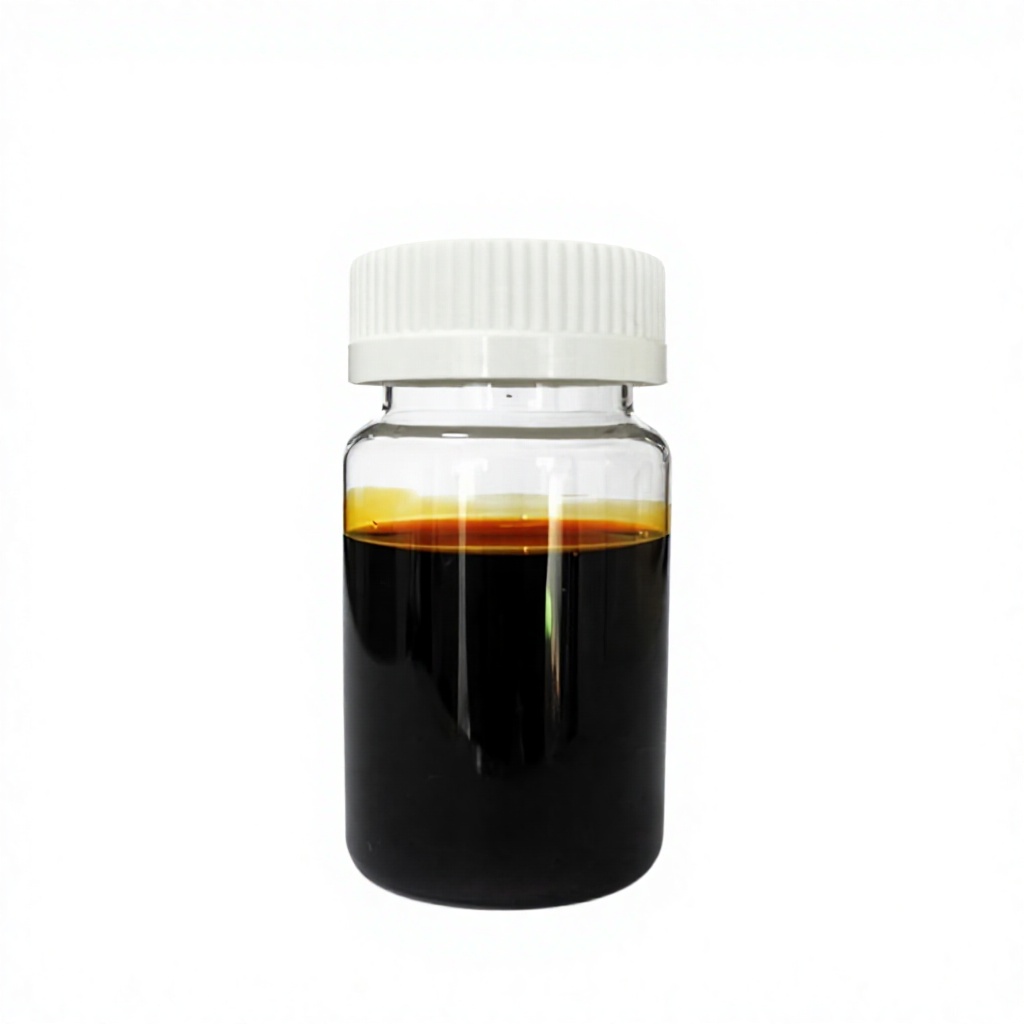
Primary purified Quillaja triterpene saponin solution for food-grade emulsification, submicron beverage clarity, and natural surfactants.
Drum-packed, food-grade berry powder matrix combining natural bioflavonoids with ascorbic acid for superior absorption and clean flavor.
Cholecalciferol microencapsulated in phospholipid carriers to prevent oxidation and maximize bioavailability in clinical supplements.
Why formulation chemists and process engineers in the Ruse trade hub transition from synthetic surfactants (such as Polysorbate 80) to purified natural triterpenoid saponins.
Derived from the Chilean soapbark tree (Quillaja saponaria Molina), our extract contains bidesmosidic triterpenoid saponins composed of quillaic acid bonded to branched oligosaccharide chains. This molecular orientation imparts exceptional amphiphilic surface activity.
Quillaja saponins form a rigid, viscoelastic film at oil-water boundaries. Unlike small-molecule synthetic surfactants, they inhibit droplet coalescence under thermal pasteurization and across broad pH gradients (pH 3.0 to 8.0), enabling translucent beverage nano-emulsions.
The lipophilic sapogenin moiety irreversibly associates with free cholesterol and membrane sterols. In feed additives and agrochemicals, this mechanism selectively destabilizes protozoan membranes while leaving bacterial biofilms and livestock intestinal architecture intact.
Positioned along the Danube River, Ruse serves as Bulgaria's crucial commercial conduit connecting Central European trade routes to the Black Sea basin. Quillaja saponaria extracts solve four pressing industrial challenges across this regional manufacturing corridor.
In the regional bottling facilities operating across Ruse, Veliko Tarnovo, and Pleven, Quillaja extract acts as an authorized foaming agent (E999) for low-sugar soft drinks, craft ciders, and malt beverages, creating persistent, creamy foam heads without residual bitter off-notes.
Northern Bulgarian livestock integrators (swine, broiler, and laying operations) face strict EU animal welfare and ammonia emission mandates. Our saponin additives reduce manure ammonia by up to 42%, suppress ruminal protozoa, and enhance nutrient uptake across the brush-border membrane.
With Ruse being the agro-industrial gateway to the Dobrudzha grain basin, formulators use non-ionic Quillaja saponins as natural wetting agents and bio-nematicides. They significantly lower water surface tension, facilitating uniform leaf coverage while adhering to strict EU organic crop frameworks.
Quillaja fraction QS-21 serves as a globally renowned immunological vaccine adjuvant. Meanwhile, personal care manufacturers near Ruse formulate sulfate-free shampoo bases, clarifying facial cleansers, and dermaceutical micellar solutions using unbleached soapbark extracts.
Review the exact batch release criteria implemented in BKYULA Biotech's cleanroom processing lines before scheduling your shipment to Ruse.
| Analytical Parameter | Quillaja Extract Liquid (Food Grade) | Quillaja Saponaria Powder (Purified) | Analytical Standard / Method |
|---|---|---|---|
| Appearance | Amber to dark brown viscous liquid | Fine tan to off-white micro-powder | Visual / Organoleptic Inspection |
| Total Saponin Assay | 20% – 25% (Liquid Basis) | 60% – 85% Saponins (Dry Basis) | Reverse-Phase HPLC / Gravimetric |
| Surface Tension (0.1% Sol.) | 36.5 – 39.0 mN/m | 32.0 – 35.0 mN/m | Du Noüy Ring Tensiometer (25°C) |
| pH Value (Direct / 1% Sol.) | 3.8 – 5.2 | 4.5 – 6.5 | Potentiometric (USP <791>) |
| Particle Size (Powder) | N/A (Liquid phase) | 100% pass through 80 Mesh sieve | Mechanical Sieve Shaker |
| Loss on Drying | N/A (Total solids: 45%–55%) | ≤ 5.0% | Vacuum Oven (105°C, 3 hrs) |
| Heavy Metals (Pb, As, Cd, Hg) | < 5.0 mg/kg total | < 3.0 mg/kg total (Pb ≤ 1 ppm) | ICP-MS (EU Regulation compliance) |
| Microbiological Parameters | TPC < 1,000 CFU/g, Pathogens Neg. | TPC < 500 CFU/g, Yeast/Mold < 50 | Aseptic Incubation (ISO 4833-1) |
Key regulatory and industrial factors accelerating botanical saponin adoption in Bulgaria and Southeast Europe.
Under the European Green Deal and national Bulgarian environmental enforcement, commercial swine and poultry operators along the Danube must slash point-source nitrogen runoffs. Quillaja saponaria, especially when formulated alongside Yucca schidigera extract, provides a non-antibiotic dietary intervention to curb intestinal urease activity and gaseous ammonia.
Consumer demographics in Eastern Europe increasingly scrutinize synthetic polysorbates, sorbitan esters, and synthetic emulsifiers. Ruse beverage contract packagers are adopting natural Quillaja saponins to stabilize hydrophobic essential oils, beta-carotenes, and functional lipid terpenes in vitamin waters and botanical teas.
With Ruse serving as a central cargo distribution nexus between Romania and Bulgaria, distributors require chemical inputs with superior biological half-lives and high thermal stability. Quillaja extracts do not precipitate in hard water basins and resist freezing-thawing cycles, making them ideal for cross-border river logistics.
Behind every kilogram delivered to Ruse is BKYULA Biotech's standardized extraction matrix, multi-stage filtration, and SGS onsite-audited facility.
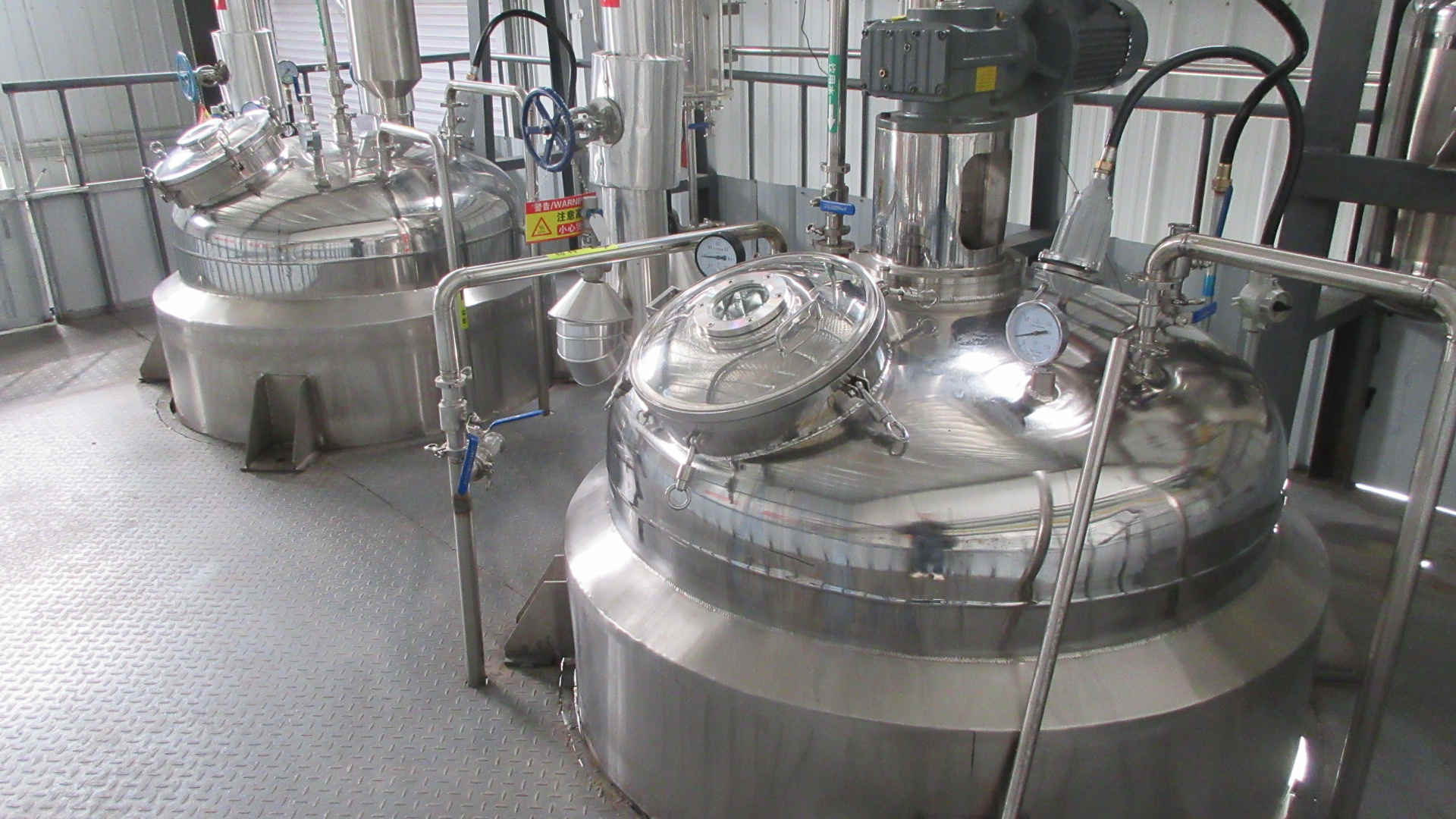
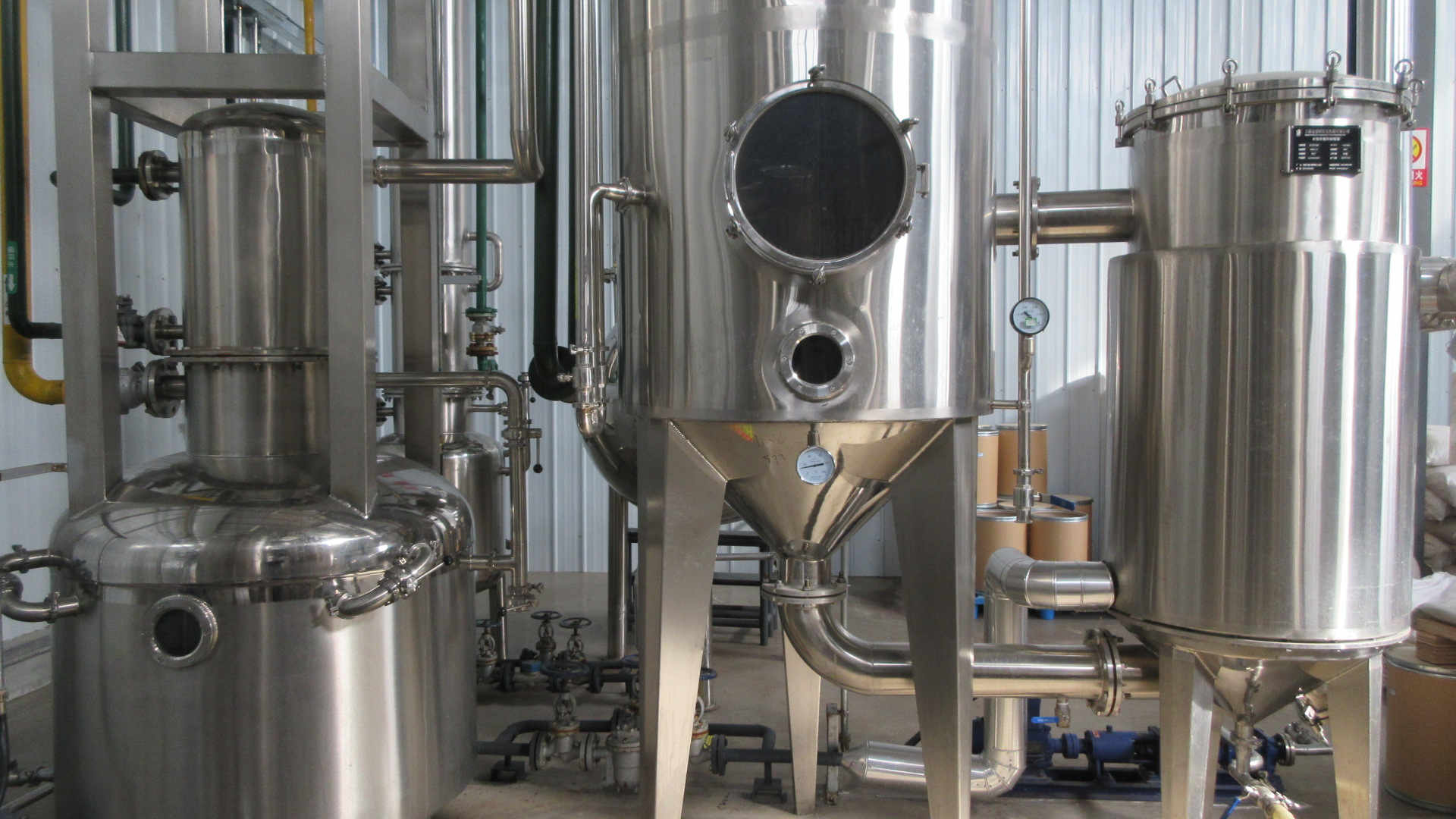
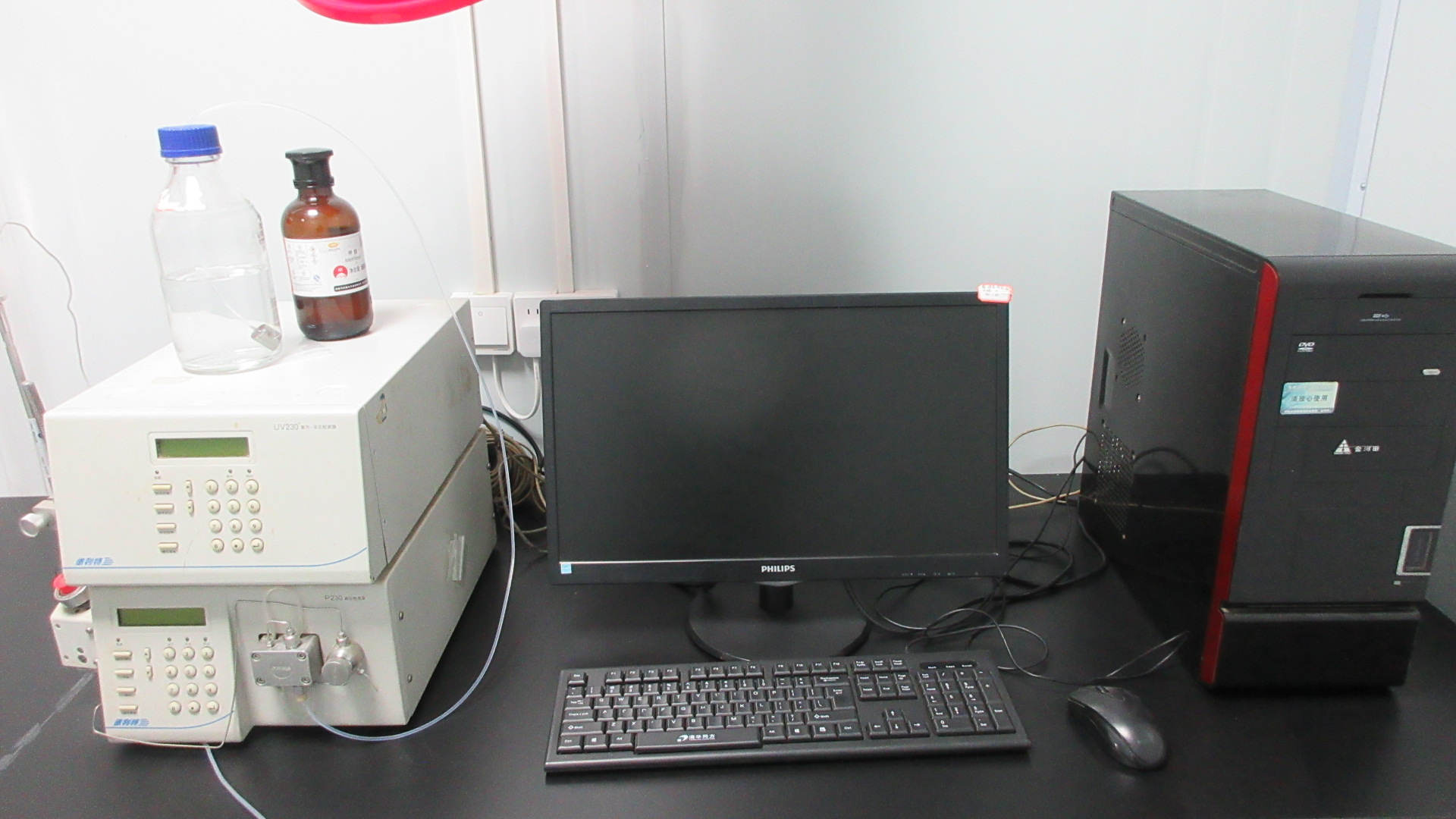
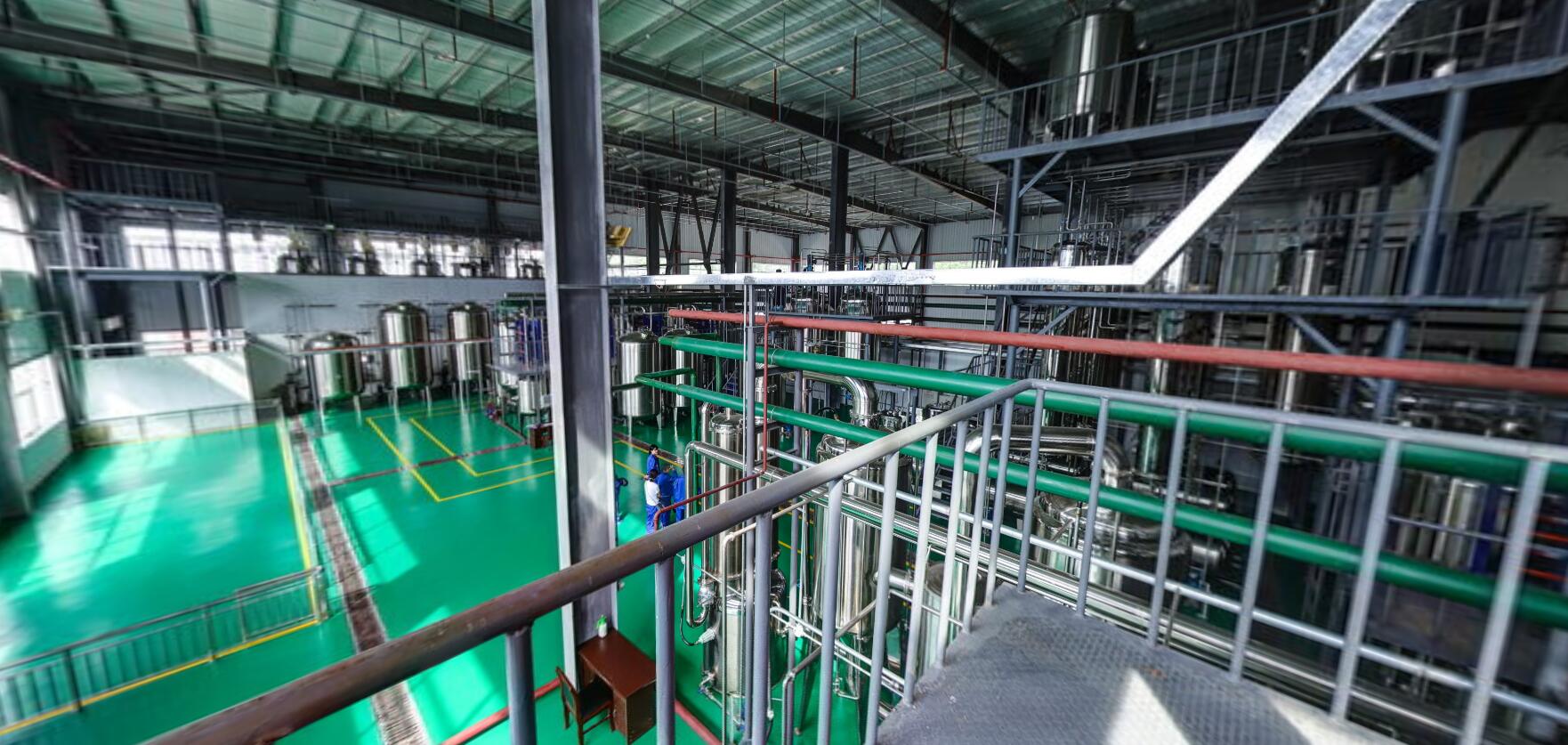
Full regulatory compliance, factory-direct economies of scale, and specialized OEM formulation flexibility.
Our processing site is verified onsite by SGS Group. We maintain comprehensive accreditations, including ISO 9001:2015, ISO 22000, HACCP, FAMI-QS (feed additive safety), as well as international HALAL, KOSHER, and EU Organic standards.
No lot leaves our extraction facility without a dual-analyst HPLC/UV assay report, microbial screening (total viable plate counts, enterobacteria, yeast/mold), and strict ICP-MS heavy metal limits meeting or exceeding European Pharmacopoeia benchmarks.
From sample dispatches (1 kg standard MOQ; 1 g for high-value actives) via DHL/FedEx to containerized ocean freight routing via Constanța or Varna into Ruse, we support versatile Incoterms (FOB, CIF, CIP, DDP) with custom clearance paperwork prepared accurately.
Direct answers to technical, regulatory, and logistics queries from Bulgarian supply chain managers.
Contact our technical engineering team for complete analytical dossiers, custom saponin specifications, and complimentary pilot samples for Ruse facilities.