Antioxidant
 English
Alongside our high-grade Quillaja Saponaria extract manufacturing infrastructure, BKYULA Biotech engineers a validated portfolio of standardized plant extracts, nutrient carriers, and organic food-grade powders engineered for Australian functional food, clean-label beverage, and pastoral agricultural applications.
Quillaja saponaria, indigenous to the temperate forests of South America and cultivated for sustainable bark cropping, represents the industry gold standard in natural, food-grade botanical triterpenoid saponins. Chemically characterised as bidesmosidic triterpenoid glycosides with quillaic acid as the predominant aglycone core, Quillaja extracts deliver an exceptional amphiphilic hydrophilic-lipophilic balance (HLB > 13). For Australian food scientists, pharmaceutical compounders, animal nutritionists, and high-efficiency agricultural chemical manufacturers, selecting an audited, direct extraction partner ensures non-denatured bioactive glycosides, pristine low-turbidity dissolution, and total regulatory alignment under FSANZ (Food Standards Australia New Zealand) and the APVMA.
The molecular mechanics of Quillaja saponins revolve around their branched sugar side chains (composed typically of glucose, galactose, rhamnose, xylose, and fucose) tethered to the quillaic acid skeleton. Unlike synthetic emulsifiers (e.g., polysorbates, sorbitan esters) or macro-protein stabilizers that require high inclusion rates, Quillaja Saponaria extract demonstrates:
| Analytical Parameter | Standard Liquid Concentrate Grade | High-Purity Purified Powder Grade | Testing Protocol Verification |
|---|---|---|---|
| Active Saponin Content | 18.0% – 22.0% (Fresh Matter) | 50.0% – 65.0% (Dry Base) | Reverse-Phase HPLC / UV Vis spectrophotometry |
| Physical Appearance | Deep brown, aqueous viscous liquid | Light beige-to-tan amorphous fine powder | Visual & Colorimetric Sensory Assessment |
| Solubility Profile | Miscible in water & hydro-ethanolic mix | Instant dissolution (<45s, 20°C), clear solution | Laser Nephelometry & In-line Turbidimetry |
| pH Value (1% Solution) | 3.80 – 5.20 | 4.50 – 5.80 | Potentiometric Digital pH Meter |
| Heavy Metals (Pb, As, Cd, Hg) | < 5.0 mg/kg aggregate | < 10.0 mg/kg (Pb <2ppm, As <1ppm) | Inductively Coupled Plasma Mass Spectrometry (ICP-MS) |
| Microbiological Bio-Burden | TPC <1,000 cfu/g; Yeast/Mold <100 cfu/g | TPC <1,000 cfu/g; Negative E. coli / Salmonella | BAM / USP Microbiological Methodology |
At BKYULA Biotech, our Quillaja Saponaria manufacturing process utilizes an environmentally benign, multi-stage counter-current aqueous extraction loop, operating below 60°C to prevent thermosensitive cleavage of functional glycosidic bonds. Following initial extraction, the raw mother liquor undergoes precision enzymatic clarifying filtration, active-carbon adsorption for color-body remediation, and vacuum falling-film ultra-low-temperature evaporation.
For purified powder configurations, continuous spray-drying with computerized heat sensors ensures immediate moisture flash-off without caramelized polysaccharide degradation. The resulting free-flowing powders (screened uniformly between 80 to 120 mesh) exhibit negligible hygroscopicity, uniform particle dispersal, and complete storage stability within nitrogen-flushed, moisture-barrier multi-ply industrial bags.
From stringently regulated craft brewing hubs in Melbourne to high-density pastoral feedlots across Queensland and New South Wales, discover how our tailored Quillaja Saponaria grades satisfy Australia’s distinct production challenges.
Australian beverage innovators face consumer backlash against synthetic sodium benzoate, propylene glycol alginate, and petrochemical surfactants. Quillaja Saponaria serves as a natural foaming agent (Standard 1.3.1 - Food Additives under FSANZ), generating tight, velvety, long-lasting micro-foam in non-alcoholic beers, carbonated botanical waters, ready-to-drink (RTD) hard seltzers, and ginger beer formulations.
Target: FSANZ Food Class • Clean BeverageIn Australian beef feedlots, intensive dairy systems, and swine operations across the Murray-Darling basin, controlling internal enteric emissions and manure ammonia gas is paramount for environmental and productivity gains. Quillaja saponins bind selectively with ruminal and intestinal protozoa cholesterol, reducing methane emissions while optimizing nitrogen partition into microbial protein.
Target: Pastoral Agriculture • Feed PremixUnder dry, hydrophobic soil conditions prevalent across regional South Australia and Western Australian grain and horticulture belts, our agricultural grade Quillaja extract acts as an OMRI-compatible natural wetting agent and bio-surfactant. It enhances droplet retention on waxy foliage, improves systemic nutrient penetration, and works as an APVMA-admissible botanical adjuvant.
Target: Horticultural Wetting & Soil WettingAustralian pharmaceutical and veterinary research groups utilise the immune-stimulating fractions of Quillaja triterpenoid saponins (specifically QS-7, QS-17, and QS-21 analogues). Our facility provides isolated fractions with consistent aldehyde functionality, delivering immune adjuvant activity for commercial livestock vaccine formulations and animal immunological research.
Target: TGA & APVMA Bio-Adjuvant StandardsWith Australian sun-care and cosmeceutical developers moving toward microbiome-safe, sulfate-free formulation platforms, Quillaja Saponaria provides natural cleansing without skin barrier disruption. It creates luxurious lather, acts as a secondary solubilizer for botanical oils, and minimizes transepidermal water loss in sensitive skincare regimes.
Target: COSMOS / Natural Cleansing SystemsIntensive barramundi, salmon, and prawn aquaculture facilities in Tasmania and Queensland deploy our aquatic-safe Quillaja surfactant to accelerate organic matter decomposition and lower unionized ammonia concentrations. By mitigating water surface tensions without bioaccumulation hazards, it protects delicate gill respiratory surfaces.
Target: Aqua-Culture Water TreatmentThe Australian industrial landscape for plant-derived surfactants and functional emulsifiers is experiencing unprecedented structural shifts. Driven by rigorous consumer transparency movements and carbon-reduction milestones across agriculture, formulation directors are pivoting decisively away from synthetic polymers and ethoxylated compounds.
Under the Australia New Zealand Food Standards Code, the transition from synthetic chemical emulsifiers (such as E433 polysorbate 80) to natural botanical alternatives has elevated Quillaja extract to preferred status. Food brands leverage its inclusion as a natural flavouring, foaming aid, or clouding agent, protecting premium shelf positions in Coles and Woolworths retail chains.
With Meat & Livestock Australia (MLA) committed to Carbon Neutral by 2030 (CN30), feedlot operators are actively integrating saponin-rich botanical extracts into daily rations. Saponin-tannin synergies show up to a 15-22% reduction in enteric methane intensity while improving rumen energetic efficiency, directly supporting carbon-credited beef programs.
The Australian Pesticides and Veterinary Medicines Authority (APVMA) continues to scrutinize nonylphenol ethoxylates and persistent surfactants. Industrial agrochemical blenders are re-formulating broadacre herbicides and biocides with Quillaja Saponaria liquid and powder fractions to achieve zero bioaccumulation and faster environmental breakdown.
BKYULA Biotech operates fully integrated extraction, concentration, purification, and drying facilities with onsite verification by SGS Group. We control every parameter from raw bark sorting to containerized Australian sea-freight dispatch.
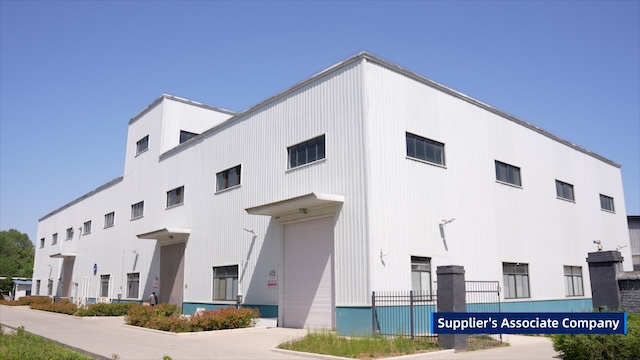
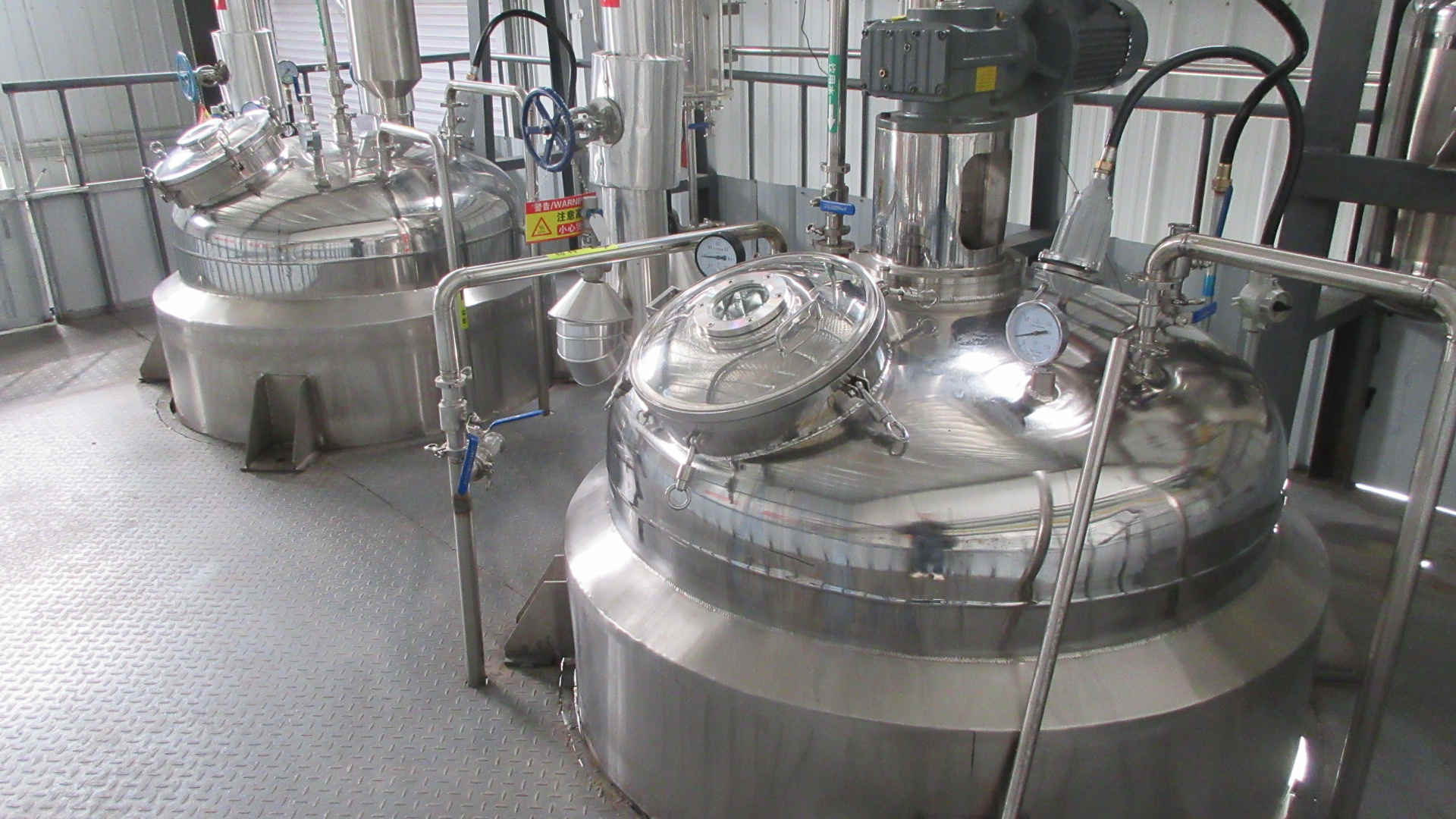
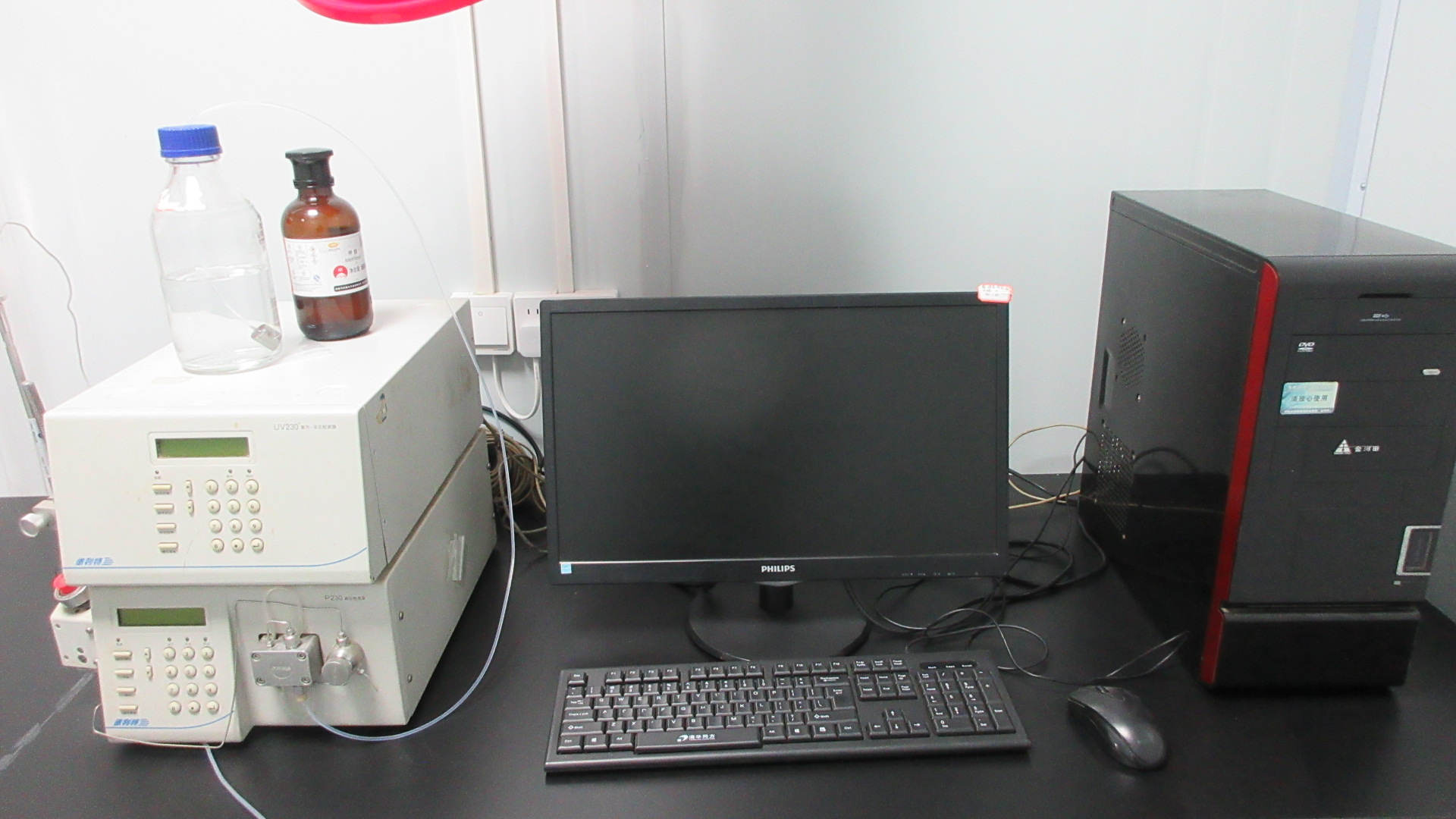
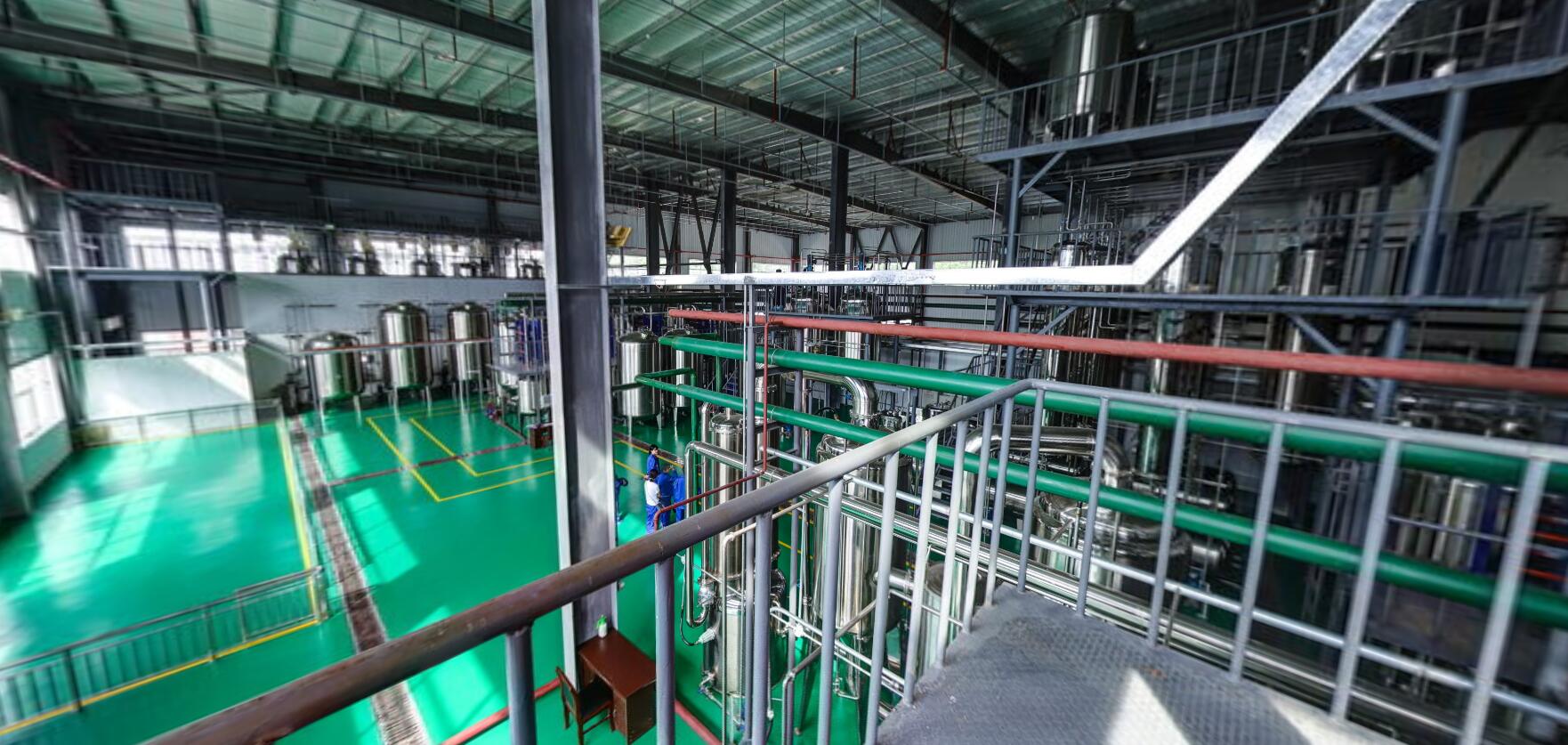
Production sites independently assessed and validated onsite by SGS Group, verifying GMP conformity, worker safety, and environmental safeguards.
Maintained compliance with ISO 9001:2015, ISO 22000, HACCP, Halal, Kosher, and FAMI-QS feed additive quality systems.
Efficient DDP, CIF, and FOB logistics direct to Sydney, Melbourne, Brisbane, Fremantle, and Adelaide with full customs and AQIS/DAFF documentation.
Commercial volumes starting from 1 kg pilot batches to FCL container loads, supported by custom ratio concentration and custom packaging.
Key technical, regulatory, and logistics answers for Australian supply managers, procurement specialists, and R&D scientists.
Quillaja extract (Quillaia extract, INS 999) is approved under Food Standards Australia New Zealand (FSANZ) Schedule 15 as an authorized food additive, functioning as a foaming agent, emulsifier, and flavouring preparation in non-alcoholic carbonated beverages, cider, and confectionary systems, subject to specified maximum permitted levels (MPLs).
Australia maintains rigorous biosecurity import conditions under BICON (Department of Agriculture, Fisheries and Forestry - DAFF). All shipments of plant extracts from our factory are accompanied by sterile processing declarations, heat-treatment verification (exceeding standard biosecurity core parameters), and non-viable botanical certificates ensuring rapid quarantine clearance at Sydney, Melbourne, and Brisbane ports.
While both are botanical saponin sources, Quillaja saponins are triterpenoid glycosides possessing higher foaming capacity and greater stability in low-pH acidic beverage environments. Yucca schidigera contains steroidal saponins, which are predominantly favored in livestock feed applications for high temperature pelleting stability and severe gastrointestinal ammonia control.
Commercial Quillaja assays are verified either via Reverse-Phase HPLC against certified quillaic acid standards or via UV-Vis Spectrophotometric total saponin methods. BKYULA Biotech provides transparent, batch-specific Certificates of Analysis (COA) explicitly declaring the exact method applied to eliminate calibration discrepancies.
Powder formulations are vacuum-sealed in double food-grade polyethylene interior bags enclosed within 20 kg or 25 kg fiber drums or reinforced corrugated cartons. Liquid concentrates are packaged in 25 kg food-grade HDPE jerrycans or 1,000 kg IBC containers. Minimum commercial order quantity starts at 1 kg for qualification samples up to multiple 20ft/40ft container loads.
For in-stock materials, air express courier consignments (samples and pilot quantities) reach Australian metropolitan centers in 4–7 business days. FCL and LCL ocean cargo consignments dispatched via major shipping lines typically arrive at East Coast ports (Sydney, Melbourne, Brisbane) within 16–22 sailing days from departure.
Whether you require a custom-titrated triterpenoid saponin concentration, pilot validation samples, or full container load (FCL) supply schedules for Australia, BKYULA Biotech delivers verified botanical purity directly from our GMP extraction workshops.