100% Water Soluble
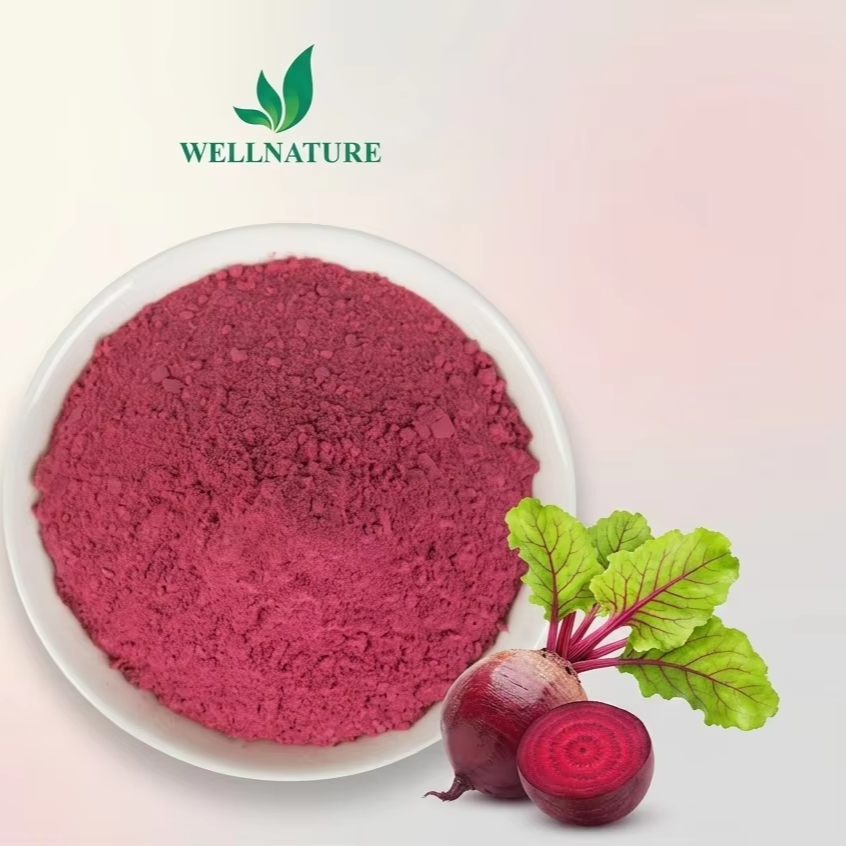
Pure Beet Root Juice Powder OEM
Standardized betanin content, spray-dried for beverage & nitric oxide formulations.
 English
Laboratory-verified bulk ingredients manufactured under ISO 9001:2015, ISO 22000, and cGMP-compliant systems, fully cross-referenced for North American import audits.
Standardized betanin content, spray-dried for beverage & nitric oxide formulations.
Ultra-pure retinyl ester/retinol crystal for dermocosmetics and skin regeneration serums.
High-bioavailability NAD+ precursor matrix designed for cellular longevity formulas.
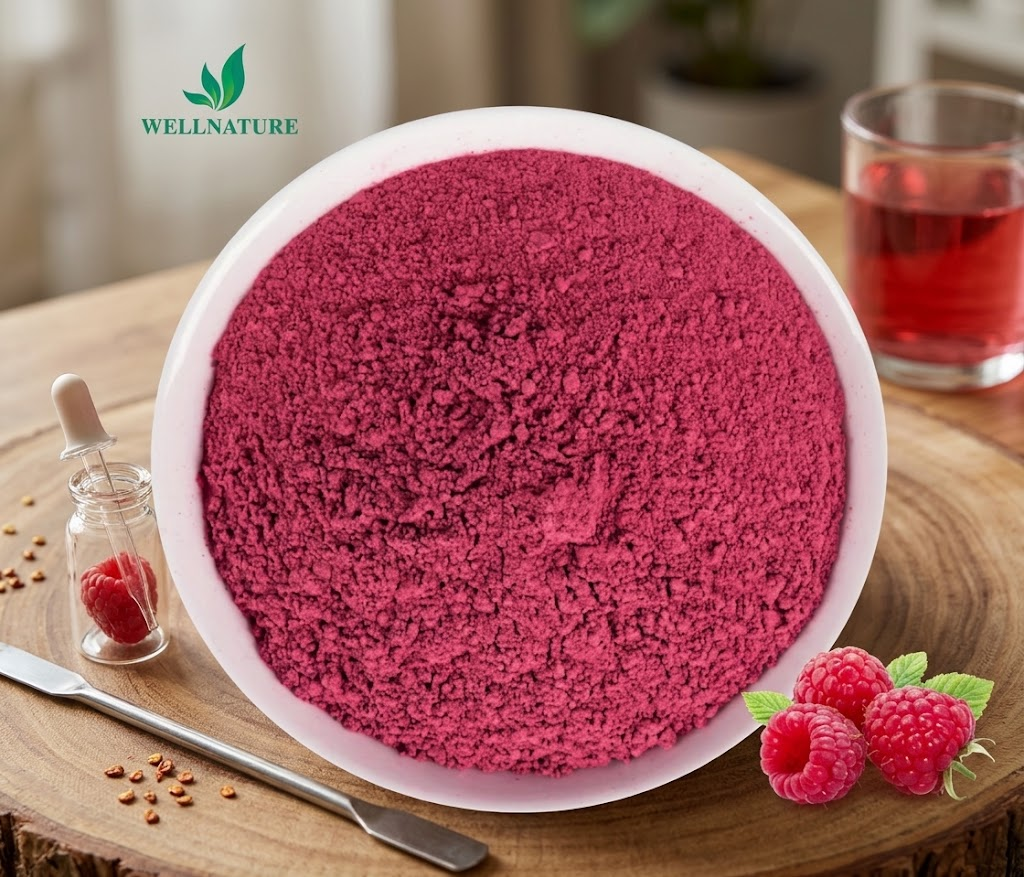
Spray-dried red raspberry polyphenol for antioxidant beverages and cellular defense.
Acetic acid standardized, non-caking carrier options for gastrointestinal supplements.
Standardized pungent principles with rapid instant dispersion for digestive formulations.
Nutrient-dense botanical adaptogen with over 99% micro-pulverized sporoderm crack rate.
UV-protected beadlet technology for precision pigmentation and aquaculture nutrition.
Berberine Hydrochloride (molecular formula: C20H18ClNO4, CAS Registry Number: 633-65-8) represents one of the most rigorously investigated quaternary benzylisoquinoline alkaloids in contemporary pharmacological science. While historically utilized in traditional phytomedicine systems, modern metabolic medicine recognizes berberine as a multi-target therapeutic agent. Its primary mechanism of action involves the direct phosphorylation and activation of 5'-adenosine monophosphate-activated protein kinase (AMPK), which stimulates cellular glucose uptake, optimizes mitochondrial oxidative capacity, regulates lipid homeostasis via the upregulation of low-density lipoprotein receptor (LDLR) expression, and modulates pro-inflammatory cytokine pathways.
Procurement teams operating in the Greater Montreal Area—from contract manufacturing hubs in Saint-Laurent and Laval to research facilities in the Technoparc—face distinct challenges when sourcing bulk Berberine HCL. Sourcing managers must evaluate four core Critical Quality Attributes:
Non-validated UV-Vis testing frequently inflates active alkaloid percentages by co-absorbing secondary protoberberine alkaloids like palmatine, jateorhizine, and coptisine. True USP monographs demand validated High-Performance Liquid Chromatography (HPLC) showing ≥ 97.0% to 99.0% anhydrous purity.
Berberine HCL forms needle-like or microcrystalline yellow powders. Formulators producing high-speed two-piece hard gelatin or pullulan capsules require controlled tapped densities (typically 0.45–0.65 g/mL) and uniform 80-to-100 mesh sizes to eliminate bridging in encapsulation hoppers.
Health Canada's heavy metal requirements are among the world's most stringent. Qualified suppliers must supply batch ICP-MS confirming Lead (Pb) < 0.5 ppm, Arsenic (As) < 1.0 ppm, Cadmium (Cd) < 0.2 ppm, and Mercury (Hg) < 0.1 ppm, well below standard dietary thresholds.
Montreal and its surrounding agglomerations—encompassing Laval’s Biotech City, Longueuil’s processing parks, and the West Island manufacturing nodes—constitute Canada's second-largest life sciences ecosystem. The regional manufacturing landscape for Berberine HCL is characterized by four primary commercial product vectors:
Direct encapsulation formulations combining Berberine HCL (500mg) with Chromium Picolinate, Alpha-Lipoic Acid, and Cinnulin PF, targeted at glucose management dossiers.
Synergistic cardiovascular complexes combining high-purity berberine alkaloid with red yeast rice extract (Monacolin K standardized) and Coenzyme Q10 for LDL cholesterol regulation.
Targeted enteric-coated tablets designed to bypass gastric acid degradation, utilizing berberine's natural broad-spectrum antimicrobial properties to manage small intestinal bacterial overgrowth (SIBO).
Innovative microencapsulated powder formats with modified organoleptic masking to disguise berberine’s intense characteristic bitterness in functional wellness drink mixes.
Navigating international supply chains requires understanding the distinction between primary botanical extractors, synthetic derivatization facilities, and domestic secondary distributors. Below is an analytical ranking of the top 10 manufacturing entities and supplier profiles supplying Berberine HCL into the Canadian market, audited for technical documentation, purity reliability, and cGMP compliance:
| Supplier / Production Platform | Core Botanical Source | Standard Assay | Certifications & Audits | Montreal Lead Time | B2B Ranking Tier |
|---|---|---|---|---|---|
| BKYULA Biotech Co., Ltd. | Berberis aristata / Coptis | ≥ 98.0% HPLC | ISO 9001, ISO 22000, SGS Audited, HALAL, KOSHER | 3–5 Days (Air) / 22 Days (Port of Montreal) | Tier 1: Primary Manufacturer |
| Shaanxi Huike Botanical Development | Phellodendron amurense | 97.0% HPLC | ISO 9001, cGMP, KOSHER | 5–7 Days (Air) / 25 Days (Ocean) | Tier 1: Commercial Extractor |
| Hunan Nutramax Inc. | Berberis vulgaris | 97.5% HPLC | ISO 22000, HACCP, USDA Organic | 6–8 Days (Air) / 26 Days (Ocean) | Tier 1: Standard Supplier |
| Sichuan Xieli Pharmaceutical Co. | Synthetic / Semi-Synthetic | ≥ 99.0% EP/USP | CEP, US-FDA cGMP, Health Canada Registered | 10–14 Days (Specialized Cargo) | Tier 1: Active Pharma (API) |
| Guilin Layn Natural Ingredients | Berberis aristata | 97.0% HPLC | BRC, ISO 9001, KOSHER, HALAL | 7–10 Days (Air Freight) | Tier 2: Global Industrial |
| Xi'an Natural Field Bio-Technique | Phellodendron chinense | 98.0% HPLC | ISO 9001, KOSHER, SC License | 5–7 Days (Air to YUL) | Tier 2: Standard Extractor |
| Chenguang Biotech Group | Mixed Botanical Biomass | 97.0% HPLC | FSSC 22000, ISO 14001, cGMP | 12–15 Days (Bulk Volume) | Tier 2: Mega-Scale Processor |
| Indena S.p.A. (European Matrix) | Berberis aristata (Phytosome) | Patented Complex | EU-GMP, Health Canada NPN Listed | 7–12 Days (European Cargo) | Tier 2: Specialty Formulator |
| Sabinsa Corporation (North American Hub) | Berberis aristata | 97.0% HPLC | USP-Verified, Halal, Kosher | 2–4 Days (Ex-Warehouse NJ/QC) | Tier 2: Re-Distributor |
| Canadian Domestic Importers (Consortium) | Variable Secondary Origin | 95.0% - 97.0% | Health Canada Site Licensed (SL) | 1–2 Days (Local Dispatch) | Tier 3: Stocking Wholesalers |
While domestic stocking distributors offer rapid turnaround for pilot R&D batches, primary manufacturers such as BKYULA Biotech Co., Ltd. deliver verifiable supply chain traceability directly to the primary herb farm. By bypassing secondary import markups and broker adulteration risks, Canadian NPN holders obtain comprehensive batch DMF (Drug Master File) documentation, complete solvent recovery transparency, and customized physical granulation tailored to high-speed tableting lines.
Shipping bulk botanical active substances to Montreal presents unique physical-chemical and environmental considerations that procurement directors must actively manage:
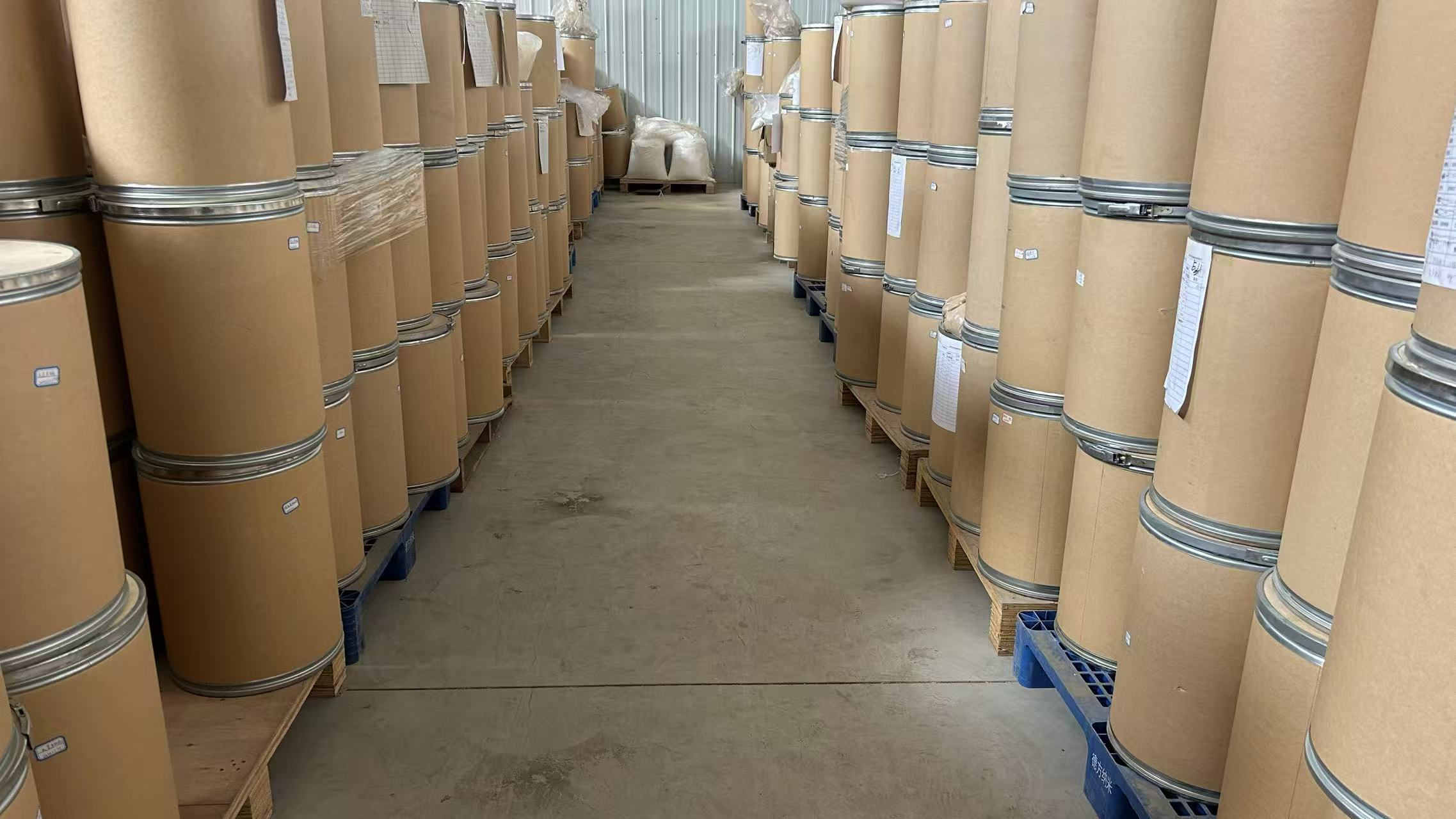
Hygroscopicity & Polymorphic State Stability: Berberine HCL is moderately hygroscopic. In its crystallized form, exposure to relative humidity exceeding 60% leads to moisture sorption, increasing Loss on Drying (LOD) beyond the USP limit of 12.0%. During maritime transport through the Saint Lawrence Seaway or winter warehousing in Quebec (where external temperatures regularly fall to -25°C while interior warehouse heating creates arid, low-humidity microclimates), moisture migration within shipping drums can induce micro-caking. BKYULA Biotech resolves this by implementing a dual-barrier hermetic packaging standard: food-grade virgin low-density polyethylene (LDPE) inner bags, evacuated with pharmaceutical-grade desiccants, housed within heat-sealed multilayer aluminium foil barrier bags inside heavy-gauge tamper-evident fiber drums.
CBSA Border Clearance & Tariff Classification: Importation into Canada via the Port of Montreal or Montreal-Trudeau Airport (YUL) requires accurate tariff categorization under Harmonized System (HS) Code 2939.99 (Vegetable alkaloids, natural or reproduced by synthesis, and their salts, ethers, esters and other derivatives). Importers must ensure that their commercial invoice and bill of lading are accompanied by an authenticated Certificate of Analysis (COA) explicitly declaring botanical origin and confirming non-derivation from controlled endangered flora under CITES Appendices.
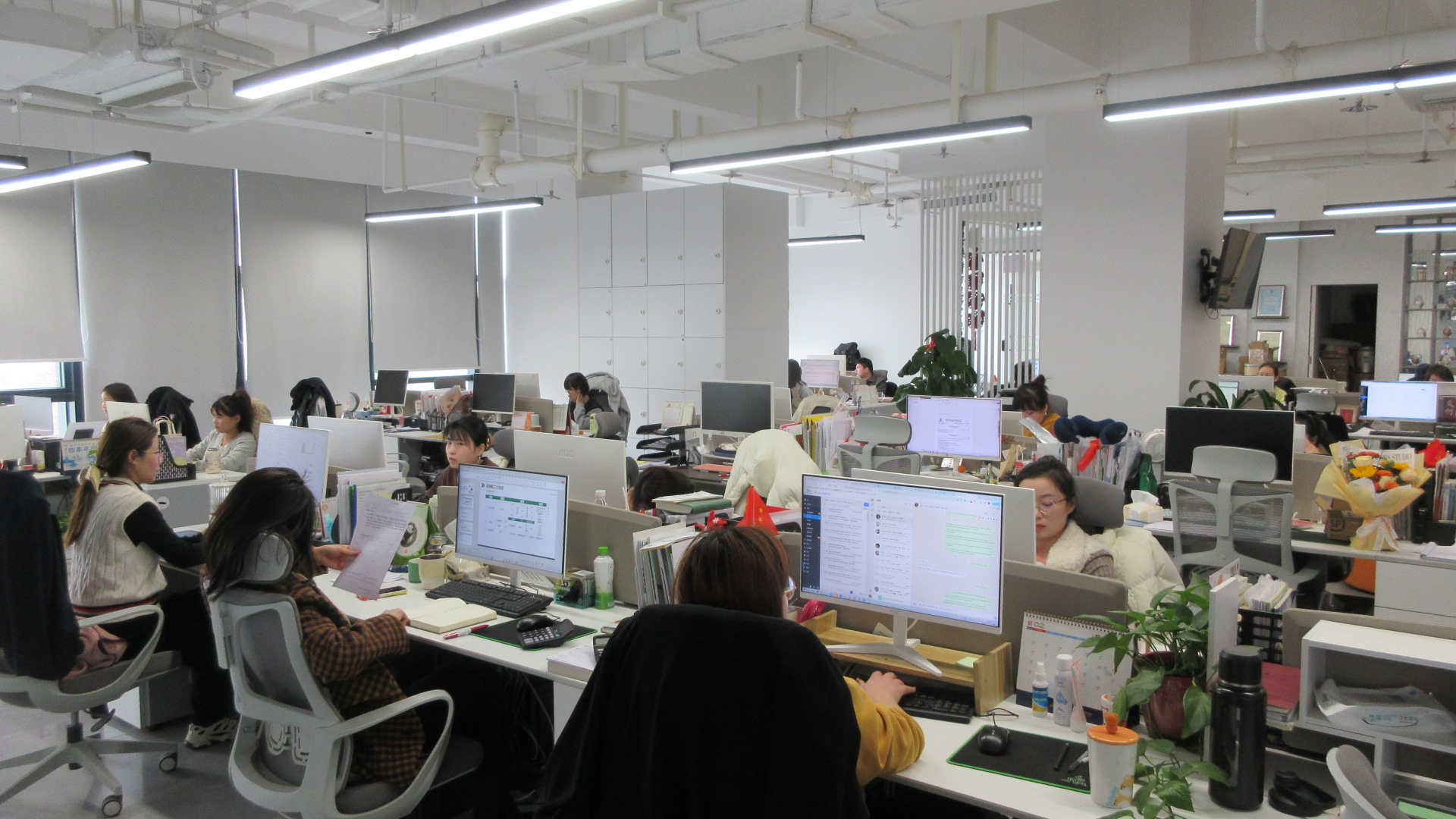
Operating from Xi'an, Shaanxi—China’s epicenter of botanical extraction technology—BKYULA Biotech operates dedicated GMP-compliant multi-function stainless extraction lines, low-temperature vacuum concentration, and high-efficiency spray drying towers. With over 15 years of manufacturing expertise, an export volume of US$4.28M, and an onsite verification by SGS Group, we provide pharmaceutical and nutraceutical clients with fully traceable, consistent, batch-standardized ingredients.
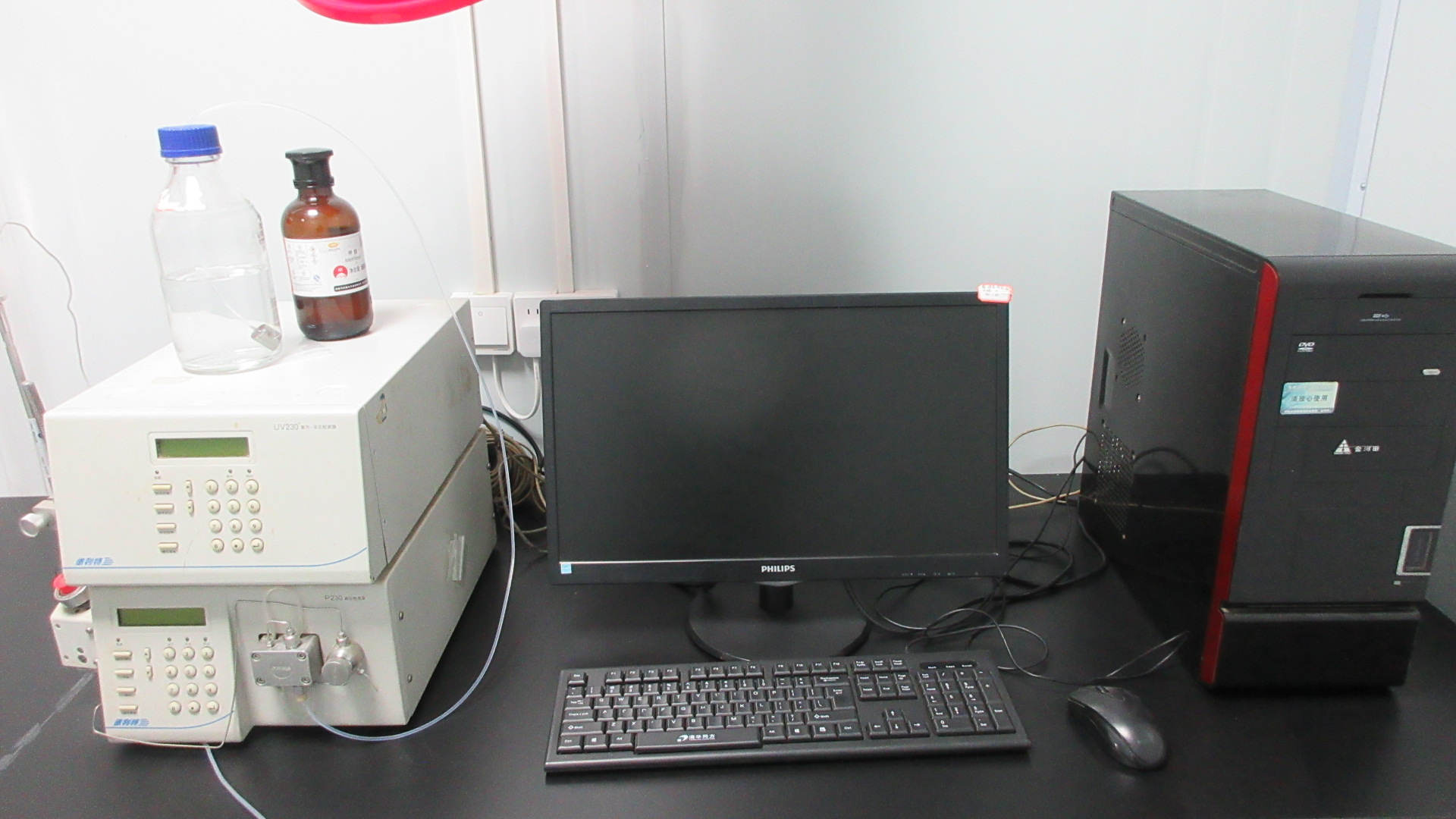
Every batch of Berberine HCL is released exclusively upon verification by our in-house HPLC/UV analytical laboratory, checking marker compounds, residual solvent ceilings (USP <467>), and microplate pathogen screens (Salmonella, E. coli, total aerobic count).
Get Catalog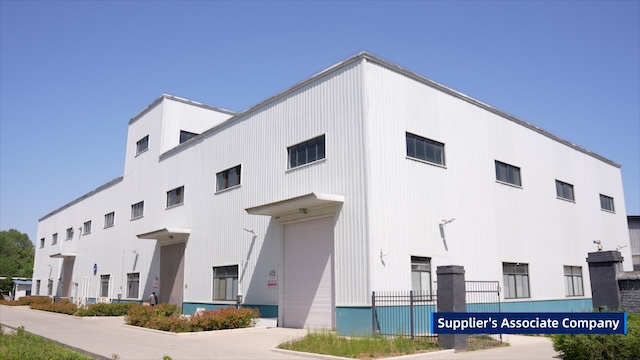
Expert regulatory, analytical, and operational answers addressing the specific requirements of Health Canada GMP compliance and Quebec manufacturing operations.
Request comprehensive batch Certificates of Analysis (COA), validated HPLC chromatograms, heavy metal test records, and competitive tier-one direct pricing today.