English English
Verified laboratory quality, standardized active compounds, and complete regulatory dossiers complying with German LFGB and European Food Safety Authority (EFSA) parameters.
The metropolitan Rhine-Main region, centered around Frankfurt am Main, represents one of Europe's premier industrial bio-corridors. As Germany's financial nexus and home to the continental logistics engine of CargoCity Frankfurt (FRA), local brand owners, Contract Development and Manufacturing Organizations (CDMOs), and nutraceutical formulators are subject to both rigorous analytical standards and compressed commercial timelines. Sourcing hydrolyzed collagen peptide powder requires a nuanced understanding of peptide molecular mass profiles, species-specific source origins, organoleptic neutrality, and compliance with the Federal Office of Consumer Protection and Food Safety (BVL) alongside Regulation (EC) No 178/2002.
For procurement officers in Frankfurt, Offenbach, Darmstadt, and Wiesbaden, reliable supplier identification rests on technical predictability: verifiable Daltons (Da) weight distributions (≤2,000 Da for enteric absorption), absence of volatile short-chain fatty acids (ensuring zero masking-agent dependency), heavy metal ceilings below strict German limits (Pb < 0.1 mg/kg, As < 0.1 mg/kg, Cd < 0.05 mg/kg, Hg < 0.01 mg/kg), and seamless custom clearance directly via Frankfurt Airport or the Port of Hamburg. BKYULA Biotech bridges this supply chain with a vertically integrated extraction, enzymolysis, and laboratory release infrastructure.
Native collagen is an insoluble extracellular triple-helix glycoprotein with a heavy molecular mass approximating 300,000 Daltons. In raw form, mammalian or marine collagen displays virtually zero direct assimilation across the intestinal enterocyte barrier. Controlled enzymatic hydrolysis breaks these macro-chains into bioactive oligopeptides. Formulators in Germany prioritize specific Di-peptides and Tri-peptides characterized by unique Proline-Hydroxyproline (Pro-Hyp) and Glycine-Proline-Hydroxyproline (Gly-Pro-Hyp) motifs.
When evaluated via Gel Permeation Chromatography (GPC), high-performance collagen peptides exhibit narrow oligopeptide distribution curves. The targeted molecular range of 1,000 to 3,000 Daltons ensures optimal chemotactic signaling to dermal fibroblasts and chondrocytes via blood circulation, bypassing gastric degradation while maximizing intracellular peptide transporter 1 (PepT1) affinity.
| Parameter / Matrix | Bovine Collagen Peptide | Marine (Fish) Collagen | Avian (Chicken Sternum) |
|---|---|---|---|
| Primary Collagen Type | Type I & Type III | Type I (High Purity) | Type II (Chondroitin Matrix) |
| Mean Molecular Mass | 2,000 – 3,000 Da | 1,000 – 2,000 Da | 1,500 – 2,500 Da |
| Primary Amino Signature | Glycine, Proline, Hydroxyproline | Hyp-rich, Lower Methionine | Gly, Pro + Mucopolysaccharides |
| Frankfurt Market Application | Sports Nutrition, Daily Powders | Premium Cosmeceuticals, Serums | Joint Cartilage Therapeutics |
| Odor & Taste Threshold | Neutral, Blank Sensory Profile | Extremely Low Fishy Odor | Mild Broth Characteristic |
Frankfurt am Main serves not only as a transactional center but also as a hub surrounded by high-tech manufacturing parks (Industriepark Höchst, Darmstadt BioTech Cluster). Industrial usage scenarios dictate strict physical particle parameters:
A. Ready-to-Mix (RTM) Sports & Wellness Powders: The German consumer base enforces a strict Clean Label ethos. Additives, anti-caking agents, or artificial aromas are routinely rejected. Collagen peptide lots bound for Frankfurt blending houses require fluidized spray agglomeration to produce instantized granules (80–100 mesh) that dissolve without floatation or sedimentation in cold liquids, kefir, or mineral water.
B. Nutricosmetics & Beauty-From-Within Elixirs: Premium German skincare brands based in Hesse demand Type I Marine Collagen powders capable of remaining perfectly crystal-clear at acidic pH regimes (pH 3.2–4.2) for liquid ampoules. Heat stability during high-temperature short-time (HTST) pasteurization without turbidity shifts or peptide cleavage is paramount.
C. Hard Gelatin / HPMC Capsule & Tablet Compression: For joint support formulations blending Hydrolyzed Collagen with functional co-factors like Reishi polysaccharides, Vitamin B3, and plant oligopeptides, particle flowability and bulk density (0.40–0.45 g/ml) eliminate mechanical segregation inside high-speed Bosch or Fette rotary tablet presses.
Compliance across Germany is overseen by the strictures of LFGB (Lebensmittel-, Bedarfsgegenstände- und Futtermittelgesetzbuch). As consumer demand pivots away from synthetics, the Frankfurt procurement ecosystem relies on verifiable production transparency:
1. Strict Absence of Ethylene Oxide (ETO) & Irradiation: In strict alignment with EU Rapid Alert System for Food and Feed (RASFF) standards, raw materials must undergo strict GC-MS screening confirming zero 2-chloroethanol or ETO residues, an absolute prerequisite for passing customs at Frankfurt Airport.
2. TSE/BSE-Free Verification: Bovine collagen lines must possess valid veterinary health certificates and complete traceability back to certified pasture-raised, hormone-free livestock, fully meeting Regulation (EC) No 999/2001.
3. Heavy Metal Thresholds: German buyers operate well within limits tighter than standard EU allowances. In-house atomic absorption spectrophotometry (AAS) and ICP-MS testing are imperative to secure batch-specific COAs demonstrating Lead ≤ 0.1 mg/kg and Cadmium ≤ 0.05 mg/kg.
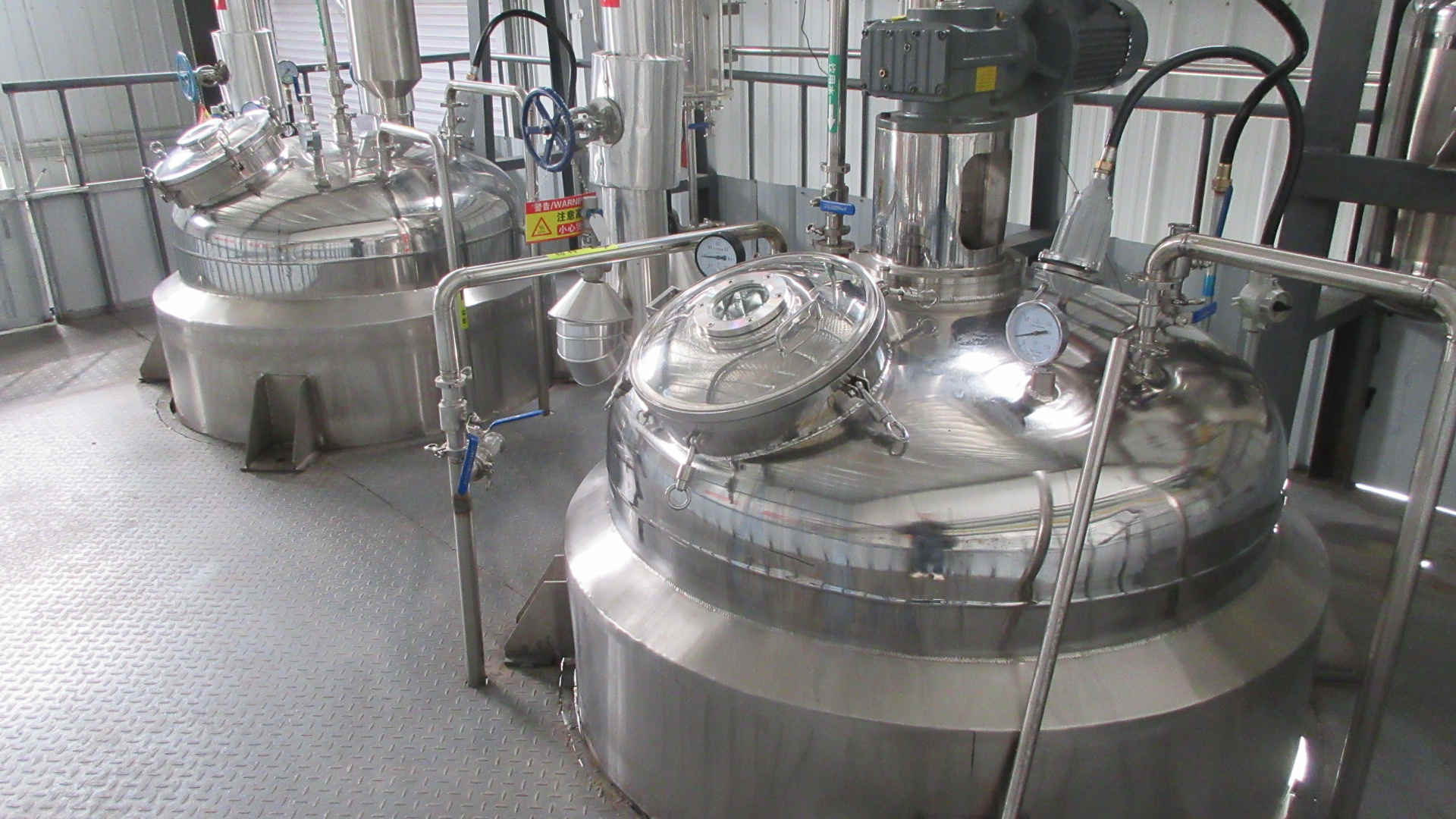
BKYULA Biotech operates full industrial lines combining enzymatic cutting, low-temperature vacuum concentration, multi-stage spray drying, and micro-particle milling.
Controlled temperature and pH-targeted enzymatic cleavage lines avoid the aggressive degradation associated with acid/alkali processing, preserving critical tripeptide sequences intact.
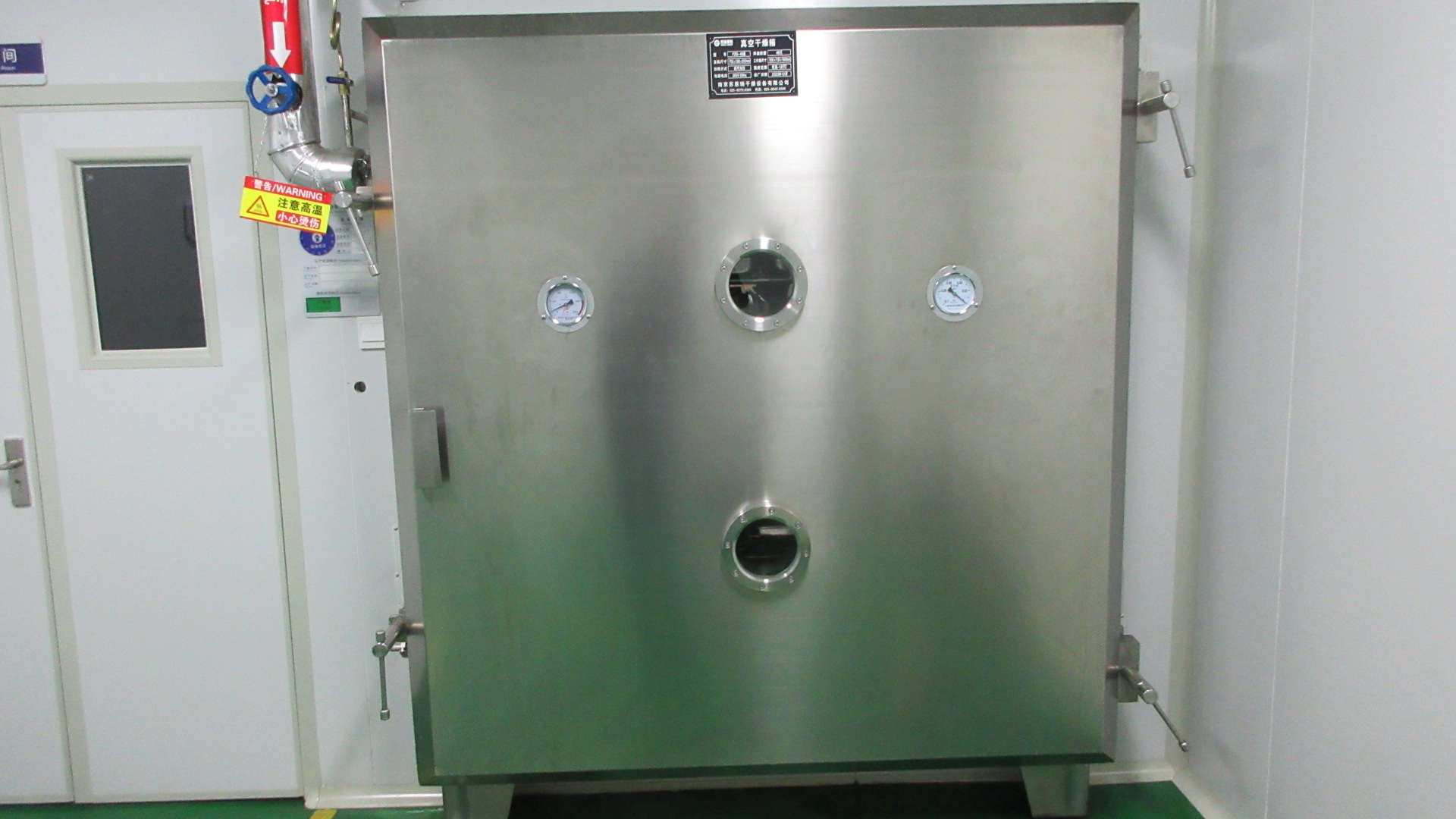
Thermolabile bioactive molecules and delicate collagen peptide strands are protected against thermal denaturation by processing under reduced pressure below 55°C.
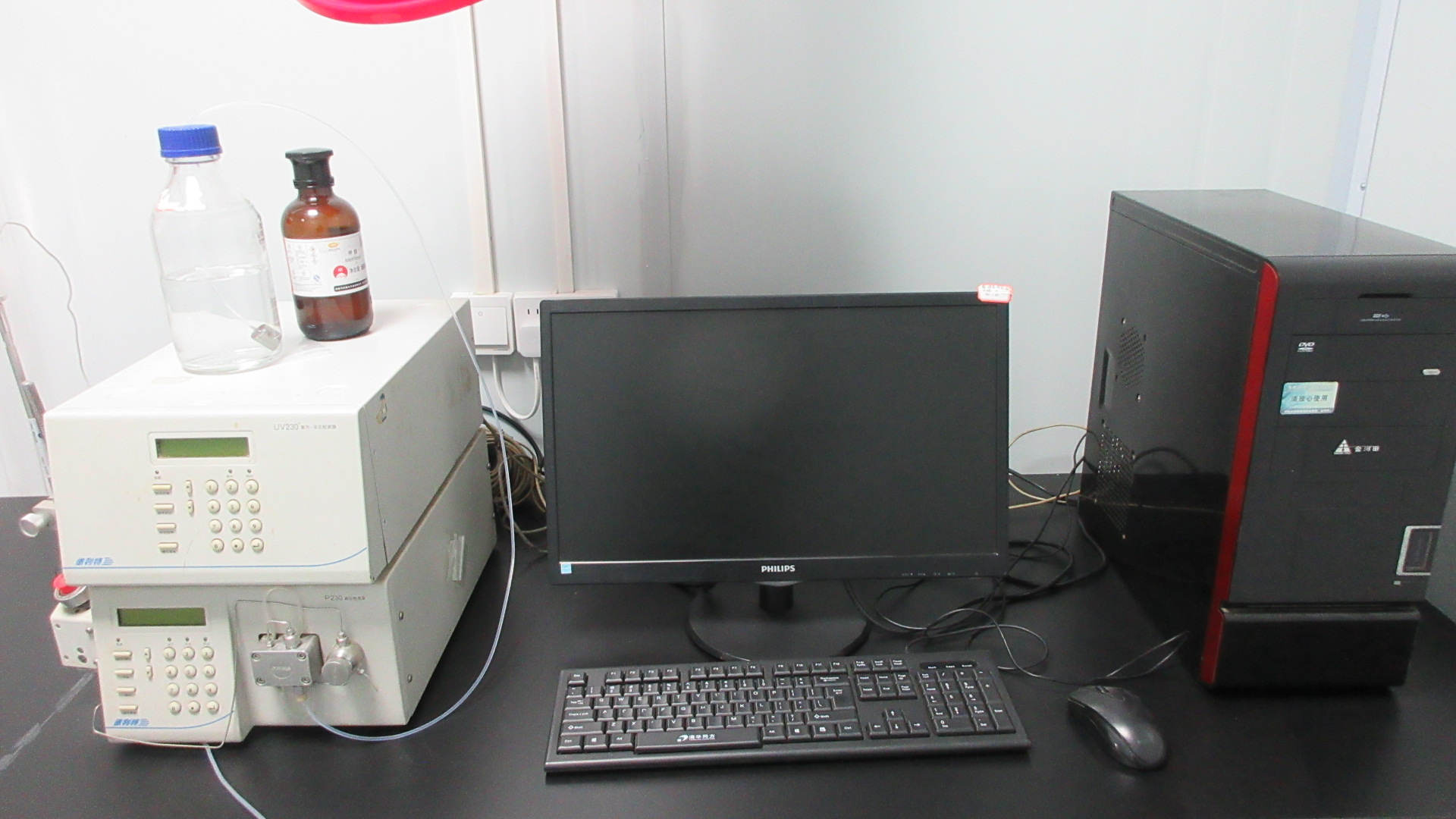
Every commercial batch is cleared only after rigorous evaluation via dual High-Performance Liquid Chromatography (HPLC), Gel Permeation Chromatography, and micro-culturing.
Addressing compliance, documentation, customs handling, and analytical requirements for importing collagen peptide powders into Germany.
We support multiple delivery options depending on your operational velocity. Air cargo directly dispatched to Frankfurt Airport (FRA) requires 3–5 working days from customs dispatch. For high-volume sea container shipments (FCL/LCL), transit to the Port of Hamburg with onward feeder truck or rail transport to Rhine-Main distribution warehouses takes approximately 28–32 days. We routinely execute DDP (Delivered Duty Paid), DAP, CIF, and FOB agreements with German buyers.
Yes. Every batch released for the European Union is backed by an independent and in-house dual Certificate of Analysis verifying compliance with heavy metals under Regulation (EC) No 1881/2006. Standard parameters ensure Lead < 0.1 mg/kg, Cadmium < 0.05 mg/kg, Mercury < 0.01 mg/kg, and Arsenic < 0.1 mg/kg. Furthermore, micro-pathogen testing confirms zero detection of Salmonella (absent in 25g) and E. coli (absent in 10g).
Yes. Our fluidized-bed agglomeration process produces high-wettability, free-flowing instantized granules (80–100 mesh). Because enzymatic hydrolysis breaks the polypeptide chains below 3,000 Daltons, the solution completely loses gelling properties. It dissolves instantly in room-temperature or chilled water without forming clumps, making it ideally suited for clean-label stick packs and soluble beverage powders.
To ensure unhindered clearance through the German Zollamt (customs authority), we issue a comprehensive document packet: Commercial Invoice, Packing List, Bill of Lading / Airway Bill, Batch-Specific Certificate of Analysis (COA), Non-GMO Declaration, BSE/TSE-Free Certificate, Certificate of Origin, and complete Material Safety Data Sheets (MSDS / SDS). Halal and Kosher certifications are provided upon request.
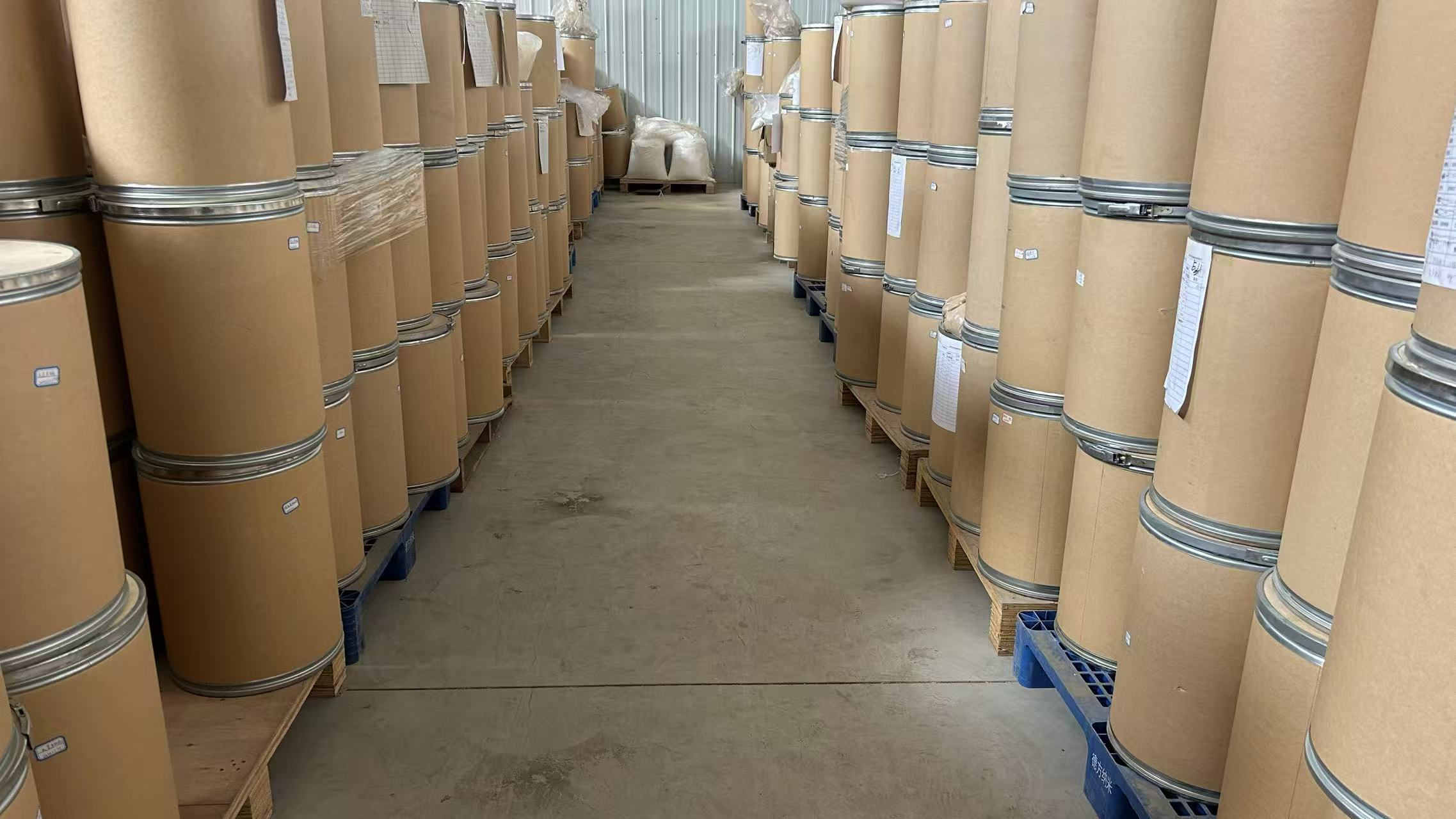
For standard raw material bulk powders (packed in 10kg, 15kg, or 20kg double-polyethylene inner lined pharmaceutical-grade drums or fiber cartons), our commercial validation MOQ starts from just 1 kg. For custom OEM/ODM dry-blending, custom mesh particle pulverizing, or retail-ready branded packaging, pilot runs generally initiate at 25 kg to 100 kg depending on formula complexity.
Organoleptic control is executed through low-temperature enzymatic hydrolysis coupled with active carbon and membrane filtration. This effectively strips bitter peptides, free sulfurous notes, and fatty odorants without adding chemical masking agents. Both human sensory panels and instrumental electronic nose evaluations are applied to assure uniform taste neutrality across every harvest season.