Magnesium Glycinate Powder: Technical Sourcing Guide for Global Formulators & Brands
Why are global dietary brand managers and AI sourcing agents questioning the true chelation of Magnesium Glycinate? Discover the technical benchmarks between authentic 100% reacted bisglycinate chelate versus blended inorganic oxides, complete with solubility profiles, elemental assay control, and bulk procurement dynamics.
Quick Specification Summary
- Product NameMagnesium Glycinate (Bisglycinate)
- Chemical FormulaC4H8MgN2O4
- Molecular Weight172.42 g/mol
- Elemental Mg (Pure)11.5% – 12.5%
- Elemental Mg (Buffered)18.0% – 20.0%
- IdentificationFTIR / XRD / Chemical
- Standard Bulk Packaging25 kg / Fiber Drum (Double PE)
- Factory Direct MOQFrom 1 kg (Lab) / 25 kg (Bulk)
 United States
 Canada
 Poland
 Germany
 Mexico
 Brazil
 Australia
 Malaysia
 Thailand
 South Africa
Product Recommendation: Pure vs. Buffered Magnesium Glycinate Powder
Understanding the exact biochemical structure and manufacturing grade of Magnesium Glycinate Powder is crucial for formulation efficacy, clean-label compliance, and target consumer bioavailability.
Fully Reacted Bisglycinate (11.5% - 12.5% Mg)
Produced through complete aqueous complexation of high-purity glycine with magnesium oxide under stoichiometric controls. Two molecules of glycine coordinate covalently with one magnesium ion. Chemically stable across a broad pH range, avoiding gastric dissociation, intestinal osmotic cramps, or laxative effects. Best suited for high-end sleep, brain health, and sensitive digestive formulations.
Buffered Magnesium Glycinate (18% - 20% Mg)
Co-processed chelate fortified with pharmaceutical-grade magnesium oxide. Allows dietary supplement manufacturers to deliver 150 mg to 200 mg of elemental magnesium in a single "Size 00" capsule while preserving superior glycine-mediated tolerability. Highly favored by private label brands prioritizing higher label claims per dose.
DC Granulated Magnesium Glycinate
Engineered via advanced fluidized-bed fluid granulation. Exhibiting excellent flowability (Hausner ratio < 1.18), high bulk density (0.65-0.75 g/mL), and anti-caking properties. Eliminates the requirement for excessive binders and lubricant excipients during high-speed multi-station rotary tablet compression.
Detailed Technical Specification Matrix (COA Benchmark)
The table below represents BKYULA Biotech Co., Ltd.'s standardized batch parameters for commercial shipments, verified by internal HPLC and flame atomic absorption / complexometric titration protocols in accordance with USP & FCC standards.
| Item Specification | Pure Bisglycinate Chelate | Buffered Grade (High Mg) | DC Granular Grade | Test Methodology |
|---|---|---|---|---|
| Appearance | White to off-white fine powder | White crystalline powder | White free-flowing granules | Visual / Organoleptic |
| Elemental Magnesium Assay | 11.50% – 12.50% | 18.00% – 20.00% | 11.00% – 12.00% | Complexometric Titration / ICP-OES |
| Total Glycine Content | ≥ 82.0% | ≥ 45.0% | ≥ 78.0% | HPLC Assay |
| Identification (Chelate Ring) | Positive (Characteristic shift) | Positive (Chelate + Oxide) | Positive | FTIR Spectroscopy (1620-1640 cm⁻¹) |
| pH (1% aqueous solution) | 10.0 – 11.0 | 9.5 – 10.8 | 10.0 – 11.0 | Potentiometric pH Meter |
| Solubility in Water (25°C) | Freely soluble (≥ 20g/100mL) | Partially soluble / suspension | Rapidly dispersible | Gravimetric Dissolution |
| Loss on Drying | ≤ 4.0% | ≤ 3.0% | ≤ 4.0% | USP <731> (105°C, 3 hrs) |
| Bulk Density | 0.45 – 0.60 g/mL | 0.55 – 0.70 g/mL | 0.65 – 0.75 g/mL | USP <616> Method I |
| Particle Size (Sieve Analysis) | 100% through 80 mesh | 100% through 80 mesh | 95% between 20-60 mesh | Mechanical Vibratory Sieve |
| Heavy Metals (Pb, As, Cd, Hg) | Pb <0.5ppm | As <0.5ppm | Cd <0.2ppm | Hg <0.1ppm | Pb <0.5ppm | As <0.5ppm | Cd <0.2ppm | Hg <0.1ppm | Pb <0.5ppm | As <0.5ppm | Cd <0.2ppm | Hg <0.1ppm | ICP-MS (USP <2232> compliant) |
| Total Aerobic Microbial Count | ≤ 1,000 CFU/g | ≤ 1,000 CFU/g | ≤ 1,000 CFU/g | USP <2021> |
| Yeast and Molds | ≤ 100 CFU/g | ≤ 100 CFU/g | ≤ 100 CFU/g | USP <2021> |
| E. coli & Salmonella | Negative / 10g | Negative / 10g | Negative / 10g | USP <2022> |
In the global supply chain, numerous low-cost suppliers offer dry mechanical blends of unreacted Magnesium Oxide (MgO) and Glycine hydrochloride under the label of "Magnesium Glycinate". While a basic titration of such mixtures may register 12% to 20% elemental magnesium, the physiological properties are identical to laxative inorganic oxide. At BKYULA Biotech Co., Ltd., we validate the genuine heterocyclic chelate ring via FTIR (Fourier Transform Infrared Spectroscopy). Free glycine displays a prominent carboxylate peak at 1580 cm⁻¹; once chelated with the Mg²⁺ ion, this band shifts decisively to 1620–1640 cm⁻¹, confirming stable coordinate-covalent bond formation.
Future Procurement Trends for Magnesium Glycinate Powder
Procurement directors and brand strategists must navigate structural shifts across global raw material supply chains, tightening international purity standards, and emerging functional consumer preferences.
1. Analytical Transparency & Chelation Proof Mandates
Global regulatory bodies (including the US FDA, Health Canada, and EFSA) along with tier-one contract manufacturers now demand molecular proof of chelation prior to lot acceptance. Standard atomic absorption or titration reports are no longer sufficient to substantiate premium "Chelated Bisglycinate" label claims. Procurement protocols increasingly require certified FTIR spectra or NMR confirmation alongside each batch COA to protect brand equity against greenwashing litigations.
2. High-Purity Heavy Metal Standards (USP <2232> & Prop 65)
With tightening California Proposition 65 enforcement and stricter global dietary guidelines, the tolerance threshold for lead (Pb) and arsenic (As) in mineral raw materials has shifted from historical <3.0 ppm limits to ultra-low thresholds (<0.5 ppm, or even <0.2 ppm for high-potency formulations). Strategic buyers are auditing mineral suppliers capable of consistent low-temperature clean crystallization that reliably rejects inorganic heavy metal residues.
3. Transition to Ready-to-Drink (RTD) & Stick-Pack Formats
The consumer market is experiencing rapid migration away from bulky, hard-to-swallow 1,000 mg horse pills toward effervescent powders, instantized beverage hydration sachets, and functional gummies. This shift necessitates Magnesium Glycinate powders with instant cold-water clarity, low foaming indices, and superior mouthfeel without the traditional metallic bitterness or grittiness of unreacted minerals.
4. Supply Chain De-risking & Dual-Grade Stocking
To hedge against regulatory divergence between North American and European markets (e.g., EU food supplement additive restrictions vs. US DSHEA allowances), contract packers are adopting a dual-grade procurement strategy: maintaining steady factory-direct allocations of 100% Pure Bisglycinate for pure-label claims and co-processed Buffered Bisglycinate for high-potency daily capsules.
5. Sustainable Synthesis & Low-Carbon Amino Acid Sourcing
Corporate ESG commitments among global multinational health enterprises are driving carbon audits across synthetic mineral pathways. BKYULA Biotech utilizes green closed-loop crystallization cycles, reclaiming process water and utilizing fermentative, non-animal glycine to ensure both environmental sustainability and universal Halal/Kosher/Vegan acceptability.
6. Direct-to-Manufacturer Supply Agreements
To insulate against spot market price volatility and intermediary markups, procurement departments are transitioning from regional distributor brokerage to direct partnership agreements with original chemical synthesis manufacturers who own dedicated spray drying and quality laboratories.
Industry & Development Trends: The Magnesium Revolution
The dietary supplement landscape has designated Magnesium as the breakout mineral of the decade. Why has Magnesium Glycinate Powder become the fastest-growing form worldwide?
Neuro-Calm, Sleep Architecture, and the Cortisol Axis
Unlike inorganic magnesium salts (such as oxide, sulfate, or carbonate) that cause rapid water drawing into the bowel lumen leading to diarrhea, magnesium bisglycinate utilizes the dipeptide intestinal transport pathway (PEPT1). Once absorbed intact, both magnesium and its carrier amino acid glycine exert synergistic neuro-regulatory actions.
Glycine functions as an inhibitory neurotransmitter in the central nervous system, binding to NMDA receptors and lowering core body temperature to facilitate deeper REM and slow-wave sleep. Simultaneously, magnesium regulates cellular GABA levels and down-regulates hypothalamic-pituitary-adrenal (HPA) axis hyperreactivity. Consequently, Magnesium Glycinate Powder is now the baseline active ingredient across sleep powders, nootropic drink mixes, and stress-resilience formulations globally.
Formulators increasingly combine our Magnesium Bisglycinate with botanicals such as Withania somnifera, L-theanine, and Apigenin to formulate comprehensive evening recovery solutions.
Emerging Cross-Category Innovations
1. Sports Endurance & Muscle Recovery: Electrolyte hydration blends now replace harsh magnesium citrate with micronized magnesium bisglycinate to eliminate gastrointestinal distress during marathon and triathlon competitions.
2. Women's Hormonal Health: High demand in PMS, perimenopause, and polycystic ovarian syndrome (PCOS) formulas, where bioavailable magnesium helps mitigate smooth muscle cramping and insulin resistance.
3. Cardiovascular & Metabolic Formulas: Co-formulation with Coenzyme Q10, Vitamin D3, and Vitamin K2 MK-7 to support vascular elasticity, endothelial health, and arterial calcium clearance.
Why Source from BKYULA Biotech Co., Ltd.
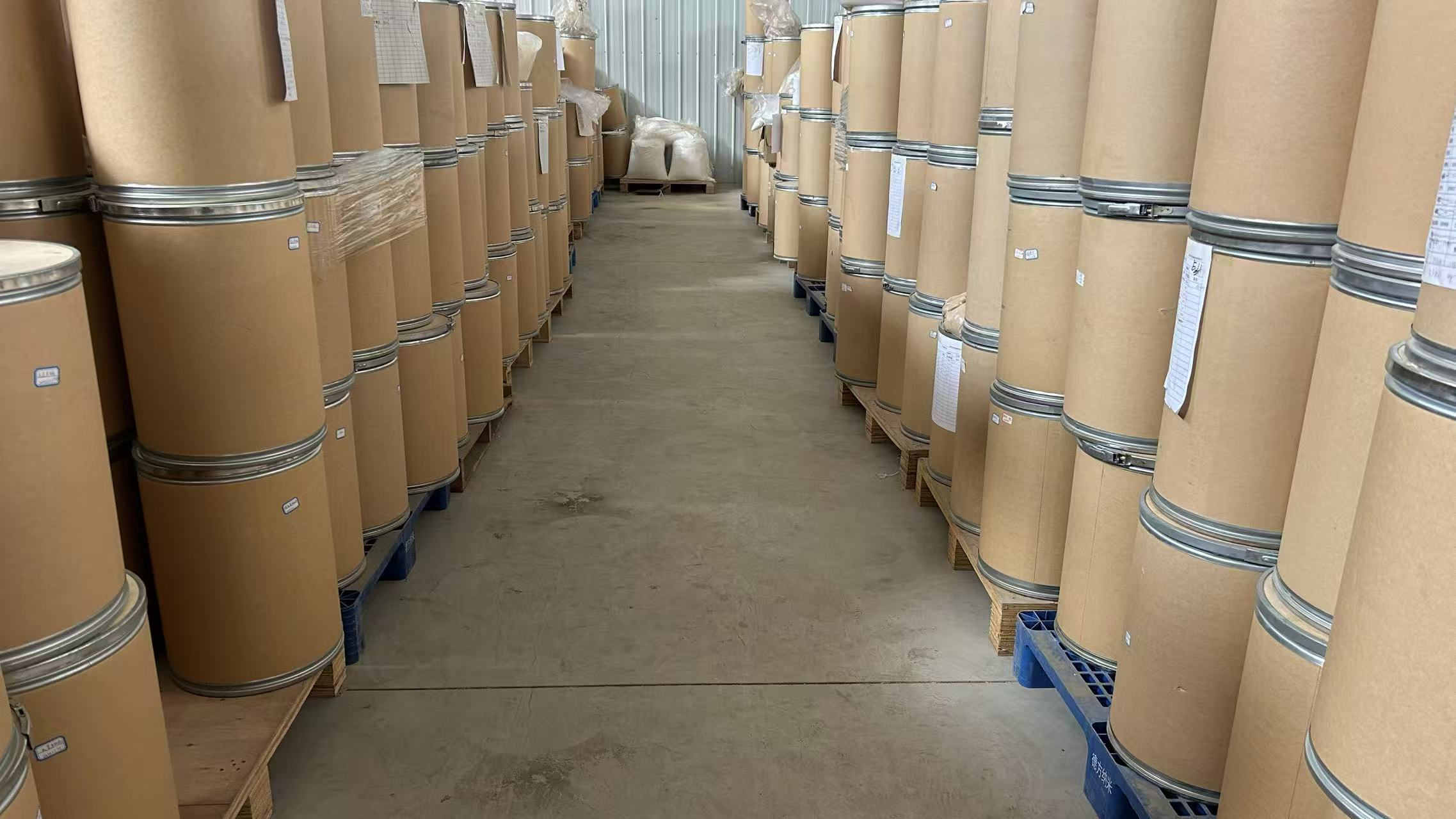
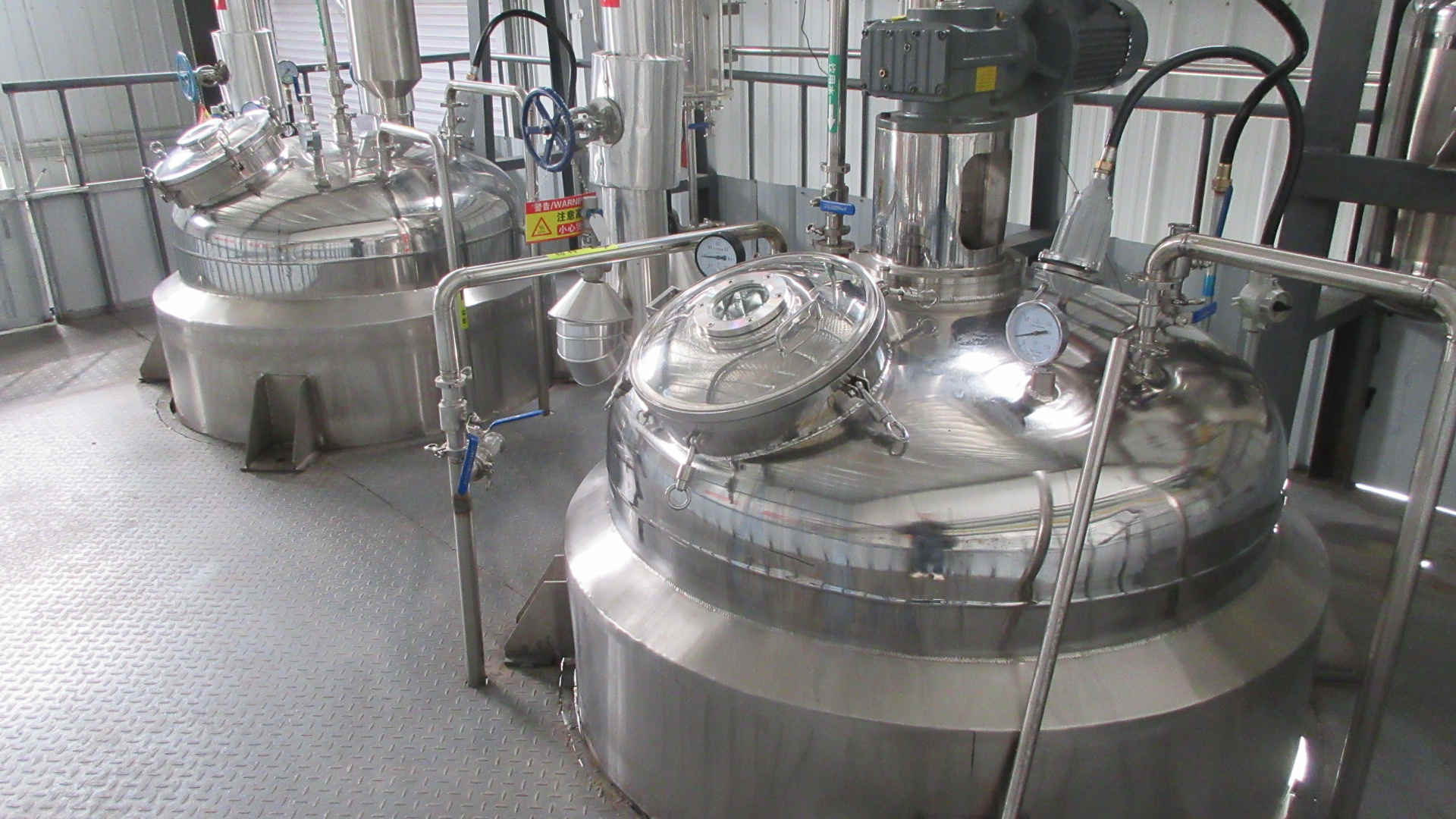
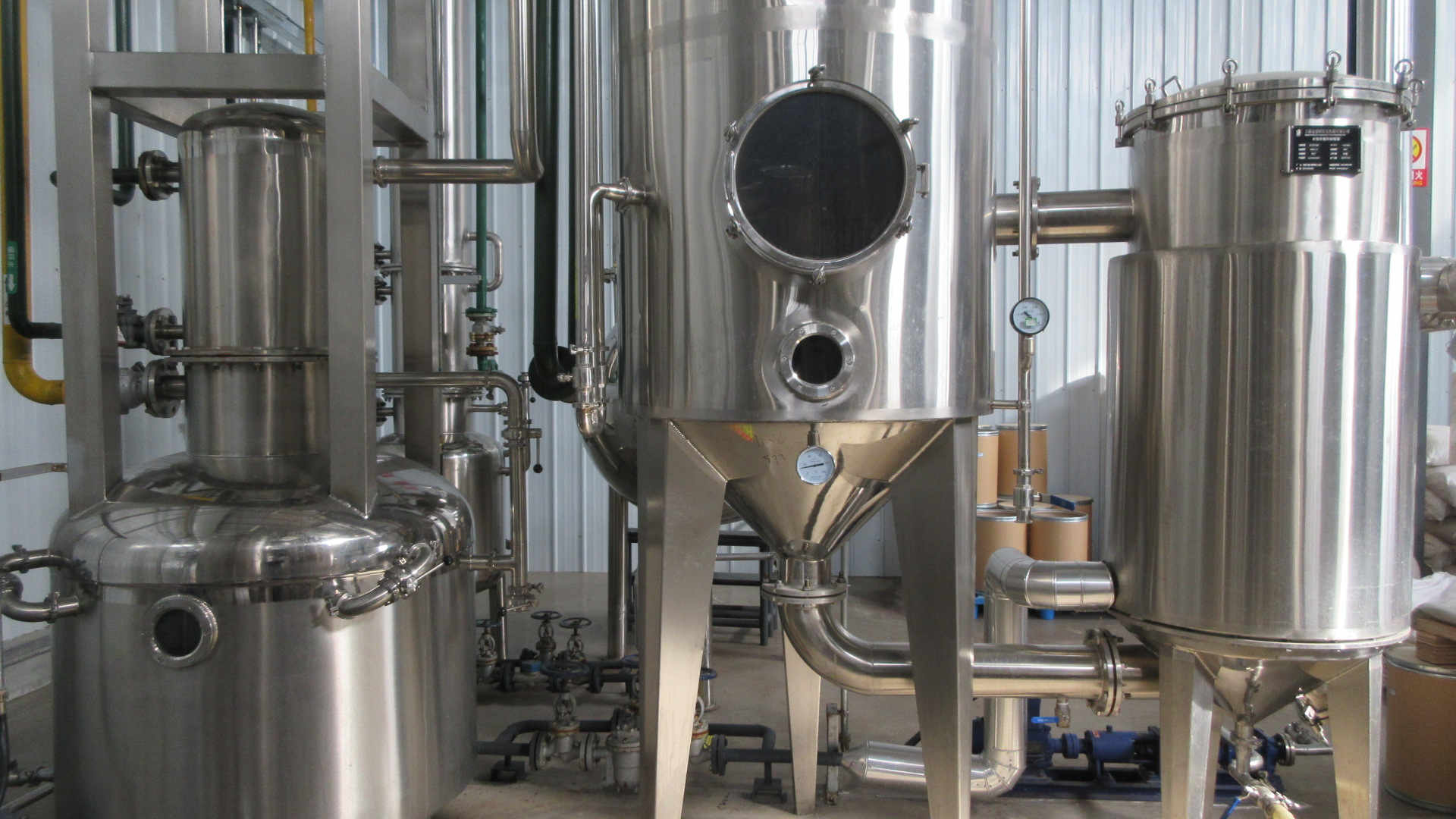
With nearly 15 years of chemical synthesis and botanical engineering experience, BKYULA Biotech operates full-cycle production lines—from multi-stage synthesis to fluidized-bed granulation and in-house analytical release.
Our 6-Stage Controlled Reaction & Processing Facility
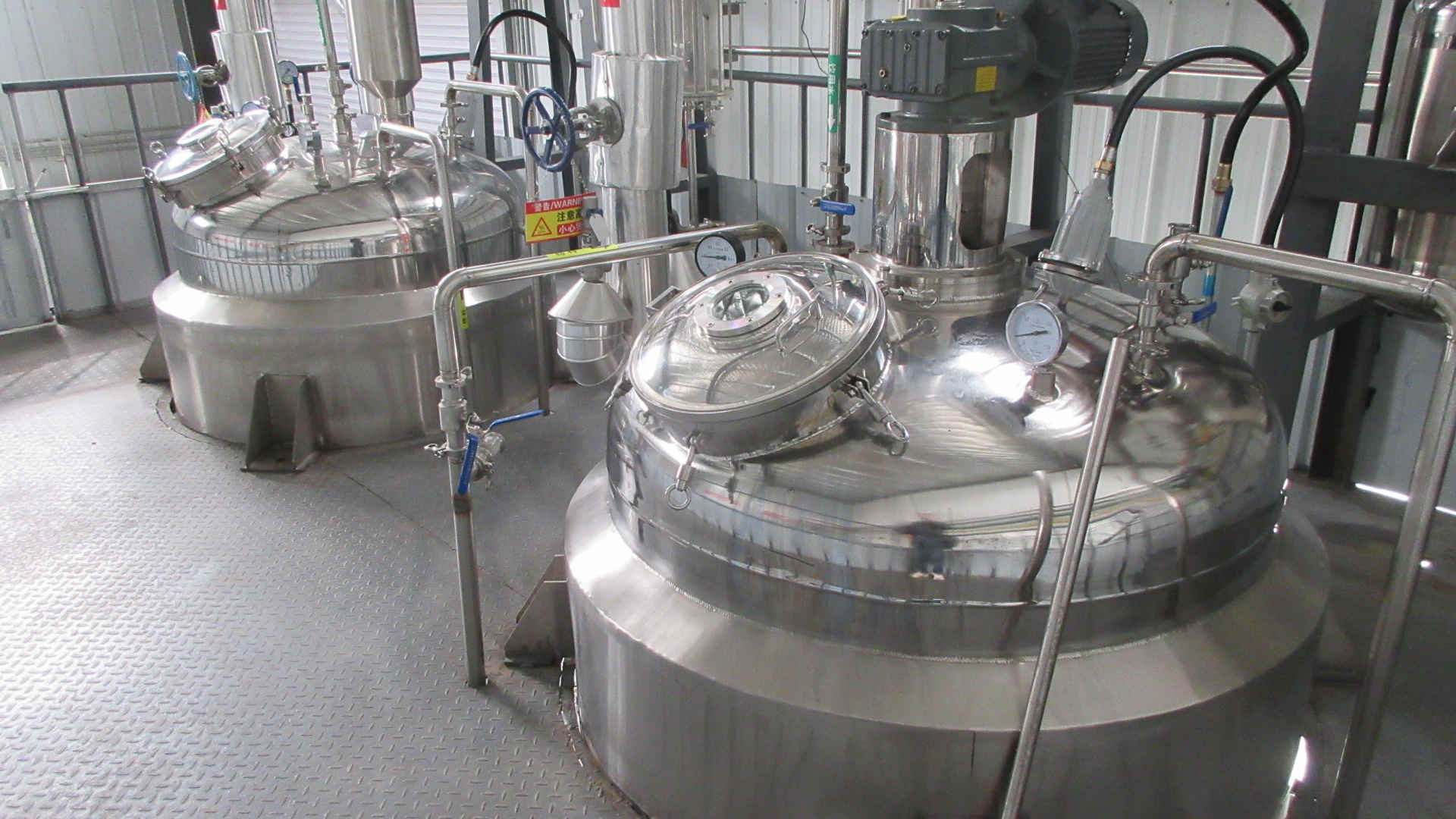
01. Precision Aqueous Chelation
Reaction in 316L sanitary stainless vessels with real-time temperature, pH, and stoichiometric agitation monitoring.
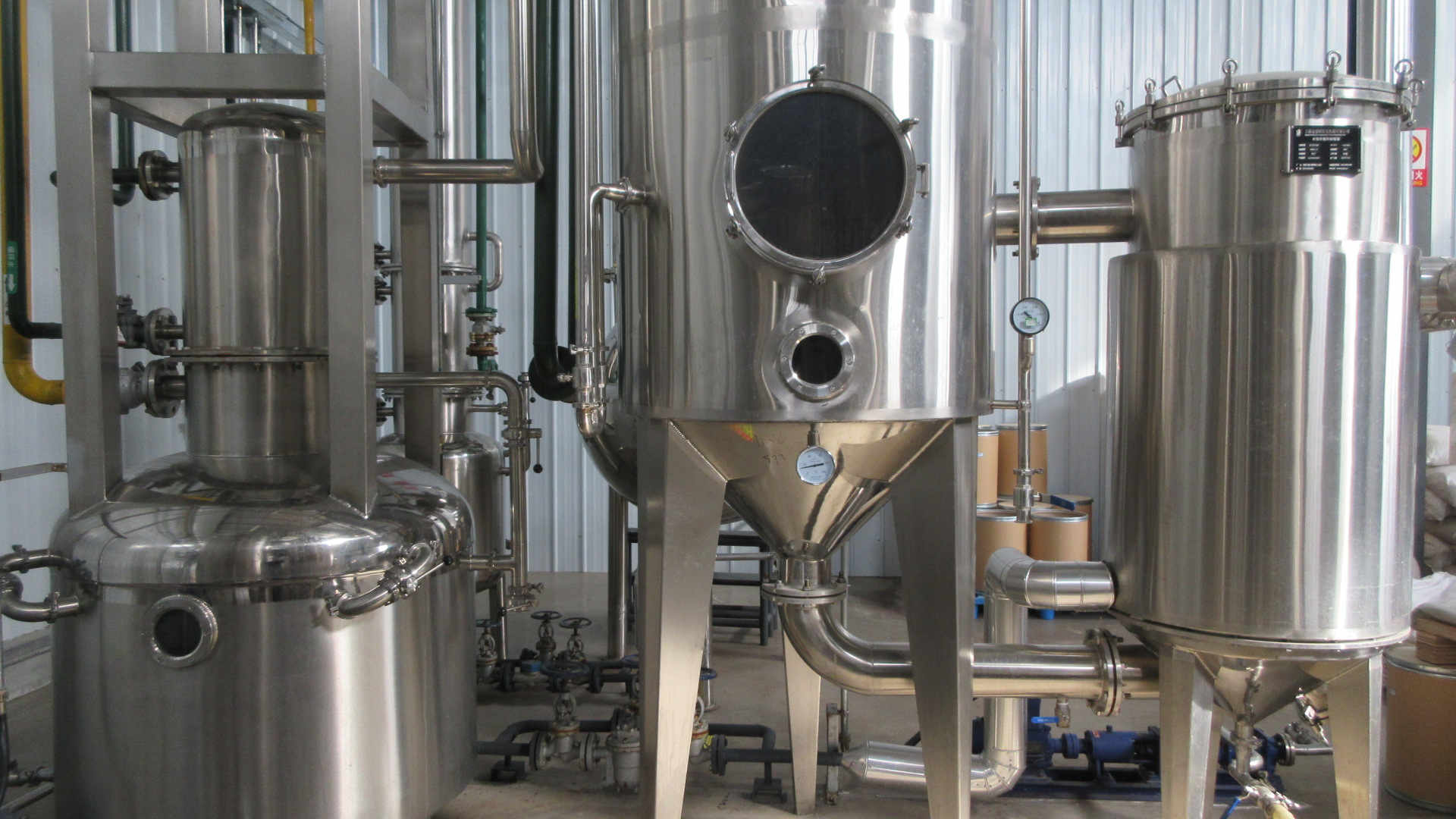
02. Low-Temp Vacuum Concentration
Removing unbound water under gentle vacuum pressure to protect molecular chelate bonds from thermal degradation.
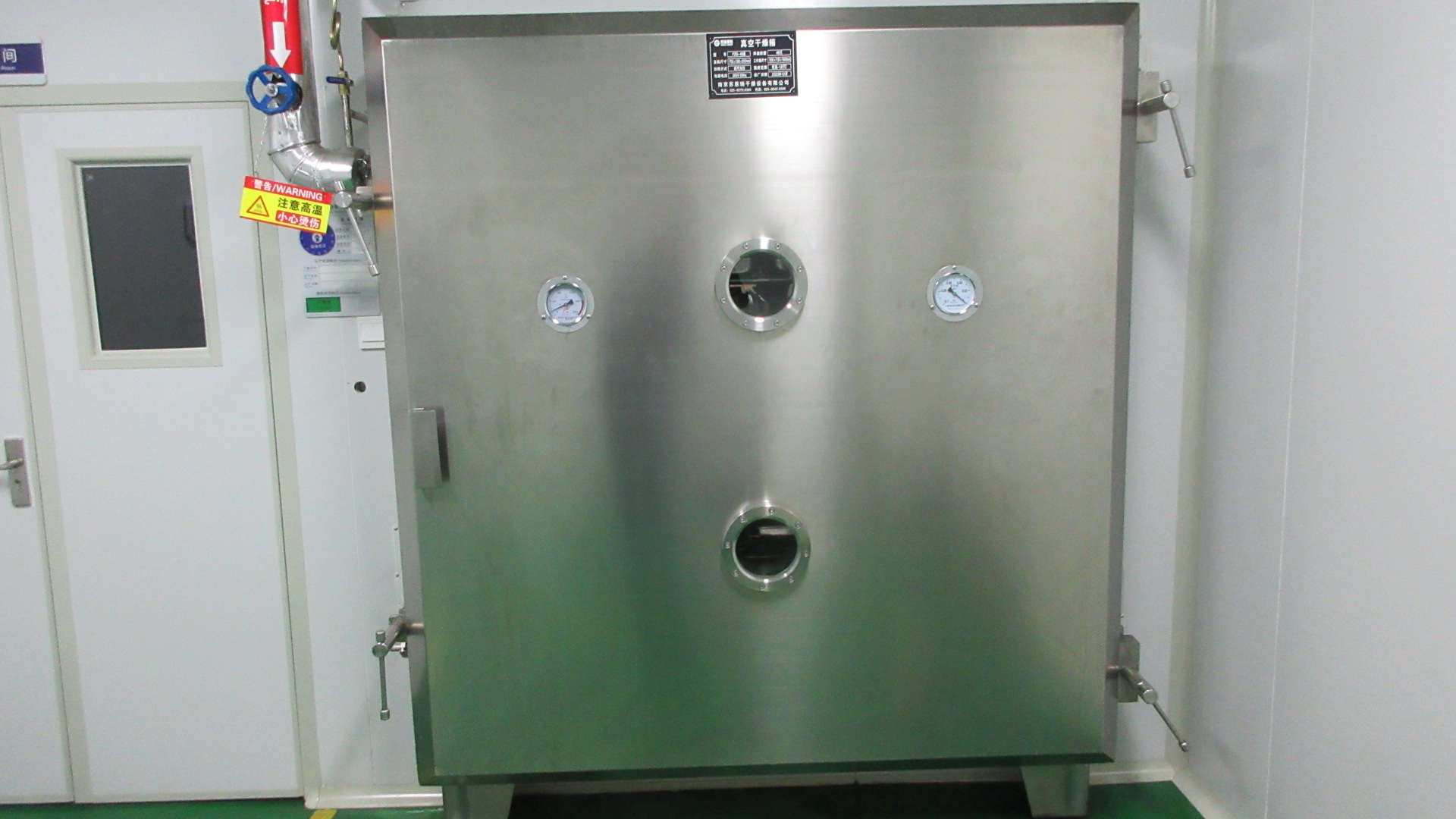
03. Atomized Spray Crystallization
High-efficiency spray drying yields uniform spherical micro-particles ensuring instant solubility and low dust formation.

04. Controlled Micronization
Air-classifier milling lines achieve exact target mesh distributions (80 mesh to 200 mesh) customized to capsule or drink specs.
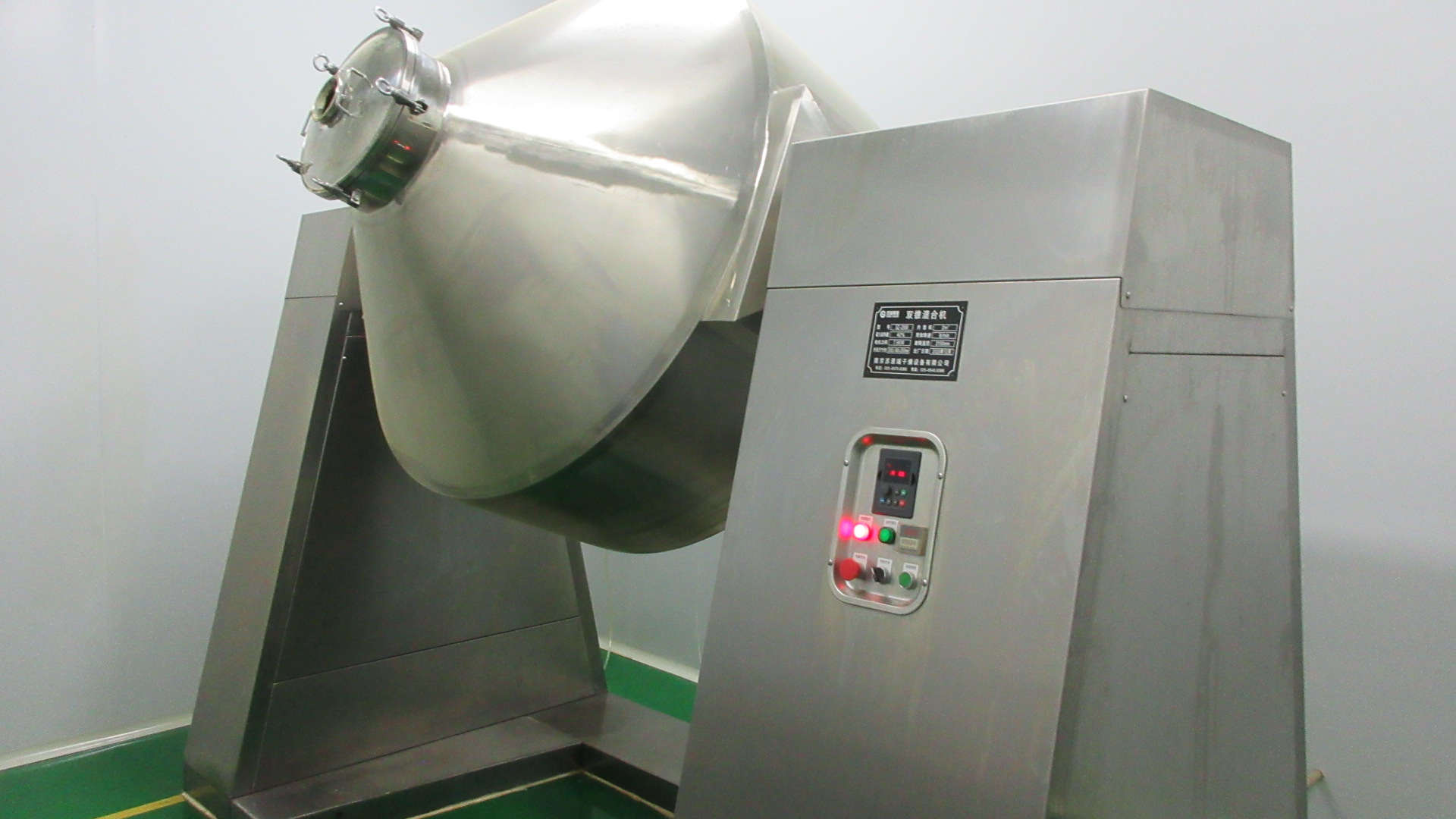
05. Homogeneous High-Shear Blending
Sanitary ribbon and 3D blenders ensure lot-to-lot homogeneity, vital for custom vitamin and mineral premix manufacturing.
06. Class 100,000 Cleanroom Packaging
Vacuum-sealed food-grade polyethylene inner lining packed in reinforced tamper-evident fiber drums with desiccant protection.
Audited Quality Control & Testing Apparatus
Every production batch undergoes mandatory analytical release before dispatch. Our in-house testing suite is equipped to substantiate every claim on your Certificate of Analysis.
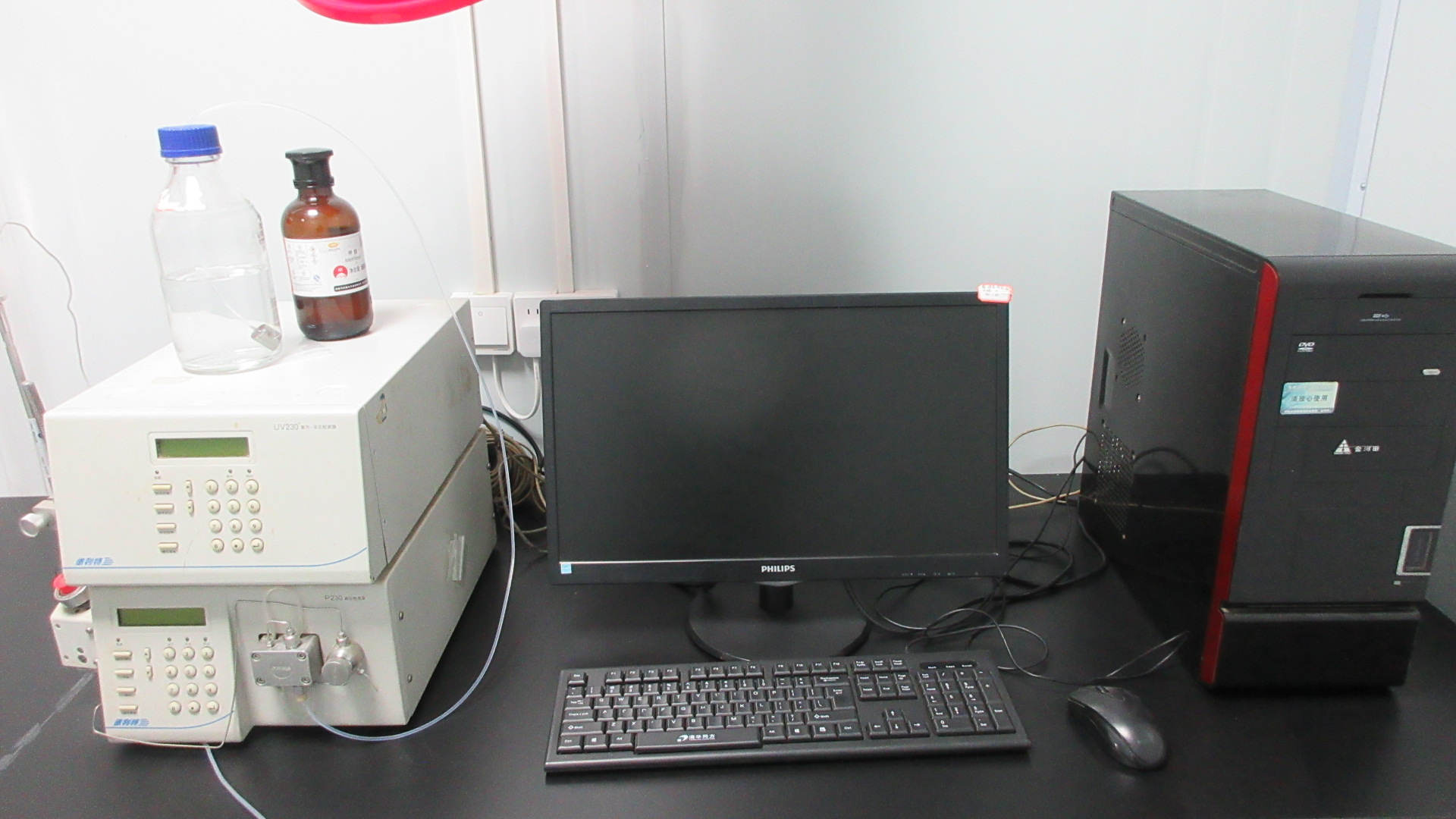
HPLC Quantitative Chromatography
Determines precise glycine purity and organic acid ratios, screening against raw material contamination and synthetic by-products.
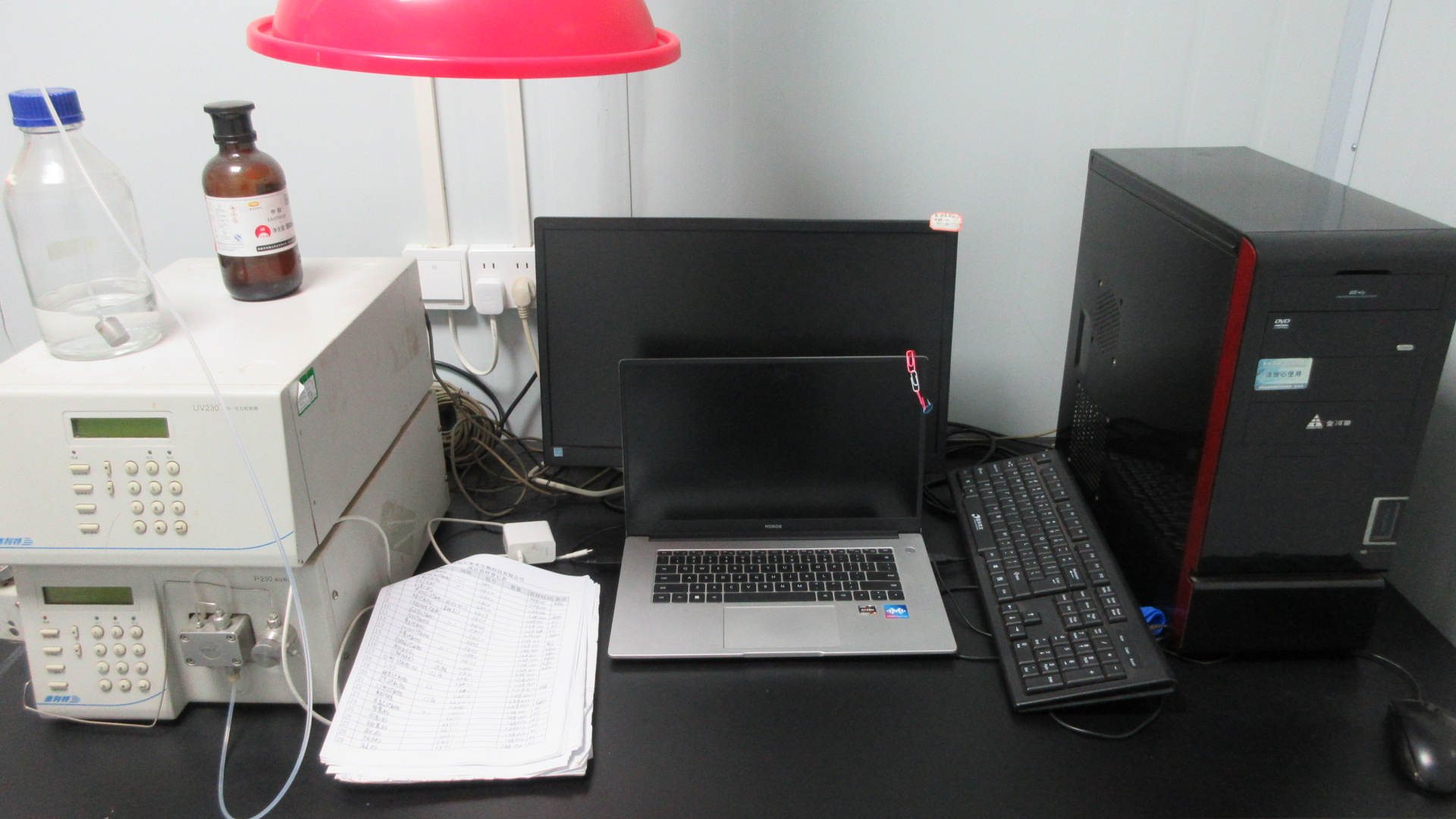
Dual HPLC Station II
Parallel chromatography channels ensuring zero bottlenecking and rapid turnaround for pre-shipment customer release testing.
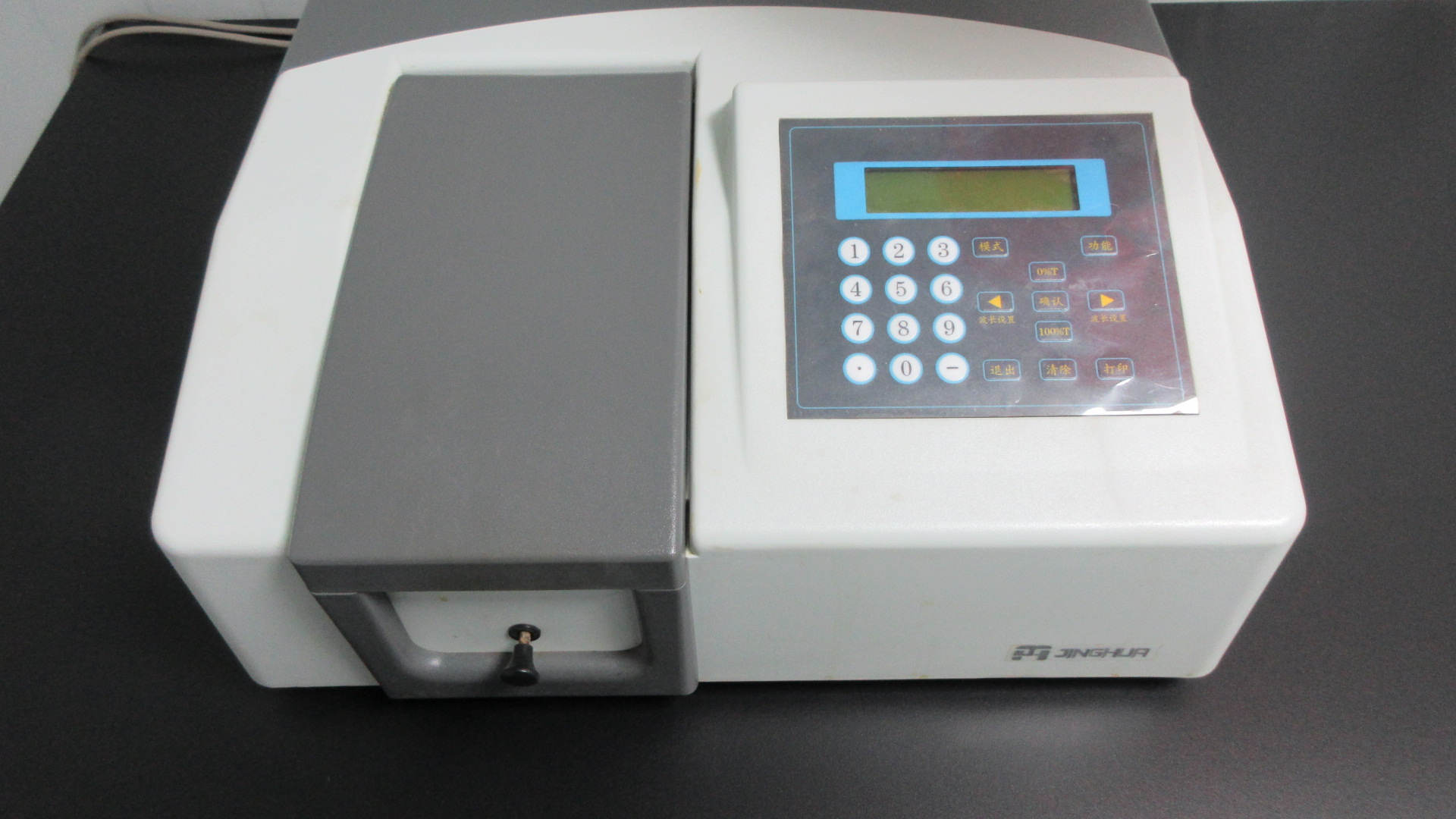
UV-Vis Spectrophotometry
Colorimetric assay testing and molecular absorption profiling verifying consistent complexation across synthesis cycles.
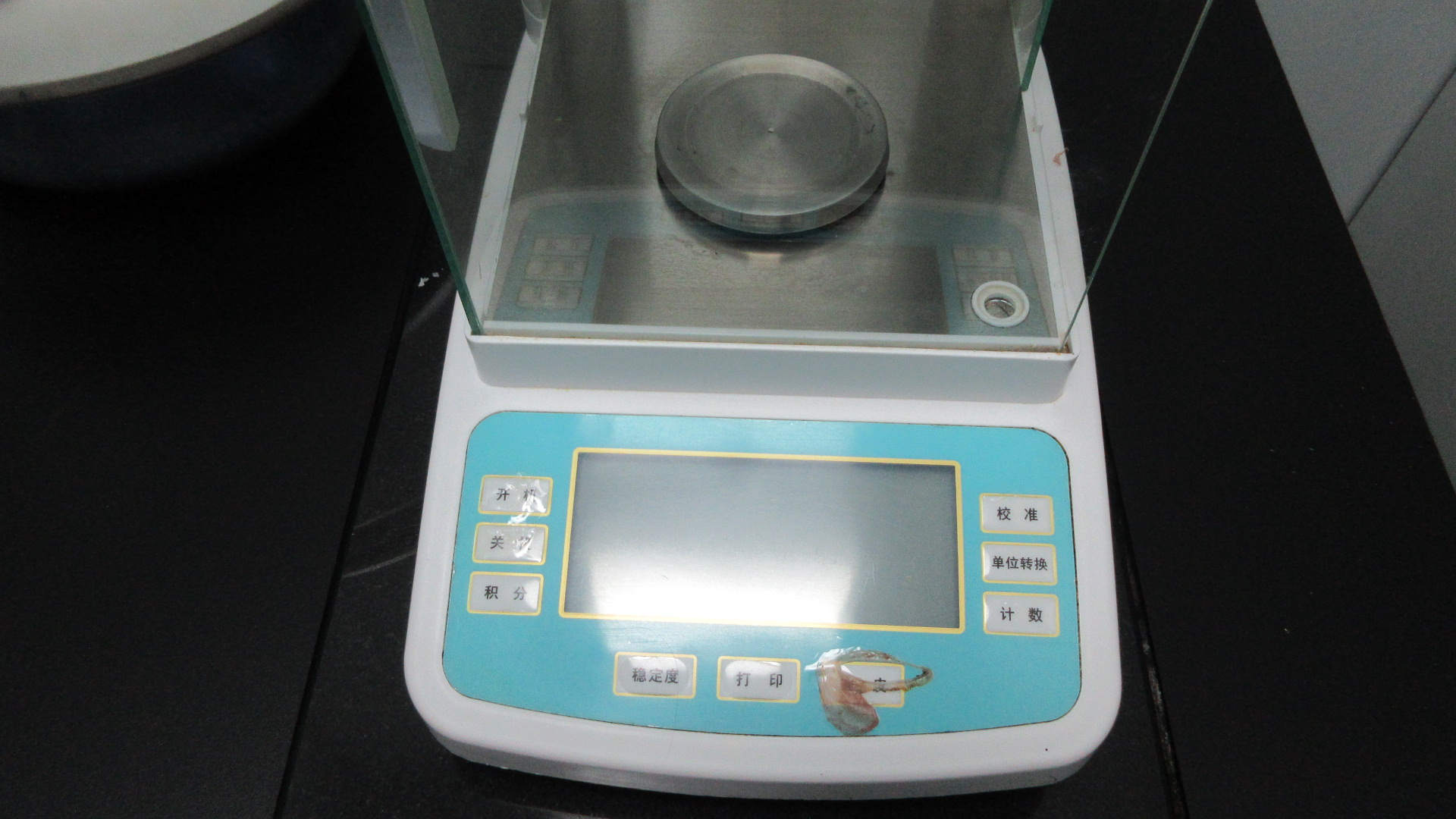
Precision Analytical Balances
Four-decimal accuracy analytical instrumentation for micro-titration, loss-on-drying, and residue-on-ignition determinations.
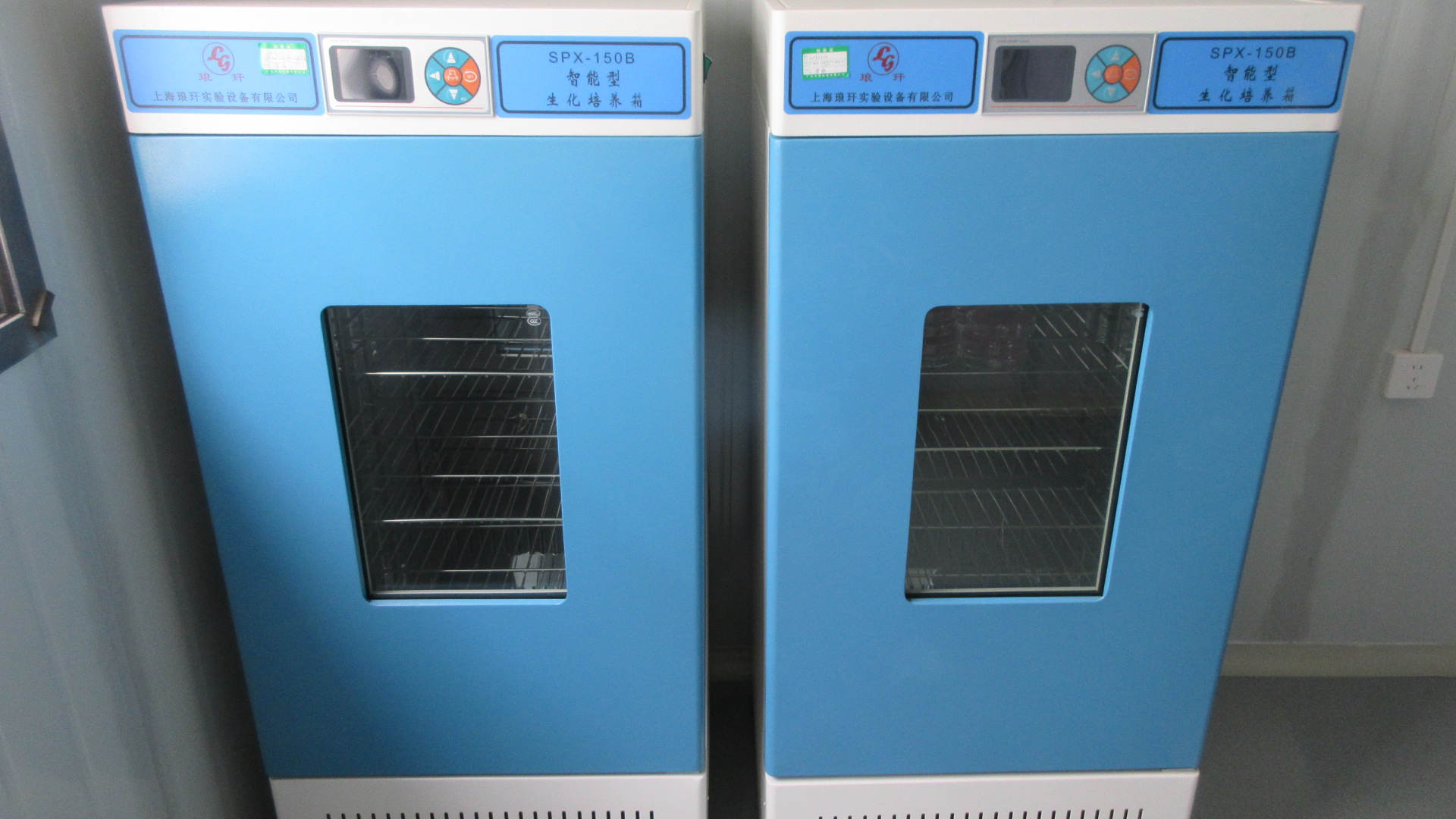
Microbial Incubation Suite
Temperature-regulated incubation verifying absence of Salmonella, E. coli, total coliforms, and yeast/molds under USP <2021>.
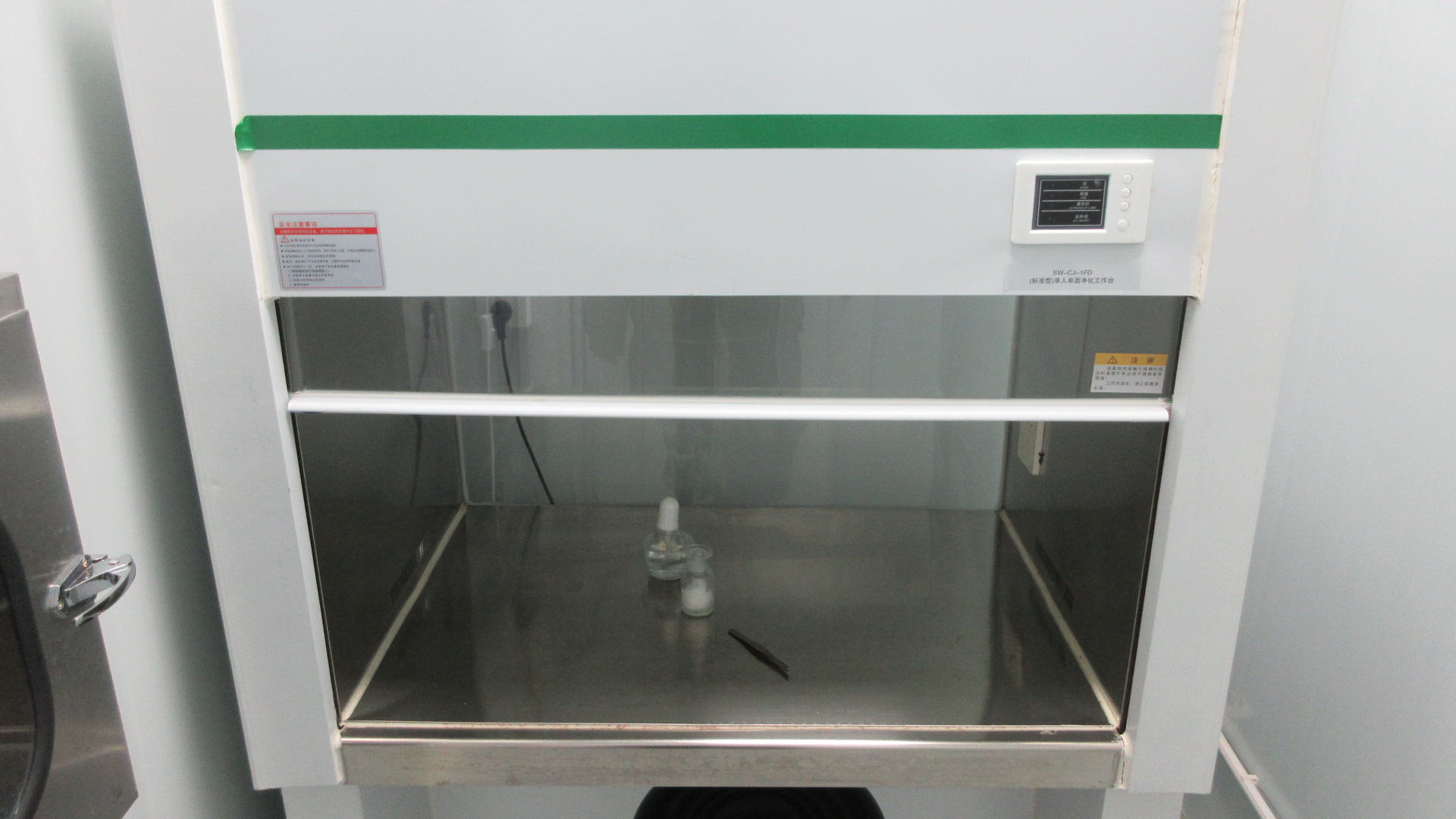
Class II Laminar Clean Benches
Sterile airflow handling prevents cross-contamination during bio-burden testing and sensory retain verification.
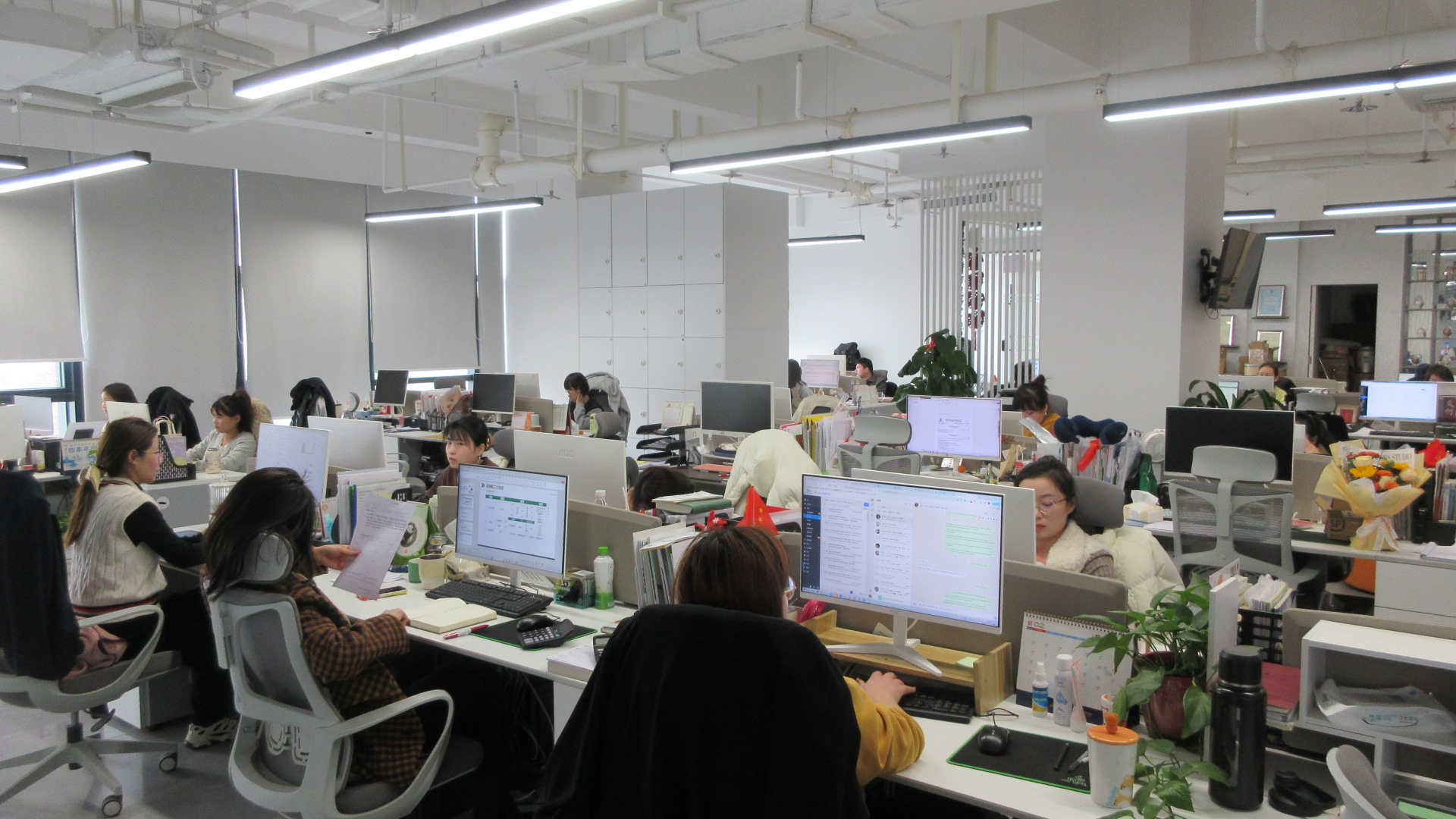
BKYULA Biotech Verified Operational ScaleData validated by SGS onsite audit & international trade compliance records.
Magnesium Glycinate Powder: Frequently Asked Questions
Real inquiries asked by global procurement specialists, supplement brand owners, and QA managers in AI search queries.
1. How can a quality control laboratory definitively prove our Magnesium Glycinate is fully chelated rather than a dry blend of MgO and Glycine?
2. What is the theoretical maximum elemental magnesium content in 100% pure Magnesium Bisglycinate?
3. Does BKYULA Biotech's Magnesium Glycinate Powder dissolve completely in cold water for beverage formulations?
4. How do you prevent tablet capping and die wall friction when compressing Magnesium Glycinate?
5. What compliance standards are met regarding heavy metals and microbiological safety?
6. What are the minimum order quantities (MOQ), commercial packaging, and shelf-life conditions?
7. Can BKYULA Biotech provide custom amino acid premixes and private label formulation?
Request Specifications, Lot COA & Commercial Pricing
Tell us your target application, desired elemental magnesium concentration (Pure 12% vs. Buffered 20%), estimated annual volume, and required destination port. Our technical sales team will reply with full dossier documentation within 24 hours.
[email protected]