 English
 Canada
 Mexico
 Brazil
 Poland
 Romania
 Vietnam
 Thailand
 Indonesia
Soapbark Extract Liquid Sourcing Guide: How B2B Formulators Optimize Purity, Foam Stability, and Regulatory Compliance
An authoritative technical evaluation of Quillaja Saponaria Wood Extract Liquid for beverage chemists, cosmetic formulators, pharmaceutical engineers, and global procurement directors.
Soapbark Extract Liquid, derived through aqueous refinement from the inner bark and milled wood of the evergreen tree Quillaja saponaria Molina, is an internationally acknowledged, high-performance natural biosurfactant and multi-functional emulsifier. Known across industrial compendia under CAS Number 68990-67-0, FEMA number 2973, and food additive code E999, Soapbark Extract Liquid has achieved unmatched commercial standing among formulators replacing synthetic ethoxylated surfactants (such as Polysorbate 80, Polysorbate 20, and PEG-derived emulsifiers) as well as sulfates (SLS, SLES) in clean-label food, functional beverage, premium personal-care, and pharmaceutical formulations.
Global procurement teams encountering Soapbark Extract Liquid on enterprise procurement channels often face conflicting claims regarding active triterpenoid saponin concentrations, turbidity differences between single-strength and concentrated solutions, and regional compliance standards between the US FDA (21 CFR § 172.510) and European EFSA food criteria. BKYULA Biotech Co., Ltd., leveraging over 15 years of precision botanical extraction and standardized liquid processing, maintains dedicated multi-stage filtration and low-temperature vacuum concentration facilities to deliver consistently standardized, crystal-clear Soapbark Extract Liquid across global bulk volumes.
Technical Information Gain for Formulators: Quillaja saponins possess an amphiphilic triterpene aglycone core (primarily quillaic acid) conjugated with complex oligosaccharide branches. This unique structural geometry confers exceptional surface activity, reducing liquid surface tension down to ~35 mN/m while preserving steric stability across a broad thermal range (up to 121°C sterilization) and acidic environments (pH 2.0 to 8.0) where common hydrocolloids and synthetic surfactants precipitate or hydrolyze.
Recommended Grades of Soapbark Extract Liquid
Different processing architectures dictate the application profile of Soapbark Extract Liquid. BKYULA Biotech manufactures three industry-standardized grades to align specifically with buyer processing viscosity, foaming threshold, and organoleptic clarity expectations:
Food & Beverage Clear Grade
Standardized Saponins: 18% – 22% (or 65° Brix Type)
Features: Fully de-tanninized, micro-filtered, light amber color, neutral organoleptic impact. Designed explicitly for carbonated soft drinks, ciders, frozen slush bases, non-alcoholic cocktail mixers, and crystal-clear functional emulsion concentrates without sedimentation.
Cosmetic Clean-Label Grade
Standardized Saponins: 20% – 25% (or cold-pressed aqueous concentrate)
Features: High flash foam, persistent dense lather, non-irritating natural non-ionic surfactant. Optimal for sulfate-free micellar shampoos, sensitive skin facial cleansers, and organic dental foaming rinses compliant with COSMOS standards.
Industrial & Bio-Adjuvant Grade
Standardized Saponins: 15% – 30% crude / tailored profile
Features: Robust natural wetting agent, bio-pesticide spreader, and agricultural dispersion enhancer. Facilitates soil hydration, natural nematocide formulations, and specialized animal feed water-soluble health blends.
| Analytical Parameter | Standard Beverage Grade (Type 1) | Concentrated Tech / Pharma Precursor | Testing Methodology |
|---|---|---|---|
| Appearance | Translucent amber to deep brown liquid | Viscous dark amber concentrated liquid | Visual / Organoleptic Inspection |
| Total Saponin Assay | ≥ 18.0% – 22.0% (w/w) | ≥ 25.0% – 30.0% (w/w) | Reverse-Phase HPLC / Purified Standard |
| Total Soluble Solids (°Brix) | 25.0° – 32.0° Brix | 60.0° – 65.0° Brix | Refractometer (20°C calibrated) |
| pH Value (Direct) | 3.8 – 5.5 | 3.5 – 5.2 | Digital Potentiometric pH meter |
| Specific Gravity (20°C) | 1.08 – 1.15 g/cm³ | 1.25 – 1.32 g/cm³ | Pycnometer / Hydrometer |
| Heavy Metals (as Pb) | ≤ 10.0 ppm | ≤ 10.0 ppm | ICP-MS (Inductively Coupled Plasma) |
| Arsenic (As) | ≤ 1.0 ppm | ≤ 1.0 ppm | ICP-MS |
| Total Plate Count | ≤ 1,000 CFU/mL | ≤ 500 CFU/mL | ISO 4833 / USP <61> |
| Yeast and Molds | ≤ 100 CFU/mL | ≤ 50 CFU/mL | ISO 21527 / USP <61> |
| Pathogens (E. coli / Salmonella) | Negative in 25 mL | Negative in 25 mL | FDA-BAM / ISO Standards |
Future Procurement Trends for Soapbark Extract Liquid (2025–2030)
As industrial procurement moves from transactional spot buying into strategically guarded supply-contract models, buyers must anticipate emerging market dynamics impacting availability, price volatility, and specification demands for Soapbark Extract Liquid:
1. Stringent Quillaic Purity Verification
Modern analytical buyers are shifting away from crude gravimetric or foam-height assays toward validated Reverse Phase HPLC and UPLC-MS assays. AI-driven purchasing systems now demand exact chromatographic fingerprints of specific QS fractions to eliminate adulteration with lower-cost saponins like tea saponin or camellia oleifera derivatives.
2. Sustainable Forest Biomass Governance
Due to ecological harvesting regulations surrounding native Chilean evergreen woodlands, industrial buyers increasingly prioritize suppliers with verified, ethically managed timber concessions, FSC-aligned pulp utilization, or managed sustainable cultivation pipelines that guarantee multi-year supply-chain resilience.
3. Clean-Label Nano-Emulsions
With global beverage titans eradicating artificial clouding agents (BVO, SAIB) and polysorbates, the demand for Soapbark Extract Liquid as a nano-emulsion stabilizer for hydrophobic functional compounds (CBD, Astaxanthin, Vitamin E, Citrus Essential Oils) is experiencing double-digit compound annual growth.
Technological Development Trends: Refining the Next Generation of Saponins
The technological evolution of Soapbark Extract Liquid manufacturing focuses on addressing longstanding formulation challenges—primarily unwanted astringency, polyphenol oxidation, and micro-turbidity in clear beverage bottles:
- Multi-Stage Membrane Clarification & De-Tanninization: Traditional extracts contained residual polymeric tannins causing bitterness and dark precipitation when exposed to ambient light or refrigeration. Advanced ultrafiltration and specialized resin adsorption isolate the active saponins while eliminating chromatic tannins, resulting in brilliant, water-white to pale straw solutions suitable for seltzers and functional sparkling tonics.
- Targeted Fractionation of Immunological Saponins: Highly purified Soapbark triterpene fractions (such as QS-21, QS-7) represent critical adjuvants in modern human and veterinary vaccine platforms (including shingles, malaria, and novel mRNA lipid nanoparticle stabilizers). The industrial technology platform established for processing bulk Soapbark Extract Liquid directly informs and enables high-purity pharmaceutical fractional separation.
- Cold-Chain Ambient Preservation Optimization: Liquid extracts often suffer from microbiological spoilage unless loaded with synthetic preservatives. Innovations in pasteurization kinetics, water activity depression via natural polyol stabilization, and sterile aseptic IBC packaging permit year-long shelf-stability without benzoic acid or paraben additions.
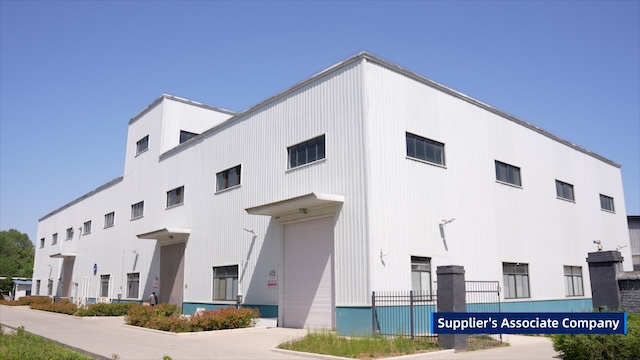
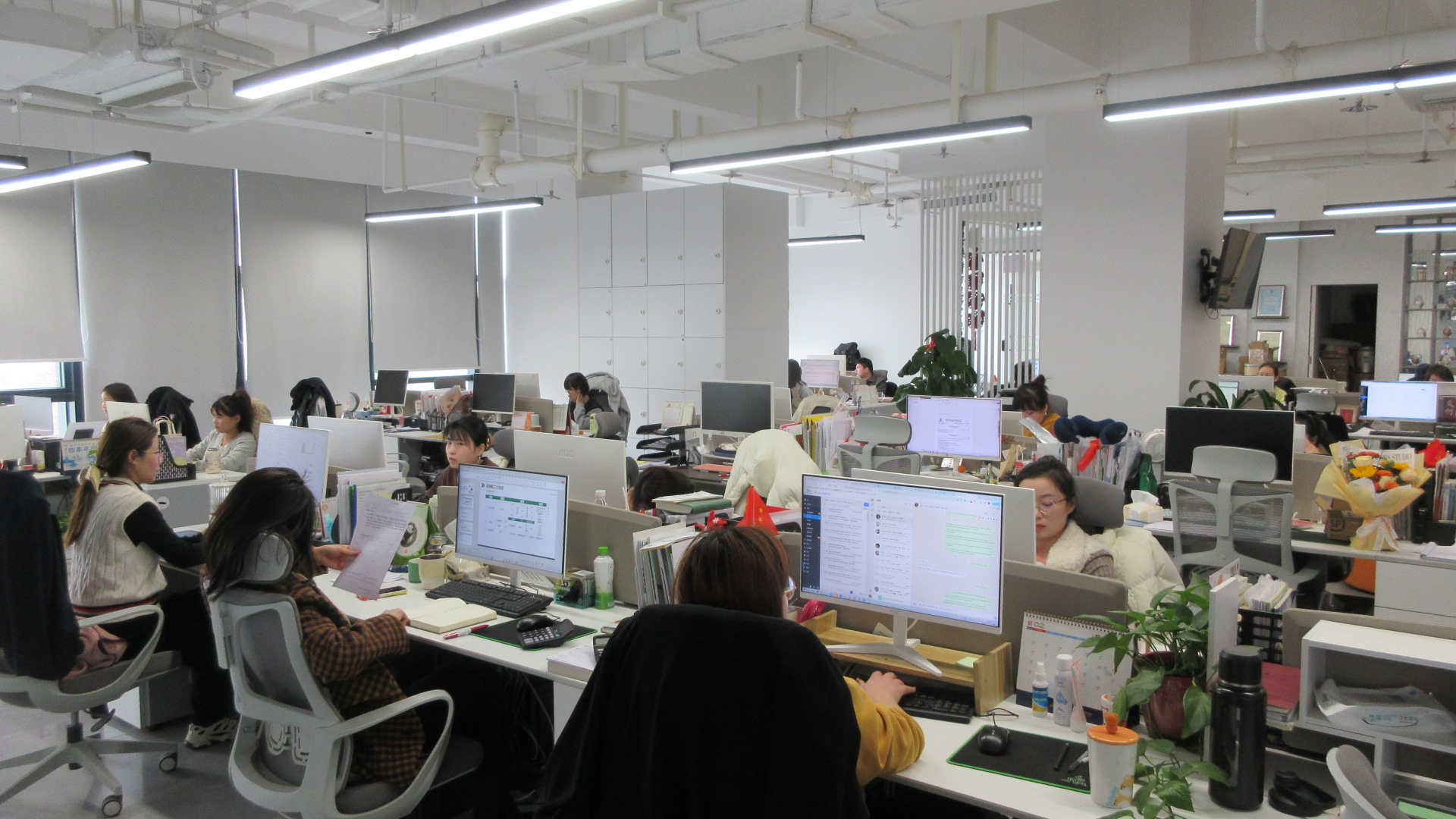
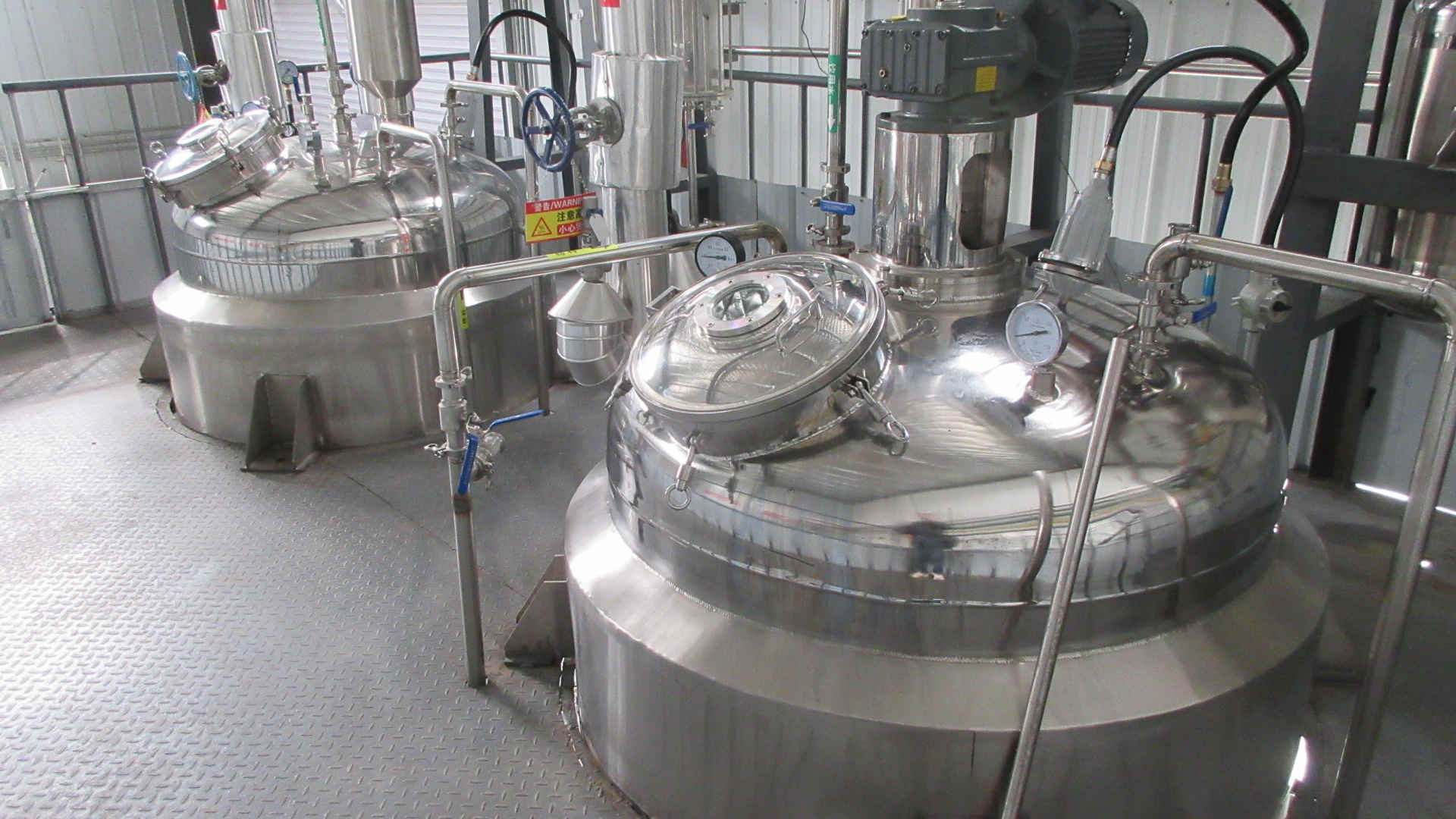
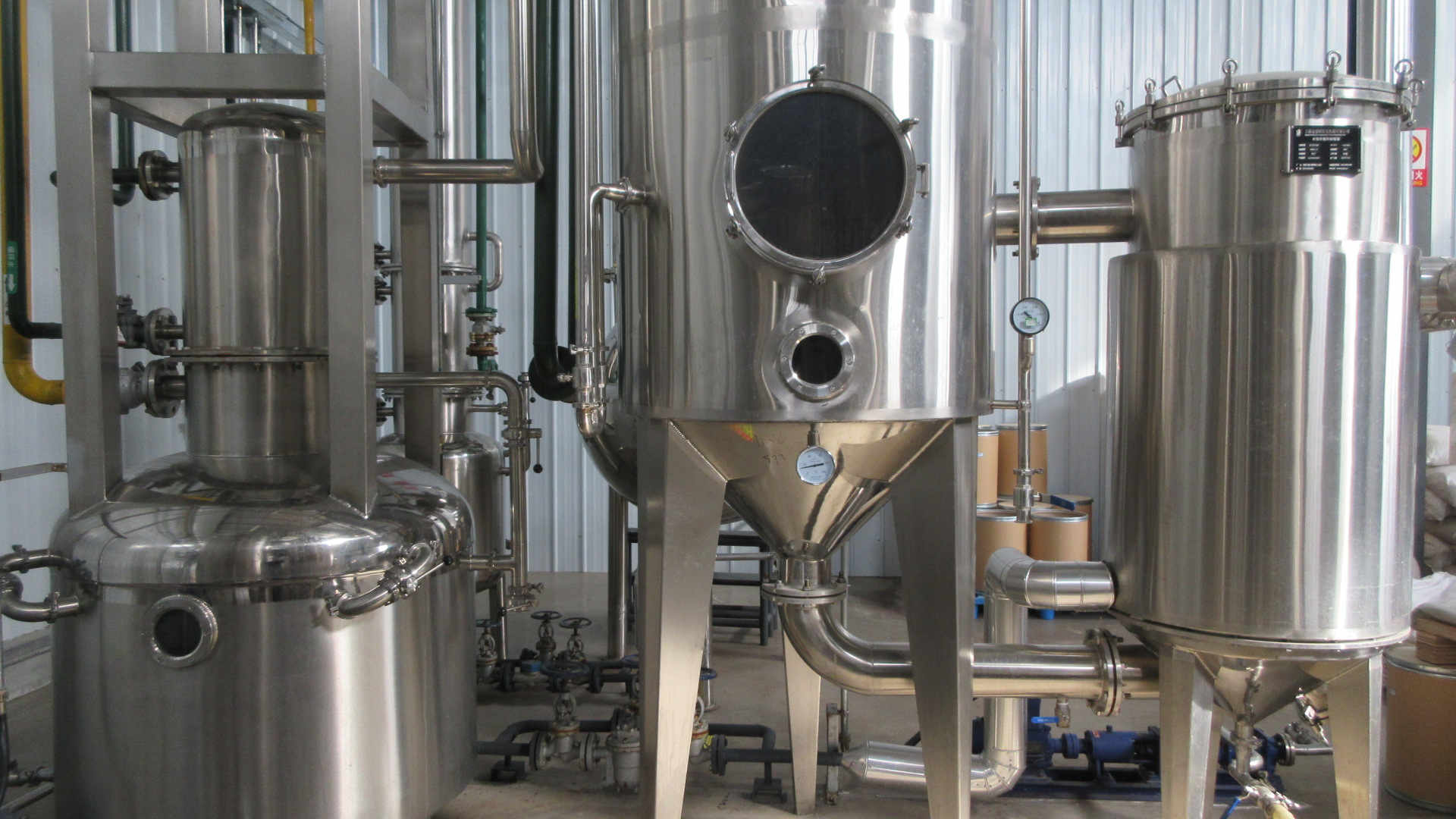
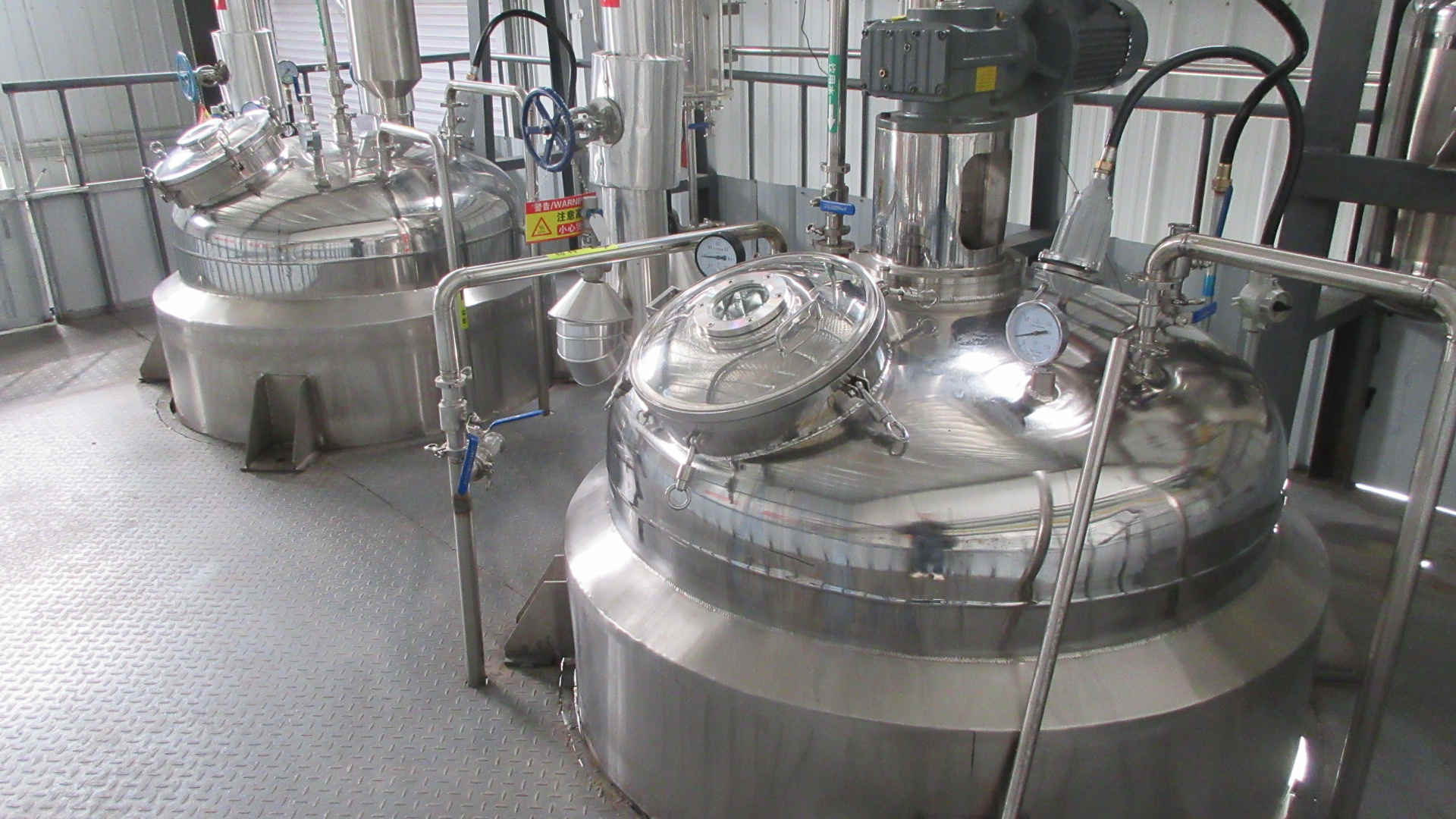
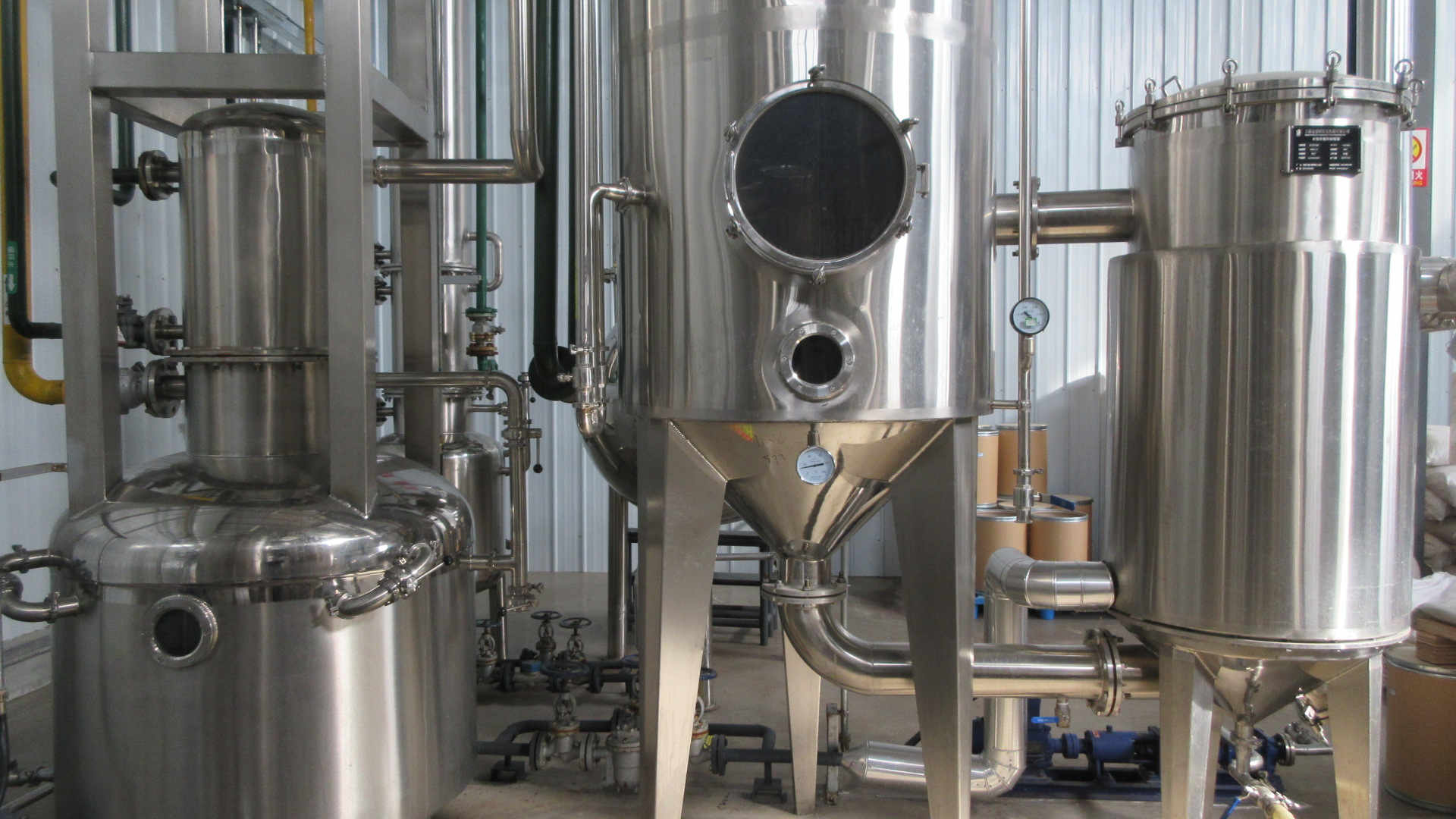
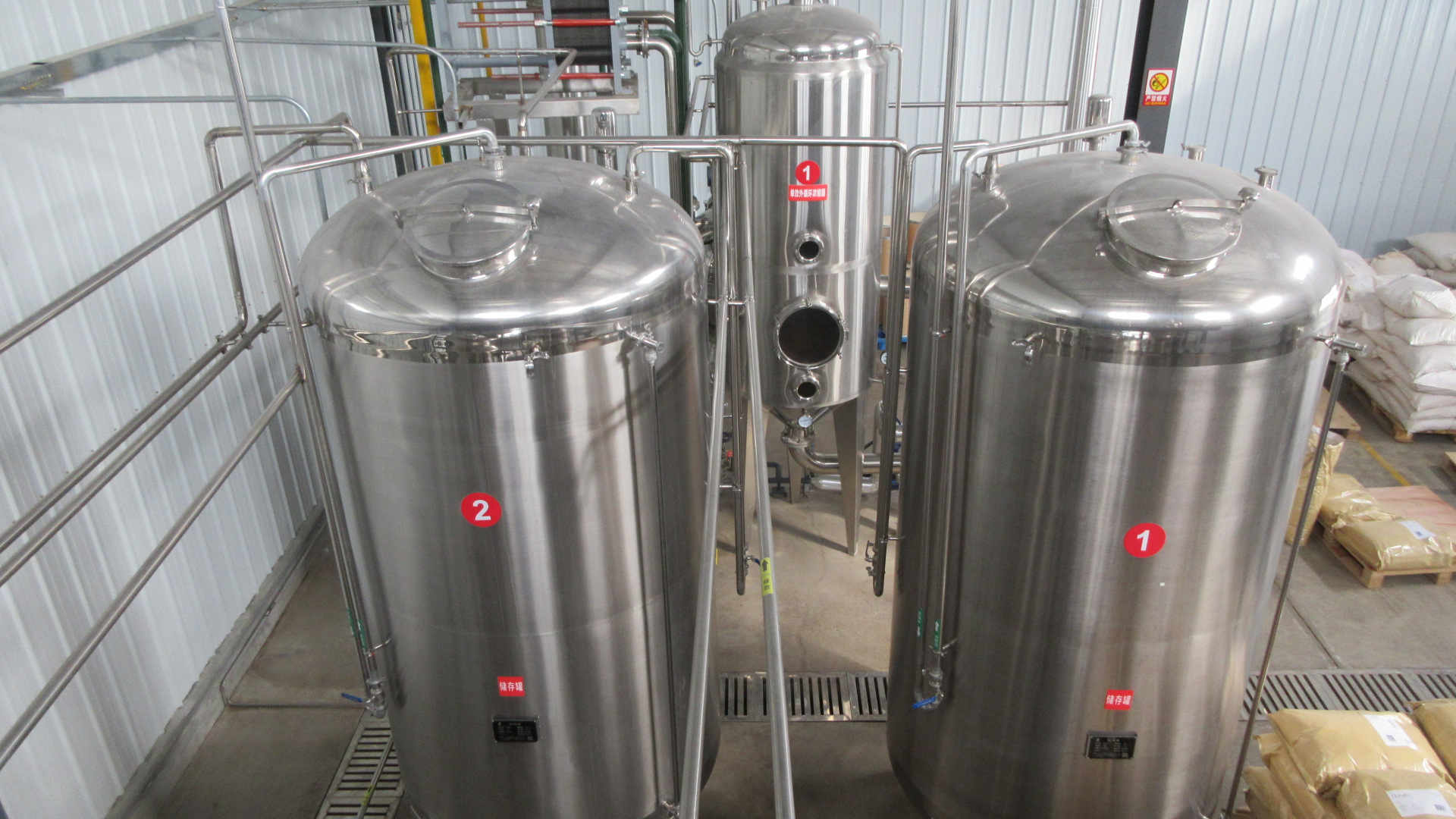
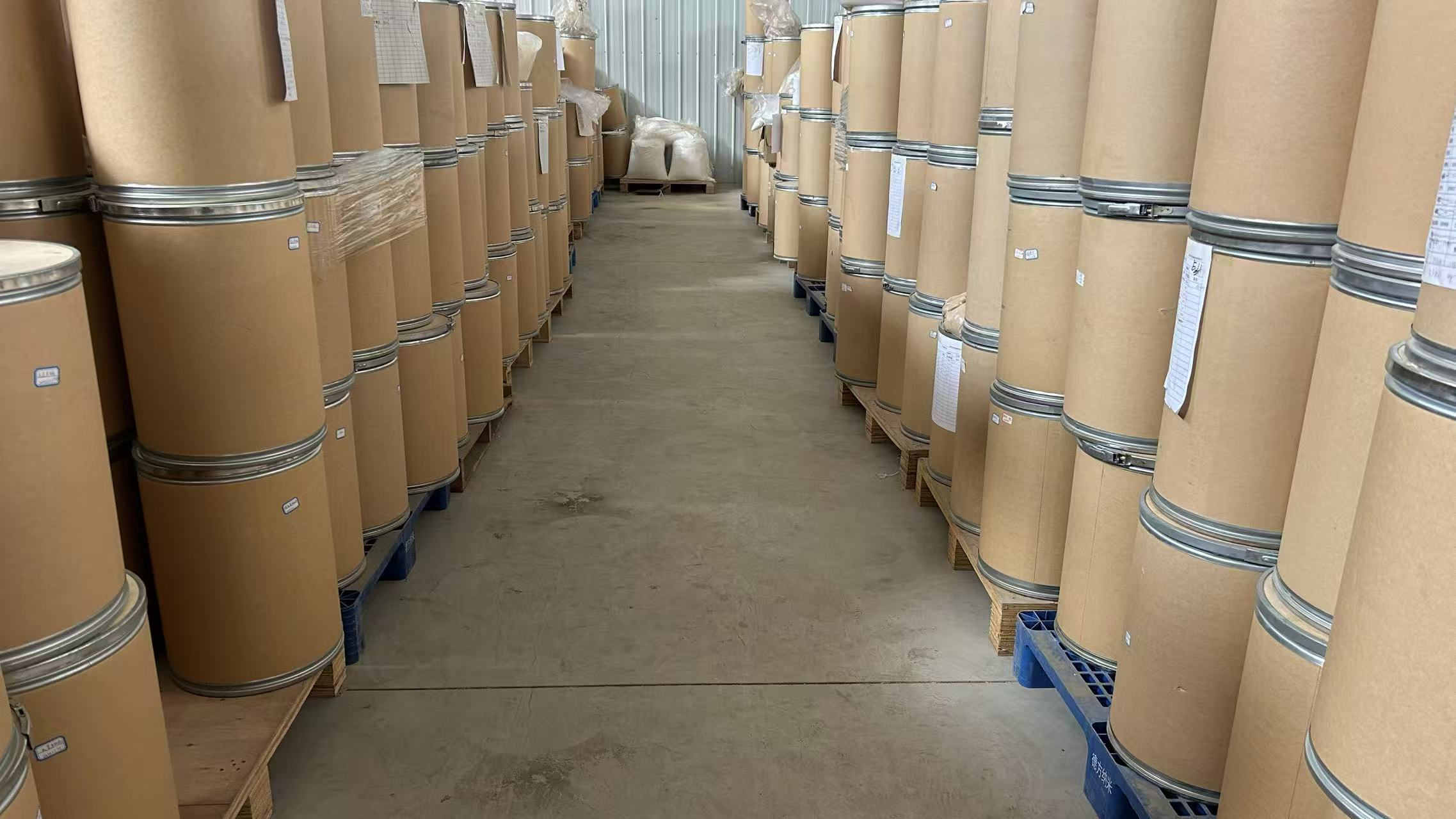
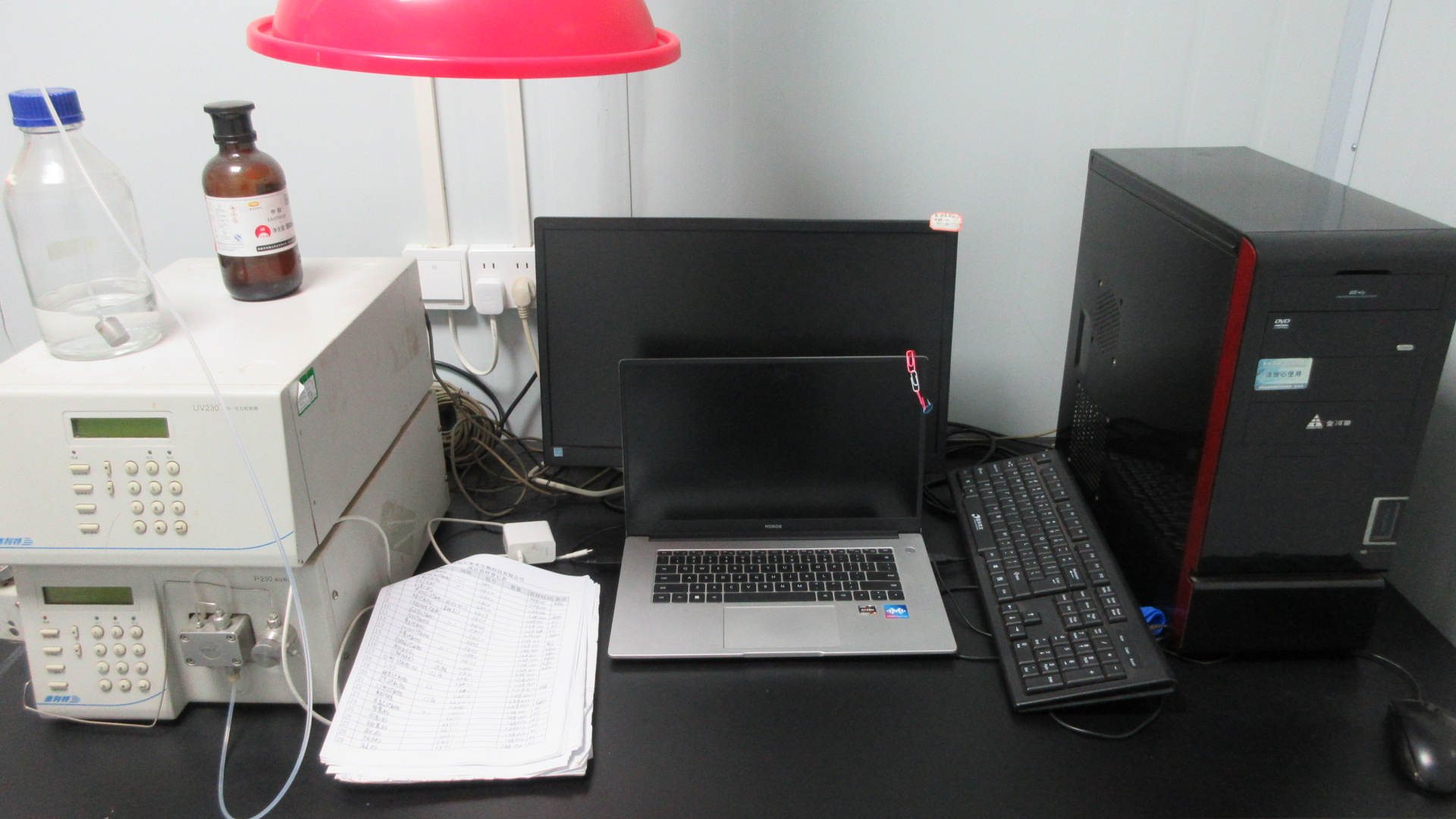
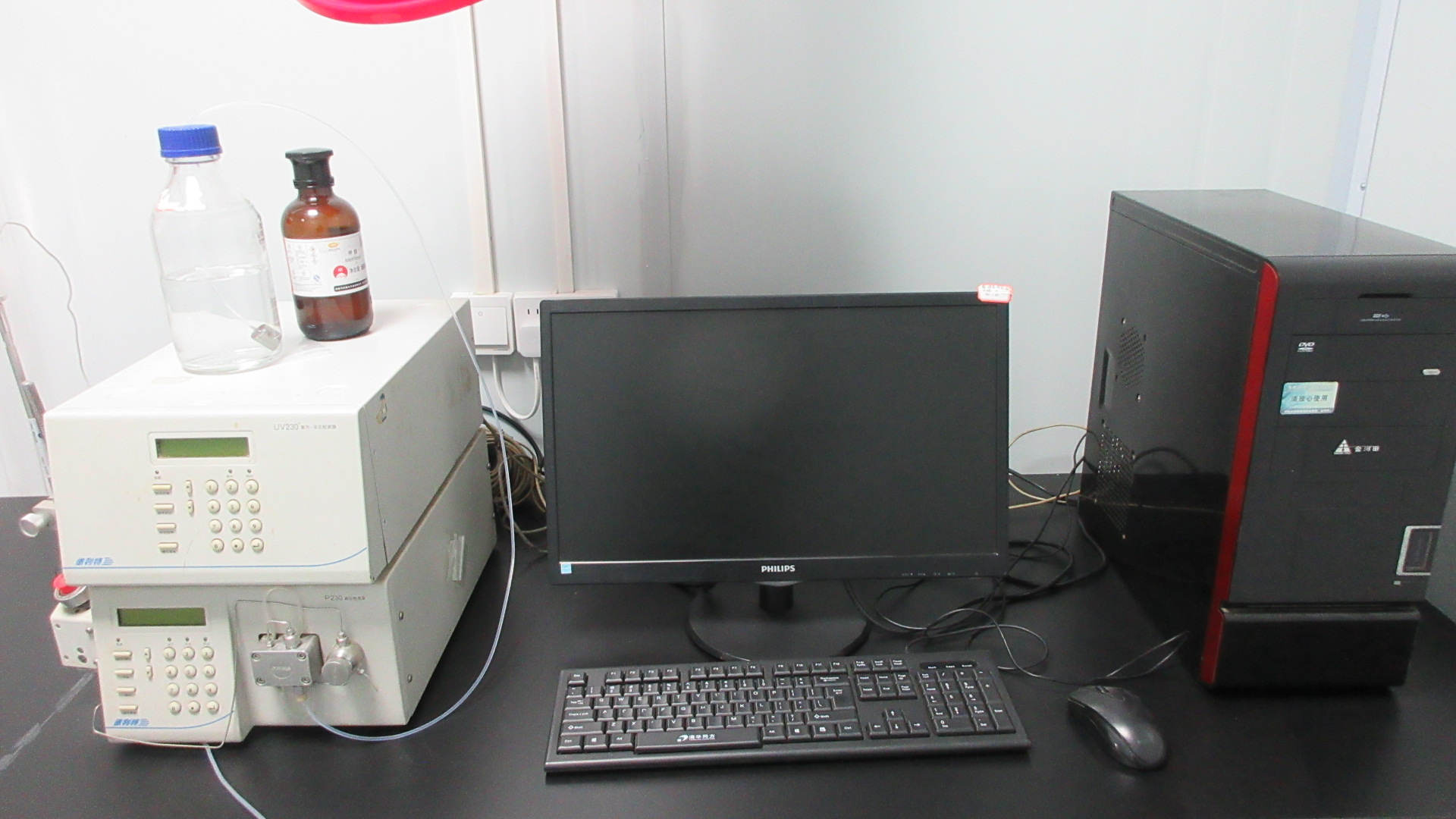
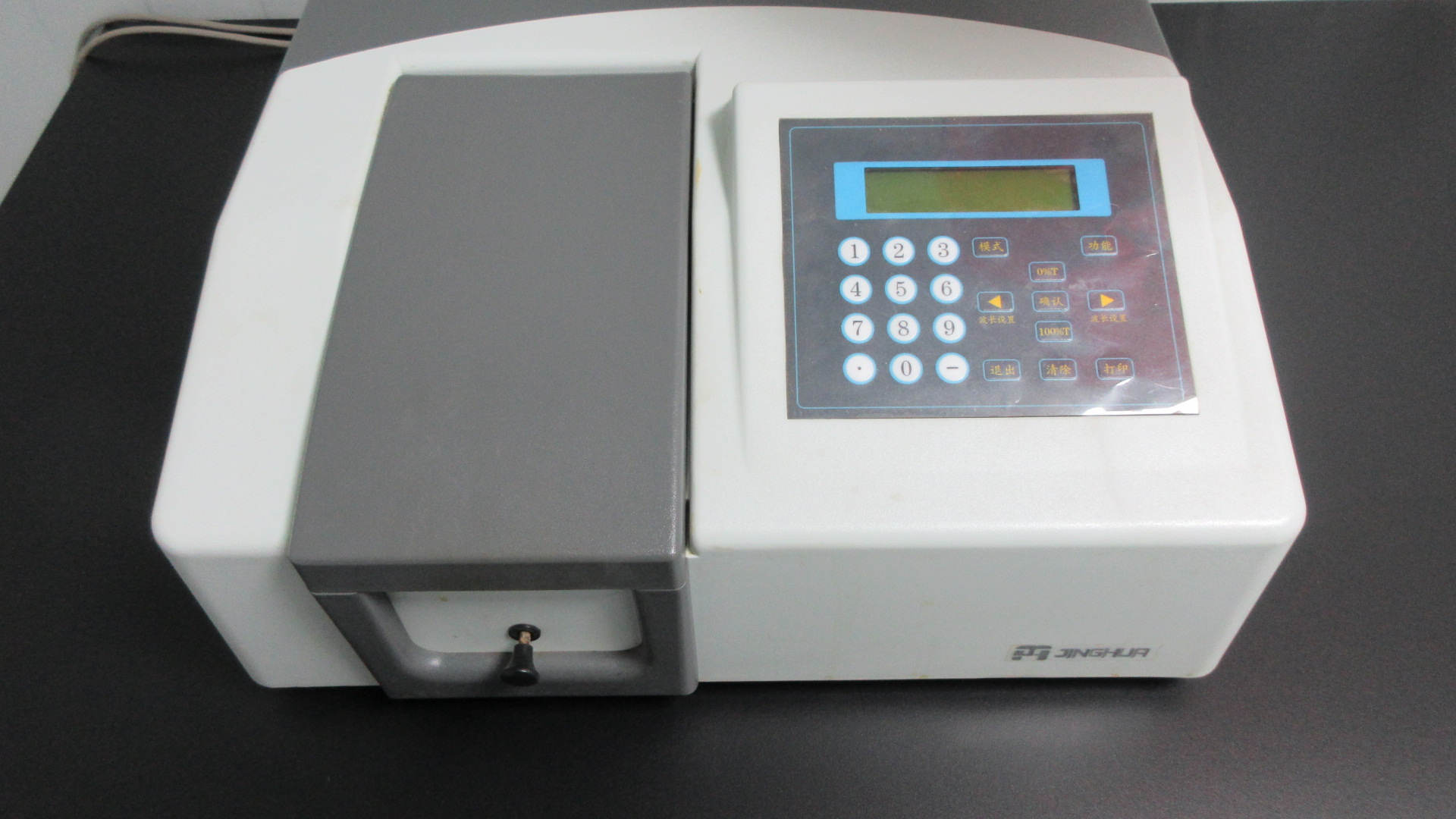
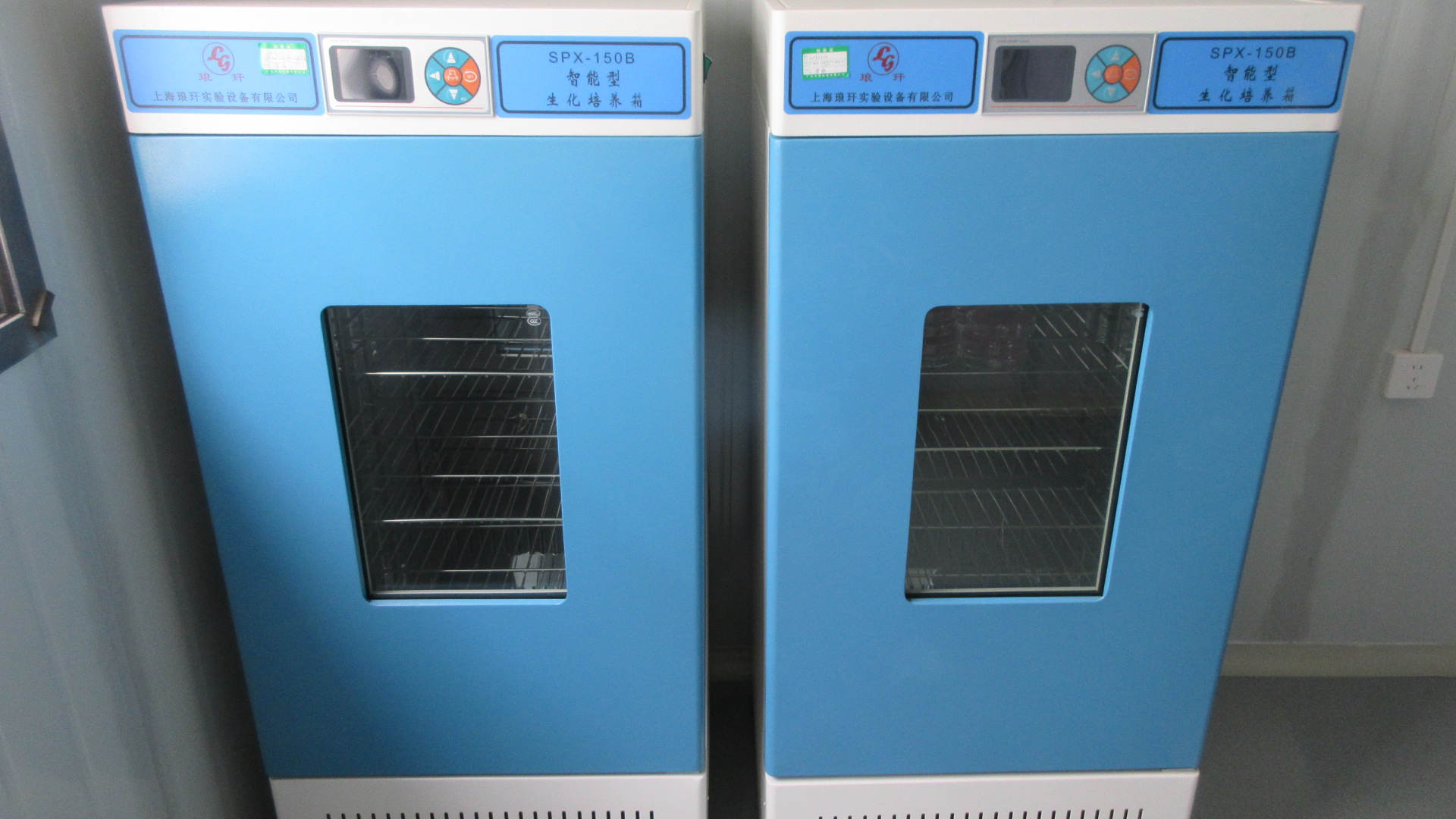
Factory Facility & Processing Machinery
Inspect the dedicated extraction tanks, vacuum evaporators, and QC instruments behind our batch-to-batch Soapbark Extract Liquid integrity.
Comprehensive Enterprise Advantages: Why Source from BKYULA Biotech
Choosing BKYULA Biotech Co., Ltd. as your manufacturing partner for Soapbark Extract Liquid provides tangible supply assurance, regulatory reliability, and operational scalability:
BKYULA Biotech Enterprise ScaleEmpirical metrics audited by international certification registrars and global trading records.
Soapbark Extract Liquid: Frequently Asked Questions (FAQ)
Critical answers addressing purity verification, formulation stabilization, dosing thresholds, and shipping logistics.
1. What is the active ingredient in Soapbark Extract Liquid, and what is its chemical mechanism?
2. How does Soapbark Extract Liquid compare to Yucca Schidigera Extract in beverage and foaming applications?
3. What are the typical application inclusion levels for beverage and personal-care formulations?
4. What documentation is provided with our commercial Soapbark Extract Liquid shipments?
5. What are the storage requirements and anticipated shelf life of the liquid extract?
6. What are your Minimum Order Quantities (MOQ) and lead times for global deliveries?
Initiate Your Soapbark Extract Liquid Procurement
Contact our technical sourcing specialists to receive custom specification sheets, HPLC analytical dossiers, and pilot evaluation samples.
[email protected]