 English English
Every active raw material is manufactured under rigorous ISO/HACCP systems, verified via HPLC/UV chromatography, and precision-engineered for maximum shelf stability and cellular bioavailability.

Standard ascorbic acid suffers from a well-documented intestinal absorption ceiling governed by sodium-dependent vitamin C transporter-1 (SVCT1) saturation. Our liposomal delivery platforms overcome gastrointestinal clearance barriers.
By engineering vesicular spheres structured from non-GMO sunflower or soy phosphatidylcholine (PC), hydrophilic L-ascorbic acid is securely trapped inside an aqueous core enclosed by lipid shells. This biomimetic structure safeguards the sensitive active from stomach acid hydrolysis, enzymatic degradation, and early oxidative oxidation during transit.
Conventional crystalline vitamin C intake exhibits an inverse relationship between oral dose and bioavailability: at 1,000 mg oral doses, physiological absorption drops below 50% due to SVCT1 transporter down-regulation. Liposomal spheres utilize chylomicron and lymphatic pathways via pinocytosis and direct mucosal membrane fusion, yielding up to 4.5x higher plasma area under the curve (AUC).
Unabsorbed free ascorbic acid in the lower intestine draws water through osmotic mechanisms, frequently triggering diarrhea, cramping, and acid reflux at therapeutic dosages (>2g). Phospholipid vesicle shielding eliminates unabsorbed luminal acid accumulation, guaranteeing complete gastrointestinal tolerability even in high-concentration clinical protocols.
| Performance Parameter | Standard Synthetic Ascorbic Acid | Sodium / Calcium Ascorbate | BKYULA CE-Certified Liposomal Vitamin C |
|---|---|---|---|
| Mean Plasma Cmax (2g oral) | 140 - 180 µmol/L | 160 - 210 µmol/L | 380 - 450 µmol/L |
| Intestinal Transport Mode | Saturable SVCT1 Transporters | Carrier-Facilitated Diffusion | Lymphatic Absorption & Endocytosis |
| Biological Half-Life (t1/2) | ~2.5 - 3.2 Hours | ~3.0 - 3.8 Hours | 6.8 - 8.4 Hours (Extended Retention) |
| Encapsulation Efficiency (EE%) | Not Applicable (0%) | Not Applicable (0%) | ≥ 92.5% (Validated via Ultracentrifugation) |
| Mean Vesicle Size (DLS PDI) | Crystalline Particles (>10 µm) | Soluble Ions | 80nm - 140nm (Polydispersity Index < 0.22) |
| Gastric Hyper-Osmolality Risk | High (Causes loose stool at >2g) | Moderate | Zero Adverse GI Reactivity |
Whether formulating liquid elixirs, effervescent drink mixes, hard-shell capsules, or clinical dual-chamber shots, selecting the exact physical vehicle is critical to securing continuous retail shelf-life and high consumer repurchasing rates.
Engineered via proprietary low-heat spray freeze-drying or maltodextrin/isomalt-carrier vacuum micro-granulation. This stable dry powder dissolves instantaneously in water, forming spontaneous sub-micron vesicles. Ideal for 2-piece gelatin/HPMC capsules, sachets, stick packs, and dry infant/clinical premixes where water-activity must remain strictly under aw < 0.20.
Designed for liquid single-serve dosing sachets and multi-dose amber glass bottles. Produced with ultra-pure sunflower phosphatidylcholine containing >90% PC fractions. Completely free of alcohol, polysorbate 80, synthetic surfactants, or artificial texturizers. Exhibits prolonged thermodynamic phase stability across ambient storage temperatures without visible separation.
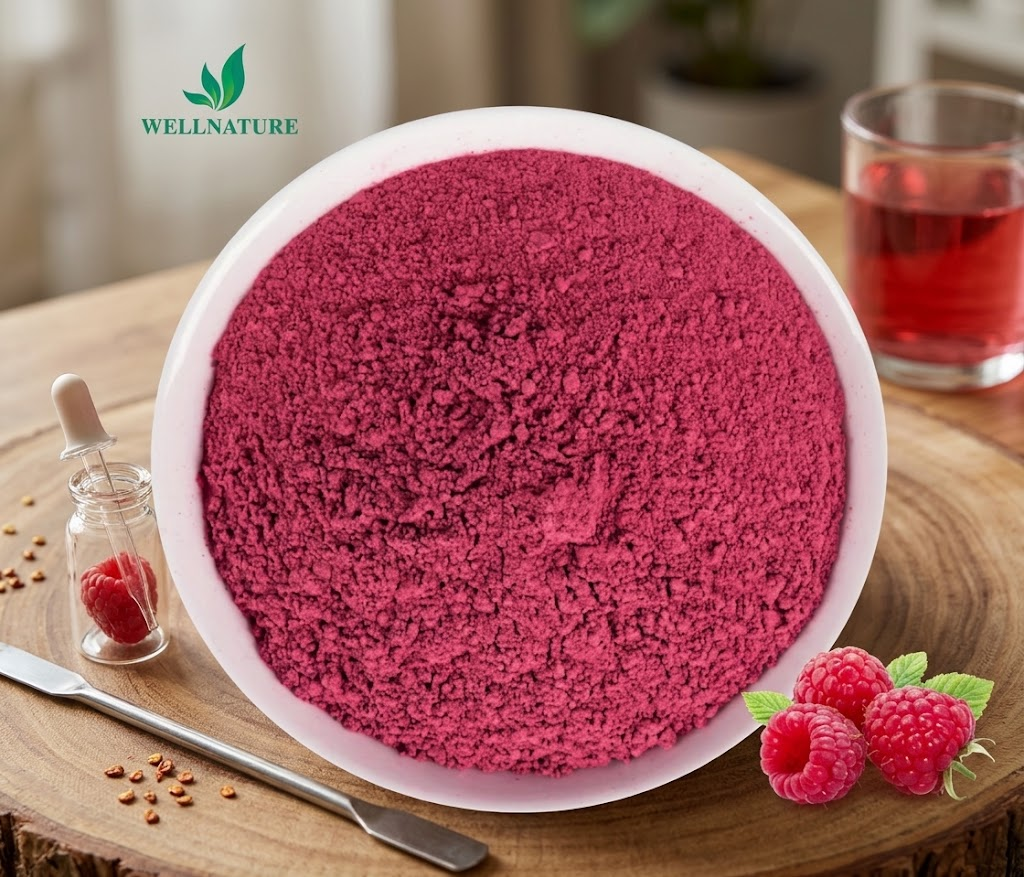
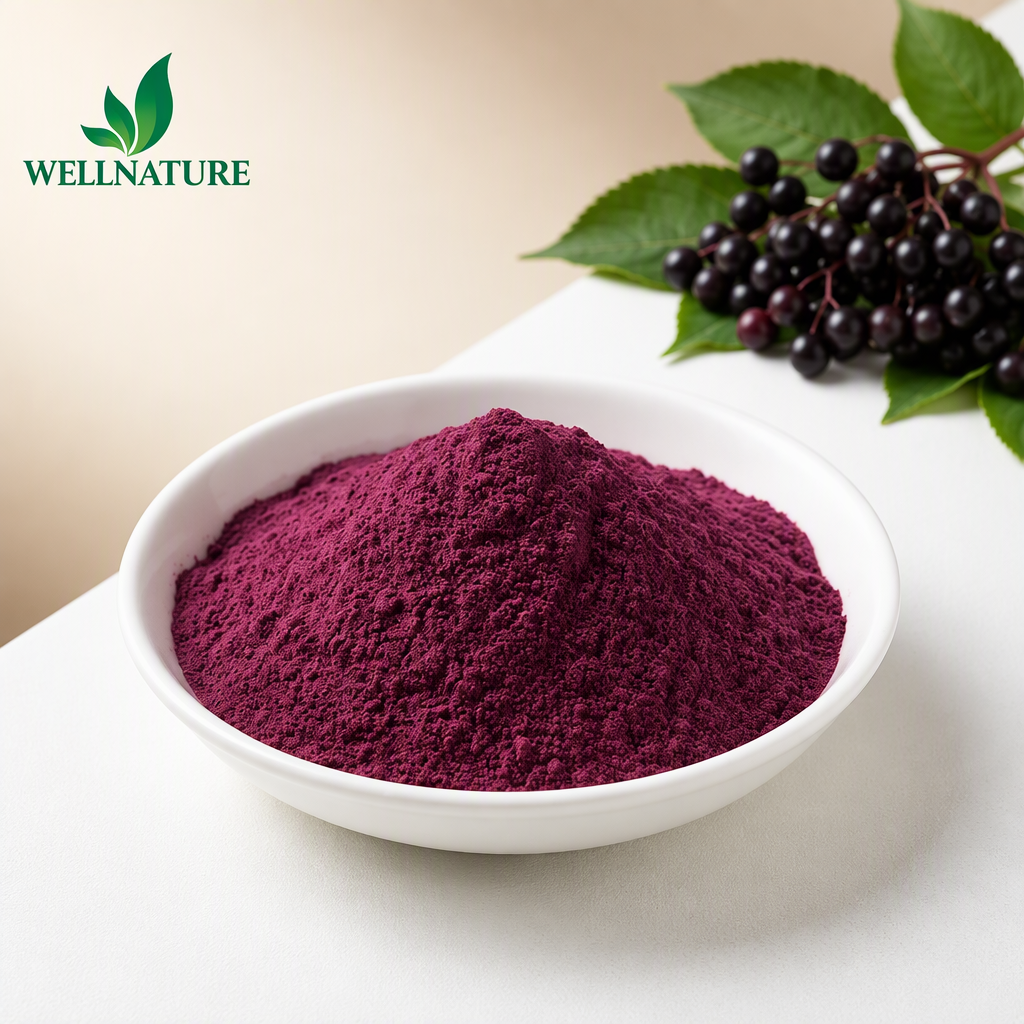
State-of-the-art formulations blend Liposomal Vitamin C with targeted botanicals to amplify cellular uptake. Combining Liposomal C with our standardized Freeze Dried Mixedberry Powder or Elderberry Anthocyanins introduces native bioflavonoids that protect reduced ascorbate from endogenous oxidation.
The global dietary supplement procurement environment is rapidly shifting toward verified molecular proof, hypoallergenic plant phospholipids, transparent environmental footprinting, and strict regulatory documentation.
Procurement teams are actively replacing soy-derived lecithin with certified non-GMO European and North American sunflower phosphatidylcholine to eradicate allergen labeling hurdles (FALCPA compliance) and preserve supply chain integrity against transgenic cross-contamination.
Procurement buyers now mandate raw cryogenic transmission electron microscopy (Cryo-TEM) and Dynamic Light Scattering (DLS) size reports per batch. True vesicle integrity must be clearly separated from counterfeit "emulsion-blended" products lacking stable concentric lipid bilayers.
With EFSA, EMA, and international health agencies enforcing tightened scrutiny over micro- and nano-carriers, importers demand CE Declaration of Conformity alongside ISO 22000, HACCP, and pharmaceutical batch release records to pass customs clearance without border inspection detentions.
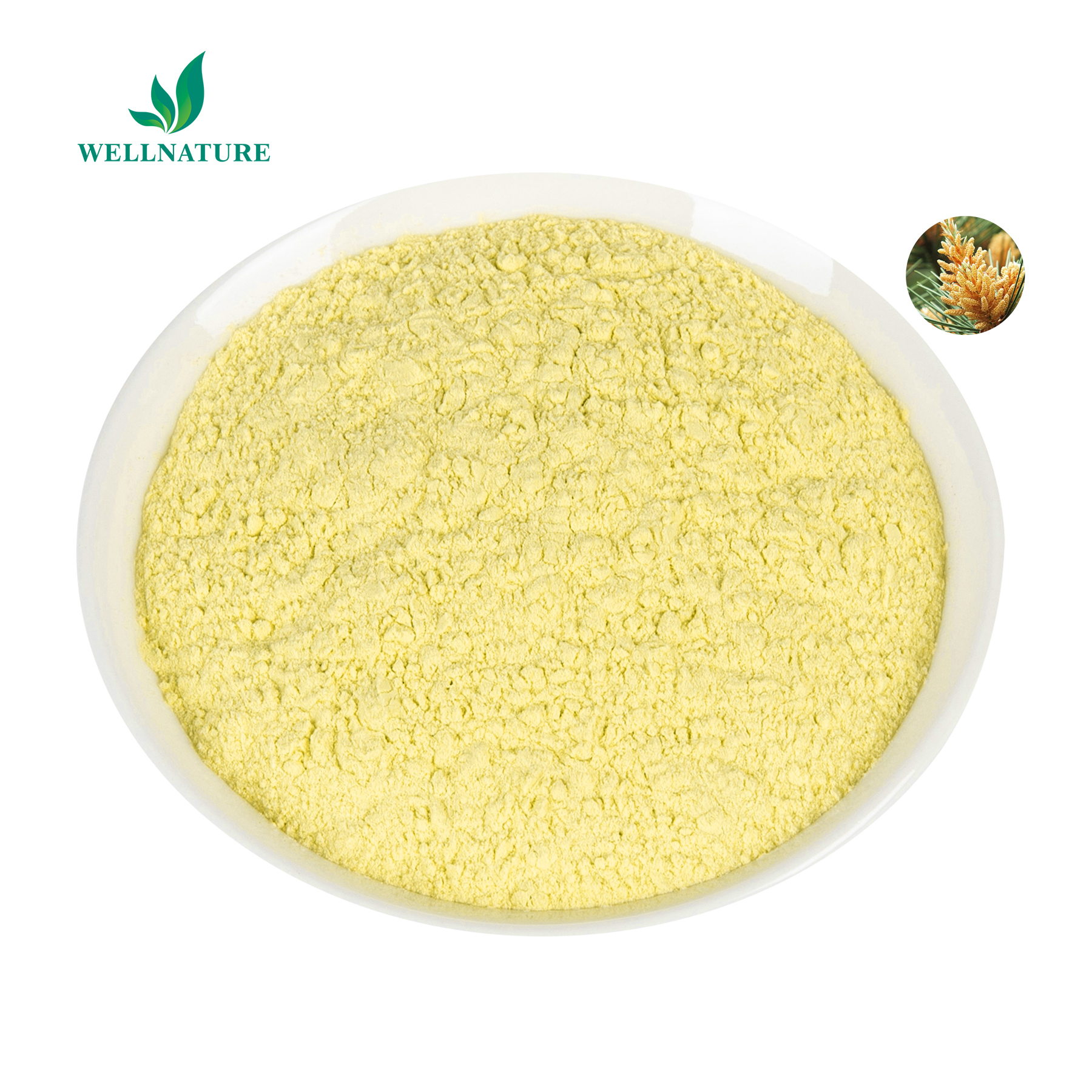
Brand purchasers are actively cutting logistical overhead by consolidating multi-component orders—combining Liposomal Vitamin C orders with synergistic functional botanicals such as Lutein Marigold Extract and Pine Pollen from single audited manufacturers.
As consumer demand for clean-label bioavailability increases, manufacturing facilities must transition away from legacy rotor-stator processing to sub-micron microfluidic hydrodynamic cavitation.
Traditional ultrasonic disruption generates thermal spikes that break down ascorbic acid into dehydroascorbic acid and 2,3-diketogulonic acid. Modern cleanrooms employ multi-stage microfluidic collision chambers at 15,000 to 22,000 psi under jacketed glycol chilling (0–4°C), producing uniform, stable vesicles with narrow PDI without heating the product stream.
The industrial elimination of residual volatile solvents (ethanol, chloroform, ether) is achieved through green Supercritical Assisted Liposome Formation (SuperLip). Supercritical carbon dioxide acts as a non-toxic expanding agent, yielding pure water-dispersible vesicle formulations that easily pass stringent pharmaceutical trace solvent limits (USP <467> Class 1/2/3).
Vesicular agglomeration and precipitation are prevented by optimizing particle surface electrostatics. By maintaining zeta potential levels between -35mV and -45mV through careful lipid-to-surfactant balancing, electrostatic repulsion prevents droplet fusion, ensuring an authentic 24-month room temperature shelf life.
Supported by 15 years of botanical extraction expertise, comprehensive third-party SGS onsite audits, and modern pharmaceutical testing instrumentation, we provide reliable, scalable, and audit-ready manufacturing solutions for global brands.
Production cleanrooms are certified under ISO 9001:2015, ISO 22000, and HACCP safety standards. Animal feed ingredients comply with FAMI-QS protocols, while finished supplements maintain active HALAL, KOSHER, and EU/USDA Organic certifications. Our manufacturing premises are verified onsite by SGS Group.
Every commercial batch must pass rigorous quality control verification inside our internal analytical facility. Dual high-performance liquid chromatography (HPLC) systems, UV-Vis spectrophotometers, loss-on-drying vacuum chambers, and biosafety microbiology incubators ensure total compliance for active potency, heavy metals, microbial loads, and solvent traces.
We supply flexible volume options tailored to your supply strategy, ranging from 1 kg pilot R&D batches up to multi-ton commercial production runs. Complete custom ratio formulation, premix blending, tableting, micro-granulation, and export container packing are supported by an experienced in-house technical and regulatory team.
Direct technical and logistical answers addressing analytical documentation, vesicle testing, minimum orders, customs compliance, and supply operations.
We employ a dual-method verification standard. First, free vs. entrapped ascorbic acid is separated via ultracentrifugation filtration or Sephadex size-exclusion chromatography (SEC), with both phases quantified by HPLC to determine Encapsulation Efficiency (EE% ≥ 90%). Second, vesicle morphology and particle size distribution are confirmed via Cryogenic Transmission Electron Microscopy (Cryo-TEM) and Dynamic Light Scattering (DLS).
Our company operates under ISO 9001:2015, ISO 22000, and HACCP food safety quality systems, alongside HALAL and KOSHER manufacturing approvals. Our Liposomal Vitamin C lines conform to CE technical documentation guidelines for European distribution, supported by third-party onsite factory verification from SGS Group.
Standard inventory specifications start from an accessible 1 kg MOQ for bulk powders and liquids, allowing brands to conduct pilot formulation and pilot stability tests. For tailored OEM/ODM formulas, specialized packaging, or custom botanical blends, MOQs start from 25 kg to 100 kg. Standard lead times range from 7 to 12 business days upon confirmation.
Each batch release includes an authentic batch-specific Certificate of Analysis (COA) containing exact active assays, moisture content, loss on drying, heavy metal quantification (Pb, As, Cd, Hg via ICP-MS), residual solvents, and full microbiological testing. Material Safety Data Sheets (MSDS), Technical Data Sheets (TDS), allergen statements, and BSE/TSE statements are supplied upon request.
Yes. However, direct tableting pressure can rupture delicate phospholipid shells if compression profiles are poorly controlled. Our spray-dried liposomal powders incorporate micro-protective maltodextrin/trehalose matrices that shield vesicles during standard rotary capsule filling and low-pressure chewable compression, reconstituting into sub-micron vesicles once in contact with aqueous gastric fluid.
We support FOB, CFR, CIF, EXW, CIP, FCA, CPT, and door-to-door DDP logistics via express air courier (DHL, FedEx) and refrigerated sea freight. Commercial payment settlements are accepted in USD via T/T wire transfer, irrevocable L/C at sight, PayPal, and Western Union.
Contact our technical development team today for batch documentation, wholesale volume price structures, and custom formulation guidance.