Molecular Composition: Steroidal Saponins vs. Glycocomponents
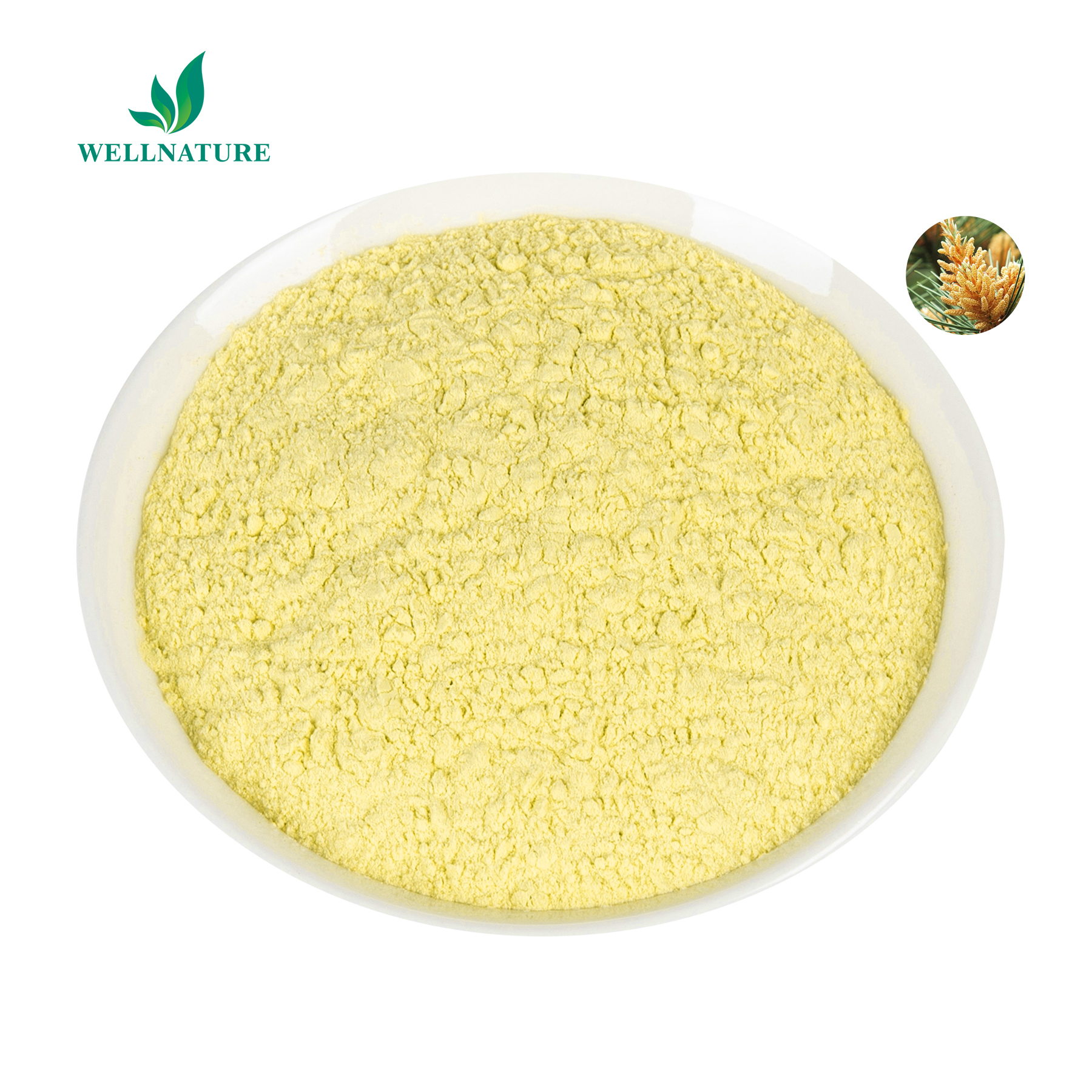
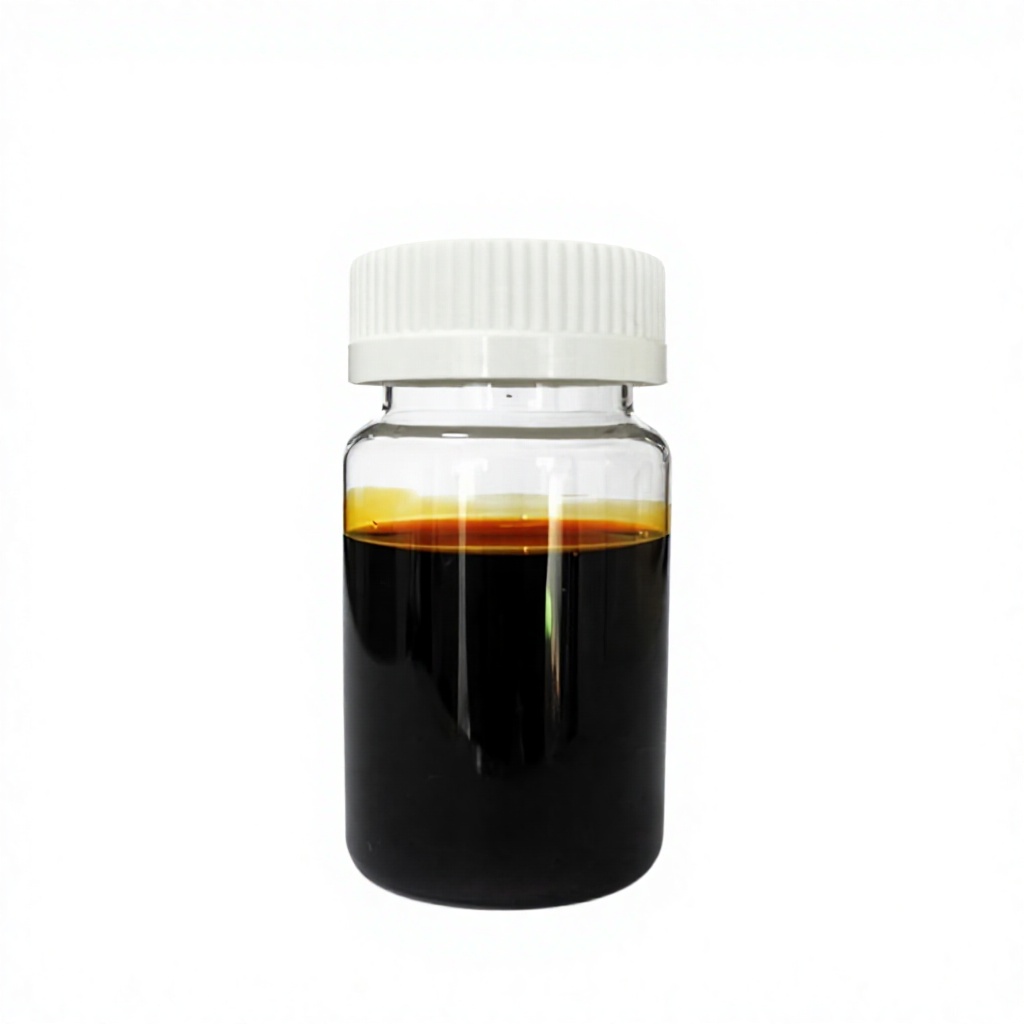
Yucca extract powder derived from the desert monocot *Yucca schidigera* Roezl ex Ortgies (syn. *Yucca baccata* var. *macrocarpa*) contains two major pharmacologically active groups: high-molecular-weight steroidal saponins (primarily sarsasapogenin, smilagenin, markogenin, and samogenin linked to branched oligosaccharide chains) and water-soluble polyphenols (including resveratrol-derived yuccaols A, B, C, D, and E). In high-density swine, poultry, and ruminant operations, the non-nitrogenous saponin fraction acts as a natural surfactant, intercalating with mucosal membranes and down-regulating microbial urease activity in the gastrointestinal lumen.
By irreversibly binding free ammonia ($NH_3$) and volatile sulfur compounds (hydrogen sulfide, methyl mercaptan) generated during amino acid deamination, yucca extract minimizes atmospheric barn ammonia concentrations by 38% to 62%. Consequently, intestinal epithelial integrity is protected from cellular swelling and premature sloughing, decreasing cellular turnover energy expenditure and redirecting dietary metabolisable energy toward lean tissue deposition and skeletal development.
Analytical Methods: UV Spectrophotometry vs. High-Performance Liquid Chromatography (HPLC)
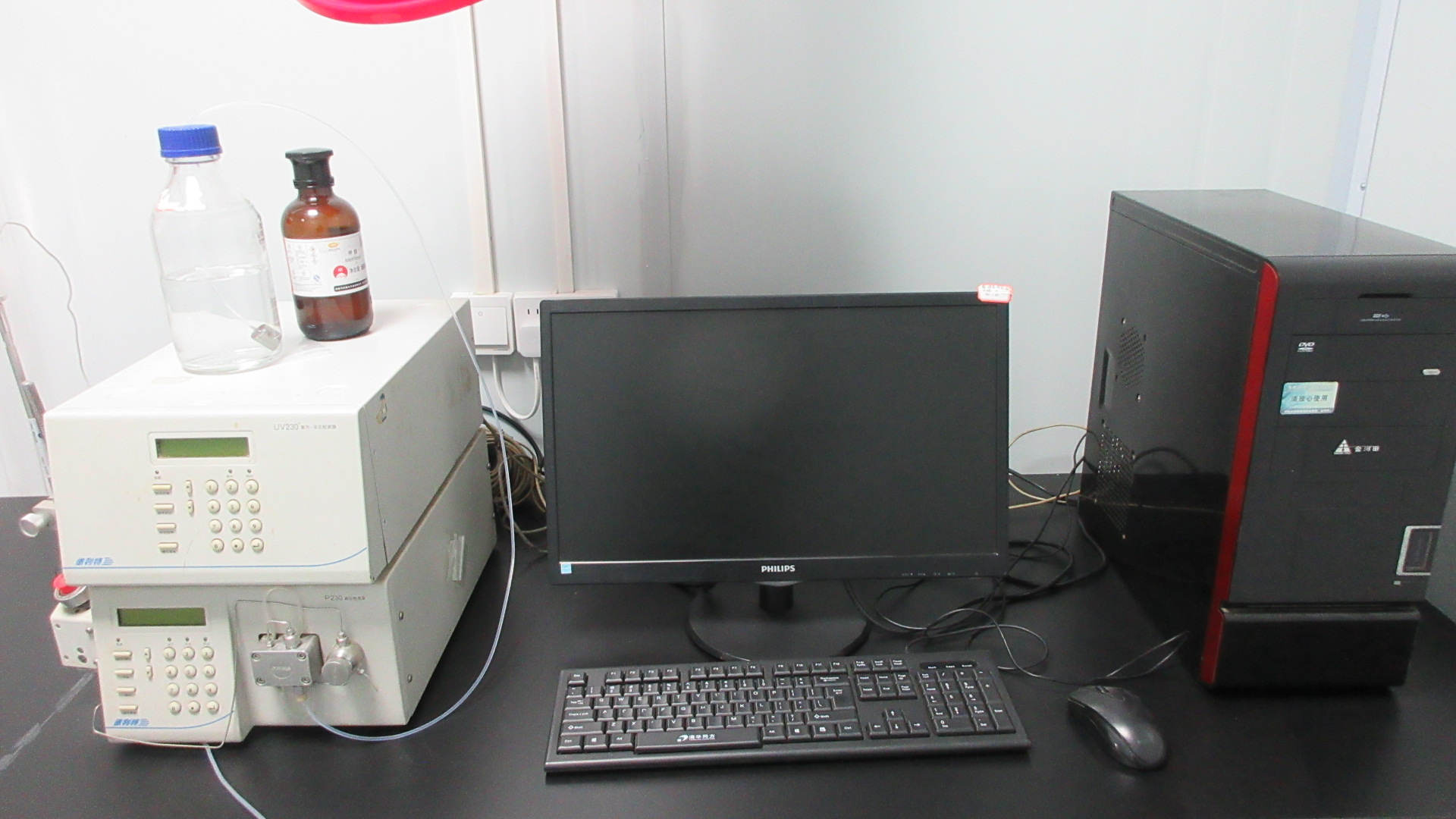
A major vulnerability in global botanical procurement is assay variation between suppliers. Traditional testing relies on total saponin quantitation via UV-Vis spectrophotometry against a diosgenin reference standard at 460 nm after vanillin-perchloric acid chromogenic reaction. While inexpensive, UV spectrophotometry routinely overestimates active saponin content by 15% to 28% due to interferences from matrix polysaccharides and degraded lignins.
| Parameters / Grade |
Commercial Feed Grade (UV 30%) |
Standard Livestock Grade (UV 60%) |
HPLC Standardized Grade (CE/Pharma) |
| Total Saponin Assay |
≥ 30.0% (Colorimetric UV) |
≥ 60.0% (Colorimetric UV) |
≥ 40.0% Real Saponins (HPLC-ELSD) |
| Sarsasapogenin Reference |
Unquantified Matrix |
Qualitative Peak Detection |
≥ 8.5 mg/g Quantified HPLC |
| B-50 Value (Ammonia Binding) |
≤ 4.5 mg/mL |
≤ 2.2 mg/mL |
≤ 1.4 mg/mL Concentration |
| Moisture (Loss on Drying) |
≤ 6.0% (105°C, 3 hrs) |
≤ 5.0% (105°C, 3 hrs) |
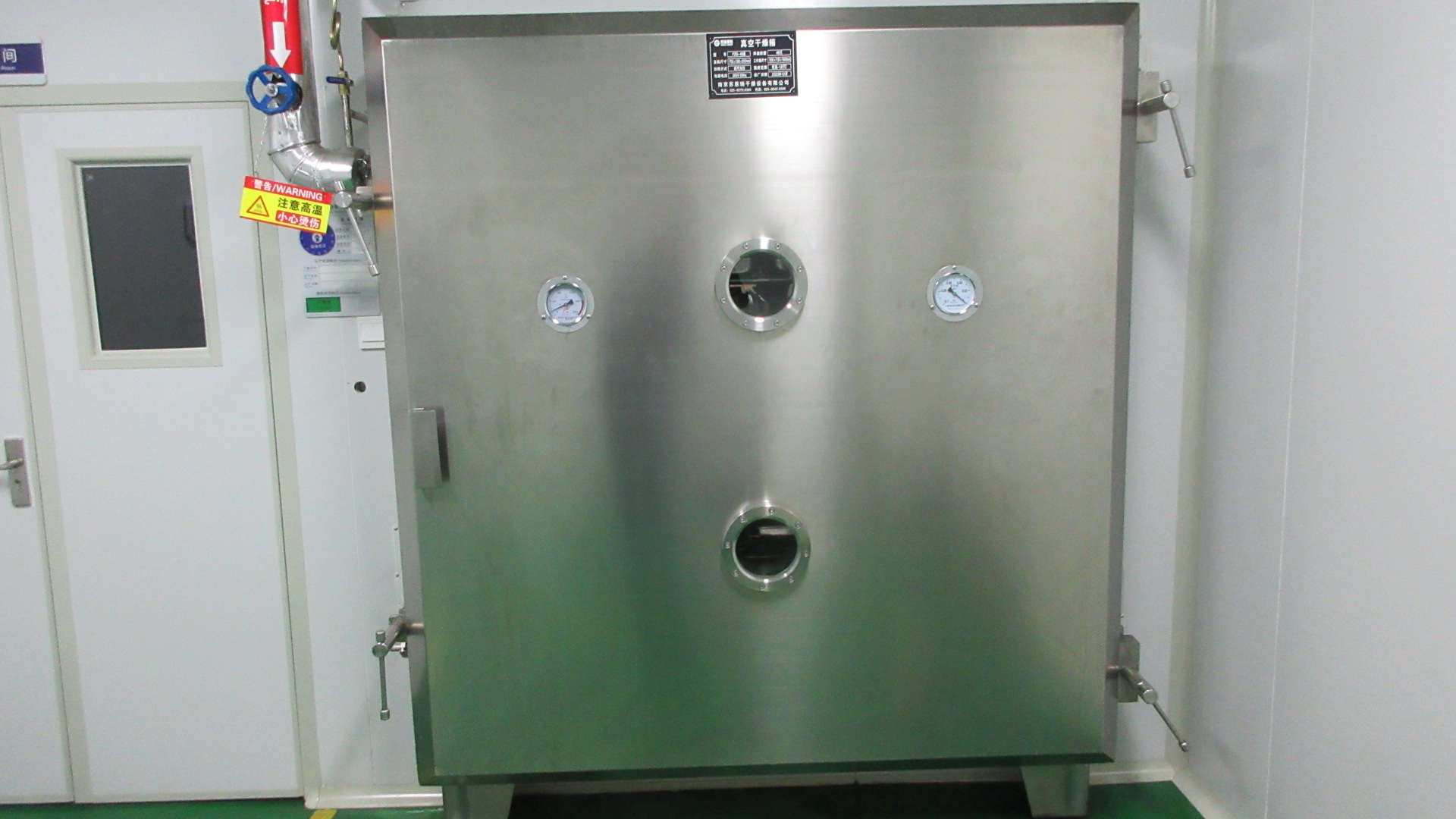
≤ 4.0% Vacuum Desiccation |
| Heavy Metals (As, Pb, Cd, Hg) |
≤ 10 ppm total (As ≤ 2 ppm) |
≤ 10 ppm total (Pb ≤ 2 ppm) |
≤ 5 ppm (ICP-MS Validated) |
Sourcing Authenticity: Yucca Schidigera vs. Quillaja Saponaria Intermixing
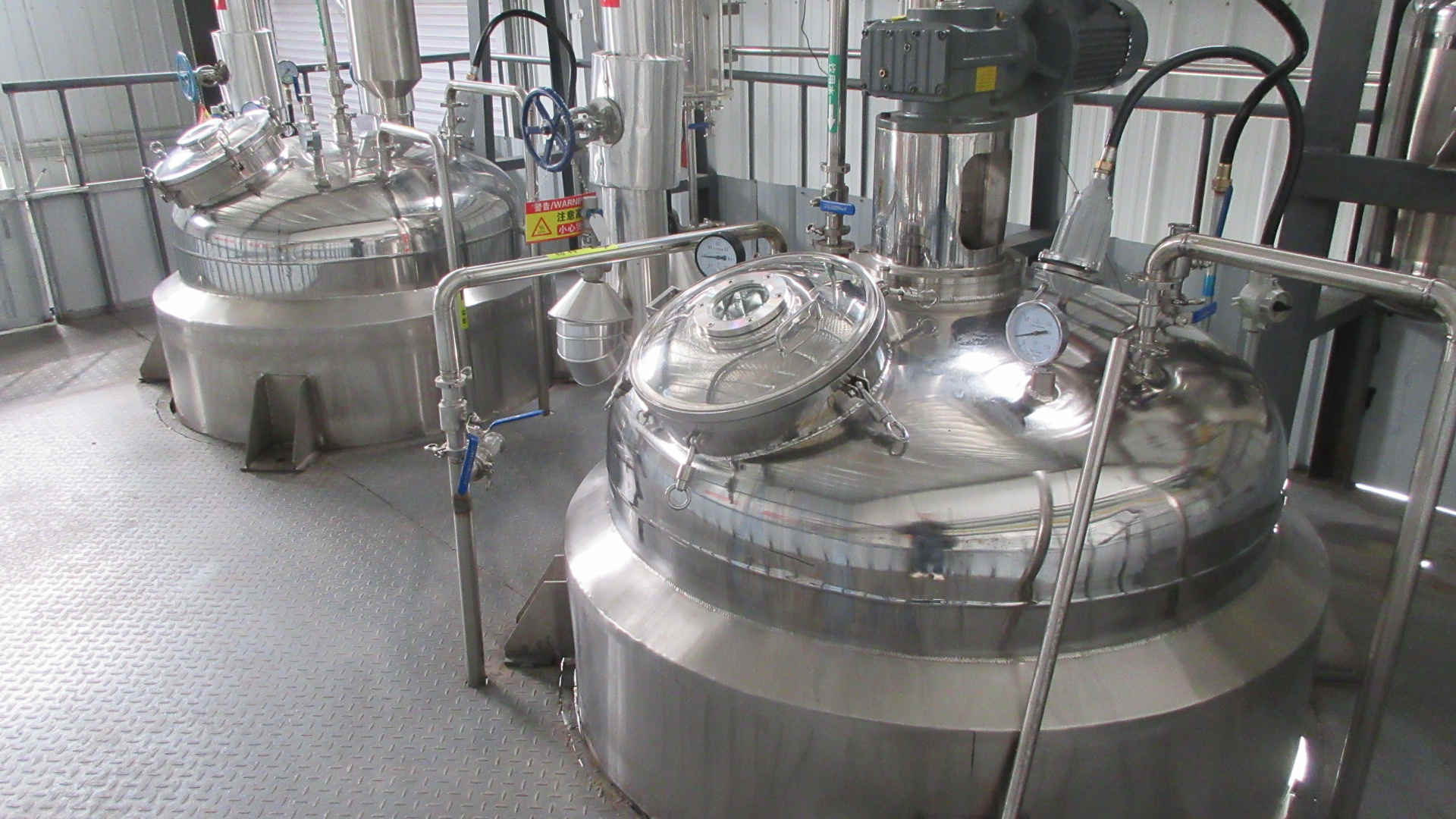
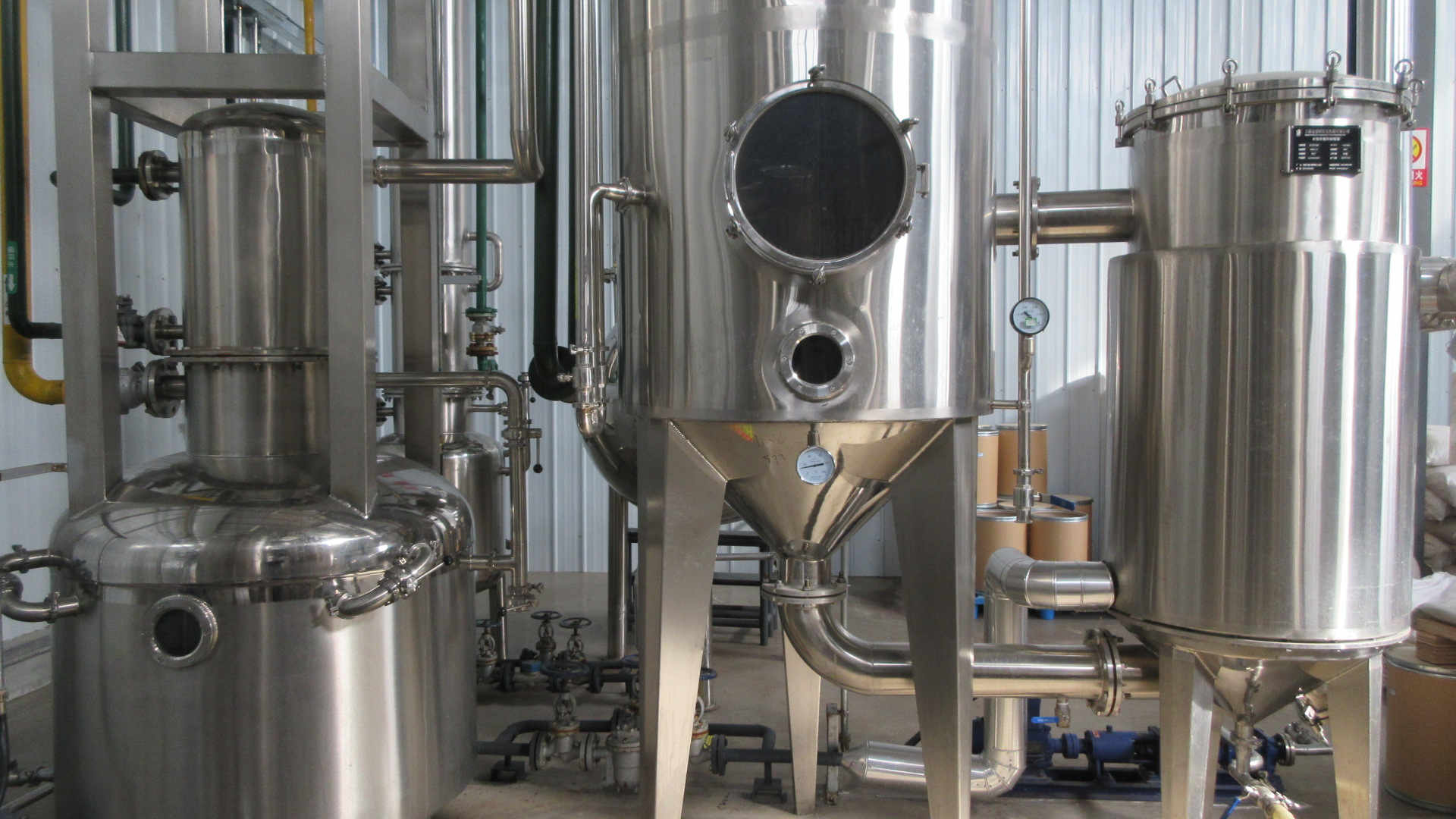
Cost pressures frequently prompt unethical manufacturers to blend low-cost Chinese soapberry or Quillaja extracts into Yucca schidigera powders. While Quillaja saponins possess exceptional surfactant foaming characteristics, their triterpenoid core displays distinct bio-toxicity markers toward freshwater aquatic species and rumen protozoa compared to true Yucca steroidal spirostane frameworks. Standard operating protocols at verified factories implement TLC finger-printing and HPLC mass spectroscopy to verify authentic *Yucca schidigera* glycoside fingerprints before solvent extraction passes release criteria.
 English