 English English
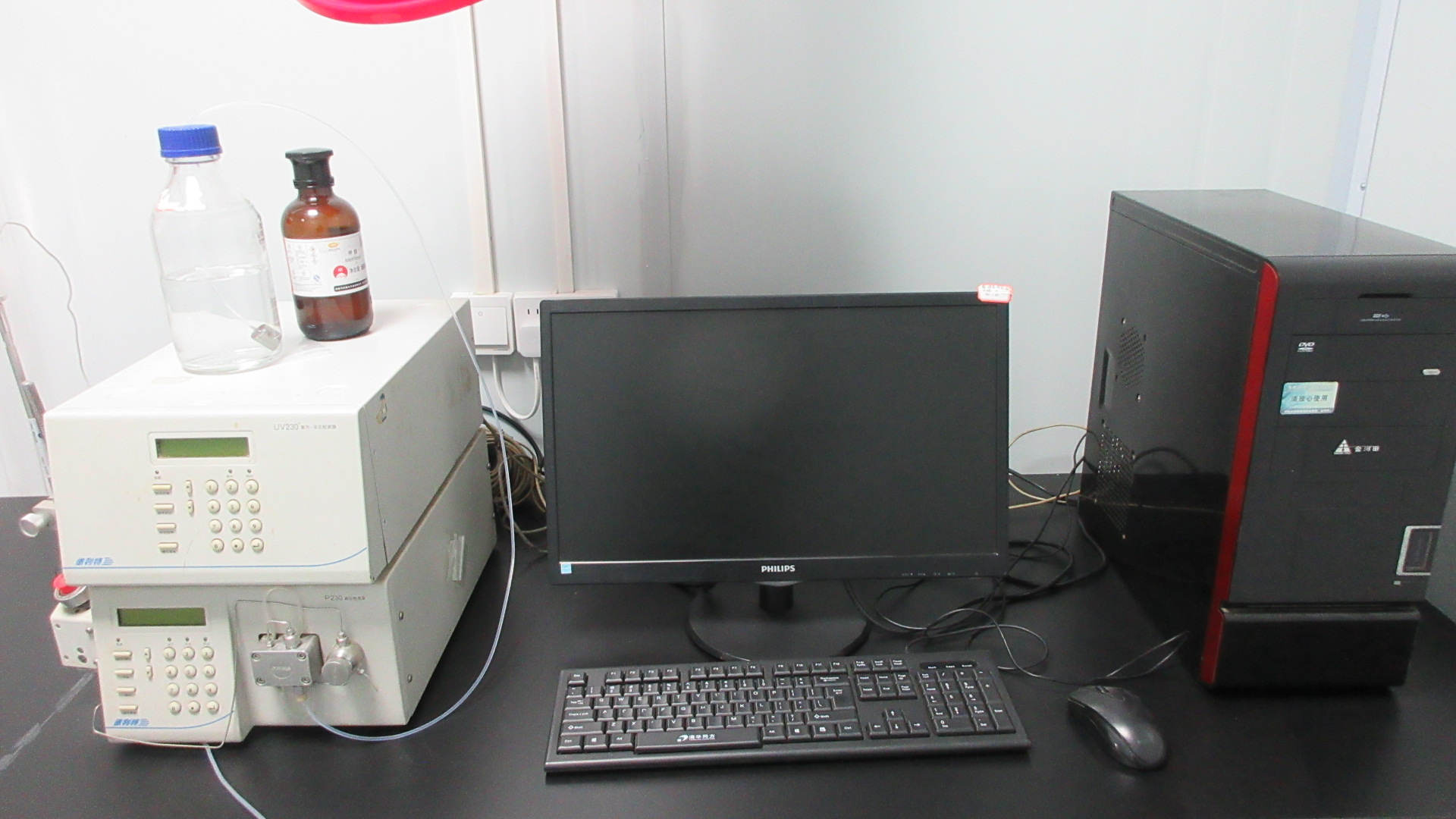
Tested batch-by-batch using HPLC and UV-spectrophotometry under ISO 22000, HACCP, and SGS-verified onsite governance.
A biochemical evaluation of bovine hide cleavage, enzymatic specificity, and molecular mass distribution.
In the international landscape of functional proteins, Hydrolyzed Bovine Collagen (HBC) has transitioned from a commoditized gelatin byproduct to an engineered bioactive peptide. The contemporary global nutraceutical market demands structural integrity, bio-absorption efficacy, and stringent microbiological purity. China has established itself as an indispensable manufacturing powerhouse for Type I and Type III bovine collagen peptides, commanding an advanced technological ecosystem that integrates massive raw material streams, enzymatic biocatalysis, continuous multi-stage membrane filtration, and automated spray-drying infrastructure.
Bovine collagen is predominantly harvested from the dermal tissue (corium layer) of healthy, pasture-raised cattle. The primary macro-molecular structure comprises a rigid triple-helix polypeptide chain with an average molecular weight exceeding 300,000 Daltons (Da). In its native state, this molecule exhibits zero cold-water solubility and minimal gastrointestinal bioavailability. The core competency of leading Chinese manufacturers lies in the precise, controlled fragmentation of these macroscopic tropocollagen fibers into low-molecular-weight bioactive oligopeptides, typically targeted between 1,000 Da and 3,000 Da, or micro-peptides under 1,000 Da.
Achieving this level of molecular fidelity requires strict divergence from obsolete chemical hydrolysis methodologies. Historic acid or alkali thermal digestion leads to random peptide bond scission, producing broad Dalton dispersions, denatured non-functional amino acids, and high ash content due to salt neutralization. Advanced Chinese bio-refineries utilize multi-enzyme complex biological catalysis, employing tailored endopeptidases and exopeptidases. This biochemical route selectively cleaves non-terminal glycine-proline-hydroxyproline triplets without destroying delicate functional side chains, resulting in a physiologically intact amino acid profile rich in Hydroxyproline (>10.0%), Glycine (>20.0%), and Proline (>12.0%).
Standardized chemical, physical, and microbiological thresholds for qualified B2B imports.
| Analytical Parameter | Food / Dietary Supplement Grade | Pharmaceutical / Clinical Grade | Testing Protocol (Methodology) |
|---|---|---|---|
| Protein Content (Dry Basis) | ≥ 90.0% | ≥ 95.0% - 98.0% | Kjeldahl Method (N × 5.55 or 6.25) |
| Mean Molecular Weight | 1,500 – 3,000 Da | < 1,000 – 1,500 Da | GPC / SEC-HPLC with calibration standards |
| Total Hydroxyproline | ≥ 8.0% | ≥ 10.5% | UV-Vis Colorimetry / HPLC-FLD |
| Loss on Drying (Moisture) | ≤ 7.0% | ≤ 5.0% | Vacuum Desiccation Oven at 105°C |
| Residue on Ignition (Ash) | ≤ 2.0% | ≤ 1.0% | Muffle Furnace Incineration at 550°C |
| Heavy Metals (as Pb) | ≤ 10.0 ppm | ≤ 2.0 ppm | Inductively Coupled Plasma Mass Spec (ICP-MS) |
| Arsenic (As) / Lead (Pb) | ≤ 0.5 ppm / ≤ 0.5 ppm | ≤ 0.1 ppm / ≤ 0.1 ppm | Atomic Absorption Spectrometry (AAS) / ICP-MS |
| Total Plate Count (TPC) | ≤ 1,000 CFU/g | ≤ 100 CFU/g | Automated Petri-Film / Incubation (ISO 4833) |
| Bulk Density (Agglomerated) | 0.30 – 0.45 g/mL | 0.35 – 0.42 g/mL | Tapped Density Volumetric Cylinder |
| Transmittance (10% Solution) | ≥ 90.0% at 430 nm | ≥ 95.0% at 430 nm | UV-Vis Spectrophotometer Spectrophotometry |
Combining 15 years of botanical and biological extraction expertise with independent international testing verification.
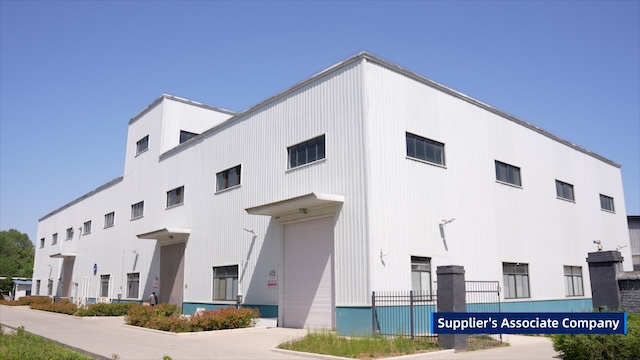
Sourced out of premier industrial clusters in Xi'an, Shaanxi, China, our manufacturing infrastructure operates on an end-to-end continuous closed loop. BKYULA Biotech bridges raw animal biopolymer processing with high-purity isolation techniques honed through 15 years of herbal extract, nutritional additive, and peptide engineering.
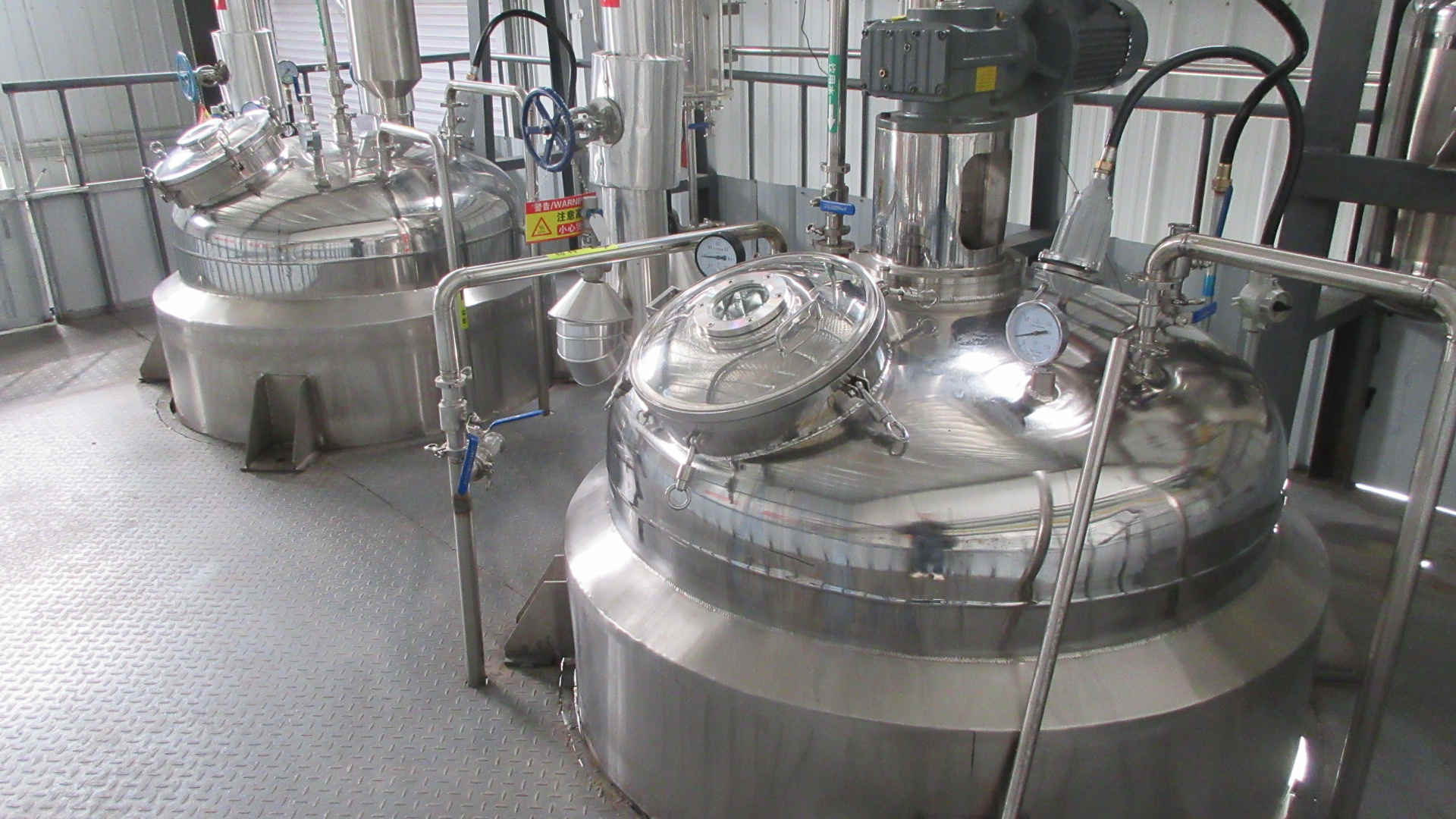
Every production batch undergoes a 6-stage physical and biological validation chain: raw hide enzymatic extraction, vacuum concentration preserving thermolabile peptide domains, spray atomization drying, specialized mechanical pulverizing to customer-specific mesh sizes (80 to 200 mesh), micro-blending for uniform dispersion, and cleanroom packaging. Facilities are subjected to transparent onsite supplier inspections independently conducted by SGS Group.
How technical buyers are navigating regulatory pressures, sensory engineering, and molecular customization.
Traditional non-instantized collagen powders suffer from hydrophobic clumping in room temperature or cold liquids. The global market now demands fluid-bed agglomerated and lecithinated granules that rehydrate within 15 seconds without sediment, foaming, or phase separation.
Procurement teams are shifting focus from total crude protein content to specific quantified concentrations of Proline-Hydroxyproline (Pro-Hyp) and Hydroxyproline-Glycine (Hyp-Gly). These small molecular messengers trigger fibroblast gene expression for endogenous collagen synthesis.
Under tightening European Union Deforestation Regulation (EUDR) mandates, downstream brands must prove non-deforestation cattle origin. Simultaneously, cross-border retail expansion requires dedicated non-porcine Halal slaughterhouse certification and complete segregated processing lines.
Eliminating intrinsic animal smell and bitter off-notes without artificial masking agents is critical for beverage and functional coffee stick packs. Leading Chinese suppliers deploy low-temperature steam stripping and multi-stage active charcoal columns to guarantee neutral taste.
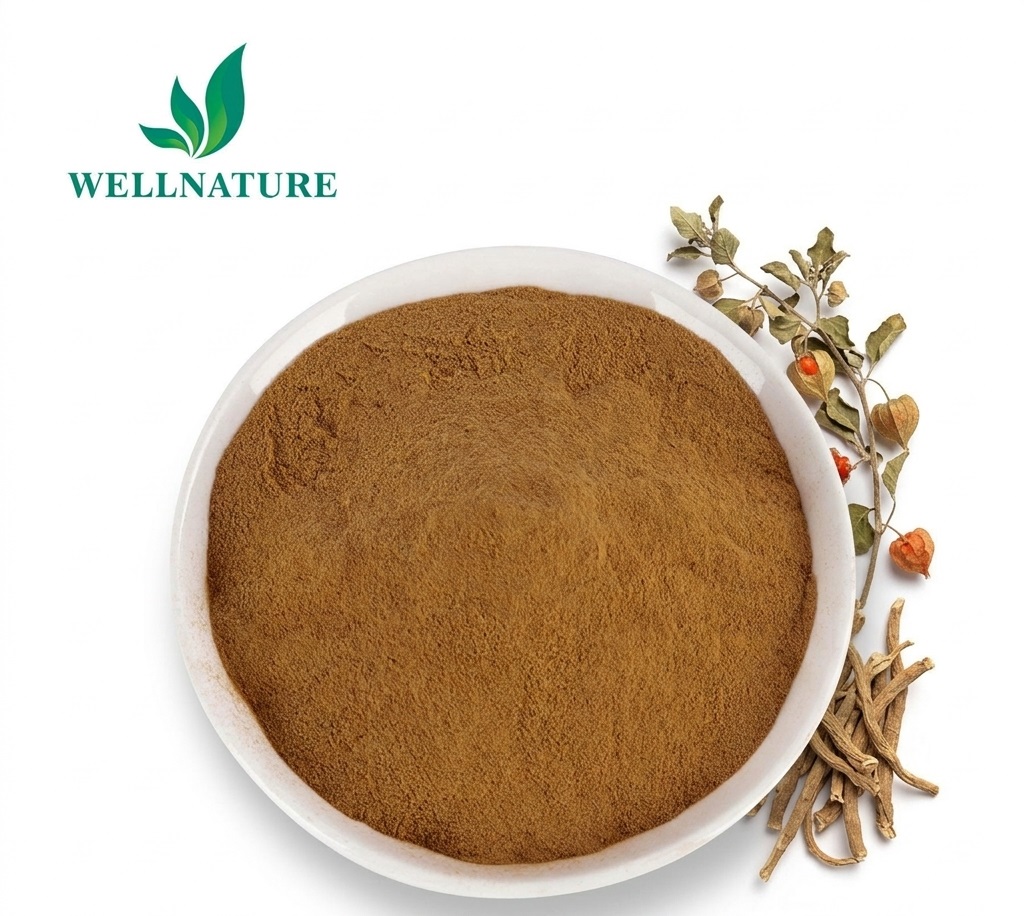
Brands increasingly source premixed functional dry compounds rather than standalone collagen. Synergy blends uniting Hydrolyzed Bovine Collagen with cellular-health actives such as Liposomal NMN, Vitamin K2 (MK-7), Ashwagandha, and Natural Ellagic Acid are expanding profit margins.
Global supply chains no longer accept generalized static specifications. Buyers demand batch-matched Certificates of Analysis verifying heavy metal limits via ICP-MS, GPC chromatograms confirming Dalton distributions, and third-party radiation/pesticide residue validation.
Evaluating raw hide supply stability, energy inputs, and scale efficiencies of Chinese manufacturing hubs.
The global bovine collagen market is projected to expand at a compound annual growth rate (CAGR) exceeding 8.2% through 2032, driven by an aging demographics curve across North America and Europe, escalating clinical recognition of joint tissue regeneration, and sports nutrition mainstreaming. In this macro environment, purchasing directors face ongoing volatility across competing production zones: South America (predominantly Brazil/Argentina), the European Union, and China.
China presents a highly resilient manufacturing proposition. While South American processors benefit from extensive pasture land, their downstream biological cleavage infrastructure frequently suffers from high logistical lead times and variable post-cleavage refinement. European manufacturers boast high technical reputations but are burdened with unsustainably high thermal drying energy costs and rigid labor overheads. In contrast, premier Chinese facilities have deployed closed-circuit, heat-recovery vacuum concentration loops and large-scale continuous spray towers that significantly lower unit drying costs per metric ton.
Furthermore, China’s vertical chemical synthesis and natural plant extraction clusters allow for seamless horizontal integration. Formulators looking to manufacture turnkey bone & joint formulations can source Bovine Collagen Type I/III, EPA 18% Fish Oil, Rhodiola extract, and Vitamin D3/K2 within a single audited export container. This consolidated procurement reduces customs clearance overheads, eliminates multi-vendor cross-contamination liabilities, and simplifies batch-level FSMA (Foreign Supplier Verification Programs) compliance audits.
Clear, unedited technical answers to the most stringent questions raised by procurement directors and quality assurance departments.