English English
Manufactured under strict ISO 9001:2015, ISO 22000, and HACCP validated parameters. Batch-verified for HPLC active assay, bulk flowability, and clean solubility.
A rigorous examination of biochemical extraction parameters, functional rheology, nitrogen solubility indexing, and heavy metal mitigation across modern Chinese industrial processors.
Soy Protein Isolate (SPI) is universally acknowledged as the benchmark of plant-based protein nutrition, containing ≥90.0% protein content on a dry basis (N × 6.25). Produced through the precision multi-stage aqueous extraction and isoelectric precipitation of high-grade defatted soybean flakes, SPI delivers a Protein Digestibility-Corrected Amino Acid Score (PDCAAS of 1.0)—a nutritional score directly equivalent to milk, casein, and egg albumin.
Over the past two decades, China has evolved from a bulk agricultural supplier into the undisputed nexus of high-technology protein fractionation. Chinese extraction clusters located in Shandong, Henan, and Heilongjiang leverage vertically integrated crushing architectures, sub-zero low-temperature desolventizing towers (Flash Desolventizing Systems), and state-of-the-art membrane nanofiltration loops. This ensures the structural preservation of glycinin (11S) and β-conglycinin (7S) globulins, directly dictating final solubility, gel strength, and interfacial foaming capacity.
For industrial B2B procurement, crude protein percentage alone is insufficient. Modern buyers assess functional viability through the Nitrogen Solubility Index (NSI) and Protein Dispersibility Index (PDI). Chinese tier-one exporters now consistently supply both high-NSI grades (>85%) for ready-to-drink (RTD) protein shakes and controlled low-NSI structured isolates for plant-based high-moisture extrusion (HMEC) meat analogues.
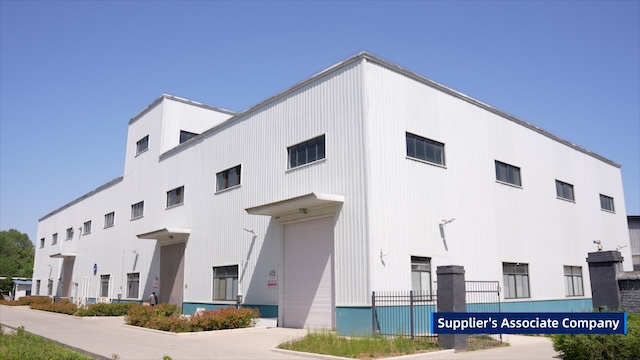
Analytical parameters applied to international shipments compliant with FCC, USP, and EU Food Safety standards.
| Analytical Parameter | Beverage & RTD Grade (High NSI) | Emulsion & Meat Processing Grade | Injection & Brine Solution Grade | Hydrolyzed Clinical Grade |
|---|---|---|---|---|
| Protein Content (Dry Basis) | ≥ 90.5% (Kjeldahl N × 6.25) | ≥ 90.0% | ≥ 90.0% | ≥ 88.5% (Peptide Form) |
| Nitrogen Solubility Index (NSI) | ≥ 85.0% - 92.0% | 60.0% - 75.0% | ≥ 88.0% | ≥ 98.0% (Instant Clear) |
| Emulsifying Capacity (1:4:4) | Moderate Interfacial | Superior (Stable at 95°C) | High Dispersion | Low Surfactant |
| Gel Strength (Bloom g) | Low Gelation (< 200g) | High Gel Elasticity (≥ 900g) | Low Viscosity Slip | Zero Gel Network |
| Residual Moisture & Ash | Moisture ≤ 6.5%, Ash ≤ 5.0% | Moisture ≤ 7.0%, Ash ≤ 5.5% | Moisture ≤ 6.5%, Ash ≤ 5.0% | Moisture ≤ 6.0%, Ash ≤ 4.5% |
| Heavy Metals (Pb / As / Cd / Hg) | Pb ≤ 0.2 ppm, As ≤ 0.1 ppm | Pb ≤ 0.5 ppm, As ≤ 0.2 ppm | Pb ≤ 0.2 ppm, As ≤ 0.1 ppm | Pb ≤ 0.1 ppm, As ≤ 0.05 ppm |
How China's leading export factories achieve consistent rheological functional performance across 10,000+ metric ton production campaigns.
The processing architecture strictly demands non-GMO soybean white flakes produced via low-temperature hexane extraction. Utilizing Flash Desolventizing Discs (FDD), the flake maintains a native Protein Dispersibility Index (PDI) above 80%, ensuring optimal protein solubilization without initial thermal denaturation.
Flakes undergo counter-current aqueous alkaline leaching at precise pH parameters (pH 7.8 to 8.5) at controlled 50°C temperatures. Multi-stage high-g decanter centrifuges continuously separate the insoluble cellulosic fiber cake from the soluble protein-rich supernatant.
Food-grade hydrochloric acid or phosphoric acid is introduced to bring the clarified supernatant to the exact isoelectric point of soy globulins (pH 4.5). This causes rapid aggregation of curd precipitate, isolating pure protein curds from the soluble whey oligosaccharides.
The curd slurry undergoes triple dewatering via disk-stack centrifuges to purge residual minerals, phytates, and beany flavor volatile compounds (such as hexanal). Sodium hydroxide is injected to neutralize the slurry back to pH 6.8–7.2, converting the curd into water-soluble sodium proteinate.
The neutralized protein suspension is injected into direct steam-infusion jet cookers at 140°C–155°C for 5–15 seconds. This thermal shock completely inactivates trypsin inhibitors, vegetative pathogens, and spore-formers while precisely calibrating molecular unfolding for target emulsification and gelation bloom.
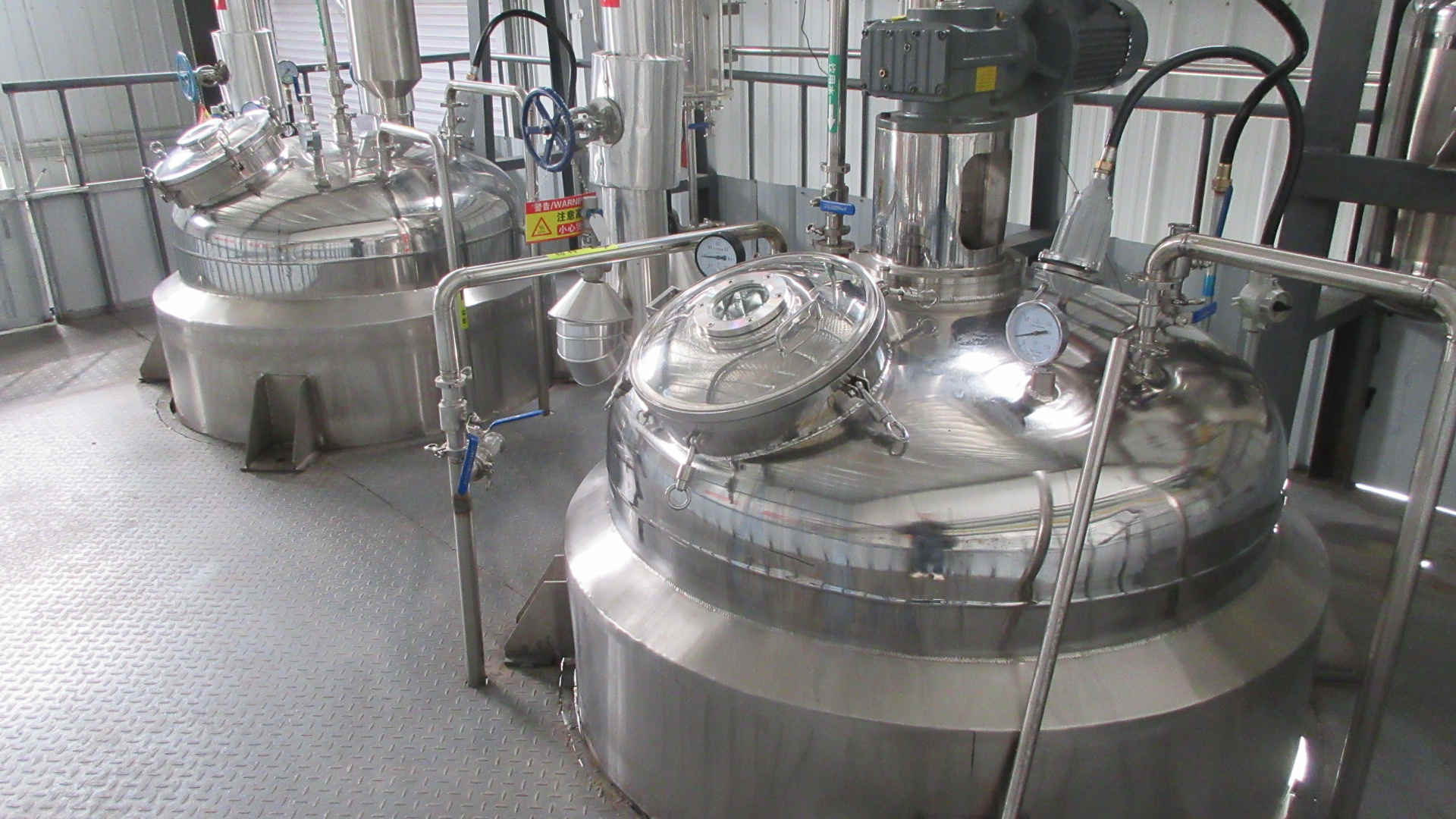
Slurry is atomized through high-speed rotary wheels inside multi-story stainless spray towers. Operating with low inlet temperatures (175°C) and controlled relative humidity, the process produces uniform, non-caking micro-granules possessing bulk densities between 0.35 g/ml and 0.48 g/ml.
Market projections, supply-chain resilience dynamics, and compliance directives transforming B2B contracting across North America, Europe, and Asia-Pacific.
Global food brands face escalating regulatory and consumer scrutiny over genetic modification. The procurement paradigm is aggressively shifting toward Identity Preserved (IP) Non-GMO certification, where raw bean silos are physically segregated from farm-to-factory. Chinese processors in Northeast China hold a distinct logistical advantage due to provincial prohibitions against planting GMO commercial soybean crops across major regional growing zones.
Traditional soy protein isolates suffered from off-flavours characterized by beany, grassy, or astringent notes caused by lipoxygenase-mediated lipid oxidation. Next-generation Chinese export plants have implemented proprietary vacuum-stripping deodorization chambers and enzymatically inhibited grinding systems, reducing hexanal volatile levels to below 0.05 ppm and enabling clean-label inclusion in dairy-free beverages.
Beyond standard native isolates, global demand for enzymatically pre-digested soy peptides (molecular weight <1,000 Daltons) is expanding at a 9.4% CAGR. Hydrolyzed soy proteins bypass gastric digestive degradation, delivering immediate cellular bio-absorption for specialized medical nutrition, sports recovery powders, and hypoallergenic infant clinical formulations.
Traditional neutralization uses caustic sodium hydroxide, yielding standard sodium proteinate with sodium levels between 1.0% and 1.3%. For cardiovascular-focused nutritional applications, leading Chinese processors now employ potassium hydroxide or calcium hydroxide neutralization, providing low-sodium soy protein isolates (sodium <0.1%) targeted at clinical nutrition markets.
The EU Corporate Sustainability Due Diligence Directive (CSDDD) and Scope 3 emissions reporting require exporters to furnish certified life-cycle assessments (LCA). Chinese processing mega-hubs have pioneered zero-waste closed loops: okara (insoluble fiber residue) is converted into high-value dietary fiber or bio-based packaging, while whey permeate undergoes anaerobic bio-methanation to self-power the spray drying boilers.
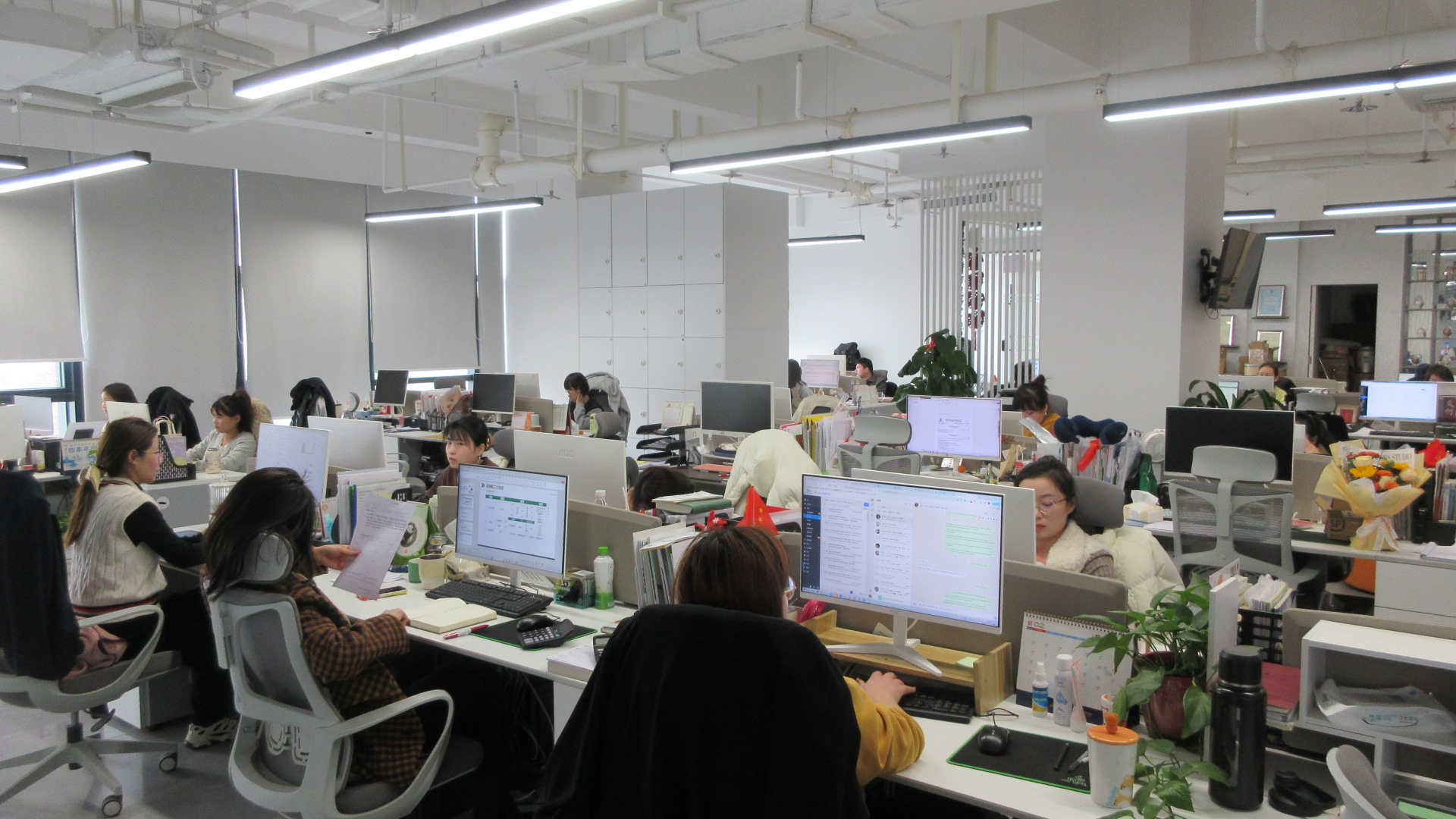
Operating from Xi'an, Shaanxi, our manufacturing ecosystem pairs institutional analytical oversight with verified global logistical execution.
Our physical plant, workshops, chemical warehouses, and extraction systems are independently assessed and verified on-site by SGS Group. International procurement teams can review the comprehensive third-party audit reports prior to initial contract signing.
Operating strictly under ISO 9001:2015, ISO 22000, and HACCP food safety frameworks. Our comprehensive export product roster is verified under HALAL, KOSHER, and FAMI-QS (feed additive standard) with USDA Organic and EU Organic traceability.
Equipped with dual in-house Agilent High-Performance Liquid Chromatography (HPLC) units, UV spectrophotometers, and cleanroom bio-incubators. No lot leaves the factory without testing for active markers, residual solvents (hexane <10 ppm), and microbiology.
Accommodating both agile pilot clinical trials and industrial vessel shipments. While industrial food-grade isolates are supplied in 25kg multi-wall kraft bags or 500kg super-sacks, specialty actives (such as Sulforaphane or PDRN) support pilot research MOQs from 1 gram to 1 kg.
Serving buyers across North America, South America, Europe, Southeast Asia, and Africa. Experienced with all major Incoterms (FOB Qingdao/Tianjin, CIF, CIP, DDP) and supported by compliant customs documentation: Certificate of Analysis (COA), MSDS, Allergen Statements, and GMO Declarations.
Full formulation capability for custom plant-based beverage bases, customized mesh sizing (80 to 200 mesh), agglomerated instantized soy protein isolates (lecithinated), vitamin-botanical functional blends, and branded private-label packaging.
Technical, commercial, and regulatory guidance address the critical considerations of formulation engineers and strategic procurement officers.
Connect directly with our engineering and export team. Request custom assay specifications, analytical batch COAs, regulatory validation dossiers, and air-freight technical pilot samples.