Bio-Fermented
 English
High-purity botanical actives, bio-fermented nutraceuticals, and functional carrier matrices manufactured under pharmaceutical cleanroom standards for custom encapsulation and dietary supplement lines.
A comparative evaluation of gamma-glutamyltransferase (GGT) catabolism, phospholipid bilayer entrapment efficiencies, and cellular endocytosis mechanics in dry stabilized powder matrices.
Glutathione (γ-L-glutamyl-L-cysteinylglycine, GSH) is recognized as the quintessential intracellular tripeptide antioxidant, regulating mitochondrial oxidative balance, hepatic phase II mercapturic acid conjugation, and cellular redox signaling. However, conventional reduced oral glutathione faces an intractable physiological barrier: rapid enzymatic hydrolysis in the human jejunum catalyzed by membrane-bound γ-glutamyltransferase (GGT) and intestinal dipeptidases, coupled with gastric acid degradation in the stomach (pH 1.5–2.5). As an OEM/ODM liposomal manufacturer, our primary engineering imperative is to isolate the active sulfhydryl (-SH) group within a stable phospholipid membrane, preserving systemic bioactivity prior to enterocyte transcellular absorption.
Liposomal glutathione is inherently fragile when subjected to standard industrial spray-drying protocols. The thermal elevation inside conventional drying chambers easily compromises the delicate vesicles, leading to premature leakage of the tripeptide and swift oxidation into glutathione disulfide (GSSG). Our facility employs a proprietary continuous low-temperature microfluidic shearing homogenization cascade combined with sub-ambient vacuum spray-freeze drying (SFD). This preserves the spherical vesicular morphology, maintains high entrapment efficiency (≥88.5%), and guarantees a negative zeta potential (≤ -28 mV), which prevents vesicular coalescence, clumping, and particle agglomeration during reconstitutions.
| Analytical Parameter | Standard Reduced L-Glutathione | S-Acetyl L-Glutathione (SAG) | BKYULA Liposomal Glutathione Powder |
|---|---|---|---|
| Delivery Mechanism | Passive diffusion; vulnerable to GGT | Acetylated thioester prodrug | Phospholipid bilayer endocytosis & pinocytosis |
| Gastric Stability (pH 1.8, 120 min) | < 25% intact tripeptide | 70% - 78% intact structure | > 92.4% intact liposome core |
| Intestinal Bioavailability | Poor (< 10-12% absorbed intact) | Moderate (35-45%) | Superior (> 78-85% plasma uptake) |
| Encapsulation Efficiency (EE%) | N/A (Crystalline raw salt) | N/A (Synthetic chemical derivative) | 88.5% - 94.2% verified by HPLC/Centrifugation |
| Particle Size Distribution (D90) | 40 - 100 μm (crystalline grains) | 30 - 80 μm (unencapsulated) | 95 - 140 nm (Dynamic Light Scattering) |
| Organoleptic Masking (Sulfur odor) | Pungent, highly offensive hydrogen sulfide | Moderate sulfur odor and metallic taste | Neutralized / Mild nutty lipidic sensory profile |
| Formulation Versatility | Tablets and standard hard capsules | Encapsulation only (taste limits drinks) | Instant drink mixes, liquid sachets, effervescents |
From an enterprise procurement perspective, formulating with pure dry liposomal glutathione eliminates the major bottlenecks that have historically plagued brand owners: catastrophic odor generation caused by mercaptan degradation, high hygroscopicity leading to cake formation inside sealed bottles, and customer complaints concerning gastrointestinal intolerance. Our pharmaceutical excipient systems integrate food-grade porous cyclodextrins and low-DE maltodextrin carriers that shield the encapsulated vesicles from environmental humidity throughout global sea freight transport.
Strategic supply chain dynamics, non-GMO clean-label mandates, and regulatory benchmarks shaping B2B contract purchasing across North America, Europe, and Asia-Pacific.
Global regulatory bodies and tier-one supplement retailers are actively disincentivizing soy-derived phosphatidylcholine due to major allergen labeling mandates (US FALCPA and EU Regulation 1169/2011). Modern B2B procurement agreements now mandate traceable, non-GMO sunflower lecithin matrices with high phosphatidylcholine fractions (≥ 50% PC content). Sunflower-based liposomal powders avoid genetically modified crop contamination and demonstrate superior oxidative stability against lipid peroxidation compared to lower-grade soy derivatives.
While liquid liposomal glutathione was previously favored in direct-to-consumer clinical channels, severe supply chain vulnerabilities—such as cold-chain logistics requirements, short shelf-lives (typically 6–9 months), bottle swelling from hydrogen sulfide outgassing, and excessive microbial risk—have accelerated a wholesale shift toward dry stabilized liposomal powder. Dry powders achieve 24- to 36-month shelf lives at ambient temperatures (15–25°C), significantly lowering ocean container freight costs and eliminating expensive preservative loads.
In response to tighter FTC, FDA, and EFSA surveillance regarding ingredient integrity, procurement directors now reject generic UV-Vis spectrophotometry testing in favor of validated Reverse-Phase High-Performance Liquid Chromatography (RP-HPLC) with dual electrochemical or tandem mass spectrometry detection (LC-MS/MS). Contracts now rigorously specify not only total glutathione content, but strictly define an active reduced GSH to oxidized GSSG ratio exceeding 95:5, guaranteeing product efficacy at the end of shelf life.
From synergistic multi-nutrient cellular delivery cascades to targeted enteric vesicular coatings and instantaneous cold-water dispersion engineering.
Forward-thinking brands are no longer formulating mono-ingredient glutathione supplements. Leading innovations involve multi-compartment co-encapsulation, placing water-soluble reduced glutathione inside the inner aqueous core of the liposome while simultaneously integrating lipid-soluble antioxidants—such as Astaxanthin, Tocopherols, or CoQ10—within the hydrophobic tail region of the lipid bilayer. Furthermore, combining Liposomal Glutathione with Liposomal Vitamin C creates a self-regenerating redox cycle where oxidized ascorbic acid regenerates GSH in vivo, boosting intracellular cellular vitality.
Standard microfluidizers produce vesicular diameters ranging between 200 nm and 450 nm. High-performance R&D at our production facility utilizes ultra-high-pressure micro-jet collisions (up to 1,800 bar) to achieve monodisperse sub-100 nm liposomal populations. Nanoscale vesicles demonstrate enhanced paracellular transit through intestinal epithelial tight junctions and prompt chylomicron-mediated lymphatic absorption, circumventing first-pass hepatic metabolism and amplifying therapeutic bioavailability for anti-aging and neuroprotective formulations.
Traditional sulfur compounds produce repulsive sensory reactions when exposed to water. Through our specialized structural embedding technology, the phospholipid polar headgroups completely mask the sulfhydryl moieties, allowing for spontaneous water reconstitution into a translucent, milky colloidal dispersion without clumping or oily phase separation. This enables supplement brands to launch functional dry powders, effervescent sticks, ready-to-mix pre-workouts, and functional beauty shot powders with delicious fruity flavor profiles.
From high-potency raw synthesis through dynamic high-pressure homogenization and cleanroom vacuum packaging, our integrated Xi'an production hub guarantees pharmaceutical-grade batch repeatability.
High-purity reduced L-glutathione (≥ 98.5%) and Non-GMO sunflower phosphatidylcholine undergo rigorous incoming HPLC assays, heavy metal screening (< 0.1 ppm Pb, As, Cd, Hg), and microbial bioburden testing.
Phospholipid components and the aqueous GSH solution are merged under high-shear micro-jet homogenization (1,200–1,500 bar) inside cryogenic jackets to engineer stable unilamellar nanoliposomes without heat generation.
The liquid liposomal dispersion is converted into an ultra-fine, free-flowing dry powder via low-temperature vacuum drying with food-grade protective oligosaccharides, preserving bilayer integrity without vesicular rupture.
Powder blending, laser particle sizing verification, and hermetic vacuum nitrogen-flushed packaging are conducted in cGMP Class 100,000 cleanrooms to guarantee zero oxygen ingress and prolonged shelf-stability.
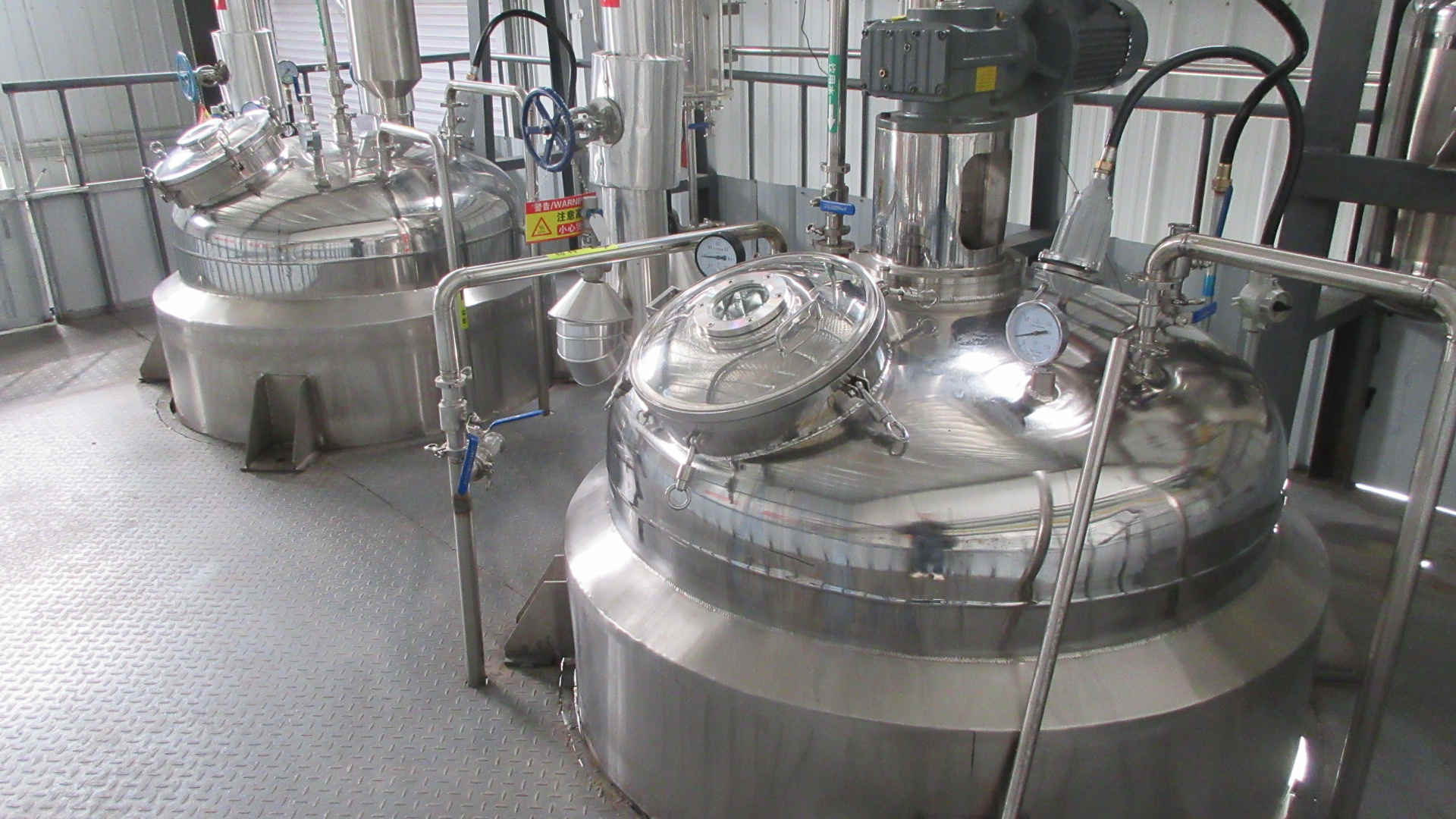
Pharmaceutical SS316L reaction vessels with precision thermal regulation.
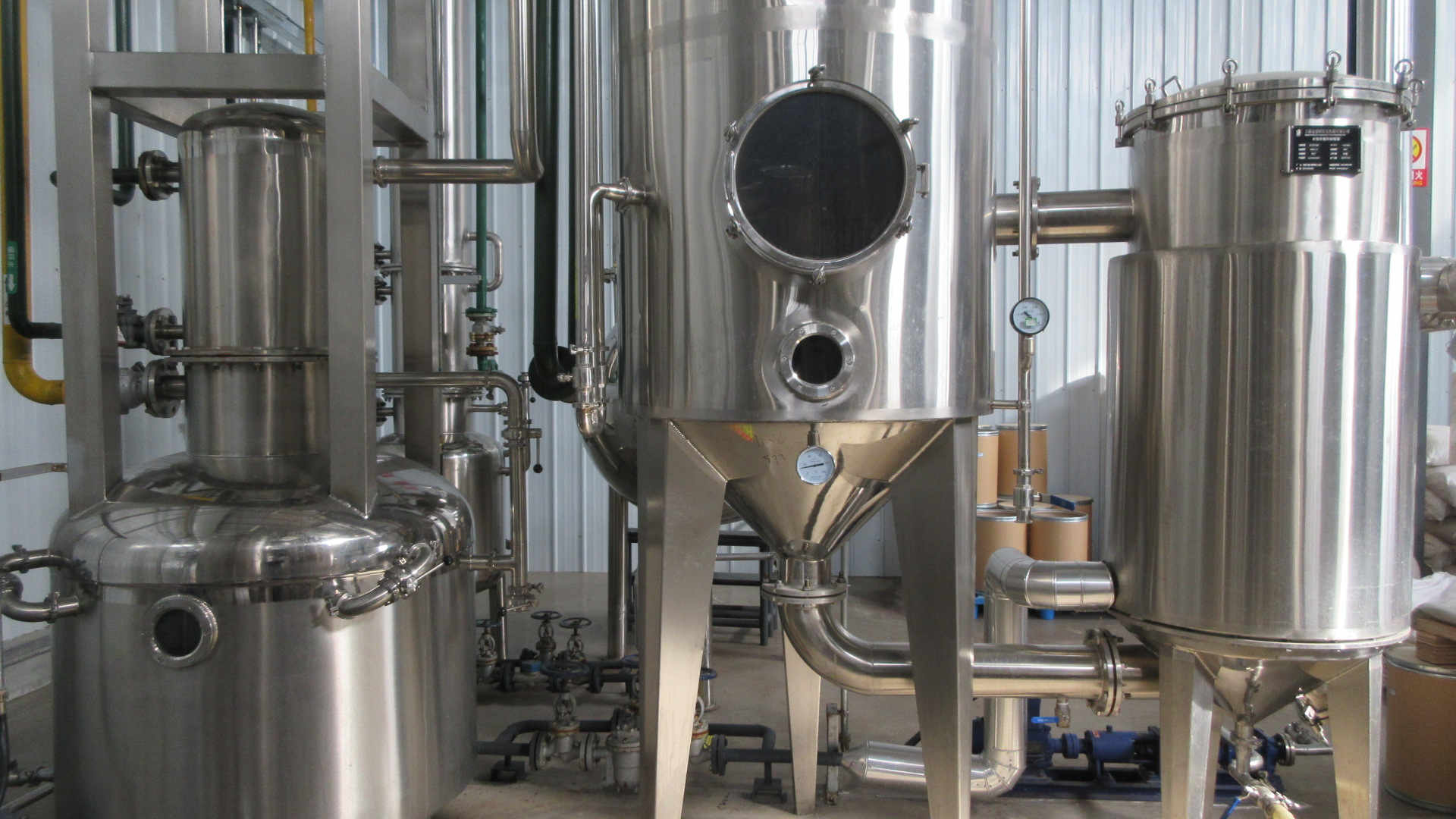
Sub-ambient concentration preserving heat-sensitive bioactive molecules.
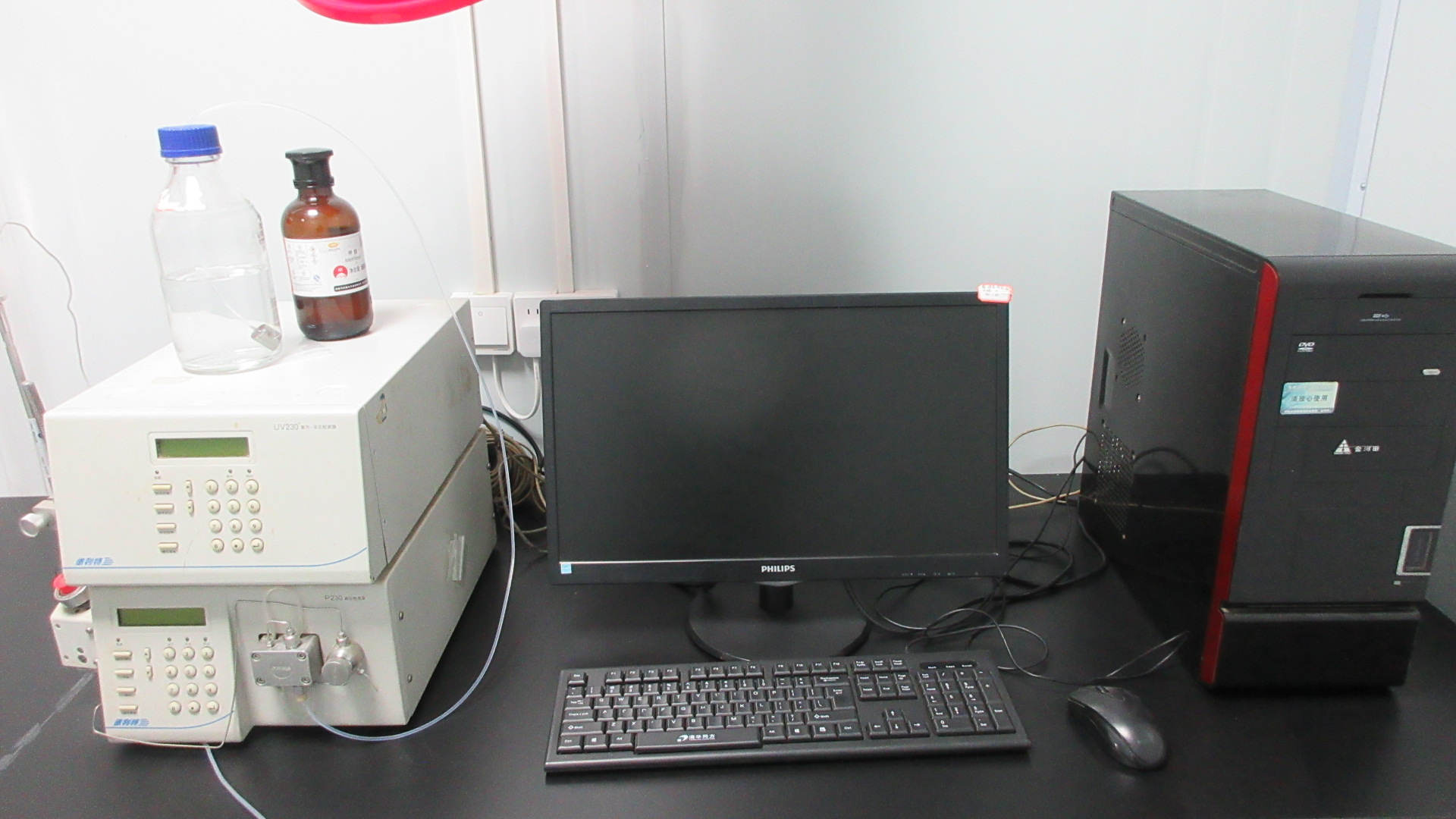
Validated release assays quantifying reduced vs oxidized glutathione ratios.
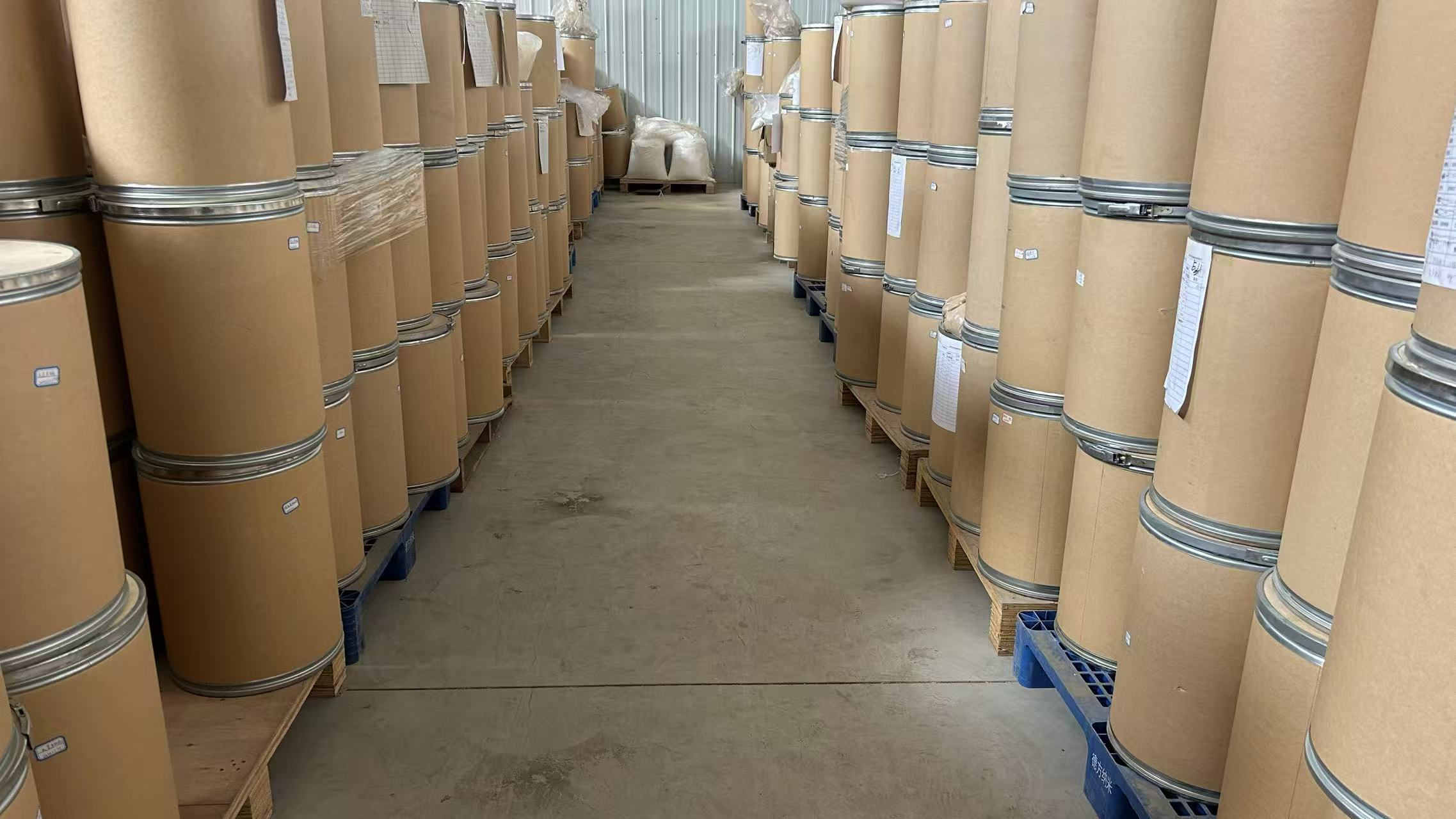
Constant temperature and humidity-controlled finished goods storage.
Certified Quality System
Food Safety Management
Hazard Critical Control
Islamic Dietary Compliant
Rabbinical Supervised
Audited Facility & Capacity
Clear, direct answers regarding testing methodologies, customized phospholipid loading, packaging specifications, and commercial minimum order quantities.
Partner directly with our pharmaceutical engineering team. Submit your target dosage, preferred active loading ratio, and packaging specifications to receive a customized quotation and a free 100g verification sample within 24 hours.