 English
Technical Whitepaper: Reduced Glutathione (GSH) Industrial Synthesis, OEM/ODM Processing & Quality Engineering
Reduced Glutathione (γ-L-glutamyl-L-cysteinylglycine, commonly designated as GSH) functions as the master endogenous intracellular antioxidant across mammalian biochemical pathways. Within global nutraceutical, cosmeceutical, and pharmaceutical manufacturing ecosystems, sourcing pure, stabilized Reduced Glutathione powder presents critical quality hurdles—specifically involving oxidative dimerization into oxidized glutathione (GSSG), hygroscopic crystallization stability, and thermal sensitivity during downstream spray-drying and encapsulation.
As qualified Tier-1 manufacturing facilities located in Xi'an, Shaanxi, China, our specialized production infrastructure merges multi-stage enzymatic synthesis and non-solvent fermentation with advanced crystallization purification. This technical overview breaks down the critical control points (CCPs) for sourcing teams, QA directors, and contract formulators vetting OEM/ODM partner factories.
1. Comparative Bioprocessing: Multi-Enzyme Cascade vs. Traditional Candida utilis Fermentation
Historically, commercial glutathione extraction relied predominantly on the microbial yeast fermentation of Candida utilis or engineered Saccharomyces cerevisiae. While biologically robust, traditional yeast extraction yields an active intracellular GSH concentration of only 1.5% to 2.2% within the dried yeast autolysate, requiring extensive solvent fractionation, multi-stage chromatographic separation, and high volume inputs that inflate production overhead and introduce heavy-metal risk matrices.
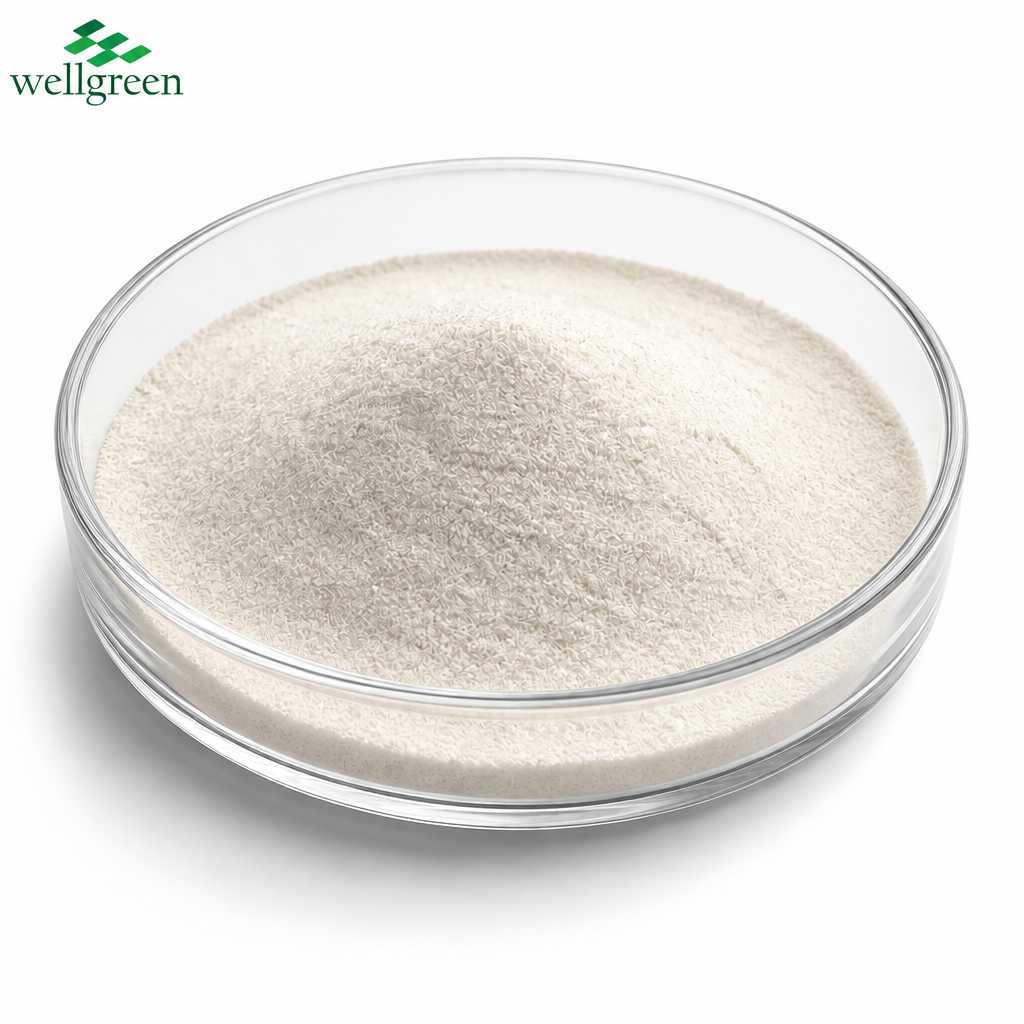
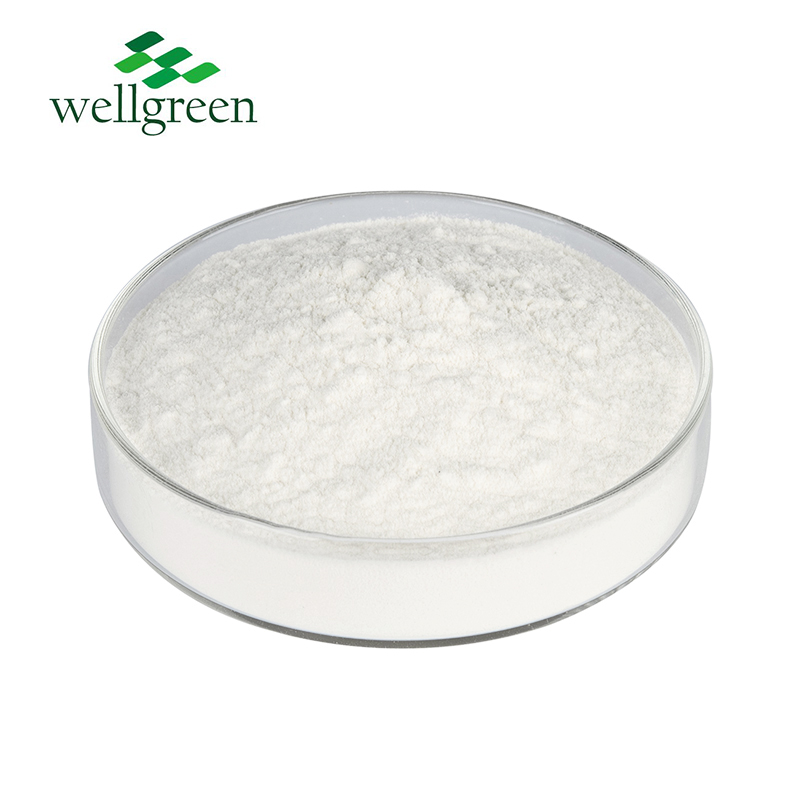
Factory Insight: Our manufacturing plant adopts a continuous bi-enzymatic cascade methodology utilizing purified Glutamate-cysteine ligase (GCL) and Glutathione synthetase (GS) coupled with an ATP regeneration loop. This high-efficiency bioconversion yields raw crystallizing purities exceeding 99.2% directly out of membrane filtration, completely circumventing cross-batch odor contamination and yielding an ultra-white crystalline powder with superior optical clarity in solution.
For OEM clients, this advanced bio-catalysis allows customized stereospecific control, strictly eliminating D-enantiomer anomalies and ensuring the bioactive tripeptide matches pharmacopoeial standards (USP, EP, JP) with minimal residual trace elements.
2. Quality Assurance Protocols: High-Performance Liquid Chromatography (HPLC) & Degradation Kinetics
Industrial testing of bulk reduced glutathione demands strict chromatographic differentiation between the monomeric active thiol (GSH) and its oxidized dimer form (GSSG). Secondary spectrophotometric assays (such as Ellman's reagent or DTNB colorimetric testing) frequently miscalculate true assay values by failing to isolate partial degradation peptides like γ-glutamylcysteine and cysteinylglycine.
Our QC Laboratory Analytical Release Standard:
Every industrial production batch processed at our facility undergoes validated reversed-phase HPLC testing utilizing an endcapped C18 column (4.6 × 250 mm, 5 μm) using an isocratic mobile phase of potassium dihydrogen phosphate (pH adjusted to 3.0) and methanol at 210 nm detection. This provides absolute quantitative isolation of trace GSSG to ≤1.0%, guaranteeing that the finished powder ships with verified active thiol groups essential for cellular bioavailability, liver detox pathways, and skin melanogenesis inhibition.
3. Global Procurement & Formulation Trends in 2025–2028
The global consumption landscape for Reduced Glutathione is shifting rapidly from standard single-ingredient oral capsules to advanced delivery systems designed to bypass gastric peptide cleavage. Sourcing officers must prepare for three primary engineering demands:
- Liposomal Encapsulation Matrices: Bulk phospholipid conjugation (similar to our specialized Liposomal NMN processing techniques) that isolates the tripeptide core inside nanometer-scale spherical lipid bilayers, shielding it against gastrointestinal pepsin and chymotrypsin breakdown.
- Sublingual Micro-Pellets & Orodispersible Films: Requiring ultra-fine crystal distribution (100–200 mesh) with uniform particle morphology to promote vascular transmucosal absorption directly into the systemic circulation.
- Dual-Synergy Antioxidant Complexes: ODM integration of GSH with natural botanical synergists such as Sulforaphane (Broccoli Seed Extract) to activate intracellular Nrf2 gene expression, alongside standardized Vitamin C, Saffron Crocus Sativus, and bioactive Peptides to sustain cellular redox recycling loops.
4. Mitigating Instability: Temperature, Moisture & Vacuum Packaging Protocols
Reduced glutathione is inherently thermodynamically unstable under prolonged exposure to humidity and atmospheric oxygen. The free sulfhydryl (-SH) radical readily undergoes auto-oxidation, turning the crystalline powder into a dull yellowed product accompanied by a characteristic sulfuric odor. To overcome this across international logistics cycles:
We pack bulk glutathione inside pharmaceutical-grade dual-layer low-density polyethylene (LDPE) food-contact liners with vacuum degassing and medical-grade nitrogen gas injection. The outer barrier consists of reinforced multi-layer aluminum foil containers, which are subsequently sealed within fiber drums protected with moisture desiccant bags. This packaging integrity sustains analytical stability within standard 24-month warehousing parameters across diverse regional humidity regimes (Americas, Southeast Asia, EMEA).