 English English
Direct manufacturer supply audited under ISO 22000, ISO 9001, HACCP, HALAL, KOSHER, and FAMI-QS certifications. Fully traceable lots accompanied by complete HPLC, UV-Vis, and heavy-metal batch documentation.
A technical dossier on botanical verification, chromatographic standardization, solvent-free concentration, and international import compliance for contract manufacturers and global brands.
In the wake of heightened global immune vigilance, elderberry (Sambucus nigra L.) has transitioned from an artisan seasonal botanical to a foundation active across functional foods, pharmaceuticals, and nutraceutical dietary formulations. However, the international B2B elderberry sector has simultaneously faced volatile raw material pricing, climate-induced harvest variances, and complex adulteration risks. Sourcing teams within North America, Europe, and Asia-Pacific are increasingly re-evaluating their dependency on purely European processing operations, turning their focus toward top-tier Chinese botanical extract facilities that offer robust capital investment, sophisticated continuous chromatographic separation lines, and pristine analytical transparency.
Historically, European elderberries were collected and processed natively; however, the escalating costs of thermal energy, industrial spray-drying utilities, and labor overhead have created prohibitive price barriers for mass-market formulation. Leading China-based manufacturing hubs—most prominently centered around Shaanxi's biopharmaceutical corridors—have established strategic sourcing alliances with certified organic cultivation bases while implementing automated, closed-loop counter-current extraction systems. This synthesis enables high-potency, standardized elderberry extract powders (ranging from 5% to 25% anthocyanins by HPLC, and up to 30% polyphenols by UV-Vis) delivered at scalable commercial economics without compromising structural phytonutrient integrity.
The most pressing operational vulnerability in elderberry procurement is the systemic adulteration of bulk powders using non-declared, low-cost pigment donors such as black rice extract (Oryza sativa), black soybean hull extract, or synthetic dye amaranth. Unscrupulous commercial offerings frequently report elevated "polyphenol" or "anthocyanin" levels when evaluated using simplistic spectrophotometric methods like single-wavelength UV-Vis or non-specific pH differential assays, which register any absorbing anthocyanidin nucleus indiscriminately.
Authentic, unadulterated Sambucus nigra possesses a specific and non-negotiable chromatographic fingerprint under High-Performance Liquid Chromatography (HPLC) coupled with Photodiode Array (PDA) detection. Pure elderberry active profiles are overwhelmingly dominated by two definitive anthocyanin glycosides: Cyanidin-3-glucoside (C3G) and Cyanidin-3-sambubioside (C3S), representing typically >85% of total peak areas. The presence of cyanidin-3-rutinoside or delphinidin glycosides indicates adulteration with alternative berry or grain matrices. Tier-1 Chinese exporters like BKYULA Biotech provide HPLC chromatograms alongside third-party orthogonal mass-spectrometry (LC-MS/MS) and DNA botanical authentication to confirm that no unlisted botanicals or synthetic chromophores compromise the formulation.
| Analytical Metric | Commercial Grade (Adulterated Risk) | Ph. Eur. / USP Pharmacopoeial Grade | BKYULA Standardized Export Specification |
|---|---|---|---|
| Testing Methodology | Non-specific UV-Vis Spectrophotometry | HPLC-DAD (Ph. Eur. Monograph 1324) | Dual Verification: HPLC Assay & UV Phenolics |
| C3S / C3G Peak Ratio | Abnormal / Absent (< 0.2 or distorted) | Characteristic Ratio (0.85 – 1.45) | Fully Conforming to Sambucus Nigra Genome |
| DNA Barcode Sequence | Mixed / Negative for Sambucus | Monospecific Verification | 100% Species Authentication Passed |
| Heavy Metals (Pb/Cd/As/Hg) | Crude screening (< 20 ppm Total) | USP <232> / <233> Compliant | ICP-MS Verified: Pb < 0.5, Cd < 0.1, As < 0.5 ppm |
| Carrier Matrix | High Maltodextrin (30% – 60%) | Permitted only if labeled | Carrier-Free 100% Pure or Custom Carrier Ratios |
Anthocyanins are notoriously thermolabile molecules; exposure to elevated operating temperatures over extended holding times causes prompt thermal degradation into protocatechuic acid and inactive brown polymeric melanoidins. Advanced manufacturing operations utilize multi-stage counter-current extraction tanks engineered from SUS316L stainless steel, operating at regulated temperatures between 45°C and 55°C using purified water or hydroalcoholic hydro-mixtures without petroleum-derived organic solvents.
Subsequent enrichment bypasses harsh thermal boiling through the deployment of polymeric macroporous adsorption resin columns that select for polyphenolic fractions while stripping away unwanted free monosaccharides, thereby reducing the natural hygroscopicity of the finished powder. The final concentration relies on mechanical vapor recompression (MVR) and low-temperature falling-film vacuum evaporation, followed by rapid centrifugal spray-drying with inlet temperatures tightly calibrated to prevent surface scorching. For clinical-grade applications, freeze-drying (lyophilization) is deployed to maintain the complete structural bioactivity profile of the native fruit juice matrix.
Multi-stage ultrafiltration removes pectins, starches, and botanical colloidal debris, resulting in crystal-clear aqueous solutions upon reconstitution without sedimentary haze in functional RTD beverages.
Selective chromatography concentrates active anthocyanins up to 25% while depleting free fructose and glucose, solving caking, clumping, and moisture-absorption challenges in high-speed tableting and gummy production.
Proprietary agglomeration particle-engineering adjusts powder bulk density between 0.40 and 0.65 g/mL, allowing rapid, wettable dispersion in cold liquids without requiring synthetic surfactant emulsifiers.
Anticipating regulatory updates, consumer clean-label demands, and technological advancements reshaping the dietary supplement supply chain.
Early generations of berry extract powders relied heavily on high percentages of maltodextrin (often ranging from 30% to over 50%) to act as a drying carrier and prevent hygroscopic collapse inside standard spray-drying towers. However, global consumers increasingly scrutinize "other ingredients," associating maltodextrin with high glycemic spikes, GMO corn sources, and formulation dilution. The future procurement mandate belongs decisively to Carrier-Free (100% Elderberry Pure) powders or powders utilizing prebiotic acacia gum, native pea starch, or organic oat fiber as functional carrier alternatives. China’s advanced drying facilities have upgraded dehumidified air-conveyance zones and vacuum belt drying systems to successfully commercialize 100% pure elderberry solid extracts.
Global regulatory enforcement—such as the United States FDA FSMA guidelines, California Proposition 65 thresholds, and European Commission Regulations (EU) 2023/915 on contaminants—demands that raw extracts feature near-zero tolerance for environmental toxins. Wild-harvested elderberries naturally accumulate trace lead and cadmium from acidic soils if cultivation zones are not rigorously monitored. Future-ready Chinese factories operate under strict agricultural GAP (Good Agricultural Practices) standards, conducting mandatory inductively coupled plasma mass spectrometry (ICP-MS) and GC-MS/MS multi-residue screens for >500 pesticides on every agricultural lot prior to extraction.
Monotherapy supplements are rapidly yielding market share to synergistic immune complexes. Procurement directors are consolidating vendor lists by seeking manufacturers capable of co-extracting or homogeneous premix blending elderberry powder with botanical adaptogens like Ashwagandha, fermented actives like Apple Cider Vinegar Powder, and cellular longevity drivers like Liposomal NMN and Sulforaphane. This multi-target approach lowers freight emissions, consolidates batch qualification documentation, and reduces blending overhead at the contract packaging facility.
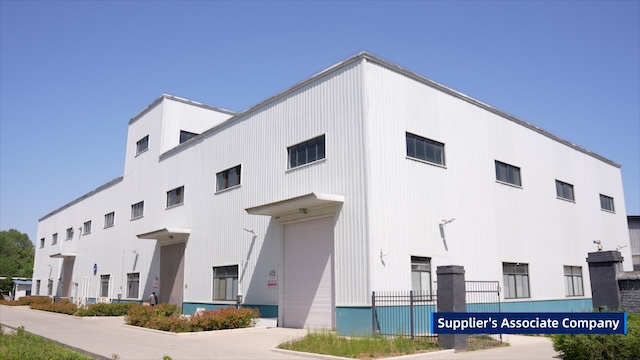
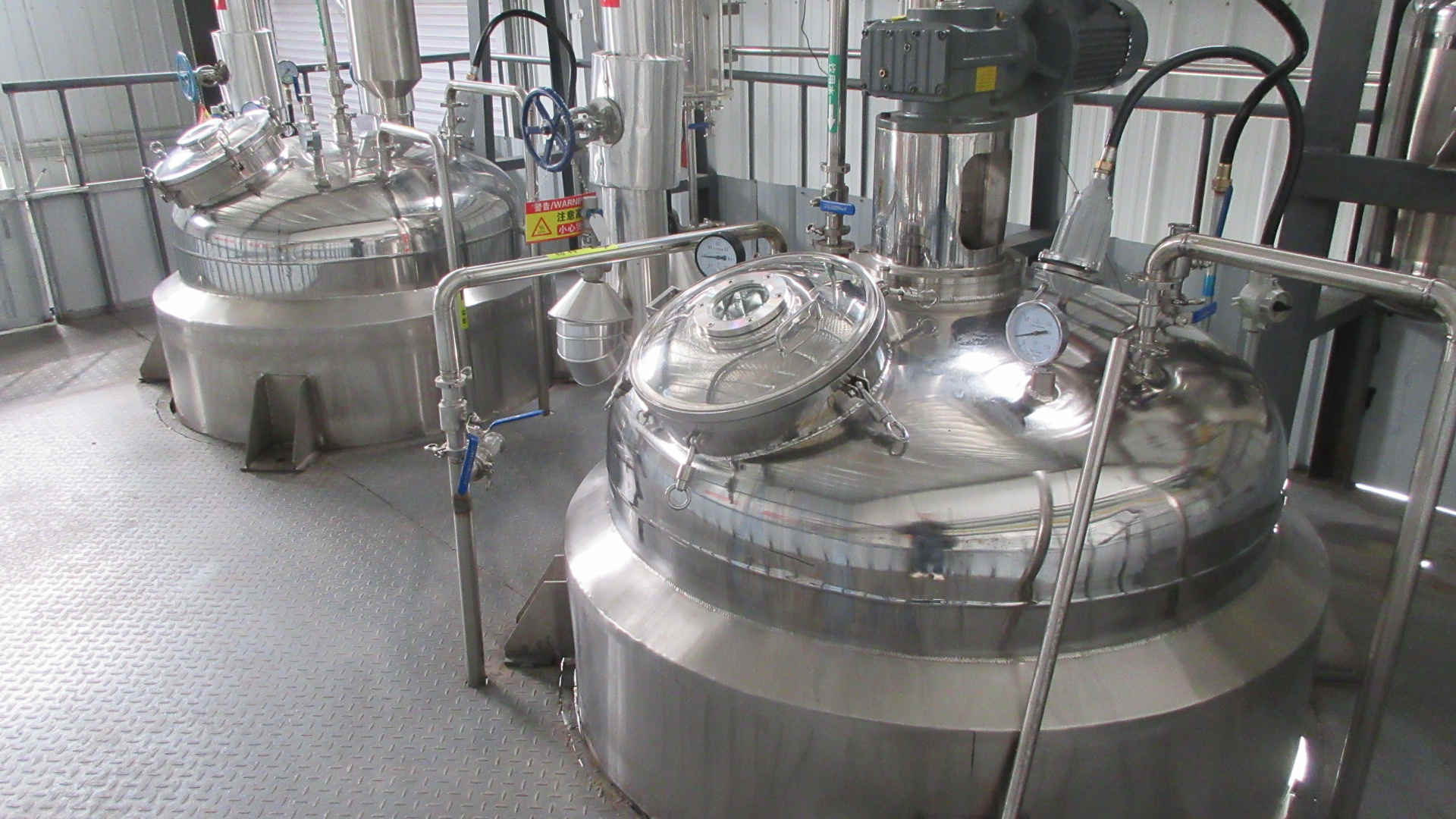
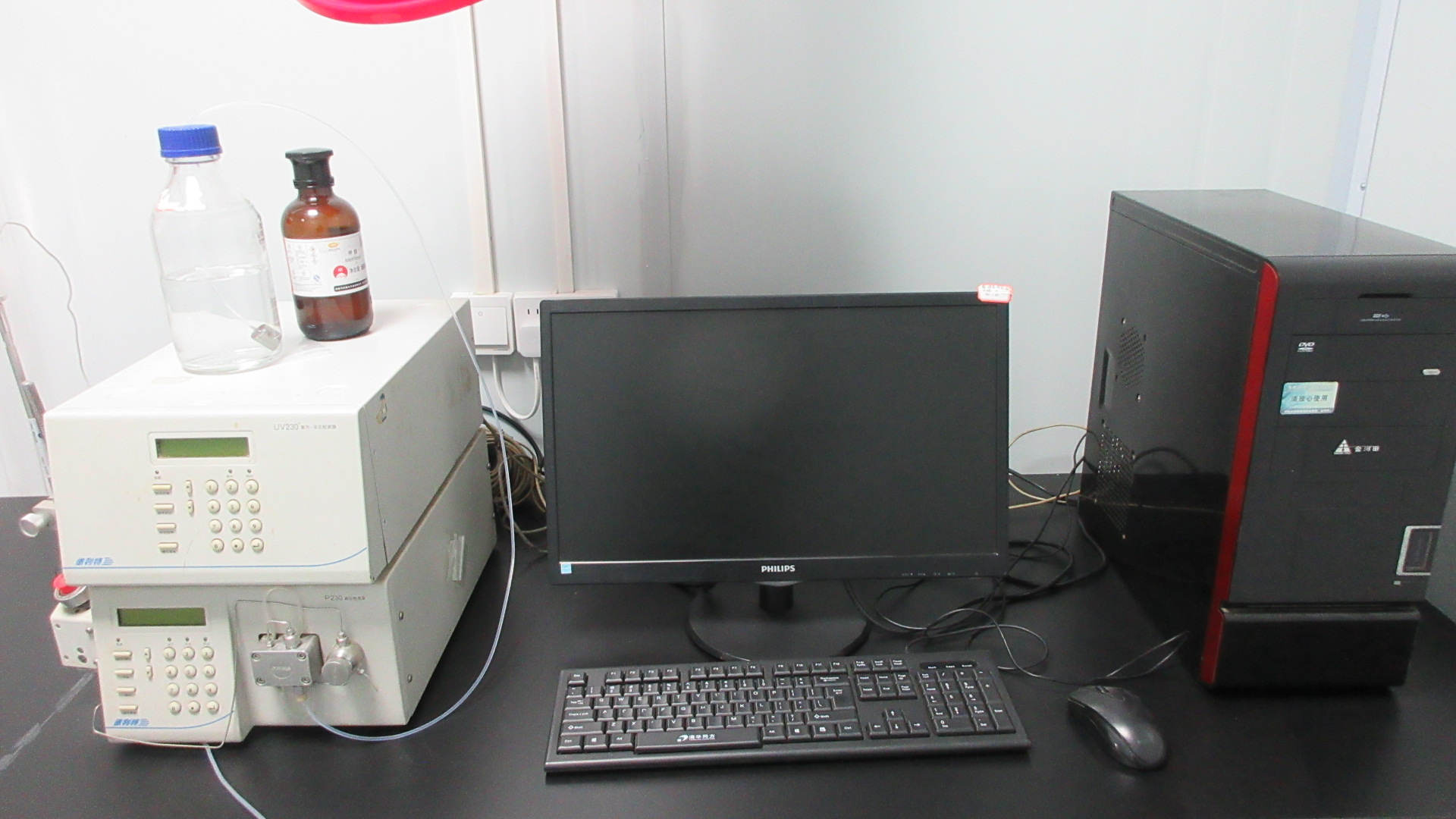

Headquartered in the botanical extraction epicentre of Xi'an, Shaanxi, BKYULA Biotech Co., Ltd. represents over 15 years of chemical extraction and international trade excellence, audited on-site by SGS Group.
Addressing technical queries regarding specifications, testing protocols, logistics security, and private labeling.
Connect with BKYULA Biotech’s technical application engineers to request complete batch COAs, pilot qualification samples (100g – 1kg), or custom contract manufacturing quotations tailored to your exact active marker targets.