99% Purity
 English
Directly sourced and laboratory-certified bioactive raw materials for cosmetic laboratories, spa wellness brands, and dietary formulators in Apia and across the South Pacific archipelago.
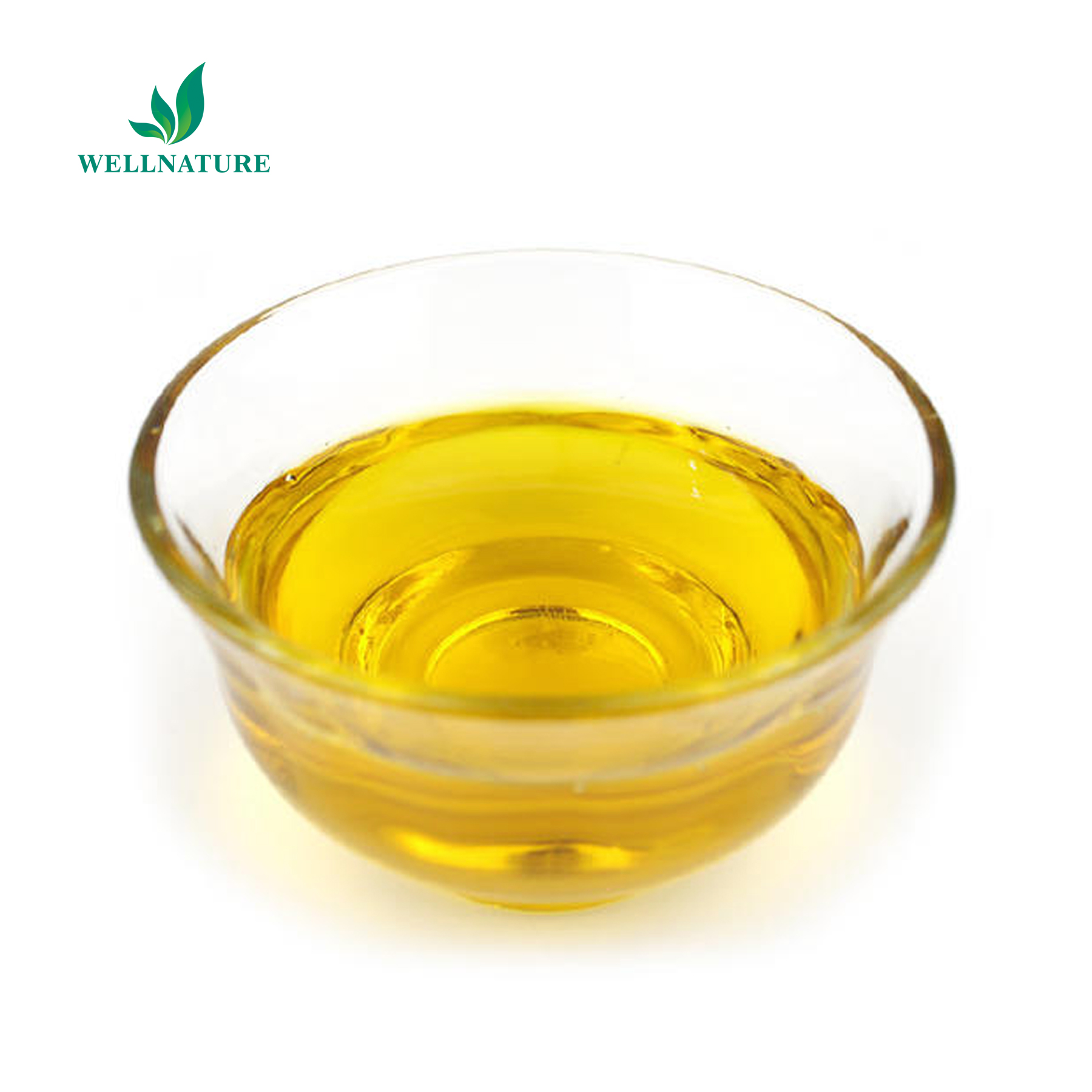
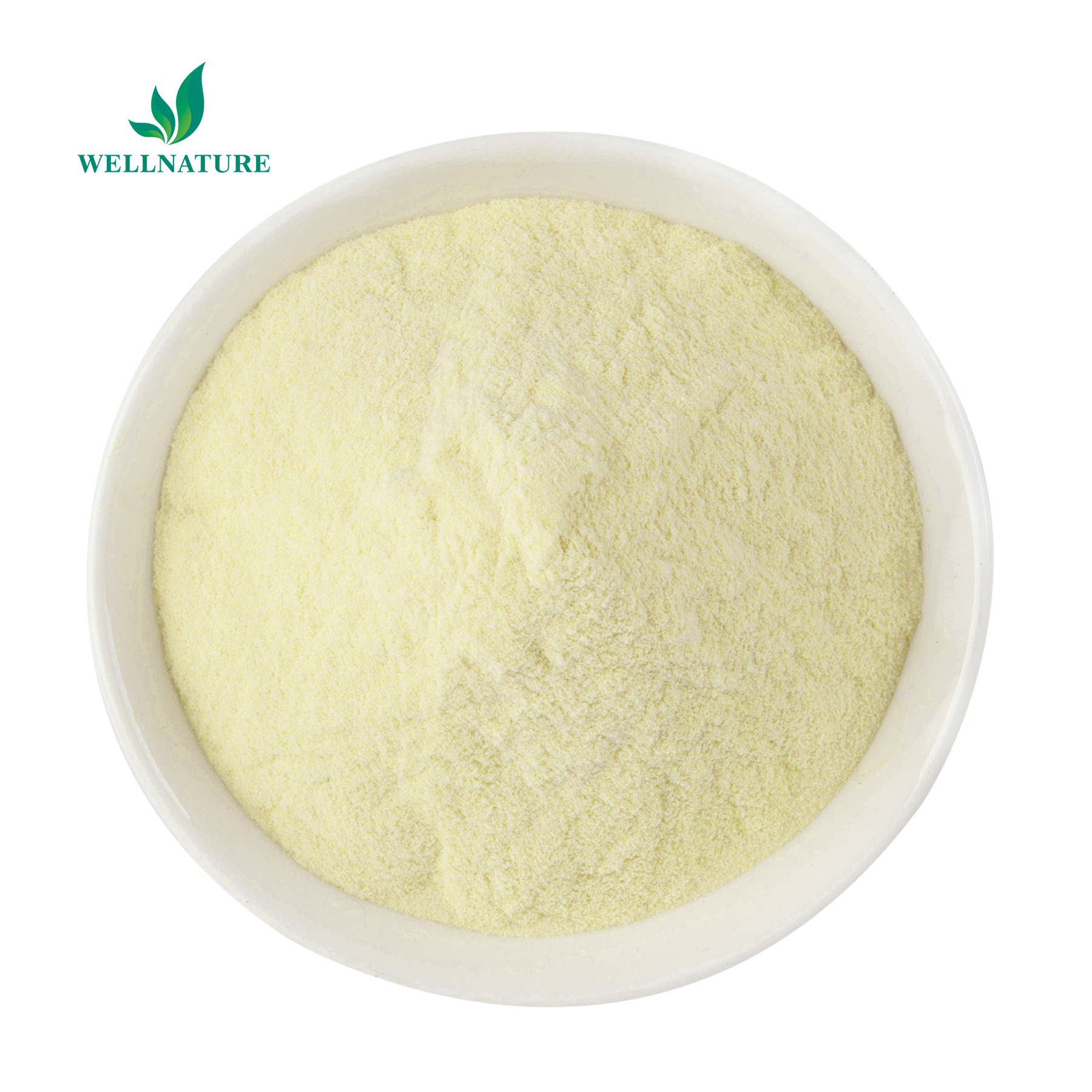
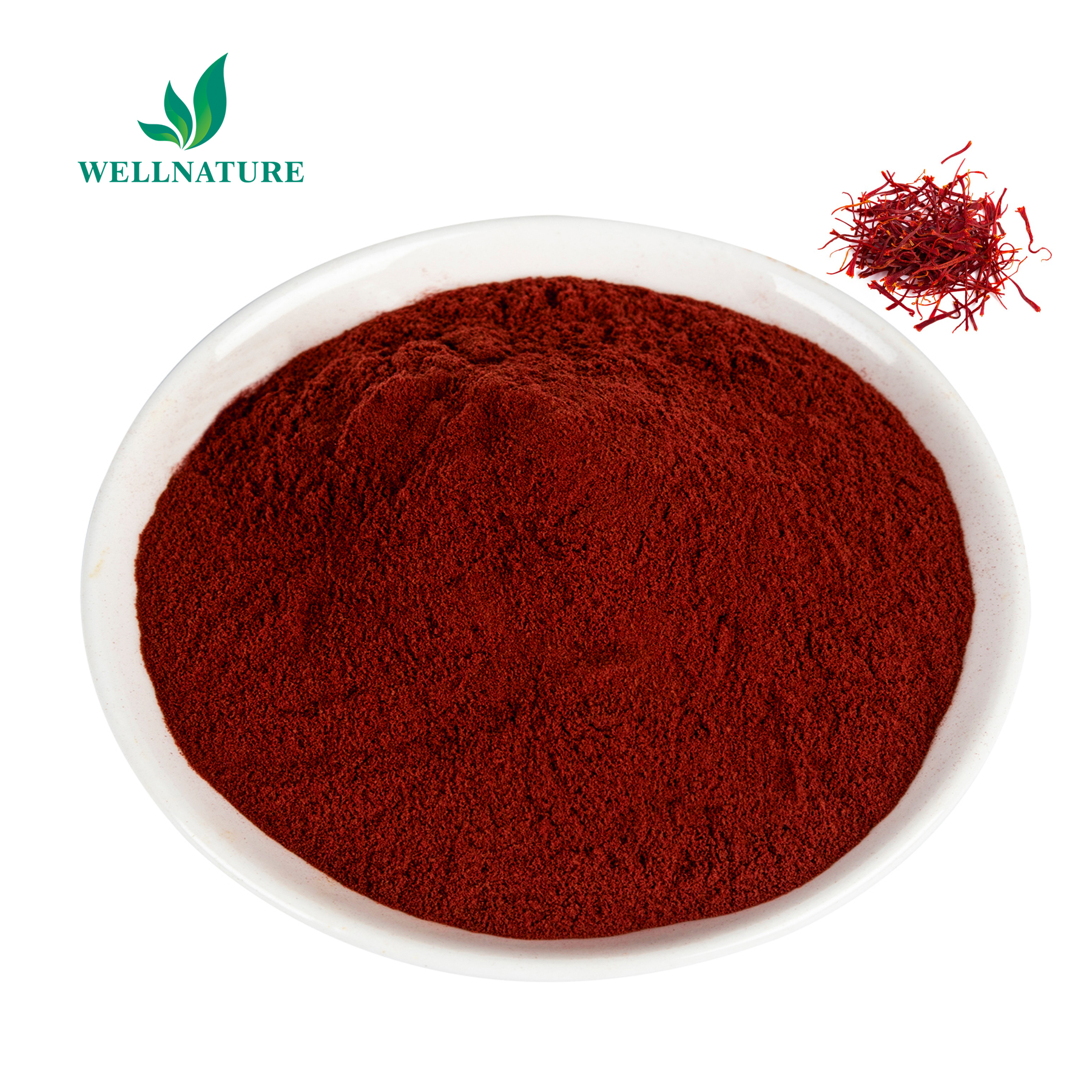
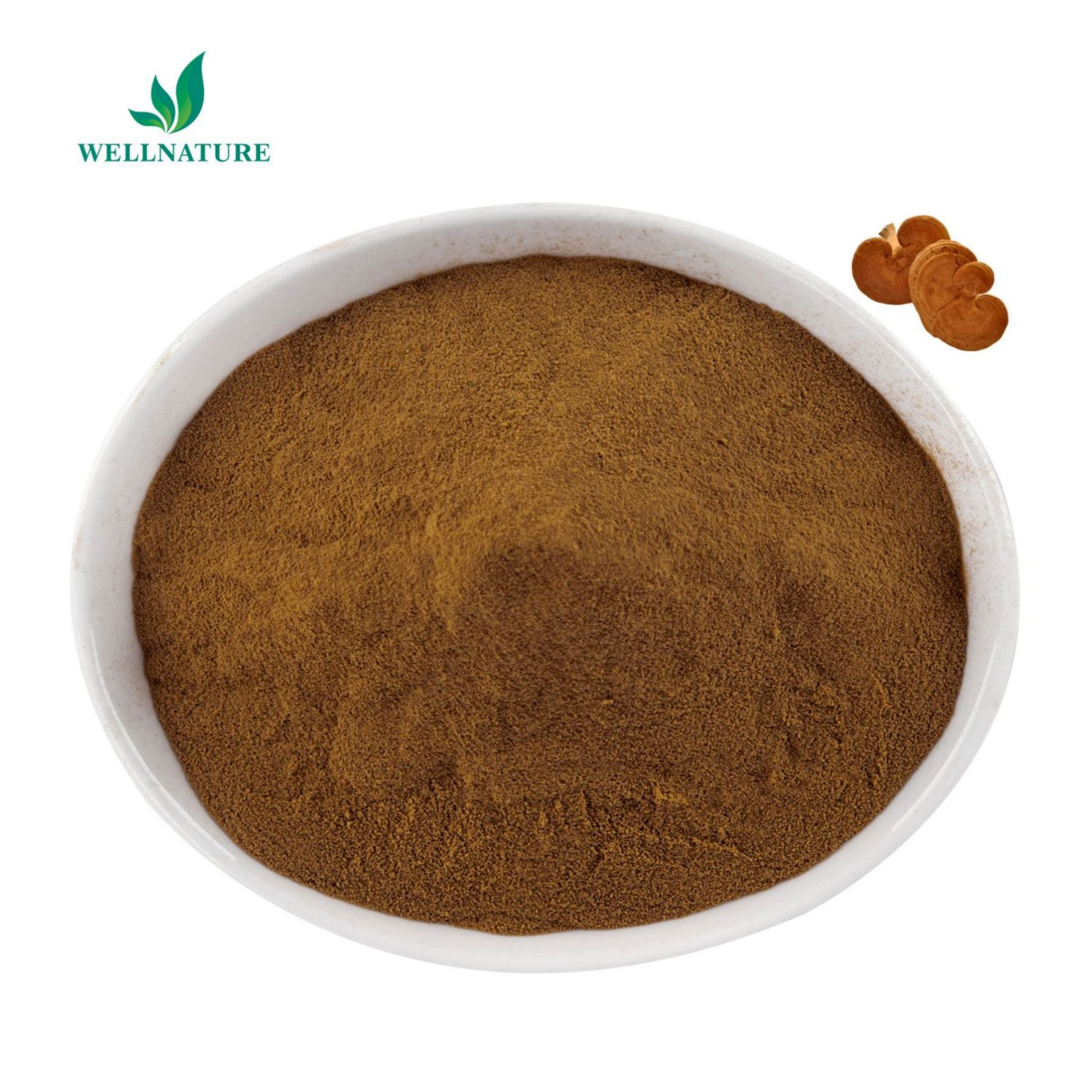
Polydeoxyribonucleotide (PDRN) is a highly purified, low-molecular-weight DNA polymer fraction extracted primarily from the gonadal tissue (milt) of wild or sustainably farmed salmon (Oncorhynchus keta and Oncorhynchus mykiss). Structurally, cosmetic grade PDRN represents a precise mixture of deoxyribonucleotide polymers ranging from 50 base pairs (bp) to 1,500 bp, with a selective molecular weight profile concentrated between 50 kDa and 1,500 kDa. This structural profile is crucial: fragments exceeding 1,500 bp trigger undesirable immunological responses, whereas molecules truncated below 50 bp fail to effectively engage the cellular salvage pathway and Adenosine A2A receptors.
Our manufacturing facility applies a closed-loop, multi-stage enzymatic and thermal extraction protocol that completely eradicates non-nucleic components while safeguarding structural integrity:
Utilizing high-selectivity protease cleavage under tightly controlled pH (7.8–8.2) and temperature regimes, extraneous structural proteins, histones, and peptide chains are digested without fracturing nucleotide chains.
Depolymerization is executed via calibrated hydrodynamic cavitation and enzymatic cleavage, precisely tuning DNA fragment sizes into the bioactive 50–1,500 bp window for maximal cutaneous bioavailability.
Ethanol precipitation is succeeded by multi-stage ultrafiltration (UF) and cross-flow chromatography, driving purity above 99.0% with zero detectable fish protein residue, zero solvents, and undetectable endotoxins.
| Analytical Parameter | Release Specification | Testing Methodology | Clinical / Regulatory Significance |
|---|---|---|---|
| Assay (Purity) | ≥ 99.0% Polydeoxyribonucleotide | HPLC / UV Spectrophotometry (A260) | Ensures maximal receptor interaction without interference |
| Molecular Weight Distribution | 50 – 1,500 base pairs (Peak: 200–400 bp) | Agarose Gel Electrophoresis / SEC-HPLC | Eliminates hypersensitivity risks; guarantees transdermal uptake |
| Purity Index (A260/A280) | 1.70 – 2.00 | Spectrophotometric Absorption | Confirms absolute clearance of residual aromatic proteins |
| Residual Protein | ≤ 0.1% (Non-detectable) | BCA Protein Assay Method | Critical for hypoallergenic cosmetic categorization |
| Bacterial Endotoxins | < 0.05 EU/mg | LAL Kinetic Chromogenic Test | Meets strict sterile formulation & microneedling safety standards |
| Heavy Metals (Pb, As, Cd, Hg) | Total ≤ 10 ppm; Individual ≤ 1 ppm | ICP-MS Inductively Coupled Plasma | Complies with EU Cosmetic Regulation (EC) 1223/2009 & ASEAN |
The Independent State of Samoa, situated within the South Pacific tropical belt (latitude 13°35′ S to 14°05′ S), experiences year-round UV Index ratings ranging regularly from 10 to 12+ (Extreme). Combined with an average relative humidity surpassing 80% and continuous maritime saline trade winds across Upolu and Savai'i, the cutaneous barrier of both domestic residents and international travelers faces intense environmental stress. Actinic photo-damage, stratum corneum barrier delipidation, deep solar elastosis, and post-inflammatory hyperpigmentation (PIH) are prevalent dermatological complaints.
Prolonged tropical UV exposure causes severe DNA thymine-dimer mutations in keratinocytes. PDRN supplies nucleotide donors via the salvage pathway, rapidly reversing micro-sunburns and restoring cutaneous cohesion.
High-end eco-resorts across Samoa and neighboring Pacific archipelagos are integrating clinical PDRN serums into post-sun recovery rituals, blending Polynesian botanical bodywork with cellular regenerative marine biology.
Emerging medical aesthetic clinics in Apia require pyrogen-free, CE-certified PDRN solutions suitable for transdermal roller application and post-chemical peeling protocols to shorten downtime among high-melanin skin types.
The Pacific cosmetics and personal care sector is undergoing a profound structural evolution. Historically driven by cold-pressed coconut oil (Fetau, Tamanu, and Virgin Coconut Oil) and traditional botanical extracts, brands operating in Samoa, Fiji, and Polynesia are increasingly seeking clinical-grade pairing agents. Formulators are coupling indigenous Pacific carrier oils with evidence-backed active molecules—such as pure Vitamin A powder, Vitamin B3 (Niacinamide), and Salmon DNA PDRN—to satisfy international tourists and an increasingly sophisticated domestic middle class.
Consumers in the South Pacific show strong cultural affinity for ocean-derived actives. Because salmon DNA structurally matches human leucocyte DNA up to 98%, marketing narratives centering on biocompatible marine DNA resonate with consumers seeking non-synthetic anti-aging remedies.
Apia's wellness retreat market is shifting from superficial spa treatments to restorative dermatology. Clinical protocols combining water-soluble antioxidants (like Mulberry and Alpha Lipoic Acid) with PDRN ampoules command premium margins at coastal luxury destinations.
With Samoan customs authorities and public health divisions strengthening biosecurity and import scrutiny on cosmetics, buyers demand verified documentation: ISO 9001:2015, ISO 22000, batch-specific COAs, and CE quality declarations to ensure seamless customs clearance.
Headquartered in the biotechnology corridor of Xi'an, Shaanxi, BKYULA Biotech operates standardized extraction, concentration, purification, and sterile milling plants. Serving pharmaceutical, food, cosmetic, and nutritional clients worldwide, our premises are audited onsite by the SGS Group, giving international importers full transparency over our supply chain integrity.
Manufactured under ISO 9001:2015, ISO 22000, HACCP, HALAL, KOSHER, and FAMI-QS quality management protocols. Every batch ships with an authentic Certificate of Analysis, Heavy Metal Screen, and MSDS.
Equipped with Shimadzu High-Performance Liquid Chromatographs (HPLC), UV-Vis Spectrophotometers, Gas Chromatography (GC), and Class 10,000 cleanrooms to verify active assays and screen out contaminants before dispatch.
Direct export channels to the Port of Apia and Faleolo International Airport. We support diverse Incoterms (FOB, CIF, CIP, DDP) with vacuum-sealed, moisture-impervious multi-barrier aluminum foil drums tailored for humid sea transit.