 English English
In addition to our flagship enzymatically hydrolyzed bovine collagen peptides, BKYULA Biotech supplies high-purity functional botanical extracts and nutritional actives, tested under strict HPLC/UV release criteria and custom-tailored for Japanese import standards.
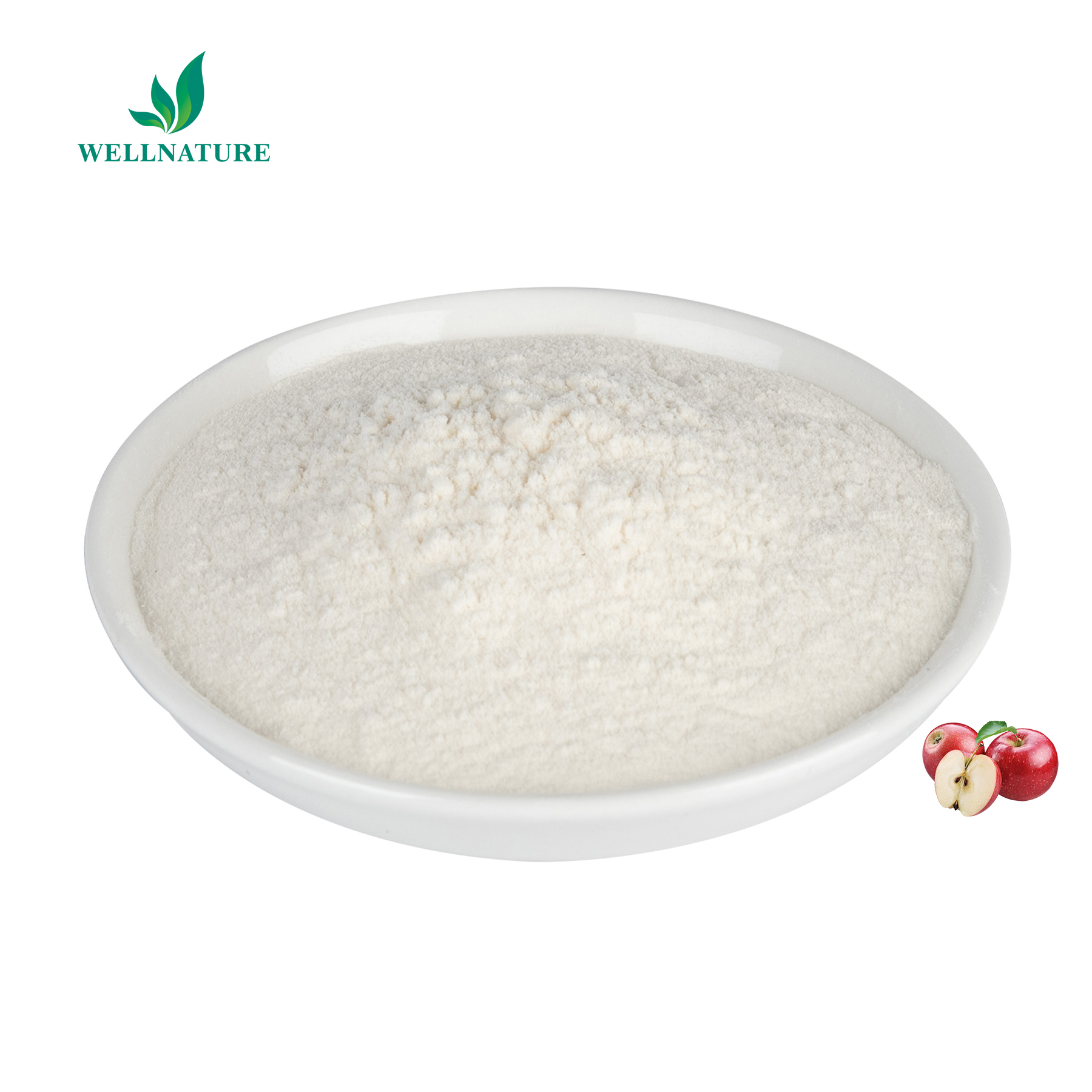
Ultra-fine carrier-free spray-dried powder rich in natural acetic acid. Instant cold-water dispersion designed for Japanese functional detox drinks.
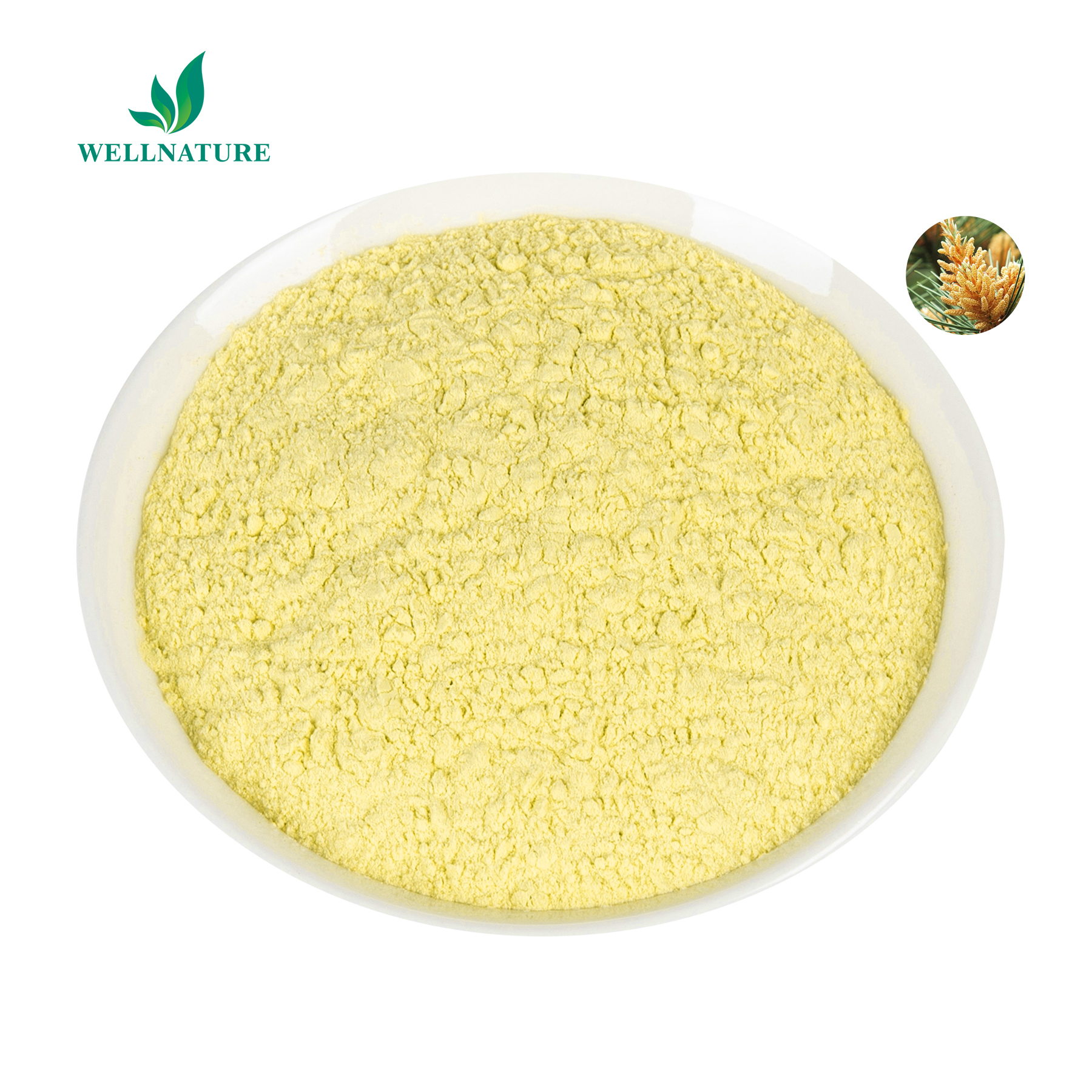
Cell-wall broken bioactive pine pollen extract featuring dense phyto-androgens, amino acid matrix, and micro-nutrients for vitality formulas.

Micro-encapsulated beadlets and free lutein/zeaxanthin fractions verified via HPLC. Optimized for Japanese ocular protection softgels.
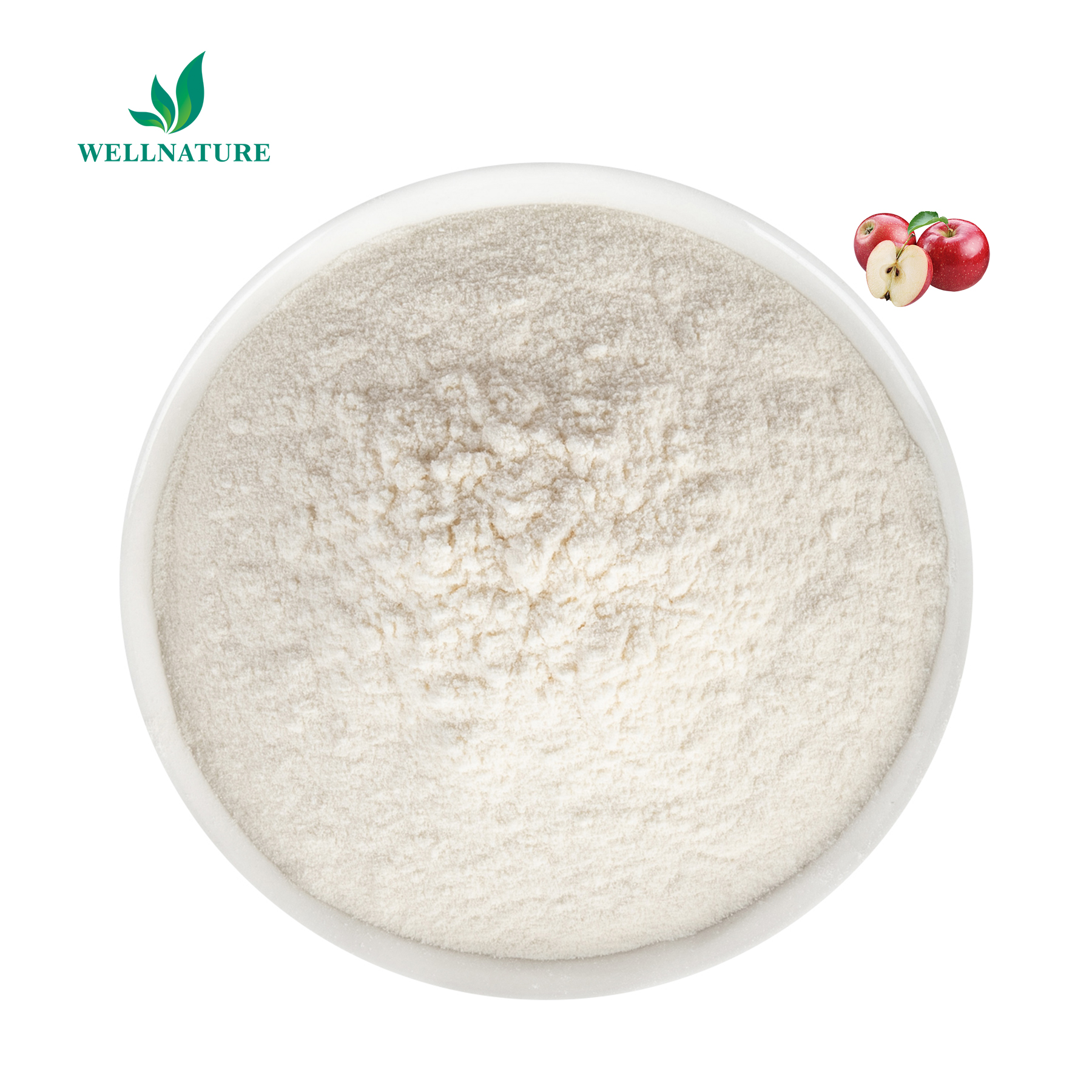
Traditional submerged fermentation process yielding organic mother enzymes. Non-irritating organic acid profile ideal for functional chewables.
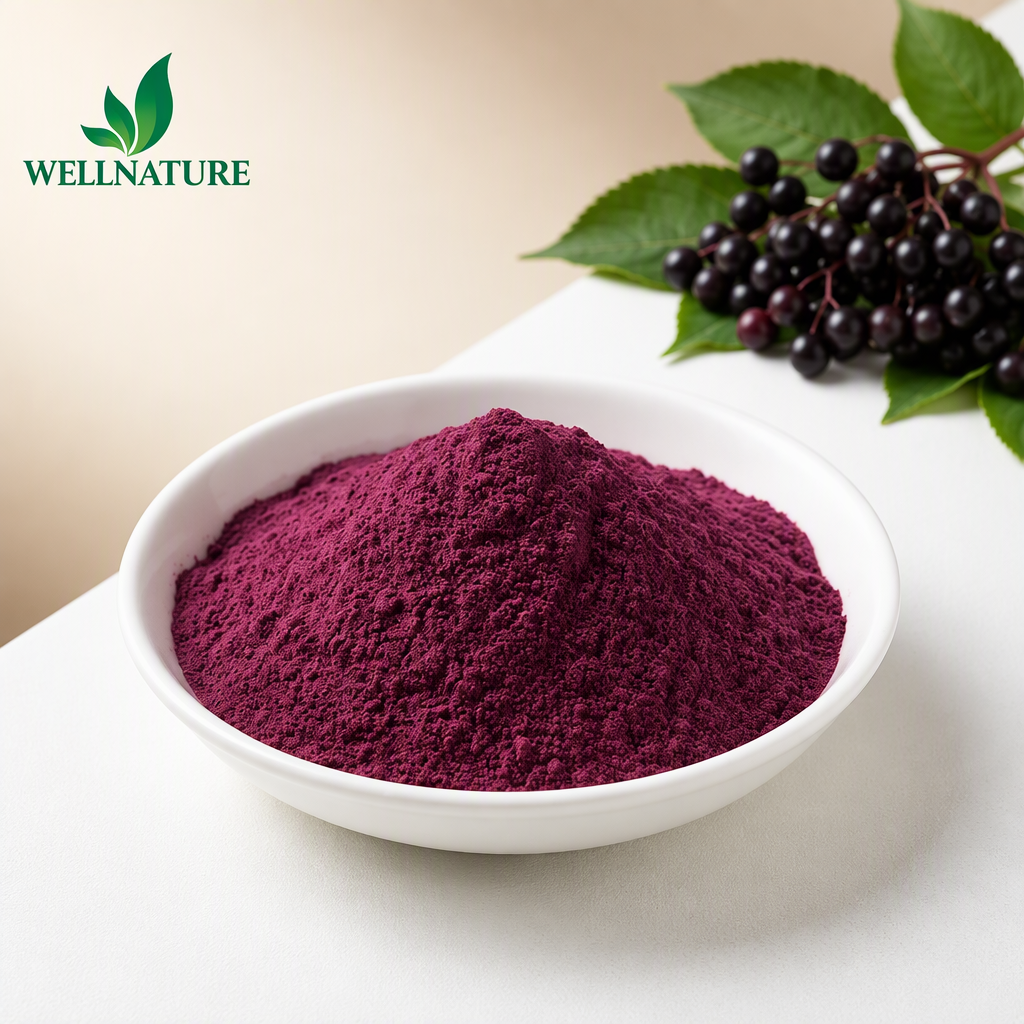
Deep-purple standardized Sambucus active fraction offering high ORAC radical scavenging power for immunomodulatory and beauty beverage blends.
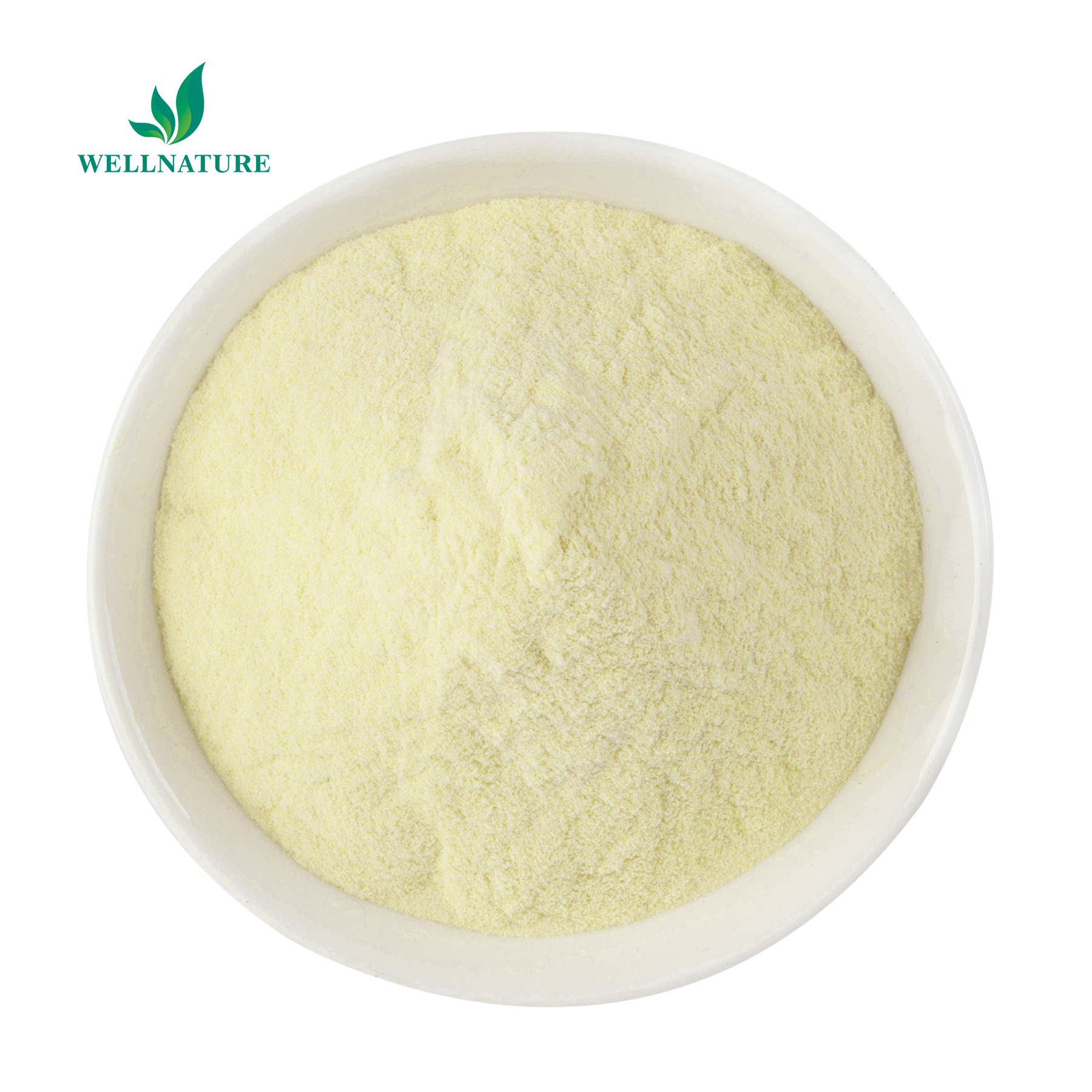
Universal antioxidant active conforming strictly to Japanese chemical and pharmaceutical residual solvent monographs with negligible ash content.
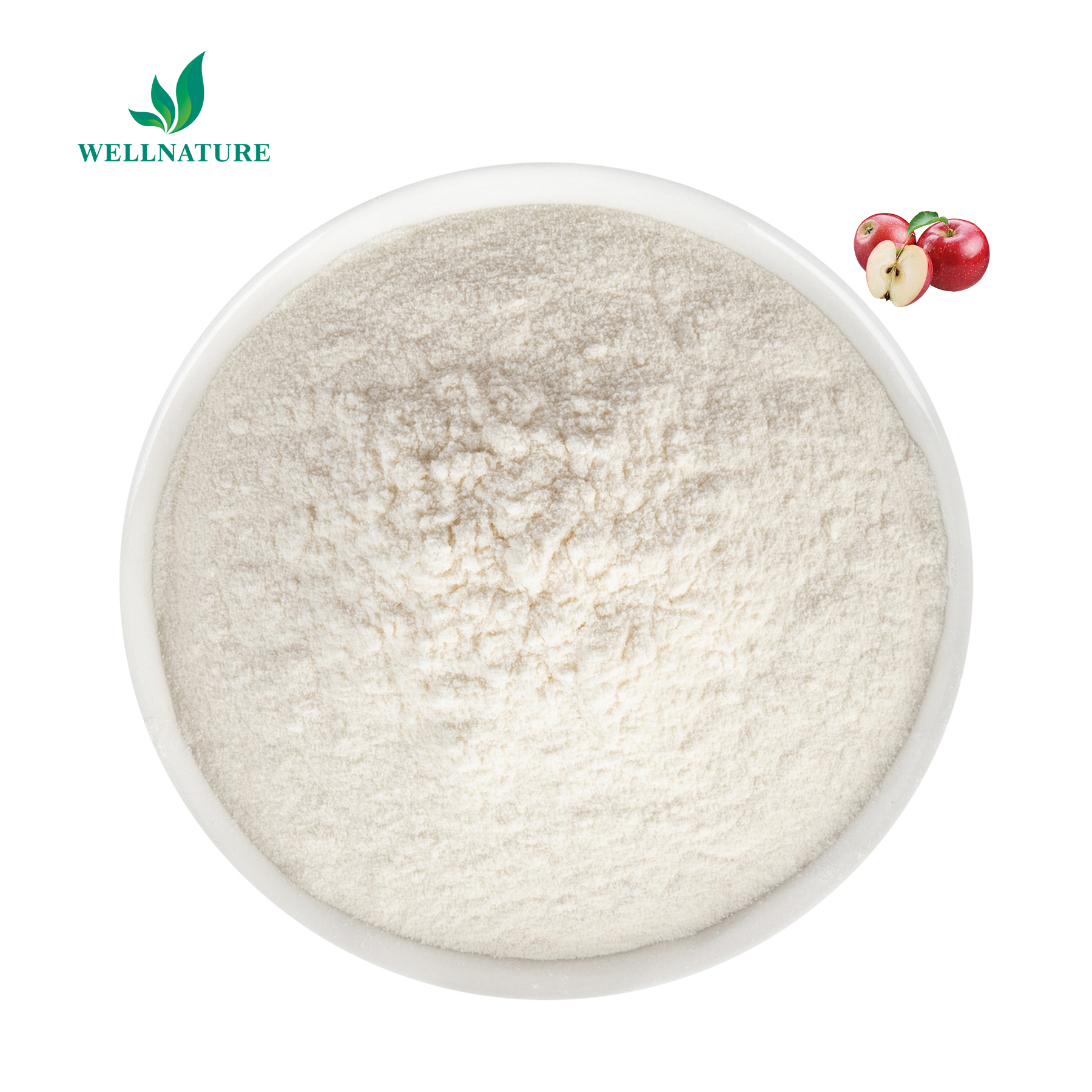
Micro-atomized malic acid and polyphenol rich matrix, non-caking profile engineered specifically for sachet stick-packs and dietetic tablets.
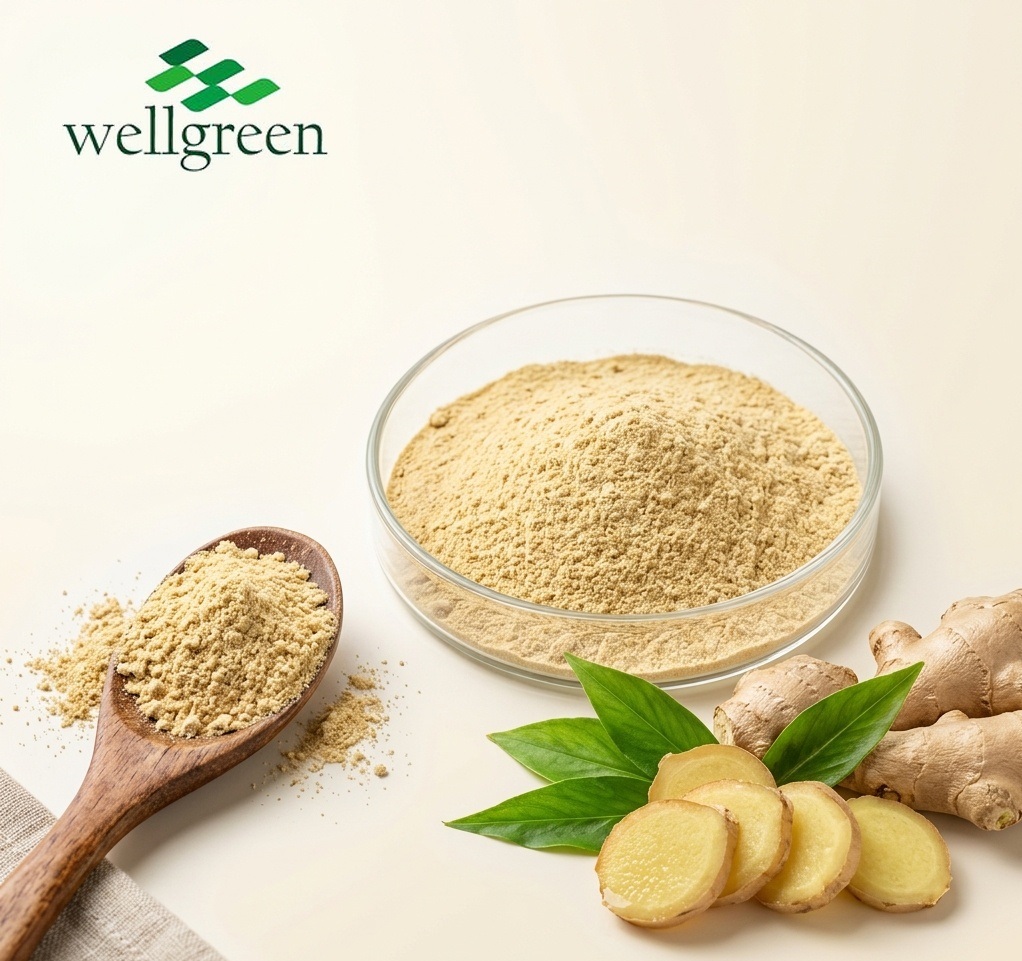
Clear-dissolving Zingiber officinale active with standardized 5%–10% gingerols. Superb thermogenic booster for joint mobility and collagen beverages.
Collagen is the primary structural protein of the extracellular matrix in mammalian connective tissues. In raw bovine skin and connective tissues, native Type I and Type III collagen exist as massive triple-helix macromolecules with high molecular weights approaching 300,000 Daltons (Da). In this native state, biological absorption across the intestinal mucosal barrier is virtually negligible due to steric hindrance and tight peptide linkages resistant to standard gastric proteolysis.
At our specialized manufacturing facility, we deploy a multi-stage bio-enzymatic cleavage protocol utilizing food-grade endopeptidases and exopeptidases. This thermal-controlled, non-acidic hydrolysis precisely shears the bulky triple helix into concentrated, low-molecular-weight oligopeptides predominantly concentrated in the 1,000 to 3,000 Dalton range.
Crucially for the demanding Japanese nutricosmetics sector, our enzymatic cleavage isolates high concentrations of resistant bio-signaling dipeptides and tripeptides, specifically Proline-Hydroxyproline (Pro-Hyp) and Hydroxyproline-Glycine (Hyp-Gly). Peer-reviewed pharmacokinetic trials confirm that Pro-Hyp and Hyp-Gly survive enteral enzymatic cleavage, appearing directly in human blood plasma within 60 minutes post-ingestion. These circulating oligopeptides chemotactically stimulate dermal fibroblasts, triggering transcriptional up-regulation of endogenous Type I collagen and hyaluronic acid synthase.
Consistent oligopeptide chain length distribution is measured via High-Performance Gel Permeation Chromatography (HP-GPC). Below is the typical molecular weight profile engineered specifically for Japanese clear drink and jelly brand owners:
| Molecular Weight Fraction | Distribution Ratio | Functional Destination |
|---|---|---|
| < 1,000 Da (Dipeptides / Tripeptides) | 32% – 38% | Immediate paracellular intestinal absorption |
| 1,000 – 3,000 Da (Bioactive Oligopeptides) | 54% – 60% | Fibroblast stimulation & joint chondrocyte repair |
| 3,000 – 5,000 Da (Small Polypeptides) | < 8% | Viscosity control & mouthfeel synergy |
| > 5,000 Da (Non-hydrolyzed proteins) | < 0.5% (ND) | Preventing cloudiness & precipitation |
All analytical methodologies conform to Japanese Agricultural Standards (JAS) and European Pharmacopoeia (Ph. Eur.) GPC calibration curves utilizing uniform peptide standards.
Japanese consumers represent the world's most discerning market for sensory quality and functional clarity. Bovine collagen must dissolve without masking agents, preserve crystal-clear optical transparency, and withstand thermal retorting in canned RTD beverages.
Under Japan's Consumer Affairs Agency (CAA) regulatory regime, our bovine collagen peptide serves as a clinically verifiable active raw material. We supply comprehensive human clinical studies, safety dossiers, and batch-to-batch dipeptide assay verification (Pro-Hyp / Hyp-Gly via LC-MS/MS) that streamline notification filings for dermal moisture retention and stratum corneum viscoelasticity claims.
Japanese "Beauty Shot" 50ml glass bottle beverages demand total optical transmission (≥ 95% at 620 nm) and absolute zero precipitation over a 24-month shelf life. Our bovine collagen undergoes secondary active carbon filtration and demineralizing resin exchange, preventing turbidity, browning under UHT pasteurization, or off-odors even when combined with Japanese green tea or citrus juice.
Addressing Japan's super-aged society (koureika), our bovine collagen is the benchmark peptide for functional snack jellies (ゼリー) and enteral meal powders. Its balanced amino acid spectrum (providing > 22% Glycine and > 12% Proline) synergizes with calcium, Vitamin K2 (MK-7), and hyaluronic acid, directly supporting synovial fluid homeostasis, cartilage density, and muscular myofibrillar preservation.
While marine (fish scale/skin) collagen has historically dominated Japan, profound shifts in procurement cost structures, sustainability mandates, and technical stability have prompted top-tier Japanese OEMs to pivot heavily toward ultra-purified bovine collagen peptides.
Overfishing restrictions, marine ecosystem disruptions, and microplastic contamination concerns in East Asian waters have led to severe volatility in fish scale supply chains. Hydrolyzed bovine collagen delivers unmatched batch consistency and price stability for long-term contract packaging.
Bovine-derived collagen features a higher denaturation transition temperature and proline-hydroxylation density compared to cold-water fish peptides. This allows Japanese beverage formulators to execute intensive retort heating and baking extrusion without peptide breakdown or sulfurous off-notes.
Historical objections to bovine collagen stemmed from faint cowhide musk. BKYULA Biotech eliminates this completely via multi-pass vacuum continuous deodorization and enzymatic debittering, creating an ingredient as clean and neutral as spring water when dissolved in matcha or drip coffee.
Japan's orthopedic supplement market is expanding beyond glucosamine and chondroitin. Hydrolyzed bovine Type I & III peptides have become central in hybrid formulas targeting both osteochondral restoration and connective tendon elasticity in active seniors and amateur marathon runners.
Headquartered in Xi'an, Shaanxi, BKYULA Biotech operates modern extraction, enzymatic, and spray-drying lines that comply fully with stringent Japanese Quarantine Station protocols and the Ministry of Health, Labour and Welfare (MHLW).
Our bovine collagen is manufactured in closed stainless steel bio-reactors, maintaining end-to-end cleanroom air filtration and automated temperature logging across every key transformation phase:
Our exported collagen adheres to the highest purity criteria codified by Japanese food sanitation legislation:
| Assay Parameter | Export Specification | Analytical Standard |
|---|---|---|
| Protein Content (dry basis) | ≥ 90.0% | Kjeldahl Method (N × 5.55 / 6.25) |
| Average Molecular Weight | 1,000 – 3,000 Da | HP-GPC (Peptide calibration) |
| Moisture Content | ≤ 7.0% | Loss on Drying (105°C, 4h) |
| Total Ash | ≤ 2.0% | Muffle furnace combustion (550°C) |
| pH Value (10% water solution) | 5.0 – 7.0 | Potentiometric Electrode |
| Heavy Metals (as Pb) | ≤ 10.0 ppm | ICP-MS / Atomic Absorption |
| Arsenic (As) | ≤ 0.5 ppm | Hydride Generation AAS |
| Mercury (Hg) & Cadmium (Cd) | ≤ 0.1 ppm each | Cold Vapor ICP-MS |
| Total Viable Aerobic Count | ≤ 1,000 CFU/g | MHLW Food Microbiology Standard |
| Coliforms / E. coli | Negative in 25g | Enzymatic Fluorogenic Broth |
| Salmonella | Negative in 25g | Immunomagnetic Separation / PCR |
| Transmissible Spongiform (BSE/TSE) | Certified Non-Detectable | Origin Quarantine Certification |
Clear, definitive answers addressing regulatory compliance under the Food Sanitation Act of Japan, customs entry at Tokyo/Yokohama/Kobe, and private-label contract parameters.