 English English
Direct from our SGS-audited processing facilities in Xi’an to formulation laboratories across the Métropole de Lyon and wider European Union. Batch-certified by HPLC/UV with verified stability profiles.
Broccoli seed extract (derived from Brassica oleracea L. var. italica Plenck) represents one of the most potent chemopreventive and cellular defense active ingredients in contemporary nutritional science. Within Lyon’s prominent biotechnology cluster—anchored by the Lyonbiopôle health competitiveness cluster, the Gerland Biodistrict, and renowned academic institutions such as Université Claude Bernard Lyon 1—pharmaceutical researchers and supplement manufacturers demand an exacting distinction between Glucoraphanin (the stable aliphatic glucosinolate precursor) and Sulforaphane (1-isothiocyanato-4-methylsulfinylbutane, the biologically active organosulfur isothiocyanate).
Sulforaphane does not exist in abundant unbonded quantities within unprocessed dormant seeds. Instead, seeds synthesize glucoraphanin safely sequestered within cellular vacuoles, segregated from cytosolic thioglucosidase enzymes (myrosinase; EC 3.2.1.147). Upon cellular disruption in the presence of water, myrosinase cleaves the glucose moiety from glucoraphanin, yielding an unstable thiohydroximate-O-sulfonate intermediate that spontaneously reorganizes into sulforaphane under neutral physiological pH.
For European contract development and manufacturing organizations (CDMOs) based in the Auvergne-Rhône-Alpes region, sourcing crude broccoli seed extract often exposes formulations to severe batch inconsistency. Conventional thermal spray-drying invariably denatures natural endogenous myrosinase, forcing the host to rely entirely on microfloral conversion within the human colon—an erratic physiological pathway demonstrating erratic conversion rates fluctuating from 1% to less than 15%. BKYULA Biotech resolves this kinetic limitation via two proprietary standardization vectors:
| Standardized Grade | Active Analyte Profile | Carrier / Matrix | Stability & Half-Life | Primary Target Application |
|---|---|---|---|---|
| Glucoraphanin 10%–20% HPLC | Glucoraphanin (HPLC-DAD) with co-preserved endogenous myrosinase | Maltodextrin / Plant cellulose | 24 Months at ambient <25°C | Enteric-coated capsules, multi-strain gut synbiotics, Phase II liver detox |
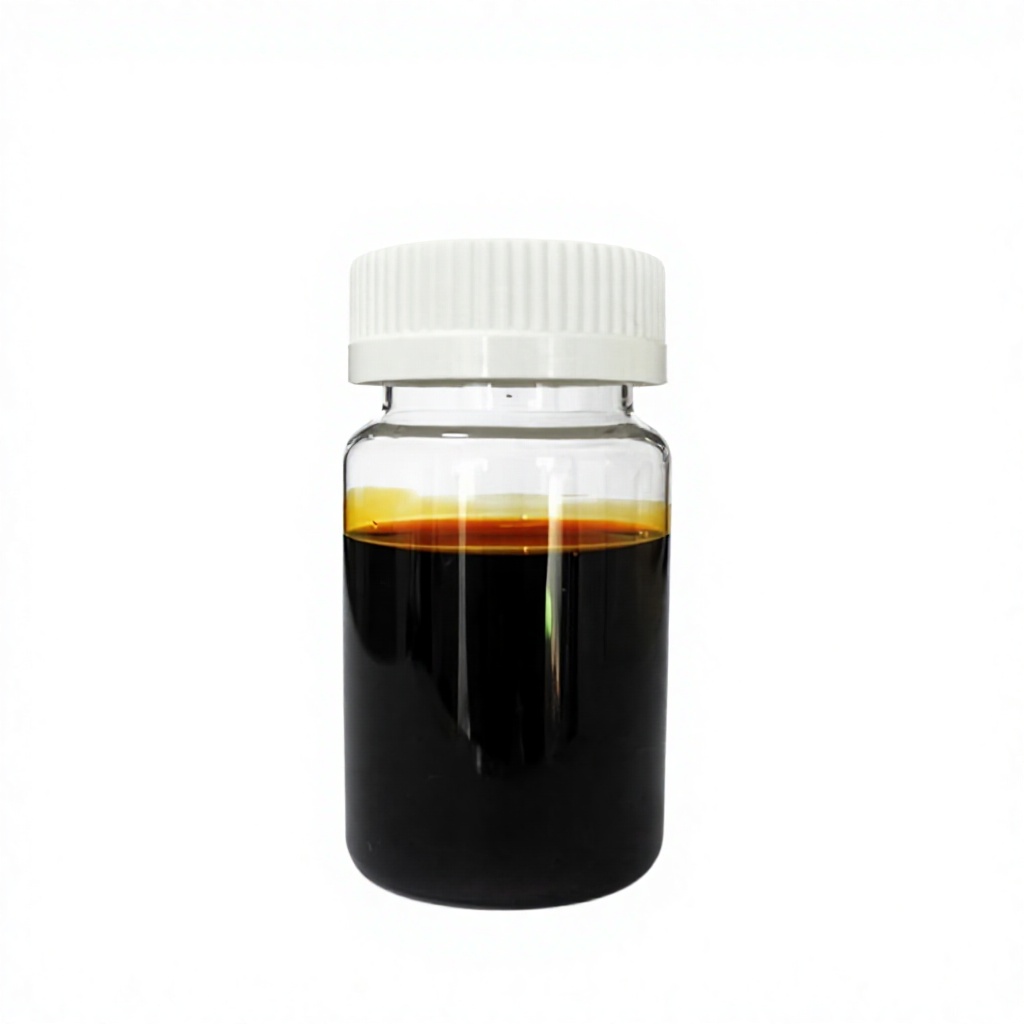
| Free Sulforaphane 1%–10% Liquid | Pure 1-Isothiocyanato-4-methylsulfinylbutane | Natural cold-pressed carrier oil | 12 Months under cold-chain (<4°C) | Dermocosmetic anti-pollution lipophilic serums, topical skin repair |
| Stabilized Sulforaphane Powder 1% | Active Sulforaphane complexed in β-cyclodextrin clathrate | Hydroxypropyl-β-cyclodextrin | 24 Months at ambient <20°C | Direct functional powder sachets, effervescent tablets, sports nutrition |
| Sulforaphane 98% Analytical API | Ultra-pure chromatographic isolate | Lyophilized neat liquid/wax | Store sealed at -20°C | In vitro oncology, epigenetics & neuroprotection clinical assays |
The preeminent mechanism driving demand across French dermo-pharmacy and preventative medicine is Sulforaphane’s electrophilic reactivity toward Kelch-like ECH-associated protein 1 (Keap1). Keap1 serves as a sensory repressor protein coordinating the ubiquitination and proteasomal degradation of Nuclear factor erythroid 2-related factor 2 (Nrf2). Free sulforaphane readily traverses cellular membranes and chemically modifies specific cysteine residues within Keap1 (notably Cys151).
This covalent conformational shift frees Nrf2 to translocate directly into the cell nucleus, where it heterodimerizes with small Maf proteins and binds selectively to the Antioxidant Response Element (ARE) within promoter regions of target genes. The subsequent transcription activates an extensive battery of Phase II detoxifying and antioxidant enzymes, including NAD(P)H:quinone oxidoreductase 1 (NQO1), heme oxygenase-1 (HO-1), glutathione S-transferases (GSTs), and γ-glutamylcysteine ligase (γ-GCL). Unlike direct sacrificial antioxidants (e.g., Vitamin C or Resveratrol) which neutralize free radicals on a 1:1 stoichiometric basis, sulforaphane triggers an amplified, enduring enzymatic defense cycle lasting up to 72 hours.
Lyon is France’s chemical and pharmaceutical epicenter—a historical crossroads of silk, synthetic chemistry, and modern biology. Our standardized broccoli seed extract seamlessly interfaces with the region’s specialized downstream sectors.
Laboratories situated within the Gerland Biopark require research-grade Glucoraphanin and Sulforaphane with authenticated NMR, GC-MS, and HPLC chromatograms. Formulations targeting cellular senescence, oncology co-adjuvants, and metabolic syndrome leverage our microencapsulated powder to design controlled-release human clinical trials in accordance with ICH GCP guidelines.
The Rhône-Alpes beauty sector leads in clean-label anti-pollution skincare. Sulforaphane suppresses UV-induced cutaneous erythema, downregulates Matrix Metalloproteinases (MMP-1, MMP-3) that break down collagen, and boosts epidermal glutathione reserves. French cosmetic formulators incorporate our oil-soluble sulforaphane into luxury night creams, restorative serums, and barrier-repair emulsions.
Positioned at the gateway to the French Alps, Lyon’s sports nutrition producers engineer advanced endurance recovery supplements. Exhaustive aerobic exercise produces acute mitochondrial reactive oxygen species (ROS). Standardized sulforaphane accelerates lactic acid clearance, mitigates post-exercise DOMS, and reduces muscular inflammatory cytokines (IL-6, TNF-α) without blunting mitochondrial biogenesis adaptations.
Procuring botanical actives for distribution within the French and broader European markets requires an intimate mastery of the European Food Safety Authority (EFSA) and the Direction générale de la concurrence, de la consommation et de la répression des fraudes (DGCCRF). For broccoli seed extract, supply chain managers must resolve specific regulatory classifications to prevent border interception or market recalls.
Under EU Regulation 2015/2283, extracts derived from Brassica oleracea L. have a documented history of human consumption across member states prior to May 15, 1997, provided the selective extraction technology does not intentionally isolate novel molecular structures or concentrate chemical profiles beyond naturally occurring culinary ranges. When manufacturing Glucoraphanin concentrates using hydro-alcoholic or pure water extraction methods, BKYULA Biotech strictly verifies that solvent ratios and purification protocols preserve the botanical matrix's natural identity, maintaining compliance with standard European food ingredient statutes.
Conversely, when purchasing high-potency free Sulforaphane isolates (e.g., 98% purity) destined for experimental, clinical, or topical cosmeceutical endpoints, procurement teams must ensure categorization under REACH (EC 1907/2006) and the EU Cosmetic Regulation (EC 1223/2009). BKYULA Biotech provides full regulatory dossiers, including complete toxicological safety assessments, INCI registration dossiers, and full raw material transparency files (FDS / Safety Data Sheets).
In France, botanical food supplements are governed rigorously by the Arrêté du 24 juin 2014 (known as the "Arrêté Plantes") and its subsequent amendments. Importers in Lyon benefit from our pre-validated compliance parameters:
Combining 15 years of precision botanical extraction in Xi’an with direct multimodal trade routes to the Rhône valley, offering reliable traceability and batch uniformity.
Our manufacturing infrastructure is formally audited and verified onsite by the SGS Group. Production lines operate under strict GMP standards, holding ISO 9001:2015, ISO 22000, and HACCP certifications. For veterinary and pet wellness distributors in Lyon, our feed-grade botanicals carry official FAMI-QS accreditation.
We don't outsource analytical validation. Our internal laboratory houses high-performance liquid chromatography (HPLC) units, UV-visible spectrophotometers, loss-on-drying vacuum ovens, and an ISO-compliant aseptic microbiological clean bench. Every batch released is accompanied by a comprehensive Certificate of Analysis (COA).
We support flexible Incoterms—from EXW and FOB to CIF and DDP Lyon. Temperature-sensitive sulforaphane oils and lyophilized batches are dispatched via temperature-logged express air freight directly into Lyon-Saint Exupéry Airport (LYS), while bulk industrial tonnages route cost-effectively via Fos-sur-Mer or Rotterdam with inland customs clearance.
Understanding the ultra-high potency of cellular activators, we reject rigid multi-ton minimums. Pure sulforaphane isolates and stabilized actives are accessible starting from a modest 1 gram MOQ for pilot trials, 1 kg for formulation scale-up, and metric tons for continuous commercial packaging. Complete OEM/ODM capsule and sachet blending services available.
Technical, logistical, and legal questions answered transparently for QA managers and supply chain directors.
Accelerate your next product release across Lyon’s biotechnology, functional supplement, and luxury dermo-cosmetic corridors. Request complete batch chromatograms, technical dossiers, or pilot samples today.