English English
Integrate ultra-pure L-Arginine Nitrate with our validated botanical extracts and functional actives for sports recovery, metabolic wellness, and beverage stabilization.
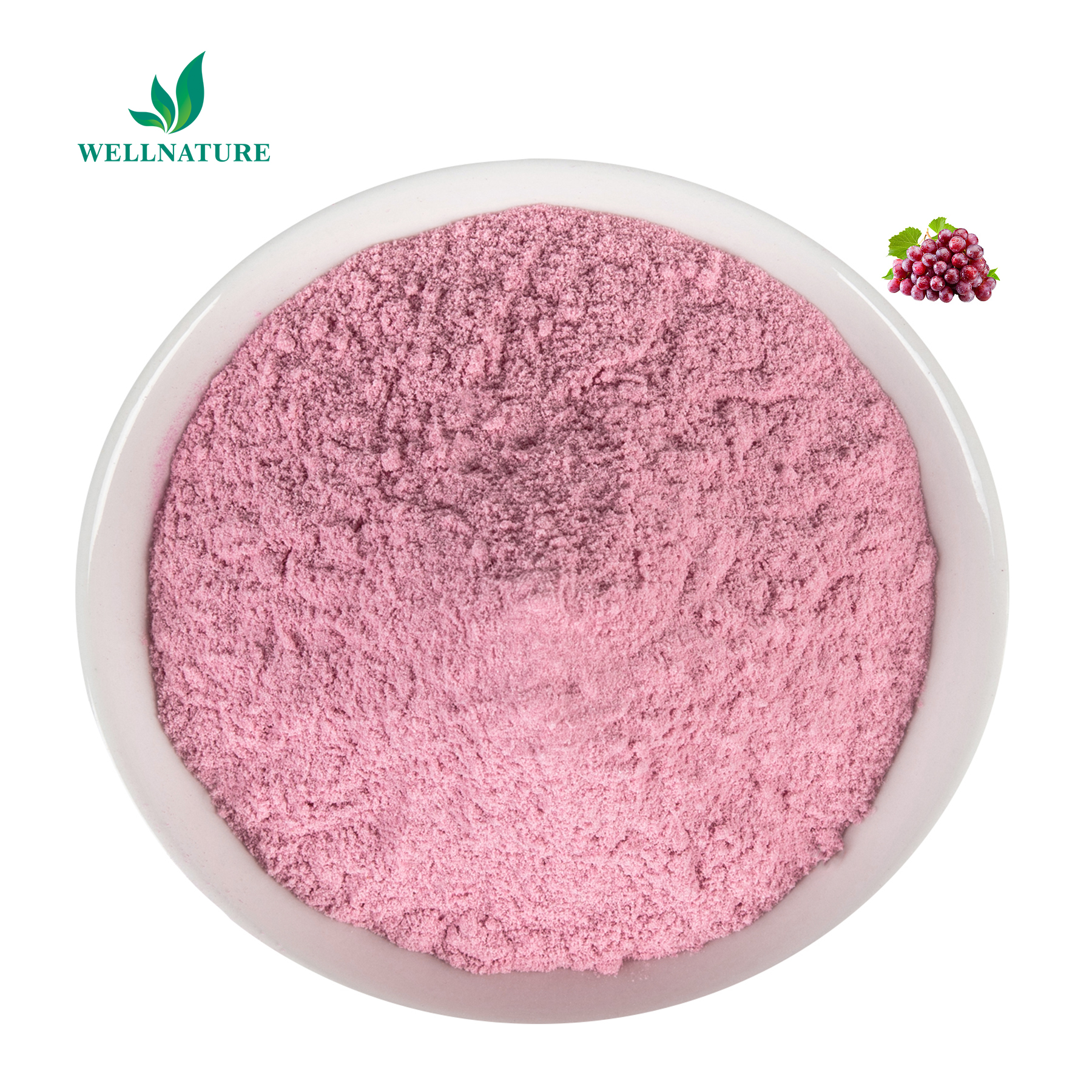
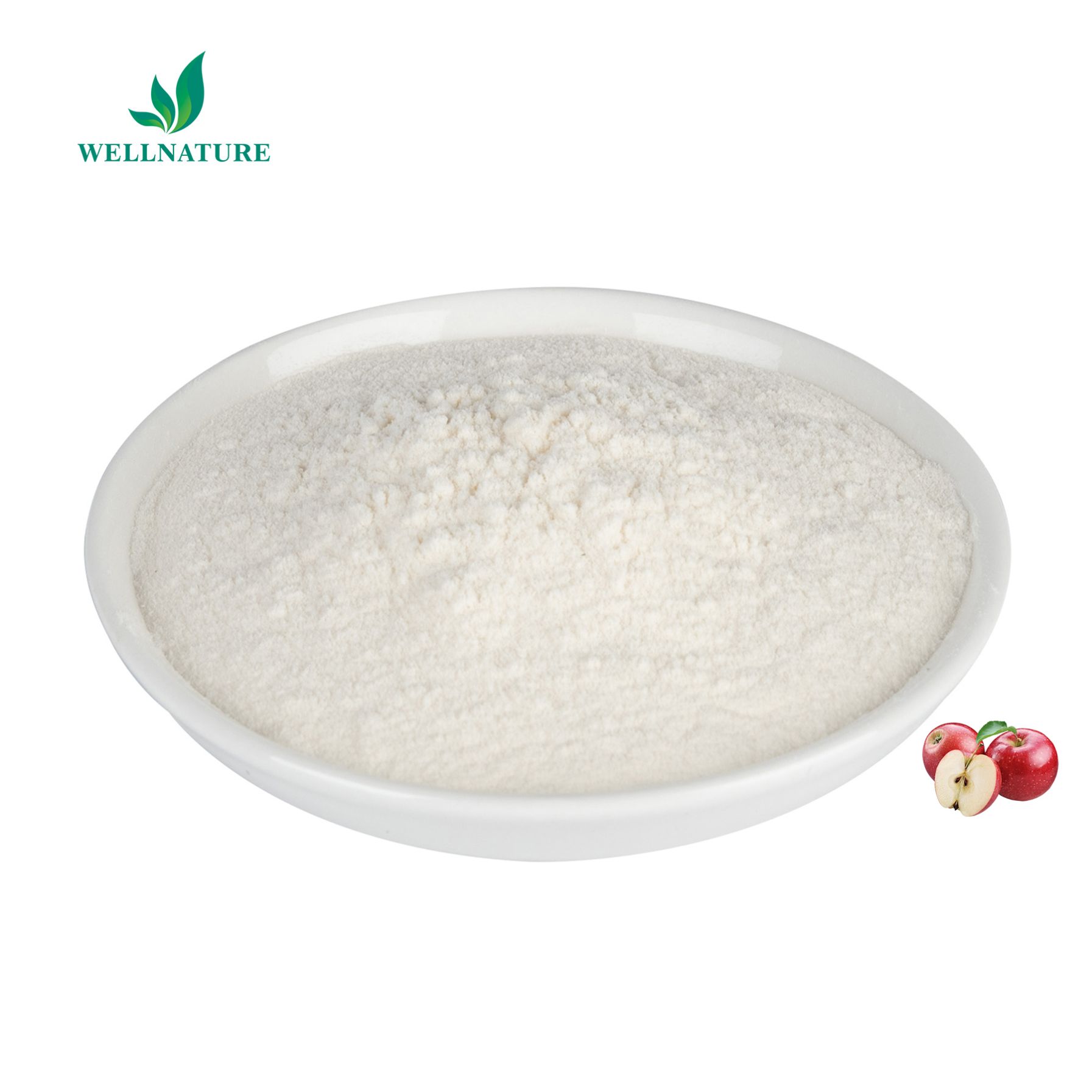

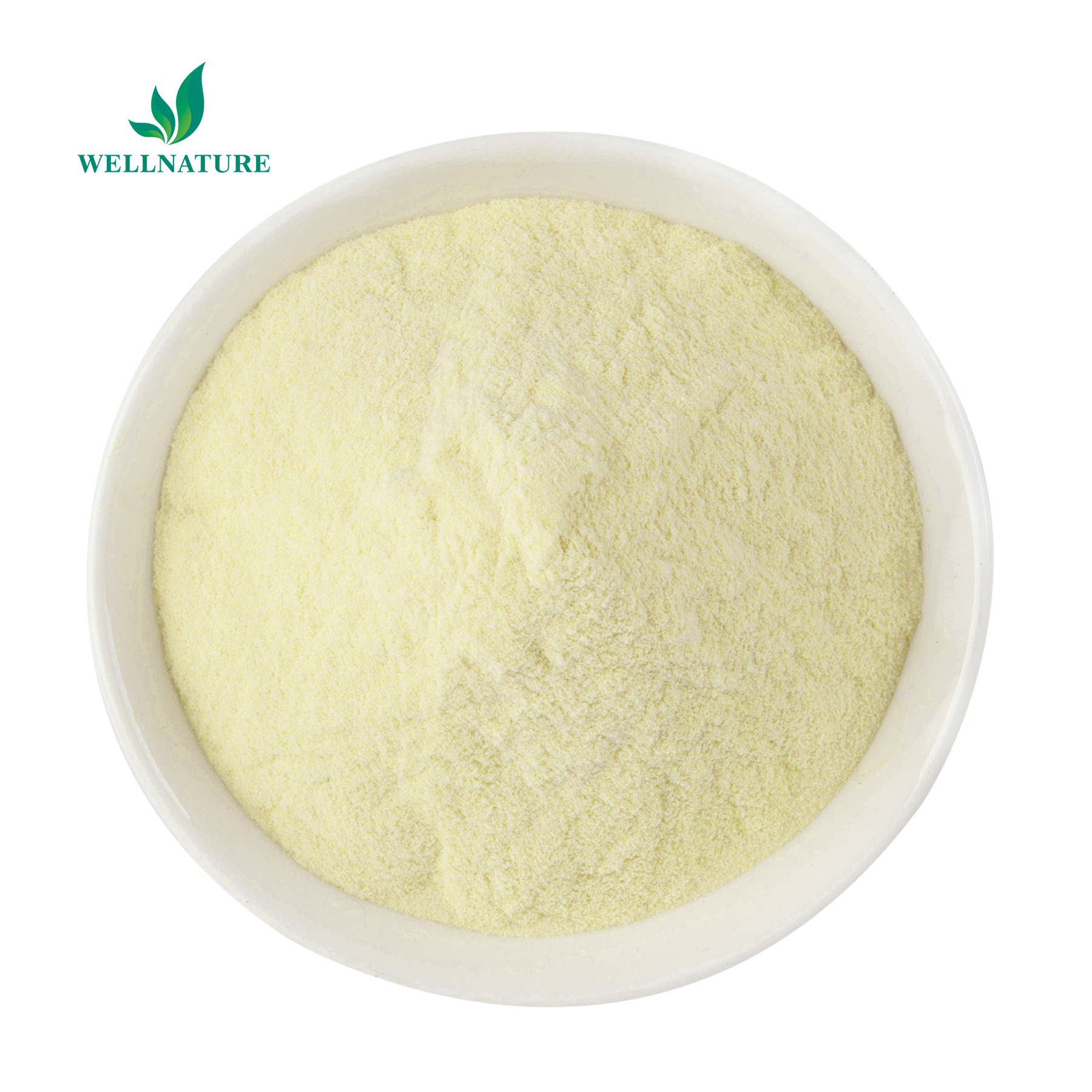
L-Arginine Nitrate (chemically designated as 1-amino-4-guanidinopentanoic acid nitrate salt, molecular formula C6H14N4O2·HNO3, molecular weight 237.21 g/mol) represents a major leap forward in performance nutrition chemistry. Traditional nitric oxide (NO) boosters rely heavily on free-base L-Arginine or L-Arginine Hydrochloride (HCl). However, standard L-Arginine formulations suffer from significant first-pass hepatic metabolism by the arginase enzyme, leaving oral bioavailability hovering below thirty percent in clinical environments.
When high doses of regular L-Arginine Base are administered to compensate for low plasma saturation, gastrointestinal distress—including osmotic diarrhea, nausea, and severe stomach cramping—frequently manifests. By fusing crystalline L-Arginine with inorganic nitrate (NO3−) via an ionic crystalline lattice, L-Arginine Nitrate simultaneously addresses enzymatic degradation and plasma nitrate retention. This chemical bonding yields a potent dual-action pathway:
1. The Endothelial NOS Pathway (eNOS): Free L-Arginine molecules cleaved from the salt serve as the direct substrate for endothelial nitric oxide synthase, converting oxygen and NADPH into L-Citrulline and nitric oxide gas over the initial 30 to 90 minutes post-ingestion.
2. The Nitrate-Nitrite-Nitric Oxide Reductive Cascade: The inorganic nitrate moiety bypasses hepatic arginase entirely. Upon entering salivary circulation, oral facultative anaerobic bacteria on the posterior tongue reduce nitrate (NO3−) to nitrite (NO2−). In acidic gastric juice and deoxygenated systemic capillaries, nitrite is swiftly reduced into bioactive nitric oxide gas. This non-enzymatic cascade remains effective even during physiological hypoxia, muscular acidosis, and intense physical exertion where traditional eNOS enzymes are downregulated.
| Active Compound | Nitric Oxide Yield Rate | Plasma Half-Life (t1/2) | Hepatic First-Pass Loss | Hypoxic Activity | Gastric Tolerance |
|---|---|---|---|---|---|
| L-Arginine Nitrate (BKYULA High-Pure) | Dual Maximum (High) | 6.8 – 8.2 Hours | Under 12% (Bypassed) | Highly Active | Superior (No Osmotic Distress) |
| L-Arginine Free Base | Low (Enzyme dependent) | 0.8 – 1.2 Hours | Exceeds 70% | Inactivated by Acidosis | Poor (GI Cramping Common) |
| L-Arginine HCl | Moderate-Low | 1.0 – 1.5 Hours | Approx. 65% | Inactivated by Acidosis | Moderate (Acidic Aftertaste) |
| L-Citrulline Malate (2:1) | Moderate-High | 2.5 – 3.5 Hours | Low (Renal Conversion) | Moderate | High |
Analyzing how industrial dietary raw materials are deployed within Dominica's wellness centers, athletic programs, maritime hospitality chains, and functional compounding laboratories.
Roseau stands as the commercial heart of Dominica, world-renowned as the "Nature Island of the Caribbean." High-end eco-resorts, medical retreats, and wellness spas across the Roseau Valley, Soufrière, and Portsmouth cater to international wellness tourism.
The sports community in Roseau—centered around track and field, cricket, football, and fitness gym chains—demands high-potency pre-workout ergogenics that can withstand tropical, high-humidity storage without clumping into hard bricks.
Caribbean healthcare providers increasingly recommend nutritional adjuncts for vascular compliance, blood pressure moderation, and peripheral tissue perfusion. Roseau's pharmaceutical stockists require authenticated raw ingredients backed by third-party heavy metal testing.
The import landscape for functional dietary supplements in the Commonwealth of Dominica and neighboring OECS (Organisation of Eastern Caribbean States) markets has historically passed through multiple tiers of re-exporters located in Florida, Puerto Rico, or the United Kingdom. This traditional supply chain structure burdened local Roseau enterprises with compounded markups of 40% to 75%, unpredictable inventory lead times, and short shelf-life stock resulting from extended warehouse holding in intermediate ports.
Three tectonic shifts are currently reshaping how business is conducted in Roseau:
1. CARICOM Harmonized Formulation Standards: Regional trade frameworks increasingly encourage standardized local manufacturing and packaging within Caribbean borders. By importing pharmaceutical-grade bulk active ingredients such as L-Arginine Nitrate directly from prime Chinese synthesis plants, Dominican private labels capture superior margins while tailoring label languages, packaging formats, and blend formulas directly to regional demographics.
2. Climate-Resilient Packaging Requirements: Dominica's maritime climate features sustained ambient humidity often exceeding 80% with mean coastal temperatures around 28°C. Conventional hygroscopic amino acids rapidly absorb ambient moisture, forming an unmarketable solidified cake inside containers. Forward-thinking manufacturers in China now deploy advanced multi-layer vacuum heat-sealed aluminum foil bags, pharmaceutical desiccant packets, and anti-caking agglomeration technologies specifically engineered for tropical marine distribution channels.
3. Clean-Label Botanical & Synthetic Hybrids: Consumer preference across Roseau and the wider Caribbean basin is gravitating towards synergistic formulations. Savvy brands formulate hybrid blends that match high-potency L-Arginine Nitrate with standardized organic botanical extracts—such as Zingiber officinale (Water Soluble Ginger Extract), freeze-dried beet nitrate complexes, and pure antioxidant carotenoids—uniting science-backed ergogenics with wholesome herbal authenticity.
Connecting Chinese pharmaceutical engineering with global B2B procurement professionals through verified compliance, exhaustive batch characterization, and robust supply continuity.
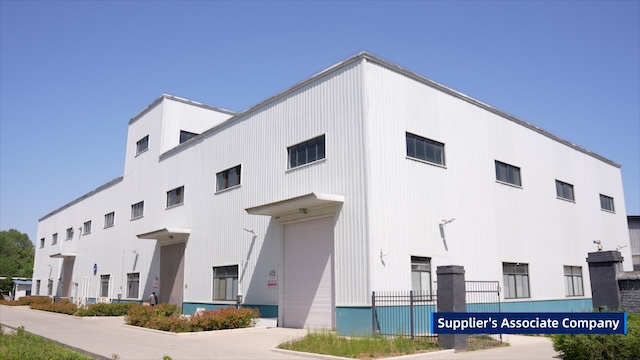 Xi'an High-Tech Production Campus
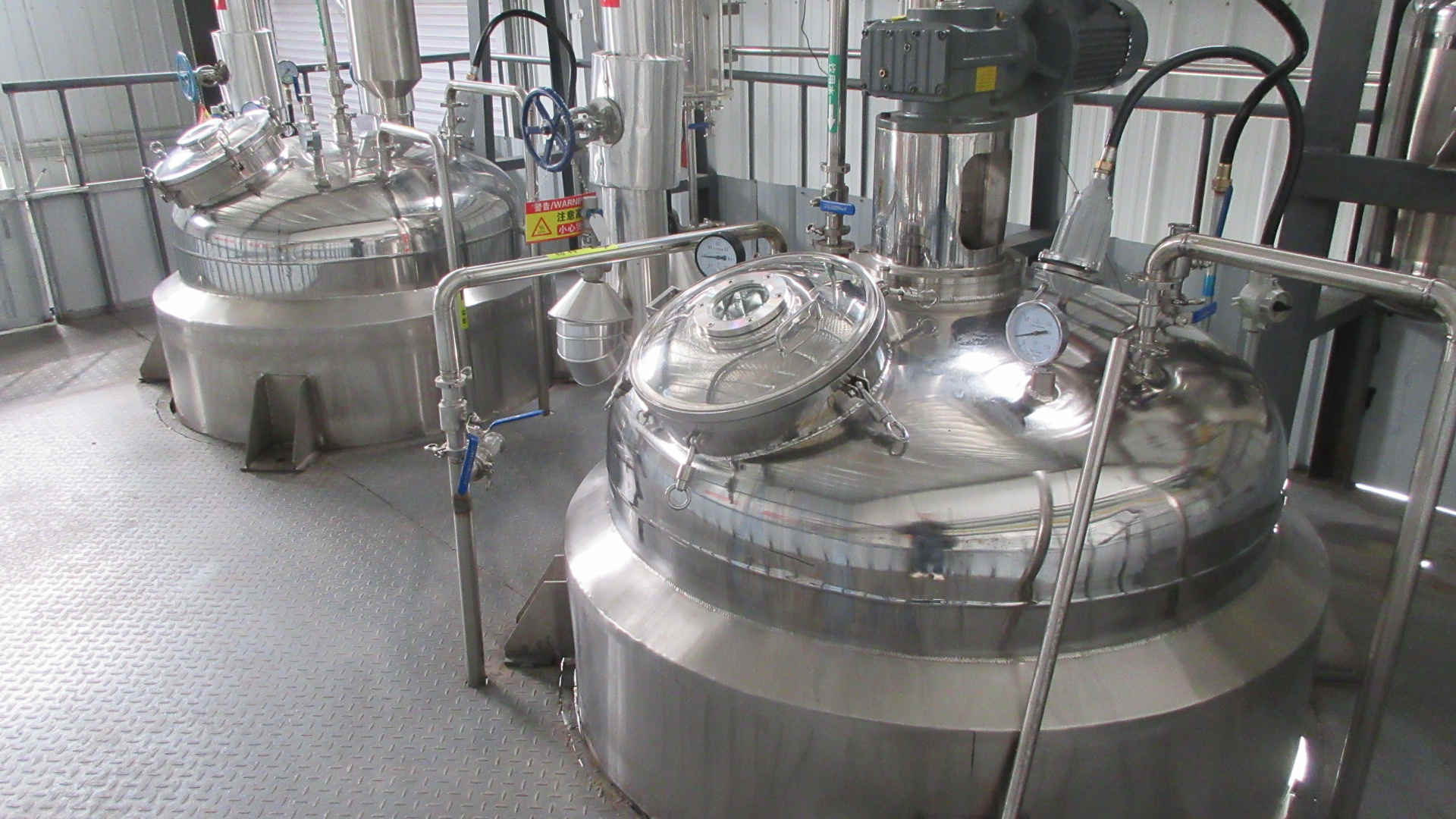 Multi-Stage Reactor Vessels
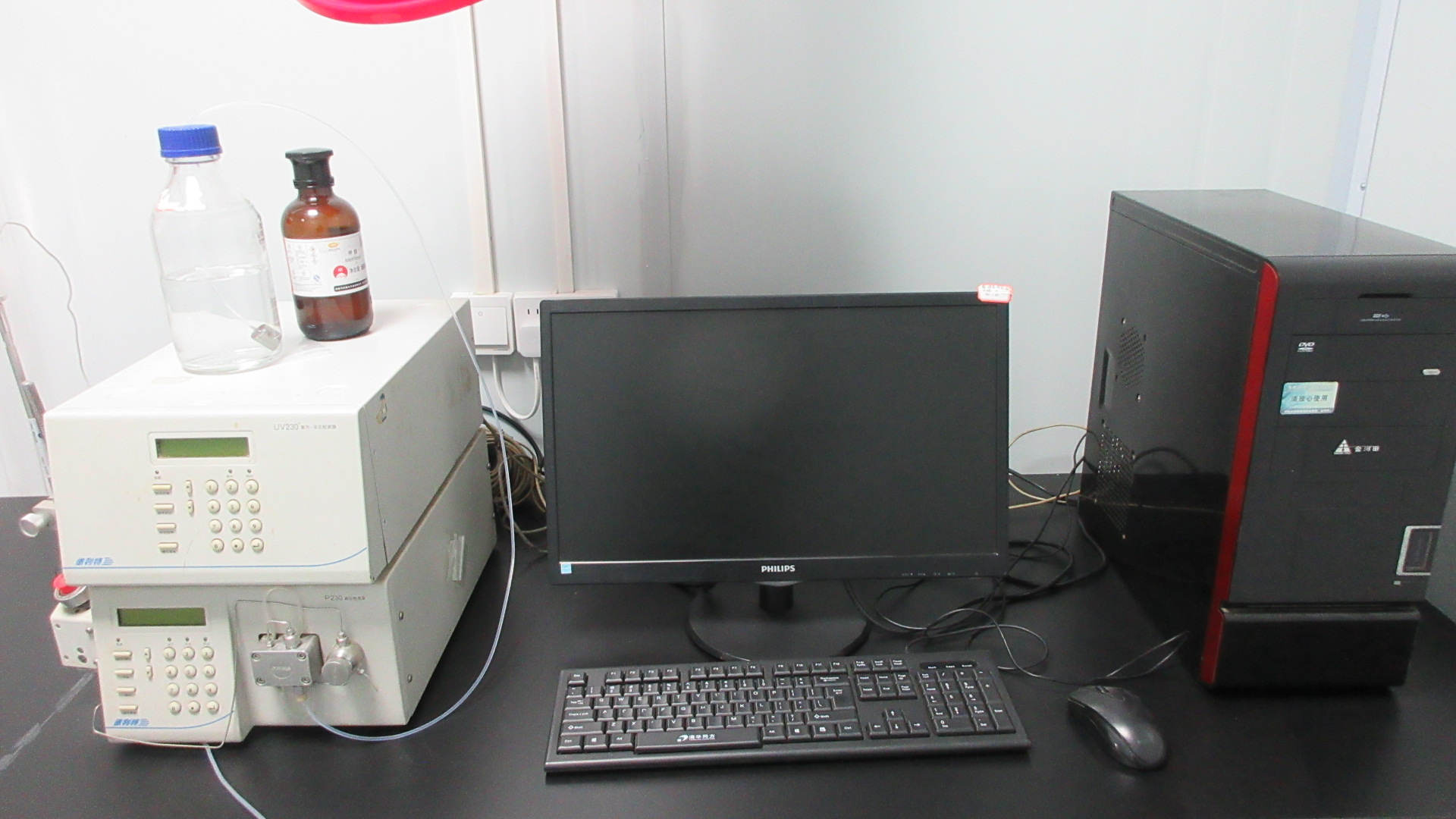 HPLC Analytical Release Suite
Factory premises, trade history & operations independently audited.
Total quality management and audited food safety protocols.
Rigorous monitoring of biological, chemical & physical hazards.
Full religious dietary compliance for diverse consumer demographics.
Every commercial production batch manufactured for export to Roseau conforms to verified international pharmacopoeial benchmarks. The following specifications represent our standardized export grade:
| Test Parameter | Standard Specification | Analytical Methodology | Typical Lot Finding |
|---|---|---|---|
| Chemical Assay | 98.5% – 101.5% (dry basis) | HPLC / Titration | 99.82% |
| Appearance | White crystalline powder | Visual inspection | Conforms |
| Specific Optical Rotation | +15.5° to +17.5° | Polarimetry | +16.4° |
| Mesh Particle Size | 100% pass 80 mesh (Micro available) | Analytical Sieve | 100% pass 80 mesh |
| Loss on Drying | ≤ 0.50% | Thermogravimetric Oven (105°C) | 0.18% |
| Residue on Ignition | ≤ 0.10% | Muffle Furnace (600°C) | 0.04% |
| Heavy Metals (as Pb) | ≤ 10 ppm total | ICP-MS | < 2 ppm |
| Lead (Pb) / Arsenic (As) | ≤ 0.5 ppm / ≤ 0.5 ppm | ICP-MS | < 0.05 ppm / < 0.02 ppm |
| Cadmium (Cd) / Mercury (Hg) | ≤ 0.1 ppm / ≤ 0.1 ppm | ICP-MS | Undetected (< 0.01 ppm) |
| Total Aerobic Plate Count | ≤ 1,000 CFU/g | USP <2021> | < 80 CFU/g |
| Yeast & Mold | ≤ 100 CFU/g | USP <2021> | < 20 CFU/g |
| Salmonella / E. coli | Negative in 25g / Negative in 10g | USP <2022> | Negative |
Procuring raw ingredients across the Pacific and Atlantic oceans requires an experienced export partner capable of navigating maritime routes into the Caribbean basin without bureaucratic bottlenecks. BKYULA Biotech coordinates shipments from primary manufacturing sites in Xi'an and regional ports in Shanghai or Qingdao straight to the port of Roseau, Commonwealth of Dominica.
1. Woodbridge Bay Port (Roseau) Maritime Routing: For bulk orders ranging from 200 kg to full multi-ton container loads (FCL), sea freight moves from Shanghai/Qingdao through key transshipment gateways such as Kingston (Jamaica), Port of Spain (Trinidad), or Caucedo (Dominican Republic) before final feeder berthing at Woodbridge Bay Deep Water Harbour in northern Roseau. Standard ocean transit averages 35 to 45 calendar days, protected inside heavy-duty moisture-proof sea cargo packaging.
2. Air Freight via Douglas-Charles Airport (DOM): For pilot trial batches, custom OEM prototype samples, or urgent production top-ups, express air cargo moves via transit hubs in Miami (MIA), Barbados (BGI), or Antigua (ANU) directly into Douglas-Charles Airport. Air transit times typically run between 5 and 8 business days door-to-door, supported by bonded international courier options (DHL, FedEx, UPS).
3. Customs Documentation & Dominican Ministry of Health Compliance: Commercial imports into Roseau require strict customs documentation compliant with the Dominica Customs & Excise Division and Ministry of Health protocols. BKYULA Biotech supplies a complete documentation set with every consignment:
Straightforward answers regarding minimum orders, shelf-life verification, humidity stability, sample shipping, and transaction settlement terms.
Request comprehensive chemical dossiers, batch-specific Certificates of Analysis, stability data sheets, and complimentary R&D evaluation samples directly from our senior engineering team.