Metabolic Health
 English
Manufactured under ISO 22000, HACCP, and cGMP protocols. Fully compatible with Zinc Glycinate compounding for immunity blends, metabolic systems, and active sports nutrition.

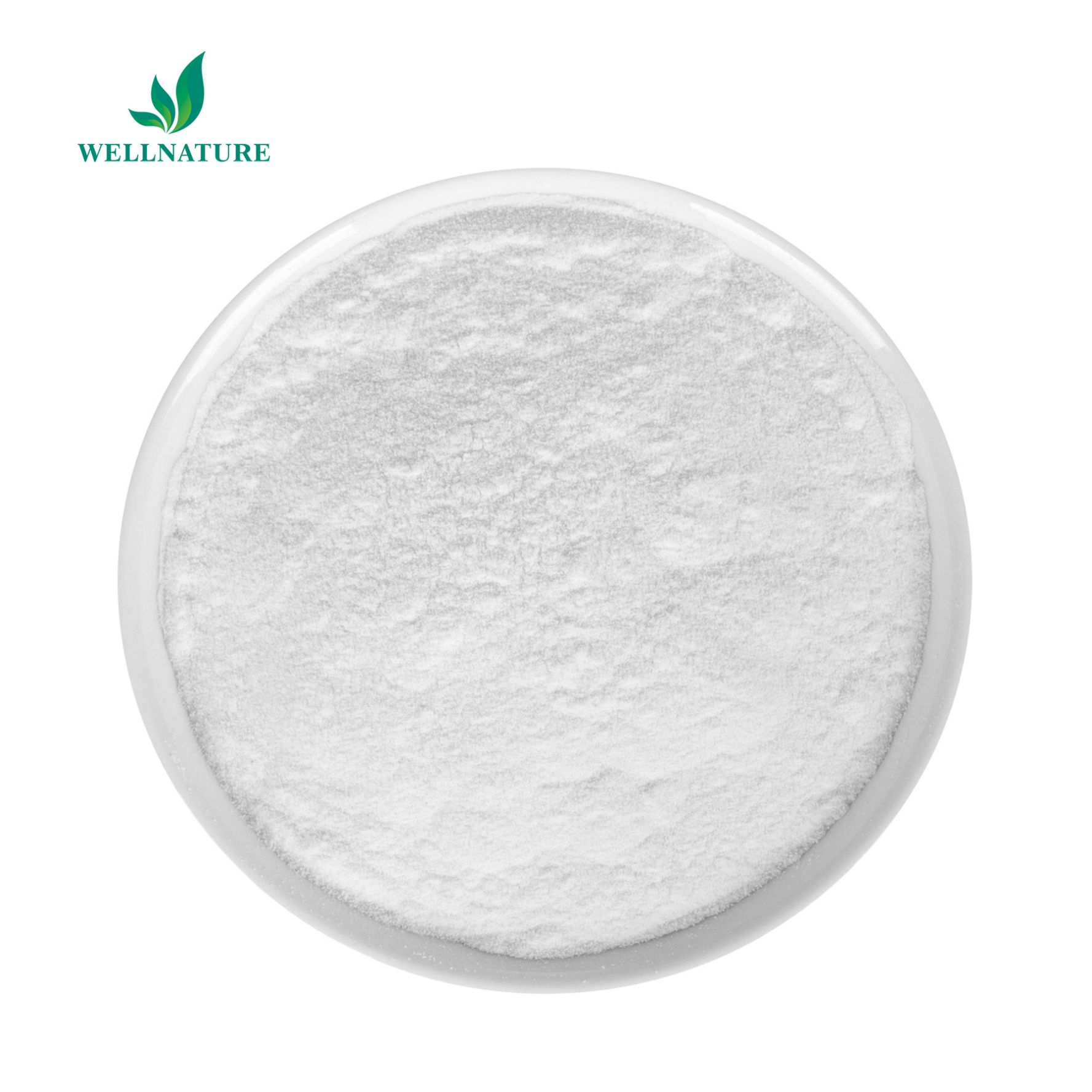
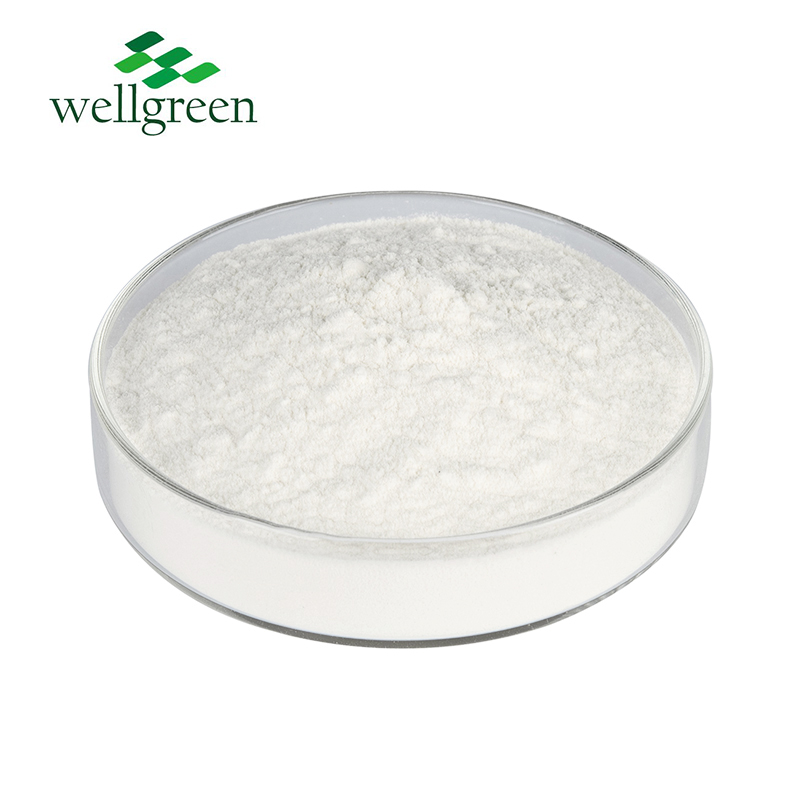
Zinc Glycinate (chemically designated as Zinc Bisglycinate Chelate, CAS No. 14281-83-5, molecular formula C4H8N2O4Zn with a molecular weight of 213.51 g/mol) represents the pinnacle of coordination chemistry applied to human and animal nutrition. Unlike traditional inorganic zinc salts such as zinc sulfate, zinc chloride, or primitive organic salts like zinc gluconate, zinc bisglycinate is a true heterocyclic chelate ring structure. In this organometallic coordination complex, a central divalent zinc cation (Zn2+) is coordinatively and covalently bonded to two glycine molecules via both the alpha-amino nitrogen and the carboxyl oxygen atoms, satisfying the coordination number of the metallic center.
Technical Distinction: The chelate bond formation establishes two five-membered stable heterocyclic rings that shield the ionic charge of the zinc ion. This prevents dietary phytic acid, polyphenols, phosphorus complexes, and dietary fiber from precipitating insoluble zinc complexes within the proximal duodenum, maintaining high thermodynamic stability across the gastric pH gradient (pH 1.2 to 7.4).
The primary barrier to high-dose inorganic zinc supplementation is competitive transport inhibition. Free divalent metal ions rely almost exclusively on the Divalent Metal Transporter 1 (DMT1 / Nramp2) located on apical enterocyte membranes. Under high dietary concentrations of iron, calcium, copper, or magnesium, DMT1 becomes rapidly saturated, leading to severe competitive inhibition, unabsorbed metal pools in the intestinal lumen, mucosal irritation, nausea, and gut microbiome dysbiosis.
In contrast, Zinc Bisglycinate manufactured by BKYULA Biotech remains intact through the pylorus into the jejunum. Due to its neutral electrical charge and structural mimicry of low-molecular-weight dipeptides, the chelated molecule bypasses the DMT1 channel entirely, absorbing via high-capacity peptide transporter pathways (predominantly PepT1 / SLC15A1). Once internalized inside mucosal enterocytes, intracellular cytosolic peptidase enzymes hydrolyze the peptide bonds, safely releasing bioavailable elemental zinc directly into systemic circulation for metallothionein binding and zinc finger protein synthesis. Clinical pharmacokinetics confirm a 43% to 230% higher systemic area-under-the-curve (AUC) bioavailability compared with zinc gluconate or zinc oxide, with near-complete mitigation of upper gastrointestinal distress.
| Physicochemical Parameter | Zinc Bisglycinate (BKYULA Chelate) | Zinc Gluconate | Zinc Picolinate | Zinc Sulfate Monohydrate |
|---|---|---|---|---|
| Elemental Zinc Concentration (%) | 20.0% – 28.0% (Customizable) | 12.5% – 14.5% | 20.0% – 22.0% | 35.5% – 36.5% |
| Transport Pathway Mechanism | PepT1 Dipeptide Active Transporters | Partial DMT1 / Non-specific passive | DMT1 / Pyridine carrier dependent | DMT1 Exclusive (Competitive) |
| Stability Constant (Log K1) | High (~9.5 - 10.2) Resists Phytic Acid | Moderate (~3.0 - 3.5) Labile | Moderate to High (~6.0) | Extremely Low (Ionizes instantly) |
| Gastric Tolerability Rating | Superior (Non-astringent, no nausea) | Moderate (Mild nausea at >25mg) | Acceptable (Occasional heartburn) | Poor (High emetic potential) |
| Sensory Profile in Aqueous Solution | Clean, low metallic astringency | Noticeable metallic aftertaste | Slightly bitter, off-notes | Harsh, severe metallic bitterness |
| Austin Market Formulation Suitability | Gummies, RTM sticks, Nootropics, RTD | Standard pressed tablets, capsules | Single-ingredient clinical capsules | Low-cost livestock feed premixes |
Austin is no longer just a digital technology hub; the "Silicon Hills" ecosystem has rapidly transformed into one of North America's premier incubators for longevity science, human performance optimization, and premium functional nutrition.
Austin brands operating in the ready-to-mix (RTM) and functional canning spaces require mineral salts that do not impart a lingering astringent zinc shock. BKYULA's micro-granulated Zinc Glycinate dissolves clear without flocculation, allowing clean label fortification in nootropic hydration beverages, keto-recovery waters, and sparkling adaptogenic elixirs developed in local incubators.
Driven by Austin’s elite athletic communities, high-performance tech executives, and biohacking clinics along South Congress and Downtown, formulations combining Zinc Bisglycinate with Liposomal Vitamin D3 and marigold-derived Lutein target cellular immune modulation, mitochondrial ATP generation, and deep restorative sleep cycles via neuro-modulatory GABA-A receptor activation.
Contract manufacturing facilities across Travis and Williamson counties are phasing out insoluble mineral powders that destabilize pectin gel matrixes. Our 80–120 mesh zinc glycinate powder incorporates smoothly during cook cycles without degrading gelling properties or burning volatile organic acids, achieving 100% assay integrity in climate-controlled shelf-life tests.
Integrative medical practitioners and compounding hubs in the Greater Austin area prefer zinc bisglycinate for patients requiring chronic mineral repletion. Because it prevents competitive inhibition against copper and iron absorption, local formulators rely on our verified 1:1 and 1:2 true chelates to develop non-conflicting multi-element therapeutics.
Beyond human consumption, the equine and specialty companion animal sectors throughout the Texas Hill Country require bioavailable trace minerals. Chelated zinc supports hoof keratin synthesis, dermatological coat resilience, and reproductive vitality without producing hazardous zinc oxide mineral runoff in ranch soil systems.
BKYULA Biotech Co., Ltd. operates state-of-the-art chemical synthesis, concentration, crystallization, and precision milling workshops in Xi'an, Shaanxi, China. With over 15 years of industry excellence and an annual global export throughput surpassing US$4.28 million, we provide Austin buyers with direct factory accountability, eliminating intermediary markups, adulteration risks, and supply volatility.
Our factory grounds, synthesis lines, environmental safety controls, and cleanrooms have undergone comprehensive onsite physical inspection and verification by SGS Group auditors, ensuring seamless FDA Foreign Supplier Verification Program (FSVP) acceptance.
Every commercial batch is tested on Agilent Dual HPLC systems and ICP-MS instrumentation to confirm exact elemental zinc yield, verify 100% chelation bonding via FTIR spectroscopy, and guarantee heavy metal levels comply with California Proposition 65 and Texas DSHS limits.
Certified under ISO 9001:2015 Quality Management, ISO 22000 Food Safety, and HACCP. Fully supported by HALAL, KOSHER, and FAMI-QS certifications for human dietary supplements, clean nutrition, and veterinary premix applications.
We empower Austin’s startup accelerators with commercial pilot quantities starting from 1 kg, scaling seamlessly to 20 metric ton full container loads (FCL) for high-volume contract packaging facilities across North America.
Tailored physical properties including customized bulk density (0.45 g/ml to 0.85 g/ml), fluidized-bed agglomeration for direct compressible (DC) grades, micro-fine powder for suspension formulations, and customized private-label packaging.
Flexible Incoterms (FOB, CIF, CIP, DDP) connecting direct maritime lanes through Port of Houston (Bayport/Barbours Cut) and air freight routes via Austin-Bergstrom International Airport (AUS) or Dallas/Fort Worth (DFW).
Manufactured under stringent pharmaceutical-grade quality surveillance. Every drum shipped to Austin is accompanied by an original batch Certificate of Analysis, FTIR fingerprint graph, and microbiological safety clearance.
| Analytical Test Parameter | Specification Target (USP/FCC Standard) | Typical Laboratory Batch Result | Analytical Test Methodology |
|---|---|---|---|
| Appearance & Color | White to light-cream fine powder | Conforms (Pure white free-flowing) | Visual / Organoleptic Inspection |
| Assay (Elemental Zn Content) | 20.0% – 28.0% (as requested) | 20.85% (Standard) / 27.8% (High-density) | EDTA Complexometric Titration / ICP-OES |
| Identity Confirmation (FTIR) | Conforms to Reference Standard Spectrum | Conforms (Chela-ring bond verified) | Fourier Transform Infrared (FTIR) |
| Free Glycine Content | ≤ 2.0% | 0.48% | HPLC / Ion Exchange Chromatography |
| Loss on Drying (Moisture) | ≤ 7.0% | 4.12% | USP <731> (105°C, 4 hours) |
| pH (1% Aqueous Solution) | 6.0 – 7.5 | 6.65 | Potentiometric pH Meter |
| Particle Size (Sieve Test) | 100% through 60 mesh; ≥95% through 80 mesh | 99.2% through 80 mesh (100-mesh available) | Analytical Sieve Vibration |
| Lead (Pb) | ≤ 1.0 ppm (Prop 65 compliant) | < 0.10 ppm | ICP-MS (Inductively Coupled Plasma) |
| Arsenic (As) | ≤ 1.0 ppm | < 0.08 ppm | ICP-MS |
| Cadmium (Cd) | ≤ 0.5 ppm | < 0.02 ppm | ICP-MS |
| Mercury (Hg) | ≤ 0.1 ppm | < 0.01 ppm | ICP-MS |
| Total Aerobic Microbial Count | ≤ 1,000 CFU/g | < 100 CFU/g | USP <2021> Microbial Enumeration |
| Yeast and Mold Count | ≤ 100 CFU/g | < 20 CFU/g | USP <2021> |
| Escherichia coli & Salmonella | Negative / 10g | Absent | USP <2022> Specified Microorganisms |
Direct technical and logistical insights regarding international customs, compliance testing, lead times, and formulation characteristics.
Partner directly with China’s premier mineral chelation manufacturer. Fast turnaround on regulatory packets, custom elemental ratios, and commercial sample dispatch to your Central Texas laboratory or pilot plant.