English English
Standardized botanical active powders, stabilizing agents, and functional carriers tested batch-by-batch via HPLC/UV and fully certified for EU imports.
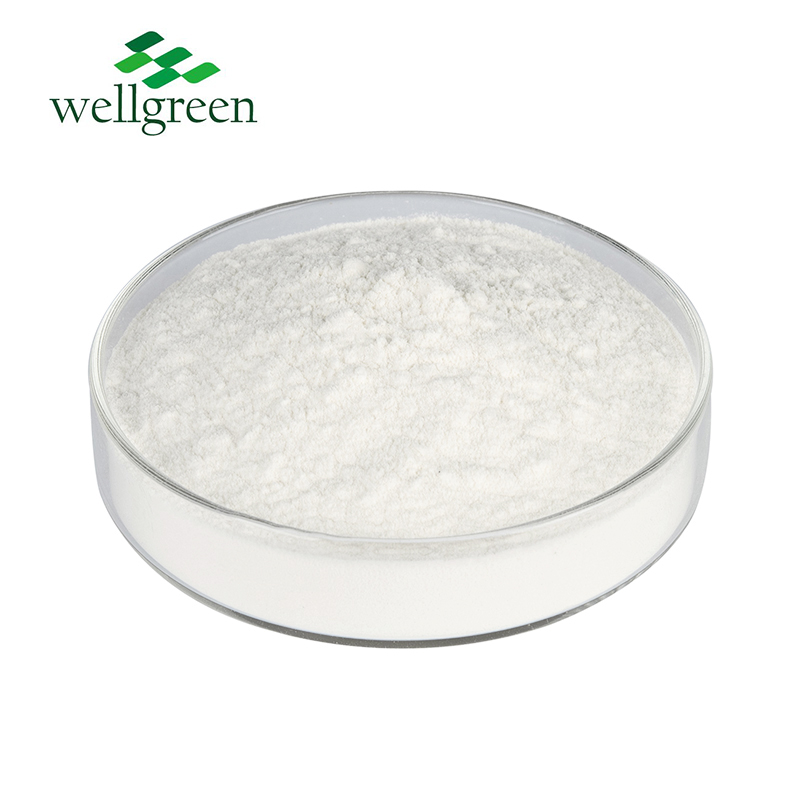
Ascorbic Acid (C₆H₈O₆, CAS No. 50-81-7), universally identified under European additive nomenclature as E300, functions as an indispensable reducing agent, oxygen scavenger, nutritional fortifier, and active pharmaceutical ingredient (API). While generic crystalline vitamin C is broadly traded on global commodities exchanges, contract formulators across the Lisbon Metropolitan Area—spanning Oeiras, Sintra, Loures, and the industrial corridor of the Setúbal Peninsula—face stringent processing constraints that generic raw materials cannot satisfy.
As an SGS-verified custom synthesis and precision-granulation processing factory, BKYULA Biotech engineers tailored Ascorbic Acid powder specifications matched to distinct mechanical, physical, and chemical requirements. Lisbon’s manufacturing landscape is characterized by diverse micro-verticals: from high-speed rotary tableting machines requiring specific compressibility profiles to marine seafood preservation facilities requiring rapid dissolution rates in cold brine.
| Physical / Chemical Grade | Granulometry / Mesh Size | Bulk Density (g/mL) | Pharmacopoeia Compliance | Primary Industrial Application |
|---|---|---|---|---|
| Ultra-Fine Micronized Powder | 100% through 100–120 Mesh (<125 μm) | 0.50 – 0.65 | Ph. Eur. 10.0 / USP 43 / FCC IV | Clean-label cosmetics, topical serums, instant micro-suspensions |
| Standard Crystalline Grade | 40 – 80 Mesh (180 – 425 μm) | 0.70 – 0.85 | Ph. Eur. 10.0 / BP / USP | Oenological antioxidant additions, canned vegetable/fruit stabilization |
| Direct Compressible (DC-97) | 20 – 60 Mesh (Granulated w/ HPMC/PVP) | 0.62 – 0.72 | USP / EP Excipient Grade | Effervescent tablets, chewable Vitamin C, high-speed rotary presses |
| Micro-Encapsulated / Coated (EC/Fat) | 40 – 60 Mesh (Controlled Release) | 0.68 – 0.78 | Food Additive E300 / Feed Additive | Bakery premixes (flour treatment agent), animal feed premixes (FAMI-QS) |
| Buffered Mineral Ascorbates | 60 – 80 Mesh (Sodium / Calcium Ascorbate) | 0.75 – 0.90 | FCC / USP / EP | Non-acidic dietary supplements, meat curing, processed charcuterie |
Procurement requirements for Ascorbic Acid in Portugal differ considerably from those in central European continental manufacturing hubs. The regional marine climate, specific domestic industries, and adherence to European regulatory oversight (such as the Directorate-General for Food and Veterinary - DGAV, and the Institute of Vine and Wine - IVV) dictate targeted product attributes:
In the nearby viticultural terroirs supplying Lisbon bottling plants (Alenquer, Bucelas, Colares, and Alentejo bulk handling), Ascorbic Acid is applied during pre-bottling and racking to inhibit oxidation of delicate monoterpenes and polyphenols in light white wines. Working synergistically with sulfur dioxide (SO₂), our low-iron, high-solubility crystalline grade prevents browning without creating pinking defects or leaving insoluble sediments.
Surrounding the Port of Lisbon and coastal hubs like Peniche and Setúbal, Portuguese sardine, mackerel, and tuna canning operations employ sodium ascorbate and ascorbic acid dips. Our food-grade E300 prevents lipid per-oxidation, protects myoglobin pigment degradation against thermal canning stress, and ensures clean-label color retention without synthetic chelating agents.
The Greater Lisbon biopharmaceutical hub requires direct compressible DC-97 Ascorbic Acid. Standard powder suffers from notoriously poor plasticity and high elastic recovery, leading to capping during rotary tablet compression. Our co-processed DC grade with 3% pharmaceutical binder enables high-speed compaction with superior hardness, minimal friability, and outstanding disintegration.
Portuguese industrial bakeries supplying regional retail chains utilize coated ascorbic acid as a dough conditioner. Unlike standard vitamin C which triggers premature gluten oxidation during kneading, our ethylcellulose-encapsulated grade activates strictly during proofing and baking, optimizing loaf volume, gas retention, and crumb elasticity.
Cosmetic contract manufacturers in Loures and Lisbon demand ultra-micronized 100-mesh pure L-ascorbic acid. Formulated in anhydrous silicons or water-free propanediol solutions to prevent hydrolytic degradation, our crystal-pure powder provides rapid dermal bio-absorption and verified heavy-metal profiles (As < 1 ppm, Pb < 0.5 ppm).
With the surge in botanical adaptogen blends, wellness sodas, and artisanal fruit pressings in Lisbon’s food-tech incubators, our ultra-soluble 80-mesh powder serves as both a shelf-life protector and an authorized vitamin fortification source under EFSA nutrient claim guidelines.
Importing chemical and nutritional raw materials into the European Union through customs at Porto de Lisboa (Port of Lisbon) requires meticulous adherence to Community regulations. As an experienced exporter to Portugal and Southern Europe, BKYULA Biotech provides full document packets guaranteeing zero-hold customs clearance:
Portuguese buyers are acutely subject to audits from the Food and Economic Safety Authority (ASAE). Each batch dispatched from our factory includes:
BKYULA Biotech operates advanced bioprocessing, fermentation extraction, and precision-milling lines in Xi'an, Shaanxi, China, backed by over 14 years of certified operational history. Our facility has been physically inspected and verified on-site by SGS Group, giving our European supply chain partners verifiable transparency and institutional confidence.
Our production protocols are accredited under ISO 9001:2015, ISO 22000, and HACCP standards. For agricultural and feed premix applications, our lines operate under strict FAMI-QS guidelines, alongside HALAL and KOSHER religious compliances.
We provide full contract formulation capabilities: customized mesh distribution, dry wet granulation for effervescent blends, tablet compaction, powder sachet filling, and white-label branding tailored for Portuguese distribution networks.
Equipped with dual Shimadzu High-Performance Liquid Chromatography (HPLC) towers, UV-Vis Spectrophotometers, loss-on-drying vacuum ovens, and an ISO Class 7 clean microbiological incubator bench, no lot is shipped without pre-tested stability data.