 English English
Precision-milled, analytical-grade compounds and botanical concentrates produced under rigorous cGMP protocols for dietary supplements, functional clinical blends, and veterinary health.
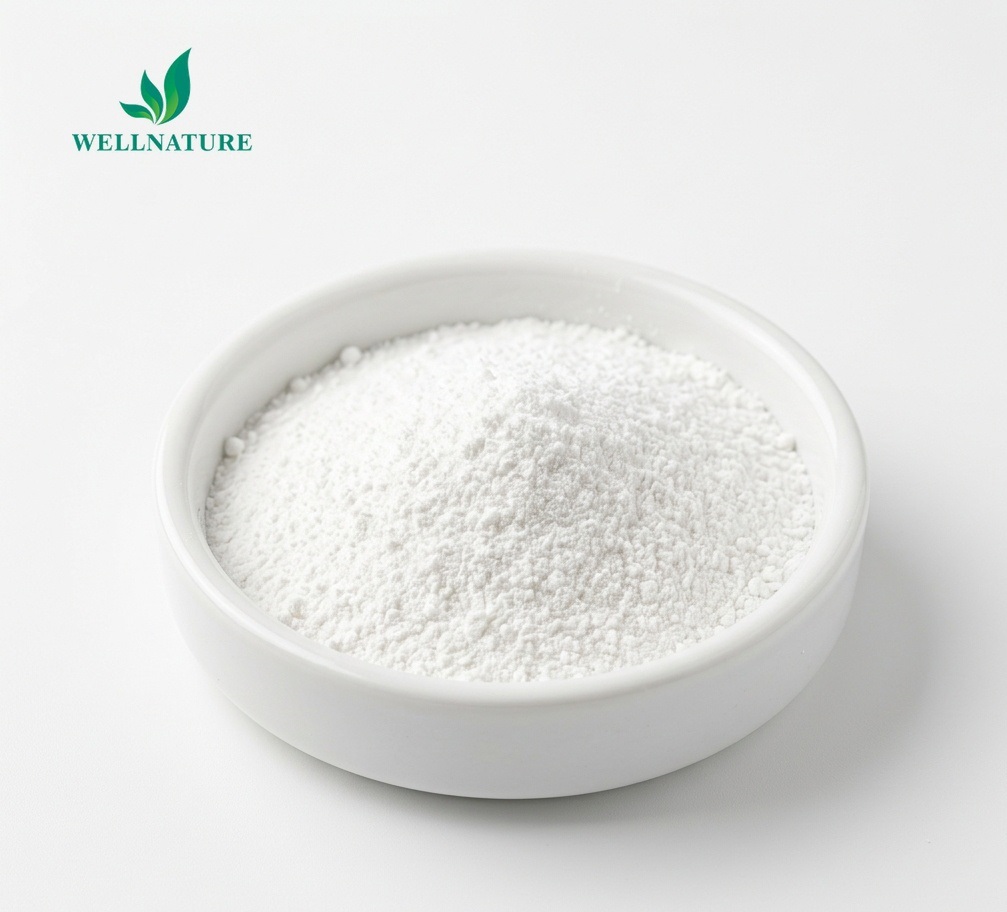
Methylcobalamin (α-(5,6-dimethylbenzimidazolyl)-Co-methylcobamide, CAS Registry Number 13422-55-4, Molecular Formula: C63H91CoN13O14P) serves as the primary bioactive, neurologically functional cofactor within human biological methylation cascades. Distinct from synthetic cyanocobalamin, which incorporates an exogenous cyanide moiety requiring enzymatic decyanation and subsequent hepatic methyltransferase activation, pure crystalline methylcobalamin directly participates in the fundamental transmethylation reaction catalyzed by 5-methyltetrahydrofolate-homocysteine methyltransferase (methionine synthase). In this pathway, it mediates the critical re-methylation of homocysteine into L-methionine, supporting downstream S-adenosylmethionine (SAMe) biosynthesis—an essential biochemical precursor for axonal myelin sheath regeneration, neurotransmitter equilibrium, and cellular DNA repair.
For pharmaceutical compounding facilities, biopharmaceutical R&D centers, and high-tier dietary supplement contract manufacturing organizations (CMOs) operating within San Antonio and the broader I-35 innovation corridor, maintaining structural integrity against photodegradation and oxidative decay is a primary industrial hurdle. Methylcobalamin possesses a direct, coordinate carbon-cobalt (C-Co) bond that exhibits notable photolytic lability upon extended exposure to ultraviolet (UV) irradiation (λ 200–400 nm) and high thermal gradients (>40°C). Photolysis cleaves the upper axial methyl ligand, generating aquacobalamin or hydroxycobalamin as oxidative byproducts, which dramatically decreases biological assay viability and fails USP/EP chromatographic criteria.
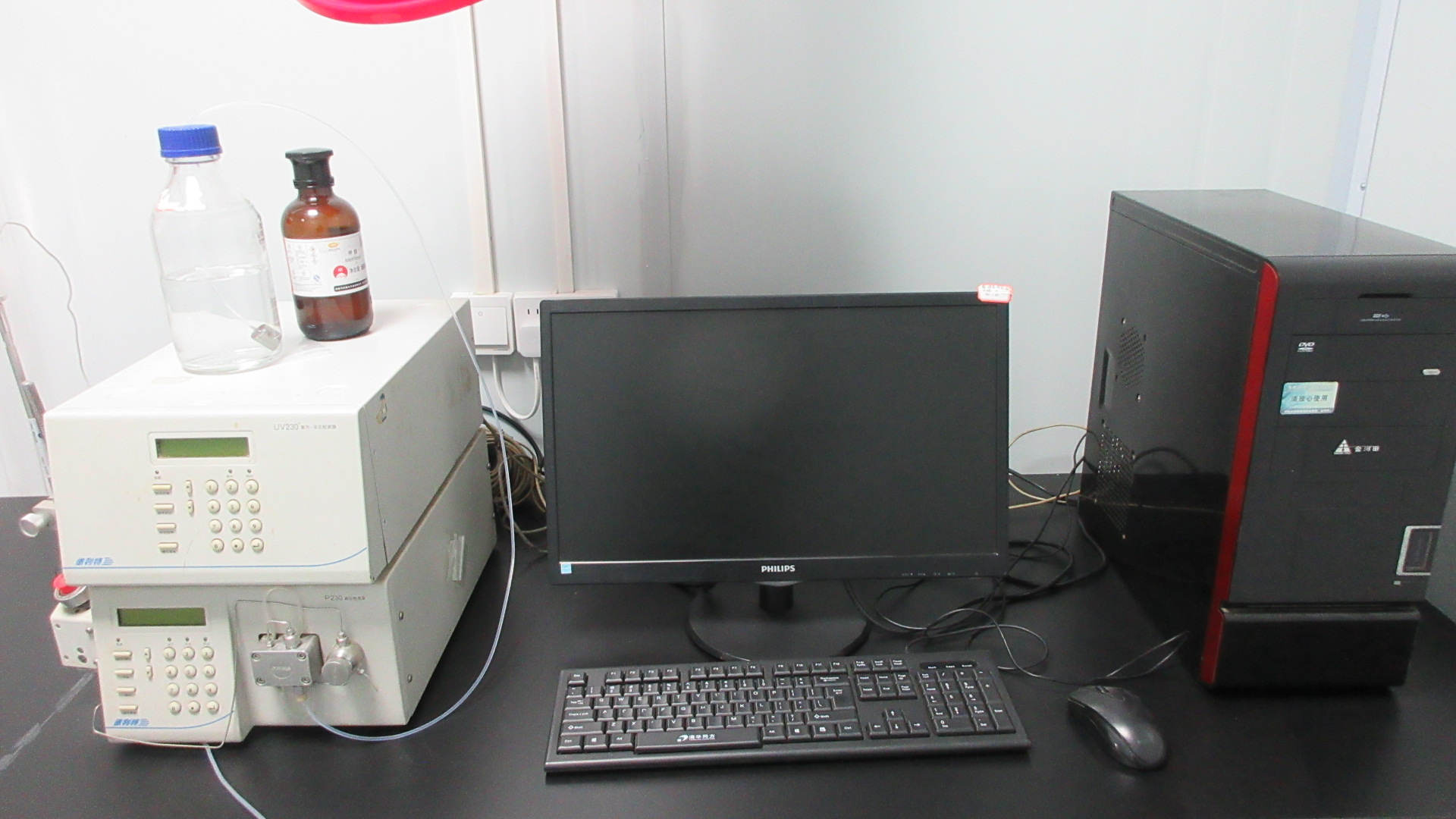
To eliminate batch-to-batch variation and verify conformity to USP, FCC, and Ph. Eur. monographs, BKYULA Biotech employs a validated Reverse Phase High-Performance Liquid Chromatography (RP-HPLC) method combined with photodiode array detection (PDA) at a wavelength of λ = 266 nm or 351 nm. Analytical testing parameters are calibrated rigorously:
Direct RP-HPLC assay ≥99.0% on an anhydrous basis using octadecylsilane (C18, 4.6 × 250 mm, 5 μm) stationary phases with acetonitrile/monopotassium phosphate mobile gradient buffers at pH 3.5.
Rigid screening against individual related compounds (hydroxocobalamin ≤0.5%, cyanocobalamin ≤0.1%, other co-existing corrinoids ≤1.0%). Total related degradation impurities strictly capped at ≤2.0%.
Inductively Coupled Plasma Mass Spectrometry (ICP-MS) clearance for Pb ≤0.5 ppm, As ≤0.5 ppm, Cd ≤0.2 ppm, Hg ≤0.1 ppm. Residual volatile organic solvents strictly comply with USP <467> Class 2/3 limits.
Beyond active pharmaceutical ingredient (API) assay purity, physicochemical behavior during automated manufacturing determines plant efficiency. BKYULA Biotech supplies high-bulk-density crystalline variants (≥0.50 g/mL) and specialized DC-grade (Directly Compressible) powders with calibrated moisture sorption isotherms (≤11.5% loss on drying). This prevents crystalline hygroscopic clumping during blending, eliminates punch sticking during high-speed rotary tableting, and avoids premature micro-encapsulation degradation in softgel production.
San Antonio represents a strategic epicentre for biomedical advancement, healthcare networks, and advanced bioprocessing inside the state of Texas. Driven by anchor facilities such as the Texas Biomedical Research Institute, the South Texas Medical Center, and major Department of Defense medical hubs including the Brooke Army Medical Center (BAMC) and the Joint Base San Antonio (JBSA) health infrastructure, local product developers require specialized technical documentation and exceptional consistency.
Engineered micronized methylcobalamin (≥95% passing 100 mesh) that promotes rapid transmucosal dissolution, bypassing compromised intrinsic factor mechanisms in bariatric and geriatric patients.
Ultra-low endotoxin bulk powders (<10 EU/mg) subjected to membrane filtration compatibility tests, engineered for injectable cyanocobalamin-alternative therapies treating peripheral neuropathies.
Synergistic pairing with Liposomal NMN, Niacin, and Ashwagandha to formulate mitochondrial recovery matrices for Department of Defense active-duty personnel across Joint Base San Antonio.
FAMI-QS validated grades for South Texas equine performance feed mills, stabilizing cellular methylation and high red blood cell turnover under demanding climate stress.
BKYULA Biotech works closely with regional QA officers across the San Antonio metropolitan area (including Bexar, Comal, and Guadalupe counties) to ensure all supplied raw material lots align seamlessly with FDA 21 CFR Part 111 (Dietary Supplement cGMP) and 21 CFR Part 211 (Finished Pharmaceuticals), supplying complete traceability packages with every delivery.
The biomedical industry within Central Texas is undergoing rapid capital reinvestment. As pharmaceutical and nutraceutical innovators migrate into the San Antonio–Austin metropolitan beltway, supply chain resilience has become a paramount strategic priority. Three dominant macro-trends define current procurement dynamics:
1. Decoupling from Unverified Brokers to Direct Manufacturer Oversight: Historically, compounding pharmacies and private label manufacturers in Bexar County sourced through secondary brokers based on the East or West Coasts, incurring substantial markups, fractured chain-of-custody documentation, and irregular lead times. Modern procurement officers are actively eliminating intermediaries, opting to partner directly with primary extraction and synthesis facilities like BKYULA Biotech. This gives buyers direct access to primary batch production records, full traceability from raw feedstocks, and immediate technical audit capabilities.
2. Escalating Demand for Non-Synthetic & Direct Bioactive Pathways: Consumer and clinical trends in Texas demonstrate an unprecedented pivot away from classic cyanocobalamin supplements. Formulators face intensifying consumer demand for pure, methyl-donor molecules (Methylcobalamin, 5-MTHF, Methylsulfonylmethane) that do not place secondary toxic metabolic demands on the liver. This trend is amplified by an increasing awareness of common human genetic variants (such as the MTHFR C677T polymorphism), leading physicians and nutritionists throughout the Texas Medical Center ecosystem to specify active methylation-ready cofactors exclusively.
3. Deep Analytical Transparency (Information Gain Validation): The implementation of stringent third-party testing programs (such as USP Verified, NSF International, and ConsumerLab) has created a Zero-Tolerance policy for unverified Certificate of Analysis (COA) documents. San Antonio processors now demand multi-wavelength HPLC chromatograms, heavy metals analysis at parts-per-billion (ppb) resolution via ICP-MS, and verified microbiological profiles including negative screens for Salmonella spp., Escherichia coli, and Staphylococcus aureus.
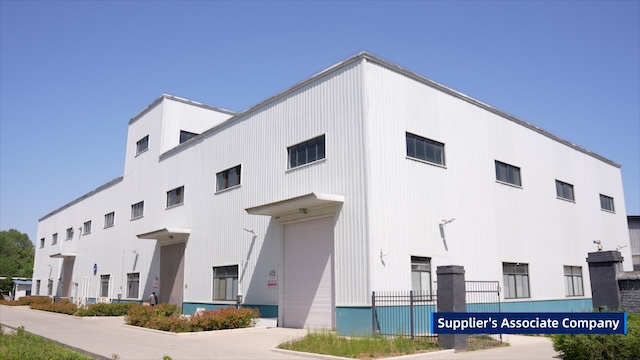
BKYULA Biotech Co., Ltd. operates state-of-the-art botanical extraction, low-temperature vacuum drying, and micro-crystallization infrastructure based in Xi'an, Shaanxi, backed by nearly 14 years of intensive R&D. We deliver end-to-end transparency that passes strict US audit parameters.
Every commercial batch delivered to the Port of Houston, Dallas-Fort Worth logistics hubs, or shipped door-to-door (DDP) directly to San Antonio production docks arrives with full technical dossiers: detailed Certificates of Analysis, allergen declarations, BSE/TSE statements, Non-GMO affidavits, and comprehensive Safety Data Sheets (SDS).

Purchasing agents, technical formulators, and compliance officers frequently raise targeted questions when establishing long-term master service agreements. Below are straightforward, verified technical answers: