English

1. Thaumatin Molecular Biochemistry & High-Intensity Sweetness Profile
Thaumatin represents a class of intensely sweet, basic, single-chain proteins isolated from the arils of Thaumatococcus daniellii, an indigenous West African shrub. Predominantly constituted of two nearly identical polypeptide isoforms—Thaumatin I and Thaumatin II—the mature macromolecule encompasses exactly 207 amino acid residues stabilized by eight intramolecular disulfide bridges. These cross-linking cysteinyl linkages impart an extraordinary structural resilience, allowing the protein to withstand low pH regimes (down to pH 2.5) and transient pasteurization temperatures exceeding 100°C without conformational denaturation or loss of sweetening capacity.
In threshold sensory evaluations, crystalline Thaumatin delivers an approximate sweetness index ranging between 2,000 to 3,000 times that of pure sucrose on an equimolar basis. Unlike low-molecular-weight glycosides such as stevioside or rebaudioside A, Thaumatin operates via a sustained interaction with human T1R2/T1R3 sweet taste receptors. The molecular docking generates a delayed onset followed by an enduring, liquorice-like, umami-accentuated lingering sweetness profile. Critically, because Thaumatin is a biological protein metabolized entirely through ordinary gastrointestinal enzymatic pathways into intrinsic amino acids, it contributes negligible metabolic calories (effectively zero glycemic impact), making it fundamentally compliant with diabetic and ketogenic clinical formulations.
Formulation Chemistry Insight: When dosed at sub-threshold sensory levels (between 0.5 to 2.5 ppm), Thaumatin does not register as a primary sweetener; rather, it behaves as an exceptional taste modifier. It actively suppresses bitter polyphenols, masks off-notes from mineral salts, and rounds off the harsh metallic astringency typical of zinc, iron, or pea proteins.
2. Neiafu and Vava'u Archipelago Localization Scenarios
As the administrative and economic hub of the Vava'u island group in Tonga, Neiafu occupies a pivotal position within maritime logistics, eco-tourism, and agricultural processing. Transitioning toward high-value functional ingredient manufacturing in this locale addresses unique geographical challenges: high maritime freight tariffs, vulnerability to extreme ocean humidity, and evolving health mandates across the Kingdom of Tonga aimed at mitigating non-communicable diseases (NCDs) like type-2 diabetes and obesity.
Within this localized Pacific ecosystem, Thaumatin acts as a catalytic ingredient across several core industrial applications:
Tongan Vanilla & Botanical Synergies
Vava'u is universally recognized for producing ultra-premium Planifolia bourbon vanilla. Thaumatin at 1.2 ppm creates an aromatic bridge that eliminates the harsh ethanol alcohol bite in premium extracts while amplifying the natural sweetness perception of vanillin by up to 28% without adding processed sucrose.
Local Kava Extraction & RTD Debittering
The traditional consumption of Kava (Piper methysticum) across Neiafu encounters commercial bottlenecks in international RTD beverage formats due to the lingering peppery astringency of kavalactones. Micro-dosed Thaumatin dynamically binds to the bitter receptors, neutralizing harsh off-notes while preserving botanical efficacy.
Island Beverage & Tourism Wellness
Neiafu's premier maritime and cruise tourism sector demands premium, low-sugar, shelf-stable refreshment. Functional coconut waters, noni tonics, and tropical fruit seltzers benefit immensely from Thaumatin's acid stability, providing complete sugar reduction while maintaining authentic full mouthfeel.
3. Comprehensive Analytical Specifications: Thaumatin Natural Grade
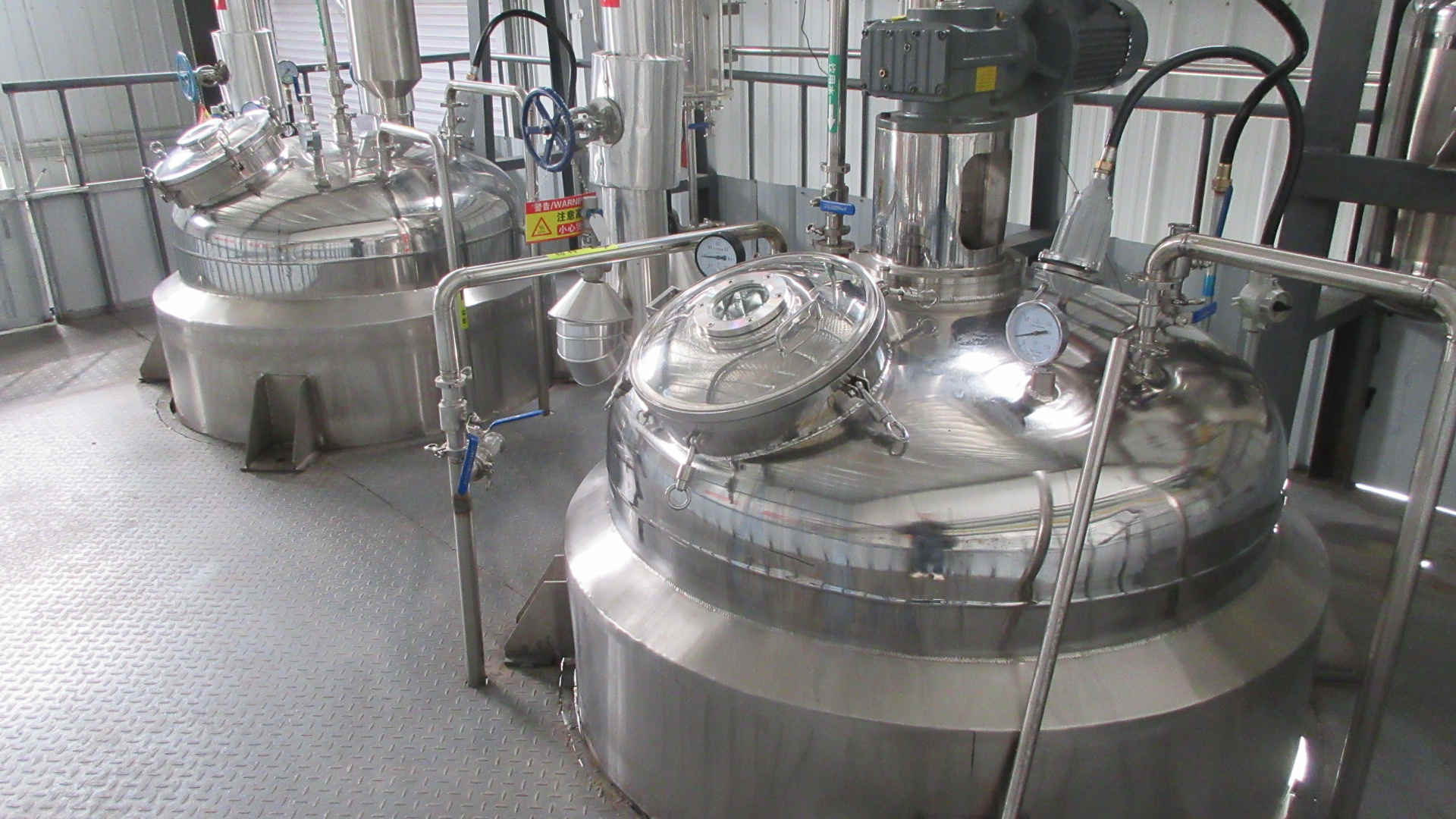
Every commercial batch delivered to oceanic markets adheres to stringent pharmacopeial and food additive criteria (JECFA, EFSA E957, FCC). Our multi-stage aqueous extraction and ultrafiltration process preserves pure protein conformation.
| Parameters | Standard Specification | Test Methodology | Typical Batch Value |
|---|---|---|---|
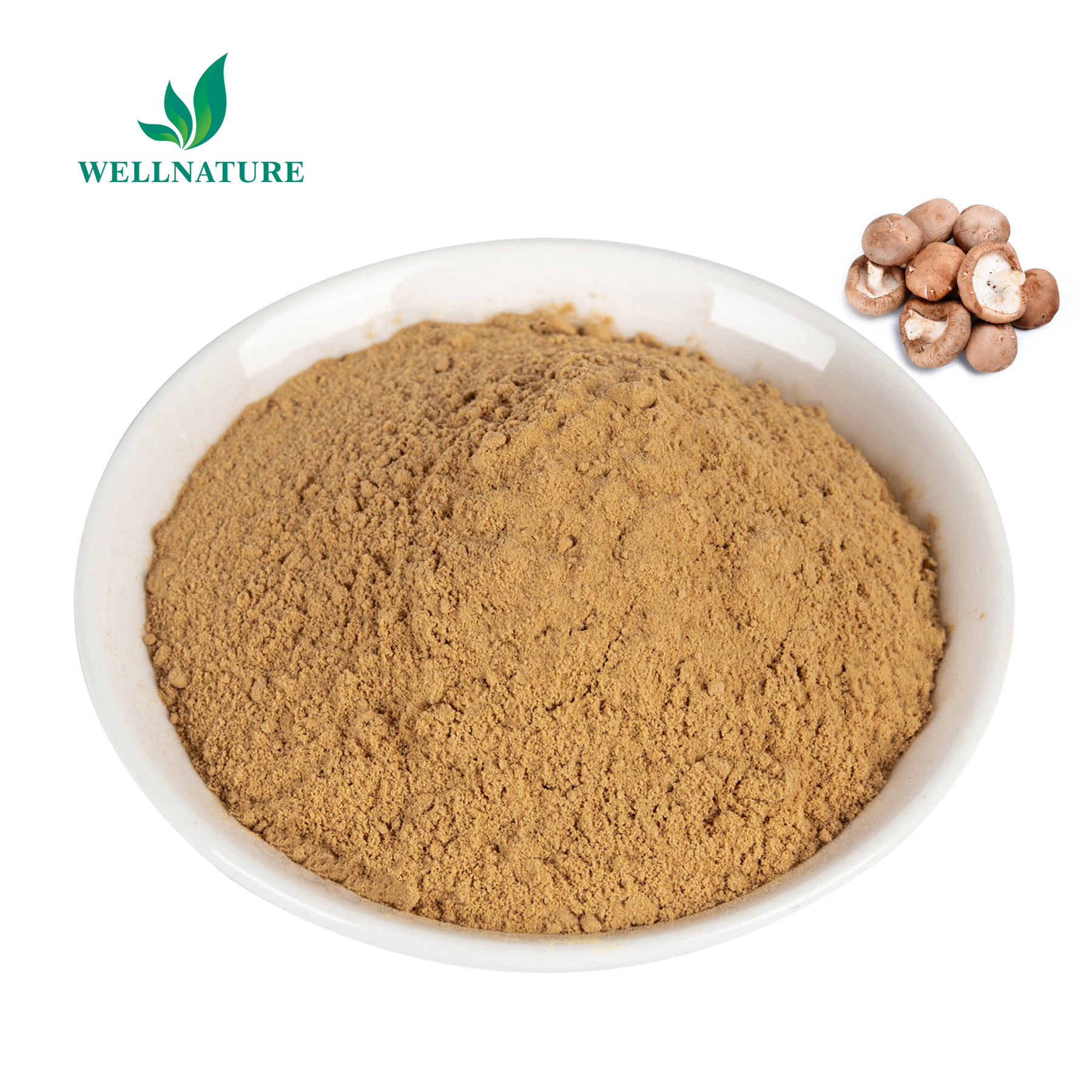
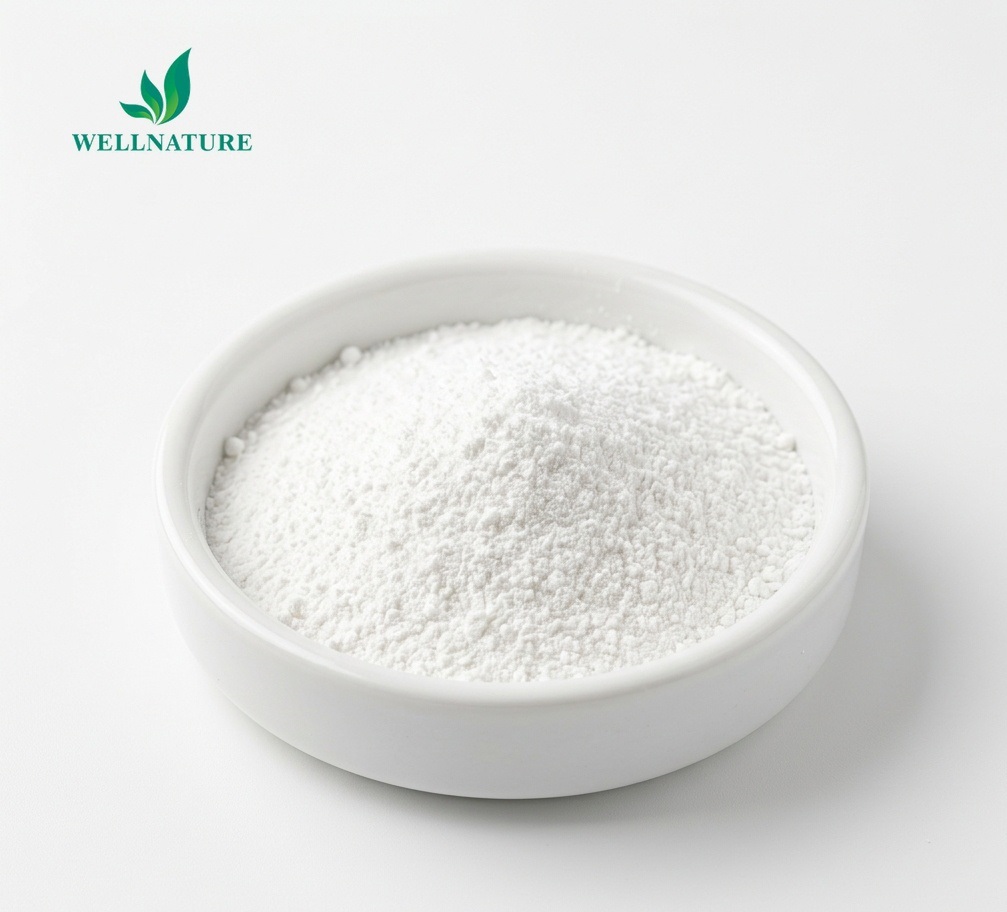
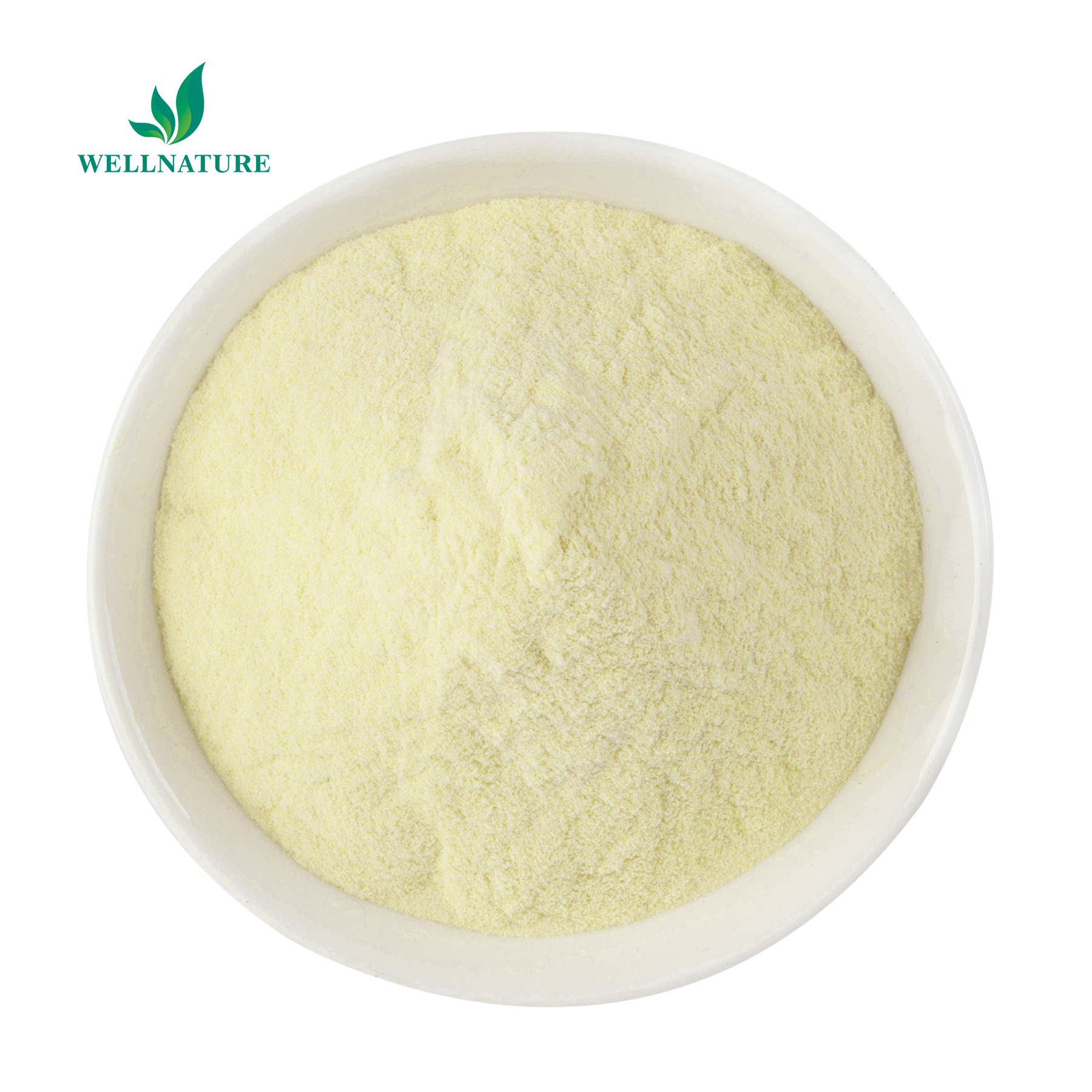
| Appearance & Odor | Off-white to pale cream odorless powder | Visual / Organoleptic | Conforms |
| Total Protein Assay (dry basis) | ≥ 98.0% (Kjeldahl N × 6.25) | AOAC / Micro-Kjeldahl | 99.2% |
| Thaumatin I + II Proportion | ≥ 95.0% chromatographically pure | RP-HPLC Chromatogram | 96.8% |
| pH (1% aqueous solution) | 2.7 – 6.0 | Potentiometric Electrode | 3.8 |
| Loss on Drying (Moisture) | ≤ 6.0% | Halogen Moisture Analyzer 105°C | 4.1% |
| Sulfated Ash | ≤ 2.0% | USP 800°C Muffle Furnace | 0.8% |
| Heavy Metals (Pb, As, Cd, Hg) | Total ≤ 10.0 ppm (Pb ≤ 1.0 ppm) | ICP-MS / Hydride Generation | Passes (< 2.0 ppm) |
| Total Aerobic Microbial Count | ≤ 1,000 CFU/g | USP <61> Microbial Enumeration | < 100 CFU/g |
4. Macro Trends: Clean Labeling, Sugar Taxes, and Pacific Supply Chains
The global sweetener matrix is undergoing an unprecedented structural transition. First-generation artificial sweeteners—including aspartame, acesulfame potassium, and sucralose—are facing consumer resistance and intensified scrutiny under European Union and WHO technical advisories. Concurrently, synthetic replacers frequently generate noticeable off-flavors, metallic aftertastes, or negative intestinal microbiotic responses.
Within the Polynesian and broader South Pacific economic community, import tariffs on processed high-fructose corn syrups (HFCS) and refined cane sugars are steadily increasing to combat historical health vulnerabilities. Enterprise brands operating out of Neiafu, Tongatapu, and regional Pacific capitals require sweeteners that meet three foundational criteria: unassailable clean-label authenticity ("Natural Flavouring" or "Thaumatin"), extreme potency that slashes ocean container shipping weight by more than 99.9%, and absolute stability under high tropical temperatures and humidity.
Thaumatin uniquely answers these imperatives. A single 20 kg drum of Thaumatin can substitute the sweetening power of roughly 40 to 50 metric tons of commercial refined sugar. For maritime destinations like Neiafu where inter-island cargo shipping and sea-freight handling fees add up rapidly, the volumetric and logistical cost savings across bulk procurement are unmatched.