 English English
In addition to crystalline erythritol, our certified fermentation and extraction facilities supply standardized phytocompounds and functional carrier powders for seamless co-formulation in modern European formulations.
Erythritol (1,2,3,4-butanetetrol; chemical formula C4H10O4; CAS No. 149-32-6) is a symmetrical four-carbon polyol occurring naturally in fruits, fermented foods, and human tissues. As a bulk sweetener, pure erythritol exhibits approximately 70% of the sweetening power of sucrose, accompanied by an exceptionally clean gustatory profile that lacks lingering bitterness, metallic astringency, or chemical off-tastes. Its unique biochemical behavior—specifically its zero caloric value (<0.24 kcal/g according to EU Regulation 1169/2011; effectively 0 kcal/g across global standard labeling frameworks) and an absolute Glycemic Index (GI) of zero—renders it the critical cornerstone for metabolic-friendly, keto-certified, and diabetic food production.
Our manufacturing and processing center serving the Novi Sad and wider South-Eastern European market utilizes precision deep-tank aerobic bio-fermentation. Starting with identity-preserved, non-GMO corn hydrolysates, glucose is converted via high-performance osmophilic strains of Moniliella pollinis or Trichosporonoides megachiliensis. Through rigorous enzymatic management, continuous micro-aeration, multi-stage membrane filtration, activated carbon decolorization, ion exchange demineralization, vacuum evaporative crystallization, and clean-air fluidized bed drying, our facility produces erythritol powder with chromatographic purity exceeding 99.5%.
“The thermodynamics of erythritol crystallization provide a pronounced endothermic heat of solution (-43.0 cal/g), producing a crisp, clean cooling sensation on the palate that can be strategically mitigated or enhanced depending on the targeted food matrix.”
Unlike five- and six-carbon sugar alcohols such as xylitol, sorbitol, and maltitol, erythritol is distinguished by its small molecular weight (122.12 g/mol). Over 90% of ingested erythritol is rapidly absorbed in the upper small intestine via passive non-saturable diffusion before it can enter the large intestine. Because human metabolic pathways lack the enzymes to phosphorylate or degrade the erythritol carbon backbone, the absorbed fraction circulates unaltered in the bloodstream and is excreted quantitatively through the renal system into urine within 24 hours.
Consequently, less than 10% reaches the colon, virtually eliminating the gas production, osmotic diarrhea, and severe flatulence typically provoked by other polyols undergoing systemic anaerobic fermentation by colonic microflora. Clinical studies affirm that human digestive tolerance for erythritol reaches up to 0.66–0.80 g per kilogram of body weight per day—the highest threshold recorded for any commercial food polyol.
The following engineering data outlines key functional parameters evaluated by food technologists, dairy formulation specialists, and bakery R&D labs when replacing standard sugar:
| Polyol / Sweetener | Sweetness Relative to Sucrose | Caloric Density (kcal/g) | Glycemic Index (GI) | Heat of Solution (Cooling Effect) | Maillard Browning Reaction | Bulk Density (Loose g/cm³) |
|---|---|---|---|---|---|---|
| Pure Erythritol Crystal (BKYULA) | 68% – 72% | < 0.20 (Labeled 0) | 0 | -43.0 cal/g (Strong) | Non-reactive (Zero) | 0.82 – 0.88 |
| Micronized Erythritol (100 Mesh) | 70% | 0 | 0 | -43.0 cal/g (Rapid dissolution) | Non-reactive (Zero) | 0.54 – 0.62 |
| Xylitol (E967) | 100% | 2.40 | 12 – 13 | -36.5 cal/g (Moderate) | Slightly reactive | 0.75 – 0.82 |
| Maltitol (E965) | 85% – 90% | 2.10 – 2.40 | 35 – 52 | -5.5 cal/g (Negligible) | Minimal | 0.70 – 0.78 |
| Isomalt (E953) | 45% – 55% | 2.00 | 2 – 9 | -9.4 cal/g (Very Low) | Non-reactive | 0.72 – 0.80 |
| Sucrose (Standard Table Sugar) | 100% (Baseline) | 4.00 | 65 – 68 | -4.3 cal/g (Neutral) | High (Caramelizes) | 0.85 – 0.90 |
Novi Sad represents the economic heart and food-processing powerhouse of northern Serbia. Positioned along the strategic transport corridors of the Danube River (Pan-European Corridor VII) and Corridor X, the City of Novi Sad and its contiguous industrial development zones—including the Sever Industrial Zones, Petrovaradin logistical hubs, and the Rimski Šančevi agro-industrial cluster—host some of South-Eastern Europe's most demanding confectionery plants, craft beverage producers, dairy conglomerates, and functional diet packagers. Pure erythritol powder plays an instrumental role across several critical manufacturing operations in Vojvodina:
In Vojvodina's celebrated chocolate refining facilities, micronized erythritol (100 mesh) functions as a direct bulk replacer for sucrose. Because erythritol is thermally stable up to 160°C without undergoing caramelization or Millard reactions, it withstands intensive conching cycles. Food technologists blend it with high-potency steviol glycosides or thaumatin to balance sweetness while preserving the viscosity, snap, and melting kinetics of premium dark chocolate bars.
The Danubian craft brewing and beverage bottling sector is rapidly reformulating to capture the low-sugar consumer segment. Crystalline 18-60 mesh erythritol integrates instantly into liquid beverage tanks. Its negative heat of solution harmonizes uniquely with mint, citrus, and berry botanicals, delivering a clean, refreshing palate lift without the lingering, cloying aftertaste common to artificial sweeteners like aspartame or acesulfame-K.
From traditional pastry processors in Novi Sad to frozen dessert production facilities across Bačka and Srem, erythritol controls moisture retention and free water activity (aw). In low-carb and ketogenic baked pastries, erythritol contributes structure and crispness to biscuits and shortbreads, while in ice cream processing, it effectively depresses the freezing point without introducing excess digestible carbohydrates.
The geographical proximity of Fruška Gora provides regional processors with exceptional sour cherries, plums, and soft berries. When producing zero-sugar jams and fruit preparations destined for export to Central Europe, pure erythritol serves as a crystalline texturizing agent that protects the fruit's natural cellular elasticity. When paired with pectin and citric acid, it achieves the desired refractive index (Brix reading equivalent) and gel stability without accelerating microbial spoilage, meeting stringent European retail specifications.
The operational landscape for raw material procurement in Novi Sad is dictated by intersecting regulatory frameworks: national compliance with the Serbian Law on Food Safety (Zakon o bezbednosti hrane) and harmonization with European Union regulations, notably Regulation (EC) No 1333/2008 on food additives and Regulation (EU) No 231/2012 specifying purity criteria for food additive E968 (erythritol).
Three dominant structural vectors are currently reshaping industrial purchasing throughout the Pan-Pannonian basin:
Operating as an internationally accredited biotech manufacturer, our facility pairs massive deep-tank bio-fermentation capacity with cutting-edge analytical verification. Through our verified brand BKYULA Biotech, our operational assets and quality architecture undergo continuous third-party surveillance by global auditing bodies, including comprehensive onsite facility audits executed by SGS Group.
Every commercial lot of pure erythritol powder is released exclusively after rigorous bench validation inside our certified in-house laboratories, ensuring absolute consistency in crystal morphology, particle size distribution, moisture percentage, and microbial clean-room thresholds.
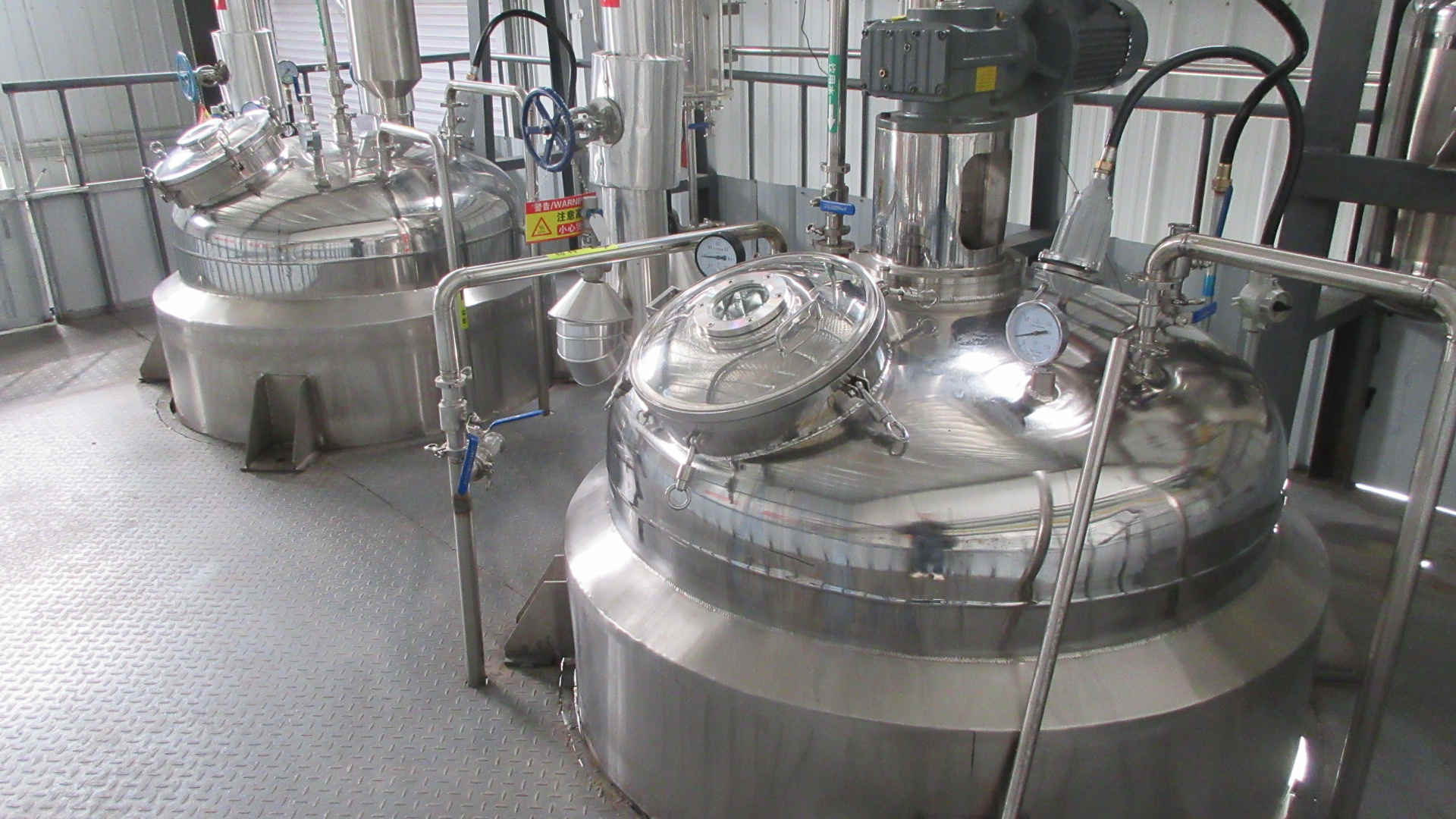
Automated multi-cubic deep-tank fermenters maintaining micro-aeration and temperature.
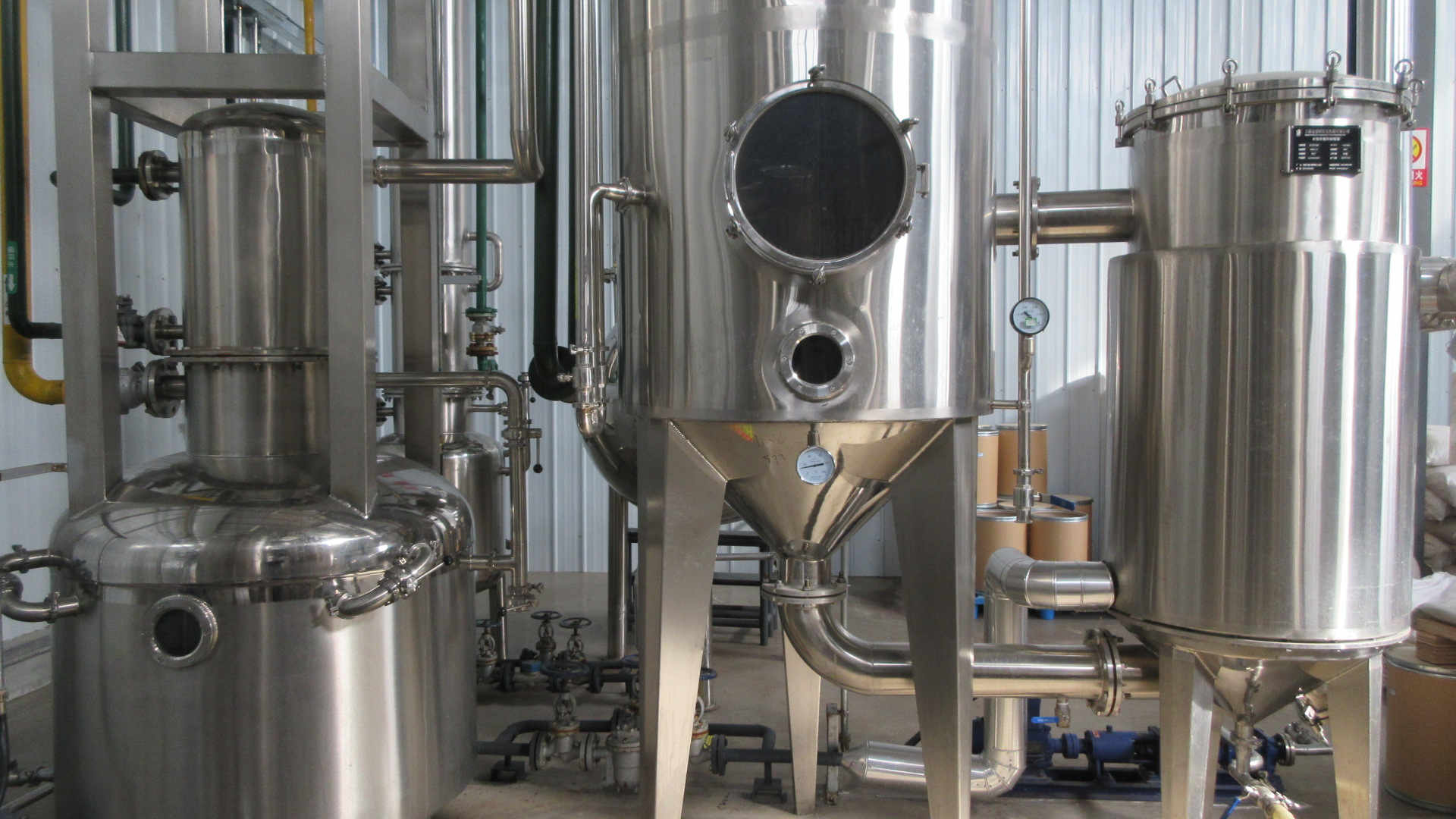
Low-temperature evaporative crystallization generating uniform polyol crystal geometry.
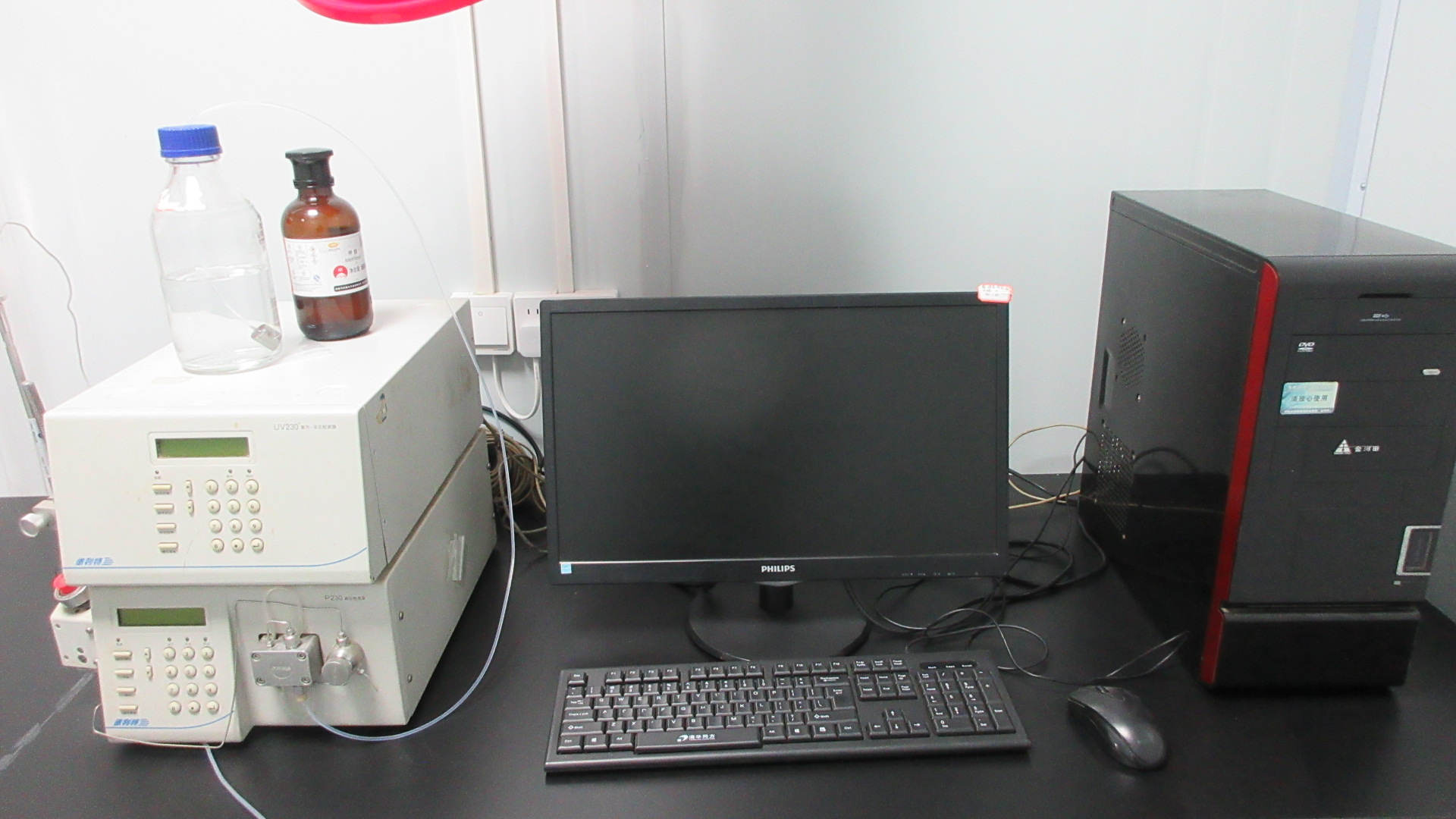
Isocratic HPLC systems verifying polyol chromatographic purity and quantifying trace isomers.
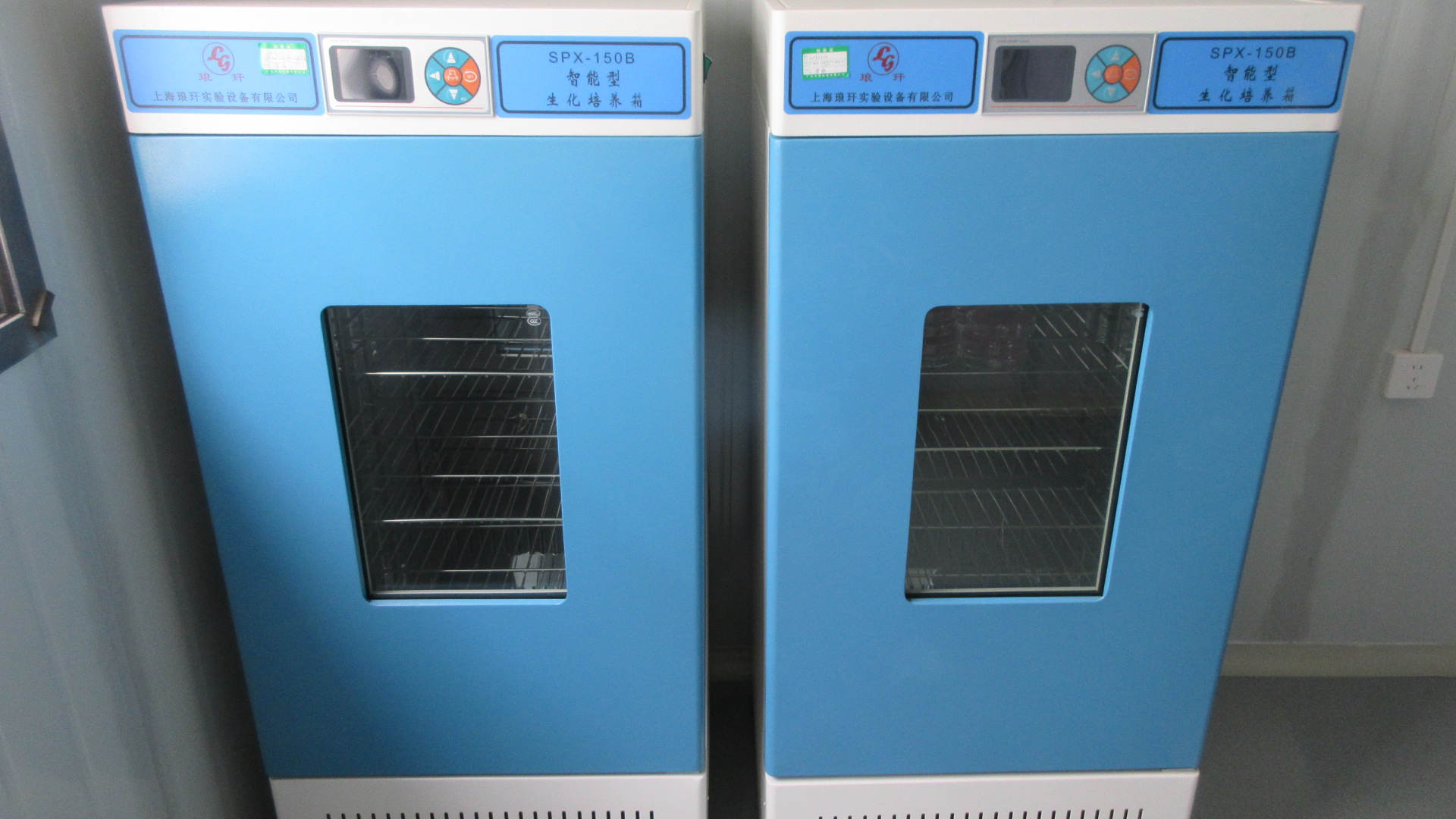
Validating zero presence of pathogenic bacteria, yeasts, molds, and coliform microflora.
Our quality management infrastructure conforms directly to the highest global benchmarks, facilitating rapid import processing, seamless customs clearance, and effortless compliance auditing for QA managers across Vojvodina and Central Europe:
Detailed insights addressing typical inquiries raised by corporate procurement officers, chief food chemists, and supply-chain logistics specialists:
Request certified pre-shipment samples, comprehensive technical datasheets, full batch COAs, and customized bulk tier pricing directly from our engineering team.