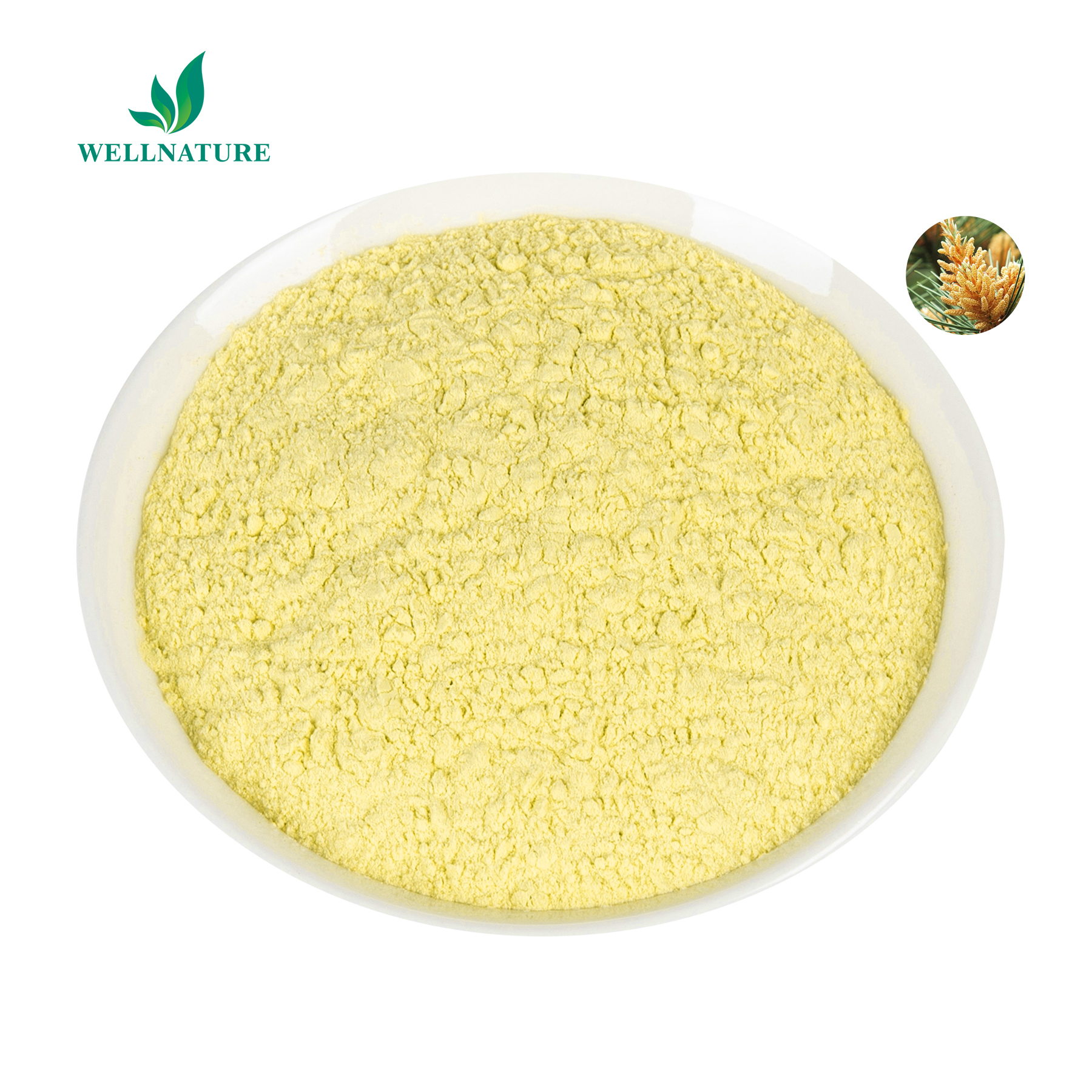
Factory Supply High Quality Soapbark Soapberry Extract Liquid Soapbark Liquid
Grade: Food / Beverage / Technical
High-Potency Quillaja Saponaria Saponin Solutions Engineered for Central European Breweries, Functional Beverages, Food Processing, Clean-Label Emulsions & Agro-Biostimulants.
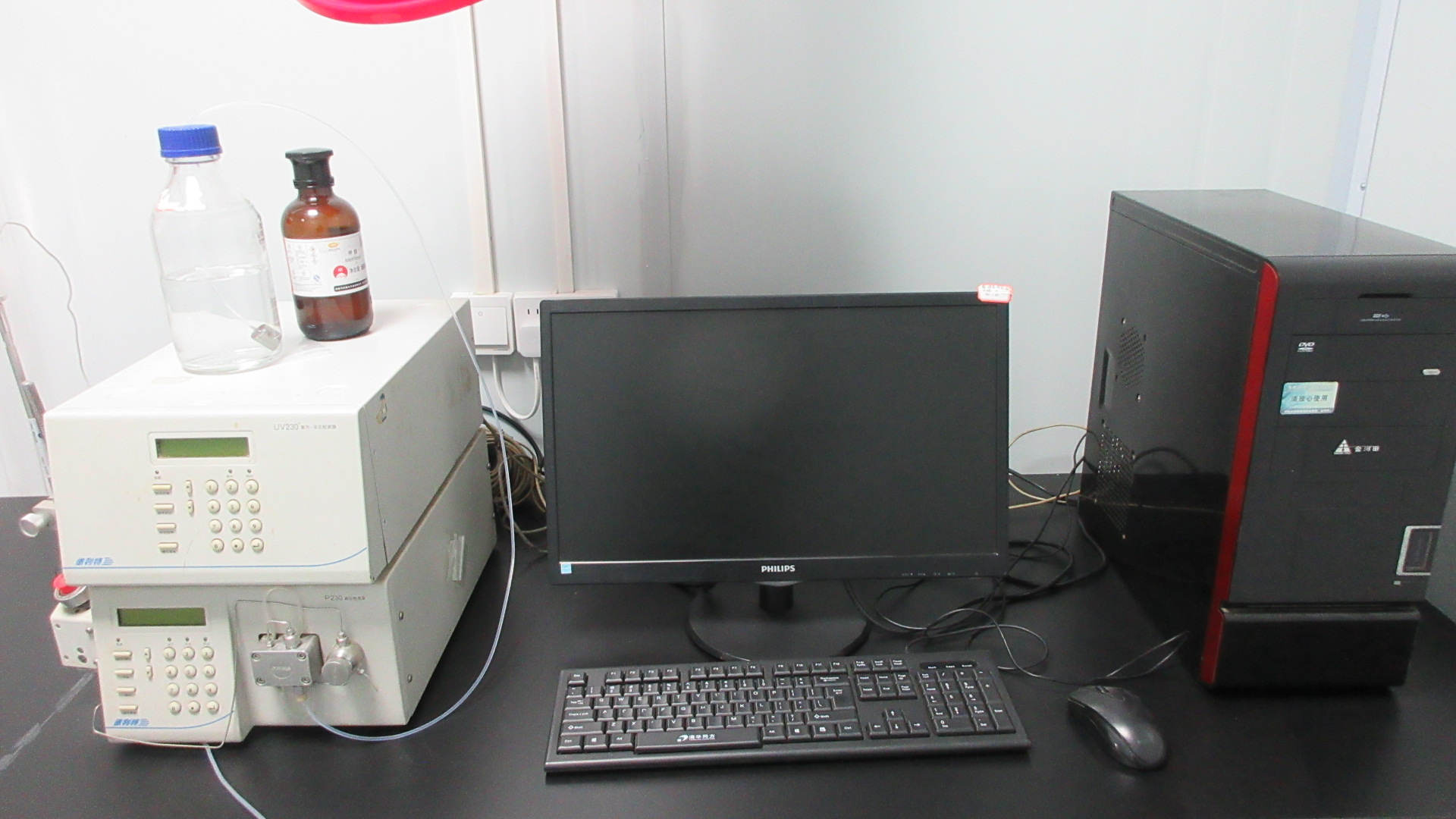
Tested batch-by-batch via verified HPLC/UV analytical assay protocols. In-stock items packaged for secure international freight to Prague, Brno, Ostrava, and Plzeň.
Soapbark Extract Liquid (derived exclusively from the inner bark of Quillaja saponaria Molina, an endemic evergreen tree belonging to the family Quillajaceae) serves as one of nature’s most robust, amphiphilic non-ionic surfactants. For industrial chemical purchasers and food-science formulation technologists across the Czech Republic, Quillaja liquid represents the premier clean-label alternative to synthetic emulsifiers such as polysorbates (Polysorbate 20, 60, 80) and propylene glycol alginates (PGA).
The functional potency of Soapbark extract lies directly in its high molecular weight triterpenoid saponin molecules. Structurally, these consist of a lipophilic quillaic acid triterpene backbone covalently bonded to two hydrophilic oligosaccharide chains via ester and glycosidic bonds. This distinct biphilic configuration imparts extraordinary interfacial thermodynamic activity: reducing surface tension in aqueous solutions to below 38 mN/m at very low critical micelle concentrations (CMC).
Within the regulatory parameters of the European Union, soapbark liquid extract is documented and classified under food additive code E999 (Quillaja extract), strictly controlled by Commission Regulation (EU) No 231/2012. The material features elevated thermo-kinetic stability, sustaining active saponin integrity across heat treatment processes exceeding 125°C and broad pH gradients ranging from 2.5 to 8.0 without phase separation or sedimentation.
| Analytical Parameter | Standard Beverage Grade (Type 1) | Concentrated Industrial Grade (Type 2) | Reference Test Method |
|---|---|---|---|
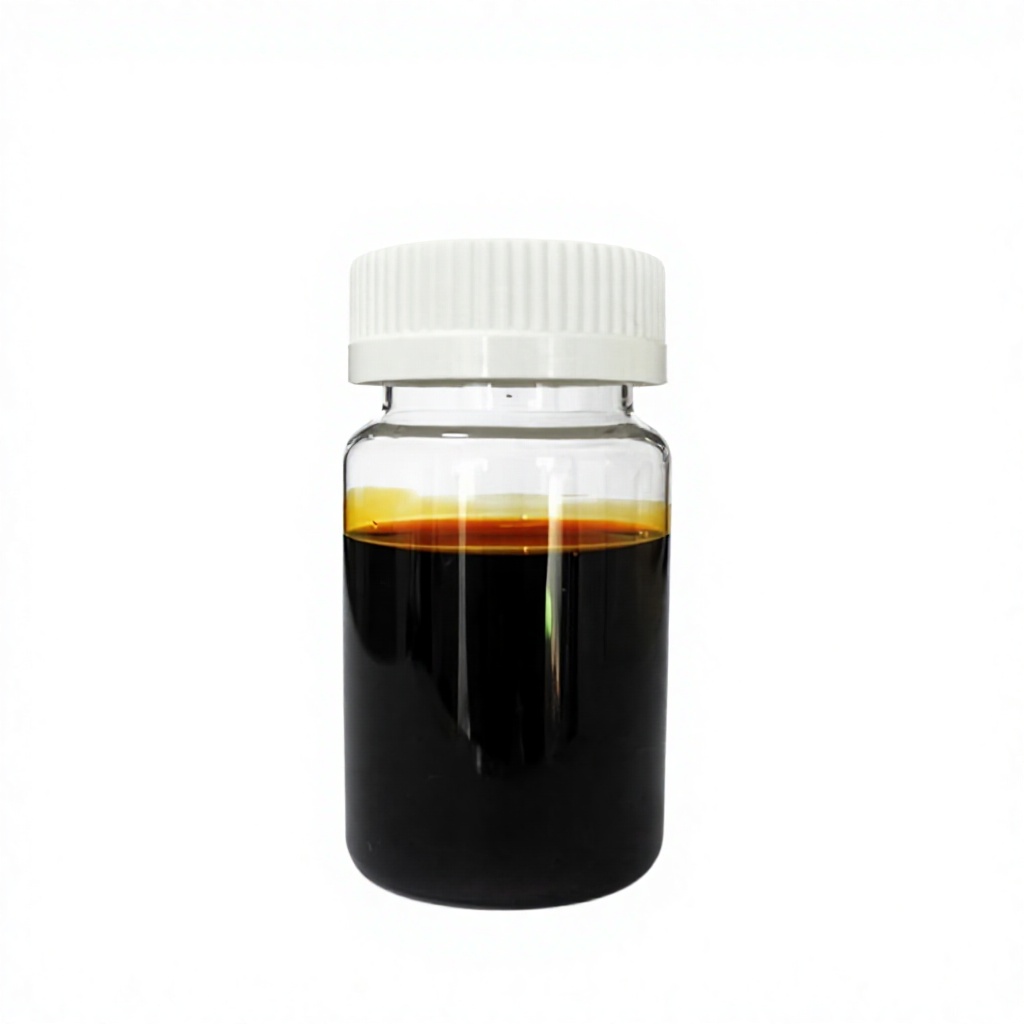
| Physical Appearance | Clear, dark-amber viscous liquid | Deep reddish-brown homogeneous liquid | Organoleptic inspection |
| Active Saponin Content (dry basis) | 20.0% – 25.0% (w/w) | 55.0% – 65.0% (w/w) | Reverse Phase HPLC / UV (214 nm) |
| Soluble Solids (°Brix) | 20.0 – 25.0 °Bx | 45.0 – 55.0 °Bx | Digital Refractometer @ 20°C |
| pH Value (as-is solution) | 3.7 – 4.5 | 3.5 – 4.8 | Direct Potentiometry |
| Heavy Metals (Pb, As, Cd, Hg) | < 5.0 mg/kg total (Pb < 1 ppm) | < 10.0 mg/kg total (Pb < 2 ppm) | ICP-MS (EU 1881/2006 limits) |
| Total Plate Count / Microbial | < 1,000 CFU/g; Yeast/Mold < 100 CFU/g | < 1,000 CFU/g; Salmonella Absent/25g | ISO 4833 / Pharmacopoeia standards |
Addressing the rigorous demands of Czech manufacturing ecosystems, from historic Bohemian breweries to modern Moravian agritech hubs.
The Czech Republic leads global annual per-capita beer consumption. In classic pilsner brewing, non-alcoholic malt formulations (Nealkoholické pivo), and hard ciders, foam structure (pěna) and lacing are crucial quality indicators.
Soapbark extract liquid acts as a potent natural head retention agent, generating ultra-dense, creamy micro-foam that resists collapse without compromising malt-hop aromatics, cloudiness profile, or clarity specifications.
Traditional herbal sodas (such as legendary Kofola-type herbal colas) and functional botanical tonics require stable oil-in-water nano-emulsions.
Soapbark liquid saponins securely encapsulate essential citrus oils, herbal extracts, and lipid nutrients, preventing unsightly “oil ringing” at the neck of PET or glass bottles and surviving high-pressure carbonation pasteurization loops.
With extensive sugar beet, wheat, and Moravian viticulture transitioning toward European Green Deal compliance, agrochemical mixers demand natural wetting agents.
Quillaja saponins provide natural biocidal and nematicidal support, operating as an organic adjuvant that reduces spray drift, boosts foliar leaf coverage, and conditions soil biology without residual ecotoxicity.
Strategic analysis for enterprise purchasers maneuvering through stringent regulatory standards and clean-label consumer mandates.
Czech health-conscious consumers routinely scan labels for chemical additives. Soapbark liquid satisfies clean-label reformulation demands, substituting for chemically synthesized emulsifiers in confectionery, plant milks, and ready-to-drink beverages.
The explosion of non-alcoholic craft IPA and zero-proof lagers in the Czech market has exposed foam instability issues caused by altered ethanol and protein profiles. Saponin dosing perfectly compensates for body and lacing defects.
Czech chemical processing plants operating under Central European environmental oversight require suppliers to guarantee 100% biodegradable botanical sources with zero bioaccumulation or environmental hazards.
Global crop fluctuations in South America have triggered inventory bottlenecks across the EU. Czech importers are hedging risks by partnering with fully integrated industrial extraction factories holding strategic raw stocks.
Combining 15 years of extraction expertise, on-site third-party SGS verification, and end-to-end analytical traceability.
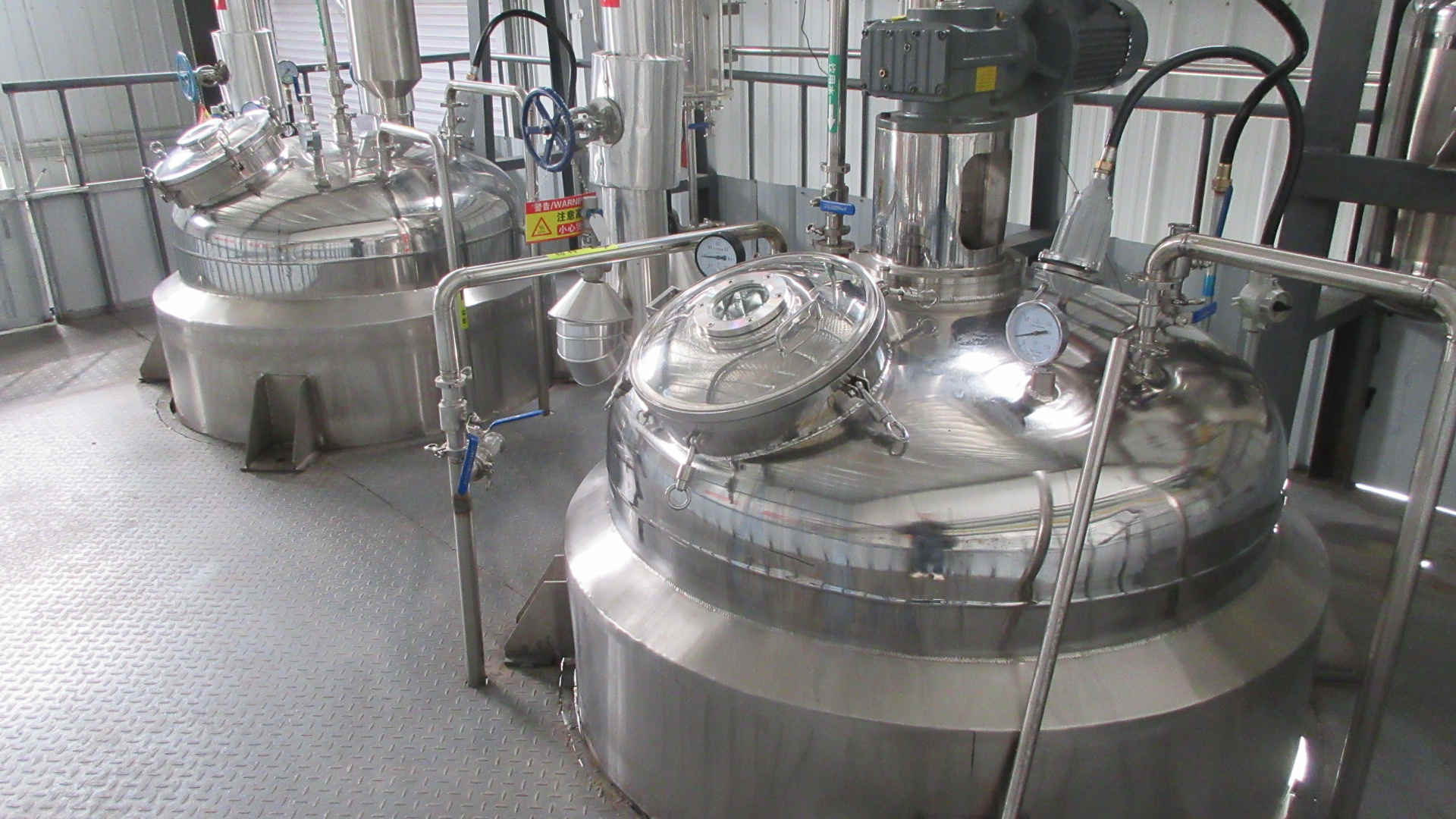
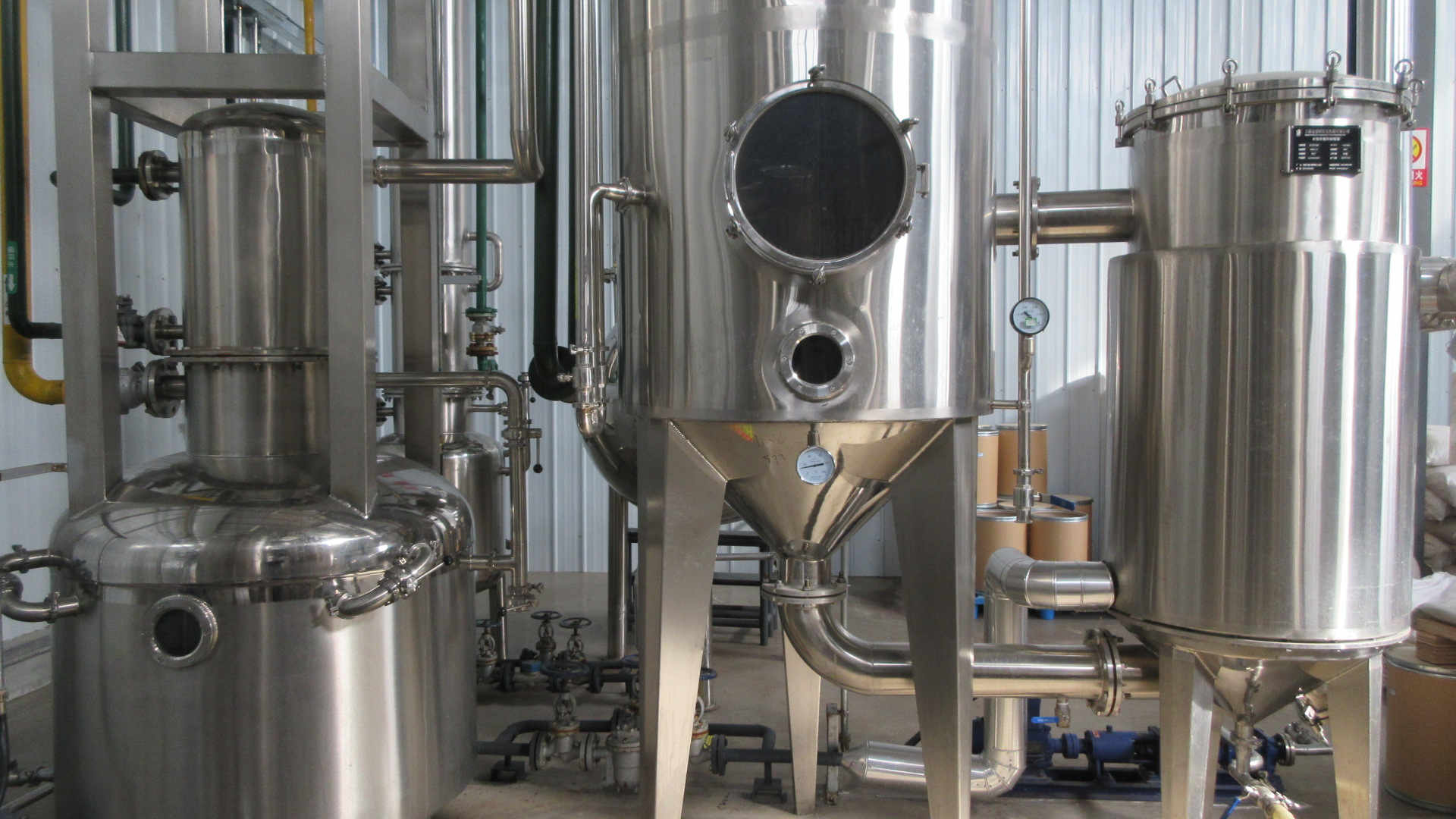
At BKYULA Biotech, our Quillaja saponaria extraction line utilizes continuous, low-temperature counter-current stainless extraction tanks (Type 316L) to prevent polyphenol degradation and carbohydrate caramelization. Raw quillaja bark is pulverized under cold inert conditions and extracted using purified deionized water.
The crude extract goes through a series of ceramic multi-stage ultrafiltration membranes to remove insoluble wood starches, tannins, and non-target fibers. The purified liquor is then concentrated under ultra-high vacuum at temperatures maintained below 48°C. This meticulous refinement yields an extraordinarily clear, homogeneous soapbark liquid free of microbial hazards, bitter residues, or chemical solvent traces.
Automated temperature, pressure, and flow logging system guarantee reproducible batch uniformity.
Prevents thermal degradation of sensitive glycosidic bonds in active triterpenoid saponins.
Batch assay validation against reference saponin standards before release to freight logistics.
Key technical, regulatory, shipping, and payment queries answered for Czech enterprise buyers.
Request pricing quotes, arrange sample shipments, or discuss custom saponin assays with our technical team today.
Get Catalog