HPLC Standard
 English
Explore our core standardized botanical raw materials, vacuum-packed and certified for high-end dietary supplements, functional food matrices, and cosmeceuticals.

Sulforaphane (1-isothiocyanato-4-methylsulfinylbutane) represents the premier bioactive isothiocyanate derived from cruciferous vegetables, particularly Brassica oleracea L. var. italica (broccoli). In its native botanical matrix, the compound exists as its stable precursor glucosinolate, known as glucoraphanin. Enzymatic conversion to active sulforaphane requires myrosinase (β-thioglucoside glucohydrolase), which cleaves the glucose and sulfate moieties upon cellular wall disruption. For dietary supplement formulators and pharmaceutical researchers across Athens and the broader Attica region, commercializing this potent phytochemical has historically presented profound technical hurdles regarding chemical stability, volatility, thermolability, and rapid metabolic clearance.
From an evidence-based molecular pharmacology perspective, sulforaphane is globally acknowledged as the most potent naturally occurring inducer of the Keap1-Nrf2-ARE (Kelch-like ECH-associated protein 1 - Nuclear factor erythroid 2-related factor 2 - Antioxidant Response Element) transcriptional pathway. Under basal physiological conditions, Nrf2 remains sequestered in the cytoplasm by homodimeric Keap1, facilitating rapid ubiquitination and subsequent 26S proteasomal degradation. Upon oral administration of high-purity, bioavailable sulforaphane powder, the electrophilic isothiocyanate moiety reacts directly via nucleophilic addition with specific hyper-reactive cysteine thiol sensors on Keap1 (primarily Cys151, Cys273, and Cys288). This covalent adduction induces a conformational alteration that abrogates Keap1-mediated ubiquitination, liberating Nrf2 to translocate directly into the nucleus.
Potently upregulates NQO1, Glutathione S-Transferase (GST), and heme oxygenase-1 (HO-1), neutralizing electrophilic metabolites and ROS within hepatic and peripheral human tissues.
Acts as an endogenous histone deacetylase (HDAC) inhibitor, restoring regular histone acetylation, reactivating silenced tumor suppressor genes, and mitigating aberrant DNA methyltransferase (DNMT) activity.
Interferes with IκB kinase (IKK) phosphorylation, preventing nuclear translocation of p65/p50 subunits and downregulating pro-inflammatory cytokines IL-6, TNF-α, and COX-2 expressions.
Inside the nucleus, Nrf2 heterodimerizes with small Maf proteins (sMaf), binding with exceptional affinity to the ARE regulatory locus found within the promoter regions of over 250 cytoprotective and phase II detoxification genes. These downstream effectors include NAD(P)H:quinone oxidoreductase 1 (NQO1), glutamate-cysteine ligase catalytic subunit (GCLC), glutathione peroxidase (GPx), and UDP-glucuronosyltransferases (UGTs). The ultimate physiological result is an unprecedented systemic cytoprotective shield that neutralizes reactive electrophiles, accelerates xenobiotic excretion, suppresses inflammatory signaling cascade nodes, and maintains optimal mitochondrial bioenergetics.
The operational landscape for botanical extracts in Athens, Greece, is distinguished by an intersection of traditional Mediterranean preventive medicine philosophies and rapidly expanding pharmaceutical, nutraceutical, and clinical research institutions centered across the Attica prefecture. Formulators located in metropolitan hubs such as Marousi, Chalandri, Kifisia, and western industrial manufacturing zones like Aspropyrgos require customized active substance stabilization to address specific local consumer demands and unique climatic variables.
Athens has evolved into a key southern European hub for anti-aging and cellular senescence supplementation. A major trend among Greek functional supplement laboratories is the formulation of dual-action cellular longevity complexes that pair high-yield stabilized Pure Sulforaphane Powder (standardized between 1.0% to 10% active sulforaphane, or ultra-pure 98% crystallized grade) with indigenous Mediterranean phytochemicals. Sulforaphane’s potent induction of intracellular glutathione works synergistically with the high-phenolic secoiridoids (oleocanthal and oleuropein) from Greek olive fruit extracts and traditional Chios mastic gum (Pistacia lentiscus). When formulated together into delayed-release gastro-resistant vegetarian capsules, these complexes provide localized gastrointestinal protection against Helicobacter pylori colonization while promoting systemic longevity via mitohormesis.
Athens hosts prestigious academic institutions, including the National and Kapodistrian University of Athens (Department of Pharmacy and Medical School), the Biomedical Research Foundation of the Academy of Athens (BRFAA), and the National Centre for Scientific Research "Demokritos". Research laboratories within these centers conduct extensive clinical trials on metabolic endotoxemia, non-alcoholic fatty liver disease (NAFLD), and adjunctive oncological therapy. Clinical investigators require HPLC-quantified pure sulforaphane powder devoid of residual extraction solvents, accompanied by full chromatographic fingerprints that prove the absence of harmful synthetic isothiocyanates, ensuring reproducibility across rigorous in vitro and clinical paradigms.
Attica encounters high UV radiation indices across over 250 sunny days per year, paired with dense metropolitan particulate matter (PM2.5 and PM10) concentrations within the Athens basin. Leading Greek dermocosmetic laboratories specialize in natural anti-aging topical solutions. By incorporating stabilized cyclodextrin-microencapsulated sulforaphane powder into anti-pollution serums and post-sun restorative creams, formulators activate phase II antioxidant defenses directly inside human epidermal keratinocytes. Unlike direct antioxidants like Vitamin C or E, which are rapidly oxidized upon UV exposure, sulforaphane does not neutralize free radicals directly; instead, it activates long-lasting cellular machinery that sustains natural UV resistance, reduces dermal erythema, and mitigates photoaging markers for up to 72 hours post-application.
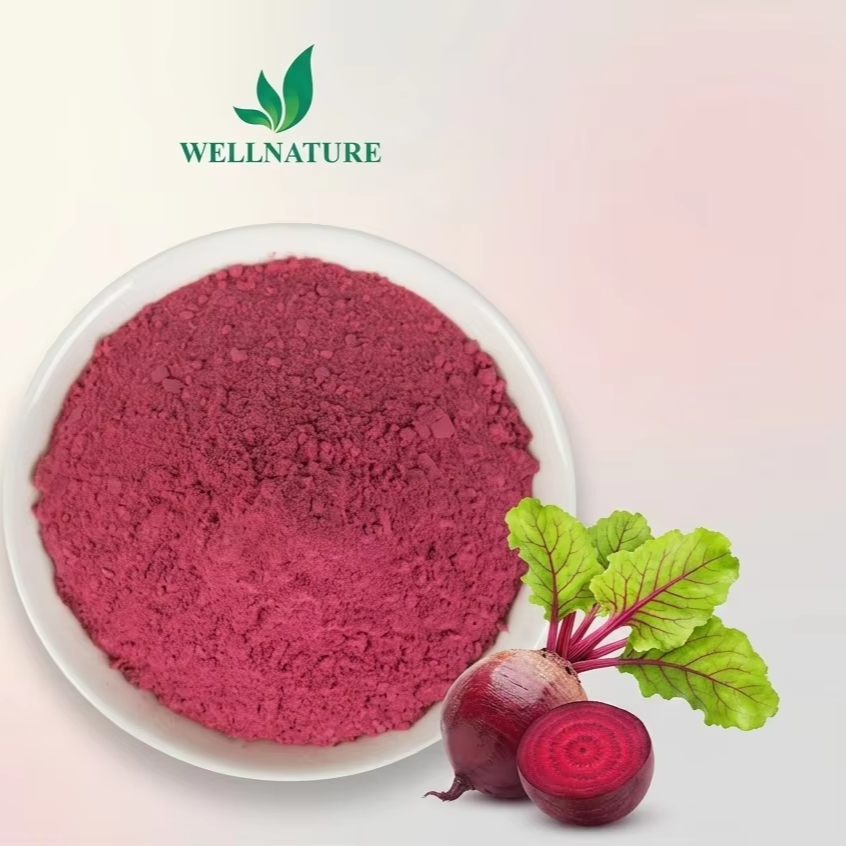
With an active athletic lifestyle running from coastal marathoners to maritime rowers and CrossFit athletes across Athens, performance nutritionists increasingly reject excessive synthetic pre-workouts in favor of cellular adaptogens. Pure sulforaphane enhances mitochondrial spare respiratory capacity, facilitates muscular lactate clearance, and attenuates delayed-onset muscle soreness (DOMS) induced by eccentric exercise stress. When blended with our standardized Pure Beetroot Juice Powder (rich in natural inorganic nitrates) and Liposomal NMN Powder, Greek sports nutrition brands create innovative clean-label formulas that improve both systemic nitric oxide bioavailability and cellular NAD+ regeneration.
Procuring raw botanical ingredients in Greece requires navigating complex regulatory landscapes, supply chain variables, and evolving consumer buying habits:
1. Strict National Organization for Medicines (EOF) Compliance: Dietary supplements marketed in Greece must be notified to the National Organization for Medicines (EOF - Εθνικός Οργανισμός Φαρμάκων). EOF enforces strict safety tolerances regarding pesticide residues, mycotoxins, heavy metals (Cadmium, Lead, Mercury, Arsenic), and solvent residues as dictated by the European Pharmacopoeia (Ph. Eur.) and EU Regulation (EC) No 396/2005. Chinese manufacturers must deliver full batch-specific Certificate of Analysis (COA) data backed by validated HPLC and GC-MS testing methods.
2. EFSA Novel Food vs. Botanical Extract Classifications: While broccoli sprout concentrates naturally rich in glucoraphanin are generally recognized as traditional food supplements within EU member states, synthetic forms of sulforaphane or synthetic variants undergo intense regulatory scrutiny under EU Regulation 2015/2283. Greek contract manufacturers require authentic, 100% naturally derived plant extracts extracted via cold water or food-grade ethanol/CO2 systems, verified by stable isotope ratio mass spectrometry (IRMS) if necessary, ensuring full frictionless market clearance.
3. Climate Resilience and Specialized Packaging: The intense ambient heat of Greek summers (temperatures regularly surpassing 40°C across Athens and Piraeus logistics yards) creates catastrophic degradation risks for uncomplexed, free sulforaphane, which is volatile and thermally unstable. The Athens market has definitively shifted towards microencapsulated forms (using natural gamma-cyclodextrin or liposomal vesicle entrapment) delivered in nitrogen-flushed, triple-laminated aluminum moisture-barrier bags stored under regulated cold-chain conditions (2–8°C) during transit.
Review the analytical criteria required by quality assurance directors when qualifying broccoli seed-derived sulforaphane compounds for Greek manufacturing.
| Parameter / Specification | Glucoraphanin Precursor Grade | Standardized Sulforaphane Powder | Stabilized Complex (Encapsulated) | Pure Pharmaceutical Grade (HPLC 98%) |
|---|---|---|---|---|
| Target Active Compound | Glucoraphanin (Sulforaphane Glucosinolate) | Free Active Sulforaphane | Sulforaphane-β-Cyclodextrin Complex | Pure Isothiocyanate (Sulforaphane) |
| Active Assay (HPLC) | 1.0% to 20.0% Glucoraphanin | 0.5% to 5.0% Free Sulforaphane | 1.0% to 2.5% Stabilized Sulforaphane | ≥ 98.0% Pure Sulforaphane |
| Physical Form | Fine Yellowish-Brown Powder | Light Green to Brownish Powder | Off-White to Pale Yellow Powder | Pale Yellow Low-Melting Solid / Oil |
| Thermostability Profile | Highly Stable (< 65°C) | Degrades rapidly at > 25°C | Stable up to 45°C ambient | Requires −20°C Storage |
| Myrosinase Requirement | Yes (Endogenous or Microfloral) | No (Directly Active) | No (Directly Active upon dissociation) | No (Directly Active) |
| Ph. Eur. Heavy Metals | Pb≤1.0, Cd≤0.5, Hg≤0.1 ppm | Pb≤1.0, Cd≤0.5, Hg≤0.1 ppm | Pb≤1.0, Cd≤0.5, Hg≤0.1 ppm | Pb≤0.5, Cd≤0.1, Hg≤0.05 ppm |
| Athens Best Use Case | Standard Daily Multivitamins | Functional Powders & Smoothies | Tableting, Hard Gel Capsules | Clinical Trials, Oncological Research |
An objective industrial appraisal of leading raw material producers and chemical synthesis companies capable of supplying certified broccoli extract and sulforaphane to Greece.
BKYULA Biotech stands as a distinguished Chinese direct manufacturer with 15 years of precision botanical extraction pedigree. Onsite-verified by the SGS Group and certified under ISO 9001:2015, ISO 22000, HACCP, HALAL, KOSHER, and FAMI-QS, the company operates dedicated low-temperature extraction, vacuum concentration, and microencapsulation suites. BKYULA specializes in producing 1% to 10% standardized free sulforaphane, stable glucoraphanin, and cyclodextrin-stabilized complexes engineered specifically for hot Mediterranean climates. Offering a minimal order quantity of just 1 gram for high-potency actives up to metric-ton drum shipments, every batch is accompanied by comprehensive HPLC chromatograms, heavy metal assays compliant with European Pharmacopoeia limits, and direct cold-chain logistics to Athens (ATH/Piraeus).
Headquartered in Milan, Italy, Indena is an esteemed global supplier of botanical active principles for pharmaceutical and nutraceutical applications. Operating with deep phytochemistry expertise, Indena provides proprietary glucosinolate derivatives and phytosome-complexed botanical extracts across southern Europe. While their proximity to Greece ensures swift transit through intra-EU trade routes, their high minimum order quantities and premium price structures frequently limit access for small to medium-scale Greek contract manufacturers seeking custom formulations.
Operating from Chiba, Japan, Tokiwa is a specialized phytochemistry innovator recognized for manufacturing ultra-pure analytical standards and concentrated isothiocyanates. Their pure sulforaphane derivatives undergo exhaustive NMR and HPLC quantification, making them a preferred choice for clinical research laboratories at the University of Athens. However, international air transit from Japan requires intricate customs clearance at Eleftherios Venizelos Airport, and supply allocations are frequently restricted.
The European operational branch of Sabinsa operates out of Langen, Germany, delivering an extensive catalog of patented standardized botanical extracts to the Greek pharmaceutical market. Known for clinical studies on bioavailability enhancement, Sabinsa supplies glucoraphanin-rich broccoli seed extracts. Greek buyers benefit from German warehouse clearance, though customized active assay variations and low-batch trial volumes remain difficult to secure outside established catalog lines.
Based in Ann Arbor, Michigan, USA, Cayman Chemical is an internationally revered supplier of biochemical research reagents, synthetic sulforaphane standards (≥98% purity), and stable isotope-labeled analogs. They supply medical biochemistry labs and oncology researchers throughout Athens. While their quality documentation is impeccable for in vitro and animal models, their chemical compounds are strictly categorized as research chemicals and cannot be deployed in commercial dietary food formulations.
With major European distribution centers in Germany, Santa Cruz supplies academic and hospital research laboratories throughout Athens with synthetic D,L-Sulforaphane, micro-aliquots, and related Nrf2 activation assay kits. Their catalog is ideal for molecular biology researchers studying cell signaling, but their gram-scale packaging pricing makes bulk commercial supplement manufacturing impossible.
Glanbia Nutritionals maintains a powerful commercial presence throughout the European Union, serving Greek sports nutrition brands with pre-formulated micronutrient blends. They integrate powdered brassica extracts into broader antioxidant premixes. Formulators in Athens seeking single-ingredient pure active sulforaphane for targeted therapeutic formulations often find their standard whole-blend catalog less flexible for custom therapeutic dosages.
Originating from Vestenbergsgreuth, Germany, Martin Bauer is a global powerhouse for raw herbal cuts, botanical powders, and tea extracts. They provide bulk brassica powders with exceptional traceability and agricultural compliance. However, their primary manufacturing focus centers on whole-plant ratios rather than high-purity, enzymatically activated, free isothiocyanate isolates.
Headquartered in Tralee, Ireland, Kerry Group develops science-backed ingredients for functional foods and beverages across Europe. They supply branded botanical extracts featuring glucosinolates suitable for ready-to-drink functional beverages. For Greek pharmacy supplement brands requiring high-potency encapsulated powders, Kerry’s food-matrix focus is not optimized for high-density, low-fill capsules.
Based in the Shaanxi botanical cluster in China, Undersun exports generic broccoli extracts and sulforaphane powders globally. They provide competitive spot-market pricing for standard ratios. When evaluating shipments destined for Greek EOF notification, buyers must conduct thorough secondary lot testing to ensure strict compliance with European limits on ethylene oxide, PAHs, and pesticide residue limits.
As verified by our on-site SGS inspection report and over US$4.28M in annual global exports, BKYULA Biotech operates fully integrated extraction lines in Xi'an, Shaanxi, engineered specifically to eliminate the quality inconsistencies typical of generic trading houses. When sourcing Pure Sulforaphane Powder, purchasing departments and quality assurance teams in Athens choose BKYULA based on four foundational manufacturing pillars:
We process pure non-GMO broccoli seeds through controlled low-temperature enzymatic hydrolysis, converting endogenous glucoraphanin into free active sulforaphane while strictly inhibiting the unwanted epithiospecifier protein (ESP) pathway that yields inactive sulforaphane nitrile.
To endure Mediterranean shipping routes through the Port of Piraeus and high summer temperatures across Athens warehouses, our free sulforaphane is molecularly complexed within pharmaceutical-grade cyclodextrins, yielding a stable, free-flowing powder with zero degradation up to 45°C.
Every single export batch is subjected to dual-column HPLC quantification, moisture analysis via loss-on-drying, and 48-hour microbial incubation. We test in-house for total plate count, yeasts, molds, Salmonella, and E. coli, ensuring 100% compliance with Ph. Eur. criteria before dispatch.
Furthermore, BKYULA supports Greek OEM and ODM supplement brand owners with flexible minimum order quantities (MOQs). High-potency active sulforaphane powders can be ordered starting from just 1 gram for formulation testing and pilot trials, scaling up to multi-ton drum quantities for automated capsule-filling lines. Our technical dossiers, complete with real-time stability testing data, accelerated shelf-life studies, MSDS, and GMO-free statements, streamline notification files submitted to the Greek National Organization for Medicines (EOF).
Technical, regulatory, and logistics answers for purchasing managers and regulatory compliance officers in Athens and Attica.